
Autonomous Machinery vs GPS-Guided Equipment: Which Delivers Better ROI for Field Operations?
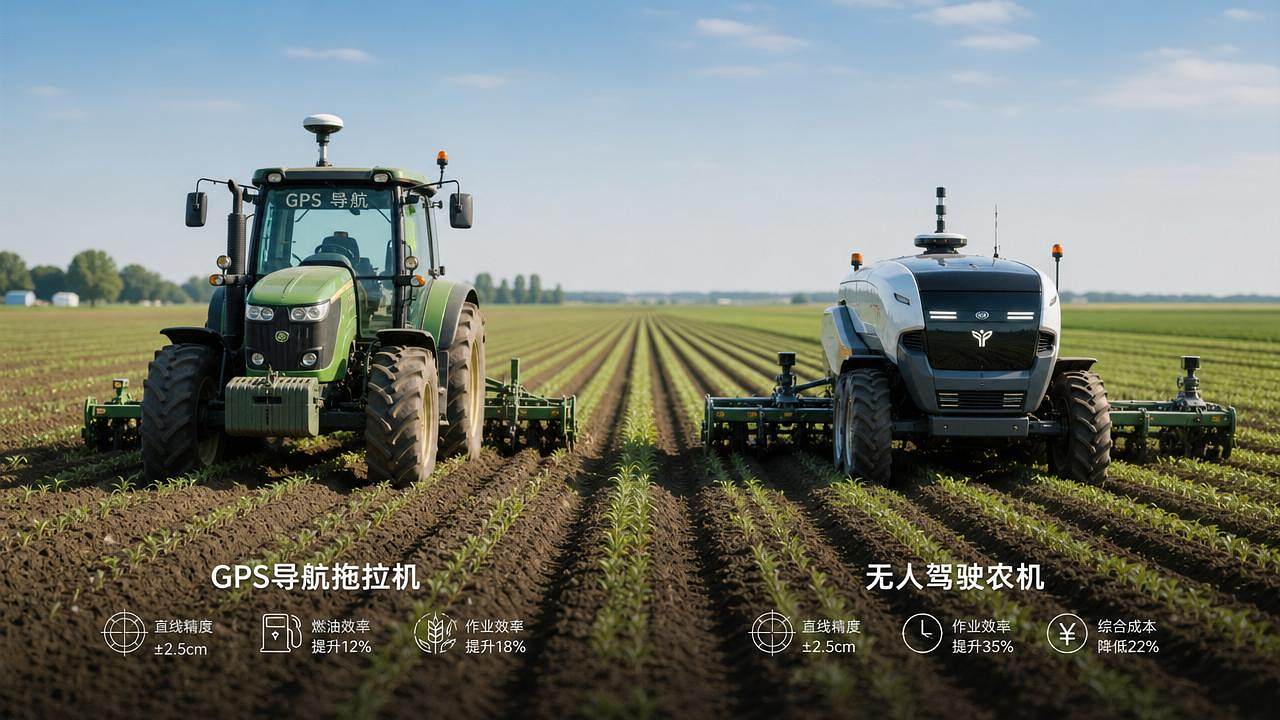




Autonomous Machinery vs GPS-Guided Equipment: Which Delivers Better ROI for Field Operations?
For enterprise leaders evaluating field investment strategy, the debate over autonomous machinery and GPS-guided equipment is no longer theoretical. It now shapes labor efficiency, input control, and long-term profitability.
The core question is not which technology sounds more advanced. The real issue is which system creates stronger ROI under actual field conditions, labor pressure, and expansion plans.
In many operations, autonomous machinery promises hands-free execution and deeper workflow automation. GPS-guided equipment, however, often wins on affordability, familiarity, and lower deployment risk.
That makes this a strategic procurement decision, not a simple technology comparison. The better ROI depends on task complexity, labor availability, fleet age, data capability, and the speed of operational change.
From the perspective of AP-Strategy, the smartest choice is usually the one that aligns machine intelligence with field economics. That means measuring value beyond the purchase price.
What Separates Autonomous Machinery From GPS-Guided Equipment?
GPS-guided equipment uses satellite positioning to improve path accuracy. It reduces overlap, controls pass-to-pass deviation, and supports precision work such as seeding, spraying, and fertilizer placement.
Autonomous machinery goes further. It combines positioning, sensors, onboard computing, and task logic to execute work with minimal operator involvement.
In simple terms, GPS guidance helps operators drive better. Autonomous machinery aims to reduce or reshape the operator’s role altogether.
- GPS-guided equipment improves steering precision and route consistency.
- Autonomous machinery manages movement, task execution, and sometimes obstacle response.
- GPS systems usually layer onto existing fleets more easily.
- Autonomous machinery often requires workflow redesign, software integration, and tighter safety protocols.
This difference matters for ROI. One technology mostly improves precision. The other can transform labor structure, machine utilization, and operating windows.
Where GPS-Guided Equipment Usually Delivers Faster Payback
For many field operations, GPS-guided equipment delivers the quickest and cleanest return. The reason is straightforward: the cost threshold is lower, while the savings are immediate and measurable.
Operators can reduce overlap during spraying and fertilizing. That cuts seed, chemical, fuel, and time waste without rebuilding the entire field management process.
GPS-guided equipment also shortens training cycles. Teams already understand tractors, sprayers, and harvesters. Adding guidance is usually easier than introducing full autonomous machinery.
This is especially valuable in mixed fleets. When equipment comes from different model years, GPS guidance can often standardize performance faster than a full autonomy upgrade.
- Lower upfront investment than autonomous machinery.
- Faster deployment across multiple field tasks.
- Clear savings in overlap reduction and fuel efficiency.
- Less operational disruption during rollout.
- Better fit for farms still building digital management discipline.
If the main goal is to improve precision without changing staffing models, GPS-guided equipment often delivers better short-term ROI. In procurement terms, it is usually the lower-risk entry point.
Where Autonomous Machinery Creates Stronger Long-Term ROI
Autonomous machinery becomes more compelling when labor constraints are severe. In many regions, the bigger cost is no longer fuel or inputs. It is the shortage of skilled machine operators.
That is where autonomous machinery changes the math. It can extend working hours, reduce dependence on hard-to-find talent, and keep field schedules on track during narrow planting or harvest windows.
More importantly, autonomous machinery supports a different operating model. One supervisor may monitor several units, rather than one driver staying in one cab for one shift.
That shift does not always pay off immediately. But for large-scale operations, it can produce stronger lifetime ROI than GPS-guided equipment alone.
In short, autonomous machinery tends to win when scale, labor pressure, and uptime matter more than easy implementation. That is why larger and more data-mature enterprises are moving in this direction.
The Hidden Cost Factors That Change the ROI Picture
Purchase price is only part of the decision. Real ROI depends on several hidden cost layers that are easy to underestimate during equipment selection.
For GPS-guided equipment, hidden costs usually include correction signal subscriptions, display upgrades, compatibility adapters, and operator onboarding. These are manageable, but they still affect payback timing.
For autonomous machinery, the list is broader. It may include safety validation, connectivity infrastructure, remote monitoring tools, software updates, and emergency intervention procedures.
There is also a change-management cost. Teams must trust the system, managers must redesign workflows, and service partners must respond quickly when intelligent systems fail in the field.
- Check software licensing and annual support terms.
- Audit network coverage across all working zones.
- Estimate downtime risk during the learning period.
- Review retrofit compatibility with existing tractor chassis and tools.
- Model resale value under fast technology change.
This is where many buying decisions go wrong. A cheaper system with weak integration can cost more over five years than premium autonomous machinery with stable uptime and better data continuity.
How to Match the Technology to Field Operation Type
Not every operation needs the same level of automation. The best ROI comes from matching technology depth to field reality.
For broad-acre row crop systems, GPS-guided equipment often delivers strong results first. Straight passes, repeatable tasks, and large coverage areas make precision guidance highly efficient.
For operations facing labor shortages across multiple shifts, autonomous machinery becomes more attractive. This is even more true when planting, spraying, or hauling must continue under tight weather windows.
For complex environments, such as irregular fields or mixed terrain, the decision requires closer testing. Here, autonomy may still work well, but validation standards should be stricter.
- Choose GPS-guided equipment when the priority is input savings and easier adoption.
- Choose autonomous machinery when the priority is labor substitution and extended machine hours.
- Combine both when building a phased modernization roadmap.
In practice, the hybrid path is often the most financially sound. Many enterprises start with GPS-guided equipment, then expand into autonomous machinery where labor bottlenecks are most expensive.
A Practical ROI Framework for Procurement Teams
A strong investment decision needs more than vendor claims. It needs a structured ROI framework built around your own field data.
Start with baseline metrics. Measure current overlap rates, labor cost per hectare, machine idle time, fuel use, and seasonal delays linked to staffing or poor visibility.
Then compare scenarios. One should model upgraded GPS-guided equipment. Another should model autonomous machinery for the highest-value task category.
- Calculate payback under normal, tight-labor, and adverse-weather seasons.
- Separate direct savings from strategic gains such as schedule reliability.
- Test one crop cycle before scaling fleet-wide.
- Require vendors to define support response times in writing.
- Assess data ownership, interoperability, and upgrade paths.
This framework reduces selection bias. It also helps procurement teams defend capital decisions with evidence, not enthusiasm.
From recent market shifts, the clearer signal is this: autonomous machinery is gaining strategic value, but GPS-guided equipment still delivers the better first-step ROI in many operations.
Final Verdict: Which Delivers Better ROI?
If the objective is fast payback, lower risk, and immediate precision gains, GPS-guided equipment usually delivers better ROI. It is easier to deploy, easier to train, and easier to justify.
If the objective is long-term labor resilience, higher machine utilization, and scalable operational automation, autonomous machinery can outperform over time. Its value grows as labor pressure and operational complexity increase.
So the better answer is not universal. It depends on where your current inefficiency is most expensive.
For many field operations, the most practical route is phased adoption. Use GPS-guided equipment to lock in precision savings first. Then deploy autonomous machinery where labor shortages and scheduling risks are hurting margins most.
That approach keeps investment disciplined, reduces transition risk, and turns digital field operations into a measurable profit strategy rather than a technology experiment.
Related News
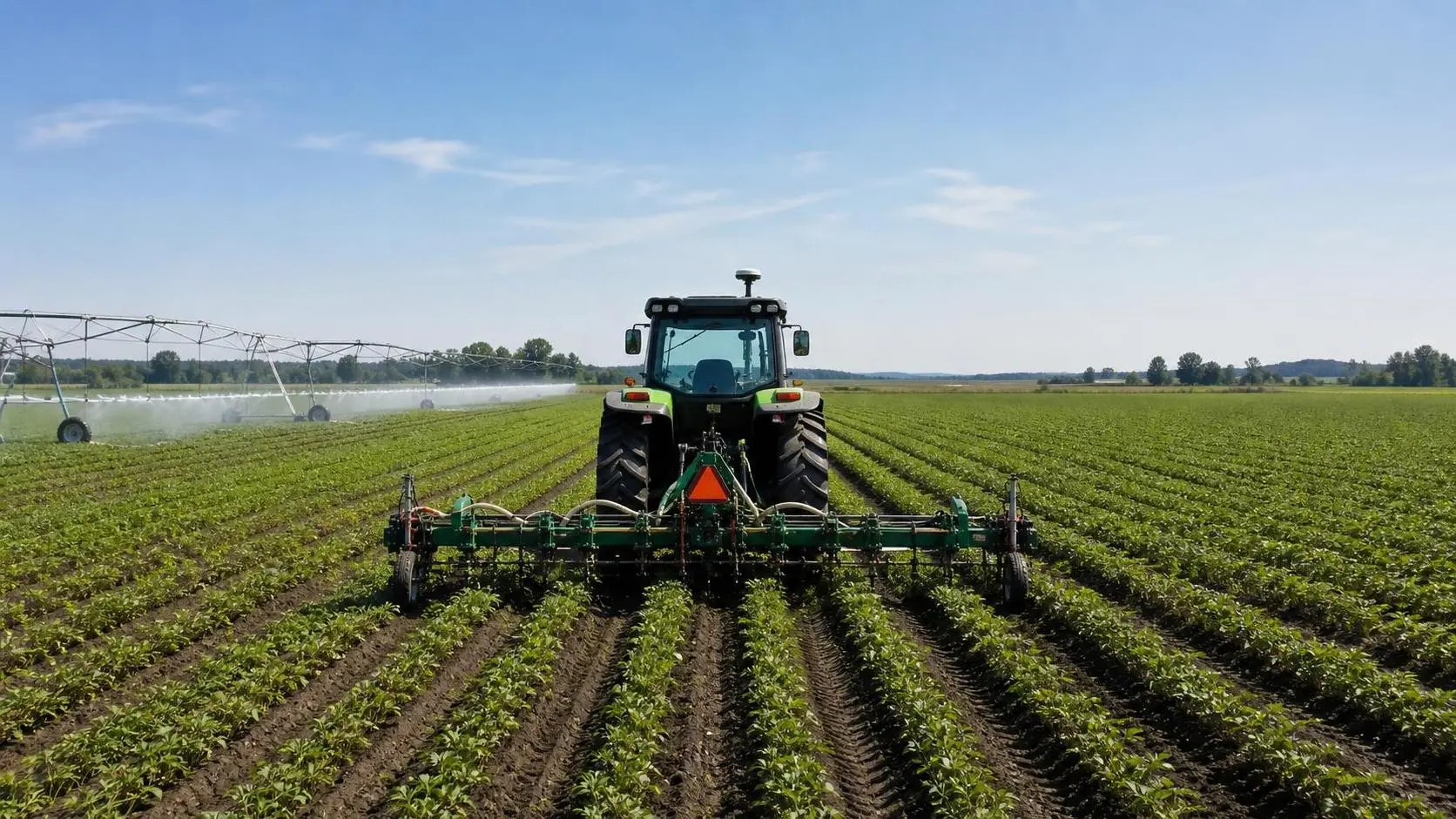
How RTK Satellite Positioning Improves Accuracy in Precision Farming Operations
RTK satellite positioning boosts precision farming with repeatable guidance, lower overlap, and better field data. Learn what to verify before choosing an RTK system.
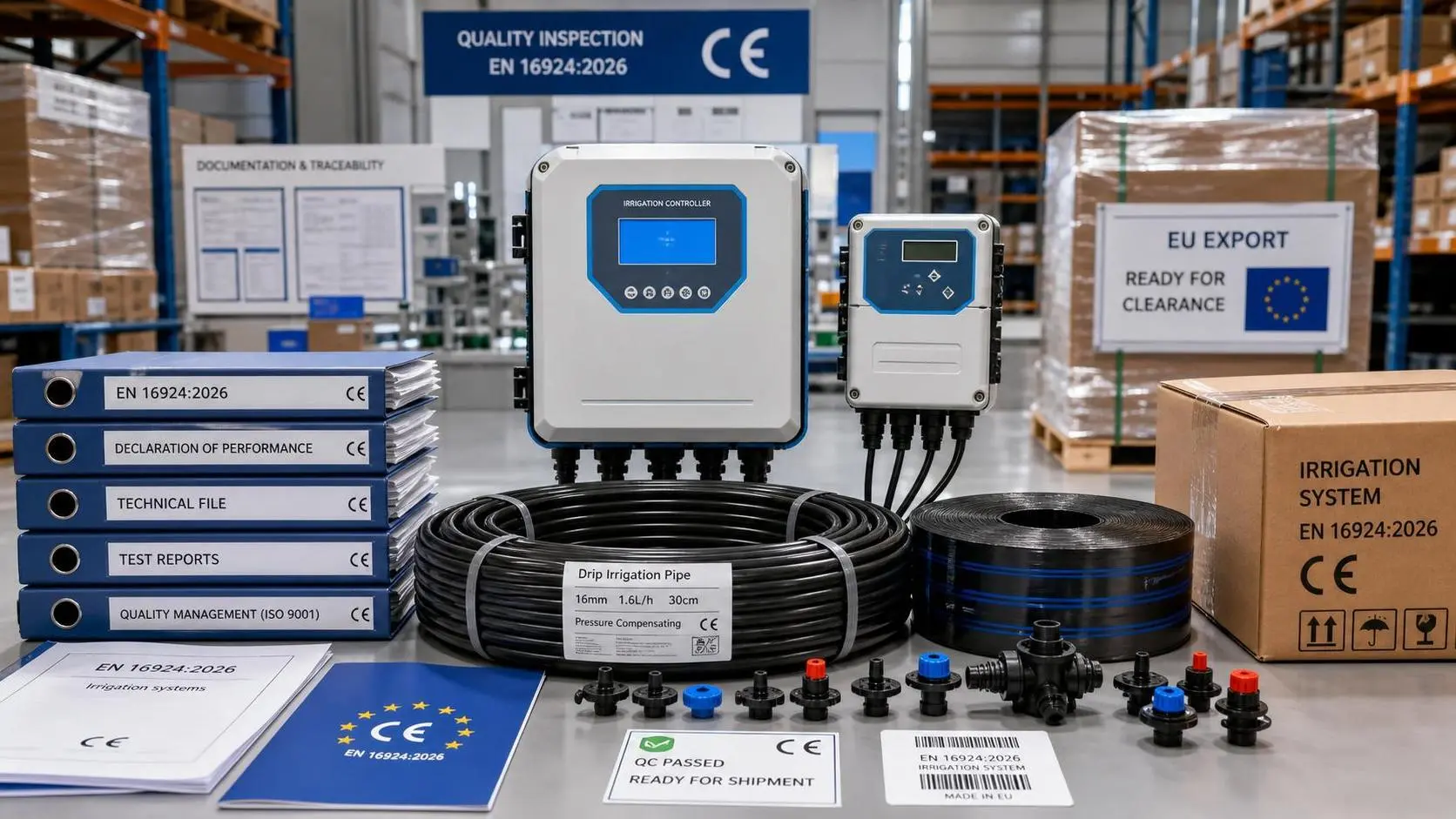
EU Rule Takes Effect: EN 16924:2026 for Drip Irrigation Logic
EN 16924:2026 now reshapes EU access for Drip Irrigation Logic products. Learn how certification, CE marking, customs, and warehouse risks impact exporters and buyers.
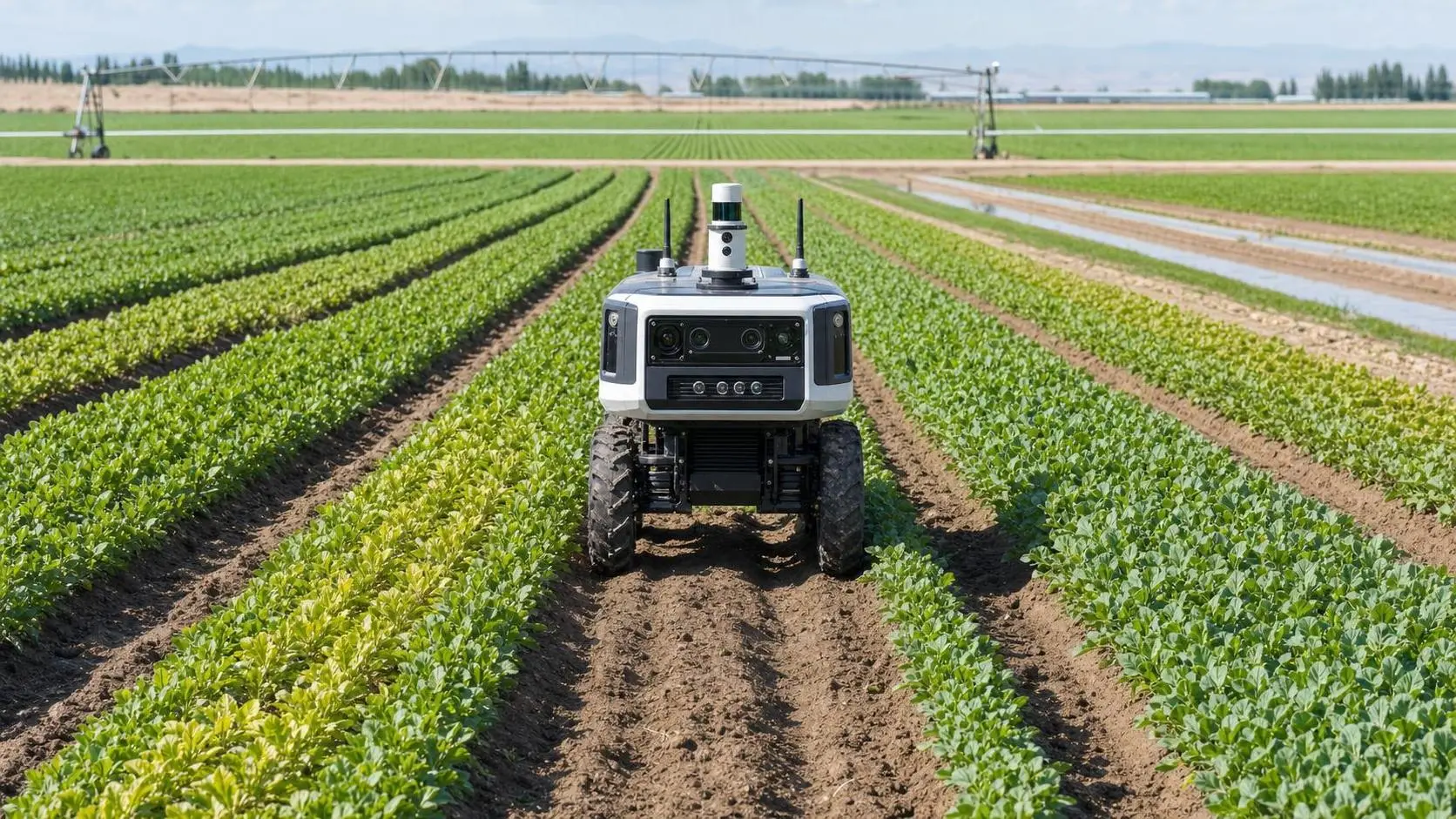
How Autonomous Machinery for Crop Scouting Helps Growers Detect Field Issues Earlier
Autonomous machinery for crop scouting helps growers spot irrigation gaps, pest pressure, and crop stress earlier, turning field data into faster decisions and smarter action.
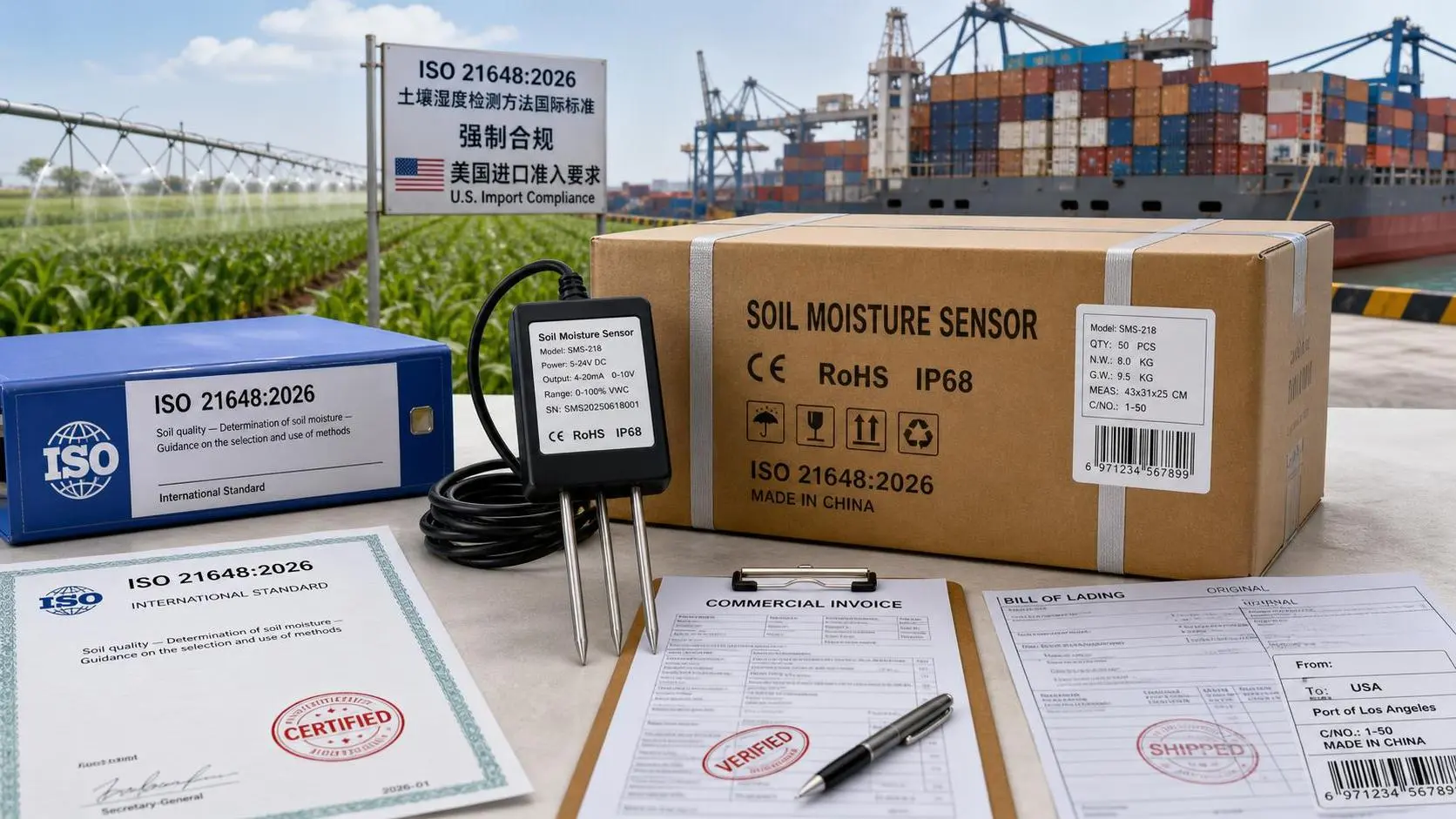
USDA Rule Makes ISO 21648:2026 Mandatory
USDA Rule Makes ISO 21648:2026 Mandatory for soil moisture sensors entering the U.S. Learn how the new USDA import compliance guide impacts certification, CBP entry, suppliers, and delivery plans.
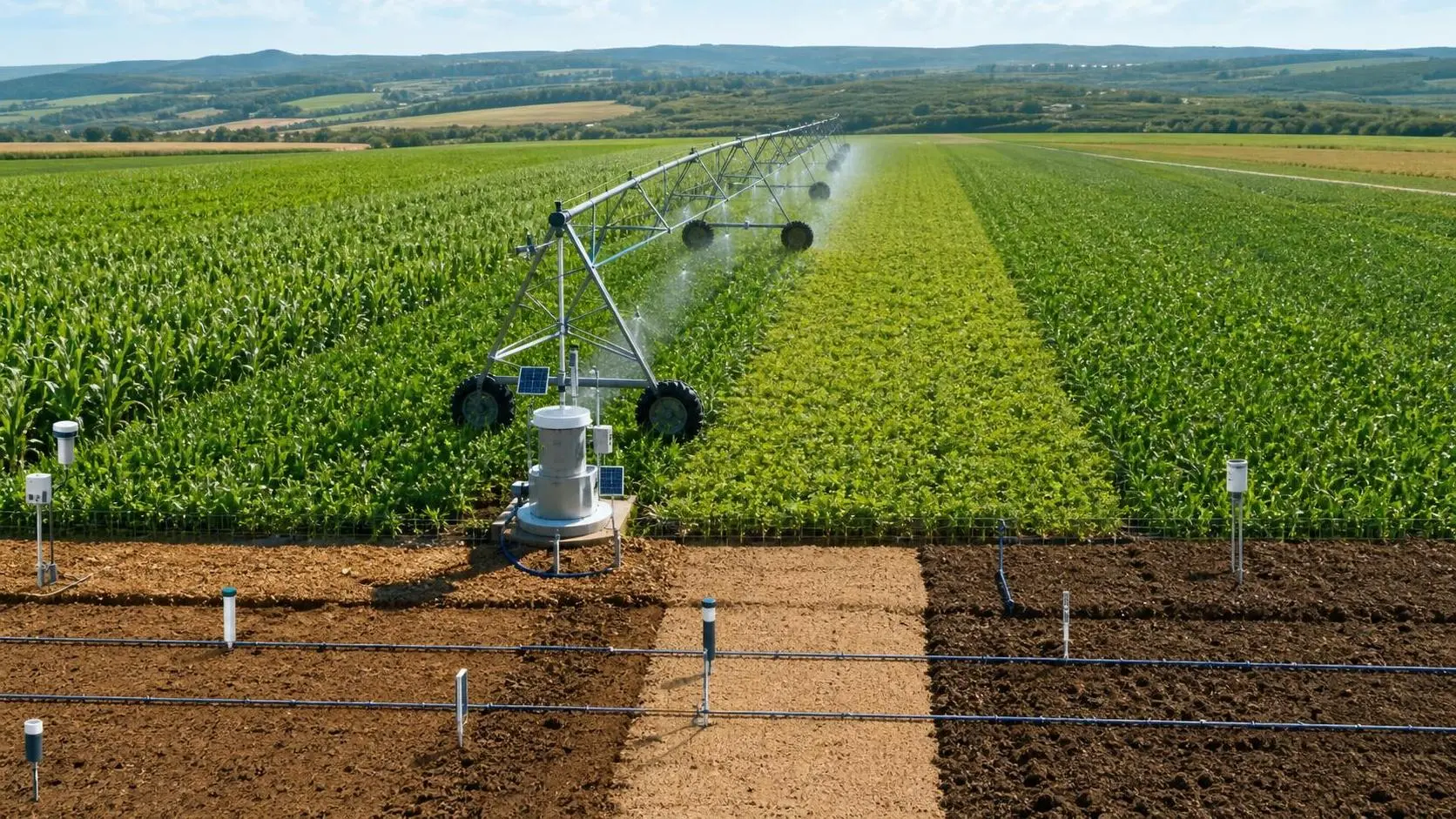
How Digital Farming Improves Irrigation Planning With Soil Data and GPS Mapping
Digital farming for irrigation planning turns soil data and GPS mapping into smarter watering decisions, helping farms reduce waste, improve field precision, and boost operational efficiency.
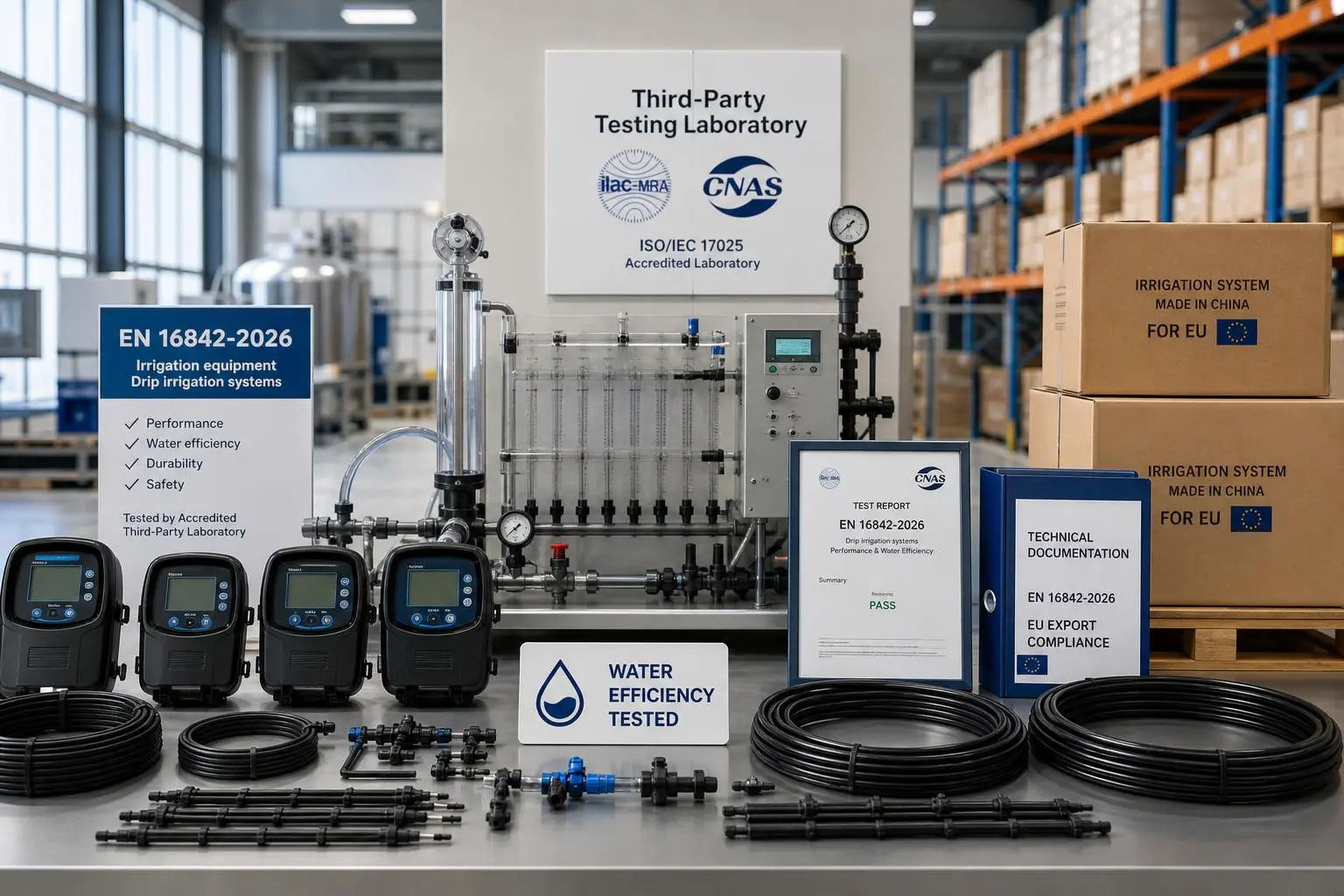
EU Rule Takes Effect: EN 16842-2026 Required for Drip Irrigation Logic Exports
EN 16842-2026 now makes third-party certification mandatory for Drip Irrigation Logic exports to the EU. Learn the compliance risks, customs impact, and supplier checks now.
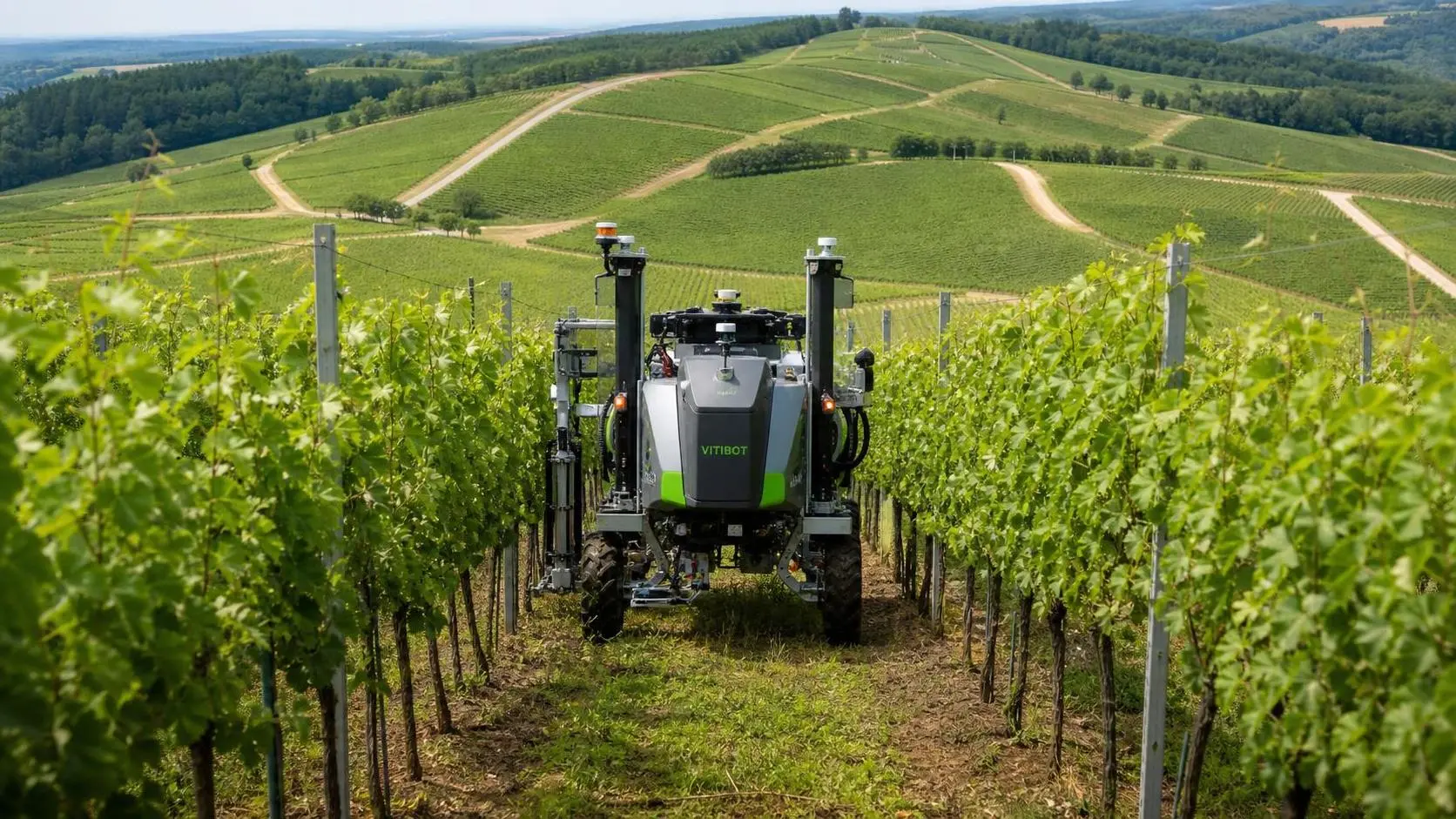
How to Evaluate Autonomous Machinery for Vineyards by Terrain, Tasks, and ROI
Autonomous machinery for vineyards: learn how to evaluate terrain fit, task suitability, safety, and ROI to choose the right solution and reduce procurement risk.
USDA Tightens Import Rules for Soil Moisture Sensors
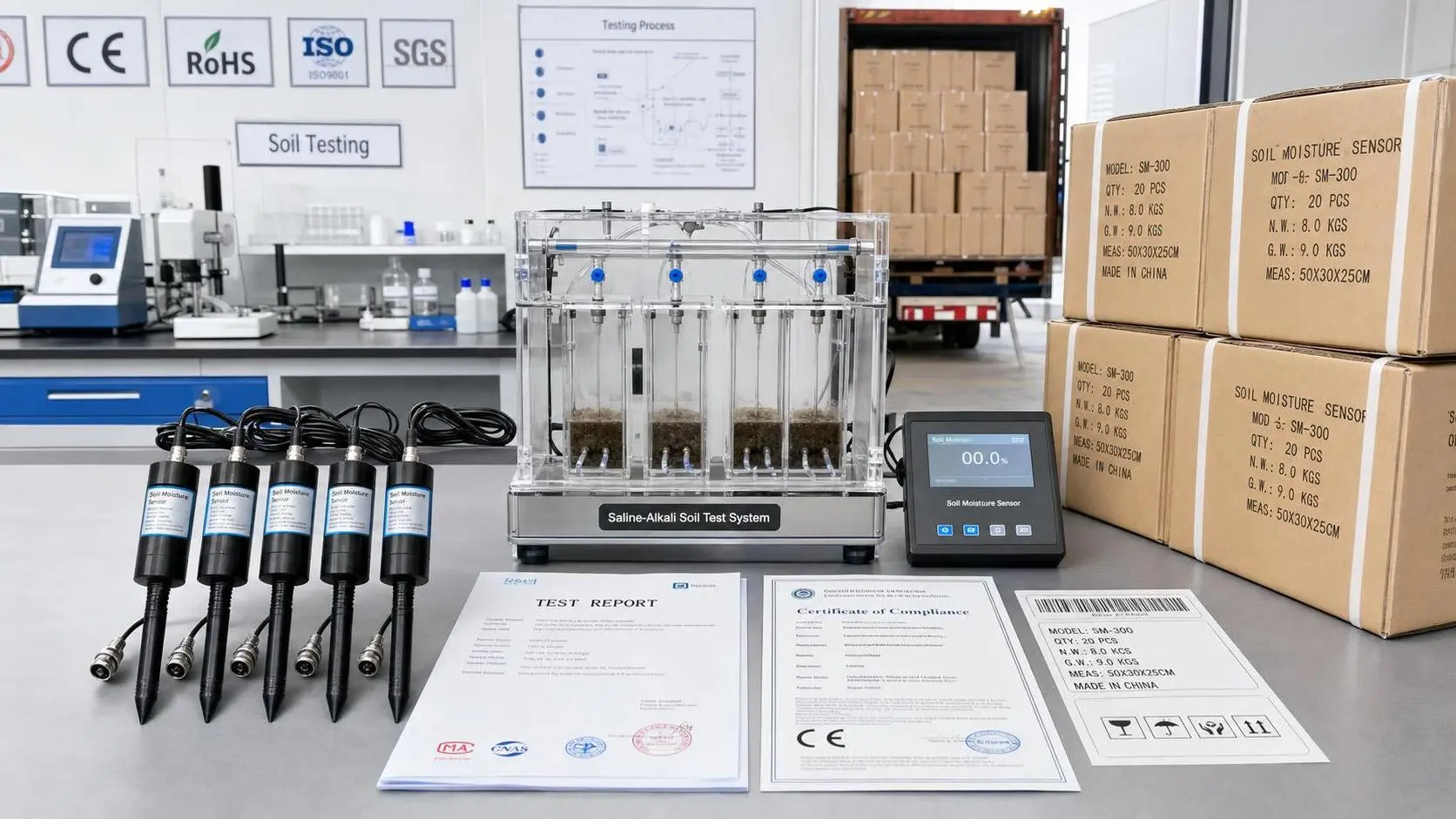
Soil Moisture Sensors face new USDA import rules from Oct. 1, 2026. Learn how ISO 11274-3:2026 testing may impact customs clearance, lead times, and supplier planning.
How to Use a Global Agricultural Equipment Directory to Compare Suppliers and Reduce Sourcing Risk
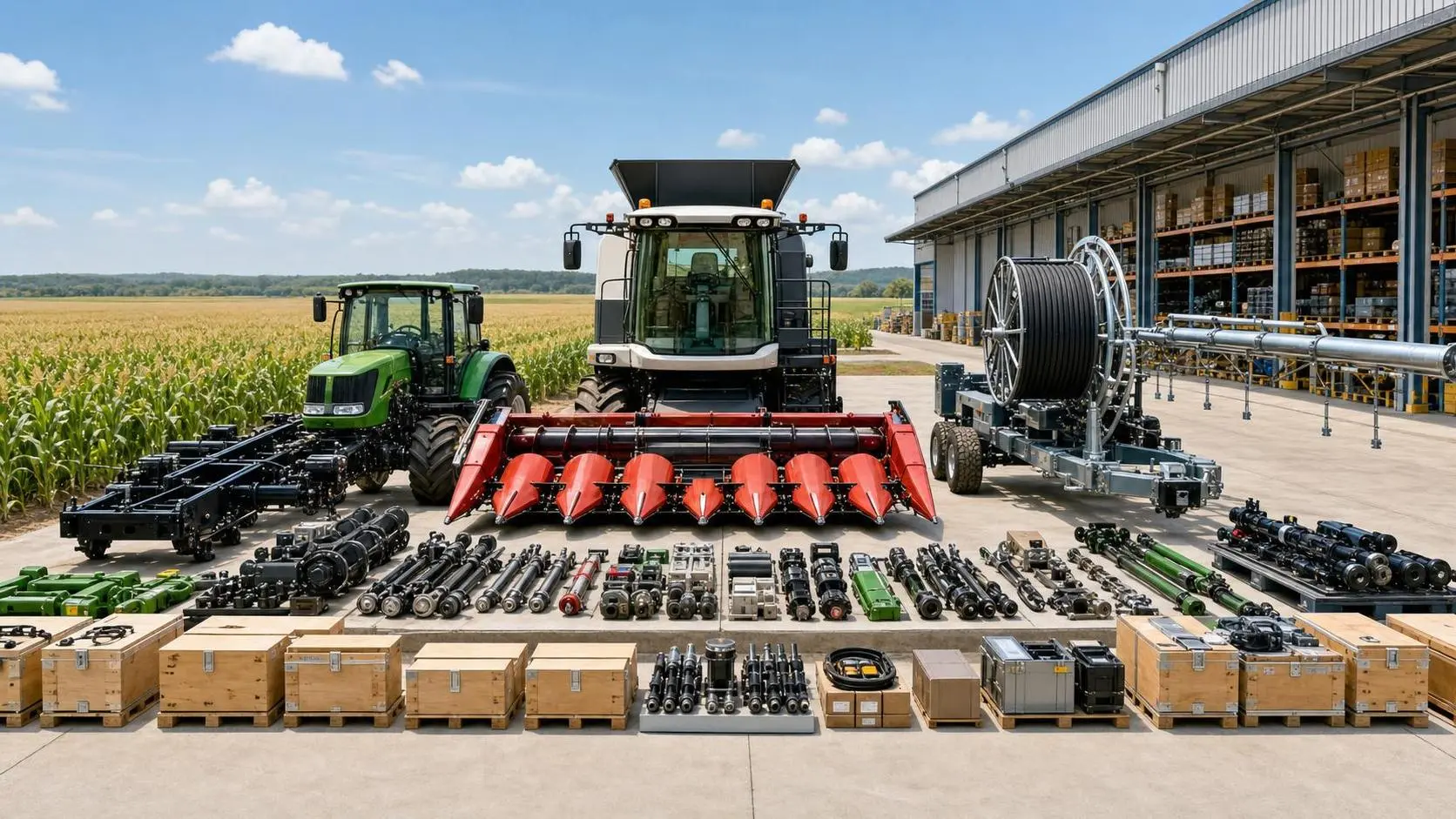
Agricultural equipment directory global sourcing starts with smarter supplier comparison. Learn how to assess fit, compliance, support, and market readiness to reduce sourcing risk.
Related News
- 00
0000-00
How Autonomous Machinery for Crop Scouting Helps Growers Detect Field Issues Earlier - 00
0000-00
How to Evaluate Autonomous Machinery for Vineyards by Terrain, Tasks, and ROI - 00
0000-00
Brazil ANVISA Rule Requires Portuguese Risk Labels for Farm Robots - 00
0000-00
EU CE Update Sets EN ISO 13849-1:2025 for Autonomous Robots - 00
0000-00
How AI Autonomous Agricultural Machinery Works in Large-Scale Field Operations
Popular Tags
Tractor Power Architect
Weekly Insights
Stay ahead with our curated technology reports delivered every Monday.