
India Expands BIS Scope for Autonomous Farm Robots
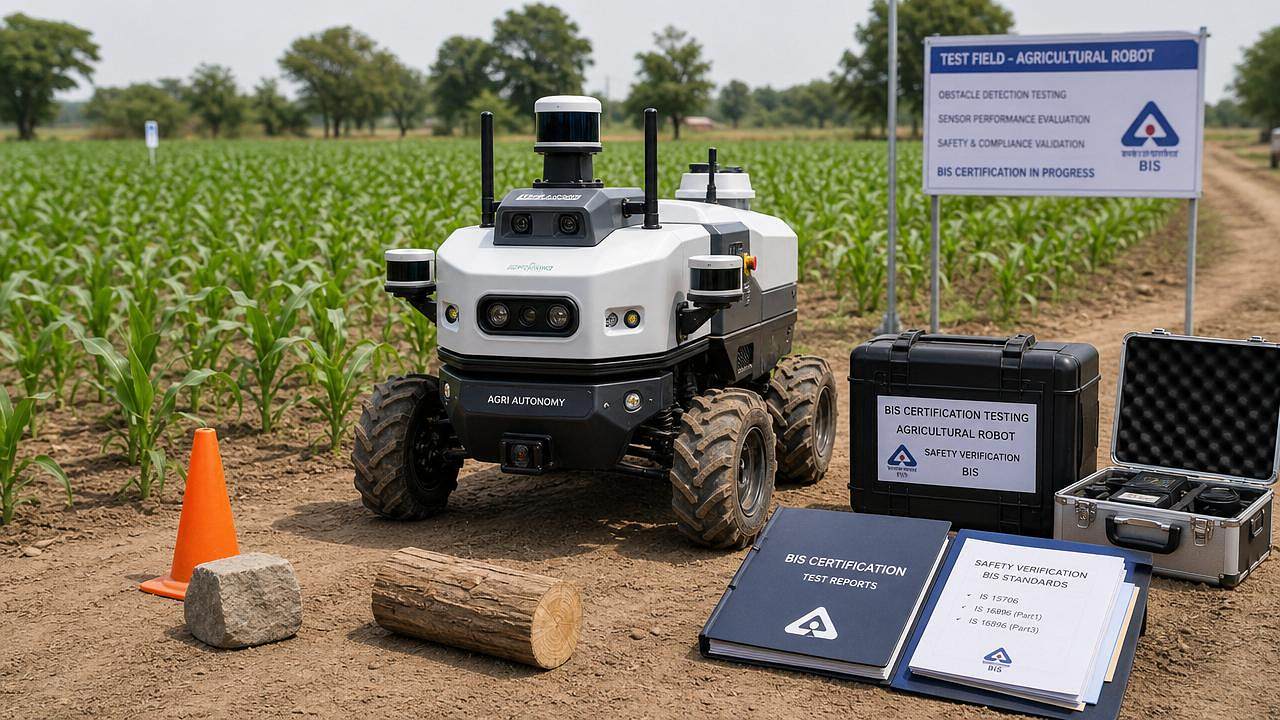




On June 10, 2026, the Bureau of Indian Standards (BIS) updated its mandatory certification product list to bring agricultural Autonomous Robots into the BIS regime under the newly issued IS 16785:2026 safety standard. With a 90-day transition period and a September 1, 2026 cutoff for sales, tender participation, and access to agricultural subsidies in India, this is not just a product-rule update; it directly affects certification planning, technical documentation, procurement decisions, and delivery scheduling across the agricultural robotics supply chain.
What the June 10 update formally changes
According to the provided information, BIS updated its mandatory certification product list on June 10, 2026 and officially included agricultural Autonomous Robots within the scope of compulsory certification. The applicable standard is IS 16785:2026, titled requirements for functional safety and human-machine collaboration for agricultural autonomous platforms. The new rule provides a 90-day buffer period. From September 1, 2026, Autonomous Robots without a BIS certificate may not be sold in India, participate in tenders, or obtain agricultural subsidies. The standard also introduces, for the first time, an L3-level field dynamic obstacle avoidance validation clause.
Where the immediate pressure will appear in the value chain
Market access moves upstream for exporters and product suppliers
For exporters, manufacturers, and brands intending to place agricultural Autonomous Robots on the Indian market, the rule change shifts compliance from a downstream sales issue to an upstream market-entry requirement. The practical impact is likely to appear first in product qualification review, shipment planning, and customer commitments, because certification status now affects whether the product can legally enter commercial circulation, tender channels, or subsidy-linked transactions in India.
Procurement and tender teams may need to reset qualification screens
For procurement organizations and tender participants, the update matters because product eligibility is now tied to BIS certification under IS 16785:2026. Analysis shows that bid documentation, supplier qualification checks, and technical compliance reviews may need closer alignment with the new standard, especially where agricultural projects require proof that the offered equipment can meet post-September 1 access conditions.
Testing, certification, and technical file preparation become more time-sensitive
For certification-related businesses, testing service providers, and internal compliance teams, the short transition window increases the importance of document readiness and technical evidence. What deserves closer attention is that the standard newly introduces L3-level field dynamic obstacle avoidance validation, which may affect how companies prepare test materials, safety arguments, and supporting technical records even where the detailed execution approach is not yet described in the provided information.
Distribution and after-sales commitments may face delivery-stage risk
For distributors, channel operators, and after-sales service providers, the change may influence inventory planning, contract timing, and delivery acceptance. Observably, any transaction, project handover, or customer commitment linked to non-certified Autonomous Robots after the effective date may carry commercial and compliance risk, particularly where sales eligibility, tender participation, or subsidy access is a deciding factor.
What companies should review now
Check whether product scope and certification path are already aligned
Companies dealing with agricultural Autonomous Robots should first confirm whether the relevant products fall within the newly listed mandatory scope and whether internal certification planning is already mapped to IS 16785:2026. If a product is intended for India, this review becomes a prerequisite for sales and project planning rather than a later-stage compliance formality.
Revisit technical documents linked to safety validation
Because the provided information specifically mentions an L3-level field dynamic obstacle avoidance validation clause, companies should pay closer attention to whether current technical files, test plans, operating descriptions, and safety documentation can support certification review under the new standard. The available facts do not define the detailed implementation method, so this remains an area that requires ongoing verification rather than assumptions.
Update tender, subsidy, and delivery documentation checkpoints
Businesses involved in public or commercial tenders, subsidy-linked projects, or scheduled deliveries into India should review whether bid files, commercial offers, and delivery conditions need a certification checkpoint before September 1, 2026. From an industry perspective, this is especially relevant where contract award, order acceptance, or payment milestones depend on proof of compliance.
Watch for execution language beyond the headline rule change
The current information confirms the scope expansion, the applicable standard, the transition period, and the consequences after the deadline. Analysis shows that companies should continue tracking any later clarification on certification interpretation, enforcement practice, tender wording, and how market participants apply the new requirement in actual transactions.
How this development is best understood at this stage
Observably, this update is better understood as a concrete market-access signal rather than a general policy direction. The reason is that the rule change is tied to a defined certification scope, a named technical standard, a short transition window, and explicit consequences for sales, tenders, and subsidy access after September 1, 2026. At the same time, it is not yet possible, based on the provided information alone, to draw firm conclusions about enforcement intensity, certification throughput, or how quickly buyers and tendering entities will adjust their documents in practice.
Why the market should keep the issue in active review
This development points to a clear compliance threshold for agricultural Autonomous Robots entering or operating in the Indian market. A neutral reading is that the rule has already moved beyond early policy signaling and into a stage where certification readiness can affect commercial timing and project eligibility. It is more appropriate to understand this as an implemented access requirement with some execution details still worth monitoring, rather than as a distant regulatory discussion.
Basis of this article
This article is generated based on the user-provided news title, event date, and event summary. For events of this type, market participants would usually also monitor sources such as official regulatory notices, publications from supervisory authorities, standards organization documents, tender documents, trade administration updates, industry association releases, and reporting by authoritative media. No specific official source link was provided in the input, so the exact official publication path still requires further verification. Follow-up attention should remain on any detailed implementation guidance, certification interpretation, tender document changes, industry feedback, and how companies execute against the new requirement.
Related News
How RTK Satellite Positioning Improves Accuracy in Precision Farming Operations
RTK satellite positioning boosts precision farming with repeatable guidance, lower overlap, and better field data. Learn what to verify before choosing an RTK system.
EU Rule Takes Effect: EN 16924:2026 for Drip Irrigation Logic
EN 16924:2026 now reshapes EU access for Drip Irrigation Logic products. Learn how certification, CE marking, customs, and warehouse risks impact exporters and buyers.
How Autonomous Machinery for Crop Scouting Helps Growers Detect Field Issues Earlier
Autonomous machinery for crop scouting helps growers spot irrigation gaps, pest pressure, and crop stress earlier, turning field data into faster decisions and smarter action.
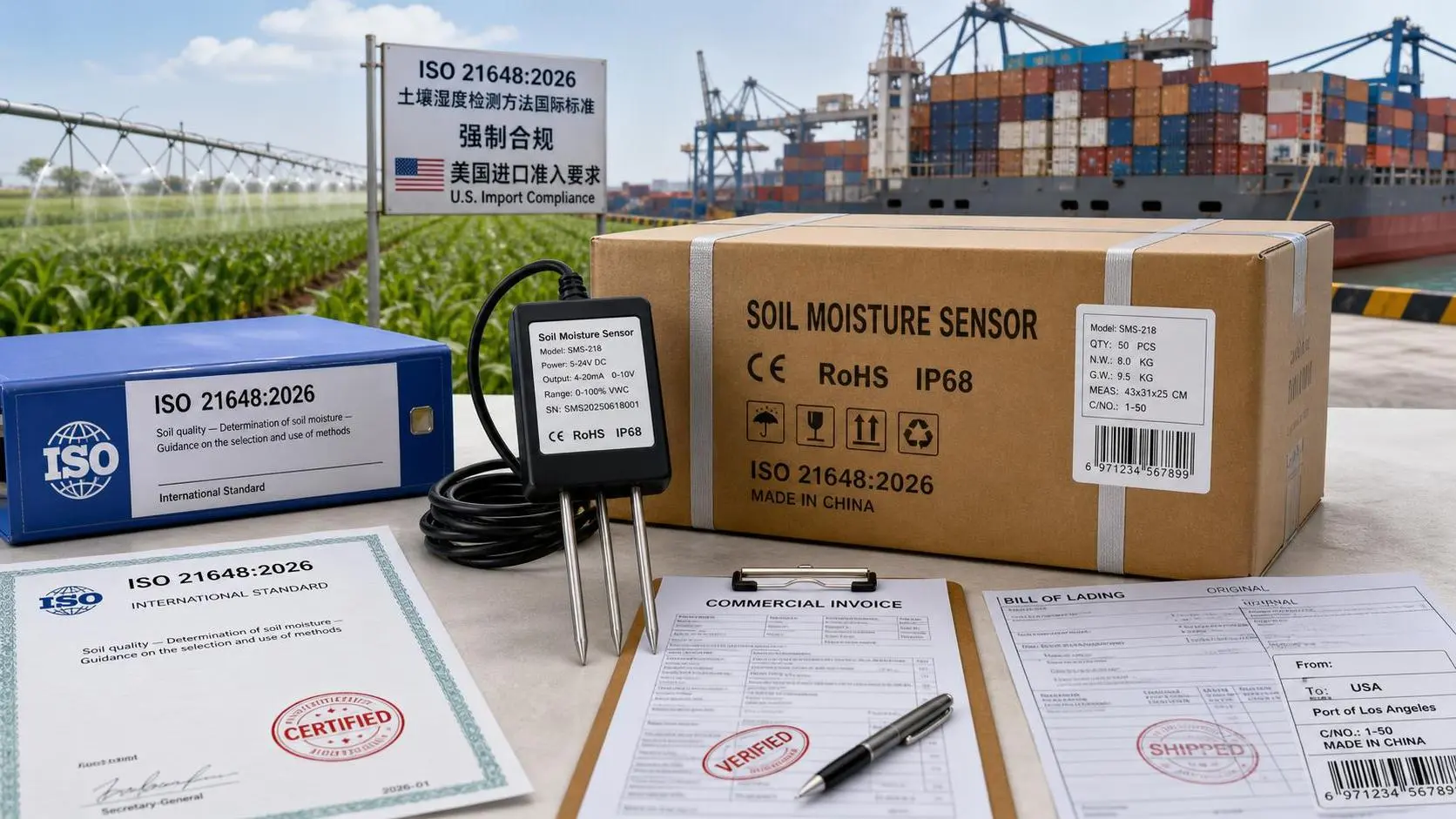
USDA Rule Makes ISO 21648:2026 Mandatory
USDA Rule Makes ISO 21648:2026 Mandatory for soil moisture sensors entering the U.S. Learn how the new USDA import compliance guide impacts certification, CBP entry, suppliers, and delivery plans.
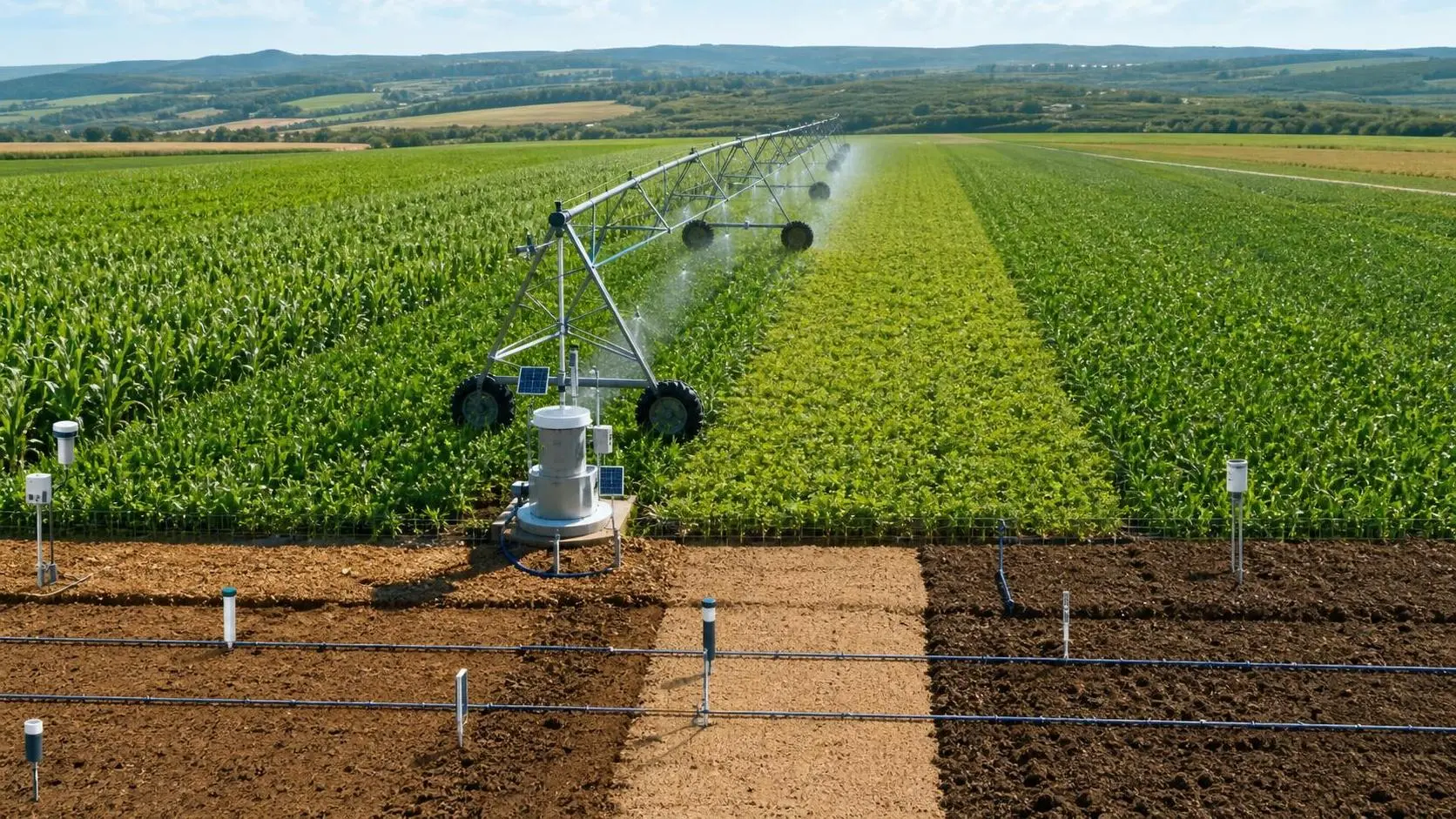
How Digital Farming Improves Irrigation Planning With Soil Data and GPS Mapping
Digital farming for irrigation planning turns soil data and GPS mapping into smarter watering decisions, helping farms reduce waste, improve field precision, and boost operational efficiency.
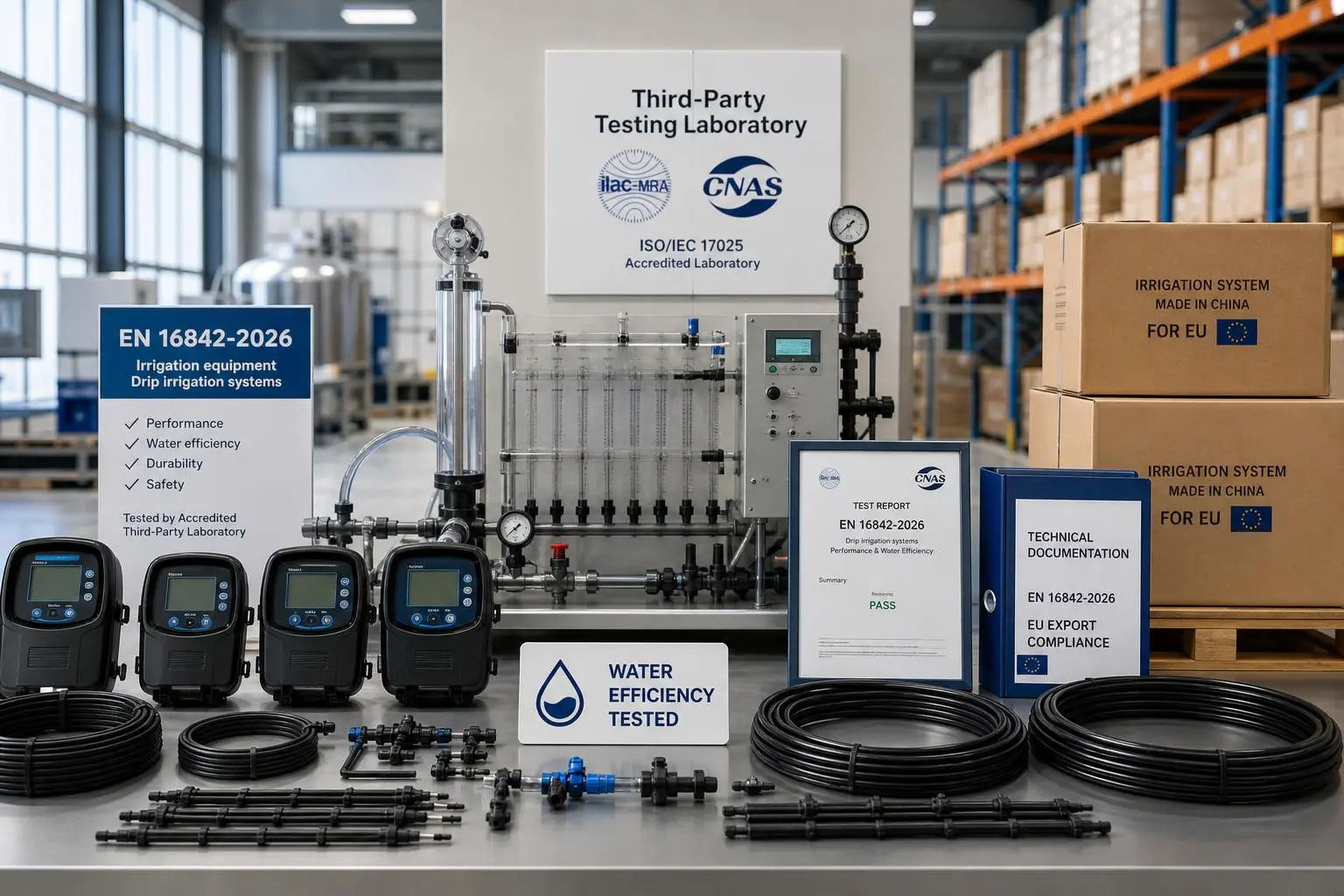
EU Rule Takes Effect: EN 16842-2026 Required for Drip Irrigation Logic Exports
EN 16842-2026 now makes third-party certification mandatory for Drip Irrigation Logic exports to the EU. Learn the compliance risks, customs impact, and supplier checks now.
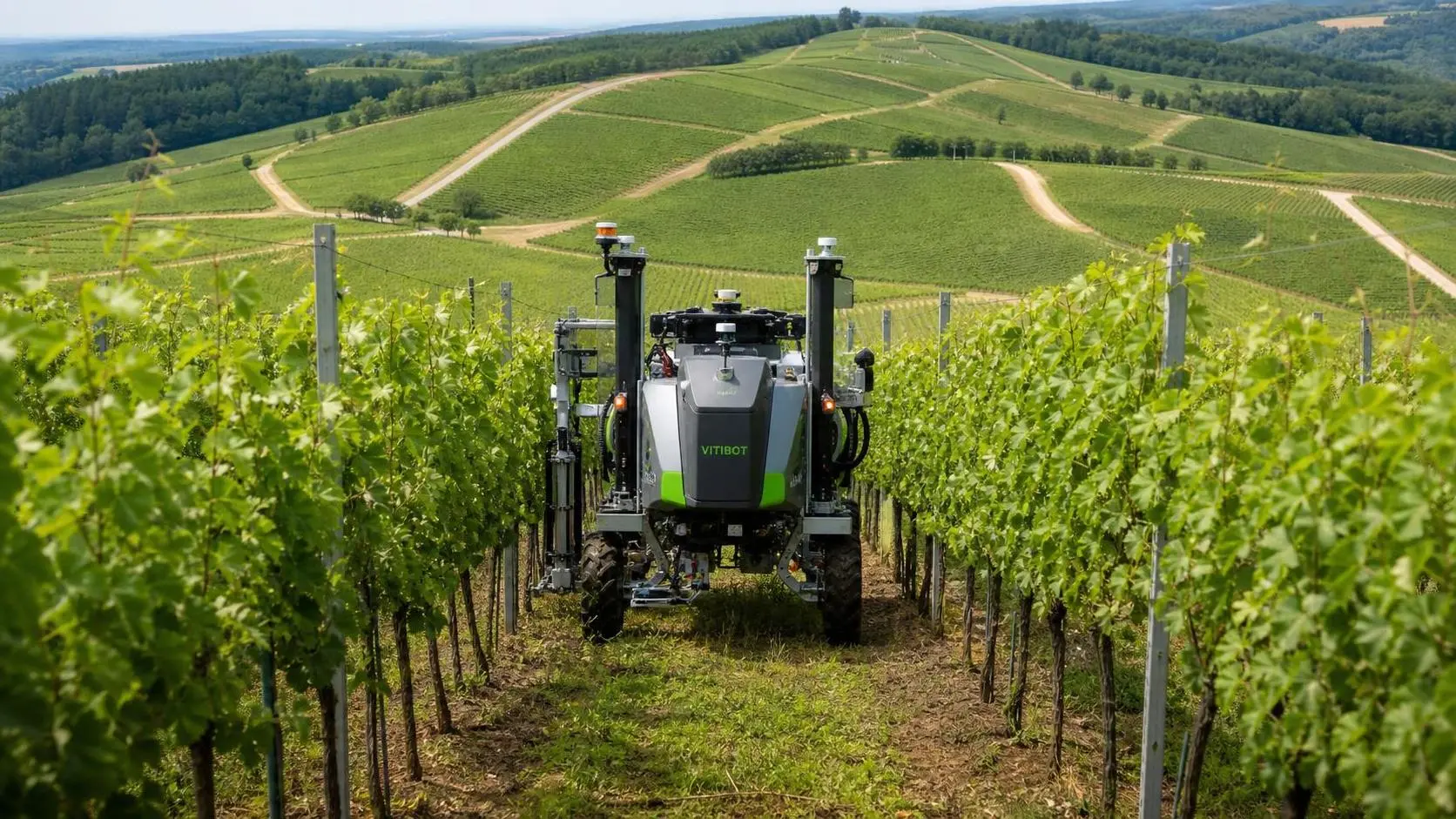
How to Evaluate Autonomous Machinery for Vineyards by Terrain, Tasks, and ROI
Autonomous machinery for vineyards: learn how to evaluate terrain fit, task suitability, safety, and ROI to choose the right solution and reduce procurement risk.
USDA Tightens Import Rules for Soil Moisture Sensors
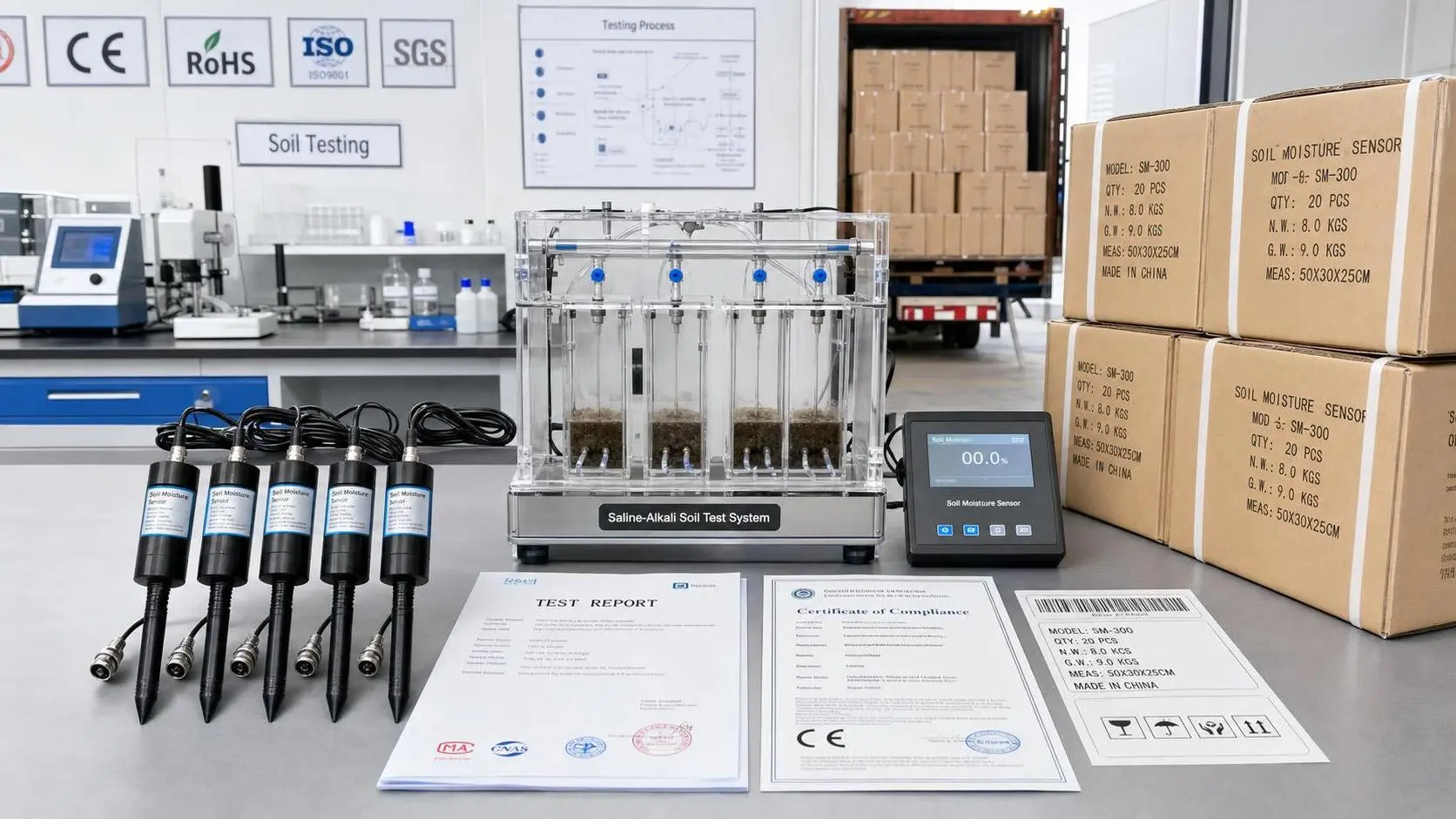
Soil Moisture Sensors face new USDA import rules from Oct. 1, 2026. Learn how ISO 11274-3:2026 testing may impact customs clearance, lead times, and supplier planning.
How to Use a Global Agricultural Equipment Directory to Compare Suppliers and Reduce Sourcing Risk
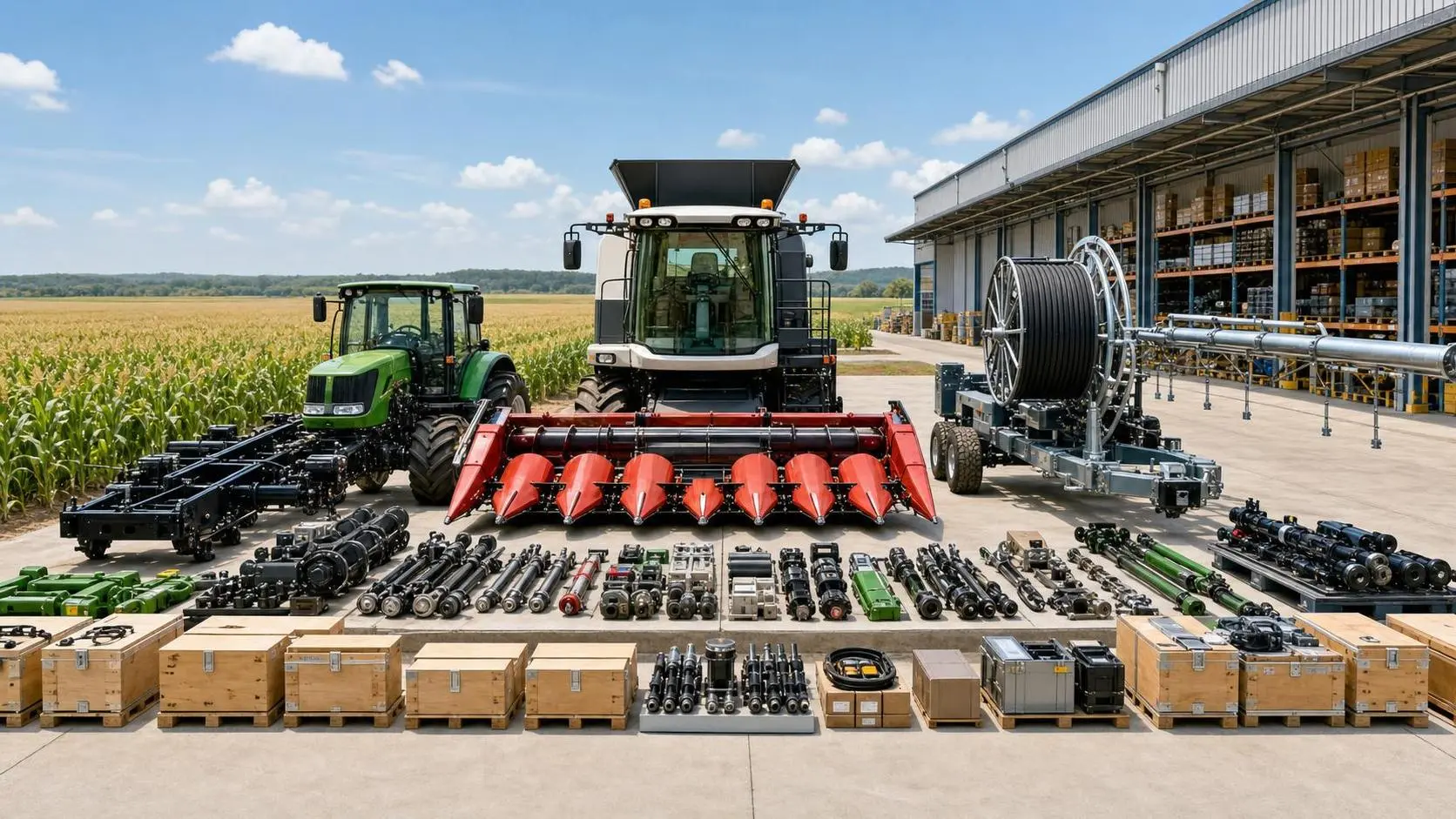
Agricultural equipment directory global sourcing starts with smarter supplier comparison. Learn how to assess fit, compliance, support, and market readiness to reduce sourcing risk.
Related News
- 00
0000-00
How Autonomous Machinery for Crop Scouting Helps Growers Detect Field Issues Earlier - 00
0000-00
How to Evaluate Autonomous Machinery for Vineyards by Terrain, Tasks, and ROI - 00
0000-00
Brazil ANVISA Rule Requires Portuguese Risk Labels for Farm Robots - 00
0000-00
EU CE Update Sets EN ISO 13849-1:2025 for Autonomous Robots - 00
0000-00
How AI Autonomous Agricultural Machinery Works in Large-Scale Field Operations
Popular Tags
Tractor Power Architect
Weekly Insights
Stay ahead with our curated technology reports delivered every Monday.