
Smart Farming Equipment for Labor Shortages: Best-Fit Options by Field Task
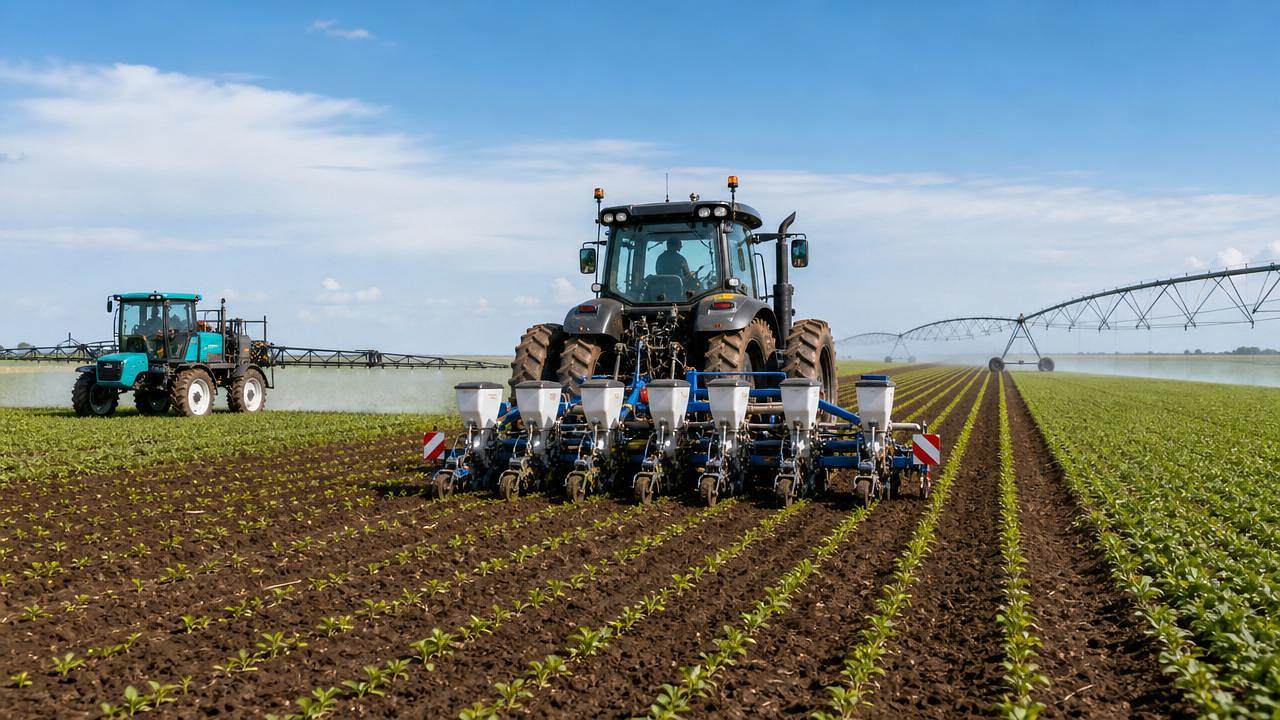




Smart farming equipment becomes task-specific when labor gets tight
Labor shortages rarely affect every field task in the same way. Seeding delays, uneven spraying, late harvest windows, and irrigation lapses create very different operational risks.
That is why smart farming equipment should not be chosen as a general technology upgrade. It works best when matched to the task creating the biggest labor bottleneck.
In actual field operations, the stronger question is not which machine looks more advanced. It is which system protects output quality when fewer skilled hands are available.
AP-Strategy often frames this through its Agriculture 4.0 lens. Mechanical capacity, precision algorithms, and sustainability targets need to work together, not as separate investment themes.
For large farms and multi-site operations, smart farming equipment also affects planning discipline. A planter with guidance support solves one issue, while autonomous irrigation control solves another.
Why field tasks create different technology needs
A labor shortage during planting is mainly a timing problem. A shortage during spraying is often a precision and coverage problem. During harvest, it quickly becomes a throughput problem.
These differences matter because smart farming equipment is built around task logic. Guidance, sensing, automation, hydraulic control, and telematics do not deliver equal value in every workload.
Soil conditions also change the equation. Heavy clay, rolling ground, irregular field boundaries, and crop residue levels can make the same equipment successful in one block and inefficient in another.
Another practical factor is operator dependency. Some technologies reduce labor hours directly, while others mainly reduce the skill level required to maintain consistent field performance.
That distinction is often overlooked. A machine may not replace labor headcount, yet still stabilize operations by reducing rework, overlap, missed passes, and fatigue-related mistakes.
Planting pressure usually favors guidance, section control, and chassis stability
When labor gaps hit planting season, delays can compress the entire crop calendar. In this situation, smart farming equipment should protect speed without sacrificing depth consistency or row accuracy.
Auto-steering systems, headland turn assistance, and variable-rate seeding often make the biggest difference. They reduce dependence on highly experienced operators during long planting shifts.
The tractor chassis matters more here than many expect. Transmission response, traction balance, and hydraulic consistency directly influence planter performance across uneven ground and changing load conditions.
A common misjudgment is choosing high-end digital features on top of an unstable pulling platform. If the chassis cannot maintain steady movement, precision mapping alone will not protect emergence quality.
In large-scale operations, the best-fit option is often not full autonomy first. It is a reliable semi-automated setup that keeps more hectares moving with fewer skilled operators.
Spraying and plant protection depend on consistency more than raw machine size
Spraying tasks become fragile when labor is short because mistakes are expensive. Missed sections, overlap, drift, and incorrect dosage can quickly erase the efficiency gains from a larger boom.
Here, smart farming equipment should be judged by application control. Section control, nozzle-by-nozzle monitoring, obstacle sensing, and speed-linked rate adjustment deserve priority.
More complex crop environments need better decision support. Sensor-based spraying and prescription maps help where weed pressure varies sharply between zones or labor limits field scouting frequency.
This is also where AP-Strategy’s focus on intelligent farm tools is relevant. Satellite positioning and sensor feedback are valuable only when they reduce real variability in field treatment.
In practice, a smaller but smarter sprayer may outperform a larger machine if refill logistics, field access, and operator availability are already under pressure.
What usually changes by task
Harvest losses often reveal whether automation is truly earning its place
Harvest is where labor shortages become visible fastest. One missing operator can slow grain flow, increase machine idle time, and raise field losses during a short weather window.
For combine operations, smart farming equipment should be evaluated through loss control and uptime. Telematics, cleaning-loss feedback, yield mapping, and automated setting adjustment matter more than display complexity.
AP-Strategy tracks this area closely because combine harvesting technology sits at the intersection of mechanical performance and dynamic decision support. That is exactly where labor pressure exposes weak setups.
In mixed crop environments, the right option is usually the one that adapts quickly between moisture conditions, crop density, and residue levels. Static setup assumptions do not hold for long.
It is also worth checking logistics around the harvester. Smart farming equipment in the cab cannot compensate for grain cart delays, poor unloading coordination, or weak parts availability.
Irrigation labor gaps are less visible, but often more expensive over time
Irrigation problems rarely look dramatic at first. Yet labor shortages in water management can lead to uneven moisture, excess pumping, and delayed response to heat stress.
That makes smart farming equipment especially valuable in irrigation networks. Remote monitoring, automated valve control, pressure alerts, and evapotranspiration-based scheduling reduce the need for constant manual inspection.
Water-saving irrigation systems are also central to the AP-Strategy view of food security. Efficient water recycling and predictive control increasingly shape long-term competitiveness, not just seasonal cost control.
A frequent mistake is installing sensors without verifying hydraulic uniformity. If pressure variation across the system is already high, digital scheduling will not deliver consistent root-zone outcomes.
Another overlooked point is communications reliability. Remote irrigation control only works when signal coverage, power backup, and alarm escalation are built into everyday operating conditions.
Where selection errors happen most often
The first error is treating similar tasks as identical. Broadacre seeding, high-value row crop planting, and fragmented field operations may all need guidance, but not the same guidance package.
The second error is focusing on purchase price while ignoring integration effort. Smart farming equipment often succeeds or fails through compatibility with existing implements, data platforms, and service support.
The third error is underestimating maintenance discipline. Sensors, actuators, software updates, and hydraulic systems require stable routines, especially where labor shortages already stretch technical teams.
- Check whether the bottleneck is labor hours, operator skill, or timing pressure.
- Confirm whether the equipment reduces errors or only adds more data to review.
- Compare seasonal uptime support, not only machine specifications.
- Test field compatibility before scaling across all blocks.
A practical way to match smart farming equipment to the next season
A useful starting point is to map labor-sensitive tasks by crop stage. Identify where missed timing, inconsistent execution, or supervision gaps caused the most measurable losses.
Then compare technology options by task outcome, not marketing category. For some operations, a stronger tractor chassis and implement control deliver more value than a fully autonomous platform.
For others, irrigation automation or combine loss sensing will provide faster returns because they protect yield at the point where labor variability hurts most.
This is where AP-Strategy’s intelligence model is useful. It connects machinery capability, precision farming logic, and sustainability constraints into a field-level decision framework.
Before the next investment cycle, define the operating scenario, the limiting condition, the required response speed, and the maintenance burden. That creates a more reliable shortlist for smart farming equipment.
The strongest decisions usually come from comparing real field tasks, service conditions, and long-cycle operating costs. That approach keeps smart farming equipment aligned with productivity, resilience, and future scalability.
Related News
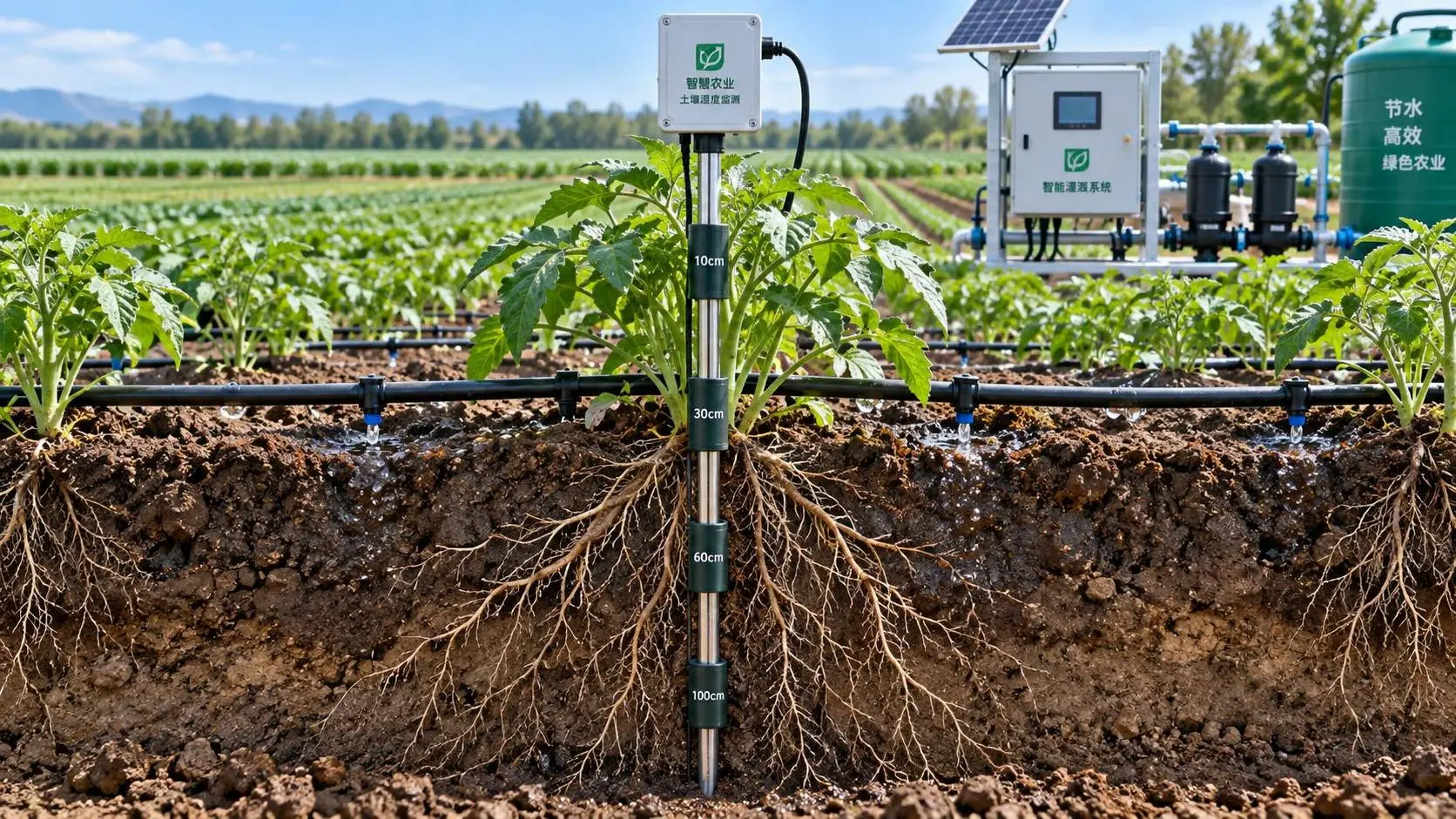
Selecting Real-Time Soil Moisture Sensors for Irrigation Zone Control
Soil moisture sensors real time: learn how to select reliable probes, optimize zone control, improve irrigation decisions, and scale precision water management.
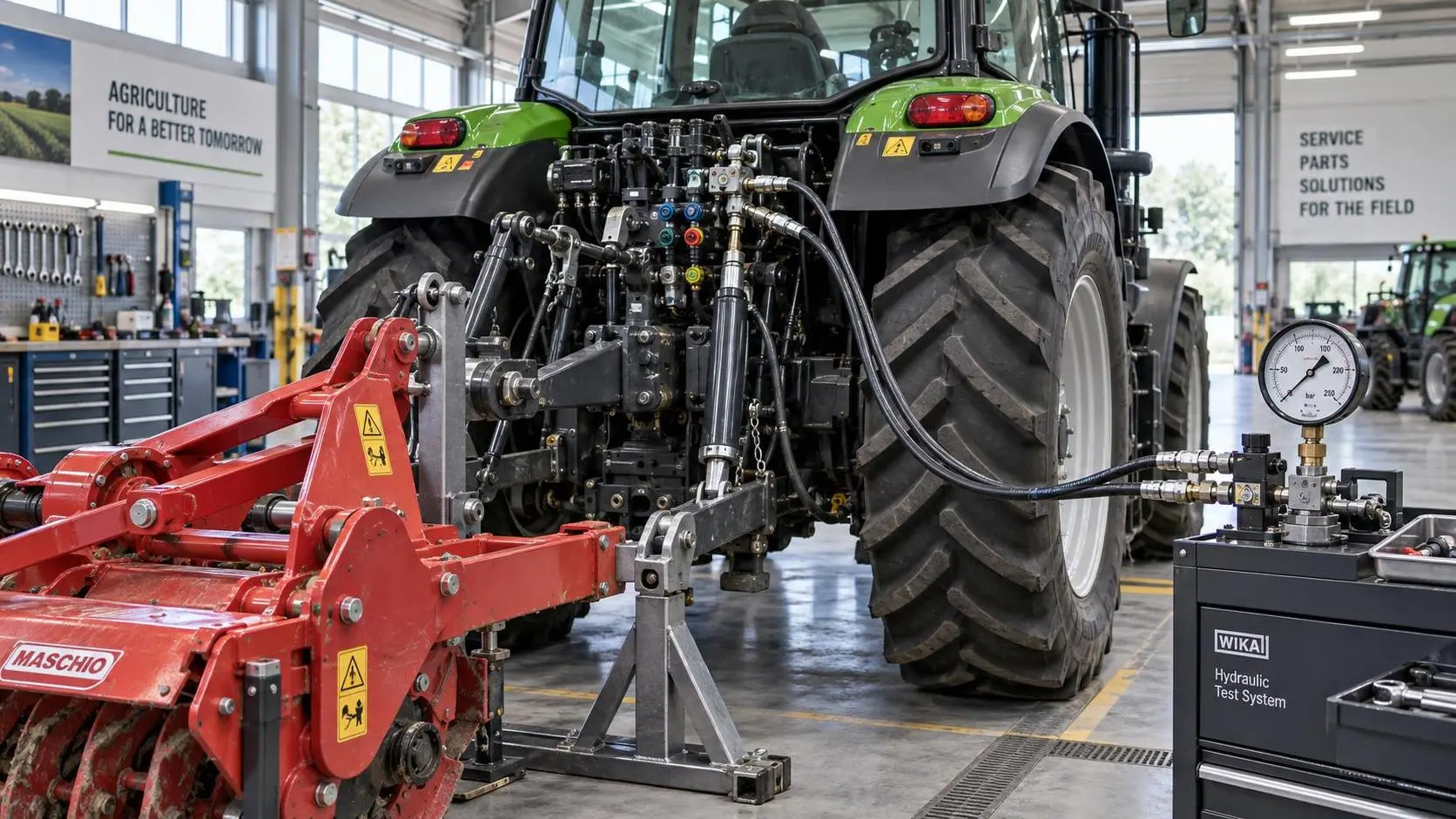
Tractor Hydraulic Systems Troubleshooting: Diagnosing Weak Lift and Slow Implements
Tractor hydraulic systems troubleshooting made practical: diagnose weak lifts and slow implements with proven pressure, flow, valve, and oil-supply checks.
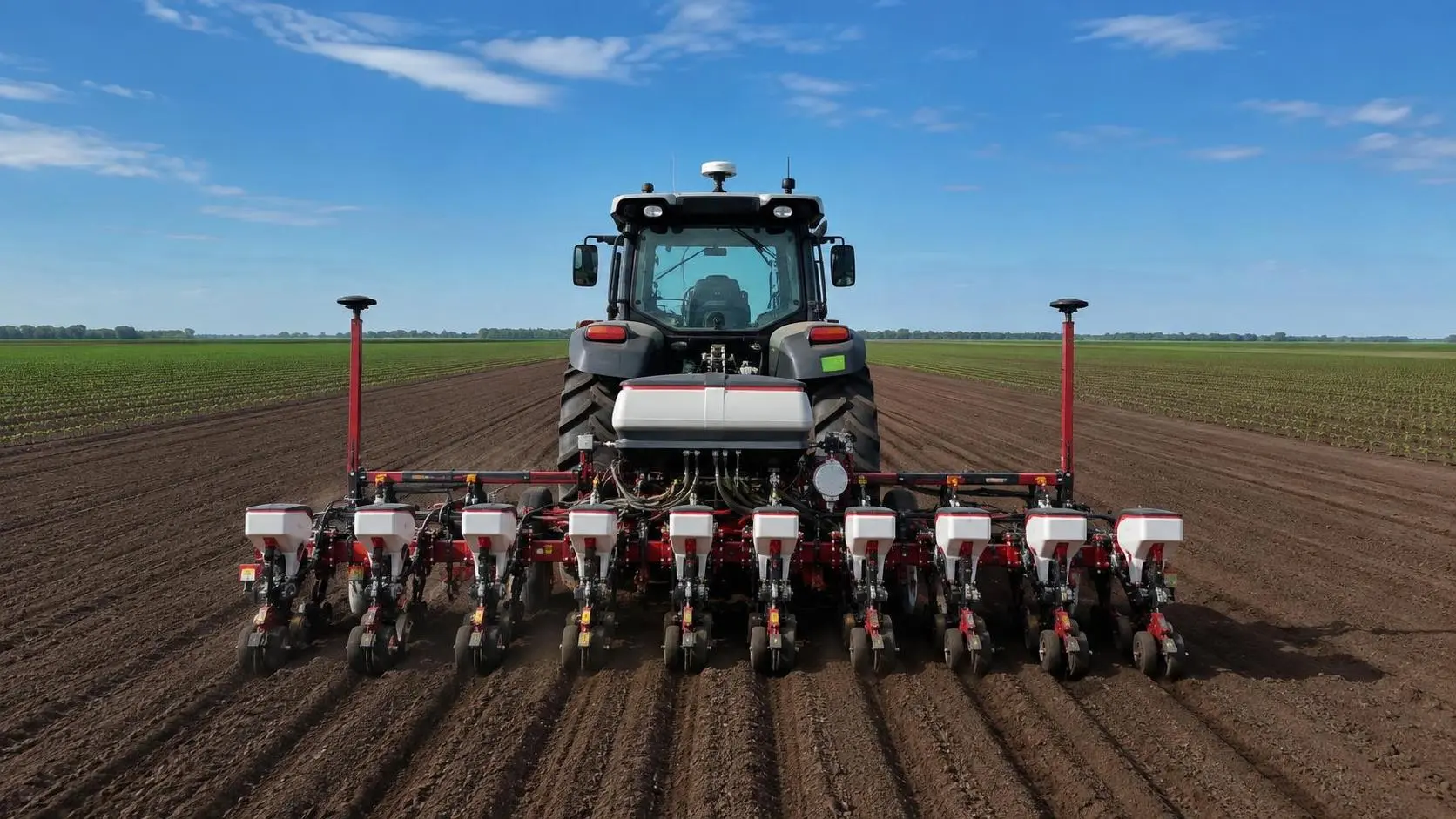
How Tractor Intelligence Systems Improve Field Efficiency and Input Accuracy
Agricultural machinery intelligence for tractors improves field efficiency, input accuracy, data traceability, and implement control. Explore smarter evaluation strategies.
How to Evaluate Crop Monitoring System Manufacturers for Large-Scale Farms
Compare crop monitoring systems manufacturers for large-scale farms. Evaluate data quality, integration, durability, lifecycle costs, support, and pilots for smarter decisions.
Wireless Agricultural Automation for Remote Irrigation and Field Monitoring
Agricultural automation wireless solutions improve remote irrigation with reliable field data, local control, flow verification, and smarter monitoring. Explore resilient deployment strategies.
Agricultural Product Information Market Guide: Key Data for Sourcing Decisions
Agricultural product information market guide for smarter sourcing—compare machinery, irrigation, precision tools, lifecycle costs, and supplier risk.
Large-Scale Farm Equipment Cost Comparison: Price, Fuel, and Lifecycle Value
Large-scale farm equipment cost comparison: evaluate price, fuel, maintenance, downtime, and lifecycle value to choose tractors, combines, irrigation, and smart tools with confidence.
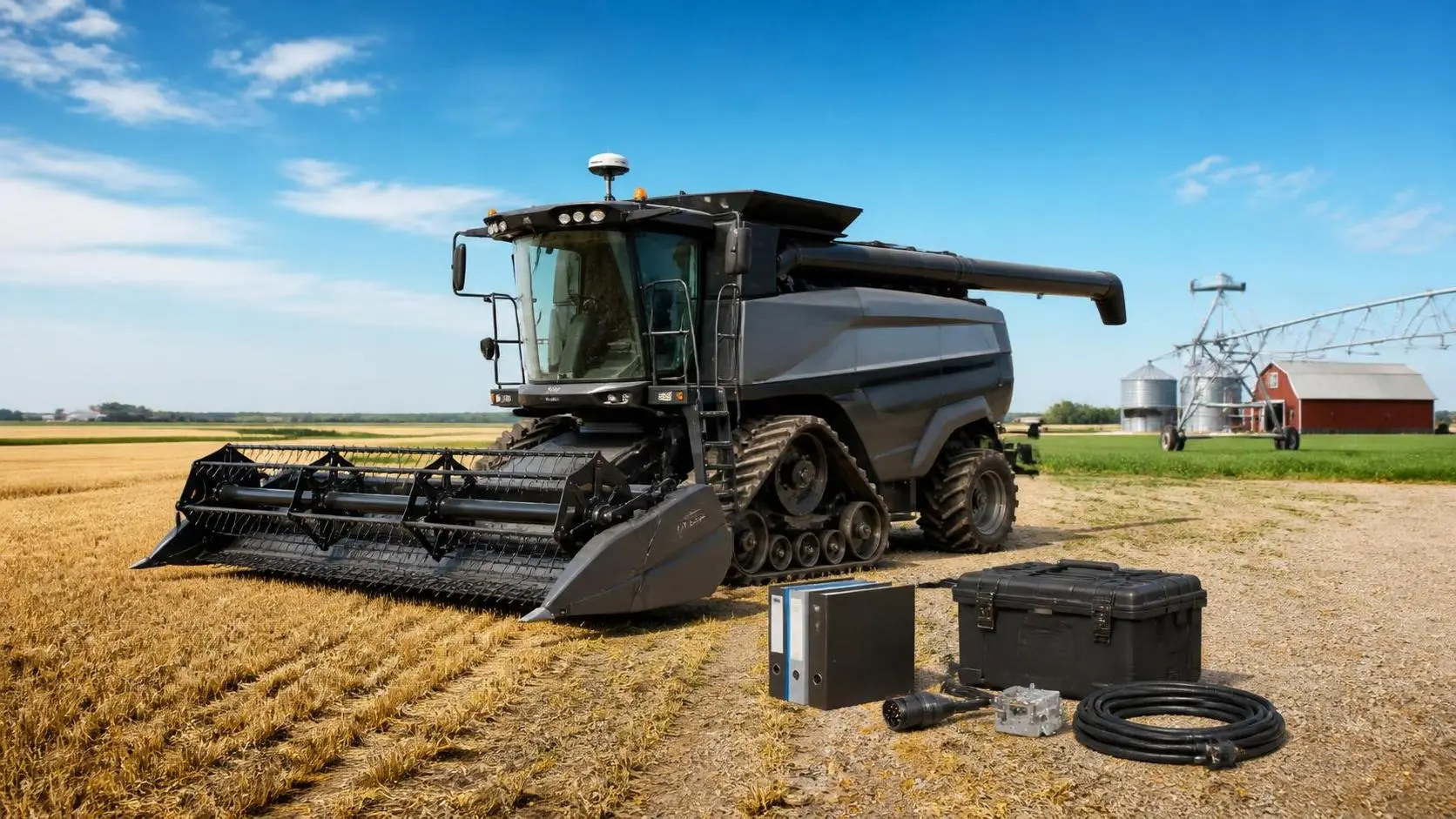
A Procurement Specification Preparation Example for Buying Farm Equipment
Procurement specification preparation example for farm equipment: learn to define requirements, compare suppliers, control lifecycle costs, and buy with confidence.
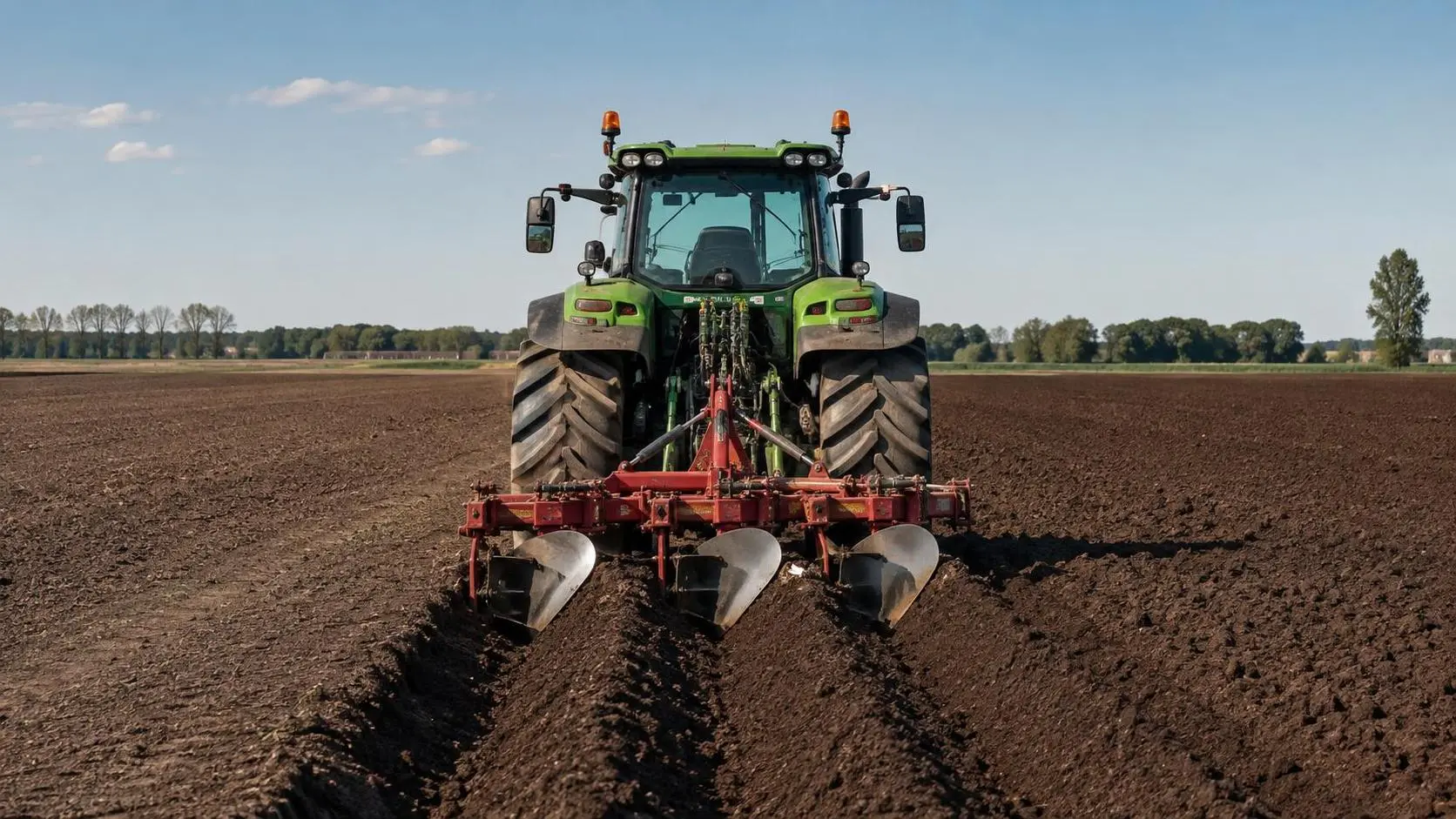
What Tractor Horsepower Is Needed for a Three-Bottom Moldboard Plow?
What tractor horsepower is needed for three-bottom moldboard plow? Compare 60–100 hp needs by soil, depth, traction, and plow width for a confident equipment match.
Related News
- 00
0000-00
How Autonomous Machinery for Crop Scouting Helps Growers Detect Field Issues Earlier - 00
0000-00
How to Evaluate Autonomous Machinery for Vineyards by Terrain, Tasks, and ROI - 00
0000-00
Brazil ANVISA Rule Requires Portuguese Risk Labels for Farm Robots - 00
0000-00
EU CE Update Sets EN ISO 13849-1:2025 for Autonomous Robots - 00
0000-00
How AI Autonomous Agricultural Machinery Works in Large-Scale Field Operations
Popular Tags
Tractor Power Architect
Weekly Insights
Stay ahead with our curated technology reports delivered every Monday.