
EU Tightens Screening for Autonomous Robot Deals
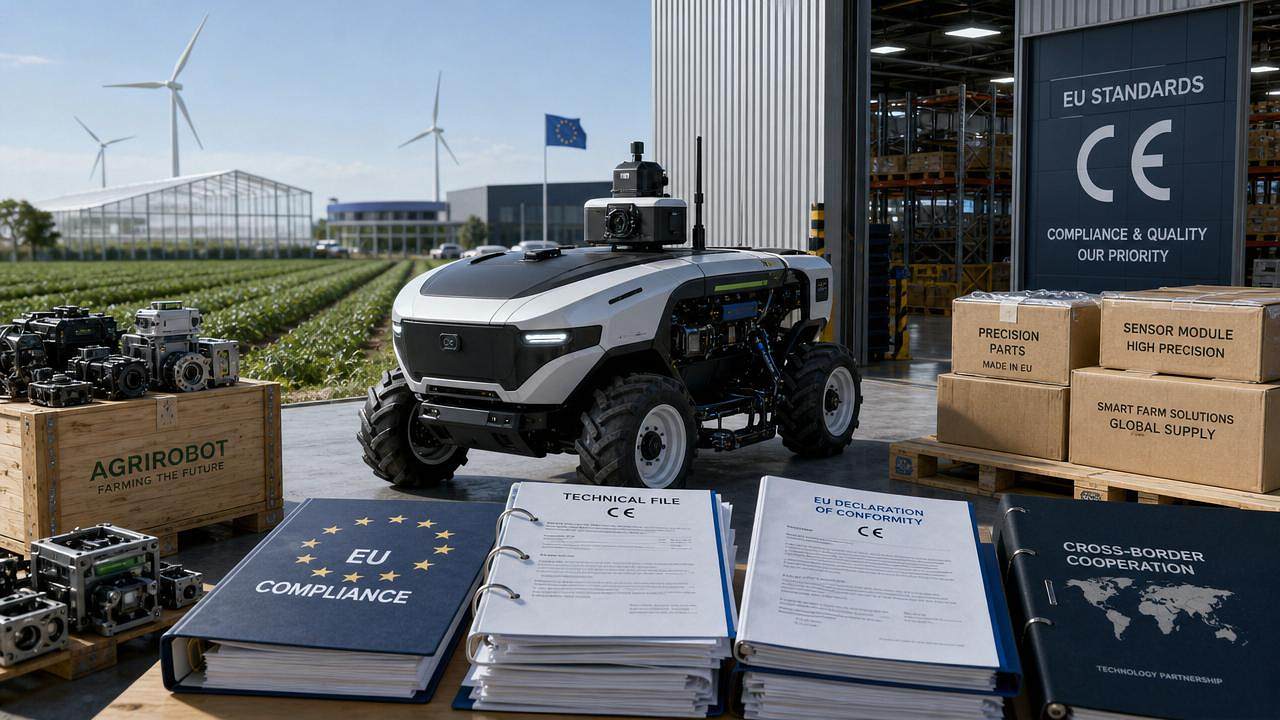




On June 9, 2026, the European Parliament adopted a new position on foreign investment screening that places artificial intelligence, critical infrastructure, and automated equipment, including agricultural autonomous robots, within sensitive areas subject to mandatory national security review for non-EU capital. For companies involved in autonomous robots, this is worth close attention not only as a policy update, but as a practical signal for investment structures, local service partnerships, technology licensing, and import-side compliance planning in the European market.
What the New Screening Position Covers
According to the provided information, the European Parliament passed its new foreign investment screening position on June 9, 2026. The position identifies artificial intelligence, critical infrastructure, and automated equipment as sensitive sectors, with agricultural autonomous robots explicitly included. It also introduces mandatory national security review for non-EU capital in these areas. The stated direct impact falls on Chinese autonomous robot exporters operating in Europe through joint-venture manufacturing, localized service cooperation, and technology licensing arrangements, while importers are expected to assess compliant supply chain pathways in advance.
Where the Immediate Pressure May Appear
Investment-led market entry faces added review risk
From an industry perspective, exporters that planned to expand through joint manufacturing or other equity-based arrangements in Europe may face the most immediate pressure. The reason is straightforward: the policy update directly targets non-EU capital in sectors now treated as sensitive. The business impact is therefore likely to concentrate on transaction design, review timing, and the feasibility of certain investment structures.
Local service cooperation may require closer structuring
Companies relying on localized service partnerships should also pay attention. Analysis shows that when autonomous robots fall within a sensitive category, cooperation models that were previously treated mainly as commercial arrangements may now need to be evaluated with greater care for their compliance posture, especially where the partnership has a technology, operational, or market access component.
Technology licensing becomes a higher-attention area
Technology authorization and licensing are specifically named in the practical impact described by the provided information. Observably, this means companies cannot look only at product shipment or sales contracts; they also need to consider whether technology-related cooperation in Europe will draw closer scrutiny under the new security review approach.
Importers need earlier supply chain checks
For importers, the issue is less about policy interpretation in the abstract and more about execution. What deserves closer attention is whether upstream supply arrangements, documentation, and cooperation pathways remain workable under a stricter review environment. The key pressure point is preparation: importers may need to assess compliance routes before procurement or delivery milestones are reached.
What Companies Should Watch Now
Track how the final policy language is applied
The current development is a clear policy signal, but companies should distinguish between the headline direction and the way review standards are later expressed in official language and practice. What deserves closer attention is whether future clarifications further define how autonomous robot projects, partnerships, or licensing arrangements are assessed.
Review business models, not only products
Analysis shows that the issue is not limited to whether an autonomous robot product is sold into Europe. The more practical question is how the business enters the market: through investment, service collaboration, licensing, or other forms of cooperation. Companies should therefore review deal structure and partner arrangements alongside product strategy.
Prepare importer-facing compliance materials earlier
Because importers are expected to evaluate supply chain compliance paths in advance, exporters and service partners should pay attention to the timing and completeness of commercial and compliance documentation. From an industry perspective, delays may arise not only from regulation itself, but from weak preparation or misalignment between suppliers and import-side expectations.
Separate policy signal from operational impact
Businesses should also avoid assuming that every commercial activity will be affected in the same way. Observably, the stronger near-term issue is uncertainty around sensitive transaction types and cooperation formats. That makes internal risk sorting important: companies may need to distinguish standard trade from arrangements involving capital, local operational integration, or technology transfer elements.
Why This Matters Beyond a Single Headline
Analysis shows that this development is more than a narrow procedural update. It signals that autonomous robots are being viewed in Europe through a broader security and strategic lens when linked to non-EU capital and cross-border cooperation. At the same time, it is more appropriate to understand this as a policy direction with clear implications rather than a fully measurable market outcome, because the provided information does not establish how every transaction type will be treated in practice.
How the Market Should Read This Stage
At this stage, the most balanced reading is that the policy creates a more sensitive operating environment for European investment and technology cooperation involving autonomous robots, especially for Chinese exporters and their counterparties. It should not be overstated as an immediate shutdown of market activity, but it also should not be treated as a symbolic move. The more appropriate conclusion is that compliance planning, transaction design, and partner communication now move closer to the center of commercial decision-making.
Basis of This Article
This article is based on the user-provided news title, event date, and event summary. The specific official source link was not provided in the input, so the underlying policy text and any subsequent official clarifications still require ongoing verification. For this type of development, the source categories usually worth monitoring include official government or parliamentary releases, company disclosures, industry association updates, authoritative media reporting, and relevant policy or standards documents. The next focus should be on whether additional official wording, implementation detail, or market guidance further clarifies how autonomous robot investment, local cooperation, and licensing arrangements will be reviewed.
Related News
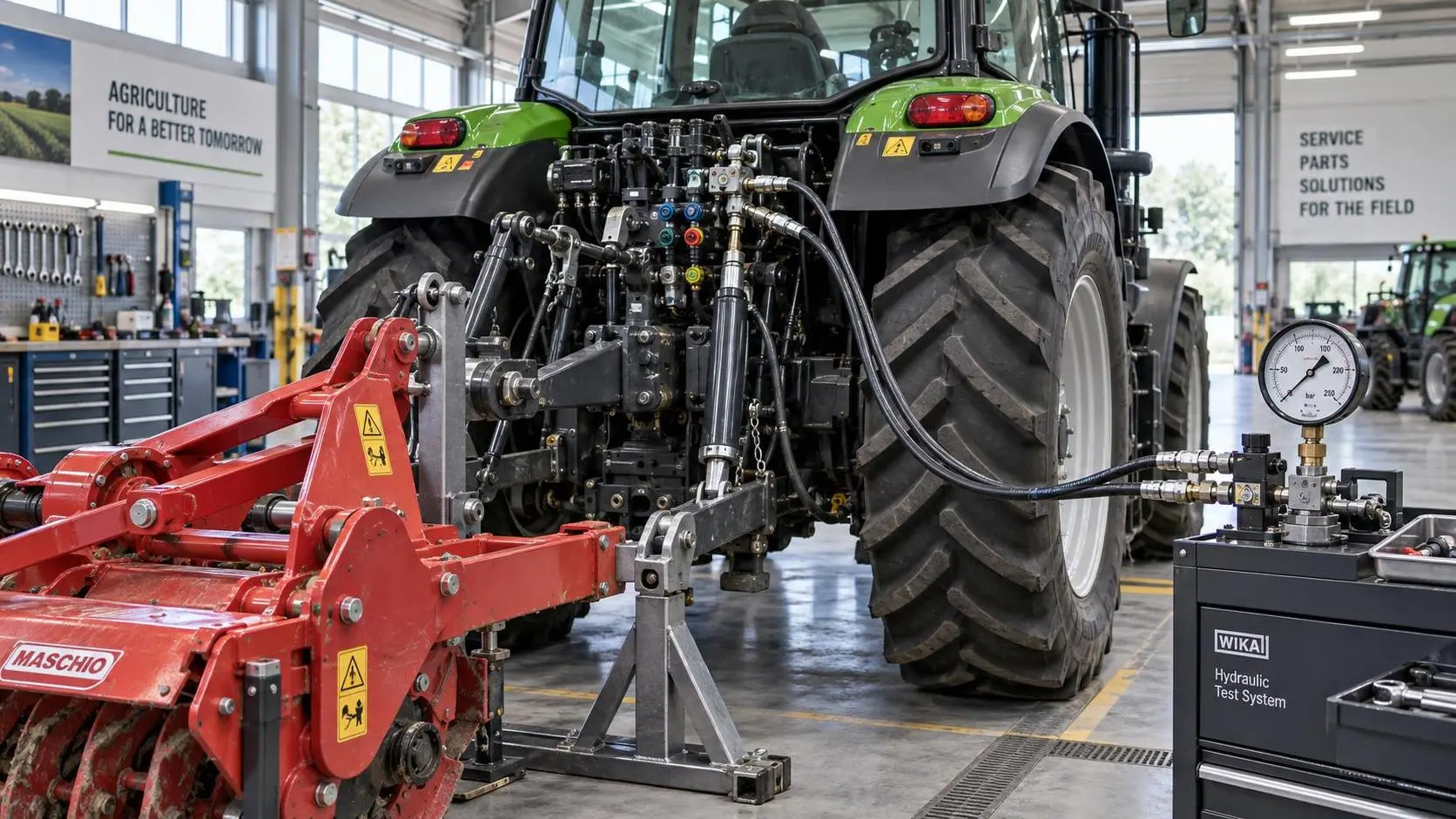
Tractor Hydraulic Systems Troubleshooting: Diagnosing Weak Lift and Slow Implements
Tractor hydraulic systems troubleshooting made practical: diagnose weak lifts and slow implements with proven pressure, flow, valve, and oil-supply checks.
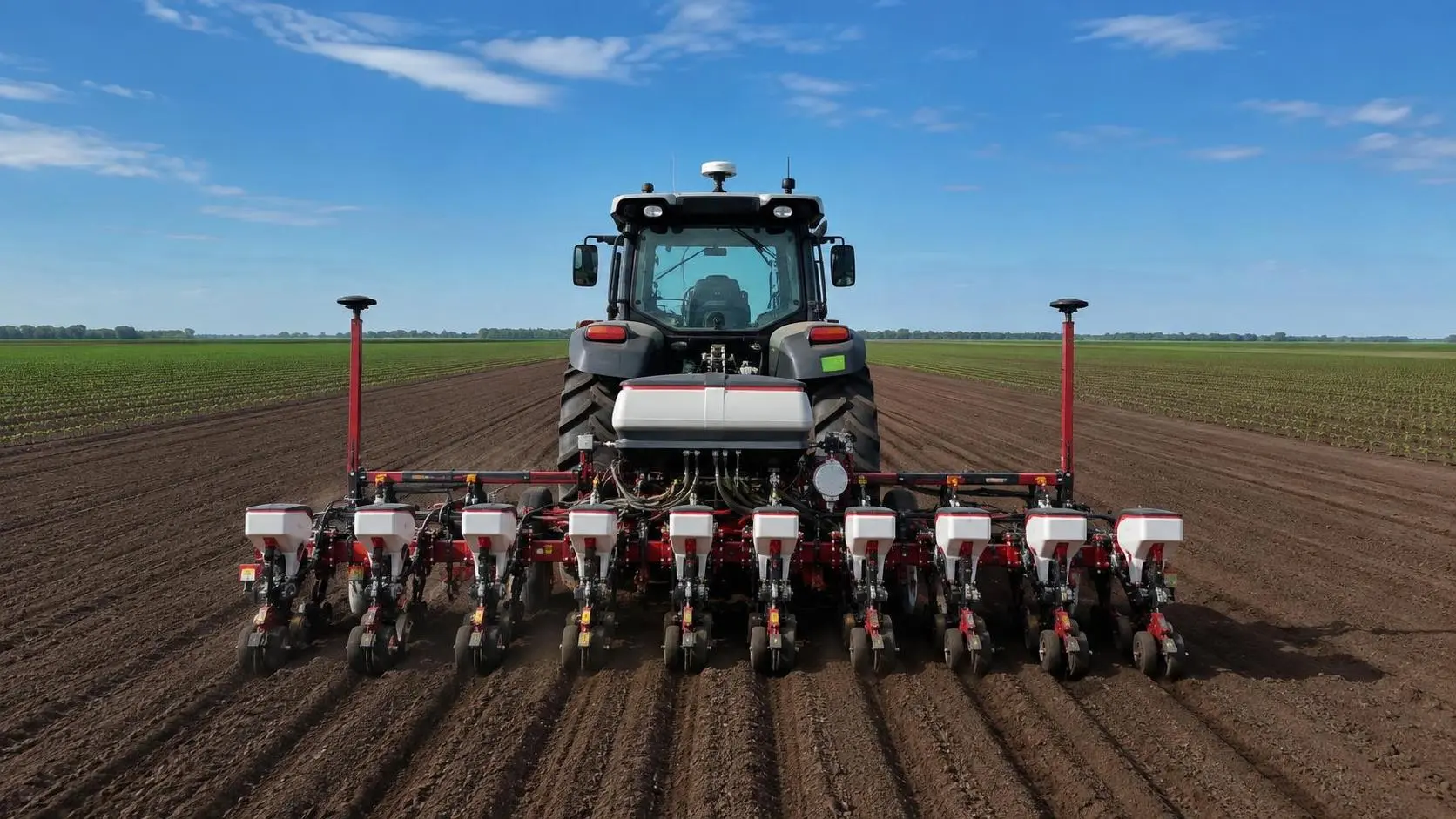
How Tractor Intelligence Systems Improve Field Efficiency and Input Accuracy
Agricultural machinery intelligence for tractors improves field efficiency, input accuracy, data traceability, and implement control. Explore smarter evaluation strategies.
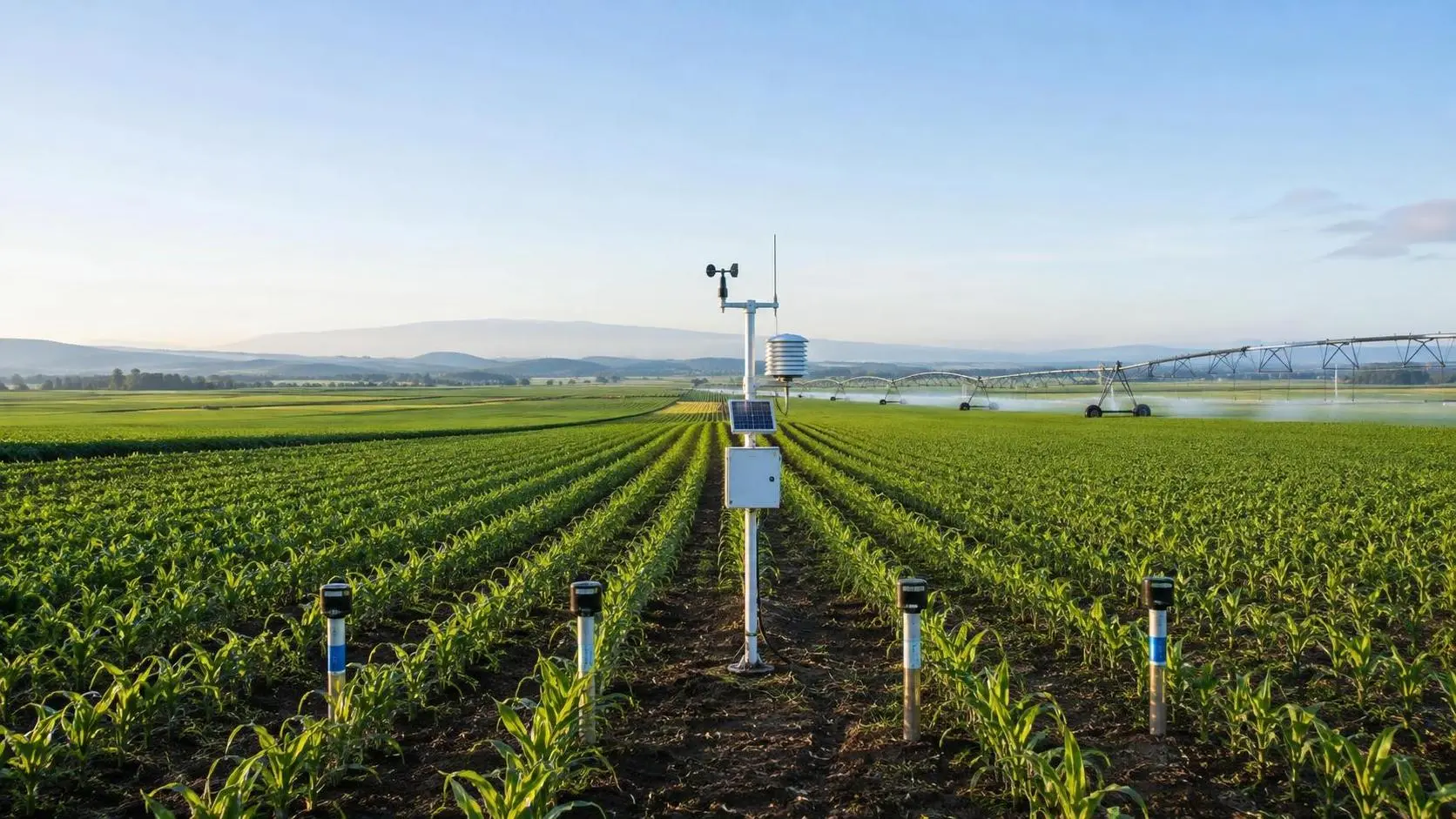
How to Evaluate Crop Monitoring System Manufacturers for Large-Scale Farms
Compare crop monitoring systems manufacturers for large-scale farms. Evaluate data quality, integration, durability, lifecycle costs, support, and pilots for smarter decisions.
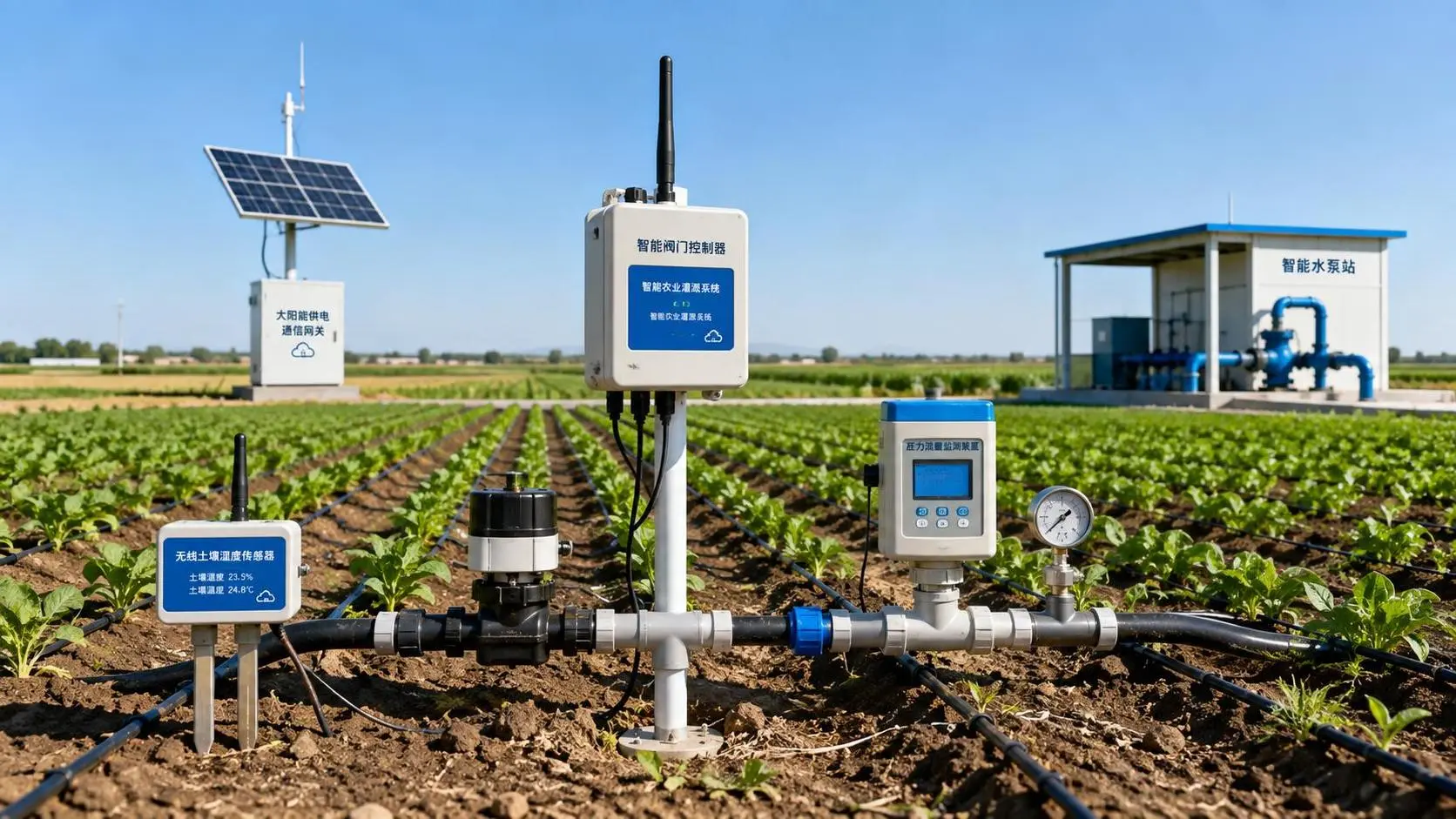
Wireless Agricultural Automation for Remote Irrigation and Field Monitoring
Agricultural automation wireless solutions improve remote irrigation with reliable field data, local control, flow verification, and smarter monitoring. Explore resilient deployment strategies.
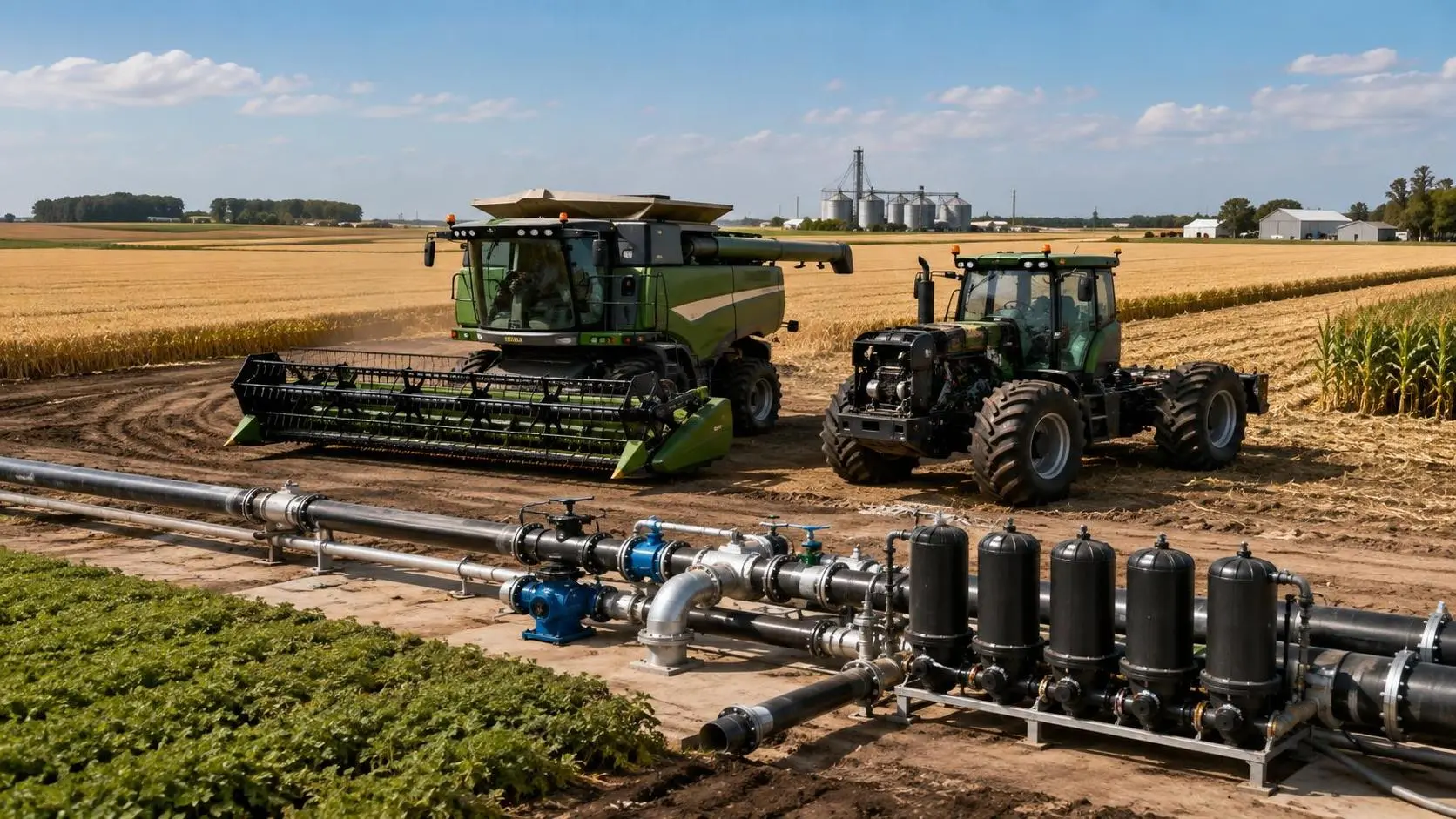
Agricultural Product Information Market Guide: Key Data for Sourcing Decisions
Agricultural product information market guide for smarter sourcing—compare machinery, irrigation, precision tools, lifecycle costs, and supplier risk.

Large-Scale Farm Equipment Cost Comparison: Price, Fuel, and Lifecycle Value
Large-scale farm equipment cost comparison: evaluate price, fuel, maintenance, downtime, and lifecycle value to choose tractors, combines, irrigation, and smart tools with confidence.
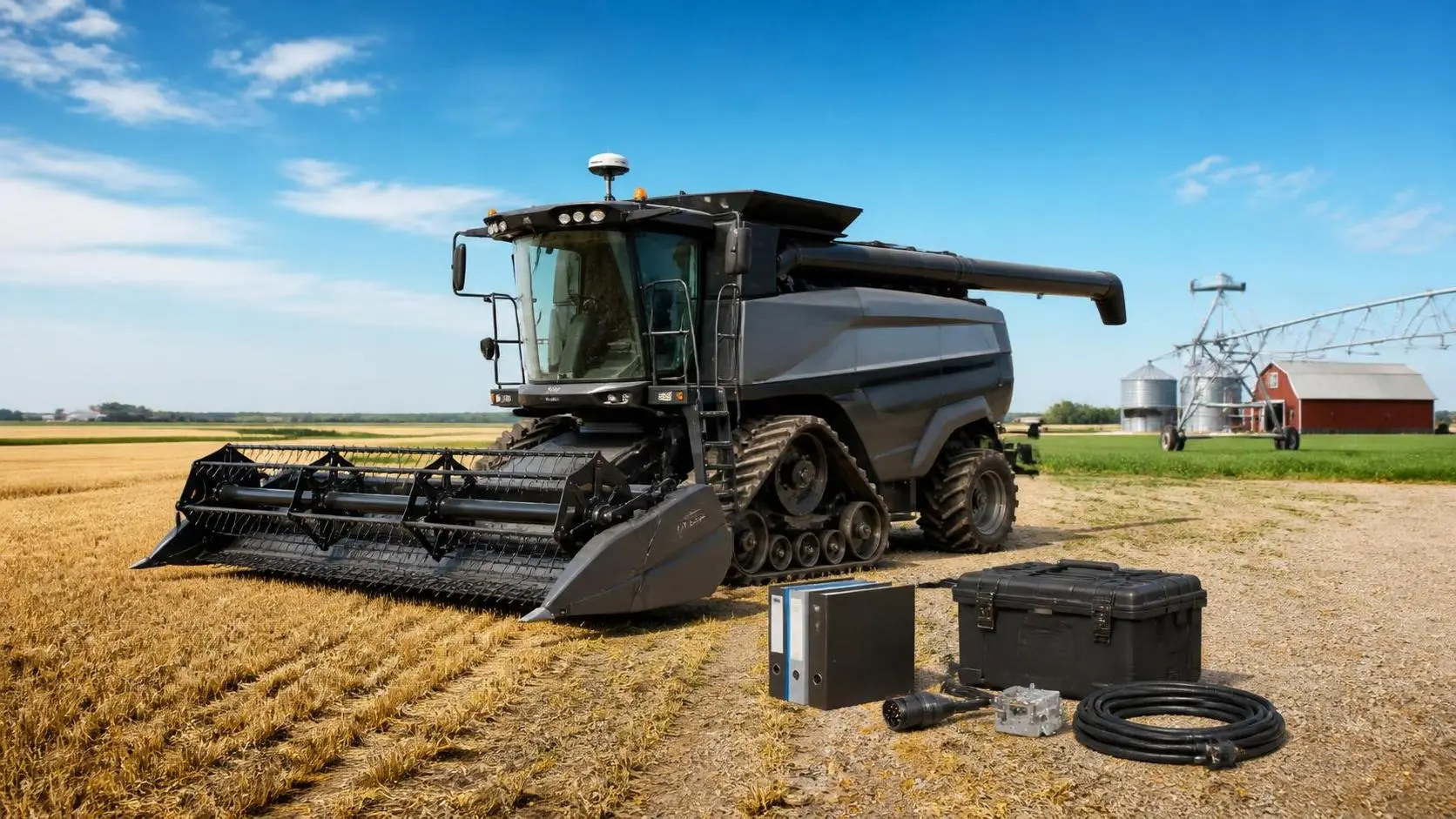
A Procurement Specification Preparation Example for Buying Farm Equipment
Procurement specification preparation example for farm equipment: learn to define requirements, compare suppliers, control lifecycle costs, and buy with confidence.
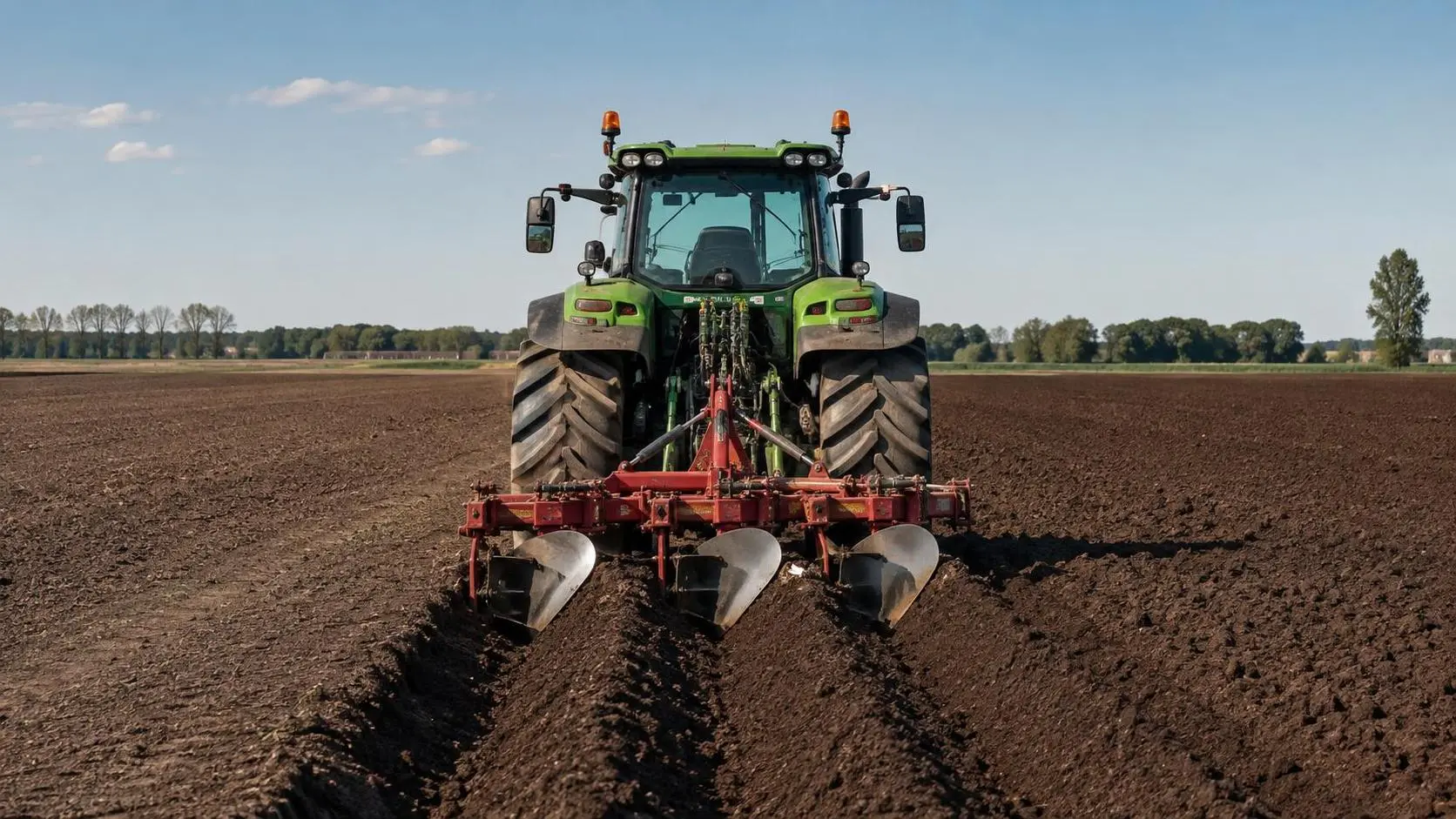
What Tractor Horsepower Is Needed for a Three-Bottom Moldboard Plow?
What tractor horsepower is needed for three-bottom moldboard plow? Compare 60–100 hp needs by soil, depth, traction, and plow width for a confident equipment match.
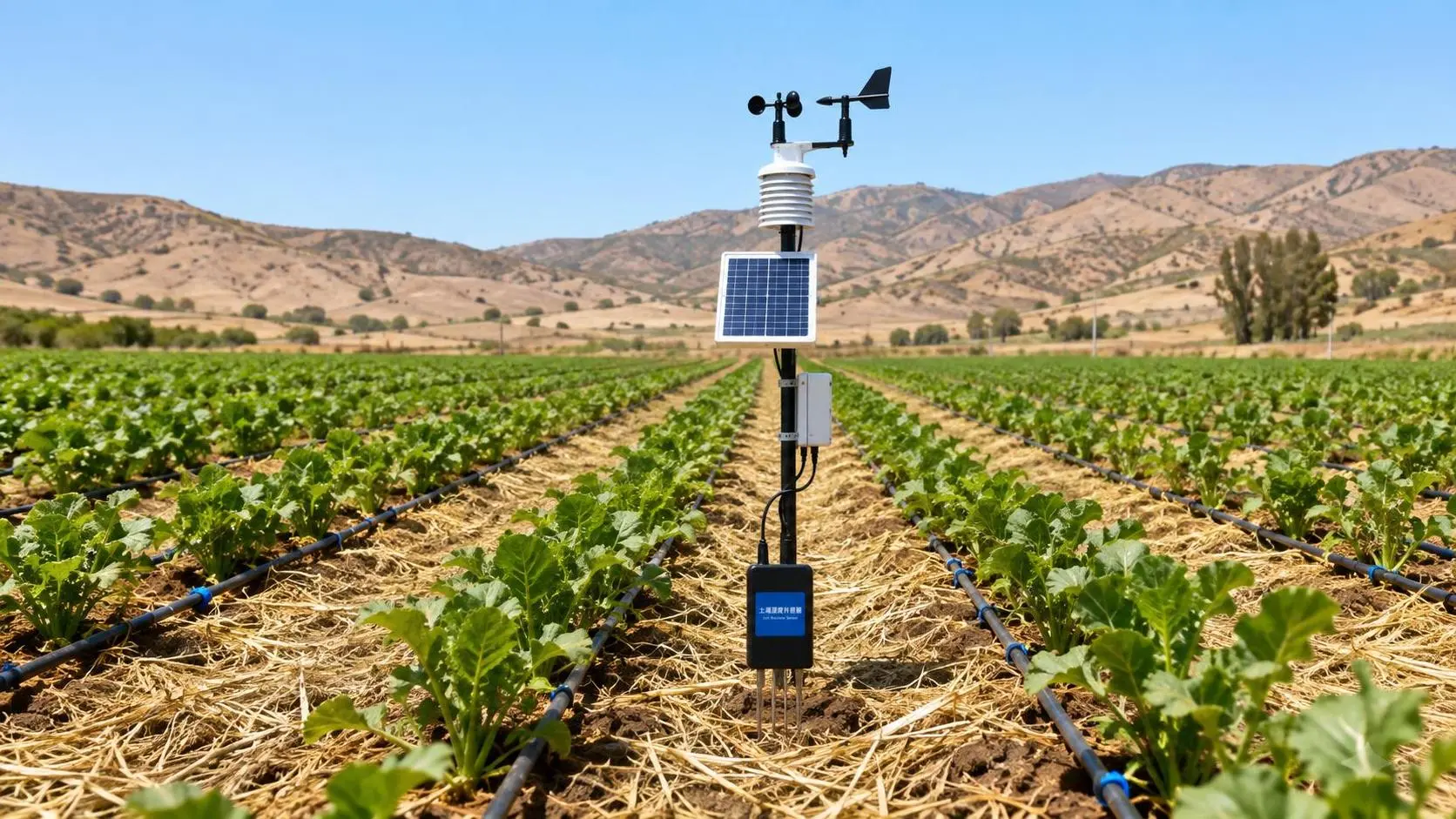
How Does Climate-Smart Farming Reduce Water Use in Semi-Arid Areas?
How does climate-smart farming reduce water use in semi-arid zones? Discover precision irrigation, soil monitoring, and smarter crop planning for resilient yields.
Related News
- 00
0000-00
How Autonomous Machinery for Crop Scouting Helps Growers Detect Field Issues Earlier - 00
0000-00
How to Evaluate Autonomous Machinery for Vineyards by Terrain, Tasks, and ROI - 00
0000-00
Brazil ANVISA Rule Requires Portuguese Risk Labels for Farm Robots - 00
0000-00
EU CE Update Sets EN ISO 13849-1:2025 for Autonomous Robots - 00
0000-00
How AI Autonomous Agricultural Machinery Works in Large-Scale Field Operations
Popular Tags
Tractor Power Architect
Weekly Insights
Stay ahead with our curated technology reports delivered every Monday.