
How Dynamic Feedback Algorithms Improve Accuracy in Smart Farming Equipment
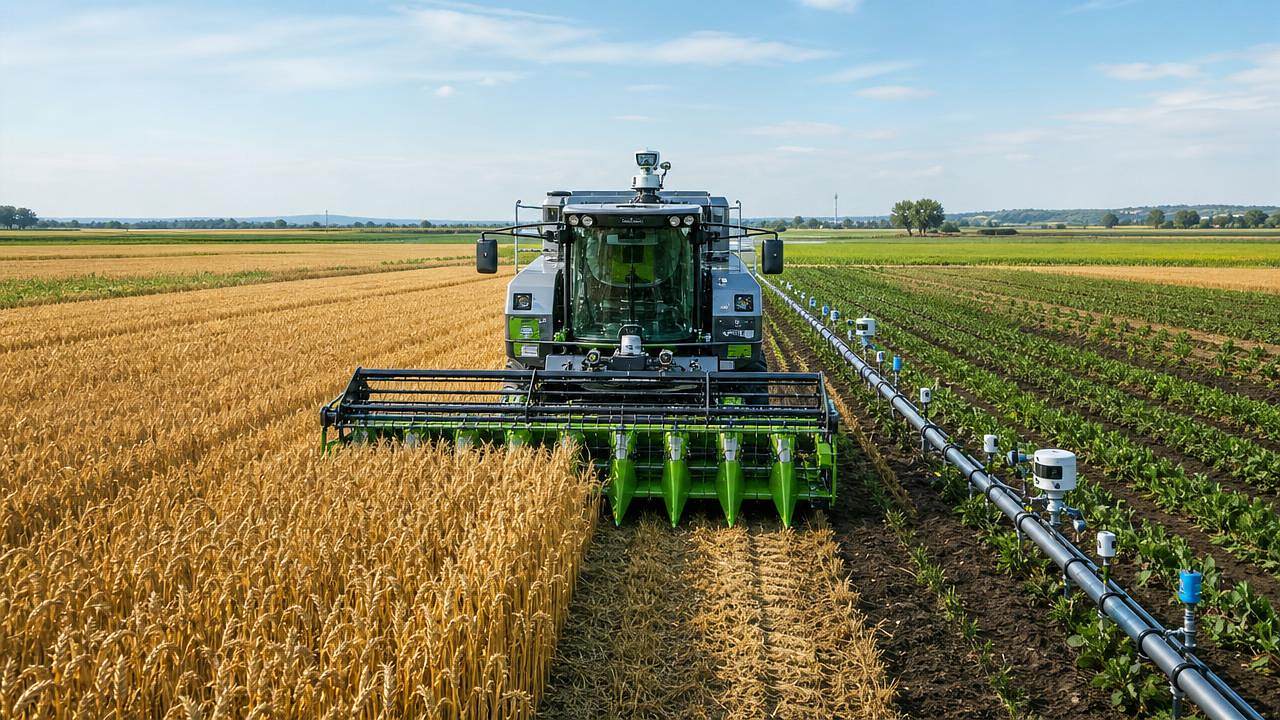




Accuracy in smart farming no longer depends only on stronger engines or larger implements. It increasingly depends on how well equipment senses change, interprets field conditions, and corrects itself while working.
That is where dynamic feedback algorithms matter. They turn live data from sensors, cameras, flow meters, pressure systems, and positioning tools into continuous machine adjustments that reduce drift, loss, and inconsistency.
Across harvesting, irrigation, tractor control, and intelligent farm tools, these algorithms are becoming a practical benchmark for machine accuracy. Their value is especially visible when weather, crop density, soil variability, and operating speed keep changing within the same field.
For a platform such as AP-Strategy, which tracks Agriculture 4.0 across large-scale machinery, combine harvesting, chassis systems, and water-saving irrigation, the rise of dynamic feedback algorithms is not a narrow software topic. It is a core indicator of how mechanical performance and precision intelligence now work together.
What dynamic feedback algorithms actually do
In simple terms, dynamic feedback algorithms compare a target state with a real operating state, then trigger corrections in real time. The cycle repeats continuously while the machine is moving or applying inputs.
A target might be header height, spray rate, seed depth, wheel slip, threshing quality, or irrigation pressure. The real state comes from sensor readings collected every second, or even faster.
The algorithm does not only detect error. It estimates how much correction is needed, how quickly it should happen, and whether the change will create a new problem elsewhere in the system.
This matters because farm equipment rarely works under stable laboratory conditions. Crop moisture shifts within a row. Terrain changes between passes. Hydraulic loads fluctuate. Wind affects spray behavior. Water demand changes through the day.
Without dynamic feedback algorithms, machines often rely on fixed settings or delayed manual response. That approach can still operate, but accuracy usually falls as variability increases.
Why the industry is paying closer attention
The current agri-equipment market is under pressure from several directions at once. Labor availability is tighter, input costs remain volatile, and sustainability requirements are shaping equipment investment decisions.
At the same time, operators expect larger machines to deliver more precise results, not just greater field capacity. That shift is changing how equipment performance is judged.
A combine is no longer assessed only by throughput. It is also judged by how well it maintains grain quality and limits cleaning losses as crop conditions vary. An irrigation system is not valued only for coverage. It is judged by how precisely it matches water delivery to real plant demand.
This is why AP-Strategy places attention on algorithm-linked intelligence alongside mechanical design. In many categories, the next performance advantage comes from better control logic rather than from a simple increase in hardware size.
Three industry signals behind this shift
- Field variability is becoming easier to measure, so poor control is more visible.
- Autonomous and semi-autonomous machines need reliable self-correction to stay accurate.
- Resource-saving standards increasingly reward precise application, not average performance.
Where dynamic feedback algorithms improve accuracy most
The strongest value appears in tasks where small errors repeat over long distances or large acreages. In those cases, minor adjustments can produce meaningful gains in output quality and input efficiency.
Combine harvesting
Harvesting is one of the clearest examples. Crop flow, grain moisture, straw volume, and slope can change quickly. Static settings often lead to grain loss, cracked kernels, or overloaded cleaning systems.
Dynamic feedback algorithms can adjust fan speed, sieve settings, rotor behavior, and travel speed using loss sensors and crop flow data. The result is more stable separation performance across uneven field conditions.
Intelligent irrigation
In irrigation, accuracy depends on pressure stability, emitter performance, evapotranspiration estimates, and localized soil moisture response. A fixed schedule may waste water or under-serve stressed zones.
Here, dynamic feedback algorithms integrate sensor readings, weather inputs, and flow behavior to refine timing and dosage. This helps move irrigation closer to plant need rather than calendar habit.
Tractor chassis and traction control
Heavy-duty field work often loses efficiency through wheel slip, uneven draft load, and unstable hydraulic response. Those issues affect fuel use, implement depth, and pass consistency.
With dynamic feedback algorithms, traction control can respond to load changes in real time. Hydraulic systems can also make finer adjustments, supporting more consistent operations in variable soils.
Precision tools and application systems
Planters, sprayers, and fertilization tools benefit when speed, terrain, and product flow are monitored continuously. Accuracy improves when application rates are corrected before deviation becomes visible at the crop level.
What should be evaluated beyond the marketing claim
Not every control system marketed as intelligent delivers meaningful accuracy gains. The quality of dynamic feedback algorithms depends on the full chain from sensing to correction.
Sensor quality is the first checkpoint. If measurements are noisy, delayed, or poorly calibrated, the algorithm may react precisely to the wrong information.
Response speed is just as important. A system that recognizes deviation too late may still create acceptable averages, but it will miss real-time accuracy during critical moments.
Control stability also deserves attention. Overcorrection can be as harmful as undercorrection, especially in hydraulic systems, crop handling, or irrigation pressure management.
Another issue is context awareness. Strong dynamic feedback algorithms do not treat every condition as identical. They account for crop type, implement state, terrain pattern, and operating mode.
Useful evaluation questions
- How often does the system sample and update adjustments?
- What sensor set supports the algorithm, and how is calibration maintained?
- Does performance remain stable across crop, soil, and weather variation?
- Are corrections transparent enough to audit in field reports or machine logs?
- Can the control logic integrate with existing precision agriculture platforms?
Business value is tied to repeatable field performance
The practical value of dynamic feedback algorithms is rarely captured by a single headline number. Their strongest impact appears through repeatability over time, seasons, and varying operating windows.
In harvesting, repeatability means maintaining acceptable loss levels even when crop conditions shift late in the day. In irrigation, it means delivering predictable water control despite pressure changes or weather swings.
That repeatability supports broader decisions as well. Fleets can be benchmarked more accurately. Input planning becomes more reliable. Maintenance teams can distinguish algorithm limitations from mechanical wear.
This is why AP-Strategy frames the issue within food security and resource efficiency. Better feedback control does not only improve machine behavior. It also improves the dependability of large-scale agricultural operations.
How to approach the next assessment step
A useful next step is to compare equipment not only by stated automation level, but by the quality of its closed-loop control in real field scenarios. That changes the conversation from features to outcomes.
Start with the most error-sensitive operation in the target environment. For one system, that may be harvester cleaning loss. For another, irrigation uniformity or traction stability may matter more.
Then map the algorithm to measurable inputs, correction speed, and field-level results. When those links are clear, dynamic feedback algorithms become easier to judge as operational assets rather than abstract software claims.
As Agriculture 4.0 moves forward, the most credible smart farming equipment will be the machinery that proves it can sense, decide, and correct with consistency. That is the standard worth tracking in every future evaluation.
Related News
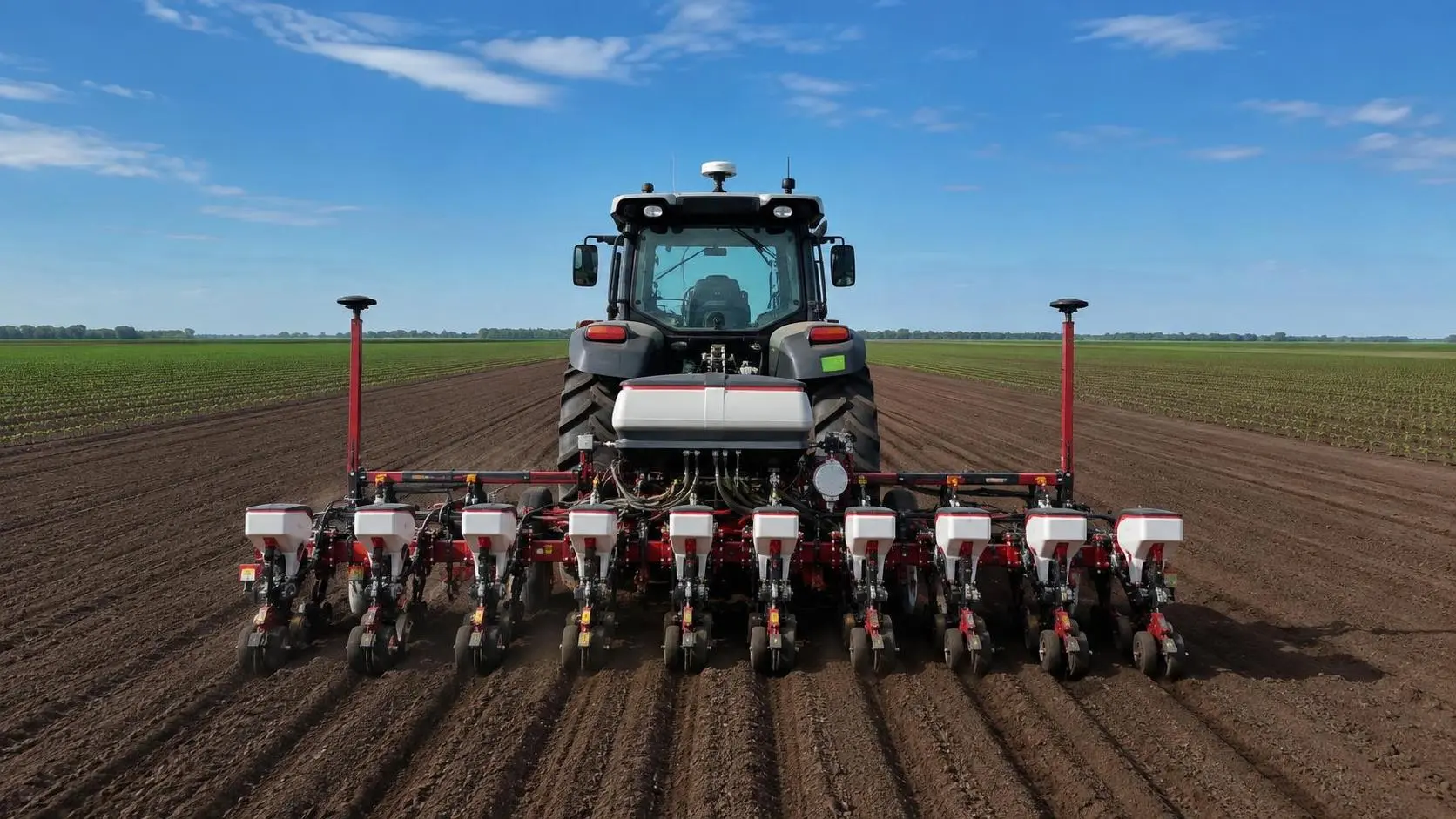
How Tractor Intelligence Systems Improve Field Efficiency and Input Accuracy
Agricultural machinery intelligence for tractors improves field efficiency, input accuracy, data traceability, and implement control. Explore smarter evaluation strategies.
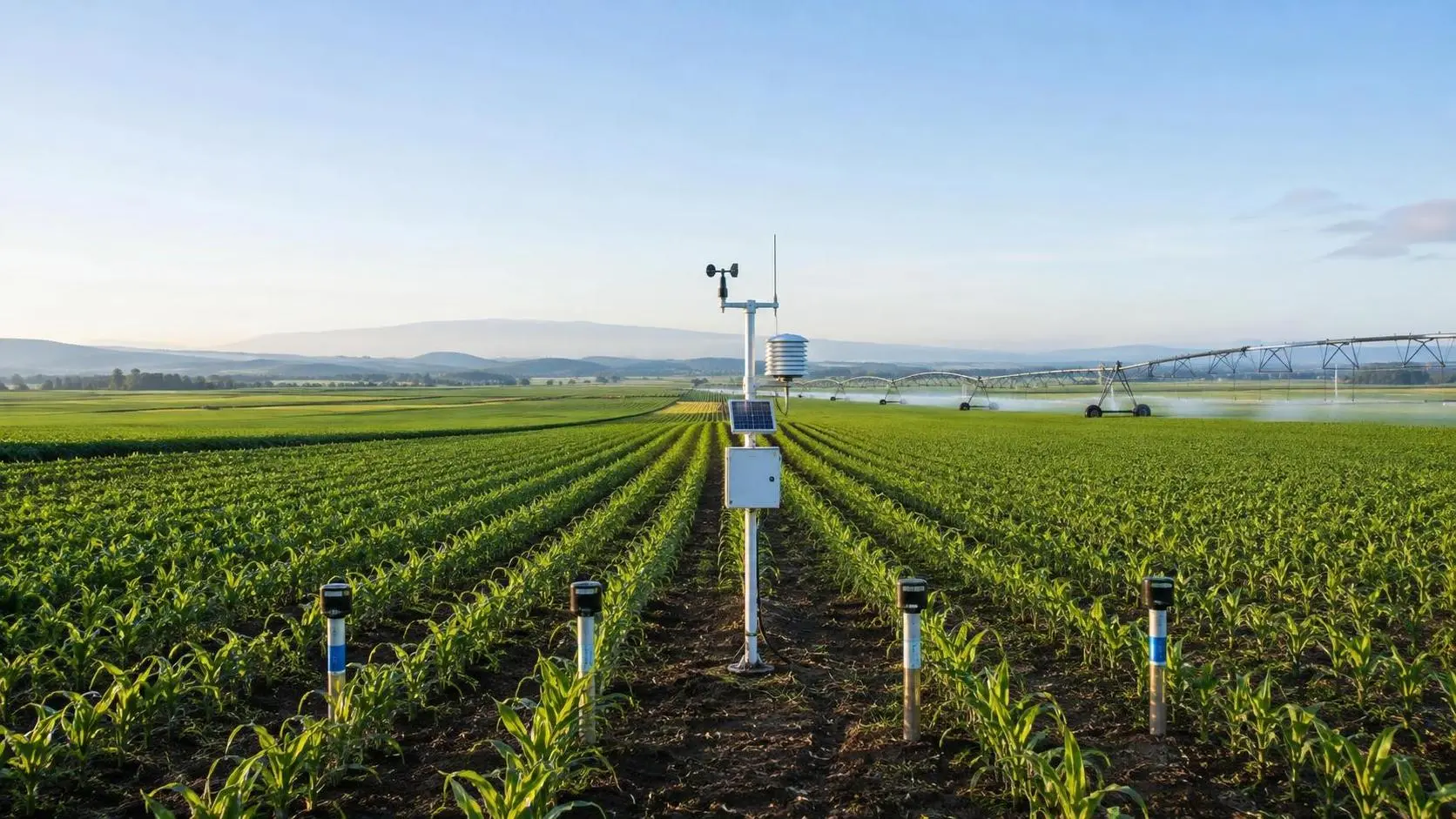
How to Evaluate Crop Monitoring System Manufacturers for Large-Scale Farms
Compare crop monitoring systems manufacturers for large-scale farms. Evaluate data quality, integration, durability, lifecycle costs, support, and pilots for smarter decisions.
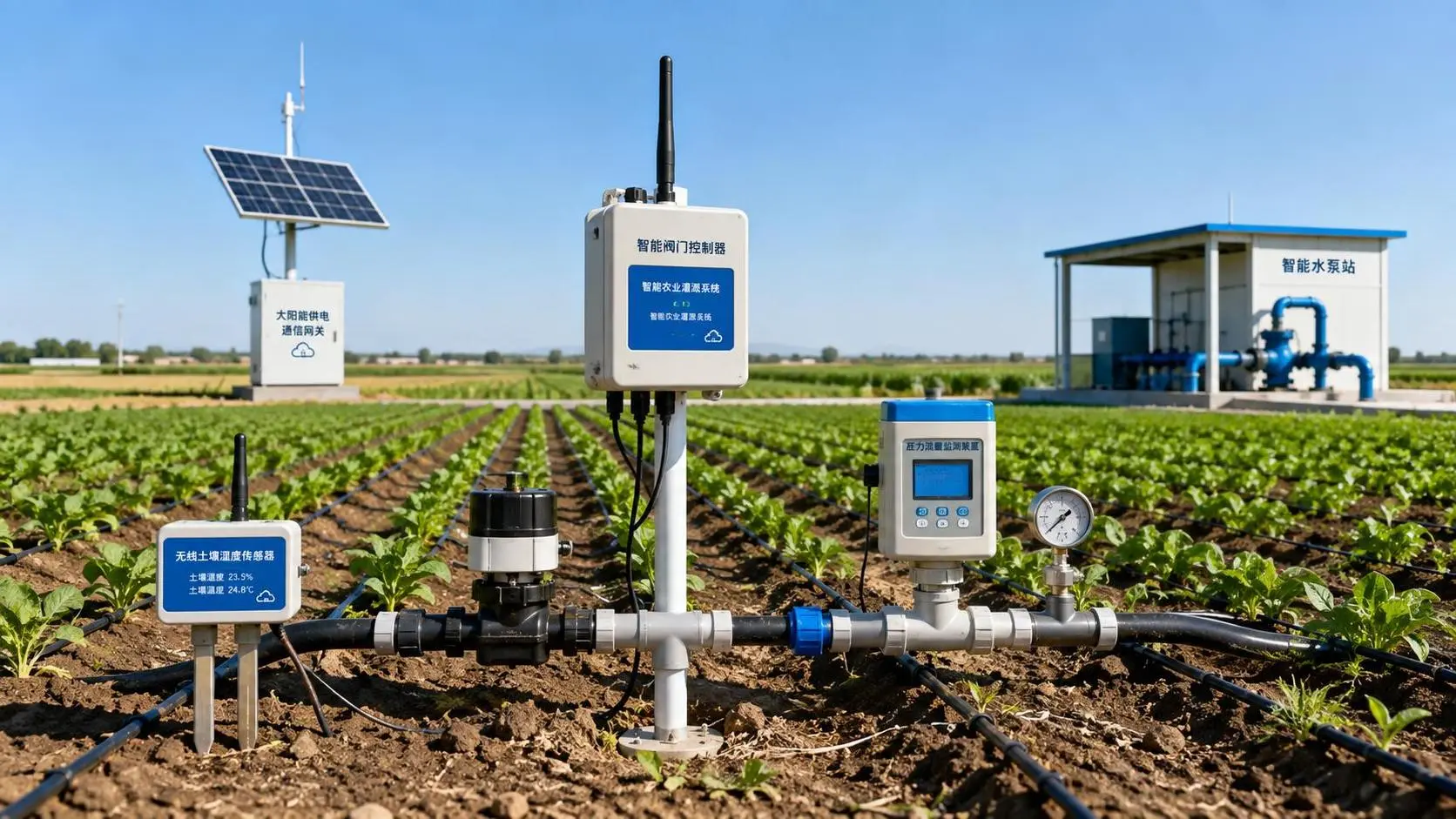
Wireless Agricultural Automation for Remote Irrigation and Field Monitoring
Agricultural automation wireless solutions improve remote irrigation with reliable field data, local control, flow verification, and smarter monitoring. Explore resilient deployment strategies.
Agricultural Product Information Market Guide: Key Data for Sourcing Decisions
Agricultural product information market guide for smarter sourcing—compare machinery, irrigation, precision tools, lifecycle costs, and supplier risk.
Large-Scale Farm Equipment Cost Comparison: Price, Fuel, and Lifecycle Value
Large-scale farm equipment cost comparison: evaluate price, fuel, maintenance, downtime, and lifecycle value to choose tractors, combines, irrigation, and smart tools with confidence.
A Procurement Specification Preparation Example for Buying Farm Equipment
Procurement specification preparation example for farm equipment: learn to define requirements, compare suppliers, control lifecycle costs, and buy with confidence.
What Tractor Horsepower Is Needed for a Three-Bottom Moldboard Plow?
What tractor horsepower is needed for three-bottom moldboard plow? Compare 60–100 hp needs by soil, depth, traction, and plow width for a confident equipment match.
How Does Climate-Smart Farming Reduce Water Use in Semi-Arid Areas?
How does climate-smart farming reduce water use in semi-arid zones? Discover precision irrigation, soil monitoring, and smarter crop planning for resilient yields.
Can Sustainable Farming Be Profitable Without Reducing Yields?
Are sustainable farming practices profitable without yield loss? Discover precision strategies that cut waste, protect yields, and improve farm margins.
Related News
- 00
0000-00
How Autonomous Machinery for Crop Scouting Helps Growers Detect Field Issues Earlier - 00
0000-00
How to Evaluate Autonomous Machinery for Vineyards by Terrain, Tasks, and ROI - 00
0000-00
Brazil ANVISA Rule Requires Portuguese Risk Labels for Farm Robots - 00
0000-00
EU CE Update Sets EN ISO 13849-1:2025 for Autonomous Robots - 00
0000-00
How AI Autonomous Agricultural Machinery Works in Large-Scale Field Operations
Popular Tags
Tractor Power Architect
Weekly Insights
Stay ahead with our curated technology reports delivered every Monday.