
How to Evaluate Autonomous Machinery for Farm Operations: Safety, Terrain, and ROI





How to evaluate autonomous machinery when field reality is not uniform
Autonomous machinery promises labor relief, tighter timing, and more consistent field work. Yet farm operations rarely unfold under identical conditions, even within one enterprise.
A machine that performs well on flat, dry acreage may struggle in mixed soils, irregular boundaries, or wet harvesting windows. That is why evaluation must start with context.
In Agriculture 4.0, the strongest decisions connect mechanical capability, sensor intelligence, and operational economics. AP-Strategy often frames this as a stitching exercise across safety, terrain, and productivity.
For autonomous machinery, the real question is not whether automation exists. The question is whether autonomous behavior remains reliable when field variables start changing.
Why the same autonomous machinery can fit one farm block and fail in another
Different operations create different demands because the machine is responding to terrain, crop timing, traffic flow, and surrounding equipment, not just a navigation map.
Broadacre tillage usually values route stability, fuel efficiency, and long working hours. Harvest support, by contrast, puts more pressure on obstacle detection and synchronized fleet movement.
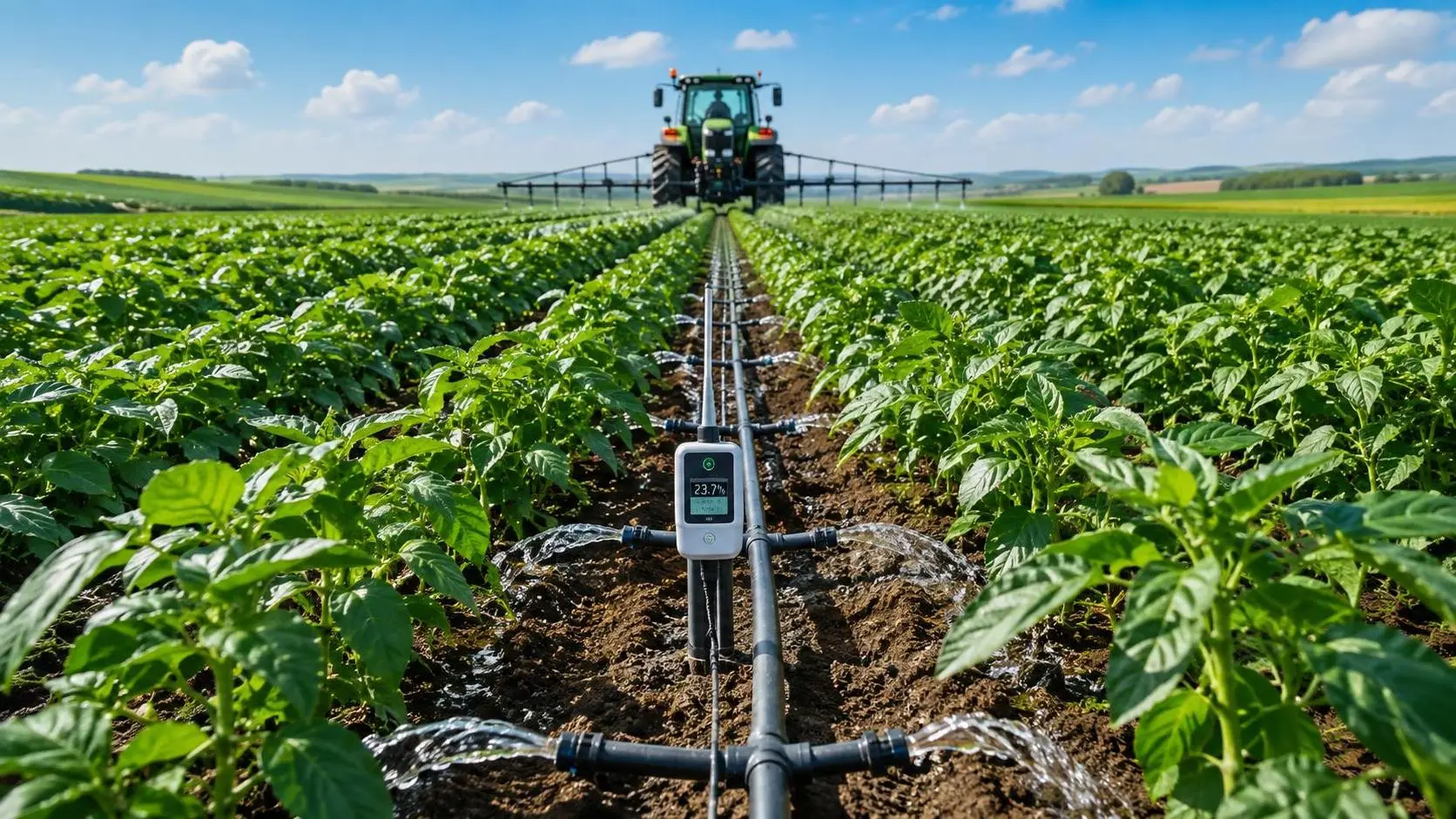
Irrigation-linked operations add another layer. Soft ground, wet edges, pumps, and buried infrastructure can turn a simple autonomous path into a higher-risk operating zone.
This is why autonomous machinery should be evaluated against real work sequences. A field pass is only one part of a wider operational system.
A quick comparison of scenario differences
On open ground, safety starts with predictable behavior, not just fewer operators
Large-scale land preparation is often seen as the easiest entry point for autonomous machinery. The routes are repetitive, visibility is better, and task logic is relatively stable.
Even here, safety evaluation should go beyond emergency stop claims. More useful indicators include boundary confidence, GNSS resilience, fail-safe speed reduction, and supervised restart procedures.
A practical test is to examine how the machine handles temporary disruptions. Dust, minor signal drift, or implement drag should not produce erratic steering corrections.
For tractors and intelligent farm tools, hydraulic response also matters. Delayed implement lifting at headlands can create crop damage, boundary overruns, or unsafe turning behavior.
What to verify in this setting
- How often the machine requests human intervention per shift
- Whether terrain-induced slip changes route accuracy
- How quickly it transitions from autonomous to safe idle mode
- Whether implement control remains synchronized with vehicle motion
In harvest windows, autonomous machinery is judged by coordination under pressure
Harvest operations compress time. Combines, grain carts, support tractors, and transport vehicles share the same space, often in fading light and variable moisture conditions.
In this environment, autonomous machinery cannot be evaluated as a stand-alone unit. It must be assessed as part of a moving system with shifting priorities.
A machine may have excellent row guidance, yet still create delays if handoff timing with combines is inconsistent. That directly affects grain loss, idle hours, and labor coordination.
More advanced evaluations look at communication latency, stop-position repeatability, and how the system behaves when another vehicle crosses its planned path unexpectedly.
This is especially relevant for enterprises following AP-Strategy intelligence on combine efficiency benchmarks. Low-loss harvesting depends on machine interaction, not isolated autonomy metrics.
Hills, terraces, and broken boundaries change the terrain equation
Terrain adaptability is where many autonomous machinery comparisons become misleading. A smooth demo field tells very little about side-slope stability or irregular turning areas.
On undulating ground, the chassis, transmission logic, and braking control deserve as much attention as the autonomy stack. Software cannot compensate for weak physical stability.
In practical terms, watch for three things: wheel slip under load, line holding during slope transitions, and recovery behavior after traction loss.
Terraced fields also test mapping quality. Narrow entries, abrupt elevation changes, and partial tree cover can reduce sensor confidence and increase intervention frequency.
Where field geometry is fragmented, smaller autonomous machinery may outperform larger units. Productivity per pass is lower, but completion reliability can be better.
A useful terrain screening checklist
- Maximum operating slope under full implement load
- Turning radius required at irregular headlands
- Sensor performance near vegetation, embankments, or drainage lines
- Recovery protocol when the machine stops in a constrained zone
Wet zones and irrigation corridors expose hidden limits
Autonomous machinery in irrigated farming often faces conditions that are operationally complex but visually subtle. The field may look passable while bearing capacity is already falling.
This matters for water-saving irrigation systems, sensor-guided tools, and transport units crossing pump-fed sections. Ground pressure, tire choice, and edge recognition become crucial.
One overlooked issue is buried infrastructure. Autonomous machinery must avoid emitters, pipes, valves, and control nodes that may not appear clearly on generic field maps.
Another issue is recovery cost. A machine stuck near irrigation assets can trigger downtime far beyond the vehicle itself, including water scheduling disruptions and repair exposure.
ROI becomes clearer when measured across seasons, not just purchase price
Return on investment for autonomous machinery is often overstated when calculations stop at labor replacement. The stronger model combines labor, timeliness, fuel use, maintenance, and avoided crop loss.
A machine used in narrow seasonal windows may still justify investment if it protects harvest timing or reduces cleaning-loss variability in high-value crops.
By contrast, a lower-cost unit can become expensive if supervision hours remain high, software subscriptions increase, or compatibility with existing implements is limited.
A realistic ROI review should include direct and indirect effects:
- Field capacity gained during weather-sensitive windows
- Reduction in overlap, misses, and repeated passes
- Downtime caused by software support or sensor calibration
- Residual value if autonomy standards change quickly
- Training and process redesign required after deployment
Where misjudgment usually happens
The most common mistake is comparing autonomous machinery by brochure specifications alone. Rated accuracy and top speed say little about operational resilience.
Another frequent error is assuming similar crops create similar requirements. A grain system, a forage system, and an irrigated specialty block can stress autonomy in very different ways.
Some evaluations also ignore the cost of integration. Existing tractor chassis, implements, telematics, and data platforms may require additional interfaces or workflow changes.
A practical way to match autonomous machinery to the right operating profile
The best evaluations usually begin with two or three representative field scenarios rather than a general product comparison. That keeps the analysis grounded in actual operating risk.
Then define measurable thresholds. Examples include allowable intervention frequency, slope limits, acceptable route deviation, headland turn accuracy, and recovery time after interruption.
It also helps to rank scenarios by strategic importance. A machine that performs well in the busiest harvest window may deserve priority over one optimized for easier off-peak tasks.
This aligns with the AP-Strategy view that agricultural equipment decisions work best when mechanical design, field intelligence, and sustainability targets are assessed together.
Before moving forward, map the actual work sequence, compare terrain categories, verify safety logic under interruption, and build an ROI model across at least two seasons.
That approach makes autonomous machinery selection less about automation claims and more about dependable field performance where it truly matters.
Related News
How Tractor Intelligence Systems Improve Field Efficiency and Input Accuracy
Agricultural machinery intelligence for tractors improves field efficiency, input accuracy, data traceability, and implement control. Explore smarter evaluation strategies.
How to Evaluate Crop Monitoring System Manufacturers for Large-Scale Farms
Compare crop monitoring systems manufacturers for large-scale farms. Evaluate data quality, integration, durability, lifecycle costs, support, and pilots for smarter decisions.
Wireless Agricultural Automation for Remote Irrigation and Field Monitoring
Agricultural automation wireless solutions improve remote irrigation with reliable field data, local control, flow verification, and smarter monitoring. Explore resilient deployment strategies.
Agricultural Product Information Market Guide: Key Data for Sourcing Decisions
Agricultural product information market guide for smarter sourcing—compare machinery, irrigation, precision tools, lifecycle costs, and supplier risk.
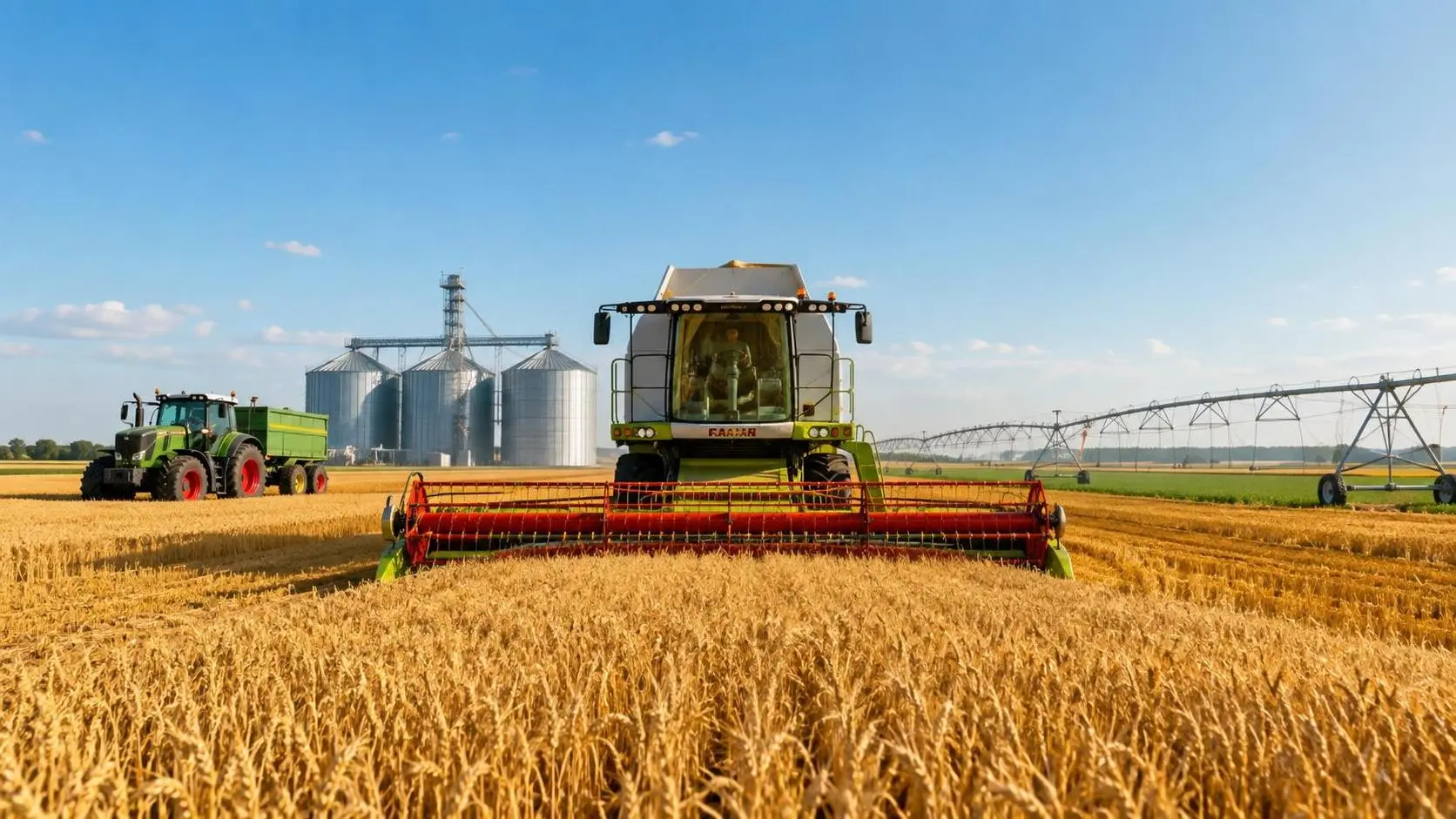
Large-Scale Farm Equipment Cost Comparison: Price, Fuel, and Lifecycle Value
Large-scale farm equipment cost comparison: evaluate price, fuel, maintenance, downtime, and lifecycle value to choose tractors, combines, irrigation, and smart tools with confidence.
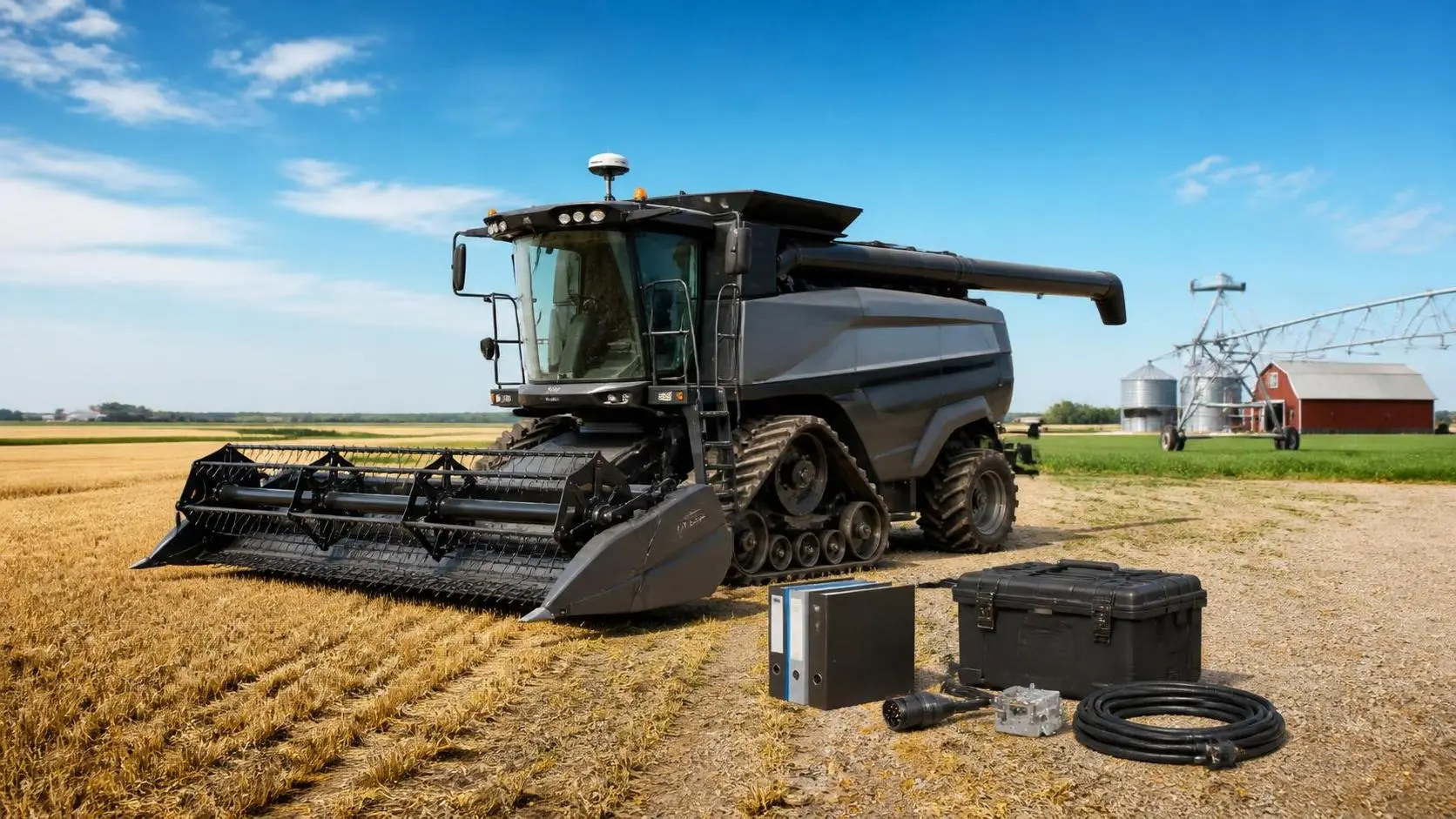
A Procurement Specification Preparation Example for Buying Farm Equipment
Procurement specification preparation example for farm equipment: learn to define requirements, compare suppliers, control lifecycle costs, and buy with confidence.
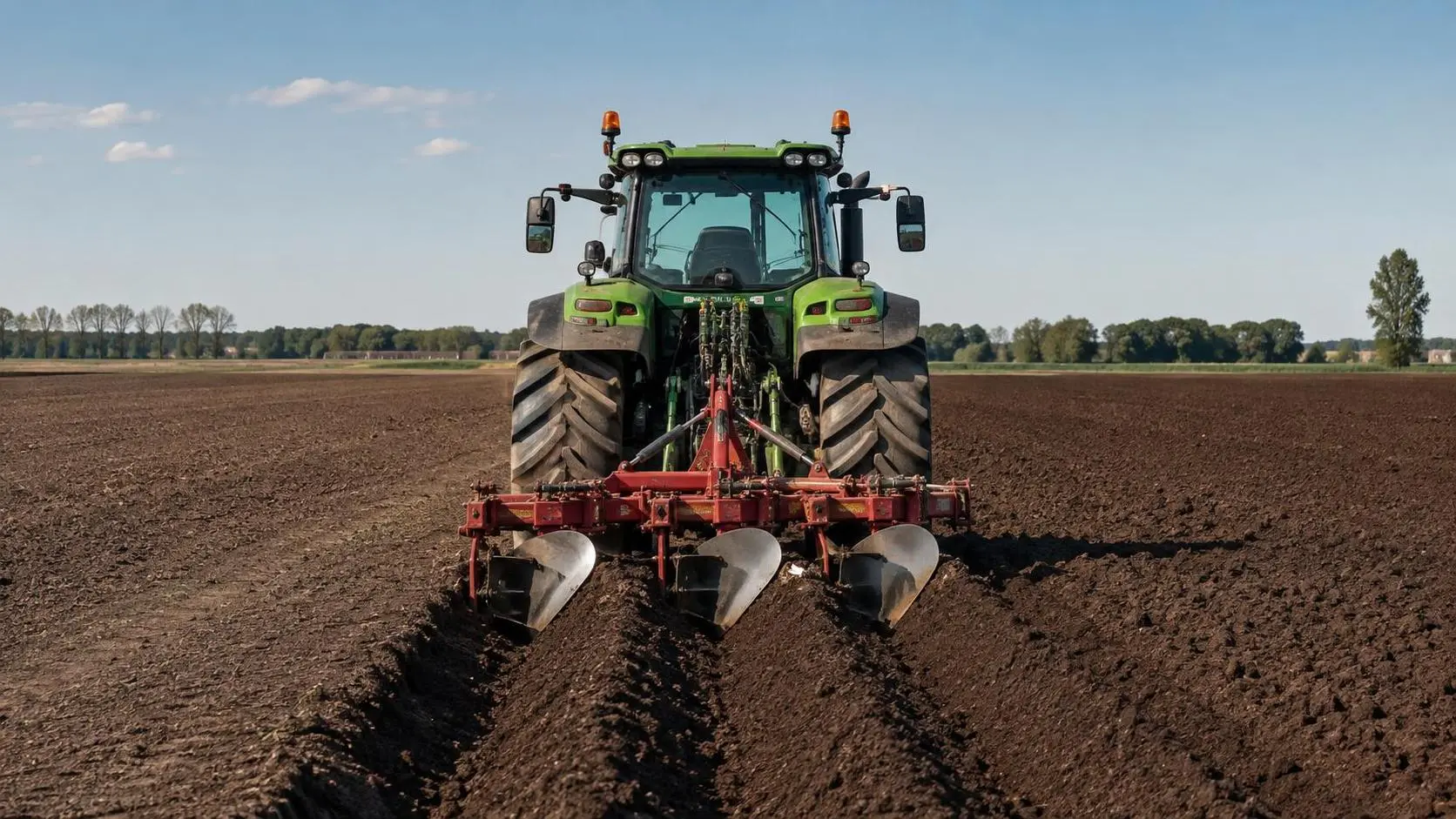
What Tractor Horsepower Is Needed for a Three-Bottom Moldboard Plow?
What tractor horsepower is needed for three-bottom moldboard plow? Compare 60–100 hp needs by soil, depth, traction, and plow width for a confident equipment match.
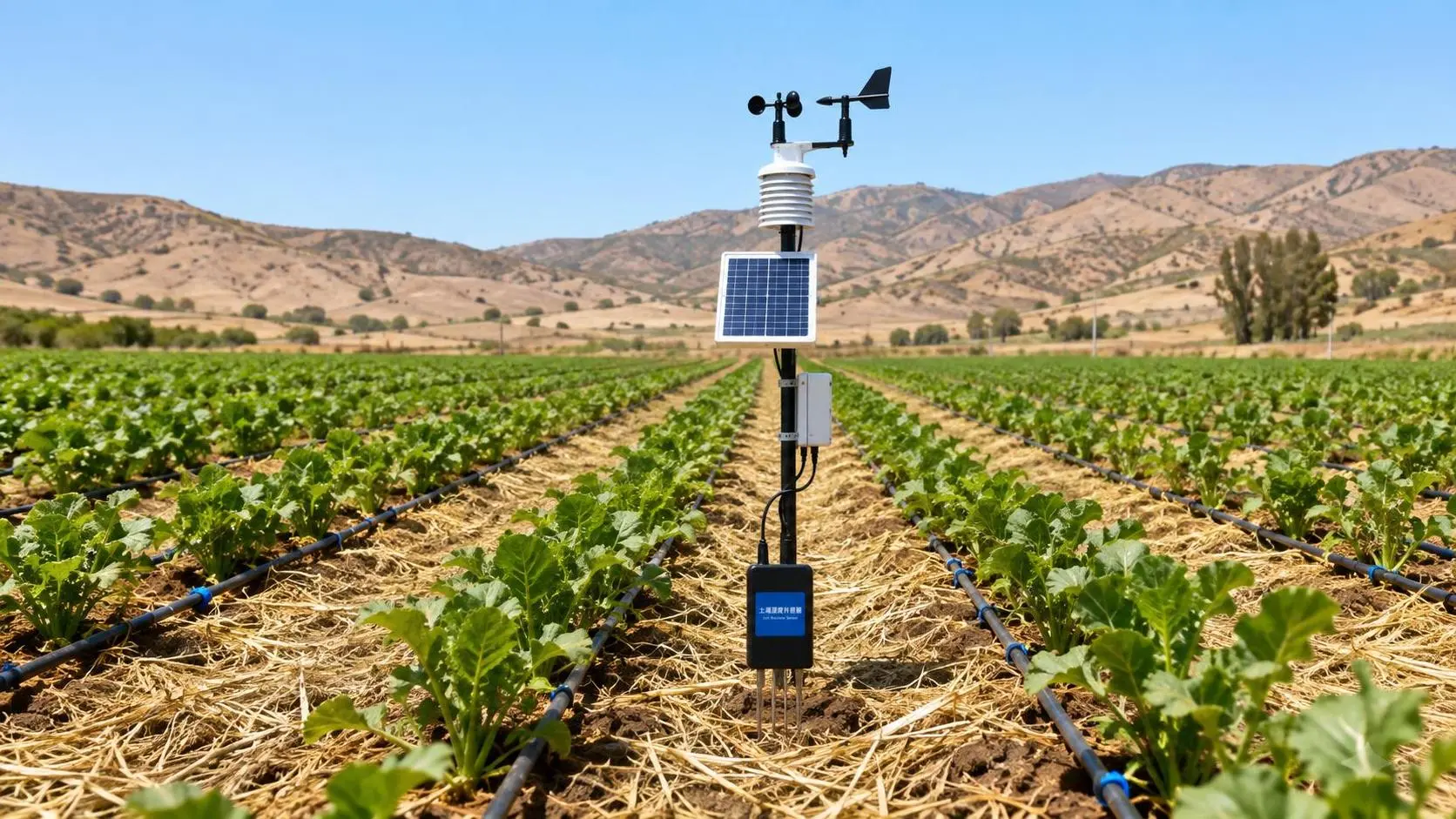
How Does Climate-Smart Farming Reduce Water Use in Semi-Arid Areas?
How does climate-smart farming reduce water use in semi-arid zones? Discover precision irrigation, soil monitoring, and smarter crop planning for resilient yields.
Can Sustainable Farming Be Profitable Without Reducing Yields?
Are sustainable farming practices profitable without yield loss? Discover precision strategies that cut waste, protect yields, and improve farm margins.
Related News
- 00
0000-00
How Autonomous Machinery for Crop Scouting Helps Growers Detect Field Issues Earlier - 00
0000-00
How to Evaluate Autonomous Machinery for Vineyards by Terrain, Tasks, and ROI - 00
0000-00
Brazil ANVISA Rule Requires Portuguese Risk Labels for Farm Robots - 00
0000-00
EU CE Update Sets EN ISO 13849-1:2025 for Autonomous Robots - 00
0000-00
How AI Autonomous Agricultural Machinery Works in Large-Scale Field Operations
Popular Tags
Tractor Power Architect
Weekly Insights
Stay ahead with our curated technology reports delivered every Monday.