
Agricultural Automation ROI: Which Farm Tasks Should Be Automated First?
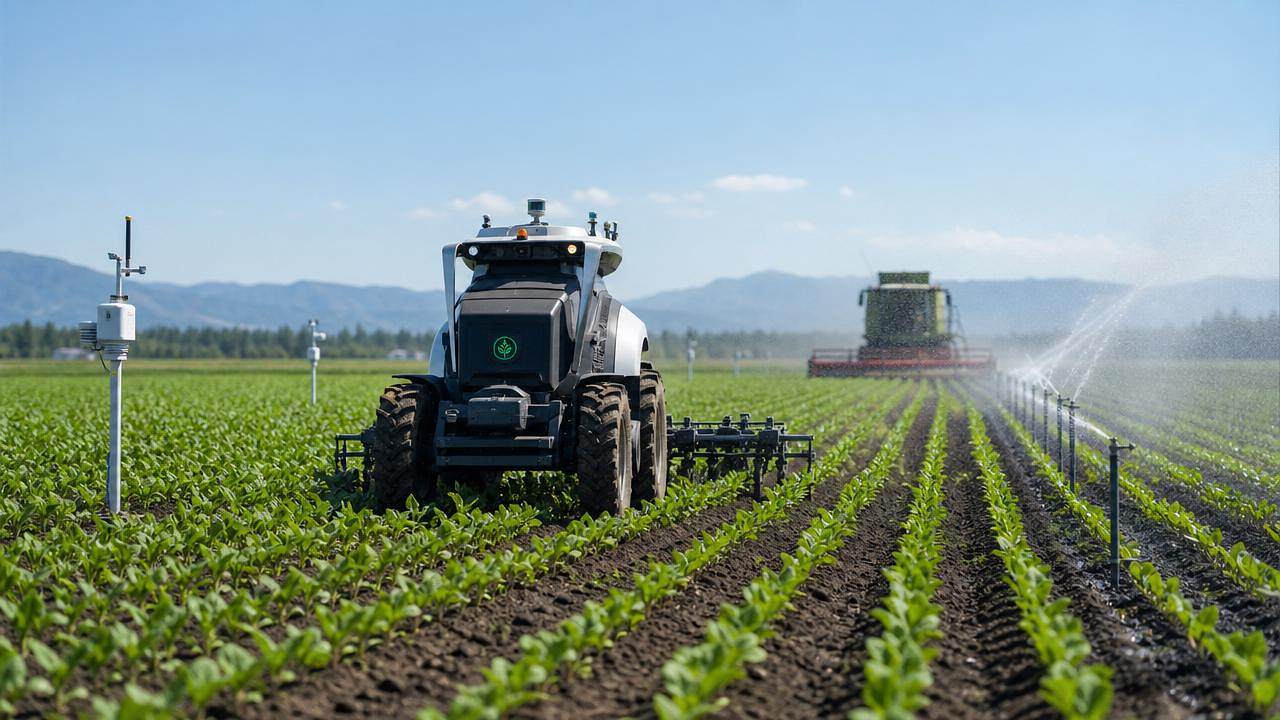




Agricultural Automation ROI: Which Farm Tasks Should Be Automated First?
For enterprise decision-makers, the real question is not whether to invest in agricultural automation, but where automation will generate the fastest and most defensible ROI.
Autonomous field operations, combine harvesting optimization, intelligent irrigation, and precision input application all carry different cost structures and payback horizons.
The strongest returns usually appear where labor pressure, fuel use, yield risk, and resource waste intersect in daily operations.
In Agriculture 4.0, agricultural automation is no longer a technology showcase. It is a capital allocation discipline.
Automation ROI Is Shifting From Labor Replacement to System Optimization
The early case for agricultural automation centered on replacing scarce labor. That remains important, but it is no longer the only ROI driver.
Today, returns come from tighter machine coordination, lower input variance, faster seasonal execution, and more accurate field decisions.
A tractor guidance system may save fuel. A smart irrigation network may protect yield during heat stress.
A combine loss monitor may recover grain that would otherwise remain invisible until revenue is lost.
This is why agricultural automation should be ranked by operational bottleneck, not by novelty.
The best first investment often improves a recurring task that touches the largest cost or yield exposure.
Trend Signals Showing Where Agricultural Automation Pays First
Several market signals now point toward faster adoption of agricultural automation in core field tasks.
Labor availability remains unstable during planting, spraying, harvesting, and irrigation emergencies.
Input prices also make waste more expensive. Over-application of water, fertilizer, fuel, or crop protection products now damages margins quickly.
Climate volatility adds another signal. Shorter field windows reward systems that work faster, longer, and with fewer manual decisions.
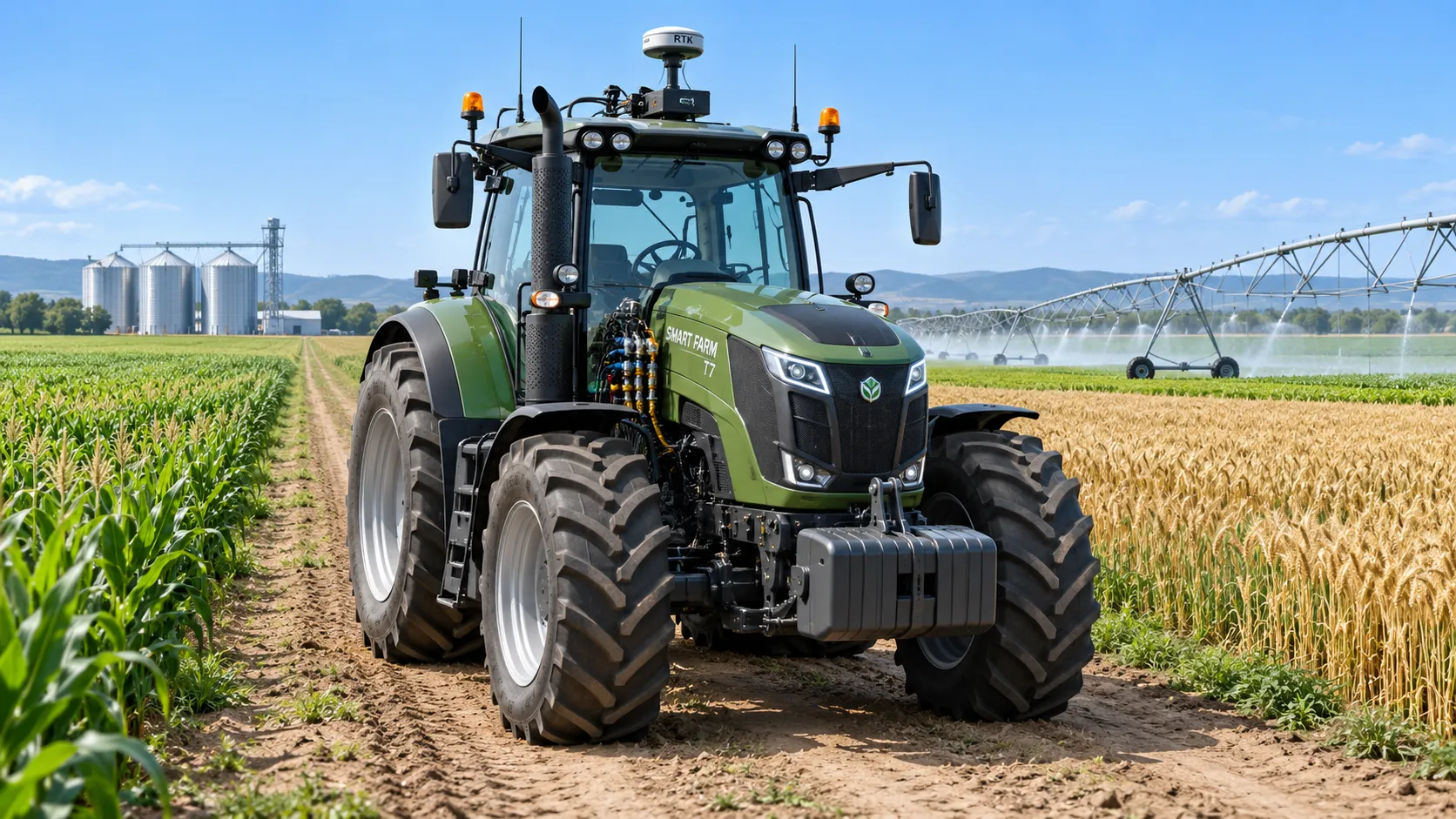
Equipment fleets are also becoming more sensor-ready. Telematics, GNSS, yield maps, and hydraulic control platforms make upgrades easier.
Together, these signals make agricultural automation a practical response to economic and environmental volatility.
Main Forces Behind the ROI Gap Between Farm Tasks
Not every automated task creates equal value. ROI depends on frequency, timing pressure, error cost, and scalability across hectares.
The strongest agricultural automation projects usually combine more than one driver.
For example, smart irrigation addresses water cost, yield protection, regulatory pressure, and labor scheduling in one system.
First Priority: Intelligent Irrigation Where Water Risk Is High
Intelligent irrigation often delivers one of the clearest ROI cases for agricultural automation.
Water is costly to pump, increasingly regulated, and directly tied to yield stability.
Automated irrigation uses soil moisture sensors, weather data, flow meters, and control valves to match water delivery with crop demand.
The return is not only lower water use. It also includes reduced energy consumption and fewer stress-related yield losses.
In regions facing heat waves, drought restrictions, or groundwater limits, this task should often be automated first.
- Best fit: orchards, vegetables, seed production, and irrigated row crops.
- Fastest gains: water savings, energy savings, and yield protection.
- Key metric: crop output per unit of water and pumping cost.
For large operations, irrigation automation also creates a data foundation for future prescription farming decisions.
Second Priority: Guidance and Auto-Steer for Repetitive Field Passes
Guidance and auto-steer systems remain among the most practical agricultural automation investments.
They reduce overlap, improve pass accuracy, lower operator fatigue, and support longer productive hours during narrow field windows.
The economics are strongest where tractors, sprayers, and seeders cover large areas repeatedly.
Savings appear through fuel reduction, fewer input overlaps, and more consistent field execution.
This category also prepares fleets for higher levels of autonomy.
Once machine paths, boundaries, and implement data are standardized, future autonomous operations become easier to deploy.
- Best fit: broadacre grain, oilseed, cotton, and large forage systems.
- Fastest gains: overlap reduction, operator efficiency, and fuel savings.
- Key metric: input cost per hectare and machine hours per task.
For many fleets, this is the most accessible entry point into agricultural automation.
Third Priority: Combine Harvesting Optimization to Reduce Hidden Losses
Harvest is a high-pressure phase where small errors can erase months of production value.
Combine harvesting automation focuses on loss monitoring, feed rate control, rotor adjustment, cleaning system optimization, and yield mapping.
The ROI is strongest when crop value is high, harvest windows are short, or operator experience varies.
Automated adjustment helps keep throughput high while reducing grain loss and quality damage.
This agricultural automation category also supports better post-season decisions.
Yield maps can reveal drainage problems, fertility gaps, compaction zones, and variety performance differences.
- Best fit: grain, pulses, oilseeds, rice, and high-value seed crops.
- Fastest gains: lower grain loss, better throughput, and quality preservation.
- Key metric: loss percentage, harvested tonnes per hour, and dockage rate.
If harvest losses are not measured, they are often underestimated.
Fourth Priority: Precision Input Application Under Cost Pressure
Precision application is becoming essential as fertilizer, seed, and crop protection costs remain volatile.
Variable-rate technology, section control, sensor feedback, and prescription maps help place inputs where they create measurable value.
This agricultural automation investment pays faster when field variability is high.
Uniform fields may produce slower payback, while mixed soils and variable yield zones create stronger opportunities.
Precision application also supports sustainability reporting and compliance with nutrient management rules.
- Best fit: farms with reliable soil, yield, and zone data.
- Fastest gains: reduced overlap, optimized rates, and better nutrient efficiency.
- Key metric: input return by management zone.
The most defensible ROI appears when agronomic rules are clear and machine execution is accurate.
Fifth Priority: Full Autonomy After Data and Process Discipline Mature
Fully autonomous tractors and field robots attract attention, but they are not always the first ROI priority.
Their value depends on reliable digital field maps, machine supervision systems, safety protocols, and maintenance readiness.
Autonomy performs best where tasks are repetitive, routes are controlled, and downtime risk is manageable.
Examples include tillage, mowing, transport inside defined zones, and controlled-environment operations.
This agricultural automation step should usually follow guidance, telematics, and standardized fleet data practices.
When introduced too early, autonomy may create integration costs that weaken payback.
How Automation Priorities Affect Operations, Finance, and Sustainability
The impact of agricultural automation extends beyond one machine or one season.
Operations gain more predictable execution. Finance gains clearer cost tracking. Sustainability programs gain measurable resource efficiency data.
Irrigation automation influences water planning and energy budgets.
Guidance systems influence labor deployment, fuel consumption, and machine utilization.
Harvest automation influences revenue capture, logistics timing, and crop quality protection.
Precision input systems influence agronomic strategy, compliance, and environmental reporting.
The highest-value programs connect these layers instead of treating each tool as an isolated purchase.
A Practical Ranking Framework for Agricultural Automation ROI
A structured scoring model reduces the risk of investing based on trend pressure alone.
The ranking should be adjusted by crop type, field size, water exposure, labor market, and machinery age.
A smaller but repeated saving can outperform a dramatic technology with limited seasonal use.
Key Metrics to Track Before Approving Automation Capital
Agricultural automation ROI becomes defensible when baseline data exists before deployment.
- Machine hours per hectare for each major task.
- Fuel, water, fertilizer, seed, and chemical cost per hectare.
- Labor hours required during peak seasonal windows.
- Yield loss, grain loss, or quality penalties by operation.
- Downtime frequency, maintenance delays, and service response time.
- Data compatibility between machines, sensors, and management platforms.
These metrics prevent vague claims and support realistic payback calculations.
They also reveal whether a technology problem is actually a process problem.
Implementation Logic: Start Narrow, Prove Value, Then Scale
The safest path is not always the smallest investment. It is the clearest measurable deployment.
Start with one high-value task, one defined geography, and one performance target.
For irrigation, measure water use, energy cost, and yield response.
For guidance, measure overlap, fuel use, field speed, and operator hours.
For combine automation, measure grain loss, throughput, and quality deductions.
After proof, expand agricultural automation across similar fields, machines, or crop systems.
Scaling before validation can lock capital into tools that solve low-value problems.
What to Watch Next in Agriculture 4.0 Investment Planning
The next phase of agricultural automation will be shaped by interoperability and predictive intelligence.
Machines, sensors, and irrigation systems will need to share operational data without creating fragmented dashboards.
Predictive models will also matter more. Weather risk, crop stress, machine wear, and labor availability will guide automation timing.
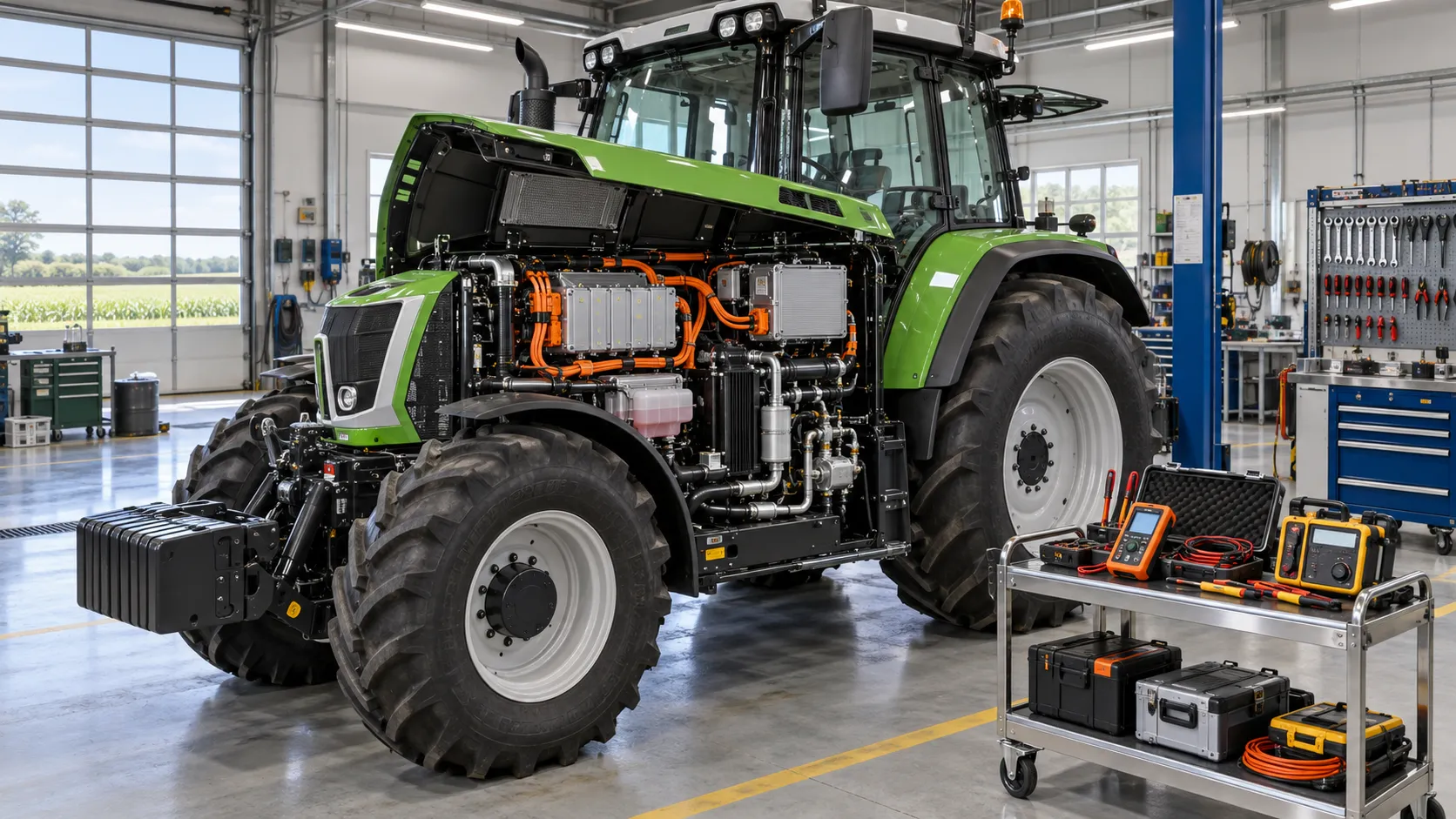
Electric and hybrid tractor platforms may further change ROI by lowering energy and maintenance profiles.
At the same time, regulation will push stronger documentation of water use, emissions, and nutrient efficiency.
Automation systems that generate reliable records will become more valuable than systems that only perform isolated tasks.
Action Path for Prioritizing Agricultural Automation
Begin with a task-level ROI map across water, labor, fuel, inputs, yield, and downtime.
Rank tasks by pain intensity, measurable savings, seasonal urgency, and scalability.
Automate irrigation first where water risk dominates. Automate guidance where repeated passes drive cost.
Add combine optimization where hidden losses threaten revenue. Add precision input tools where field variability supports prescriptions.
Move toward full autonomy only when data, safety, maintenance, and supervision systems can support dependable operation.
Agricultural automation creates the strongest return when it connects machinery performance, precision algorithms, and resource efficiency.
The winning sequence is practical: reduce waste, protect yield, stabilize execution, and build the data foundation for smarter cultivation.
Related News
Choosing an Agriculture 4.0 Supplier: Compatibility, Support, and Total Cost
Choose an Agriculture 4.0 supplier with confidence. Learn how to verify compatibility, assess support, and compare total ownership costs to avoid hidden fees and costly downtime.
Low-Pressure Drip Irrigation: How to Fix Uneven Watering Without Raising Pressure
Optimize low pressure water-saving irrigation systems: discover how to fix uneven watering, clear blockages, and reduce hydraulic losses without raising supply pressure.
Comparing Farm Equipment Supplier Quotes: Price, Freight, and Warranty
Simplify supplier comparison for farm equipment price: assess freight, field-ready costs, and warranty coverage. Learn how to avoid hidden charges and choose a reliable supplier.
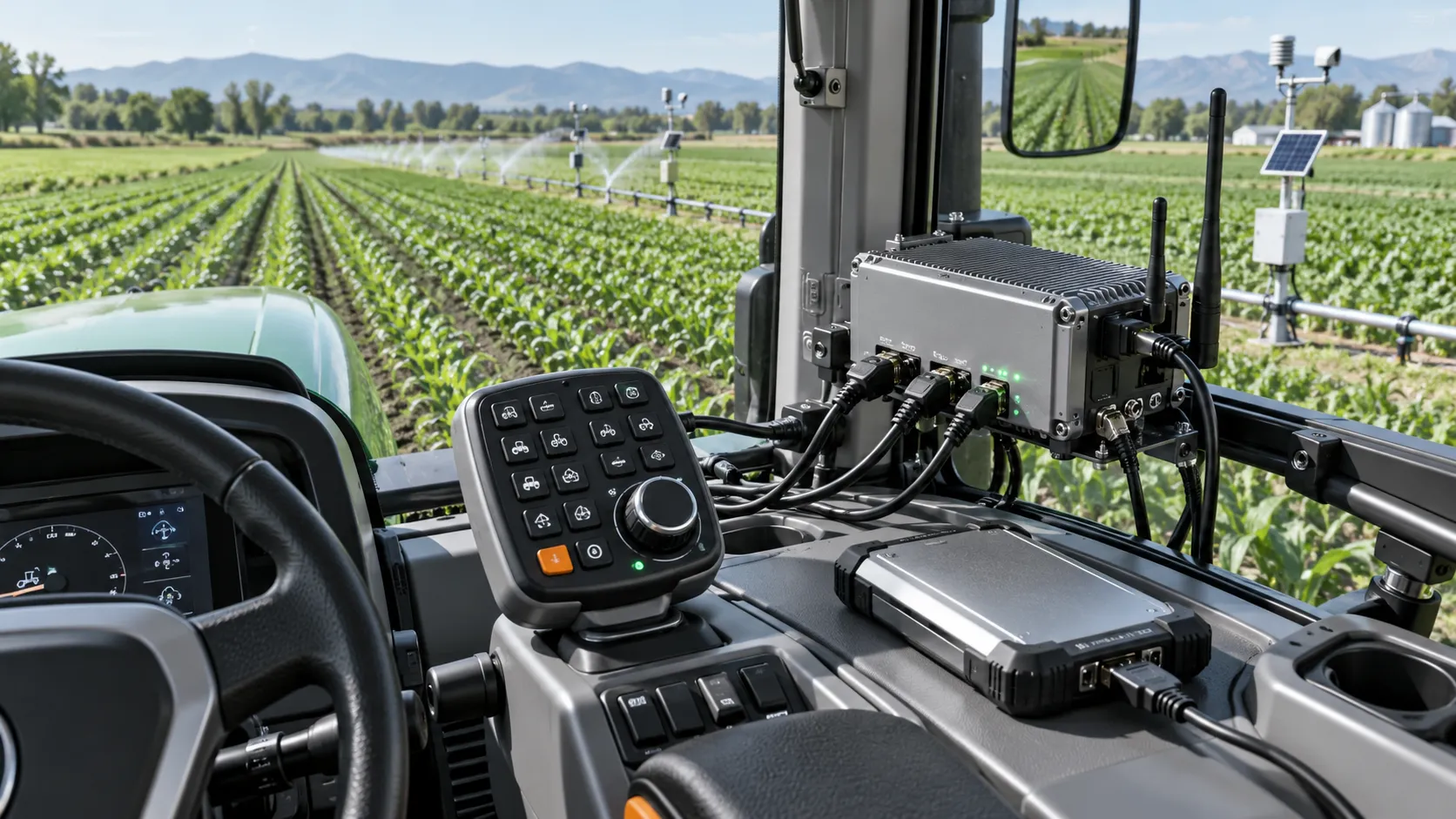
Choosing a Digital Farming Platform Provider: Compatibility and Data Ownership
Compare digital farming platforms providers on equipment compatibility, data ownership, and export rights. Discover practical checks to avoid lock-in and choose with confidence.
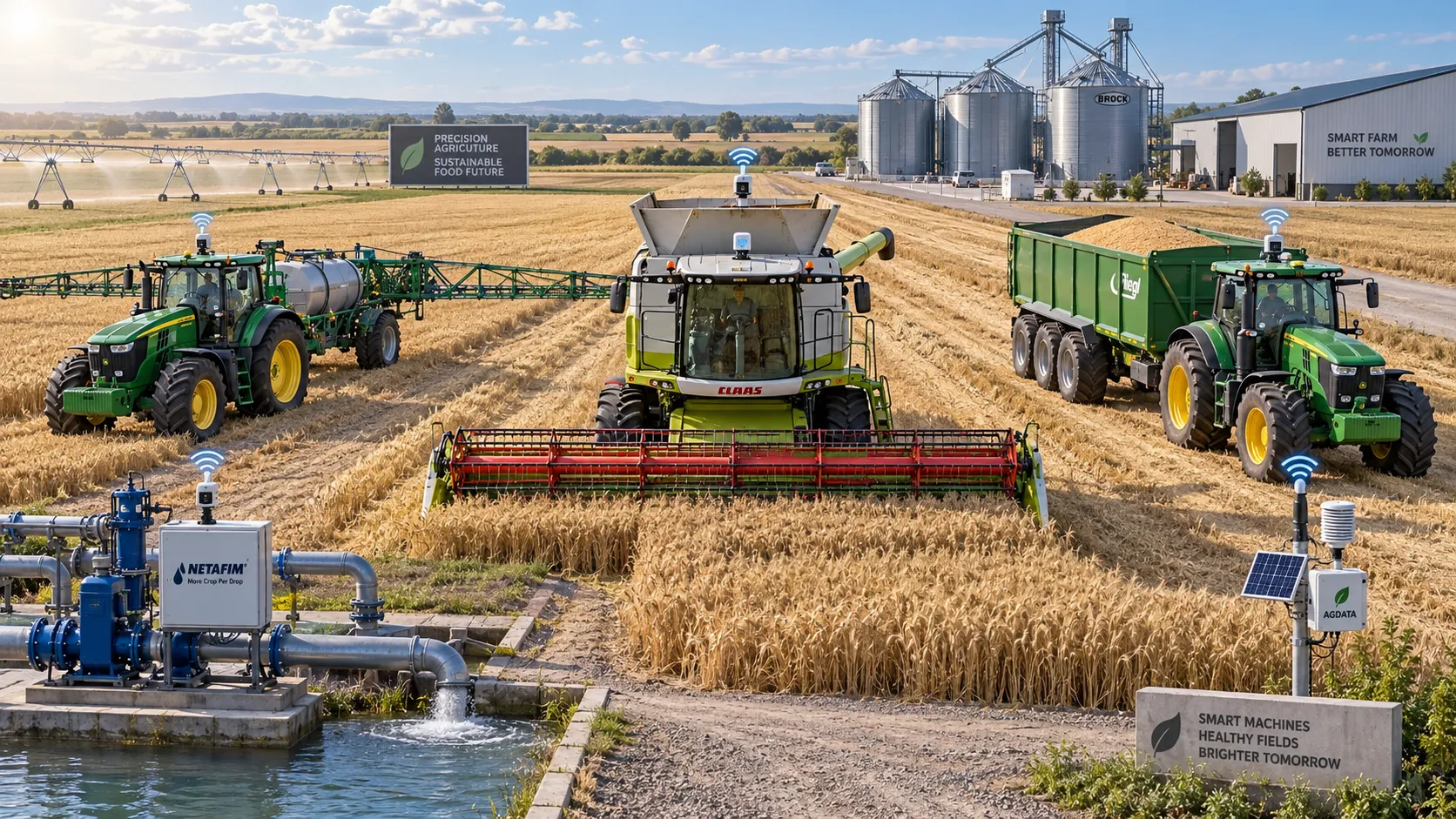
How Large-Scale Farm Telematics Cuts Downtime Across Mixed Fleets
Large-scale farm equipment telematics cuts mixed-fleet downtime with real-time alerts, smarter maintenance, and stronger operational control. Learn how to protect critical farm workflows.
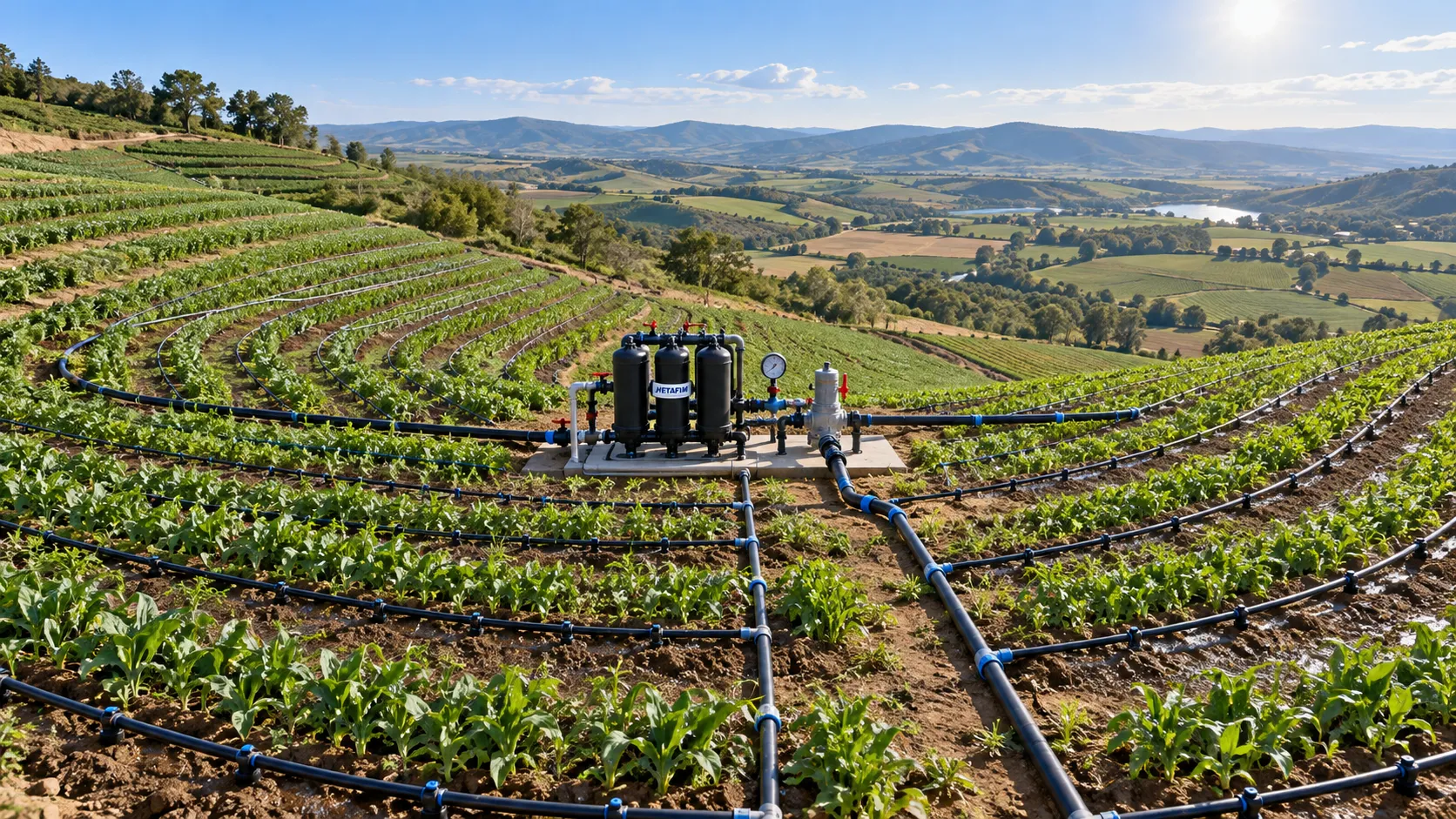
How to Size Low-Pressure Water-Saving Irrigation Systems for Uneven Fields
Low pressure water-saving irrigation systems for uneven fields: learn zoning, pressure mapping, pipe sizing, and pump selection to improve uniformity and reduce water waste.
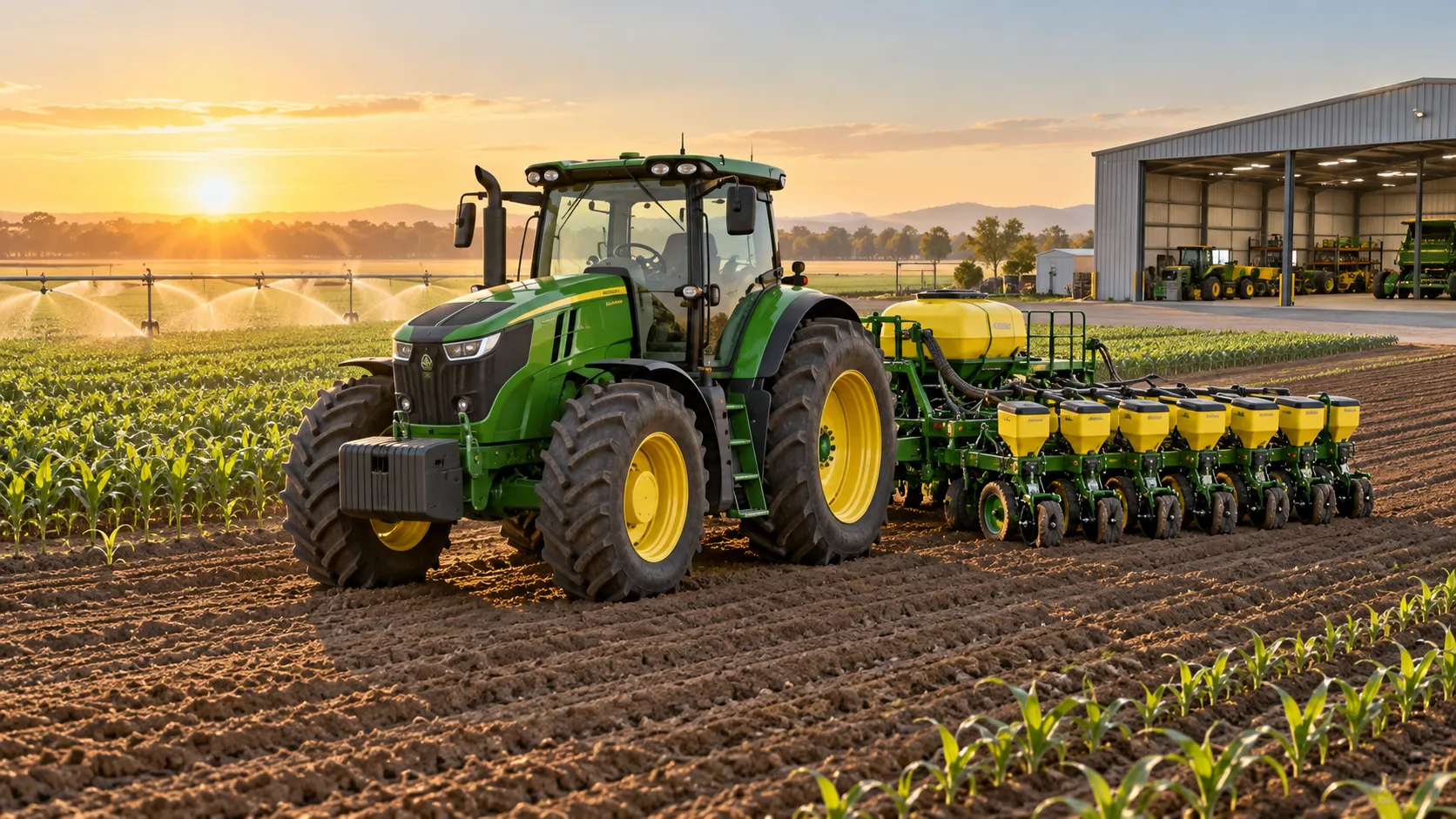
Farm Machinery Sourcing: How to Vet Suppliers, Specs, and Lifecycle Costs
Farm machinery information for sourcing: learn to vet suppliers, compare specifications, control lifecycle costs, and secure reliable uptime for smarter equipment purchases.
How telemetry for agriculture helps identify equipment downtime
Telemetry for agriculture helps detect early warning signs, prioritize maintenance, and reduce costly equipment downtime before field operations are disrupted.
What maintenance challenges come with hybrid agricultural machines?
Hybrid agricultural machines demand smarter maintenance. Discover key challenges in high-voltage safety, batteries, software diagnostics, cooling, and parts planning.
Related News
- 00
0000-00
What separates robotic automation providers for equipment production? - 00
0000-00
Which field data collection provider fits an agricultural robotics program? - 00
0000-00
How Autonomous Machinery for Crop Scouting Helps Growers Detect Field Issues Earlier - 00
0000-00
How to Evaluate Autonomous Machinery for Vineyards by Terrain, Tasks, and ROI - 00
0000-00
Brazil ANVISA Rule Requires Portuguese Risk Labels for Farm Robots
Popular Tags
Tractor Power Architect
Weekly Insights
Stay ahead with our curated technology reports delivered every Monday.