
Agricultural Automation Tools: Sensors, Guidance, and Robotics Compared
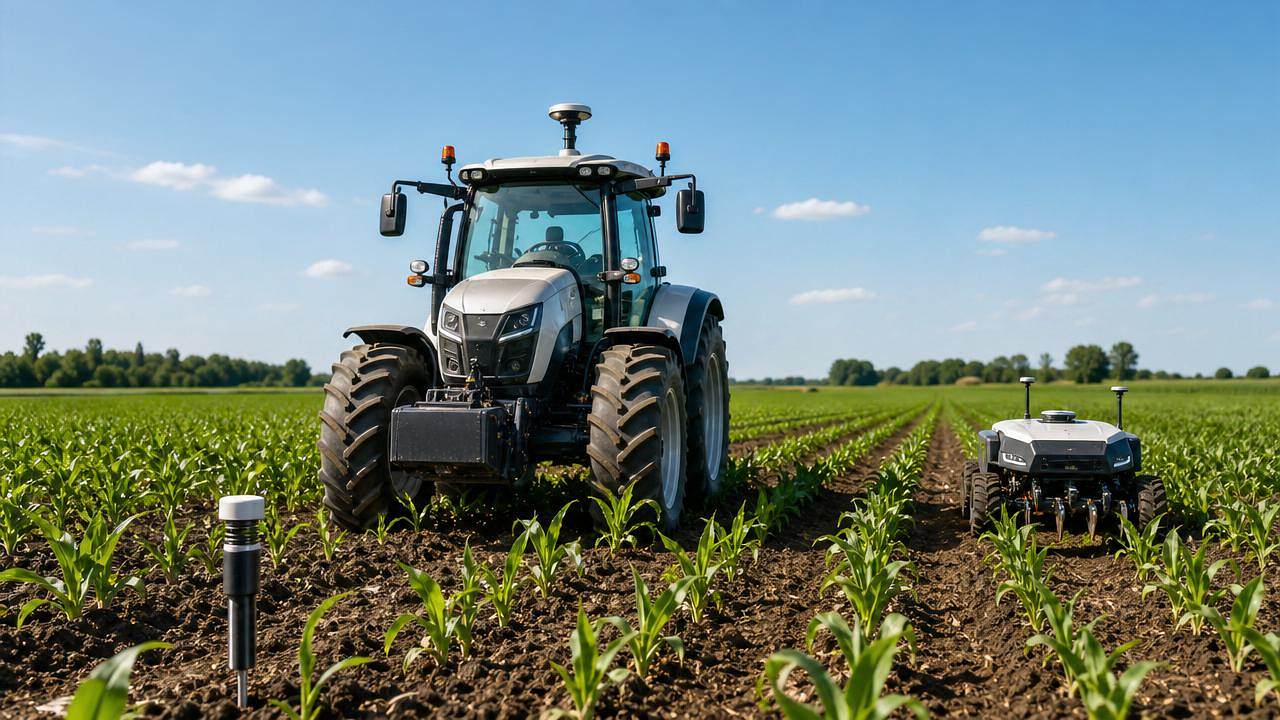




Agricultural Automation Tools: Sensors, Guidance, and Robotics Compared
Choosing the right agricultural automation tools now requires more than comparing spec sheets.
It requires a clear view of field conditions, data workflows, machine integration, and return timelines.
Sensors, guidance systems, and robotics each improve farm performance, but they solve different operational problems.
The best decision depends on accuracy needs, labor pressure, crop variability, equipment age, and digital readiness.
This comparison explains how agricultural automation tools perform across practical scenarios involving tractors, harvesters, irrigation, and farm platforms.
Why Scenario Judgment Matters Before Automation Investment
Farm automation is not a single upgrade path.
A broadacre grain operation may prioritize pass-to-pass accuracy and combine loss monitoring.
A high-value orchard may need canopy sensing, variable spraying, and compact robotic platforms.
An irrigation-intensive region may gain more from soil moisture networks than from autonomous field robots.
Agricultural automation tools should therefore be evaluated by job-to-be-done, not by novelty alone.
The practical question is simple: which tool removes the largest constraint with the least operational disruption?
AP-Strategy tracks these decisions through the Agriculture 4.0 lens.
Mechanical performance, precision algorithms, and sustainability targets must work together under real field pressure.
Scenario 1: Sensor-Driven Decisions for Soil, Crop, and Machine Conditions
Sensor systems are often the first layer of agricultural automation tools.
They convert field variation into measurable signals for irrigation, fertilization, spraying, and harvesting decisions.
Common sensor types include soil moisture probes, NDVI sensors, yield monitors, flow meters, weather stations, and machine health sensors.
Their strength lies in early detection and continuous feedback.
For irrigation, sensor networks identify when water stress begins before visible crop symptoms appear.
For harvesting, loss sensors help adjust rotor speed, fan settings, and sieve openings during changing crop loads.
For machinery, pressure and vibration signals can reveal hydraulic or bearing issues before downtime escalates.
The main limitation is data interpretation.
Sensors generate value only when readings lead to timely and trusted actions.
Calibration, connectivity, mounting position, and maintenance routines strongly affect sensor reliability.
Sensor-based agricultural automation tools fit scenarios where variability is high and decisions happen frequently.
Scenario 2: Guidance Systems for Accuracy, Fuel Savings, and Operator Consistency
Machine guidance is the most mature category among agricultural automation tools.
It includes lightbars, assisted steering, auto-steer, RTK positioning, implement guidance, and headland automation.
Guidance systems reduce overlap, skips, compaction, fatigue, and input waste.
They are especially effective in tillage, seeding, spraying, fertilizing, and controlled traffic farming.
In broadacre fields, centimeter-level RTK guidance can improve seed placement and reduce chemical overapplication.
On harvesters, guidance supports cleaner rows, better header alignment, and fewer missed crop edges.
The strongest value appears where machines cover large areas repeatedly.
Unlike sensors, guidance systems often deliver visible savings quickly.
However, performance depends on signal quality, terrain, implement drift, and compatibility with existing controllers.
Guidance-based agricultural automation tools are best when straight-line precision, repeatability, and operator consistency are key constraints.
Scenario 3: Robotics for Labor Bottlenecks and High-Frequency Field Tasks
Robotics represent the most advanced and complex group of agricultural automation tools.
They combine perception, navigation, actuation, safety systems, and task-specific implements.
Robotic platforms now support weeding, scouting, spraying, harvesting assistance, mowing, and material transport.
Their greatest advantage appears in repetitive, labor-intensive, or hazardous tasks.
Mechanical weeding robots can reduce herbicide use in vegetable and specialty crop systems.
Autonomous sprayers can treat targeted zones instead of applying uniform field rates.
Small robots may also reduce soil compaction compared with heavy tractors.
Robotics also demand the most careful deployment planning.
Field boundaries, obstacle density, crop architecture, weather exposure, and service support all matter.
Safety rules and supervision models must be defined before autonomous operation expands.
Robotic agricultural automation tools fit operations where labor dependency limits timeliness, quality, or scale.
Different Scenario Needs Across Sensors, Guidance, and Robotics
This comparison shows why agricultural automation tools should not be ranked in isolation.
Sensors improve awareness, guidance improves movement, and robotics improve task execution.
The strongest systems often combine all three layers through connected farm data platforms.
Scenario Adaptation Advice for Practical Deployment
Start with the constraint, not the device
Before selecting agricultural automation tools, define the operational bottleneck clearly.
If water decisions are inconsistent, sensors may outperform robotics.
If machine passes overlap, guidance may deliver faster payback.
If labor availability delays field work, robotics may deserve deeper evaluation.
Check integration with existing equipment
Compatibility can decide whether automation succeeds or stalls.
Tractors, combines, controllers, displays, hydraulics, and software platforms must exchange data reliably.
ISOBUS support, API access, firmware updates, and data export formats should be verified early.
Use phased adoption for risk control
A phased approach reduces technical and financial risk.
Start with one field zone, one crop type, or one operation window.
Measure results before expanding agricultural automation tools across the full equipment fleet.
- Define baseline fuel, labor, water, input, and yield metrics.
- Test equipment under normal and difficult field conditions.
- Document calibration, maintenance, and operator handover steps.
- Compare savings against service, training, and connectivity costs.
Common Scenario Misjudgments That Reduce Automation ROI
One common mistake is assuming more data automatically creates better decisions.
Sensor readings need thresholds, agronomic models, and decision rules.
Without them, agricultural automation tools may create dashboards instead of actions.
Another mistake is overlooking field variability during guidance evaluation.
Slopes, soil softness, implement pull, and irregular boundaries can reduce theoretical accuracy.
Guidance tests should include real turning patterns, headlands, and mixed terrain.
Robotics are often misjudged by demonstration performance alone.
A robot that works in clean trial rows may struggle with weeds, mud, residues, or uneven emergence.
The better question is whether performance remains stable across the full operating season.
Service availability is also frequently underestimated.
Agricultural automation tools require updates, calibration checks, replacement parts, and technical support.
Downtime during planting, irrigation peaks, or harvest can erase expected gains quickly.
How to Build a Field-Ready Automation Decision Matrix
A practical decision matrix should score technology against field reality.
Important factors include accuracy need, labor exposure, crop value, machine compatibility, data quality, and payback horizon.
This matrix helps compare agricultural automation tools against measurable operating outcomes.
It also prevents overinvestment in advanced systems before foundational data and guidance layers are stable.
Action Path: From Comparison to Field Deployment
The next step is to connect automation choices with specific field scenarios.
List the top three constraints affecting productivity, input efficiency, or timeliness.
Then match each constraint to sensors, guidance, robotics, or a combined workflow.
For many operations, the strongest path begins with data visibility and machine accuracy.
Robotics can follow when the task is repetitive, bounded, and economically significant.
AP-Strategy’s intelligence approach supports this sequence through equipment analysis, precision farming insight, and sustainability-focused evaluation.
Agricultural automation tools are most valuable when they improve decisions, movement, and execution together.
A disciplined scenario-based comparison turns automation from a technology purchase into a field performance strategy.
Related News
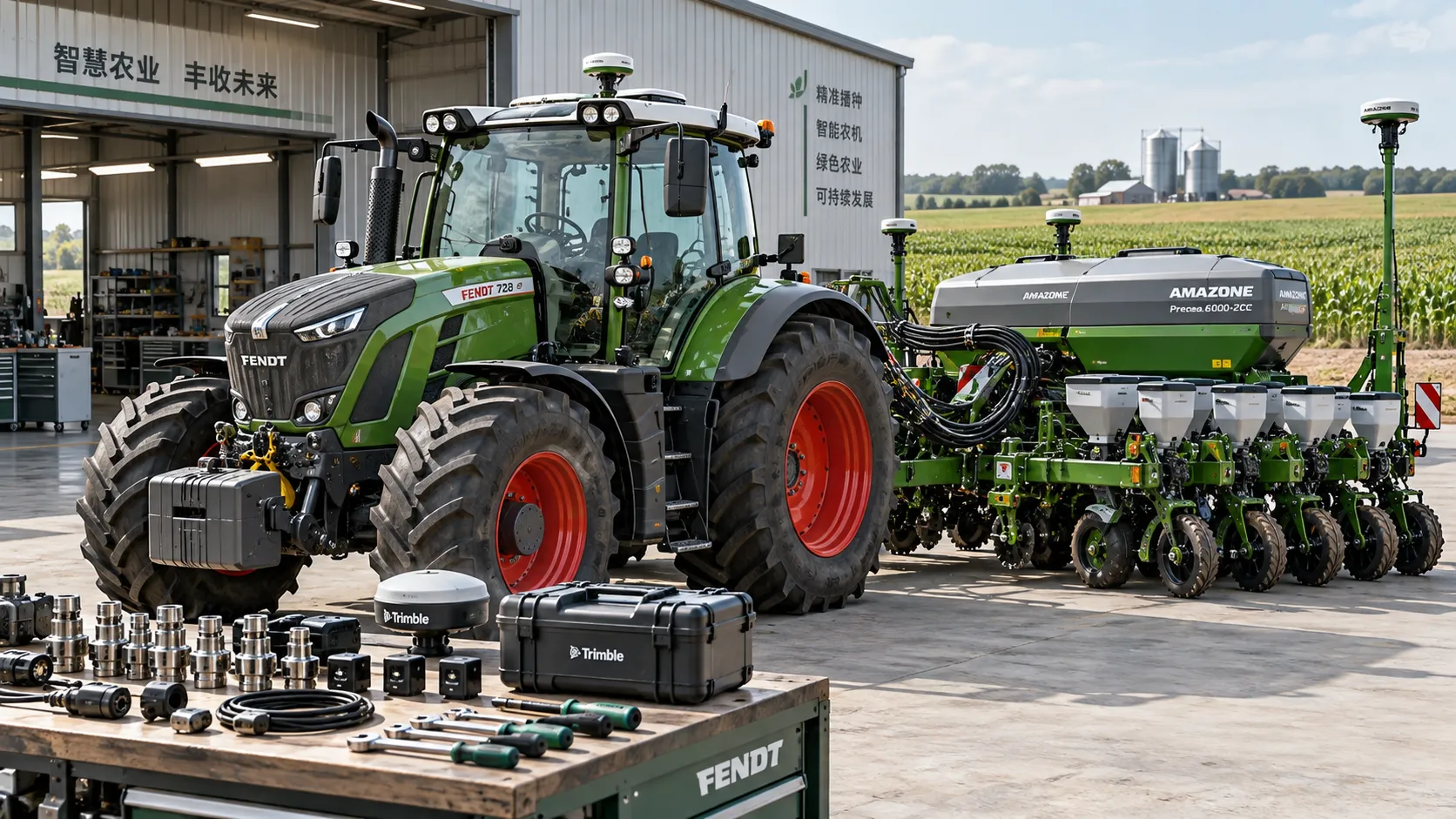
Choosing an Agriculture 4.0 Supplier: Compatibility, Support, and Total Cost
Choose an Agriculture 4.0 supplier with confidence. Learn how to verify compatibility, assess support, and compare total ownership costs to avoid hidden fees and costly downtime.
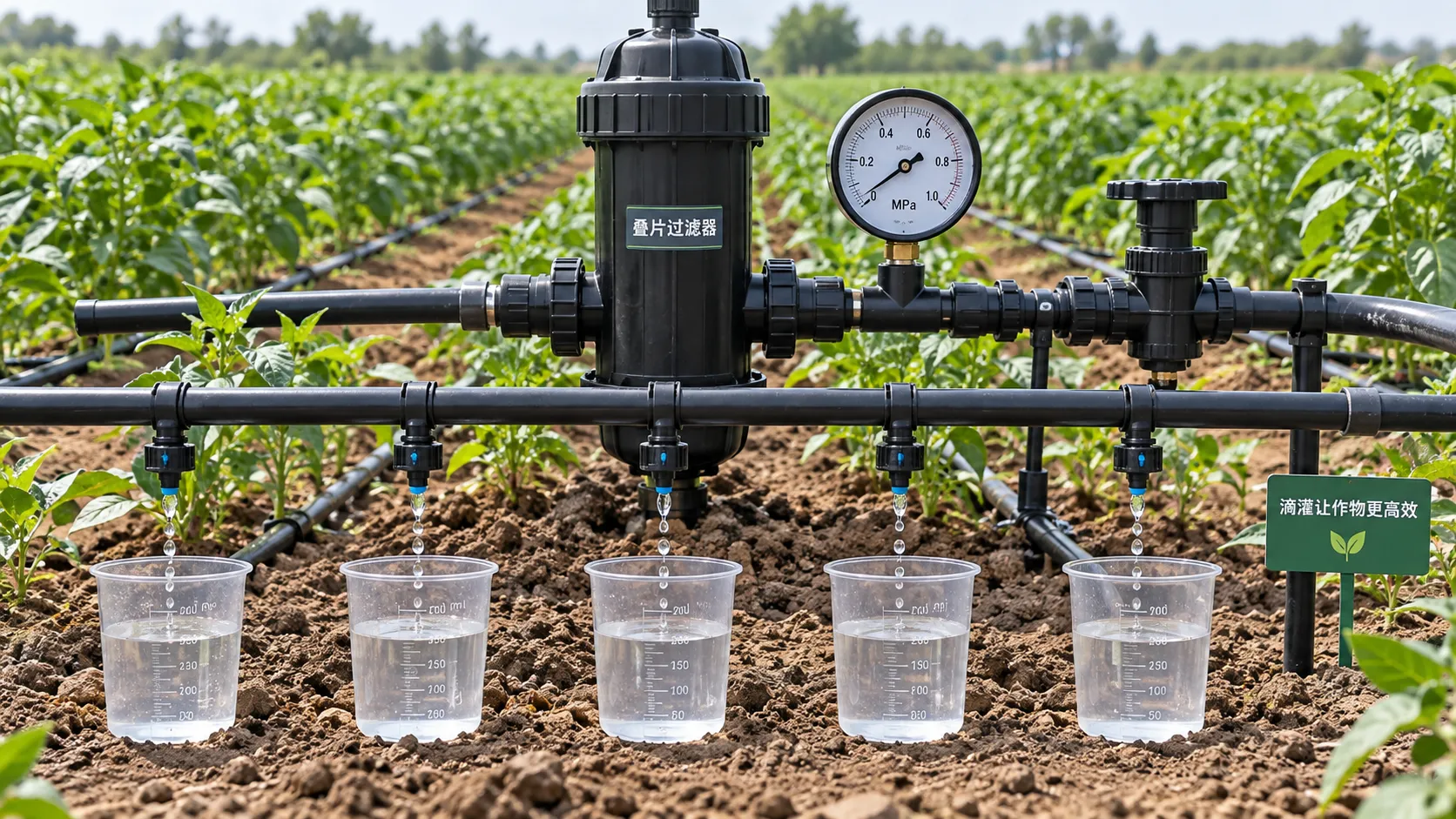
Low-Pressure Drip Irrigation: How to Fix Uneven Watering Without Raising Pressure
Optimize low pressure water-saving irrigation systems: discover how to fix uneven watering, clear blockages, and reduce hydraulic losses without raising supply pressure.
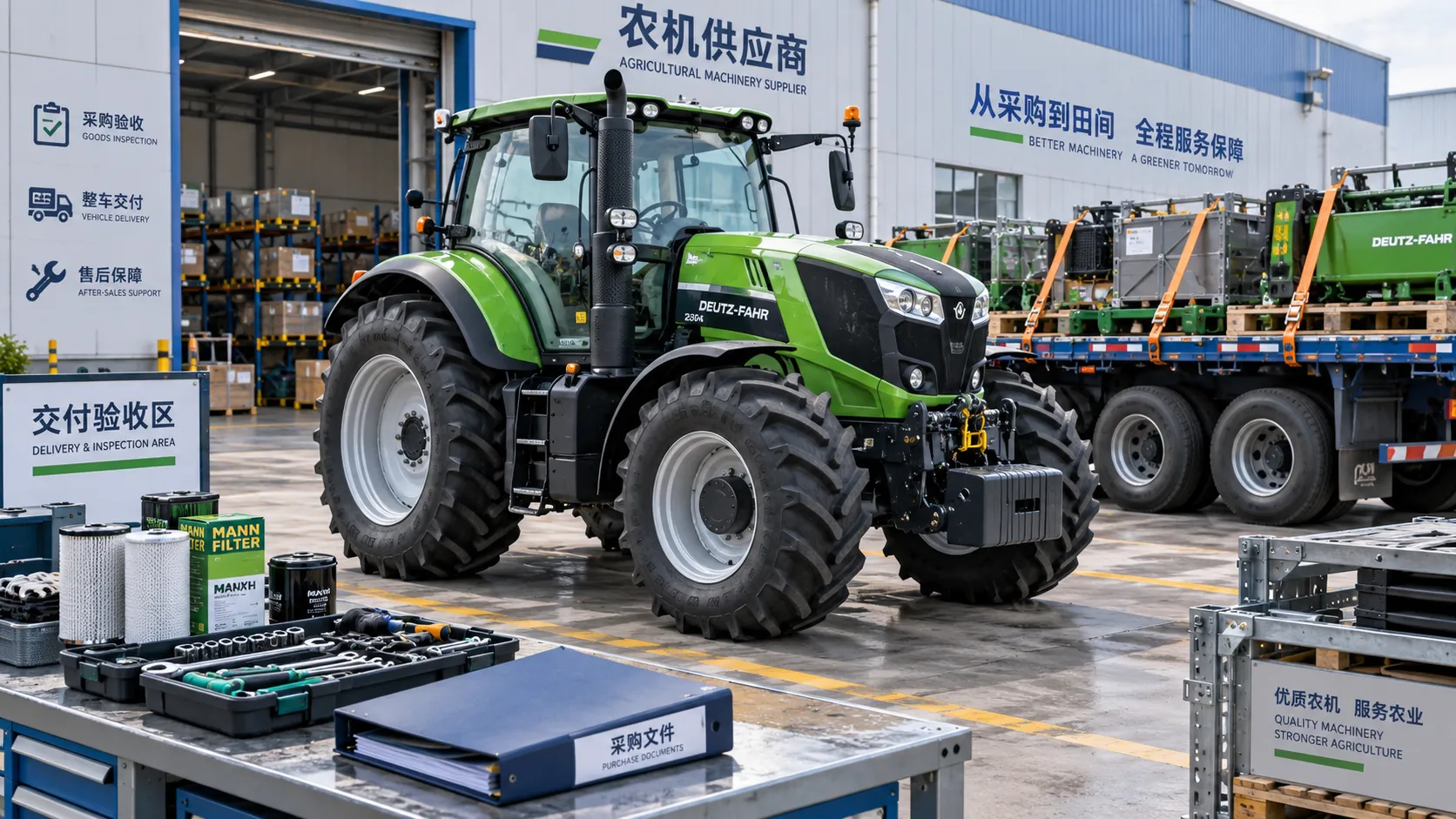
Comparing Farm Equipment Supplier Quotes: Price, Freight, and Warranty
Simplify supplier comparison for farm equipment price: assess freight, field-ready costs, and warranty coverage. Learn how to avoid hidden charges and choose a reliable supplier.
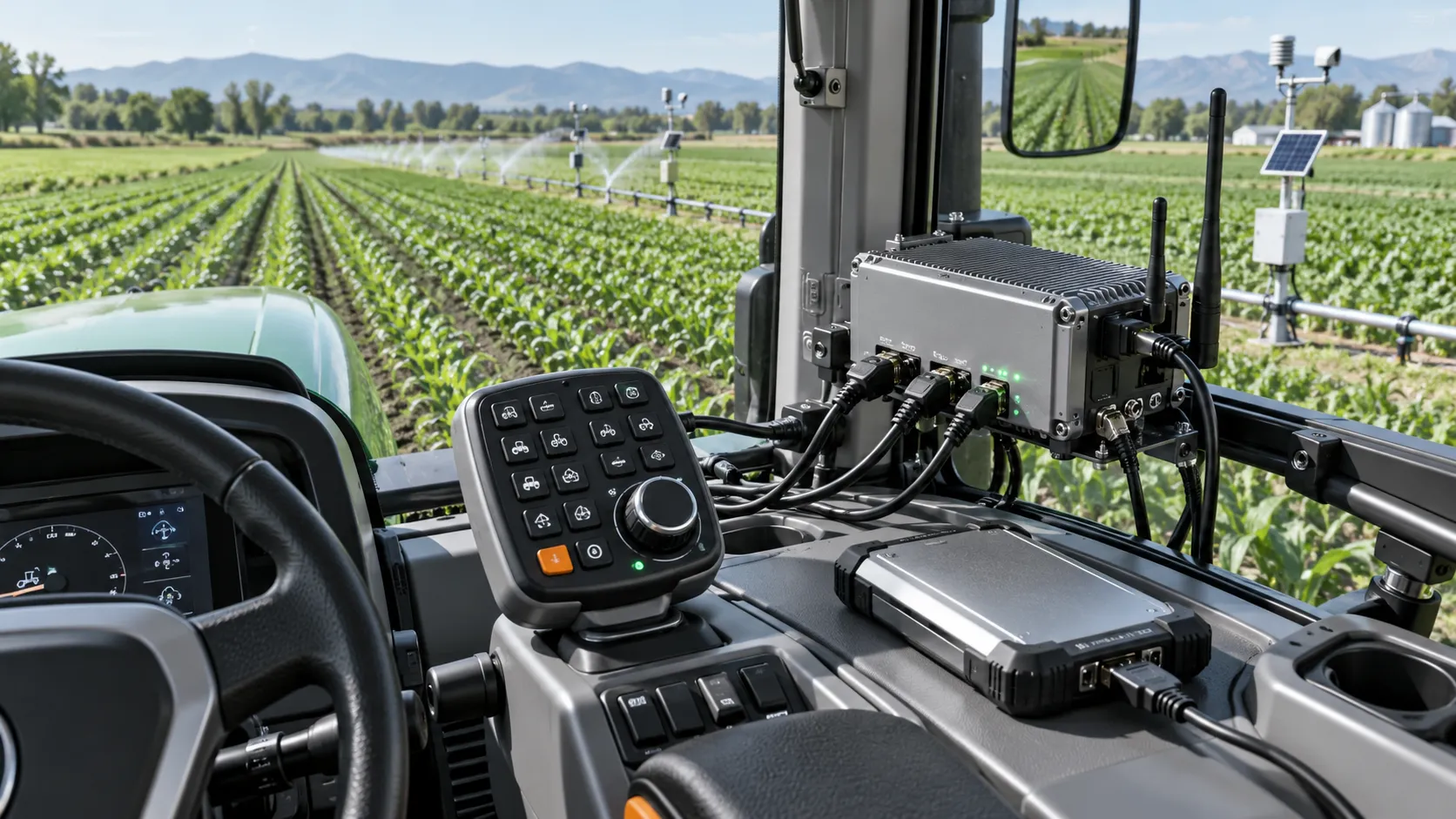
Choosing a Digital Farming Platform Provider: Compatibility and Data Ownership
Compare digital farming platforms providers on equipment compatibility, data ownership, and export rights. Discover practical checks to avoid lock-in and choose with confidence.
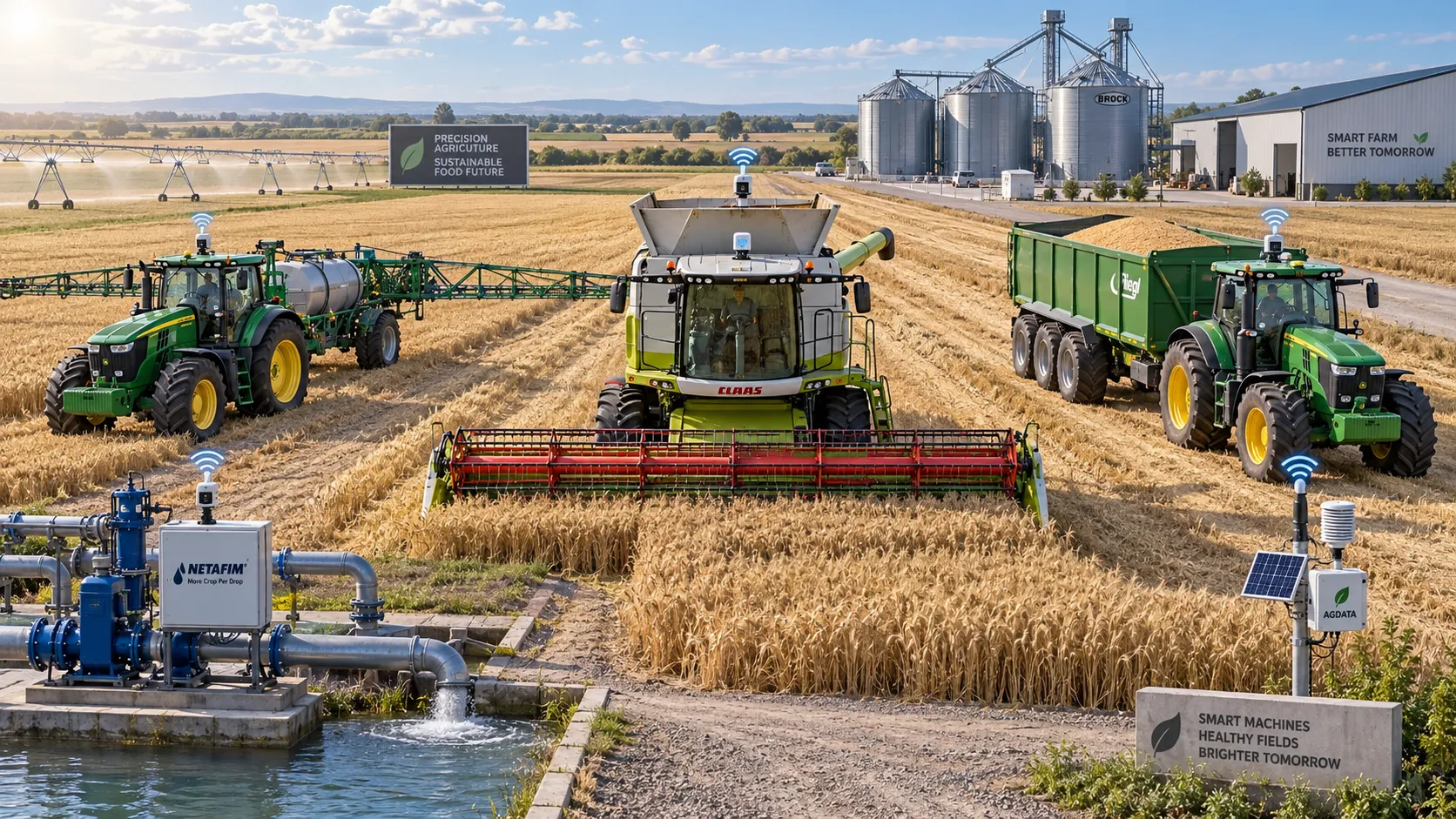
How Large-Scale Farm Telematics Cuts Downtime Across Mixed Fleets
Large-scale farm equipment telematics cuts mixed-fleet downtime with real-time alerts, smarter maintenance, and stronger operational control. Learn how to protect critical farm workflows.
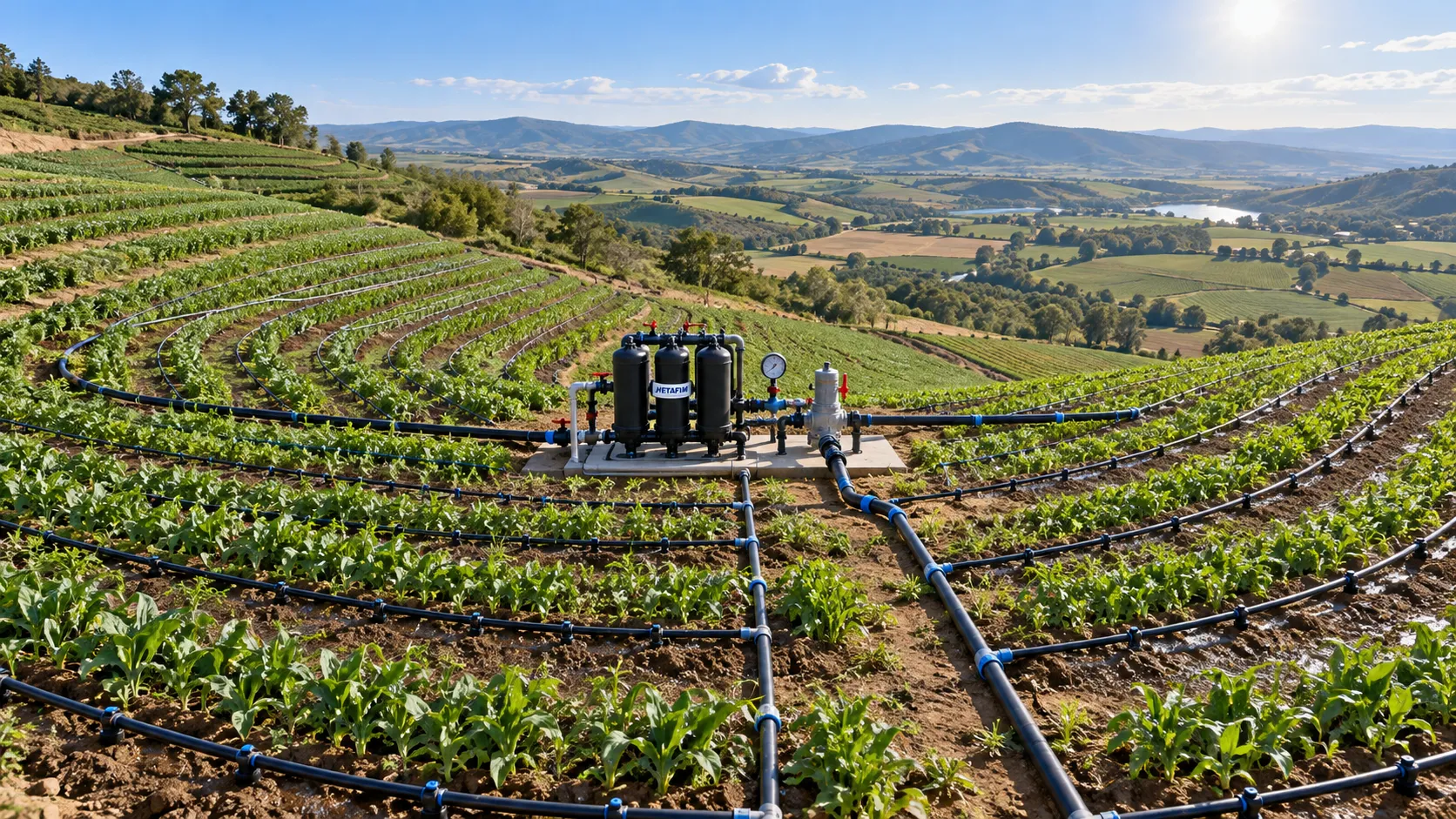
How to Size Low-Pressure Water-Saving Irrigation Systems for Uneven Fields
Low pressure water-saving irrigation systems for uneven fields: learn zoning, pressure mapping, pipe sizing, and pump selection to improve uniformity and reduce water waste.
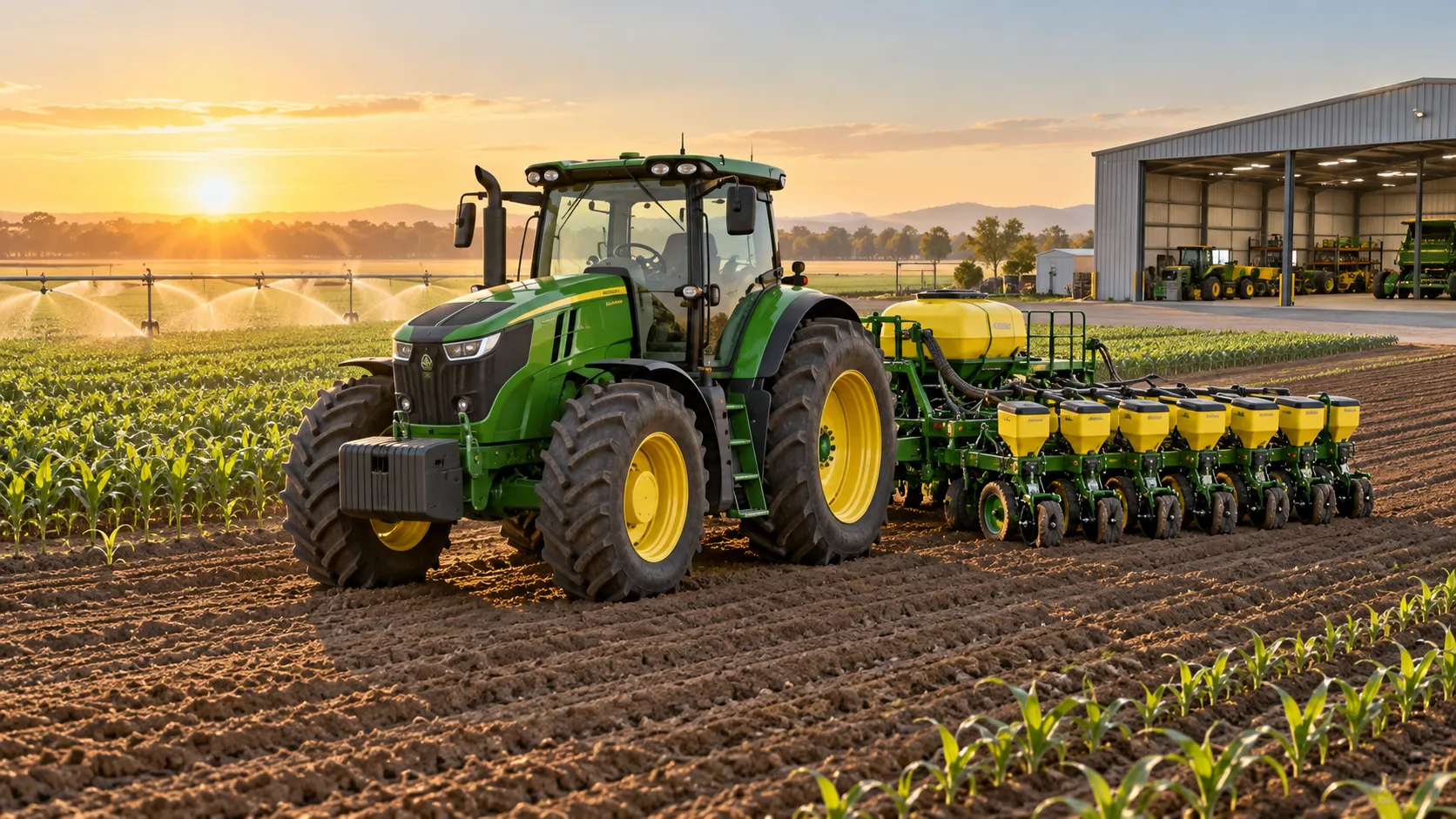
Farm Machinery Sourcing: How to Vet Suppliers, Specs, and Lifecycle Costs
Farm machinery information for sourcing: learn to vet suppliers, compare specifications, control lifecycle costs, and secure reliable uptime for smarter equipment purchases.
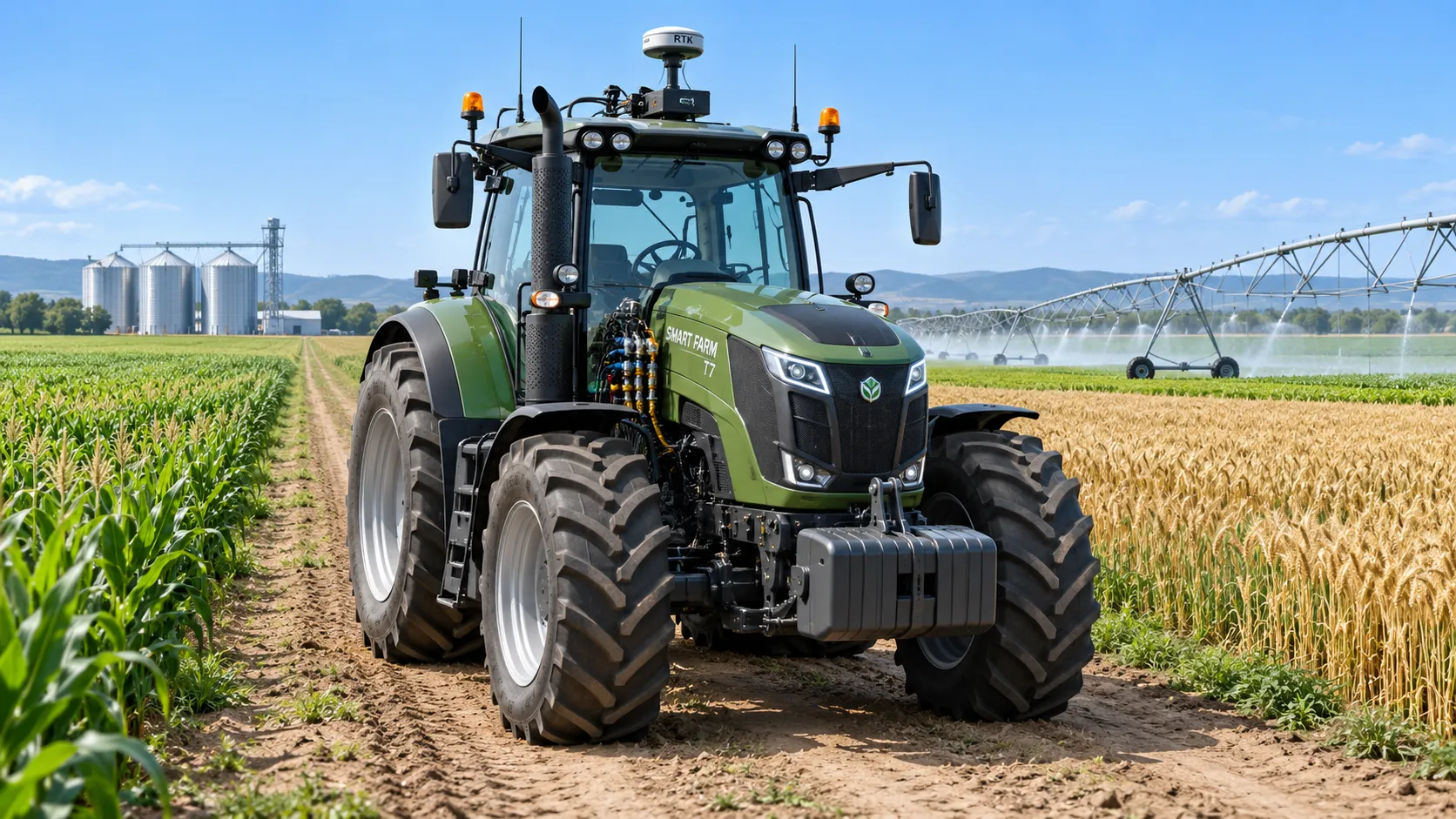
How telemetry for agriculture helps identify equipment downtime
Telemetry for agriculture helps detect early warning signs, prioritize maintenance, and reduce costly equipment downtime before field operations are disrupted.
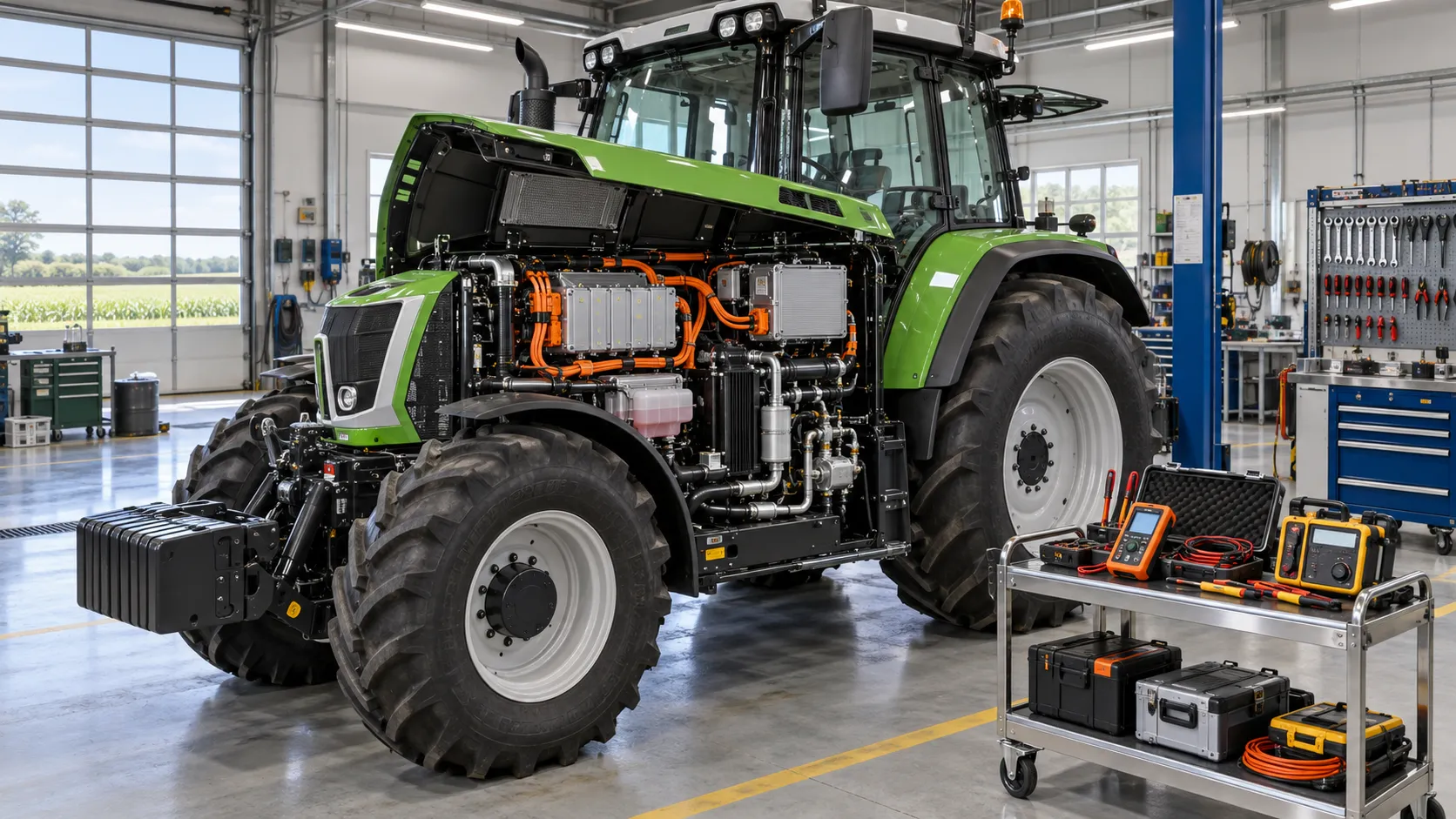
What maintenance challenges come with hybrid agricultural machines?
Hybrid agricultural machines demand smarter maintenance. Discover key challenges in high-voltage safety, batteries, software diagnostics, cooling, and parts planning.
Related News
- 00
0000-00
What separates robotic automation providers for equipment production? - 00
0000-00
Which field data collection provider fits an agricultural robotics program? - 00
0000-00
How Autonomous Machinery for Crop Scouting Helps Growers Detect Field Issues Earlier - 00
0000-00
How to Evaluate Autonomous Machinery for Vineyards by Terrain, Tasks, and ROI - 00
0000-00
Brazil ANVISA Rule Requires Portuguese Risk Labels for Farm Robots
Popular Tags
Tractor Power Architect
Weekly Insights
Stay ahead with our curated technology reports delivered every Monday.