
Europe FAK Hike Raises Autonomous Robot Export Costs
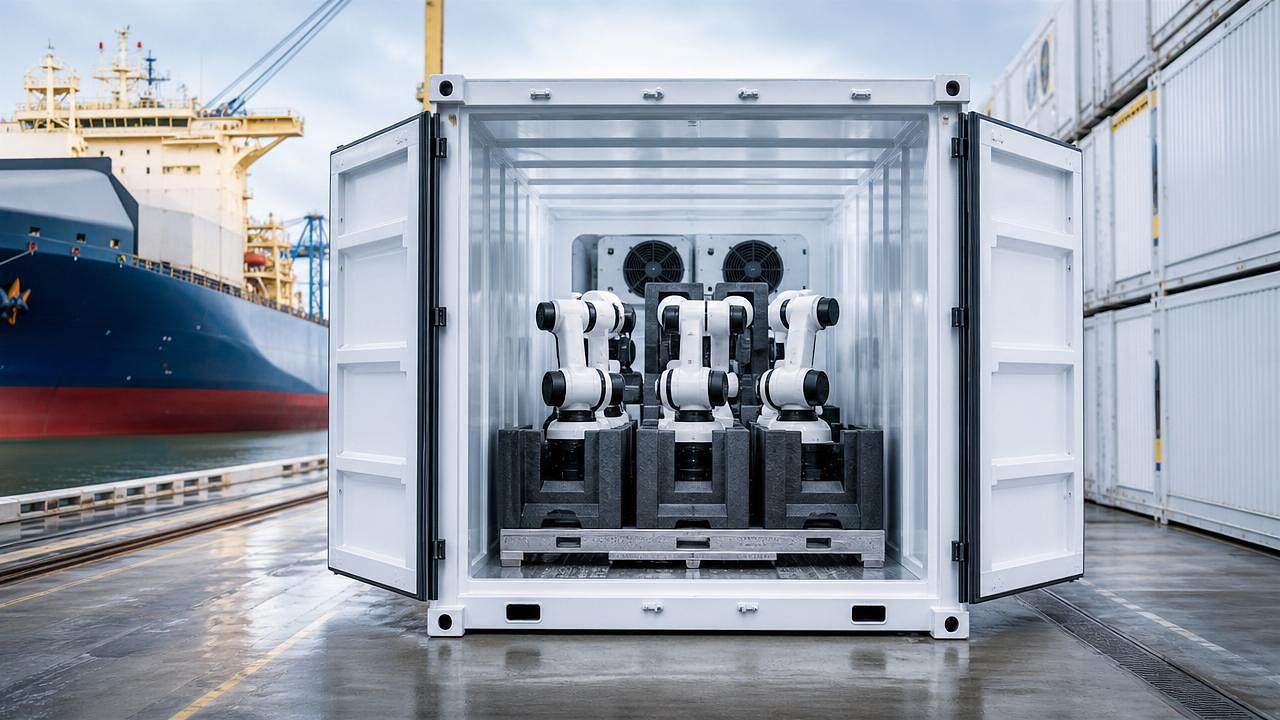




Image Placement Plan
No image placeholders are scheduled for this article, in line with the specified image count of zero.
On June 1, 2026, a sharp increase in Far East-to-Europe FAK ocean freight rates by major carriers began affecting the export logistics of Autonomous Robots, mainly because these products commonly require temperature-controlled transport and precision anti-vibration packaging, which places them in higher-cost shipping arrangements.
Confirmed Freight Rate Change and Immediate Contract Response
According to the provided event summary, CMA CGM, Hapag-Lloyd and MSC raised FAK rates on the Far East-to-Europe route from June 1, 2026.
The stated freight charge for a 40'HC refrigerated container reached USD 4,700, representing an increase of more than 85% compared with May.
For Autonomous Robots, the summary states that the common use of temperature-controlled shipping and precision shock-resistant packaging makes these shipments subject to higher-rate space. As a result, the logistics cost per container increased by approximately USD 3,200.
The cost increase has triggered urgent renegotiation of FOB/CIF terms and minimum order quantity, or MOQ, requirements by several European distributors.
How the Rate Adjustment Reaches Different Industry Roles
Export-oriented trading companies
Direct trading companies are affected because the FAK increase changes the cost basis of shipments moving from the Far East to Europe. The impact appears most clearly in quotation updates, FOB/CIF allocation of freight responsibility, order acceptance, and MOQ discussions with distributors.
These companies may need to pay close attention to whether existing quotations still reflect the new freight level, whether delivery terms transfer enough cost risk, and whether distributors require smaller or larger order batches to offset logistics volatility.
Raw material and component procurement teams
Procurement teams are affected indirectly because higher outbound logistics costs can change the timing and economics of production planning. When finished Autonomous Robots face higher export freight, purchasing schedules for materials, components, packaging supplies, and temperature-control logistics resources may need closer coordination.
The main business links to watch include purchase lead times, component readiness, packaging material availability, and the cash-flow effect of preparing goods before freight terms are settled.
Processing and manufacturing enterprises
Manufacturers are affected because temperature control and precision anti-vibration packaging are part of the export delivery requirement for many Autonomous Robots. The rate increase may influence final assembly timing, packaging workflow, warehouse release, and coordination with forwarders before vessel booking.
Manufacturing enterprises may need to monitor whether production batches align with MOQ changes, whether packaging specifications remain suitable for higher-cost shipping space, and whether delivery commitments can be maintained under revised logistics arrangements.
Supply chain service providers
Supply chain service providers are directly involved in booking, packaging coordination, cold-chain or temperature-controlled transport, documentation, and route execution. Because the stated increase applies to higher-rate space used by these shipments, service providers may face more frequent requests for updated freight quotations and contract comparisons.
Key points to follow include space availability, container type selection, cost transparency, shipment cut-off timing, and documentation alignment for FOB/CIF responsibilities.
Operational Priorities for Companies Handling Export Orders
Recheck FOB and CIF exposure before confirming prices
The immediate renegotiation of FOB/CIF terms shows that freight responsibility is no longer a secondary detail. Companies should review which party bears the higher ocean freight cost, how quotations are updated after June 1, 2026, and whether open orders contain clauses that allow freight adjustments.
Align MOQ decisions with container-level cost changes
Because the provided summary states that the per-container logistics cost increased by about USD 3,200, MOQ discussions should be linked to actual container economics. Exporters and distributors may need to evaluate whether order quantities, shipment frequency, and container utilization still support the agreed commercial terms.
Coordinate packaging, temperature control, and booking earlier
Autonomous Robots commonly using temperature-controlled transport and precision anti-vibration packaging are exposed to higher-rate space. Companies should connect packaging plans, refrigerated container needs, booking windows, and shipment documentation earlier in the order cycle to reduce last-minute freight uncertainty.
Keep export risk records tied to distributor negotiations
Where European distributors request revised terms, exporters should keep clear records of freight assumptions, container type, shipment date, and cost allocation. This supports traceability in pricing, delivery responsibility, after-sales communication, and future contract review.
Industry Reading: Freight Rules Are Becoming a Commercial Variable
From an industry perspective, this event is better understood as a trade cost and contract-rule shock rather than a product technology change. The confirmed facts concern carrier FAK increases, container freight levels, and renegotiation of FOB/CIF and MOQ terms.
Analysis shows that Autonomous Robot exporters may face a more demanding logistics planning cycle when specialized transport conditions are required. Temperature control and shock-resistant packaging can make freight booking less flexible, so any rapid rate adjustment may move quickly from the logistics department into sales pricing and distributor negotiations.
What deserves closer attention is the interaction between freight cost, commercial terms, and procurement planning. If distributors continue to reassess MOQ or delivery terms, manufacturers may need stronger coordination among sales, production, procurement, and logistics teams. This is an analytical observation, not a confirmed outcome.
Observably, the event also highlights that export competitiveness is not only shaped by product performance or certification readiness. Freight rules, carrier pricing structures, and contract allocation of logistics cost can become important factors in whether orders remain commercially workable.
Closing Assessment
The June 1, 2026 FAK increase on the Far East-to-Europe route has created a clear cost pressure point for Autonomous Robot exports that rely on temperature-controlled and precision-protected shipping. The most immediate industry significance lies in the renegotiation of FOB/CIF terms and MOQ requirements.
A cautious conclusion is that companies should treat freight changes as part of export risk management, not merely as a transport expense. The final market effect will depend on how exporters, distributors, and supply chain service providers adjust contract terms, order planning, and shipment execution.
Information Basis and Items to Monitor
This article is based on the user-provided news title, event date, and event summary.
Specific official source links were not provided in the input and should be verified continuously.
For this type of event, relevant source types may include carrier rate notices, freight forwarder advisories, booking documents, commercial contract updates, distributor communications, and industry logistics briefings. No specific source link is cited here because none was provided in the input.
Further observation should focus on detailed rate execution, carrier booking conditions, certification or compliance requirements linked to temperature-controlled transport, changes in tender or specification documents, distributor feedback, and whether FOB/CIF and MOQ adjustments become more widely adopted in Autonomous Robot export contracts.
Related News

Choosing Drip Irrigation Systems for Open Fields: Soil, Slope, and Water Quality
Choose drip irrigation systems for open fields with confidence. Discover how soil, slope, and water quality shape emitter spacing, pressure, and filtration—and avoid costly design mistakes.

Choosing Crop Protection Equipment for Hot, Windy Middle Eastern Farms
Compare crop protection equipment Middle East farms need for hot, windy conditions. Discover key nozzle, drift-control, and durability checks to choose the right sprayer.
Choosing an Agriculture 4.0 Supplier: Compatibility, Support, and Total Cost
Choose an Agriculture 4.0 supplier with confidence. Learn how to verify compatibility, assess support, and compare total ownership costs to avoid hidden fees and costly downtime.
Low-Pressure Drip Irrigation: How to Fix Uneven Watering Without Raising Pressure
Optimize low pressure water-saving irrigation systems: discover how to fix uneven watering, clear blockages, and reduce hydraulic losses without raising supply pressure.
Comparing Farm Equipment Supplier Quotes: Price, Freight, and Warranty
Simplify supplier comparison for farm equipment price: assess freight, field-ready costs, and warranty coverage. Learn how to avoid hidden charges and choose a reliable supplier.
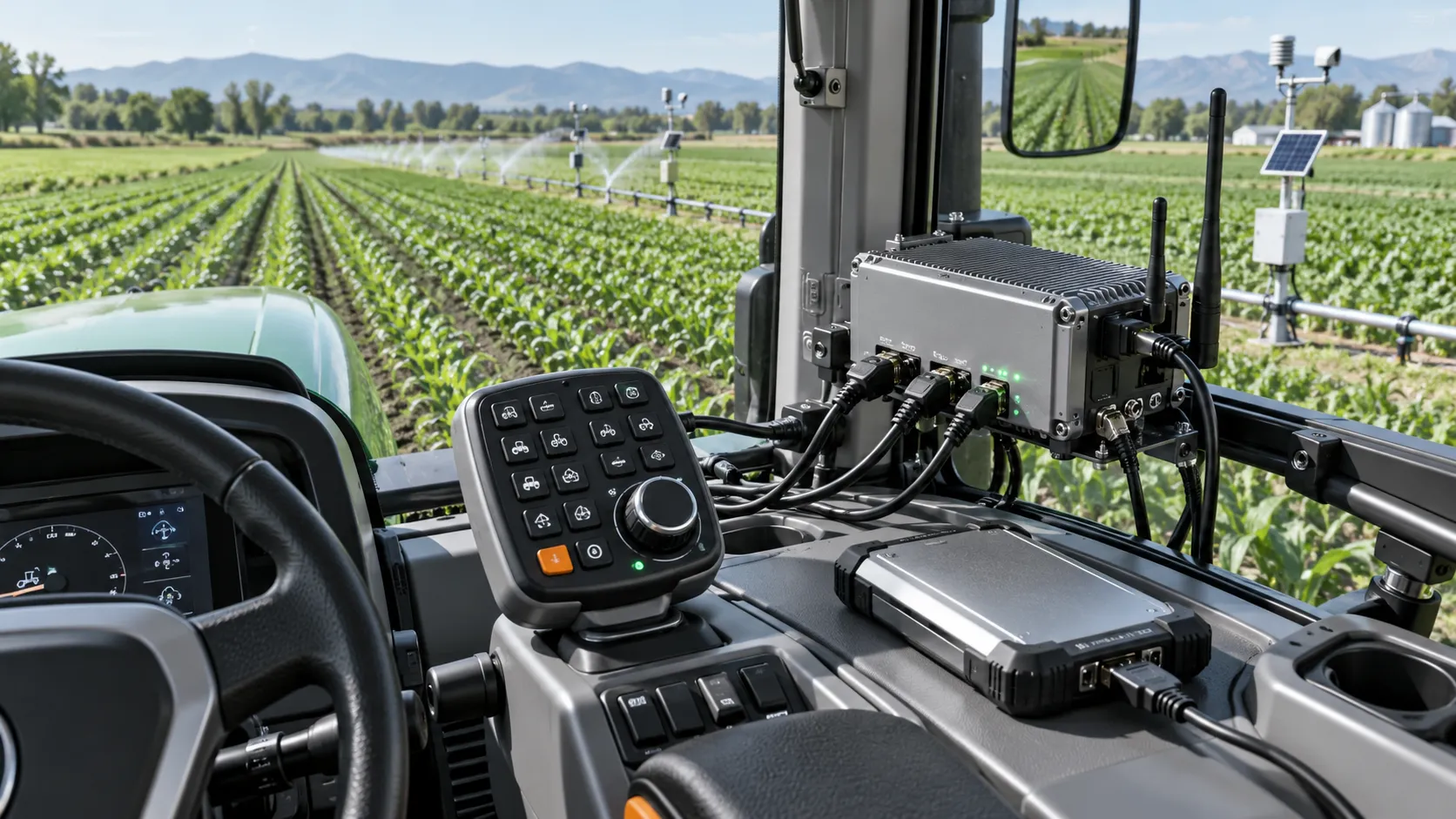
Choosing a Digital Farming Platform Provider: Compatibility and Data Ownership
Compare digital farming platforms providers on equipment compatibility, data ownership, and export rights. Discover practical checks to avoid lock-in and choose with confidence.
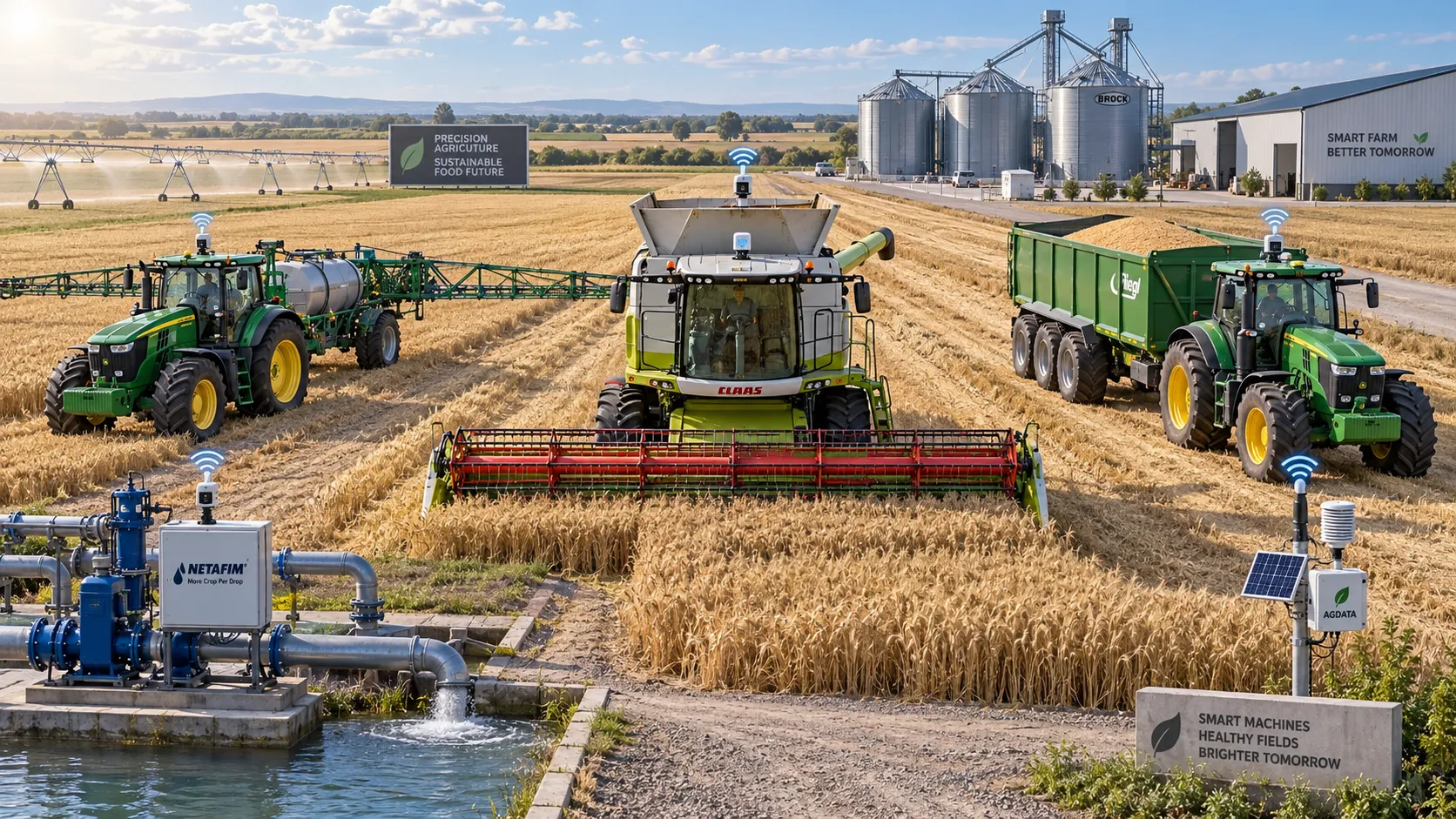
How Large-Scale Farm Telematics Cuts Downtime Across Mixed Fleets
Large-scale farm equipment telematics cuts mixed-fleet downtime with real-time alerts, smarter maintenance, and stronger operational control. Learn how to protect critical farm workflows.
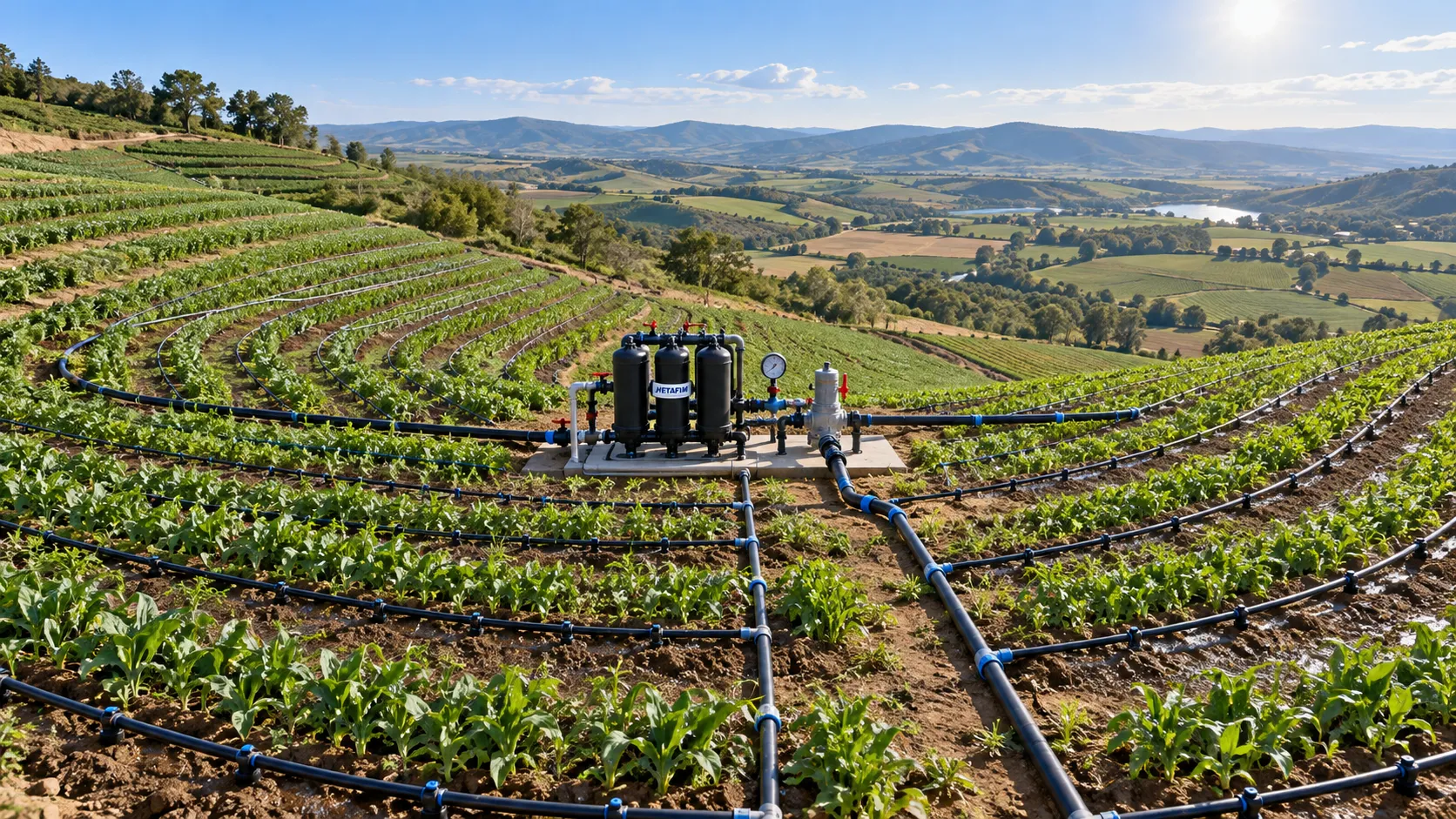
How to Size Low-Pressure Water-Saving Irrigation Systems for Uneven Fields
Low pressure water-saving irrigation systems for uneven fields: learn zoning, pressure mapping, pipe sizing, and pump selection to improve uniformity and reduce water waste.

Farm Machinery Sourcing: How to Vet Suppliers, Specs, and Lifecycle Costs
Farm machinery information for sourcing: learn to vet suppliers, compare specifications, control lifecycle costs, and secure reliable uptime for smarter equipment purchases.
Related News
- 00
0000-00
What separates robotic automation providers for equipment production? - 00
0000-00
Which field data collection provider fits an agricultural robotics program? - 00
0000-00
How Autonomous Machinery for Crop Scouting Helps Growers Detect Field Issues Earlier - 00
0000-00
How to Evaluate Autonomous Machinery for Vineyards by Terrain, Tasks, and ROI - 00
0000-00
Brazil ANVISA Rule Requires Portuguese Risk Labels for Farm Robots
Popular Tags
Tractor Power Architect
Weekly Insights
Stay ahead with our curated technology reports delivered every Monday.