
Why sustainable farming equipment matters in 2026
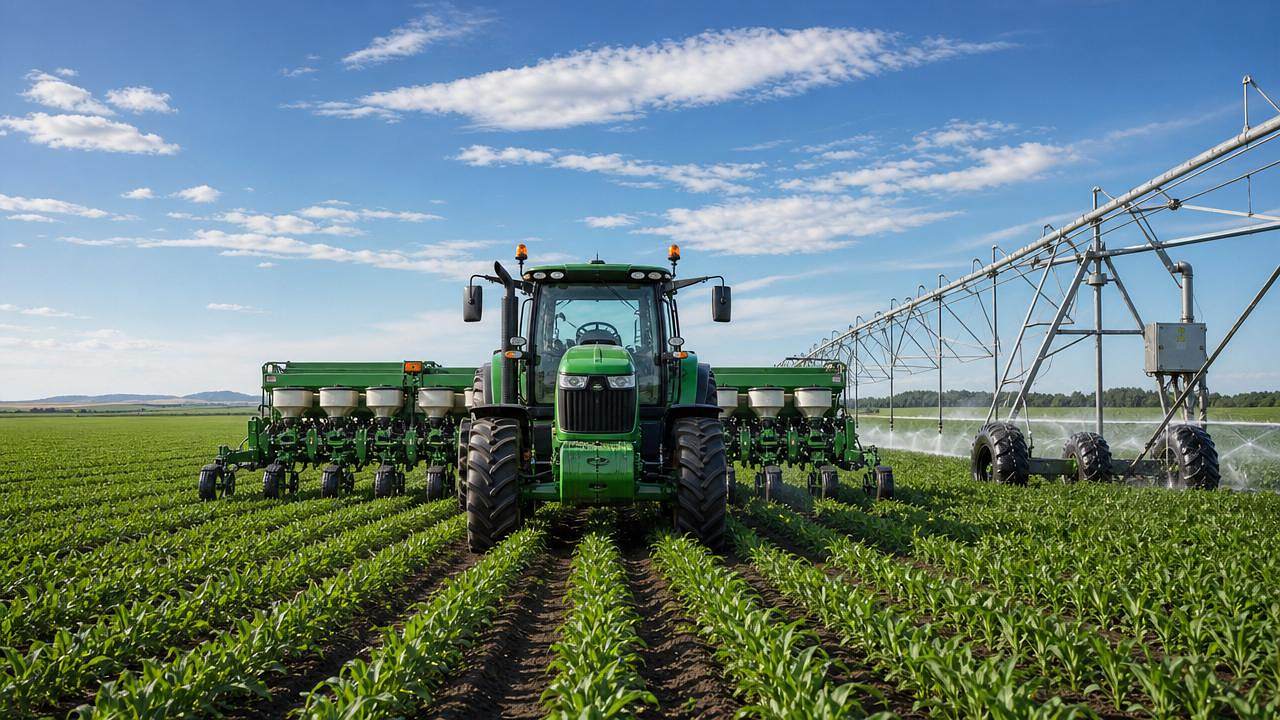




In 2026, sustainable farming equipment is no longer a niche upgrade but a strategic benchmark for resilience, compliance, and long-term return. For business evaluators, understanding how machinery efficiency, precision control, and resource-saving design shape productivity and risk is essential. This article explores why sustainable equipment now matters across global agriculture, from cost performance to food security and brand competitiveness.
Why a checklist approach matters in 2026
The market now rewards measurable performance, not broad sustainability claims. Equipment decisions affect fuel use, water intensity, labor efficiency, crop loss, emissions exposure, and financing conditions at the same time.
A checklist helps compare sustainable farming equipment across brands, regions, and farm systems. It also reduces the risk of buying machinery that looks advanced but fails under real field pressure.
This matters across the broader industrial chain. Dealers, service networks, finance partners, and food-linked supply systems increasingly rely on verified equipment efficiency and lifecycle visibility.
Core checklist for evaluating sustainable farming equipment
Use the following points to judge whether sustainable farming equipment creates real operational value rather than short-term marketing appeal.
- Measure fuel or energy efficiency under actual field loads, not brochure averages, and compare performance across tillage, planting, harvesting, and transport cycles.
- Check precision control capability, including GPS guidance, sensor feedback, variable-rate application, and section control that reduce overlap, waste, and soil compaction.
- Verify water-saving compatibility, especially with intelligent irrigation systems, pump control logic, flow monitoring, and data-driven scheduling for climate-stressed regions.
- Review lifecycle durability, spare parts access, and service intervals to confirm that lower environmental impact does not come with higher downtime risk.
- Assess emissions compliance and future readiness, including support for low-emission engines, hybrid systems, electrified subsystems, and reporting documentation.
- Compare soil protection features such as tire pressure management, lighter tool design, track options, and reduced-pass operating logic.
- Analyze data integration, making sure the machine can exchange agronomic and performance records with farm management, telematics, and maintenance platforms.
- Calculate total cost of ownership, including fuel, maintenance, training, software subscriptions, depreciation, and residual value under changing policy conditions.
- Confirm operator usability because intuitive controls, alert systems, and semi-autonomous support directly influence safe use and consistent efficiency outcomes.
- Test supplier credibility through field case evidence, uptime records, retrofit options, and transparent claims tied to measurable sustainability indicators.
Why sustainable farming equipment now drives strategic value
Lower operating costs with better resource control
Sustainable farming equipment reduces waste at multiple points. A tractor with optimized transmission logic cuts fuel burn. A sprayer with section control limits chemical overlap. A combine with better loss sensing protects yield already grown at high input cost.
In 2026, these gains matter because margins remain exposed to volatile fuel prices, labor shortages, water restrictions, and tighter financing standards. Efficiency is no longer a side benefit. It is a resilience tool.
Support compliance and risk reduction
Environmental policy is becoming more specific. Reporting on water use, emissions, nutrient application, and field operations is increasingly tied to incentives, certification, or market access.
That makes sustainable farming equipment valuable beyond field productivity. Machines that generate usable records and meet modern standards help reduce legal, commercial, and reputational exposure.
Strengthen food security and system reliability
Large-scale agriculture depends on reliable machinery windows. Missed planting days, uneven irrigation, or excessive harvest losses quickly scale into supply problems.
Sustainable systems improve reliability by combining mechanical efficiency with digital visibility. Better monitoring means faster adjustment, fewer wasted passes, and more stable output under weather stress.
Application scenarios that show why sustainable farming equipment matters
Large-scale field crop operations
In broadacre farming, machine hours, fuel use, and timing precision dominate profitability. Here, sustainable farming equipment means high-capacity output with fewer passes and lower per-hectare resource use.
Examples include guidance-enabled tractors, variable-rate seeders, and combines with automated loss adjustment. Each tool turns sustainability into measurable throughput improvement.
Water-stressed irrigation zones
Where water availability is unstable, equipment selection directly affects crop viability. Smart pumps, pressure-regulated emitters, and sensor-linked irrigation controllers make sustainable farming equipment central to production continuity.
The value is not only water saving. It includes energy optimization, lower runoff risk, and better crop response through targeted scheduling.
High-value crops and precision input programs
Specialty crops often face high input costs and strict quality expectations. Precision applicators, sensor-equipped implements, and controlled irrigation tools reduce avoidable variation.
In these systems, sustainable farming equipment supports consistency, traceability, and premium market positioning rather than volume alone.
Mixed fleets under modernization pressure
Many operations do not replace fleets all at once. They combine older tractors, newer harvesters, and add-on precision tools over time.
In this context, sustainable choices depend on retrofit compatibility, telematics integration, and parts support. The best sustainable farming equipment often fits an upgrade path, not a full reset.
Common oversights that weaken equipment decisions
Ignoring field-condition variability
A machine can test well in ideal plots but underperform in wet soils, uneven terrain, residue-heavy fields, or fragmented parcels. Sustainable performance must hold beyond controlled demonstrations.
Focusing only on engine efficiency
Fuel savings matter, but sustainability is broader. Harvester grain loss, implement overlap, hydraulic inefficiency, and irrigation leakage can erase gains from a better engine.
Underestimating software and training needs
Advanced features deliver value only when configured correctly. If calibration, prescription mapping, or alert handling are weak, even premium sustainable farming equipment can become underused capital.
Missing lifecycle economics
Lower purchase price may hide higher service frequency, limited updates, weak resale prospects, or scarce replacement components. Sustainability claims should be judged across the full asset life.
Practical execution steps
- Build a scorecard with efficiency, water use, emissions readiness, uptime, digital integration, and ownership cost as separate weighted factors.
- Request field-verified performance data from conditions similar to target crops, climate patterns, and operating scale.
- Test interoperability between machinery, sensors, irrigation controllers, and farm software before scaling investment.
- Plan phased adoption, starting with the equipment categories that show the fastest resource savings or the highest risk reduction.
- Review service reach, parts logistics, and remote diagnostics support as seriously as horsepower, capacity, or feature lists.
Conclusion and next action
In 2026, sustainable farming equipment matters because it connects profitability, compliance, resilience, and food system stability. The strongest options do more than save fuel. They improve precision, protect water, reduce losses, and support better decisions.
A practical next step is to evaluate every machine category through one decision lens: resource efficiency, operational reliability, and data-backed adaptability. That approach turns sustainability from a slogan into a durable competitive standard.
For sectors tracking mechanization, intelligent irrigation, combine harvesting, and precision field systems, this is the baseline for future-ready investment. The question is no longer whether to adopt sustainable farming equipment, but how quickly each equipment decision can be aligned with measurable long-term value.
Related News
How to Compare Agricultural Equipment Platforms for Fleet Management and ROI
Agricultural equipment platform comparison: evaluate fleet data, maintenance, precision workflows, and ROI to choose a system that delivers measurable results.
Drip vs. Micro-Sprinkler Irrigation: Which System Fits Your Orchard?
Irrigation solution comparison for orchards: discover whether drip or micro-sprinklers best match your water, soil, roots, fertigation, and frost needs.
Orchard Water Management: Using Soil Moisture Data to Schedule Irrigation
Agricultural water management for orchards made practical: use soil moisture data to optimize irrigation timing, protect yield, reduce costs, and improve resilience.
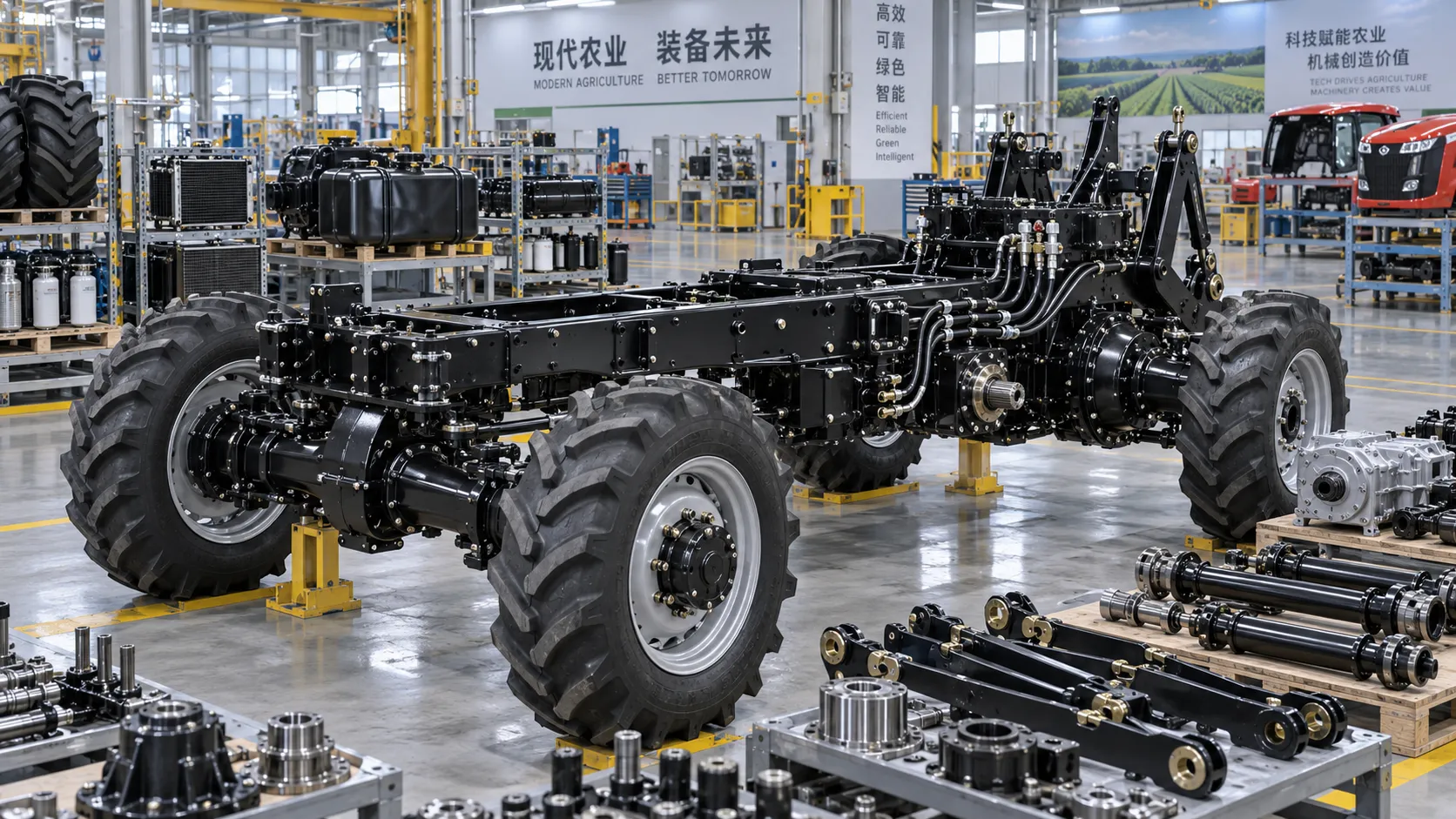
Tractor Chassis Price: What Buyers Should Compare Beyond the Initial Quote
Tractor chassis price is only the start. Compare load capacity, compatibility, durability, and lifecycle costs to choose a reliable, high-value chassis.
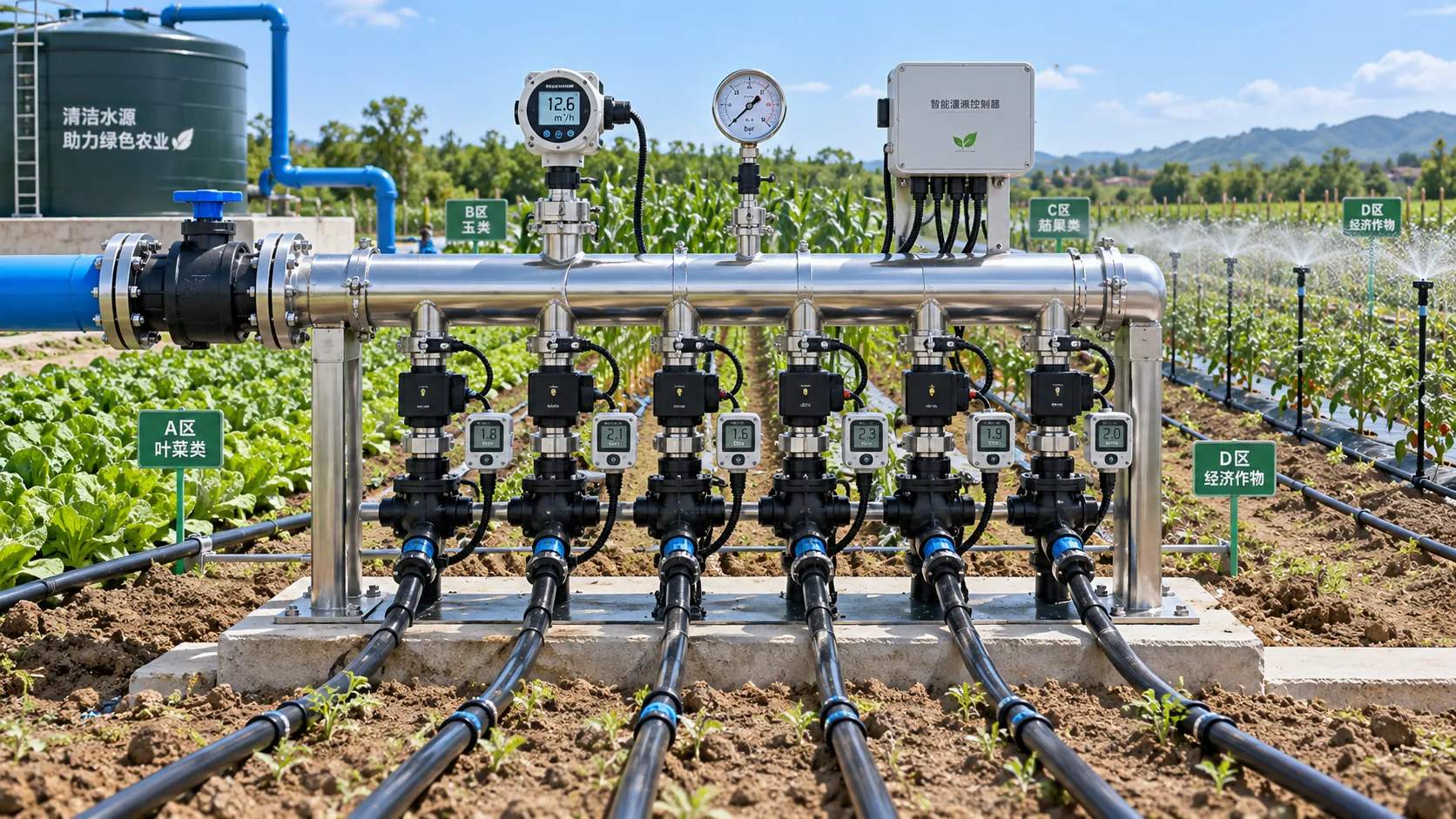
How to Select Smart Irrigation Valves for Multi-Zone Water Management?
Intelligent irrigation systems valves: learn how to match smart valves with multi-zone flow, pressure, control, feedback, and communication needs for reliable water management.
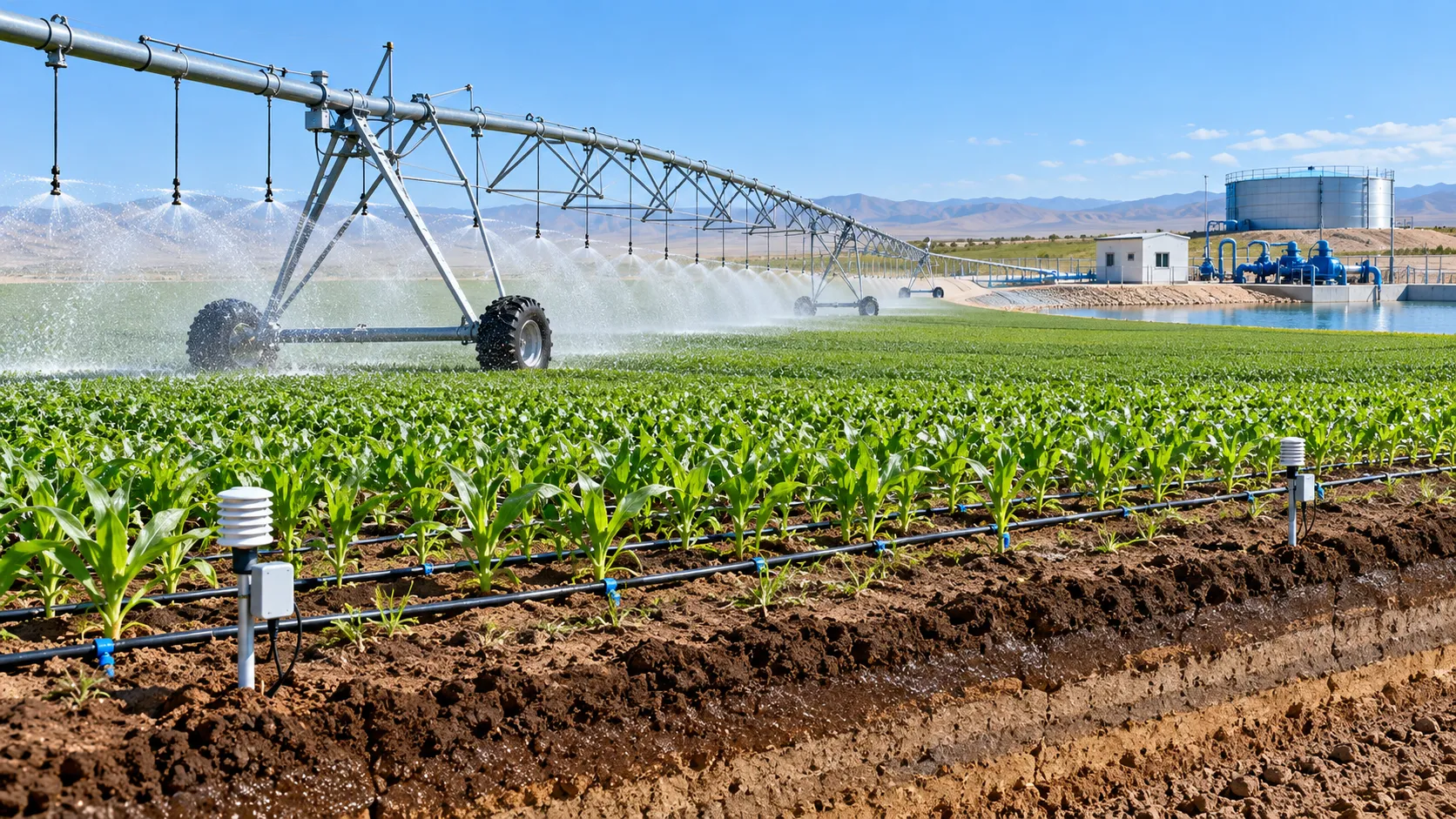
Climate-Smart Farming for Drought: A Practical Plan for Protecting Yields
Climate-smart farming for drought: build smarter water budgets, protect critical crop stages, improve irrigation uniformity, and safeguard yields with practical field-proven strategies.
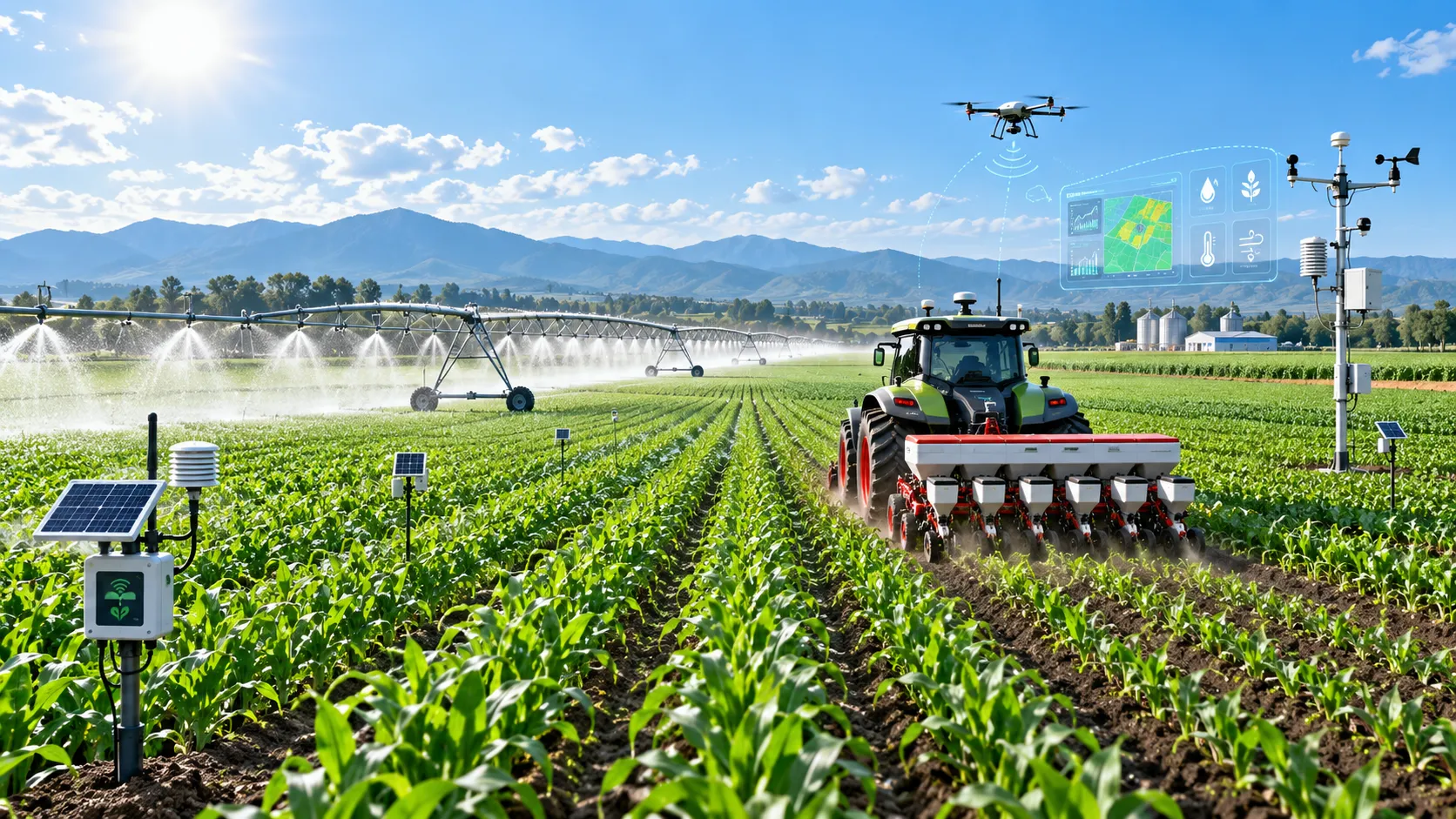
How Digital Agriculture Platforms Turn Field Data Into Better Input Decisions
Digital agriculture platforms turn field data into smarter fertilizer, water, seed, and equipment decisions—helping farms cut risk, improve margins, and scale sustainability.
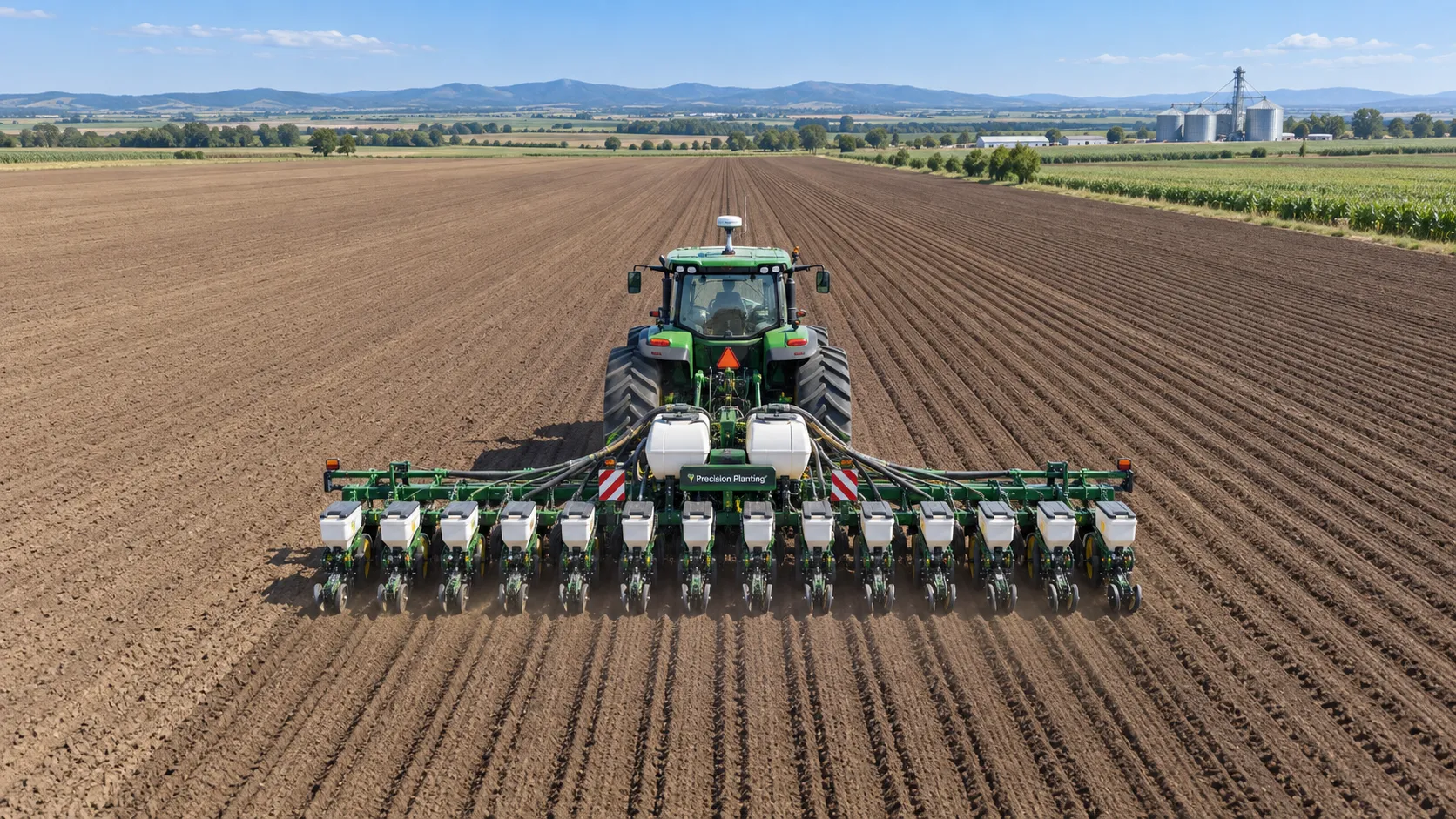
GPS-Guided Farm Machinery: Where It Delivers Measurable Field Efficiency Gains
Agri-mechanization GPS guided systems deliver measurable field efficiency gains through reduced overlap, precise planting, smarter inputs, and reliable farm data.
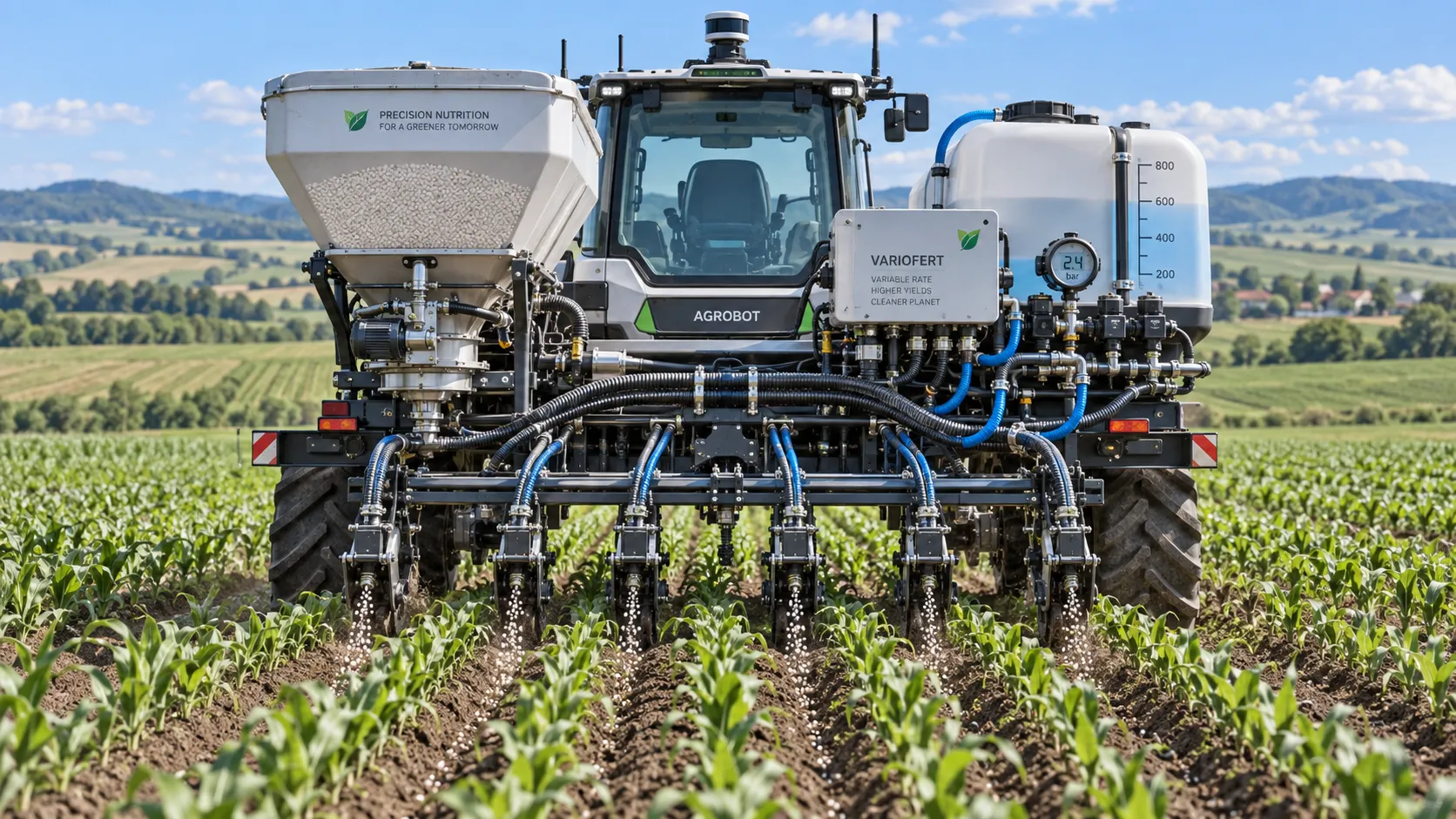
How Sensor Feedback Enables Accurate Variable-Rate Fertilization in Field Conditions
Precision fertilization systems with sensor feedback improve variable-rate accuracy by verifying flow, managing latency, and ensuring reliable field application.
Related News
- 00
0000-00
How Does Farm Mechanization Affect Food Security in Developing Regions? - 00
0000-00
Agricultural Technology Insights by Region: Where Adoption Is Growing Fastest - 00
0000-00
How Climate-Smart Agriculture Technology Improves Yield, Soil Health, and Risk Resilience - 00
0000-00
Smart Farming Solutions in Latin America: Which Technologies Fit Large Farms Best? - 00
0000-00
Long-Cycle Agri-Trade Price Trends: How to Read Supply, Freight, and Currency Signals
Popular Tags
Prof. Marcus Chen
Weekly Insights
Stay ahead with our curated technology reports delivered every Monday.