
What digital farming solutions fix data silos fastest?
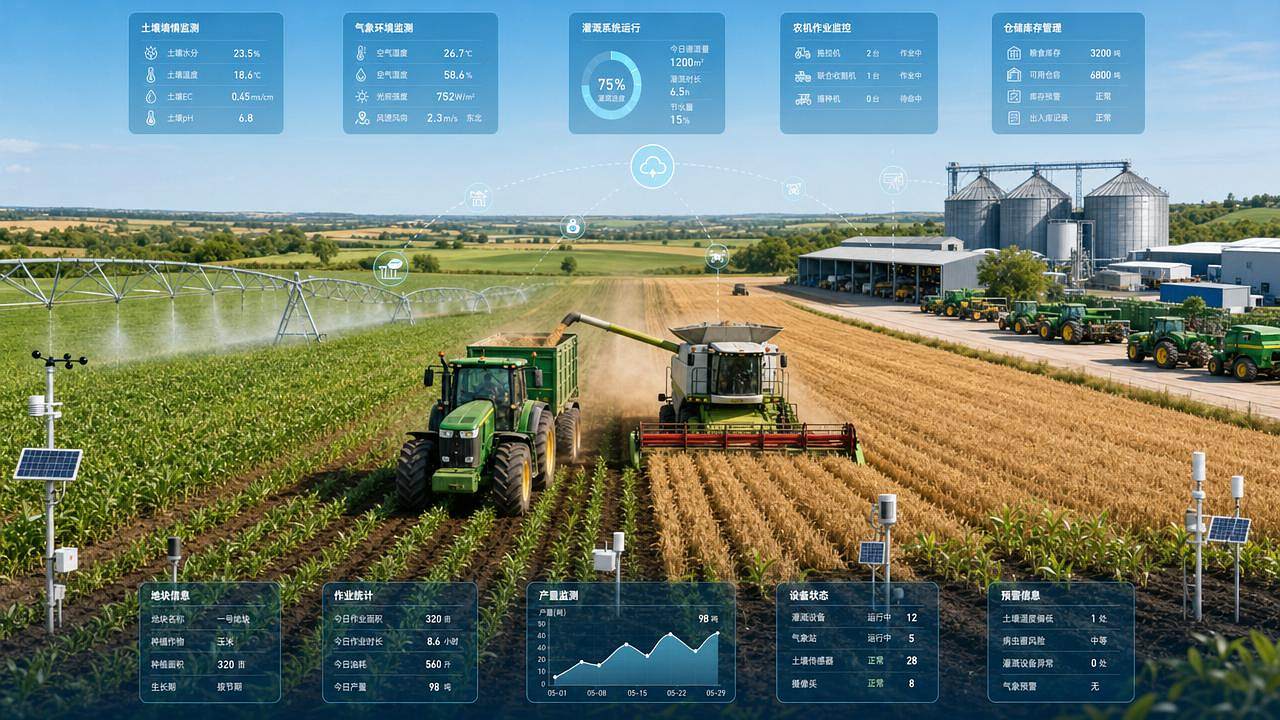




For technical evaluators, the fastest path through fragmented farm data is not adding more software. It is selecting digital farming solutions that unify machine, field, water, and agronomic records fast.
In mixed Agriculture 4.0 environments, speed matters because every disconnected workflow delays action. Siloed data slows irrigation timing, equipment utilization, harvest planning, and input optimization across the whole operation.
The best digital farming solutions fix silos fastest when they connect existing assets first, normalize data automatically, and deliver usable dashboards without long customization cycles.
When speed matters most: judging the real silo problem by farm scenario
Not every operation has the same integration bottleneck. Some farms struggle with mixed machinery fleets. Others face irrigation data isolation, disconnected agronomy files, or separate harvest reporting systems.
That is why digital farming solutions should be evaluated by scenario, not by feature count alone. The fastest answer depends on where data friction blocks the next operational decision.
Scenario signals that silos are already expensive
- Machine telematics and field records cannot be viewed together.
- Irrigation alerts stay separate from crop stress data.
- Harvest loss, fuel use, and yield maps sit in different systems.
- Teams still rely on spreadsheets to merge basic operational data.
- Recommendations arrive too late for in-season action.
AP-Strategy tracks this pattern across large-scale machinery, combine harvesting technology, and intelligent irrigation systems. In most cases, interoperability outranks advanced analytics during the first integration phase.
Scenario one: mixed equipment fleets need the fastest digital farming solutions
The quickest silo reduction usually happens in operations using tractors, harvesters, sprayers, and implements from different brands. These fleets create scattered telematics, task data, and maintenance records.
Here, the most effective digital farming solutions are vendor-neutral integration platforms. They ingest OEM data, CAN-bus outputs, ISOXML files, and application records into one operational layer.
What fixes silos fastest in this setting
- API-first farm data hubs with prebuilt equipment connectors.
- Cloud platforms supporting ISO 11783, ISOXML, and shapefile imports.
- Unified machine dashboards combining location, fuel, tasks, and downtime.
- Low-code mapping tools for machine and field data normalization.
These digital farming solutions work fast because they avoid full replacement of existing equipment software. They sit above current systems and create immediate cross-fleet visibility.
Scenario two: irrigation-heavy operations need water and crop data stitched together
In irrigation-driven environments, data silos often hide between pump controls, soil moisture probes, weather feeds, evapotranspiration models, and field activity logs.
The fastest digital farming solutions here are not generic dashboards alone. They must combine hydrological data with crop stage, application history, and field zone performance.
Best-fit integration approach
- Sensor-to-platform connectors with automatic timestamp alignment.
- GIS-enabled irrigation mapping linked to management zones.
- Alert engines combining moisture deficit, weather risk, and irrigation status.
- Mobile interfaces for field verification and exception handling.
For intelligent irrigation systems, digital farming solutions deliver faster value when they produce action windows, not just raw charts. Timing quality matters more than data volume.
Scenario three: harvest operations need real-time operational visibility first
During harvest, data silos become highly visible. Combine performance, grain cart logistics, moisture readings, yield flow, and storage status often remain disconnected.
The fastest digital farming solutions in this scenario prioritize live operational coordination. Deep historical modeling can come later, after the main workflow is connected.
Fastest silo breakers for harvest
- Telematics aggregation across combine harvesters and transport assets.
- Real-time harvest maps linked with moisture and throughput data.
- Cleaning loss and machine status alerts tied to field location.
- Storage and logistics dashboards sharing one data timestamp.
This is where AP-Strategy’s focus on combine harvesting technology becomes especially relevant. The best digital farming solutions reduce decision latency between machine performance and grain movement.
Scenario four: multi-site farm groups need governance before advanced analytics
Large operations across regions often assume AI is the answer. Usually, the bigger issue is inconsistent naming, permissions, sensor quality, and reporting logic between sites.
In this case, the fastest digital farming solutions are data governance platforms with standardized field boundaries, machine identifiers, and event definitions.
What to prioritize first
- Create one master data structure for fields, assets, and operators.
- Map all incoming sources to common units and timestamps.
- Set rules for exception handling and missing telemetry.
- Only then add forecasting, benchmarking, and optimization layers.
These digital farming solutions remove friction faster because they stop each location from becoming its own isolated reporting universe.
How different scenarios change the best digital farming solutions
Practical selection advice: which digital farming solutions deserve priority
When evaluating speed, ask how quickly the platform connects current assets, exposes clean data, and supports one meaningful operational decision.
Choose first-stage digital farming solutions with these traits
- Prebuilt integrations for major machinery and sensor ecosystems.
- Open APIs for future expansion and third-party analytics.
- Strong geospatial support for field-based decision layers.
- Event-based alerts, not only historical reporting.
- Data cleansing and normalization built into onboarding.
- Flexible permissions for operational and strategic users.
If deployment requires large custom development before any dashboard appears, those digital farming solutions are unlikely to fix silos fastest.
Common misjudgments that slow silo removal
A frequent mistake is buying a highly advanced analytics suite before basic interoperability exists. Sophisticated algorithms cannot rescue disconnected, inconsistent, or delayed source data.
Another mistake is treating one vendor portal as a complete integration strategy. That may work for a single-brand fleet, but it rarely fits diversified operations.
Some teams also overlook water system data. Yet irrigation, soil moisture, and weather often determine the fastest measurable gains from digital farming solutions.
Finally, do not confuse visibility with usability. A platform that shows everything but recommends nothing still leaves response speed too slow.
The fastest next step for Agriculture 4.0 integration
Start with one high-friction workflow. Examples include irrigation scheduling, harvest coordination, or mixed-fleet utilization. Then map every data source touching that workflow.
Next, test digital farming solutions that can connect those sources within a short pilot window. Measure success by reduced manual merging, faster alerts, and quicker field action.
For organizations tracking mechanization trends, combine harvesting benchmarks, tractor chassis performance, and intelligent irrigation evolution, AP-Strategy’s intelligence model supports this decision logic well.
The answer to what digital farming solutions fix data silos fastest is clear. Choose open, scenario-matched platforms that unify existing systems first, then scale analytics on top of clean operational data.
Related News
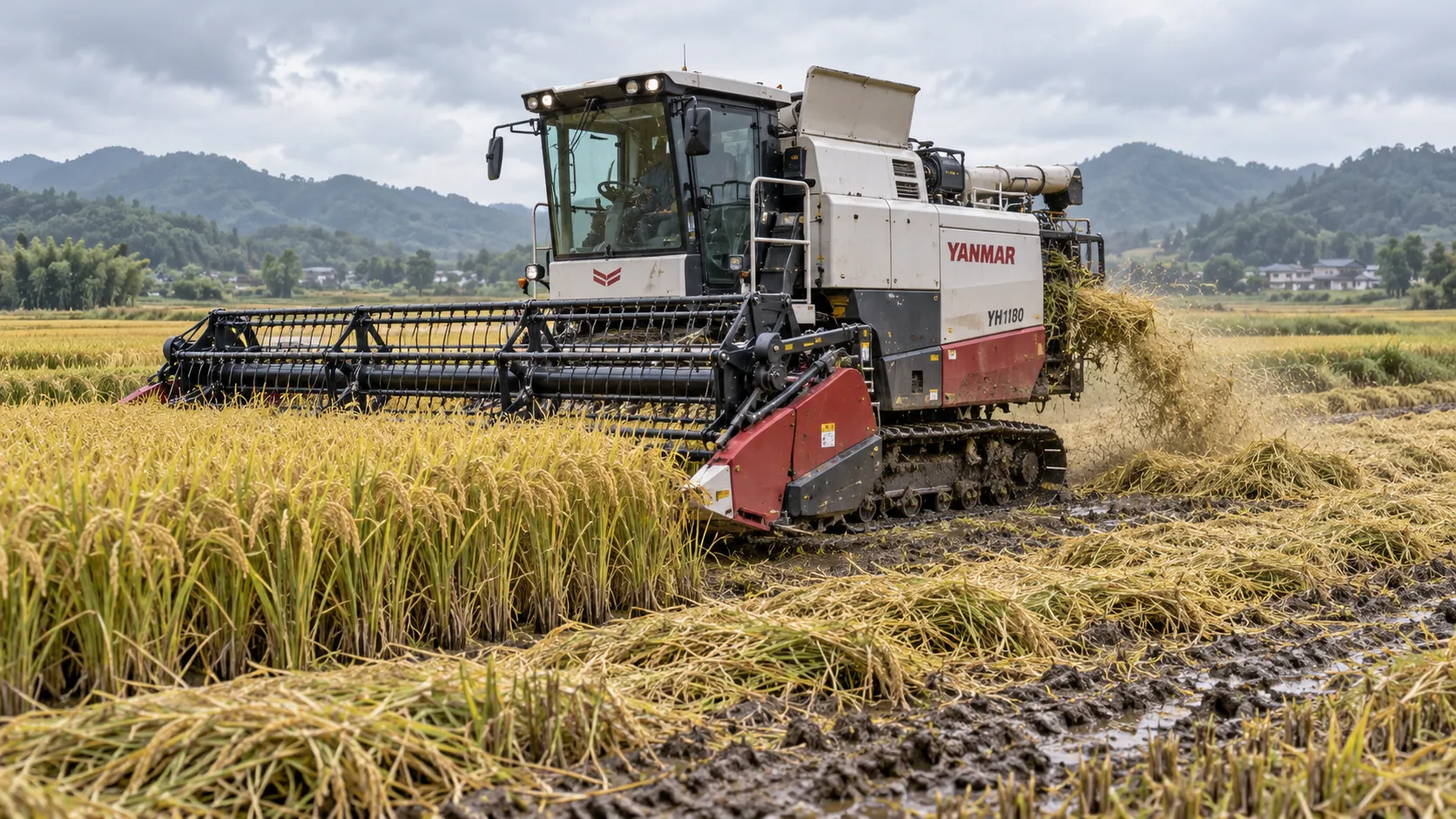
How to Specify Combine Harvester Systems for High-Moisture Grain and Variable Field Conditions
Combine harvester systems for high-moisture grain: learn how to specify threshing, cleaning, headers, traction, and automation for reliable harvests in variable fields.
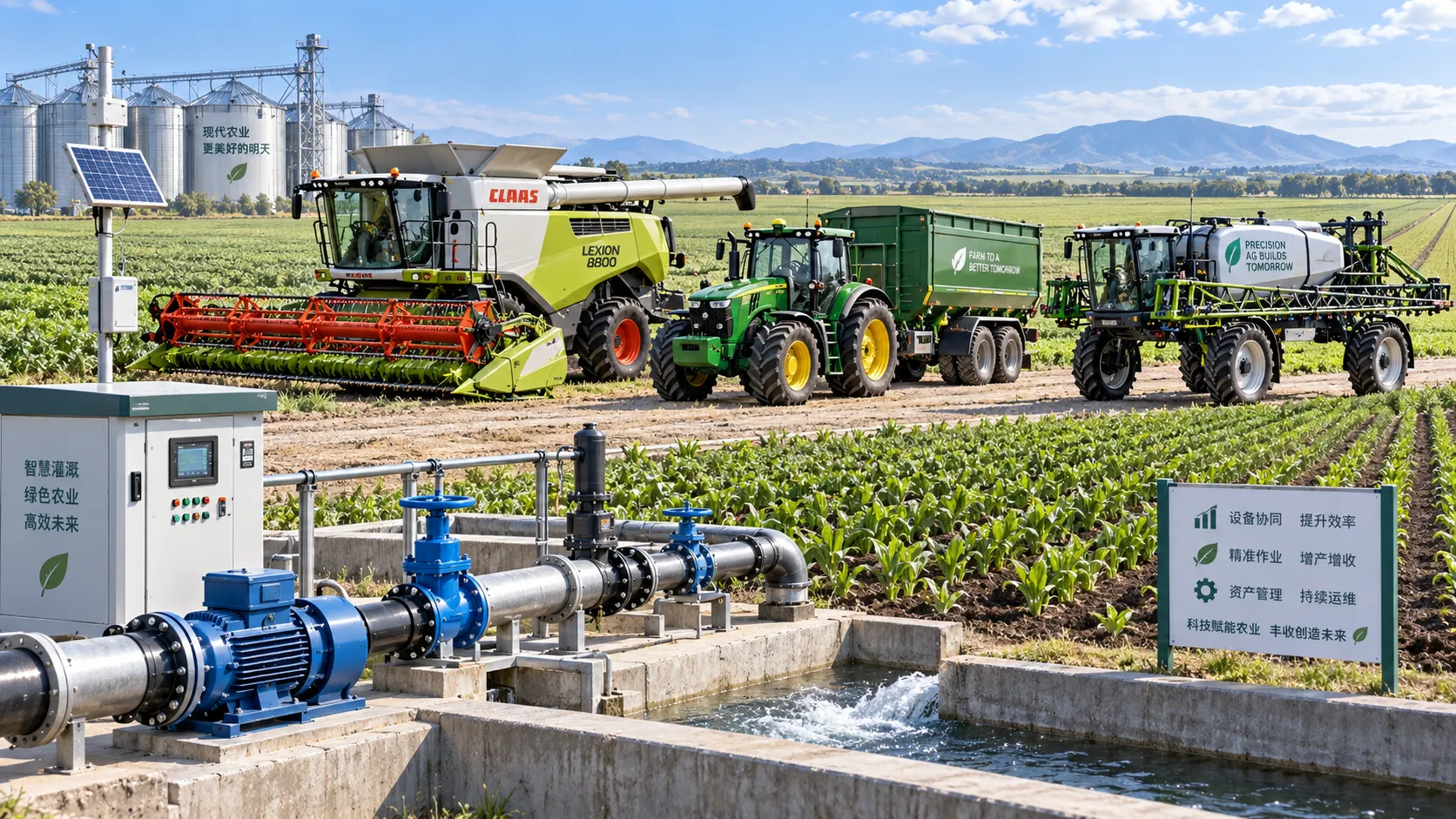
How to Compare Agricultural Equipment Platforms for Fleet Management and ROI
Agricultural equipment platform comparison: evaluate fleet data, maintenance, precision workflows, and ROI to choose a system that delivers measurable results.
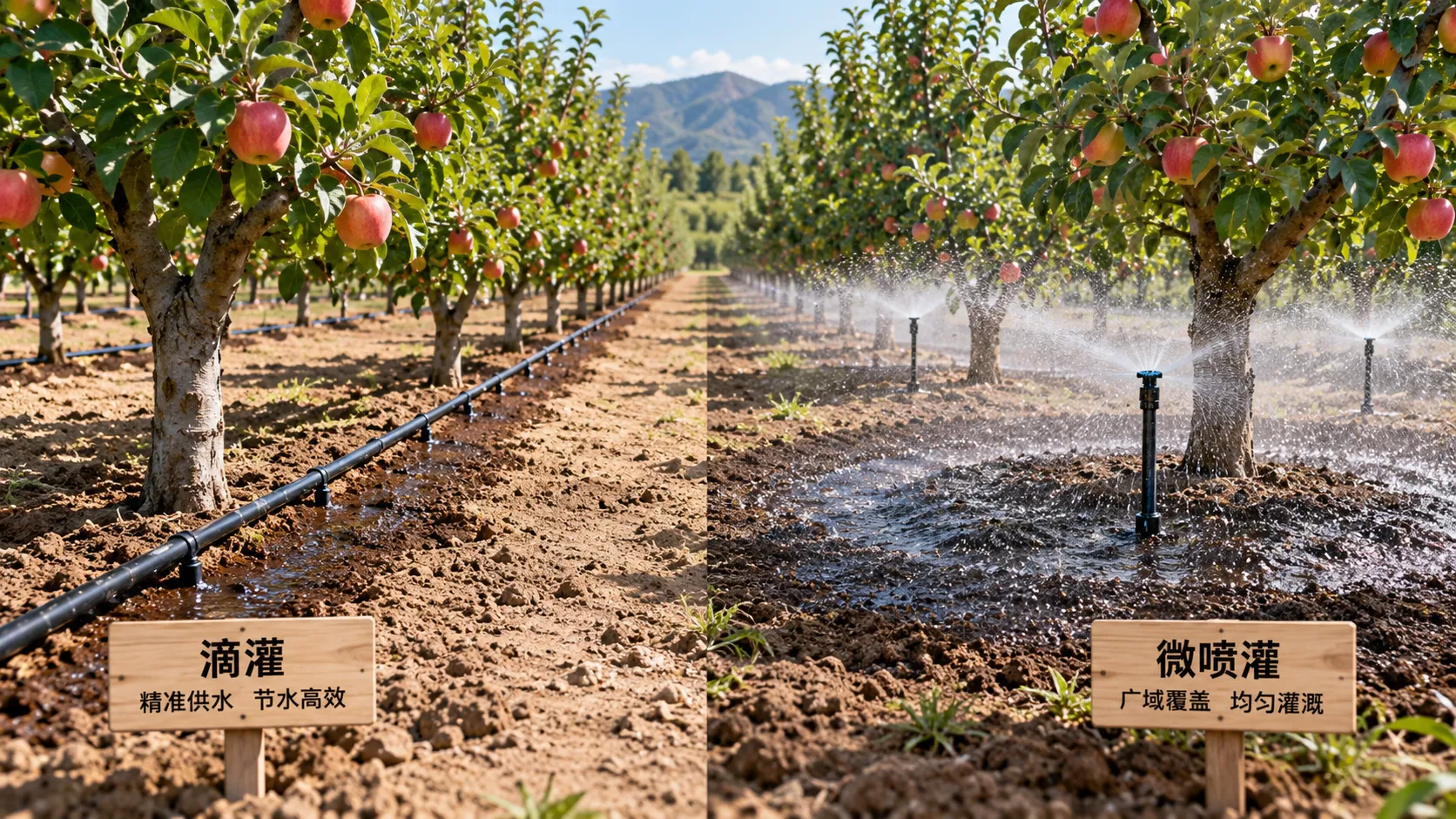
Drip vs. Micro-Sprinkler Irrigation: Which System Fits Your Orchard?
Irrigation solution comparison for orchards: discover whether drip or micro-sprinklers best match your water, soil, roots, fertigation, and frost needs.
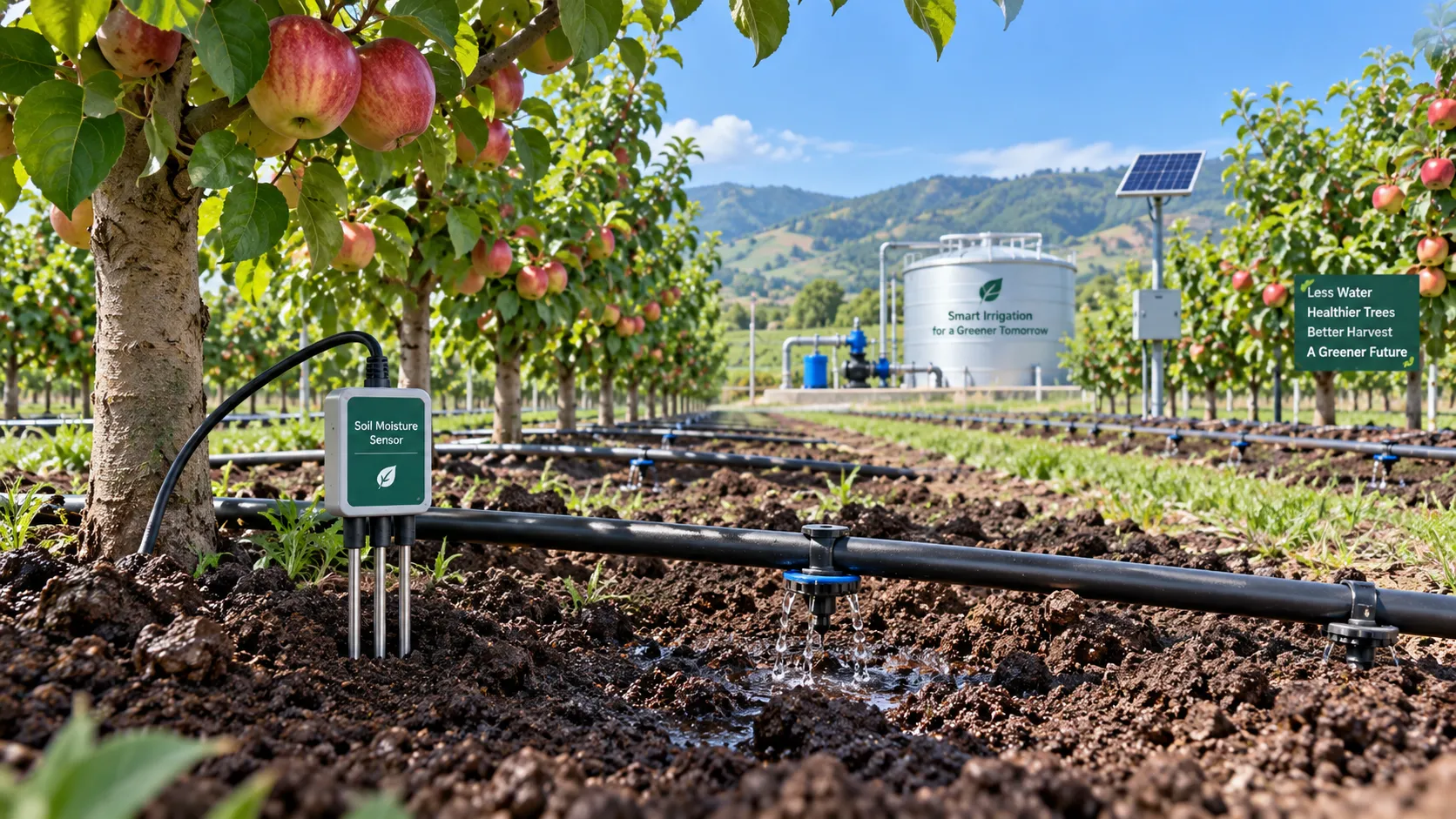
Orchard Water Management: Using Soil Moisture Data to Schedule Irrigation
Agricultural water management for orchards made practical: use soil moisture data to optimize irrigation timing, protect yield, reduce costs, and improve resilience.
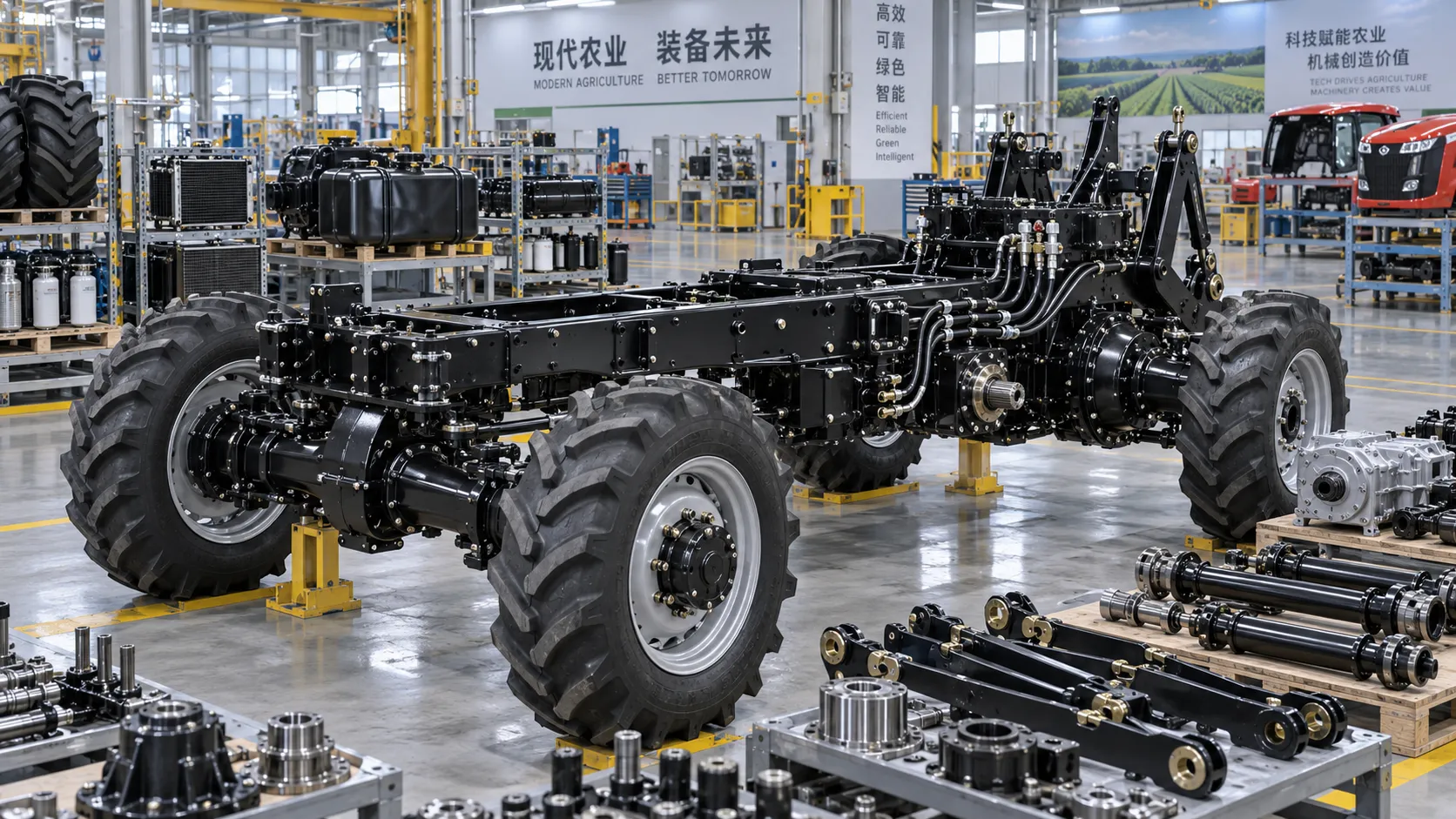
Tractor Chassis Price: What Buyers Should Compare Beyond the Initial Quote
Tractor chassis price is only the start. Compare load capacity, compatibility, durability, and lifecycle costs to choose a reliable, high-value chassis.
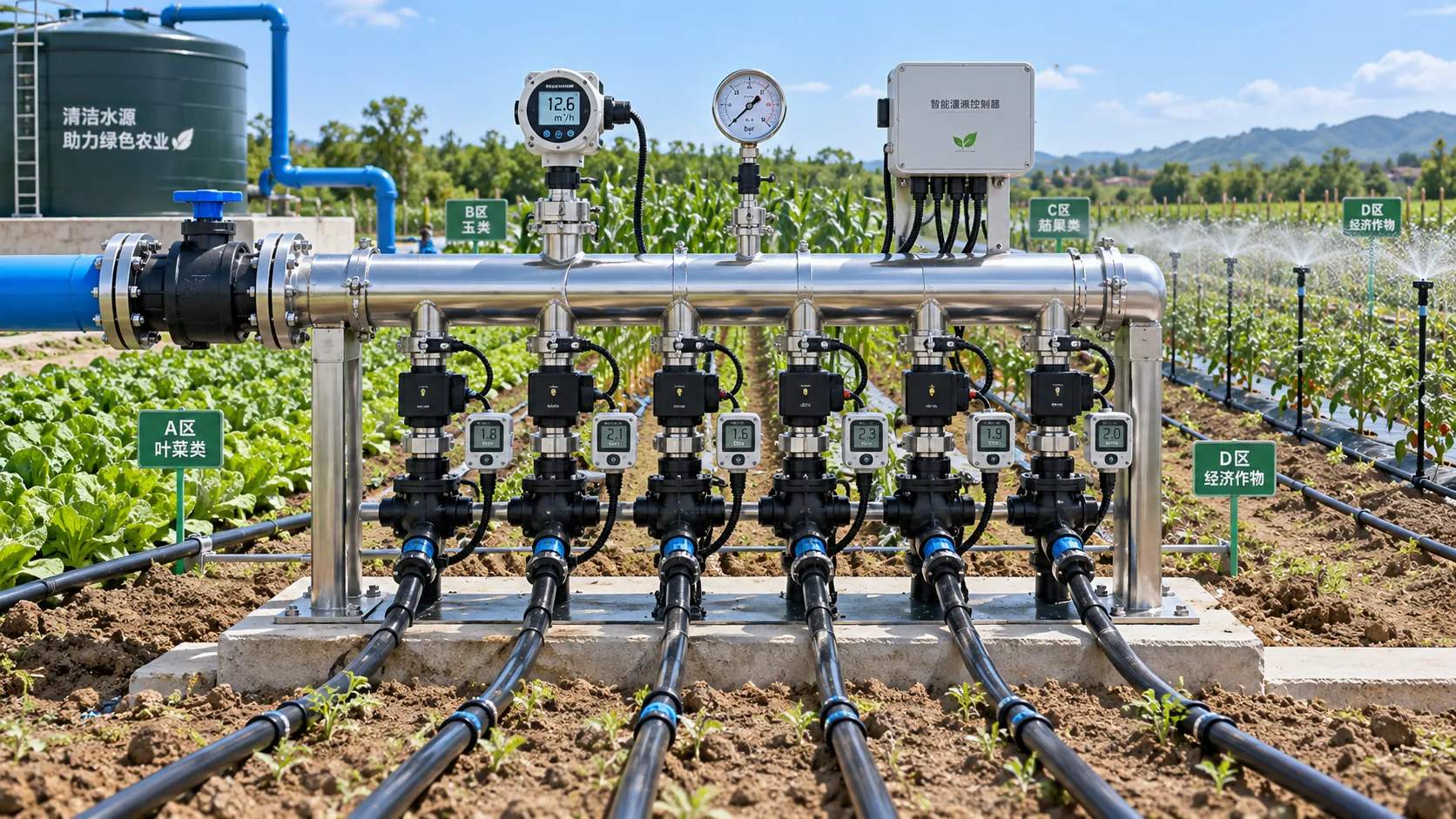
How to Select Smart Irrigation Valves for Multi-Zone Water Management?
Intelligent irrigation systems valves: learn how to match smart valves with multi-zone flow, pressure, control, feedback, and communication needs for reliable water management.
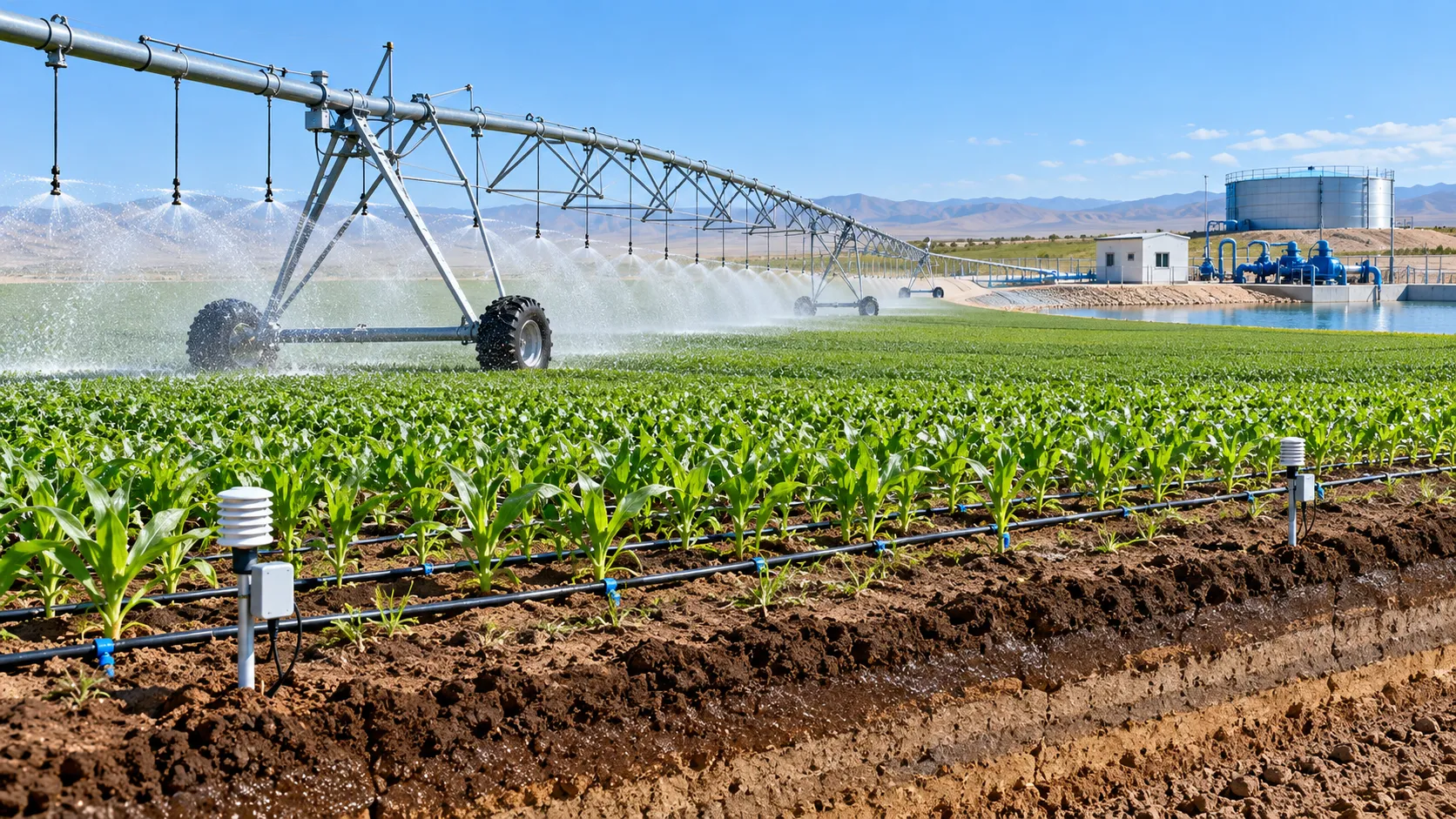
Climate-Smart Farming for Drought: A Practical Plan for Protecting Yields
Climate-smart farming for drought: build smarter water budgets, protect critical crop stages, improve irrigation uniformity, and safeguard yields with practical field-proven strategies.
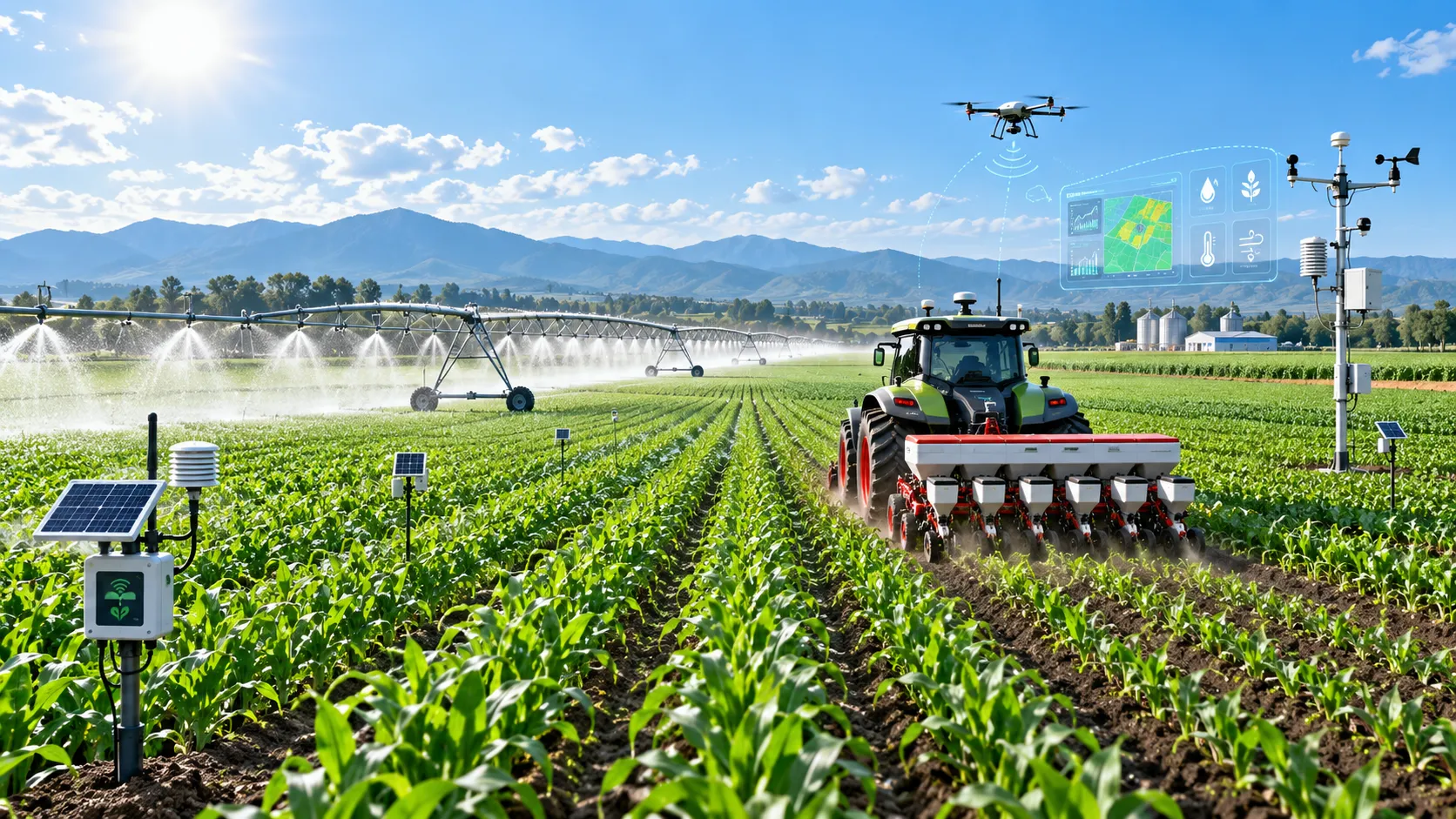
How Digital Agriculture Platforms Turn Field Data Into Better Input Decisions
Digital agriculture platforms turn field data into smarter fertilizer, water, seed, and equipment decisions—helping farms cut risk, improve margins, and scale sustainability.
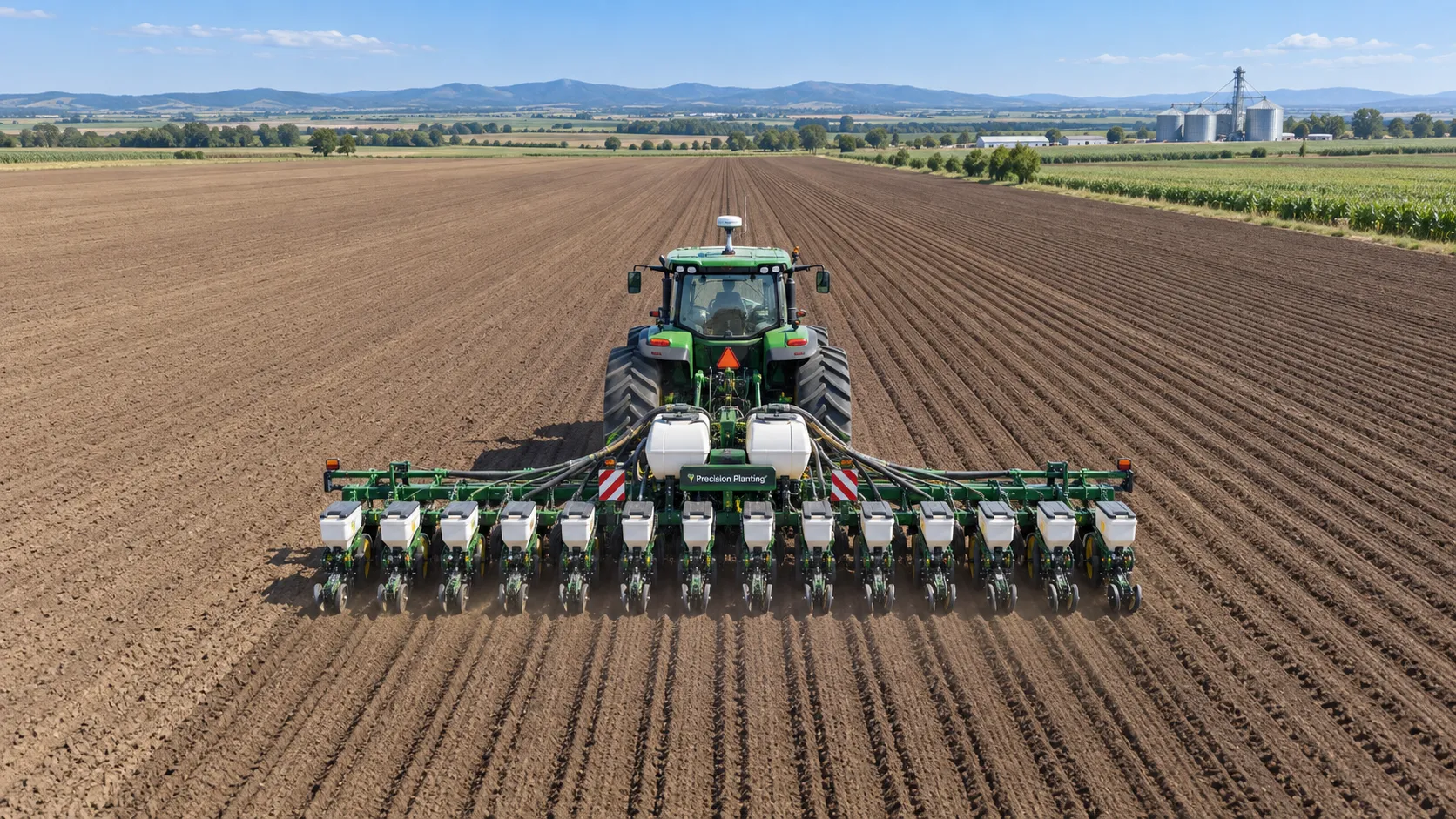
GPS-Guided Farm Machinery: Where It Delivers Measurable Field Efficiency Gains
Agri-mechanization GPS guided systems deliver measurable field efficiency gains through reduced overlap, precise planting, smarter inputs, and reliable farm data.
Related News
- 00
0000-00
How Does Farm Mechanization Affect Food Security in Developing Regions? - 00
0000-00
Agricultural Technology Insights by Region: Where Adoption Is Growing Fastest - 00
0000-00
How Climate-Smart Agriculture Technology Improves Yield, Soil Health, and Risk Resilience - 00
0000-00
Smart Farming Solutions in Latin America: Which Technologies Fit Large Farms Best? - 00
0000-00
Long-Cycle Agri-Trade Price Trends: How to Read Supply, Freight, and Currency Signals
Popular Tags
Prof. Marcus Chen
Weekly Insights
Stay ahead with our curated technology reports delivered every Monday.