
How smart farming technology cuts waste and boosts yields
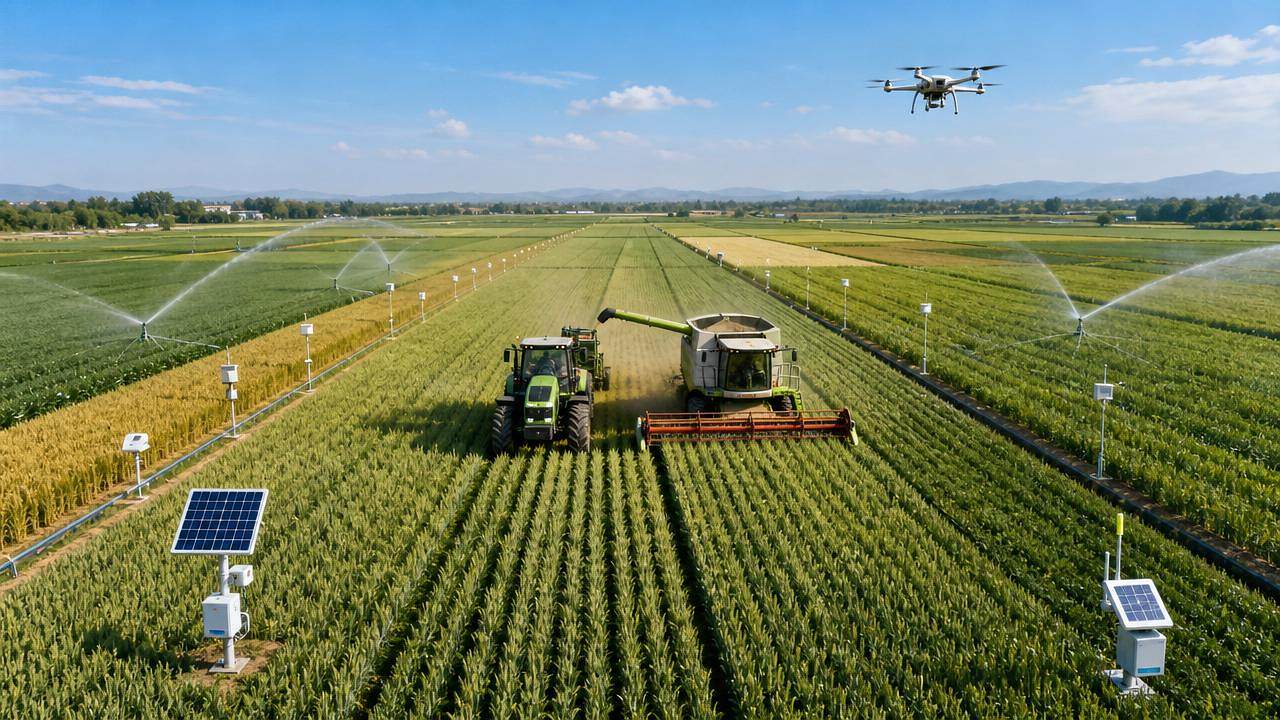




As food security pressures, input costs, and climate uncertainty reshape modern agriculture, smart farming technology is becoming a decisive lever for enterprise performance.
From precision irrigation and sensor-driven field operations to advanced harvesting analytics, it reduces waste, improves resource efficiency, and raises yields at scale.
For long-cycle agricultural operations, this shift is no longer optional. It is central to resilience, profitability, and better field-level decisions.
What does smart farming technology actually include?
Smart farming technology combines machinery, software, sensors, and data models to improve how crops are planted, irrigated, protected, and harvested.
It goes beyond simple automation. It connects field conditions, machine performance, and decision logic into one operating system for the farm.
Common components include GPS guidance, telematics, soil sensors, weather stations, drone imaging, variable-rate application, and intelligent irrigation control.
Harvesting platforms also matter. Loss monitoring, cleaning feedback, and machine analytics can reduce grain loss while improving throughput.
In large-scale operations, smart farming technology often links tractors, combine harvesters, irrigation networks, and farm management platforms.
Why is integration more important than standalone devices?
A single sensor may identify a problem. An integrated system can trigger action, verify results, and measure the economic impact.
That is where waste reduction becomes measurable. The value comes from connected action, not isolated data collection.
How does smart farming technology cut waste in daily operations?
Waste in agriculture usually appears in water, fertilizer, fuel, labor time, machine overlap, chemical drift, and harvest loss.
Smart farming technology addresses each area through precision control and real-time feedback.
Water waste
Intelligent irrigation systems use soil moisture, evapotranspiration, and weather forecasts to apply water only when needed.
This reduces overwatering, energy waste, nutrient leaching, and crop stress. It also supports climate adaptation in water-constrained regions.
Input waste
Variable-rate technology adjusts fertilizer, seed, and crop protection inputs according to field variability.
Instead of treating every hectare the same, resources are matched to real crop demand and soil condition.
Fuel and route waste
Auto-steering and path optimization reduce overlap, missed strips, and unnecessary field passes.
This lowers fuel use, machine wear, and operator fatigue, especially during short weather windows.
Harvest waste
Modern combine analytics identify grain loss patterns tied to speed, crop moisture, rotor settings, and cleaning system balance.
Even small improvements can protect revenue across large harvested areas. That makes smart farming technology highly relevant during harvest.
- Reduce irrigation waste through sensor-based scheduling.
- Lower chemical waste with targeted application maps.
- Cut harvest loss using machine feedback and adjustment alerts.
- Reduce labor waste by automating repetitive monitoring tasks.
How does smart farming technology boost yields without simply adding more inputs?
Higher yields do not always come from higher input volume. They often come from better timing, precision, and consistency.
Smart farming technology improves yield by reducing stress points across the crop cycle.
Better planting accuracy
Guidance systems and precision seed placement support even emergence, stronger stand establishment, and better use of available moisture.
Earlier problem detection
Remote sensing and in-field monitoring identify disease pressure, nutrient deficiency, and irrigation issues before visible damage spreads.
Consistent field execution
Large operations often lose yield through inconsistency rather than lack of effort. Digital workflows reduce that variability.
Optimized harvest timing
When grain moisture, weather, and machine capacity are monitored together, harvest can be timed for lower losses and better quality retention.
This is especially important in systems relying on large-scale machinery and high daily throughput.
Which agricultural scenarios benefit most from smart farming technology?
The strongest gains often appear where scale, variability, and input intensity are high. Still, benefits are not limited to one crop type.
Large arable farms
These operations benefit from route efficiency, machine coordination, harvest analytics, and field-zone management.
Water-stressed regions
Smart irrigation delivers clear returns where water rights, pumping costs, or drought conditions limit production flexibility.
High-value crops
Fruits, vegetables, and seed crops often justify faster adoption because quality losses are expensive and timing is critical.
Mixed equipment fleets
Operations using tractors, implements, harvesters, and irrigation assets from different suppliers need interoperable data systems.
That is where a strategic intelligence approach becomes valuable. Integration supports smarter asset allocation and clearer operating priorities.
How should smart farming technology be evaluated before adoption?
The best system is not the one with the most features. It is the one that solves a measurable operational bottleneck.
Start with the loss point
Identify whether the biggest issue is water use, harvest loss, labor inefficiency, machine idle time, or inconsistent application accuracy.
Check interoperability
Smart farming technology should connect with existing tractors, combine harvesters, irrigation systems, and management software.
Measure return by season, not by brochure
Review expected savings in fuel, water, inputs, labor hours, and harvest retention. Then compare them with training and setup demands.
Prioritize usability
If data dashboards are difficult to interpret, adoption slows. A simple alert that prompts action is often more valuable than complex visualizations.
- Map the highest-cost inefficiencies.
- Set one or two operational targets.
- Pilot the technology in a defined zone.
- Track results across a full production cycle.
What risks, misconceptions, and implementation barriers should be considered?
A common misconception is that smart farming technology instantly guarantees yield gains. In reality, results depend on execution quality and data discipline.
Another risk is buying disconnected tools that cannot share data. That creates information overload instead of operational clarity.
Frequent barriers
- Poor connectivity in remote fields.
- Low-quality baseline data.
- Insufficient staff training.
- Unclear ownership of data-driven decisions.
- Underestimating maintenance and calibration needs.
Implementation works better when digital tools are matched with agronomic knowledge, machine expertise, and practical operating routines.
That is why intelligence-led evaluation matters. Sustainable gains come from system design, not just device installation.
FAQ quick-reference table: what should be asked first?
Smart farming technology delivers the strongest value when it is linked to real operating constraints and measured with field-level discipline.
Across machinery, harvesting, and irrigation, the biggest gains often come from reducing invisible losses that accumulate every season.
A practical next step is to audit one production stage, quantify waste, and test a focused digital solution with clear success metrics.
For organizations tracking Agriculture 4.0 trends, smart farming technology is not only an efficiency tool. It is a long-term capability for stronger yields and better resource stewardship.
Related News
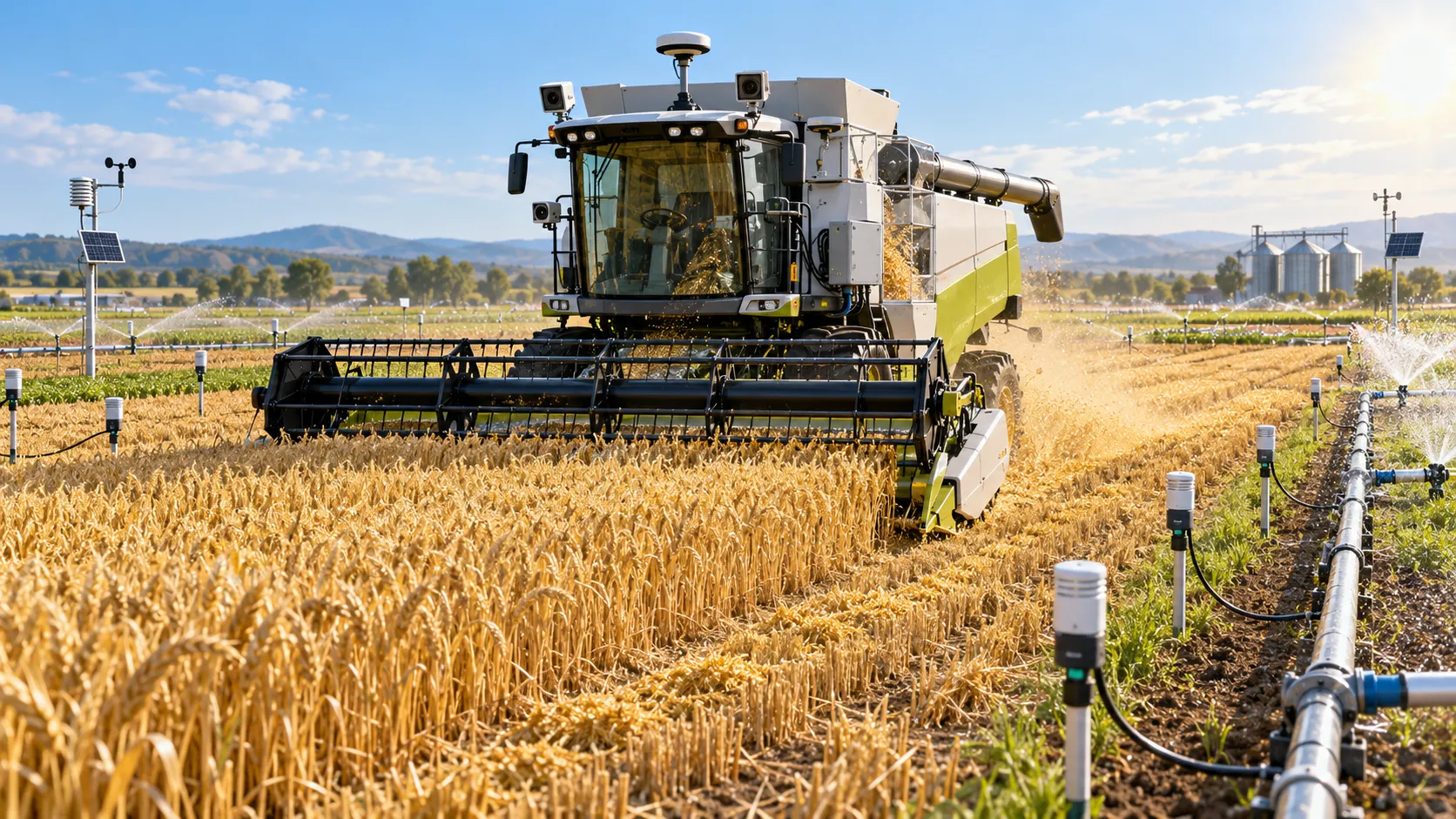
How to Evaluate Dynamic Feedback Algorithm Suppliers for Precision Farming Systems
Dynamic feedback algorithms supplier evaluation guide for precision farming—compare validation, integration, safety, and pilots to choose with confidence.
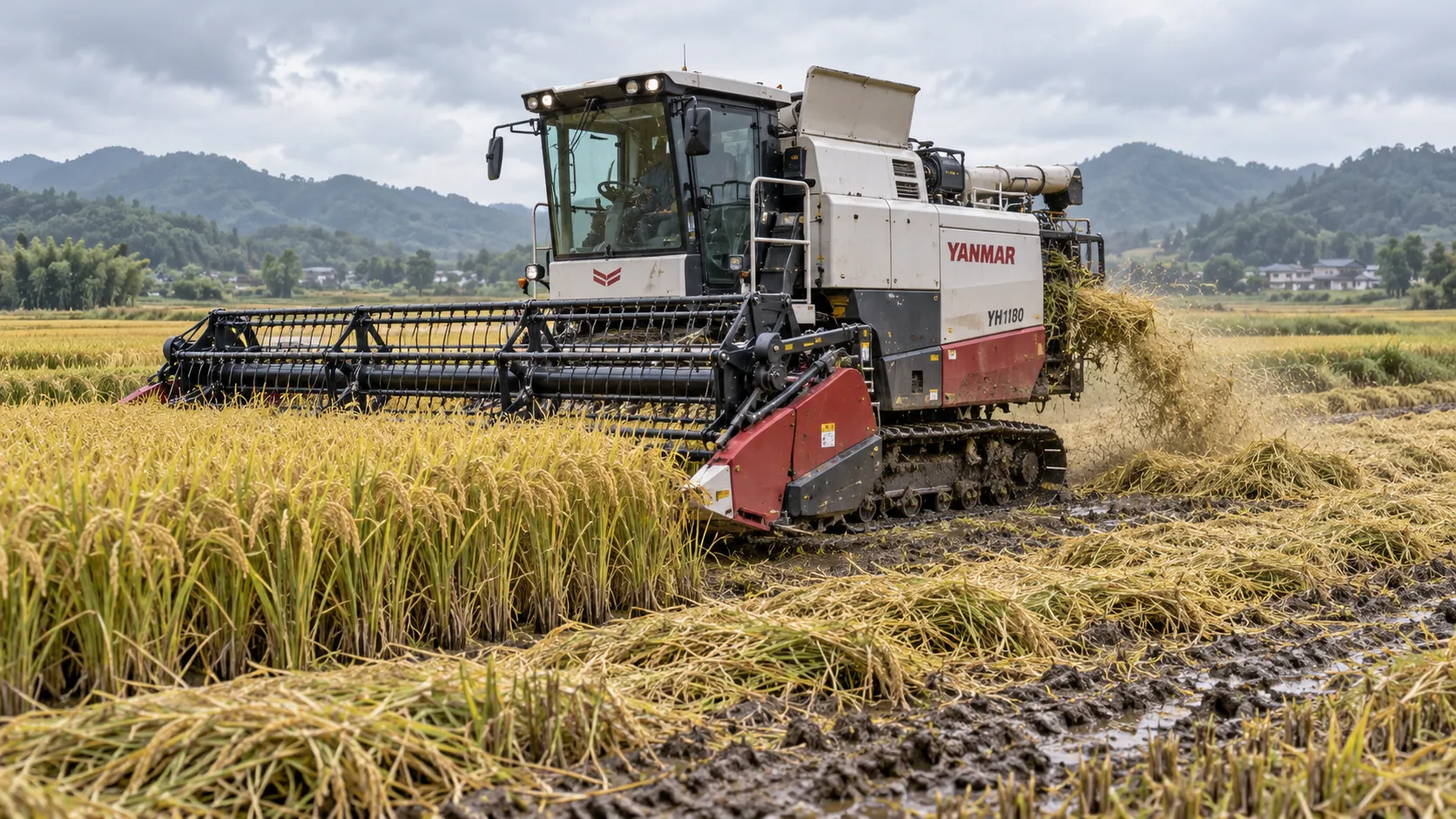
How to Specify Combine Harvester Systems for High-Moisture Grain and Variable Field Conditions
Combine harvester systems for high-moisture grain: learn how to specify threshing, cleaning, headers, traction, and automation for reliable harvests in variable fields.
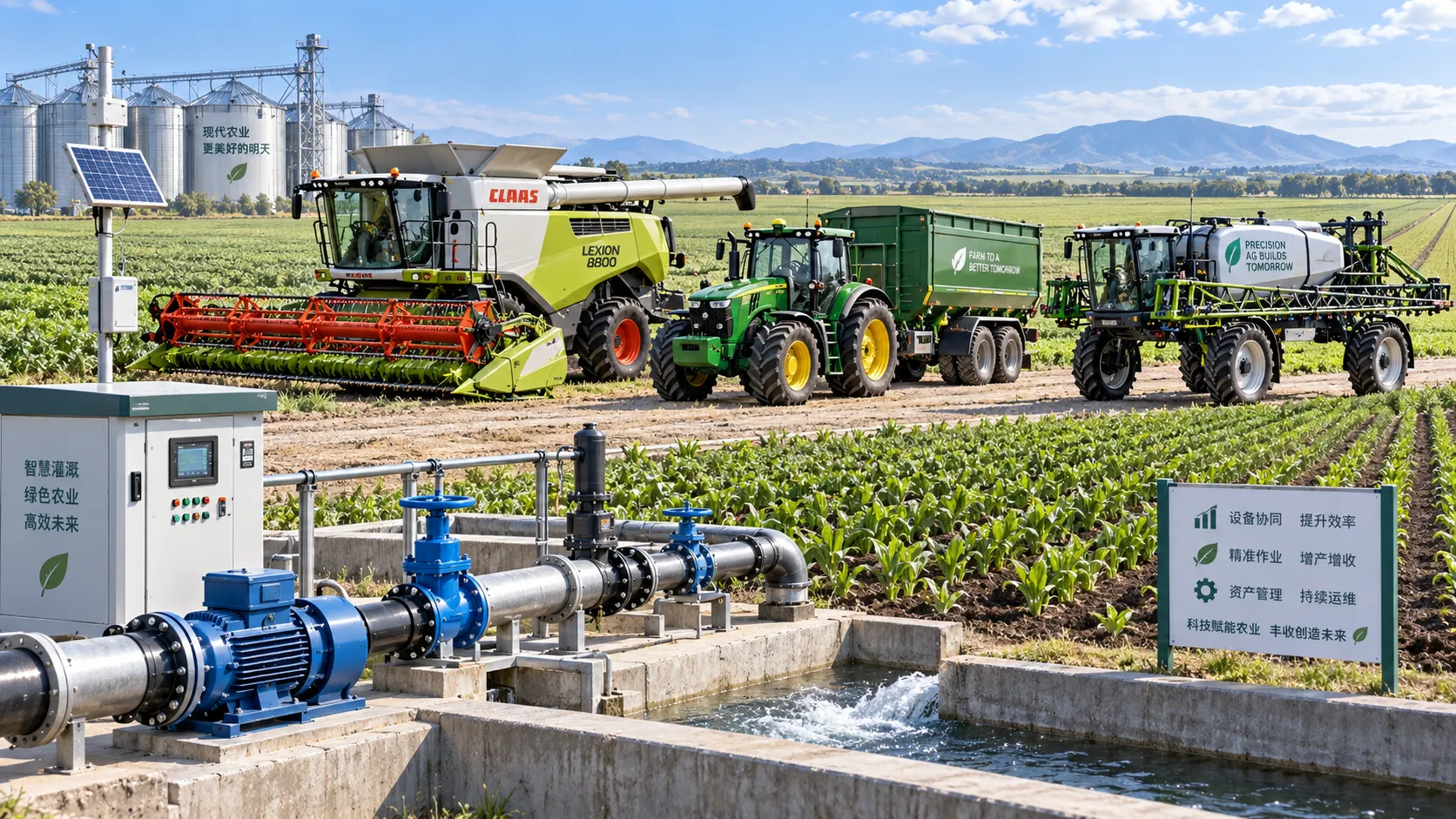
How to Compare Agricultural Equipment Platforms for Fleet Management and ROI
Agricultural equipment platform comparison: evaluate fleet data, maintenance, precision workflows, and ROI to choose a system that delivers measurable results.
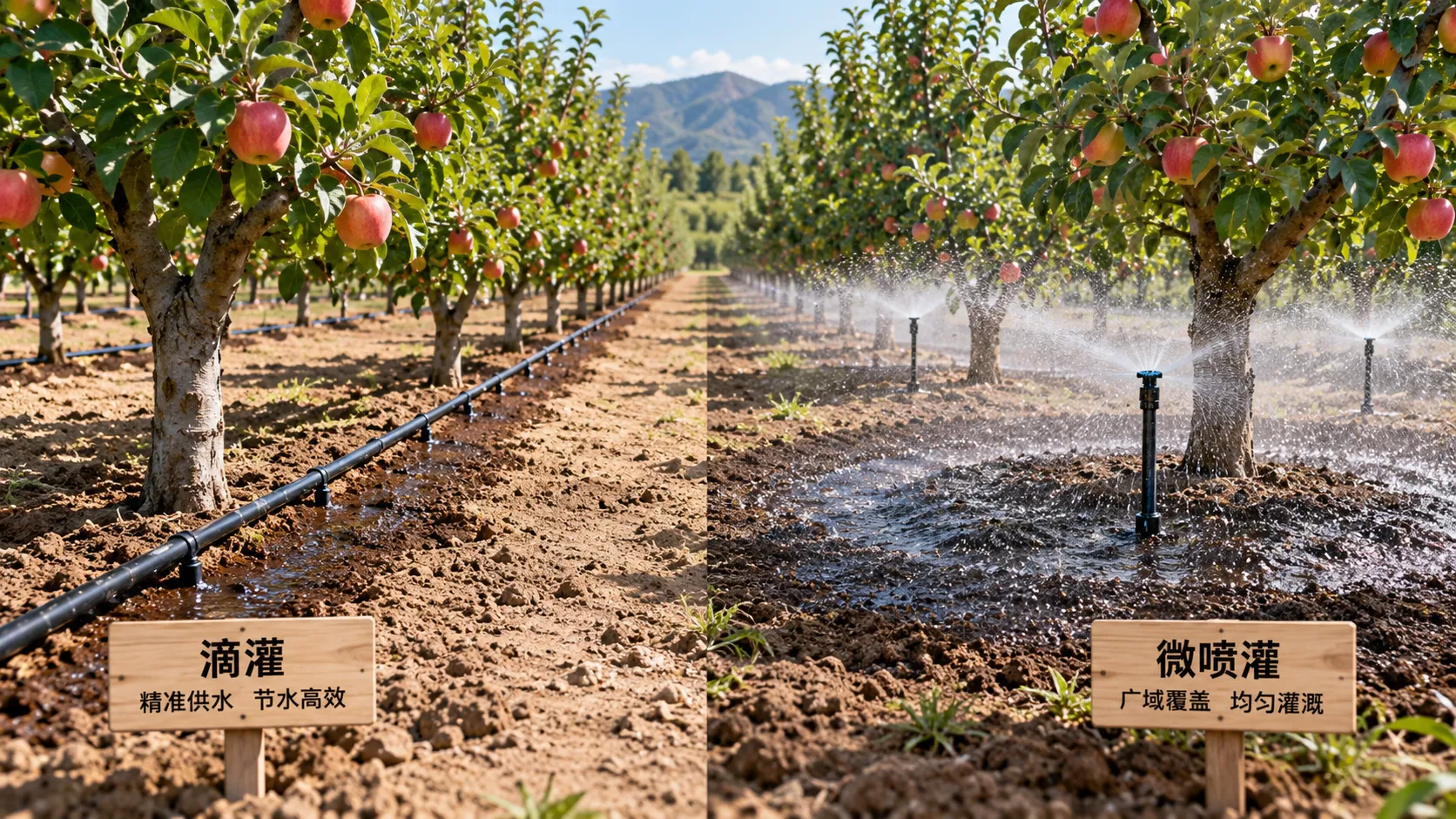
Drip vs. Micro-Sprinkler Irrigation: Which System Fits Your Orchard?
Irrigation solution comparison for orchards: discover whether drip or micro-sprinklers best match your water, soil, roots, fertigation, and frost needs.
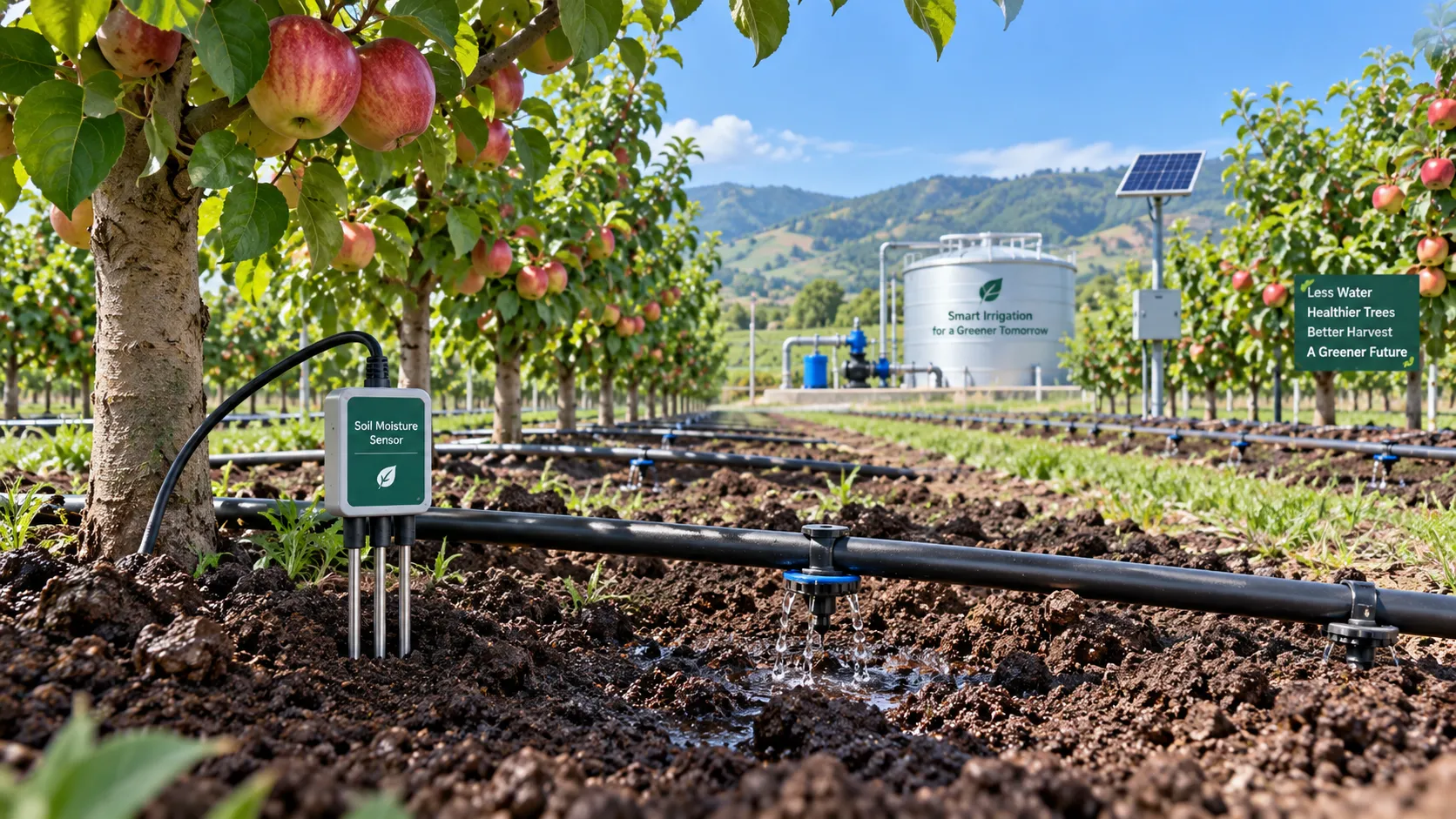
Orchard Water Management: Using Soil Moisture Data to Schedule Irrigation
Agricultural water management for orchards made practical: use soil moisture data to optimize irrigation timing, protect yield, reduce costs, and improve resilience.
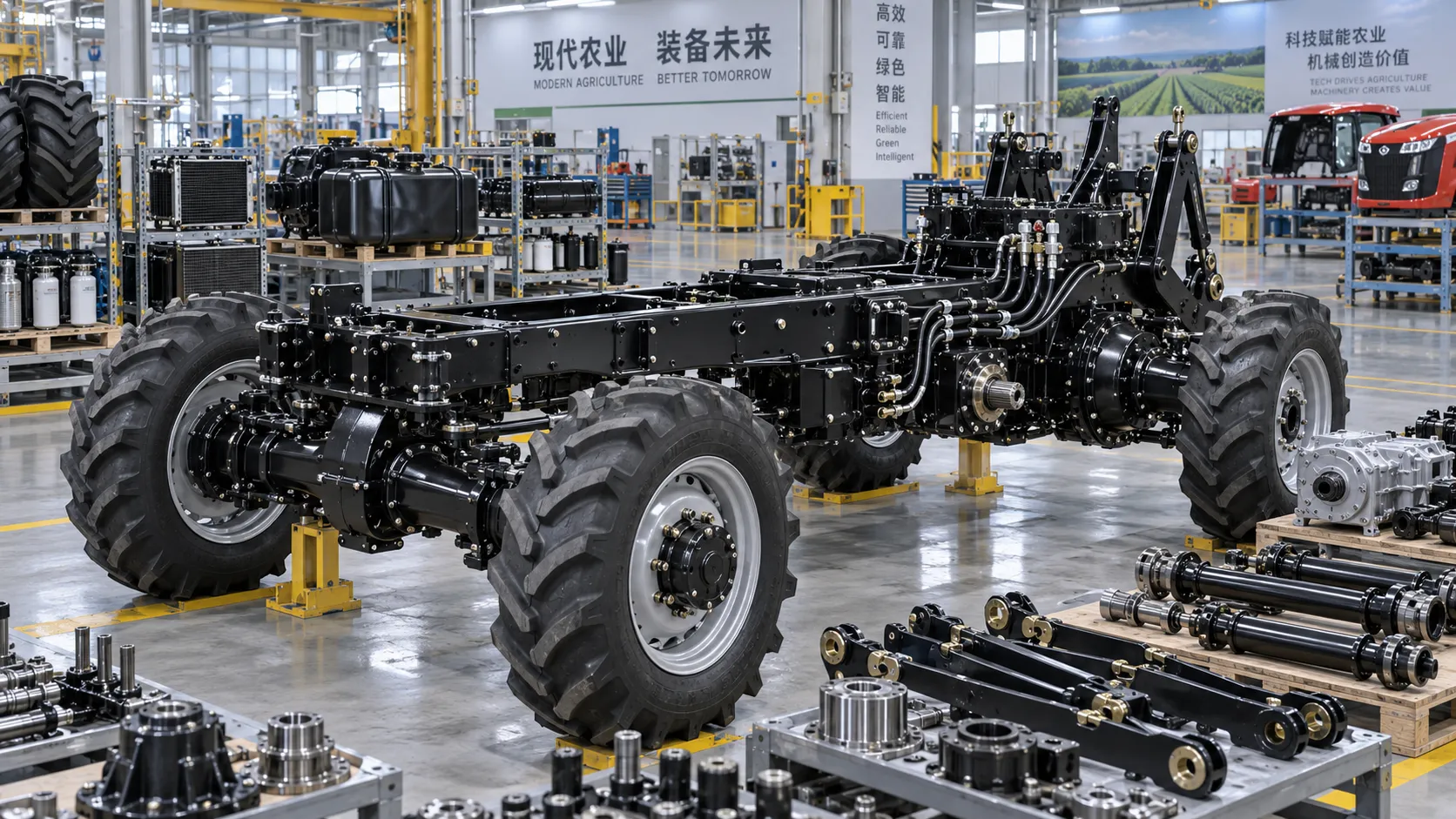
Tractor Chassis Price: What Buyers Should Compare Beyond the Initial Quote
Tractor chassis price is only the start. Compare load capacity, compatibility, durability, and lifecycle costs to choose a reliable, high-value chassis.
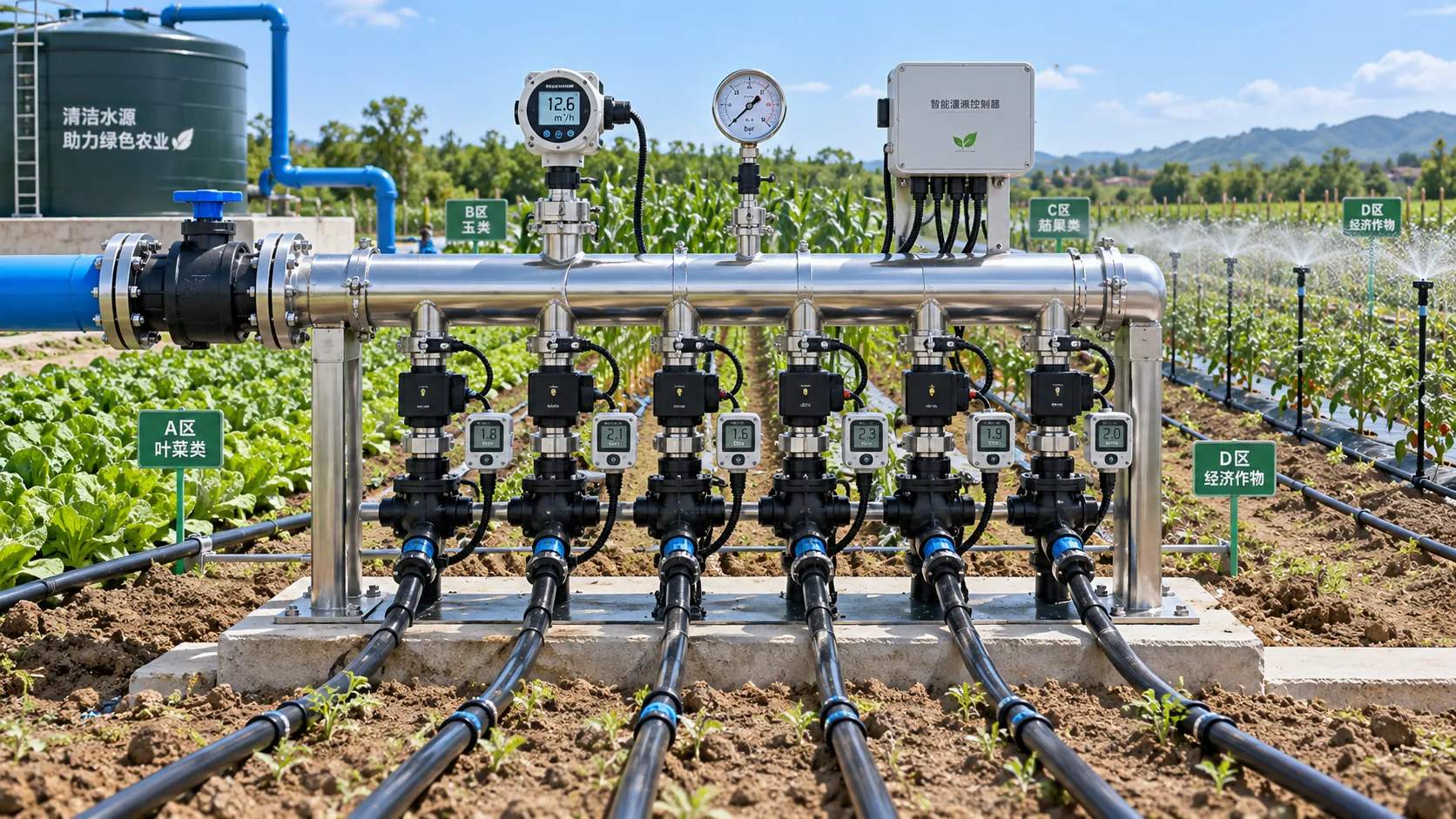
How to Select Smart Irrigation Valves for Multi-Zone Water Management?
Intelligent irrigation systems valves: learn how to match smart valves with multi-zone flow, pressure, control, feedback, and communication needs for reliable water management.
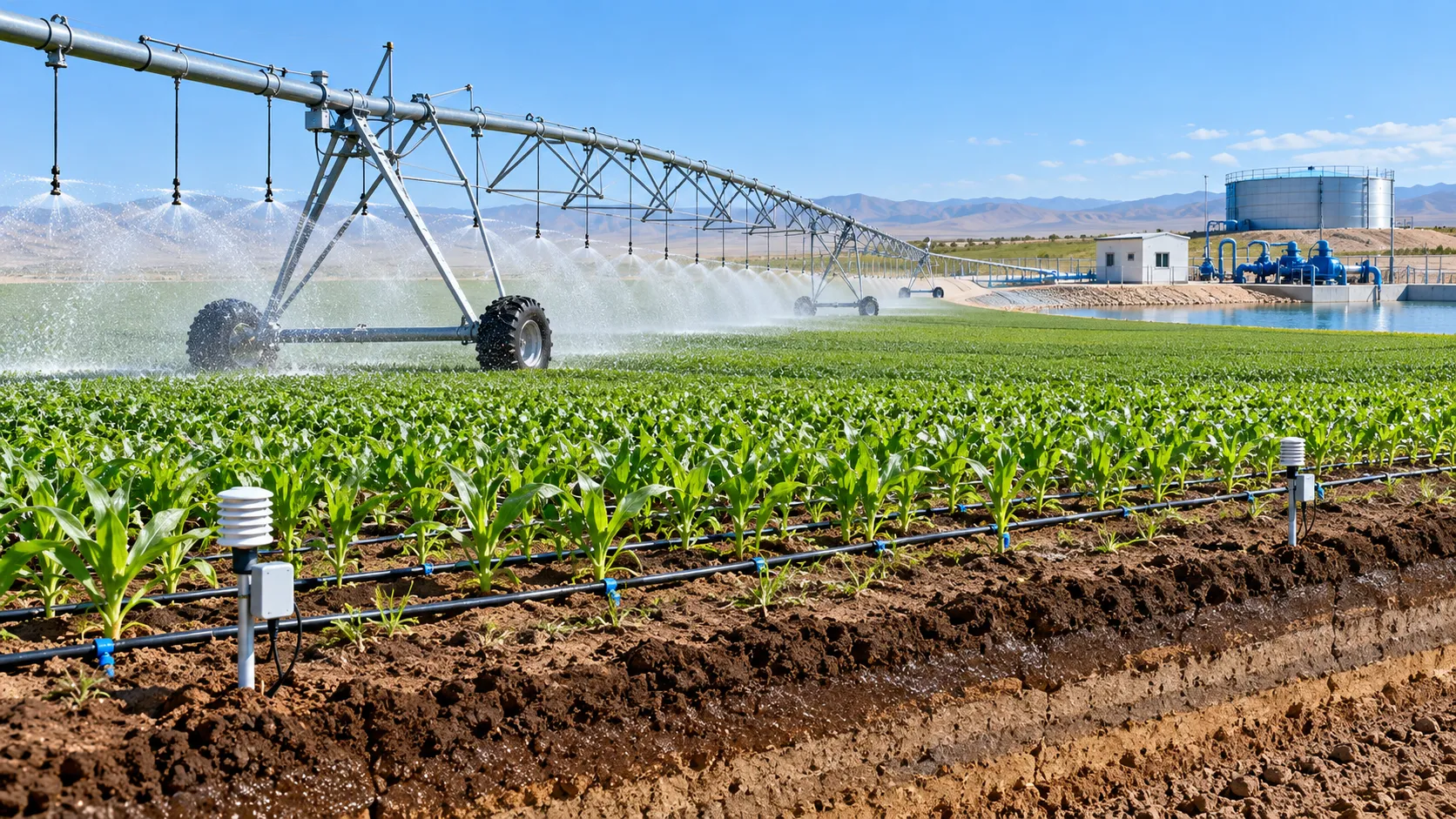
Climate-Smart Farming for Drought: A Practical Plan for Protecting Yields
Climate-smart farming for drought: build smarter water budgets, protect critical crop stages, improve irrigation uniformity, and safeguard yields with practical field-proven strategies.
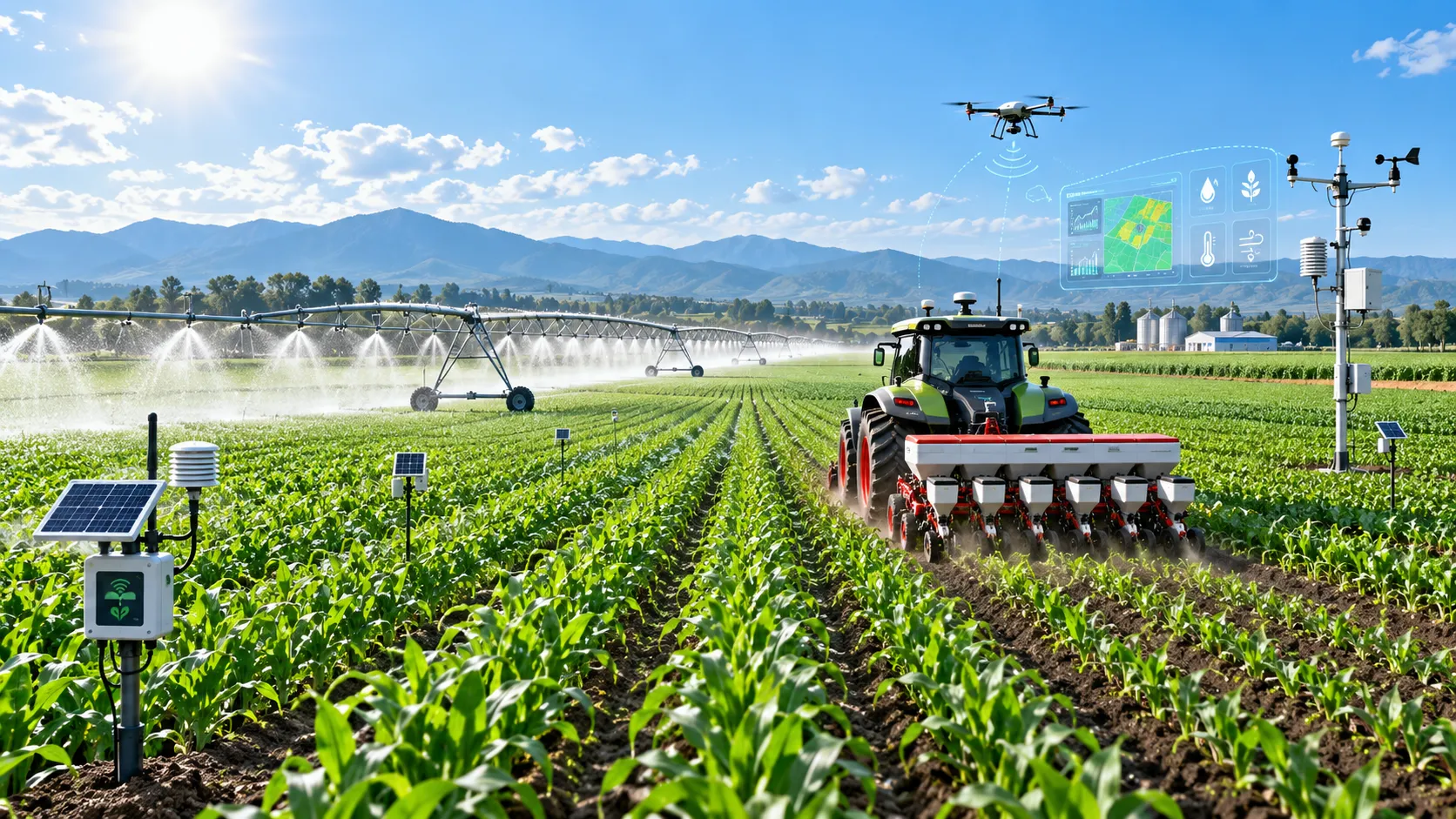
How Digital Agriculture Platforms Turn Field Data Into Better Input Decisions
Digital agriculture platforms turn field data into smarter fertilizer, water, seed, and equipment decisions—helping farms cut risk, improve margins, and scale sustainability.
Related News
- 00
0000-00
How Does Farm Mechanization Affect Food Security in Developing Regions? - 00
0000-00
Agricultural Technology Insights by Region: Where Adoption Is Growing Fastest - 00
0000-00
How Climate-Smart Agriculture Technology Improves Yield, Soil Health, and Risk Resilience - 00
0000-00
Smart Farming Solutions in Latin America: Which Technologies Fit Large Farms Best? - 00
0000-00
Long-Cycle Agri-Trade Price Trends: How to Read Supply, Freight, and Currency Signals
Popular Tags
Prof. Marcus Chen
Weekly Insights
Stay ahead with our curated technology reports delivered every Monday.