
Why climate-smart agriculture technologies matter in 2026
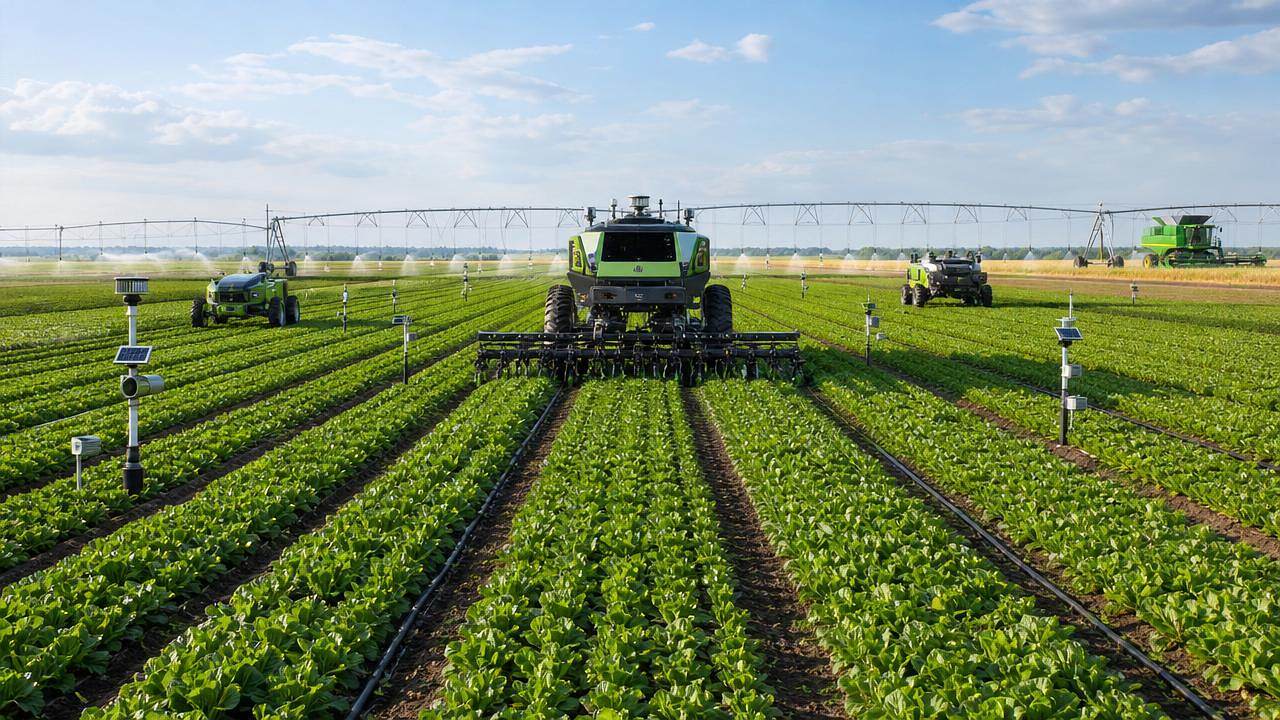




In 2026, climate-smart agriculture technologies are no longer optional for agribusiness leaders—they are central to productivity, resilience, and long-term competitiveness. From intelligent irrigation and precision machinery to data-driven harvesting systems, these solutions help enterprises respond to climate volatility, resource constraints, and evolving food security demands while unlocking measurable operational and strategic value.
The Core Question Behind This Search: Why Do These Technologies Matter Now?
For enterprise decision-makers, the real issue is not whether climate-smart agriculture technologies sound promising. It is whether they can protect margins, reduce operational risk, and strengthen long-term strategic positioning.
That is why this topic matters so much in 2026. Climate pressure is now directly shaping yield variability, input costs, insurance conditions, equipment utilization, and water access across major farming regions.
At the same time, buyers, regulators, financiers, and supply chain partners increasingly expect measurable progress on sustainability, resource efficiency, and production resilience. That makes inaction a business decision with consequences.
For leaders in agribusiness, machinery distribution, farm operations, and agri-infrastructure, climate-smart agriculture technologies have become operational tools first and sustainability tools second. Their value begins with performance.
What Enterprise Readers Usually Care About Most
Business leaders are rarely looking for another broad definition of smart farming. They want to know which technologies produce practical value, where returns are most visible, and how to avoid expensive implementation mistakes.
Most decision-makers focus on five questions. Will these technologies improve output stability? Can they lower water, fuel, fertilizer, and labor waste? How fast is payback? What risks come with adoption? Which systems fit existing operations?
Those concerns are especially relevant in large-scale farming environments, where even small efficiency gains can translate into significant financial impact across machinery fleets, irrigation networks, and multi-season planning cycles.
That is why the most useful discussion of climate-smart agriculture technologies must move beyond abstract environmental claims and focus on economics, operating resilience, and decision quality at scale.
Why 2026 Is a Turning Point for Climate-Smart Agriculture Technologies
Several trends converge in 2026. Weather volatility is no longer episodic in many regions. It is becoming a recurring production variable that affects field timing, crop stress, harvest windows, and machinery scheduling.
Meanwhile, input prices remain structurally sensitive. Water scarcity, fuel cost fluctuations, fertilizer pressure, and labor shortages continue to squeeze margins. Technologies that improve precision and reduce waste now address immediate financial pain.
Another major factor is data maturity. Precision agriculture platforms, sensor networks, telematics, and satellite services are more interoperable than they were a few years ago, making enterprise deployment more practical.
In parallel, capital providers and public policy increasingly reward resilience investments. In some markets, better financing conditions, risk-sharing programs, or procurement advantages are linked to measurable resource efficiency and sustainability performance.
Put simply, 2026 is not just about new tools being available. It is about the cost of delay becoming more visible than the cost of well-planned adoption.
Which Climate-Smart Agriculture Technologies Deliver the Most Business Value
Not all technologies create equal value for every business. The strongest results usually come from systems that connect field variability with real-time operating decisions across water, machinery, inputs, and harvesting workflows.
Intelligent irrigation is one of the clearest examples. When irrigation timing and volume are adjusted using soil moisture data, weather forecasts, evapotranspiration models, and field zoning, enterprises can cut waste while protecting yield.
For regions facing water stress, this is not only an efficiency upgrade. It is also a strategic hedge against allocation uncertainty, regulatory pressure, and rising competition for agricultural water resources.
Precision application systems also matter greatly. Variable-rate seeding, fertilization, and crop protection reduce overapplication, support better plant health, and improve cost control where field conditions differ significantly within the same operation.
Large-scale agri-machinery with advanced guidance, telematics, and implement control contributes in a different way. It reduces overlap, improves field efficiency, lowers fuel consumption, and helps maintain quality under tighter labor conditions.
Combine harvesting technology is especially important in climate-sensitive production systems. Smarter harvesting controls, dynamic loss monitoring, and machine-learning-based adjustment support help preserve grain quality and reduce losses during compressed harvest periods.
Climate-smart agriculture technologies also include decision platforms. These systems unify data from sensors, weather services, equipment, and farm management tools so that managers can act on exceptions instead of reviewing disconnected reports.
How These Technologies Improve Resilience, Not Just Efficiency
Many companies first justify adoption through efficiency gains, but resilience is often the larger long-term benefit. A business that responds faster to stress conditions is usually better positioned than one that simply operates cheaply in normal years.
For example, smart irrigation does more than save water. It helps maintain crop performance during irregular rainfall patterns, heat events, and shifting seasonal water availability, all of which can destabilize planning assumptions.
Similarly, precision machinery does more than reduce overlap. It makes operations more consistent when weather windows narrow, labor is limited, or field conditions change quickly across locations.
Harvest intelligence is another resilience lever. In seasons with unstable maturity timing, moisture variation, or severe weather threats, the ability to prioritize fields and optimize machine settings can protect both volume and quality.
Resilience also extends to management visibility. Enterprises using climate-smart agriculture technologies typically gain earlier warning signals, which supports better input planning, asset allocation, and contingency preparation.
In practical terms, resilience means fewer surprises becoming financial shocks. For decision-makers, that is often the most compelling reason these technologies matter in 2026.
What the ROI Conversation Should Really Look Like
Return on investment should not be measured only by direct yield increase. That is too narrow for enterprise decisions involving climate-smart agriculture technologies and often misses their full operational value.
Leaders should evaluate ROI across several dimensions. These include input savings, reduced field losses, better machinery utilization, lower unplanned downtime, improved labor productivity, and reduced quality penalties at harvest.
Water-saving irrigation systems may justify investment through lower water consumption and pumping costs. But the stronger business case often comes from preserving yield stability in high-value or climate-exposed production zones.
For precision application tools, returns may come from reduced fertilizer and chemical waste, stronger uniformity, and better compliance reporting. In regulated or export-sensitive markets, that reporting value can be strategically significant.
For harvest systems, the ROI case often includes lower grain losses, reduced spoilage risk, and better timing under adverse weather conditions. These gains can be substantial, especially in large acreage operations.
Decision-makers should also account for avoided losses. If a technology reduces the probability of severe underperformance during climate stress, its value may exceed what normal-season efficiency metrics show.
Common Executive Concerns—and How to Evaluate Them Clearly
Adoption hesitation is understandable. Many enterprises worry about high upfront costs, unclear interoperability, uncertain user adoption, and the risk of buying tools that never move beyond pilot projects.
The best response is disciplined evaluation. Leaders should begin with clearly defined use cases tied to business outcomes, not technology features. That means identifying where climate risk and cost pressure are most concentrated.
Another concern is data fragmentation. If irrigation systems, machinery telematics, agronomic tools, and reporting platforms cannot communicate effectively, decision value drops. Integration capability should be assessed early, not after procurement.
Workforce readiness is equally important. Even strong systems underperform when operators, field managers, and technical teams do not understand how to interpret alerts, calibrate tools, or adjust workflows accordingly.
There is also the issue of scale fit. A solution optimized for small trial plots may not perform well in large multi-site operations with varied soils, crop systems, and equipment fleets. Enterprise suitability must be tested carefully.
Finally, decision-makers should examine vendor reliability. Climate-smart agriculture technologies are not just products; they are long-cycle operating systems requiring support, updates, service continuity, and domain expertise.
Where Adoption Usually Makes the Most Sense First
For many enterprises, the smartest path is not a full digital transformation rollout. It is targeted adoption in areas where climate exposure and cost inefficiency are already measurable.
Water-stressed regions are often high-priority candidates. Intelligent irrigation systems can quickly demonstrate value where water cost, allocation limits, or rainfall variability directly affect production economics.
Operations with large machinery fleets may benefit first from telematics, guidance, and implement-level precision control. These tools improve efficiency immediately while building the data infrastructure needed for broader optimization later.
Harvest-sensitive crop systems are another strong starting point. Where timing, moisture, and quality losses create recurring risk, advanced combine harvesting technology can generate visible operational and financial improvements.
Businesses facing labor constraints may also see rapid gains from automation-supported workflows, remote monitoring, and data-driven task prioritization. These reduce dependence on perfect staffing conditions during critical windows.
The key is to start where the business already feels pain. Climate-smart agriculture technologies create the strongest momentum when they solve urgent problems before they are expanded into broader strategic platforms.
How Climate-Smart Agriculture Technologies Support Strategic Positioning
Beyond field performance, these technologies increasingly influence how agribusinesses are perceived by partners, investors, customers, and regulators. That strategic layer matters more in 2026 than it did just a few years ago.
Companies that can document efficient water use, lower waste, improved traceability, and adaptive production systems are often better positioned in procurement discussions and cross-border supply relationships.
For equipment manufacturers and distributors, climate-smart positioning also shapes product relevance. Buyers increasingly prefer machinery and irrigation systems that help them meet both productivity targets and sustainability expectations.
For integrated farm enterprises, the advantage is broader. Better climate responsiveness can support access to financing, strengthen risk narratives, and improve confidence among stakeholders evaluating long-term operating resilience.
In this sense, climate-smart agriculture technologies are not merely technical upgrades. They are becoming part of enterprise credibility in a market shaped by food security concerns and environmental accountability.
A Practical Framework for Decision-Makers in 2026
Executives do not need to adopt every available solution. They need a practical framework for selecting the right technologies in the right order with the right performance expectations.
First, identify the main climate-linked business risks across regions, crops, and operating stages. These may include water stress, field timing disruption, harvest loss, input inefficiency, or labor dependence.
Second, rank opportunities by economic exposure. Where are avoidable losses highest? Which processes consume the most water, fuel, fertilizer, or labor? Which bottlenecks affect yield quality or seasonal execution?
Third, match technologies to those high-value pain points. Intelligent irrigation, precision application, telematics-enabled machinery, and smart harvesting systems each solve different categories of operational risk.
Fourth, define success metrics before implementation. These should include both direct cost indicators and resilience indicators, such as reduced variability, faster response time, and improved decision accuracy.
Fifth, treat adoption as an operating model change, not a one-time equipment purchase. Training, workflow redesign, data governance, and vendor support all influence whether value is sustained.
Conclusion: Why Climate-Smart Agriculture Technologies Matter in 2026
Climate-smart agriculture technologies matter in 2026 because they address the core pressures shaping modern agribusiness: climate volatility, input efficiency, resource scarcity, operational complexity, and the need for resilient growth.
For enterprise decision-makers, the question is no longer whether these systems are relevant. The real question is where they can generate the strongest business impact and how quickly that impact can be captured.
When chosen strategically, these technologies improve more than sustainability metrics. They strengthen productivity, protect asset performance, support better planning, and reduce the financial consequences of climate uncertainty.
That is why leading agribusinesses are not treating climate-smart agriculture technologies as experimental add-ons. They are treating them as foundational infrastructure for competitiveness in the Agriculture 4.0 era.
In 2026, the enterprises that move first with discipline, clarity, and measurable use cases will be better equipped to cultivate resilience, defend margins, and lead the next phase of agricultural transformation.
Related News
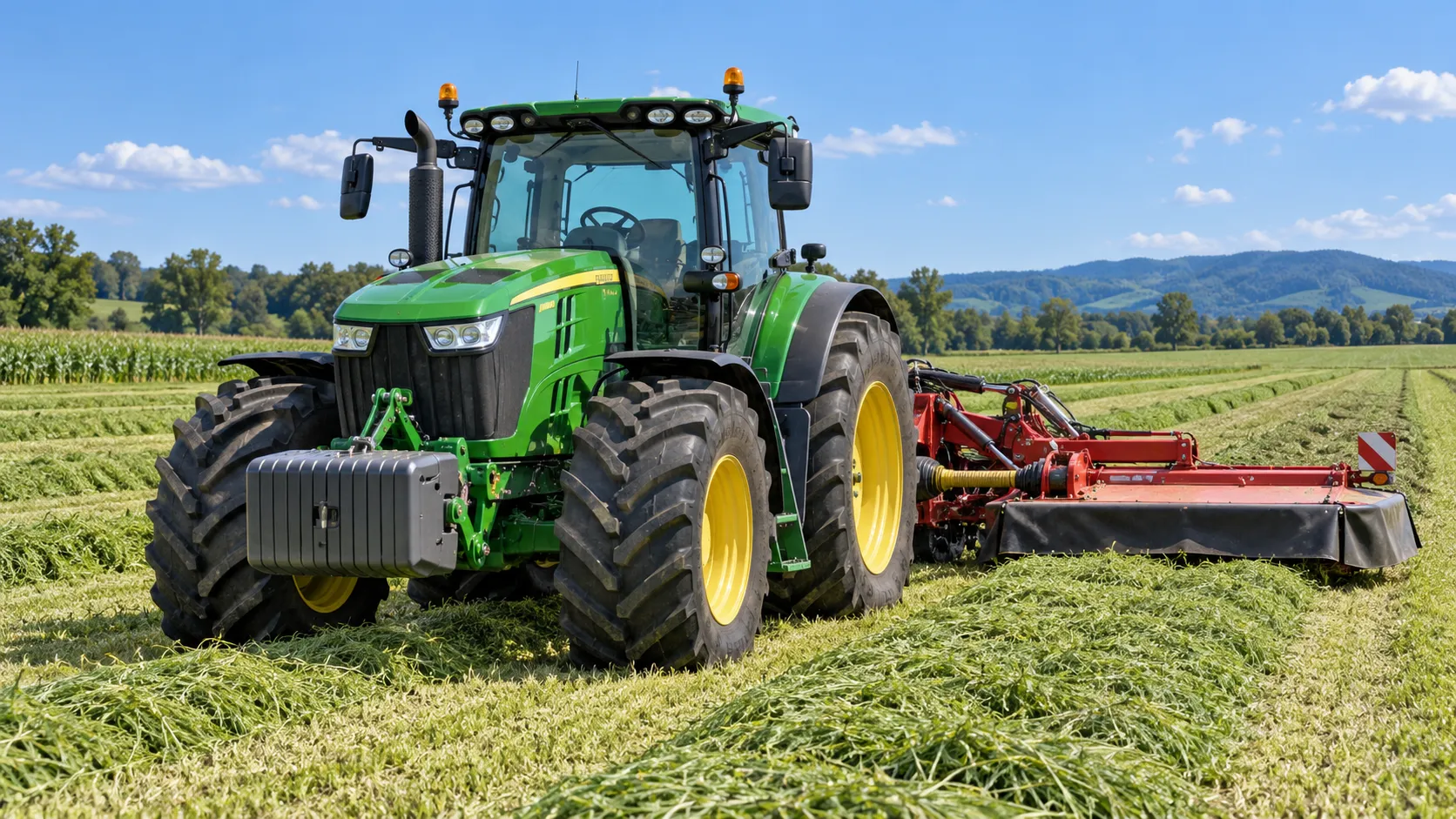
Tractor Specification Sheets: Matching PTO, Hydraulics, and Weight to Farm Tasks
Specification-oriented articles for tractors: match PTO, hydraulics, lift capacity, ballast, and weight to real farm tasks for safer, more efficient equipment choices.
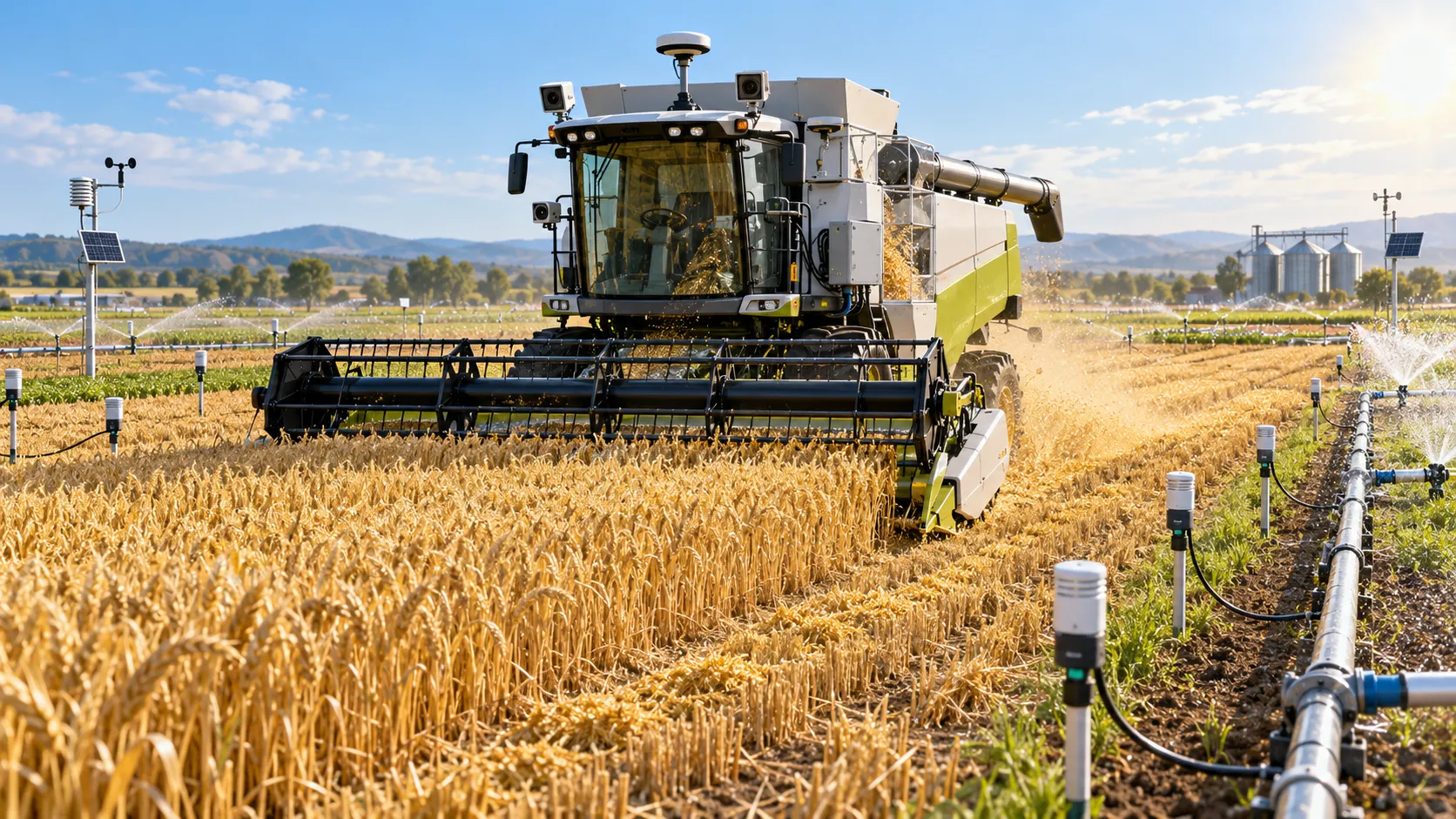
How to Evaluate Dynamic Feedback Algorithm Suppliers for Precision Farming Systems
Dynamic feedback algorithms supplier evaluation guide for precision farming—compare validation, integration, safety, and pilots to choose with confidence.
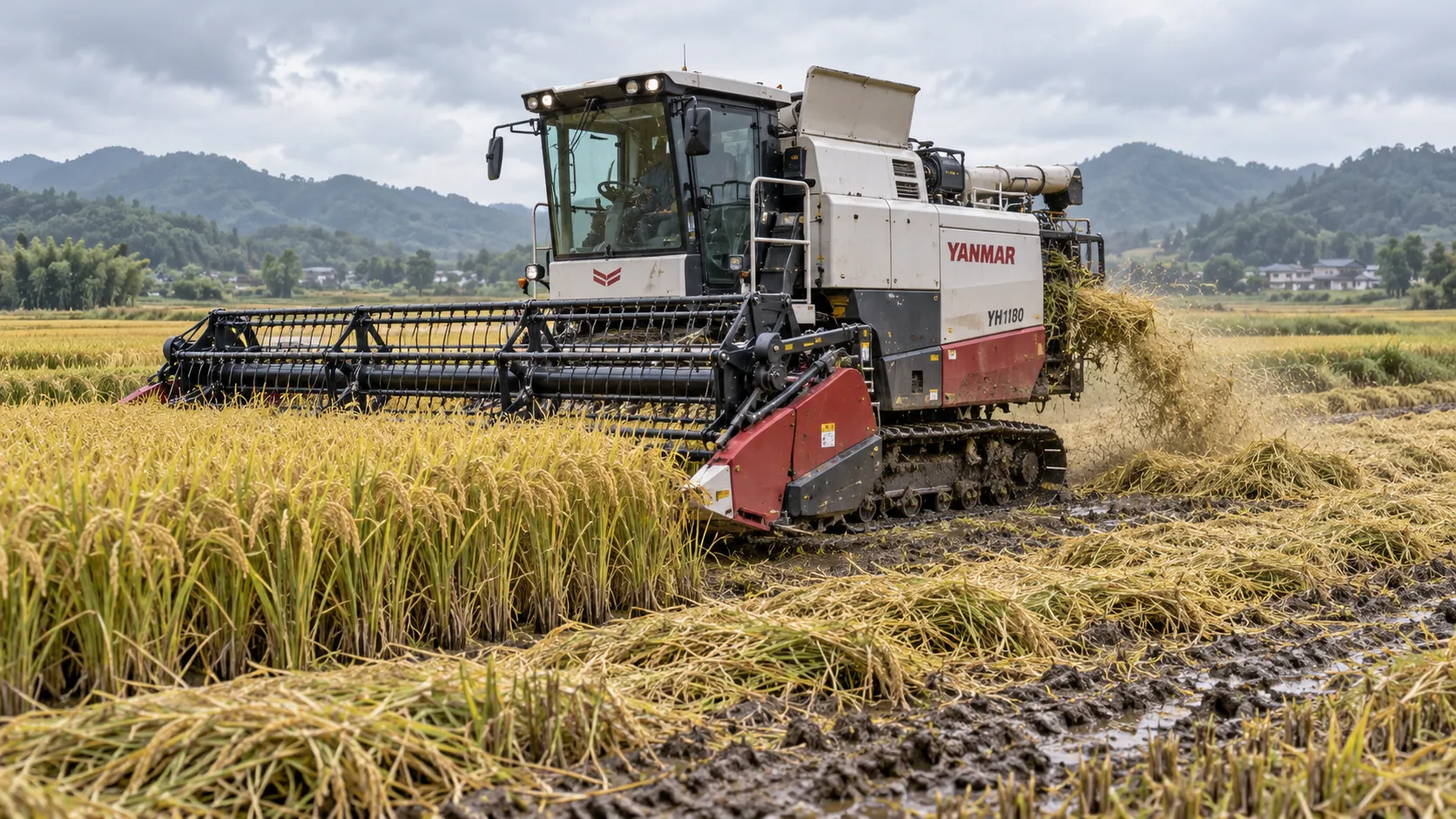
How to Specify Combine Harvester Systems for High-Moisture Grain and Variable Field Conditions
Combine harvester systems for high-moisture grain: learn how to specify threshing, cleaning, headers, traction, and automation for reliable harvests in variable fields.
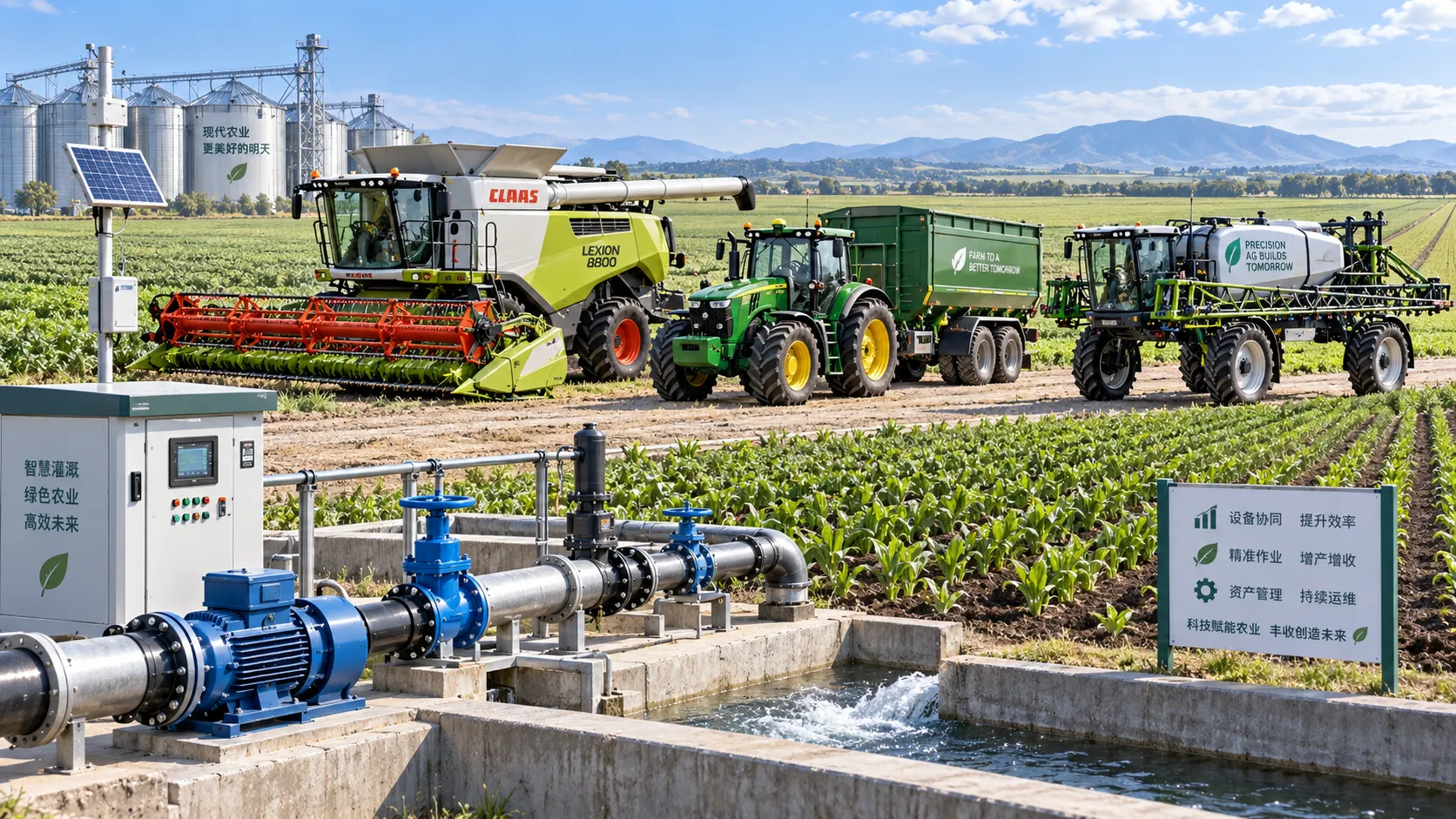
How to Compare Agricultural Equipment Platforms for Fleet Management and ROI
Agricultural equipment platform comparison: evaluate fleet data, maintenance, precision workflows, and ROI to choose a system that delivers measurable results.
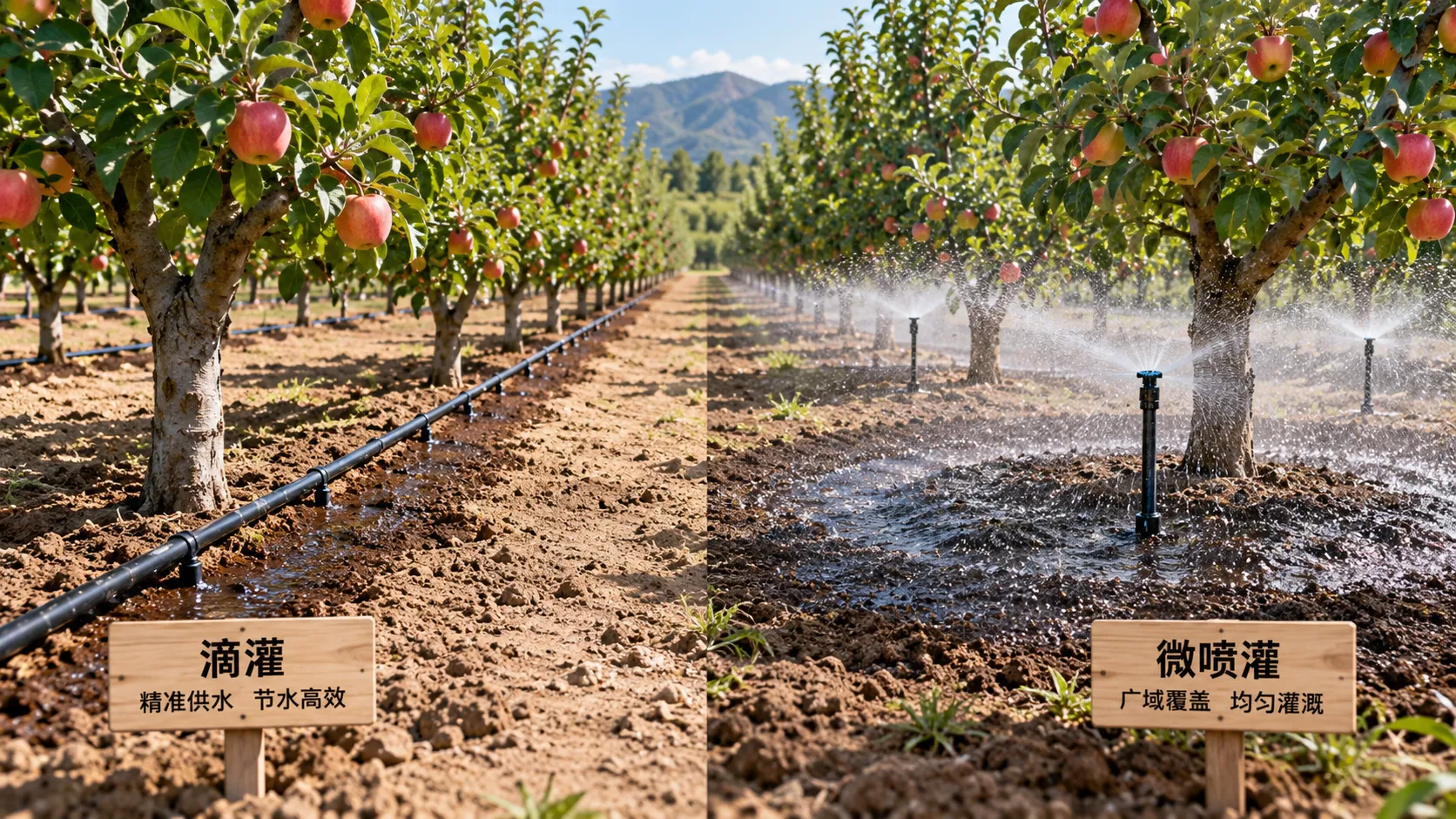
Drip vs. Micro-Sprinkler Irrigation: Which System Fits Your Orchard?
Irrigation solution comparison for orchards: discover whether drip or micro-sprinklers best match your water, soil, roots, fertigation, and frost needs.
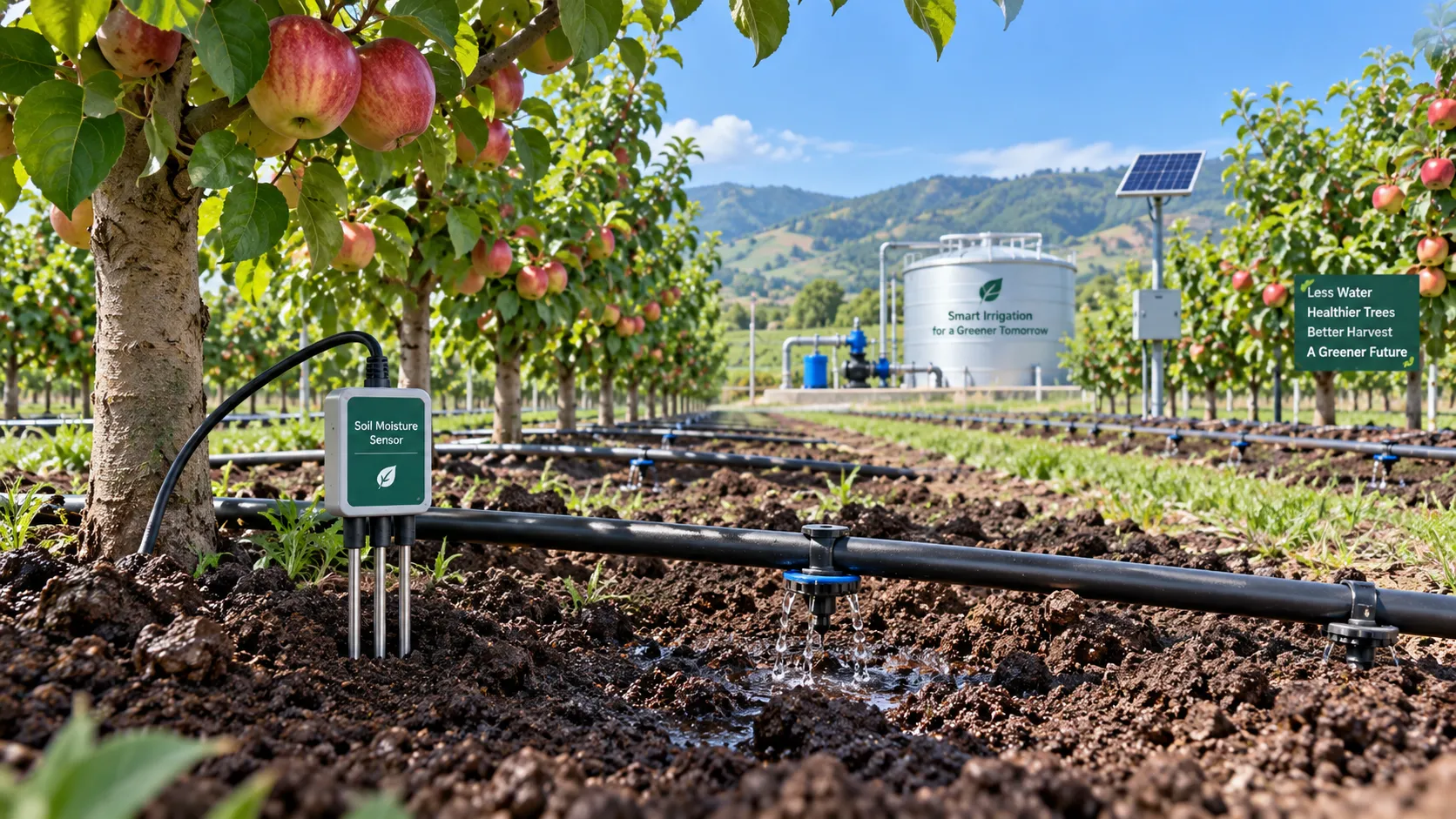
Orchard Water Management: Using Soil Moisture Data to Schedule Irrigation
Agricultural water management for orchards made practical: use soil moisture data to optimize irrigation timing, protect yield, reduce costs, and improve resilience.
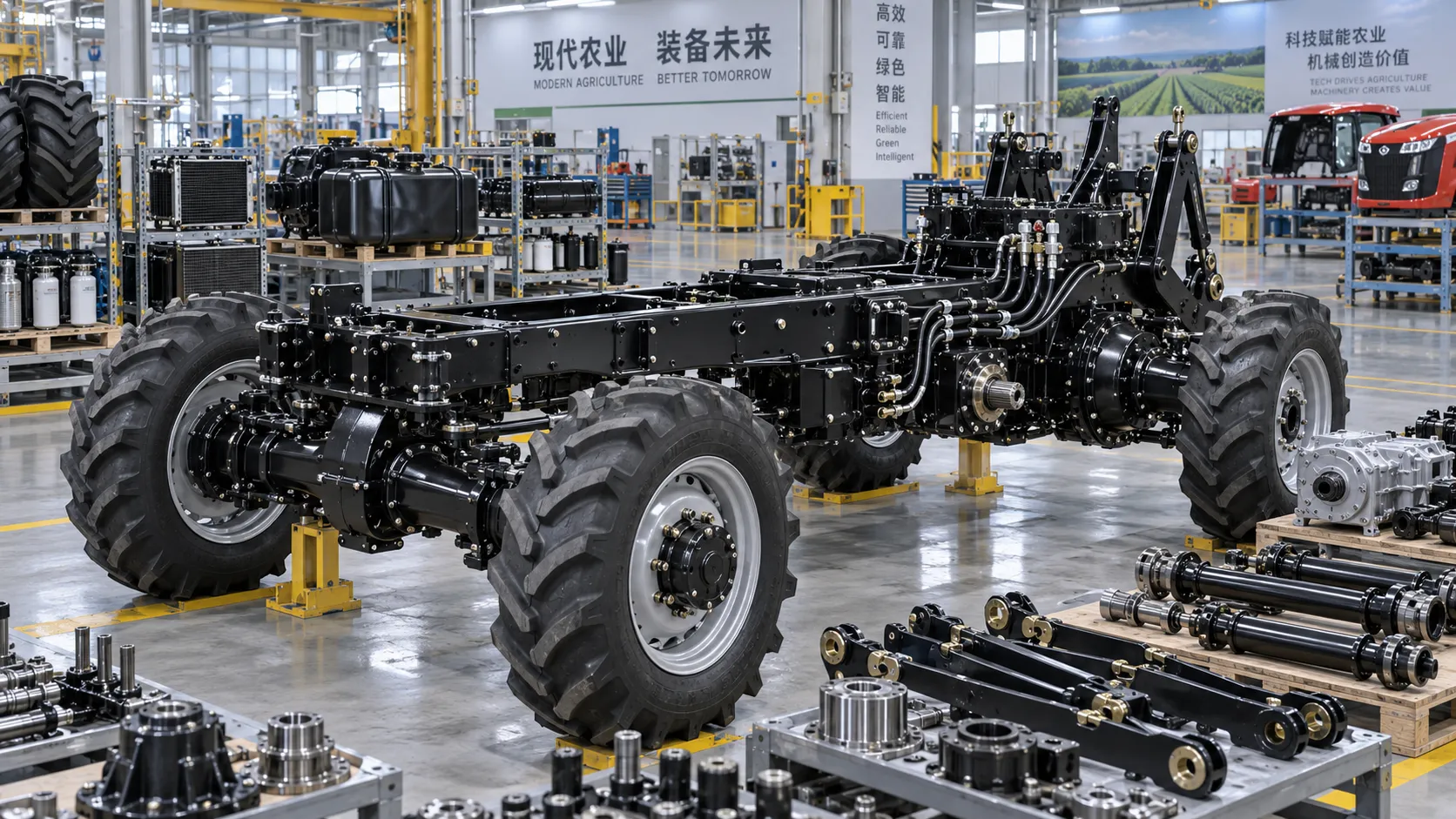
Tractor Chassis Price: What Buyers Should Compare Beyond the Initial Quote
Tractor chassis price is only the start. Compare load capacity, compatibility, durability, and lifecycle costs to choose a reliable, high-value chassis.
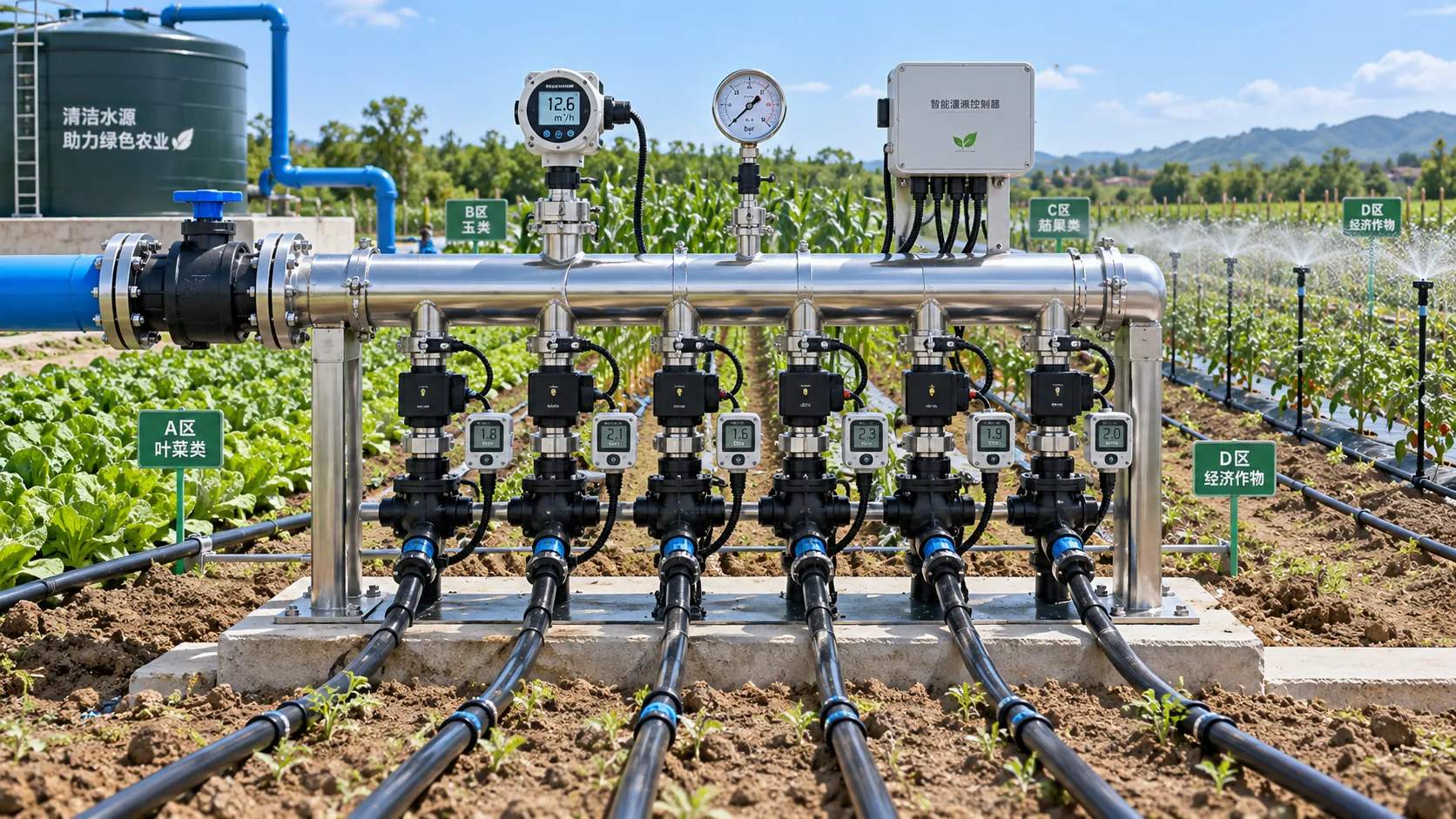
How to Select Smart Irrigation Valves for Multi-Zone Water Management?
Intelligent irrigation systems valves: learn how to match smart valves with multi-zone flow, pressure, control, feedback, and communication needs for reliable water management.
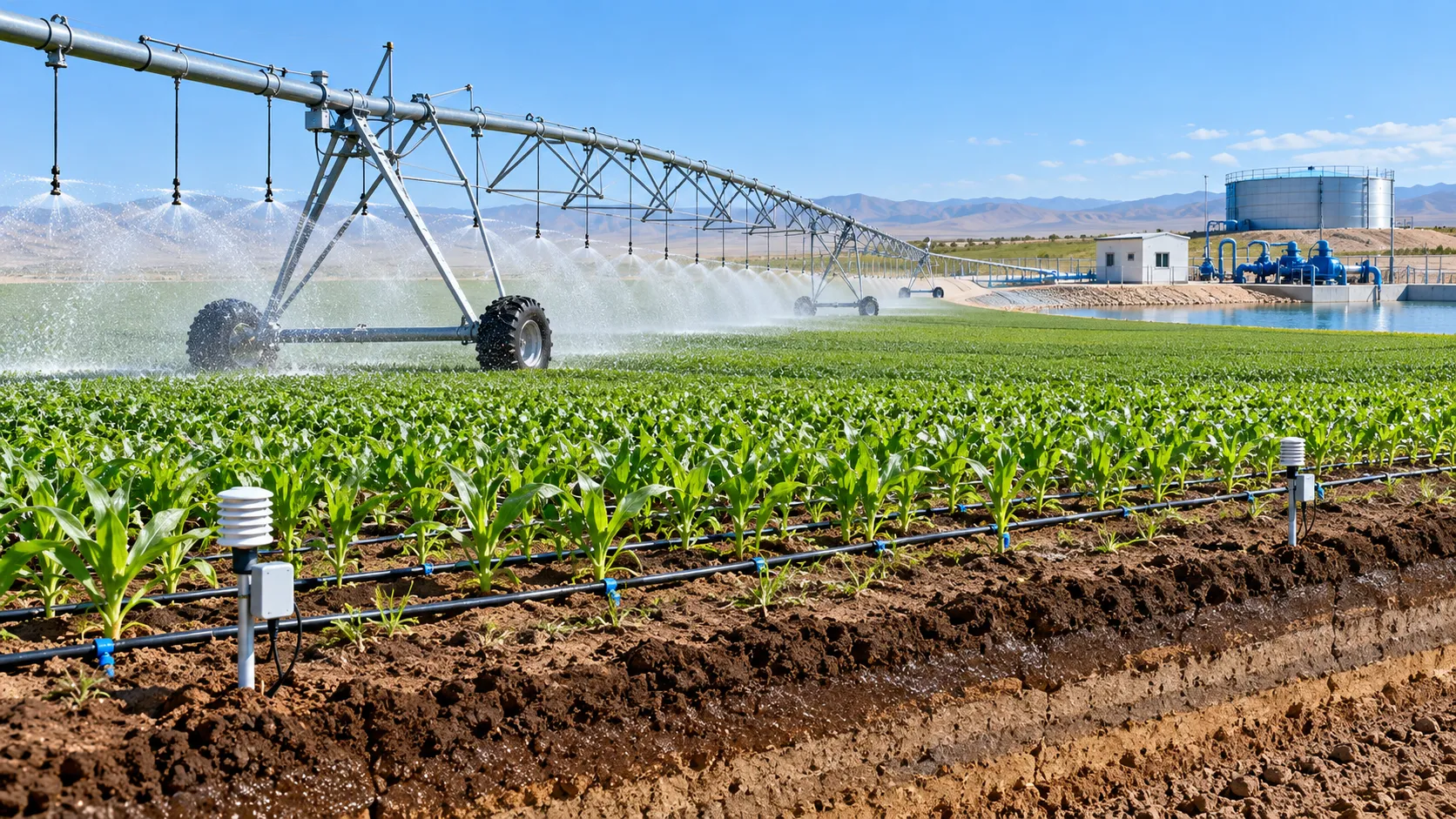
Climate-Smart Farming for Drought: A Practical Plan for Protecting Yields
Climate-smart farming for drought: build smarter water budgets, protect critical crop stages, improve irrigation uniformity, and safeguard yields with practical field-proven strategies.
Related News
- 00
0000-00
How Does Farm Mechanization Affect Food Security in Developing Regions? - 00
0000-00
Agricultural Technology Insights by Region: Where Adoption Is Growing Fastest - 00
0000-00
How Climate-Smart Agriculture Technology Improves Yield, Soil Health, and Risk Resilience - 00
0000-00
Smart Farming Solutions in Latin America: Which Technologies Fit Large Farms Best? - 00
0000-00
Long-Cycle Agri-Trade Price Trends: How to Read Supply, Freight, and Currency Signals
Popular Tags
Prof. Marcus Chen
Weekly Insights
Stay ahead with our curated technology reports delivered every Monday.