
Which climate-resilient practices reduce risk most?
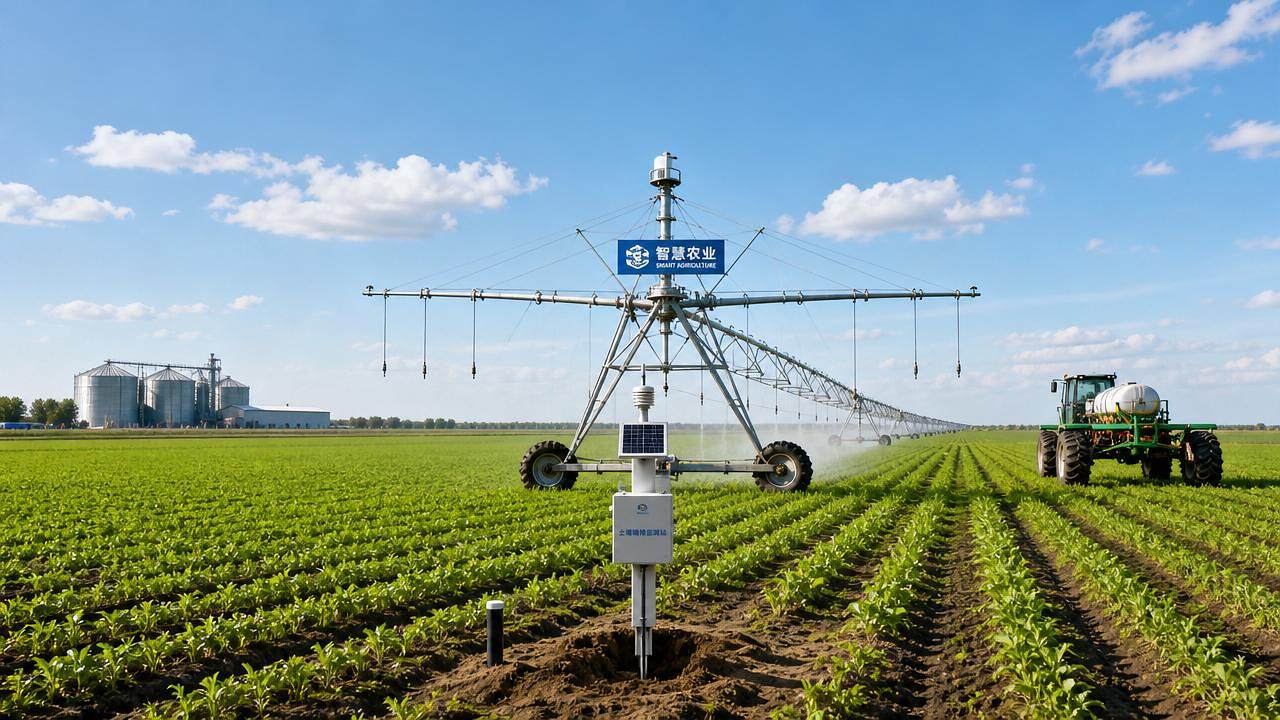




For enterprise decision-makers facing rising weather volatility, identifying which climate-resilient agriculture practices reduce risk most is now a strategic priority. From precision irrigation and soil-moisture monitoring to adaptive mechanization and data-led field management, the right investments can protect yields, stabilize operating costs, and strengthen long-term resilience. This article explores the practices that deliver the highest risk-reduction value across modern agricultural operations.
Why climate risk now demands board-level agricultural decisions
Weather risk is no longer a seasonal nuisance. It directly affects asset utilization, harvest timing, water allocation, financing assumptions, and downstream contract performance. For large farms, distributors, and agri-equipment investors, climate-resilient agriculture practices have become part of capital planning rather than an optional sustainability layer.
The highest-risk operations tend to share the same pressure points: rainfall variability, heat stress, field trafficability, labor constraints during narrow harvest windows, and rising energy costs linked to irrigation and crop drying. In this environment, resilience means reducing exposure to operational disruption while preserving output quality and margin stability.
AP-Strategy tracks these shifts through its Strategic Intelligence Center, where mechanization, precision agriculture, and hydrological analysis are read together. That integrated view matters because the strongest climate-resilient agriculture practices rarely work in isolation. Their value comes from how machinery, data, and water management reinforce one another across the production cycle.
- A drought year exposes weak irrigation scheduling, but it also reveals poor soil structure and inefficient tractor passes.
- An intense rainfall event affects drainage, yet it also tests harvesting flexibility and machine ground-pressure management.
- Heat spikes reduce crop performance, but they also raise the value of sensor-driven interventions and timely field operations.
Which climate-resilient agriculture practices reduce risk most?
Not every resilience investment produces the same risk-reduction effect. For enterprise decision-makers, the most valuable practices are those that lower both probability and severity of loss across multiple climate scenarios. In broad terms, the leading options are precision water management, soil health protection, adaptive mechanization, field-level sensing, and diversified operating plans.
The table below compares major climate-resilient agriculture practices by risk type, implementation complexity, and likely enterprise value. It is designed for decision-makers evaluating where to allocate budget first.
The pattern is clear. Practices tied to water efficiency and decision timing usually deliver the fastest risk reduction. Soil-focused measures create slower but deeper resilience. Mechanization upgrades become especially valuable when harvest losses, labor bottlenecks, or weather-compressed field windows threaten revenue.
A practical ranking for enterprise planning
If the question is where to start, many large operations should prioritize in this order: water control first, field intelligence second, soil resilience third, adaptive machine capability fourth, and crop-system diversification fifth. The exact ranking changes by region, but climate-resilient agriculture practices tied to measurable operational decisions usually outperform purely symbolic programs.
How precision irrigation reduces drought and cost volatility
Among all climate-resilient agriculture practices, precision irrigation often offers the most direct and measurable protection where water is constrained or increasingly erratic. It reduces the twin risk of under-watering during crop-critical stages and over-watering that drives pumping cost, nutrient leaching, and disease pressure.
For decision-makers, the core issue is not only hardware selection. It is whether the irrigation system can convert field data into reliable timing and dosage decisions. That means looking beyond emitters or pivots and assessing sensor quality, scheduling logic, and compatibility with weather-based forecasting tools.
What to evaluate before investing
- Soil variability across blocks, because uniform scheduling often hides uneven stress and wasted water.
- Energy profile of pumping and distribution, since water efficiency and power efficiency are financially linked.
- Integration with moisture probes, weather stations, or evapotranspiration models for repeatable scheduling decisions.
- Maintenance burden and spare-parts accessibility, especially for geographically dispersed operations.
AP-Strategy’s intelligence focus on water-saving irrigation systems is especially relevant here. In volatile climates, the most resilient network is not simply the one that applies water. It is the one that supports prediction, correction, and controlled response under changing field conditions.
Why soil protection and controlled traffic matter more than many buyers expect
Executives often favor visible technology first, but soil function is one of the most underestimated climate-resilient agriculture practices. Better residue cover, reduced disturbance, and lower compaction improve infiltration, moisture retention, root development, and recovery after heavy rainfall or heat stress.
This is where machinery strategy matters. Tractor chassis design, axle load, tire or track configuration, and pass planning can influence compaction risk as much as tillage policy does. In wet seasons, poor traffic management can erase the benefits of otherwise sound agronomic planning.
Key signs that soil-related risk is already costing the business
- Fields show uneven crop development after rainfall events despite similar input rates.
- Equipment enters late because surfaces remain saturated longer than expected.
- Fuel use rises due to difficult traction and repeated corrective passes.
- Yield maps repeatedly expose low-performing traffic lanes or compacted zones.
For large-scale farming systems, soil resilience should be treated as an asset-protection issue. It influences machine efficiency, water productivity, and crop reliability across several years, making it a foundational layer beneath other climate-resilient agriculture practices.
Which mechanization upgrades reduce weather-driven losses fastest?
Climate resilience is not only about agronomy. It is also about whether machines can perform under compressed, uncertain, and highly variable operating windows. Adaptive mechanization reduces risk by preserving timeliness, minimizing field losses, and improving operational continuity when weather narrows the margin for error.
For grain systems, combine performance is especially decisive. Cleaning efficiency, loss control, header adaptability, and operator support functions matter more when crop moisture, lodging, and field surface conditions change quickly. A machine that performs well only in ideal conditions is not a resilience asset.
The comparison below helps enterprises judge which mechanization capabilities contribute most to climate-resilient agriculture practices under different risk patterns.
The strongest message for procurement teams is this: climate-resilient agriculture practices should influence equipment specifications. Machine selection based only on nominal horsepower, tank size, or hourly output can miss the real business question, which is how the fleet performs in unstable and imperfect conditions.
How to prioritize investments when budgets are limited
Most enterprises cannot fund every resilience project at once. The decision framework should therefore focus on risk concentration, speed of operational payback, and fit with the current production model. Climate-resilient agriculture practices should be ranked by the value of avoided loss, not by trend appeal.
A practical procurement sequence
- Start with the most expensive recurring vulnerability, such as water shortages, harvest loss, or repeated compaction damage.
- Choose solutions that generate both resilience and measurable management data.
- Prefer interoperable systems over isolated devices to avoid stranded digital investments.
- Test implementation requirements, including operator training, maintenance support, and local service response.
Where budgets are tight, many businesses gain more by upgrading decision quality than by buying the most advanced standalone machine. A well-integrated irrigation and sensing layer, for example, may reduce risk faster than adding capacity that still operates with weak timing data.
What standards, compliance, and data questions should buyers ask?
Climate adaptation investments increasingly intersect with reporting obligations, water governance, safety expectations, and digital system compatibility. While exact rules vary by market, enterprise buyers should assess resilience projects not only for field performance but also for compliance readiness.
Key due diligence points
- Whether irrigation equipment and controls align with local water-use regulation and metering expectations.
- Whether machine electronics and digital tools support standard data export or integration pathways.
- Whether safety, operator training, and maintenance procedures are documented for high-duty field conditions.
- Whether procurement assumptions consider service lead times, spare parts, and seasonal downtime risk.
This is another area where AP-Strategy adds value. Enterprise resilience planning is stronger when global policy signals, mechanization trends, and commercial demand patterns are interpreted together instead of in separate reports.
Common mistakes when adopting climate-resilient agriculture practices
Many resilience programs disappoint because they focus on tools before systems. Climate-resilient agriculture practices work best when they are tied to clear operating protocols, responsibility ownership, and measurable field outcomes.
Mistakes to avoid
- Buying sensors without a scheduling process that turns data into irrigation or field-action decisions.
- Assuming bigger equipment automatically improves resilience even if soil load, field access, or operator complexity worsens.
- Treating soil management as a separate agronomy issue instead of linking it to fleet design and traffic patterns.
- Ignoring service support and parts logistics when selecting advanced digital or hydraulic systems.
In short, resilience should be purchased as an operating capability, not as a checklist item. That distinction often separates high-performing enterprises from those that accumulate disconnected technologies.
FAQ: what enterprise buyers ask most often
Which climate-resilient agriculture practices usually pay back first?
In many commercial systems, precision irrigation, field monitoring, and loss-reducing harvest adjustments provide the fastest operational payback because they reduce immediate waste and protect revenue in the current season. Soil-structure improvements often pay back over a longer horizon but support deeper resilience.
Are climate-resilient agriculture practices only relevant for drought-prone regions?
No. These practices are equally relevant in regions facing heavy rainfall, delayed planting, unstable harvest conditions, or heat spikes. The priority set changes, but the goal remains the same: reduce exposure to weather-driven operational loss.
What should procurement teams ask equipment suppliers?
Ask how the system performs under variable moisture, uneven fields, compressed time windows, and high-duty seasonal loads. Also ask about sensor integration, service network responsiveness, maintenance intervals, and compatibility with existing digital workflows.
How can enterprises avoid fragmented resilience spending?
Build a roadmap around major risk clusters: water, soil, timing, and machine adaptability. Then phase investments so each new tool improves the value of the previous one. This systems approach is central to effective climate-resilient agriculture practices.
Why decision-makers work with AP-Strategy
AP-Strategy is positioned for enterprises that need more than generic market commentary. Its coverage links large-scale agri-machinery, combine harvesting technology, intelligent farm tools, tractor chassis evolution, and water-saving irrigation systems into one decision framework shaped by Agriculture 4.0 realities.
That matters when climate-resilient agriculture practices must be evaluated across machinery performance, precision algorithms, and sustainability pressure at the same time. A water decision affects machinery planning. A chassis decision affects soil resilience. A harvester decision affects risk during compressed weather windows. AP-Strategy helps decision-makers see those connections earlier.
Contact us for decision support that is specific and usable
If your team is reviewing climate-resilient agriculture practices, AP-Strategy can support practical discussions around parameter confirmation, product and system selection, delivery-cycle expectations, customized solution pathways, irrigation and mechanization integration, and commercial intelligence for long-cycle agri-equipment planning.
You can also consult on sourcing priorities for combine harvesting technology, tractor chassis configurations, intelligent farm tools, water-saving irrigation systems, and the trade-offs between short-term budget control and long-term field resilience. For enterprises navigating volatile conditions, better intelligence is often the first risk-reduction investment that pays for itself.
Related News
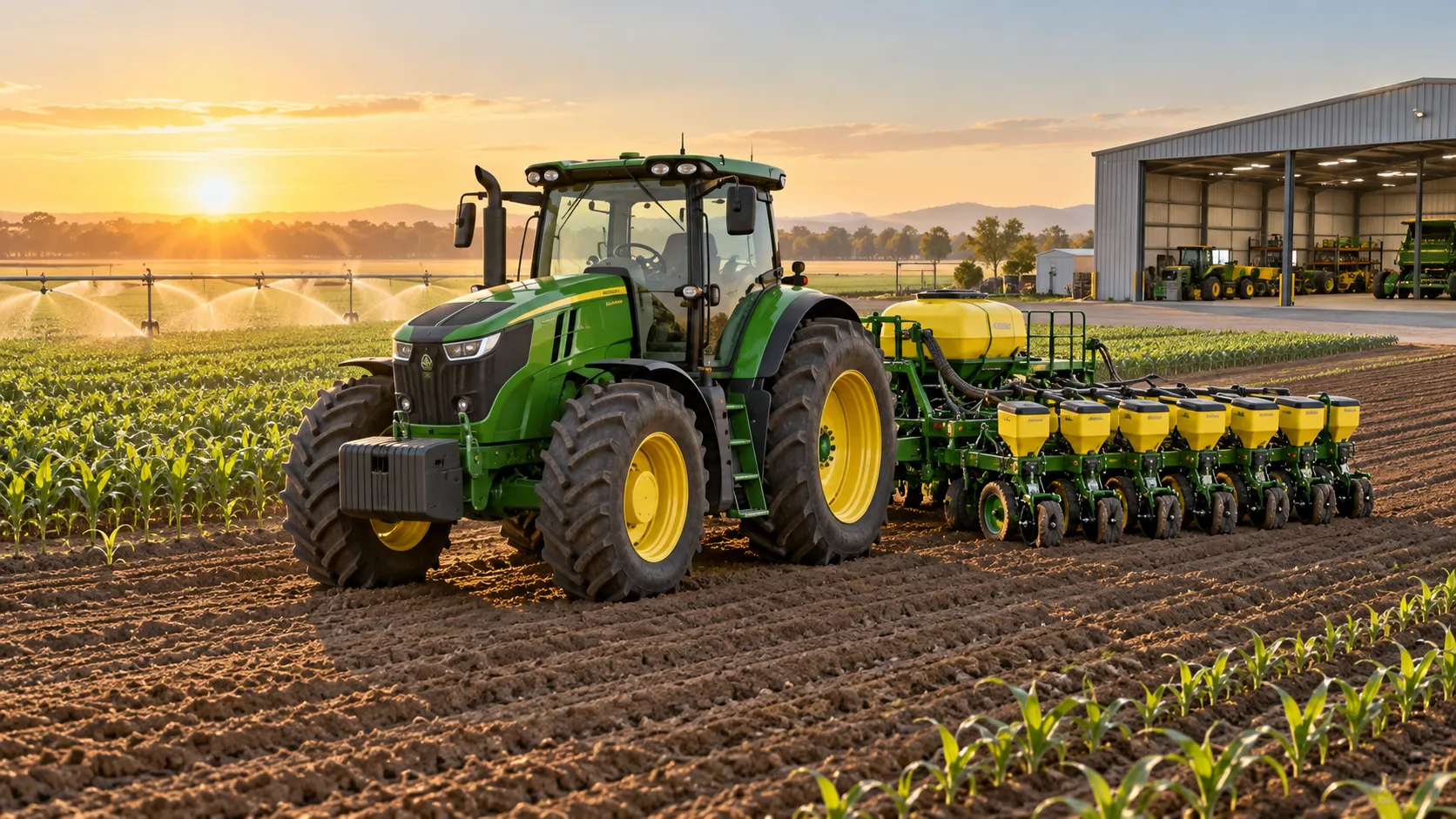
Farm Machinery Sourcing: How to Vet Suppliers, Specs, and Lifecycle Costs
Farm machinery information for sourcing: learn to vet suppliers, compare specifications, control lifecycle costs, and secure reliable uptime for smarter equipment purchases.
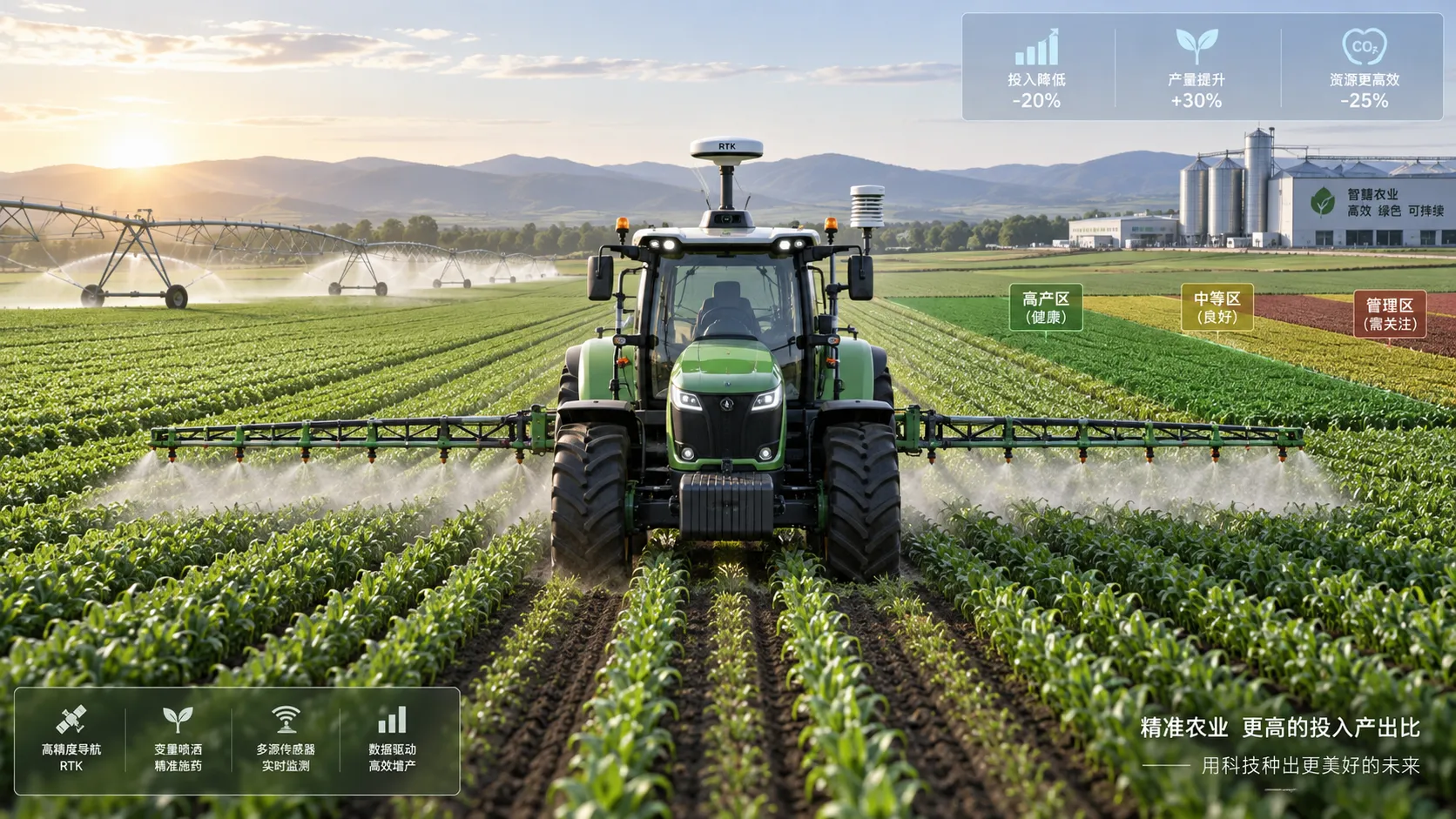
How to calculate ROI on precision agriculture equipment before buying
Calculating ROI on precision agriculture equipment: learn to assess total ownership costs, savings, payback, NPV, risks, and farm-scale value before you buy.
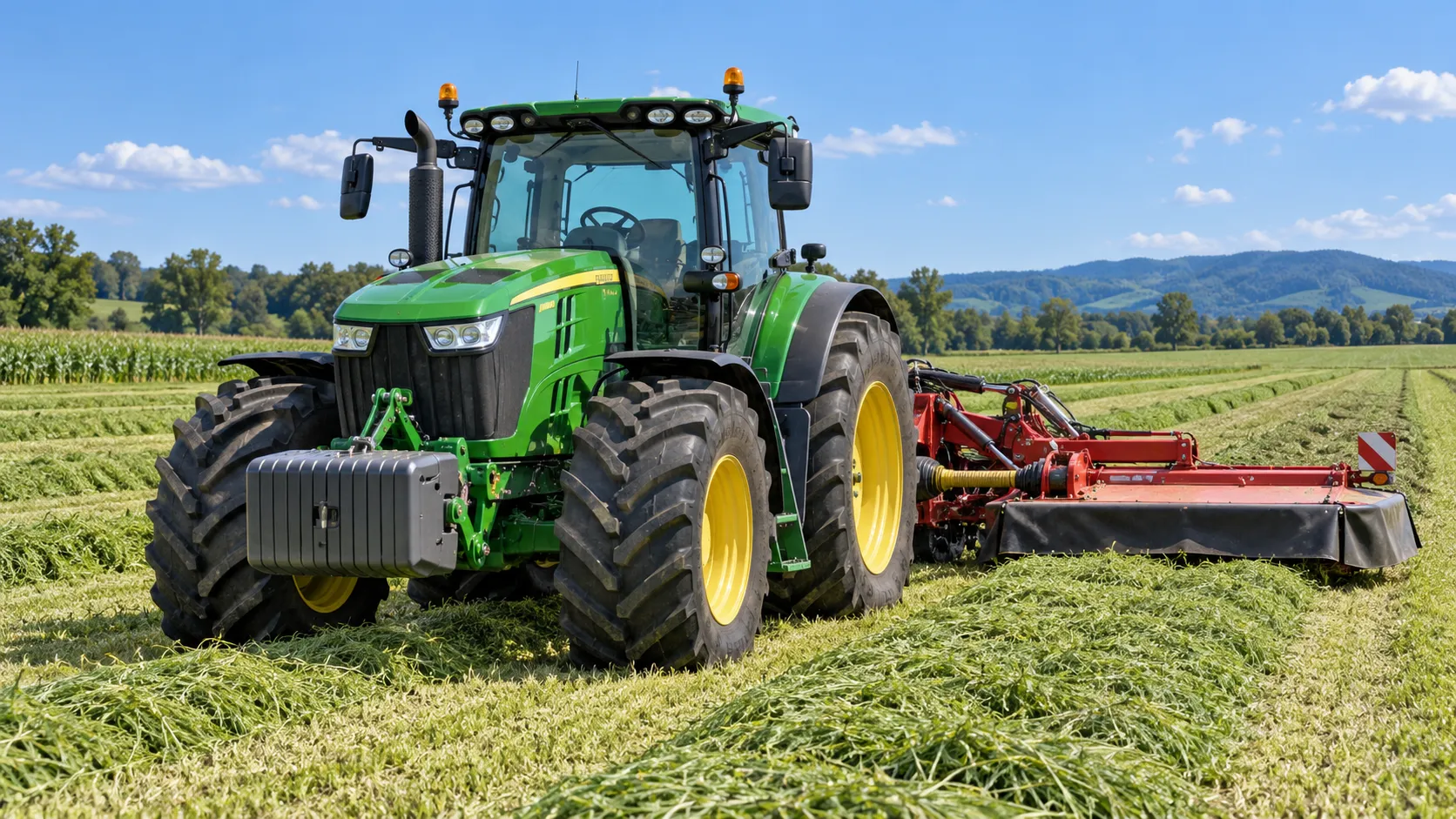
Tractor Specification Sheets: Matching PTO, Hydraulics, and Weight to Farm Tasks
Specification-oriented articles for tractors: match PTO, hydraulics, lift capacity, ballast, and weight to real farm tasks for safer, more efficient equipment choices.
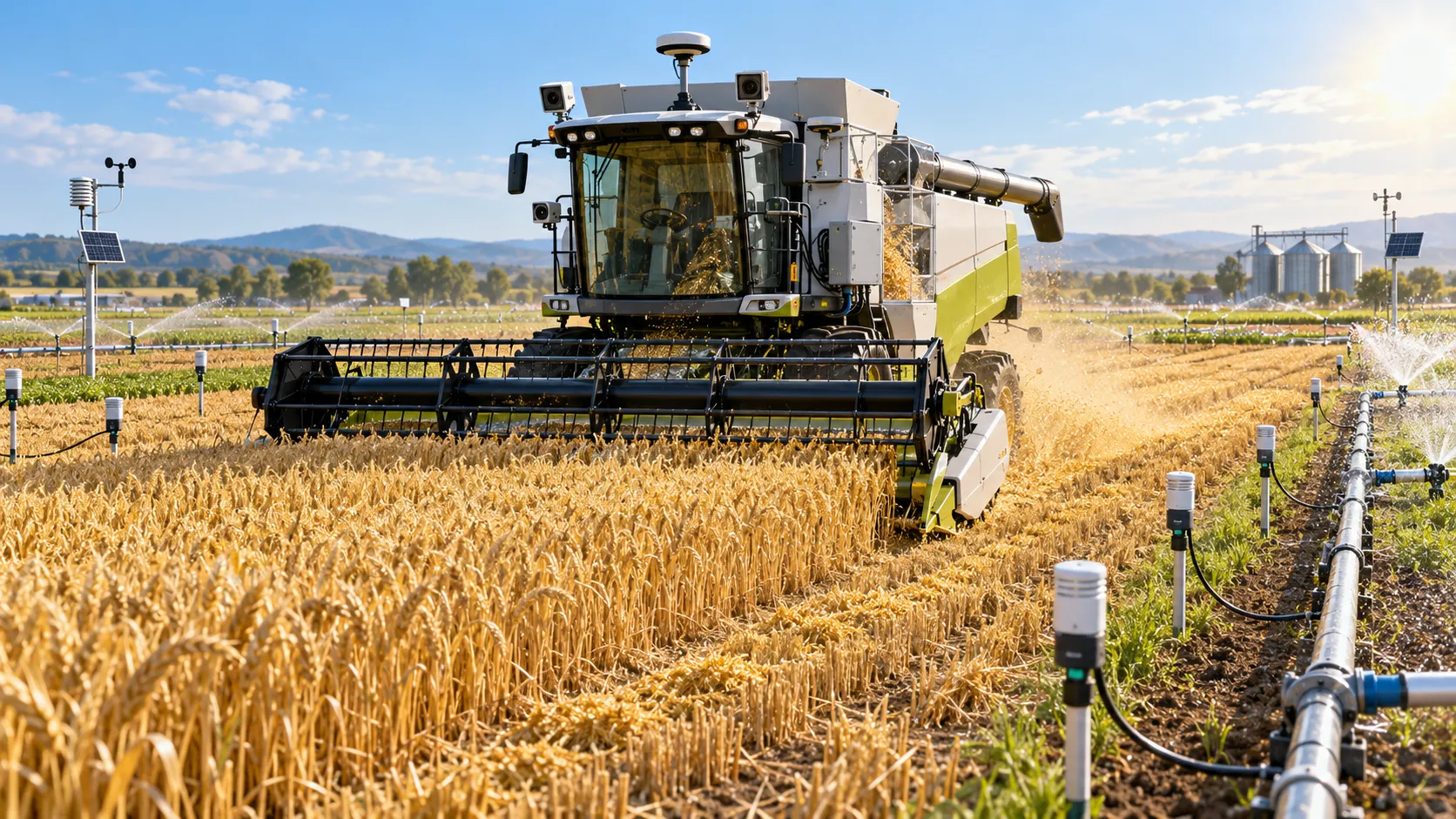
How to Evaluate Dynamic Feedback Algorithm Suppliers for Precision Farming Systems
Dynamic feedback algorithms supplier evaluation guide for precision farming—compare validation, integration, safety, and pilots to choose with confidence.
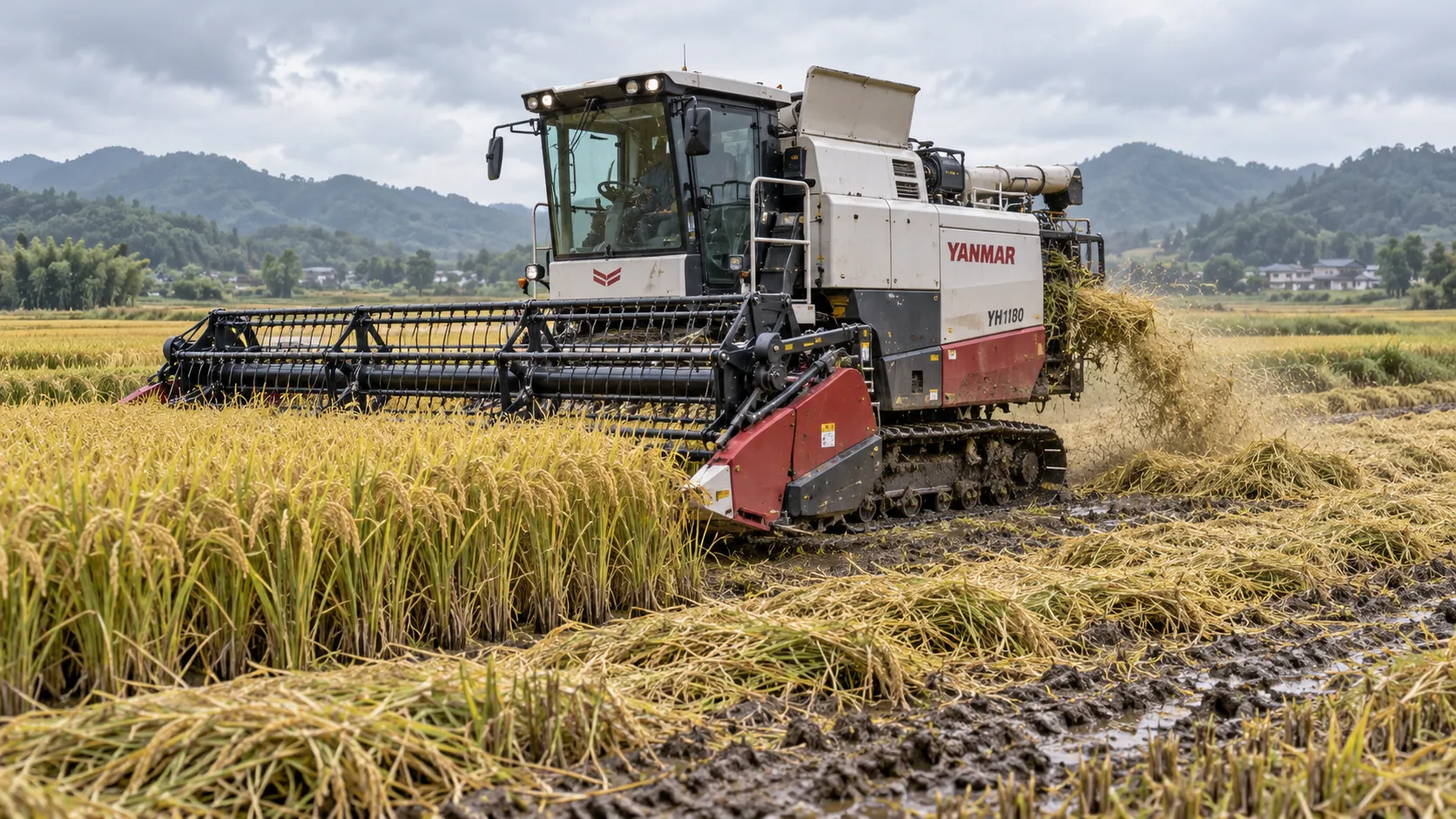
How to Specify Combine Harvester Systems for High-Moisture Grain and Variable Field Conditions
Combine harvester systems for high-moisture grain: learn how to specify threshing, cleaning, headers, traction, and automation for reliable harvests in variable fields.
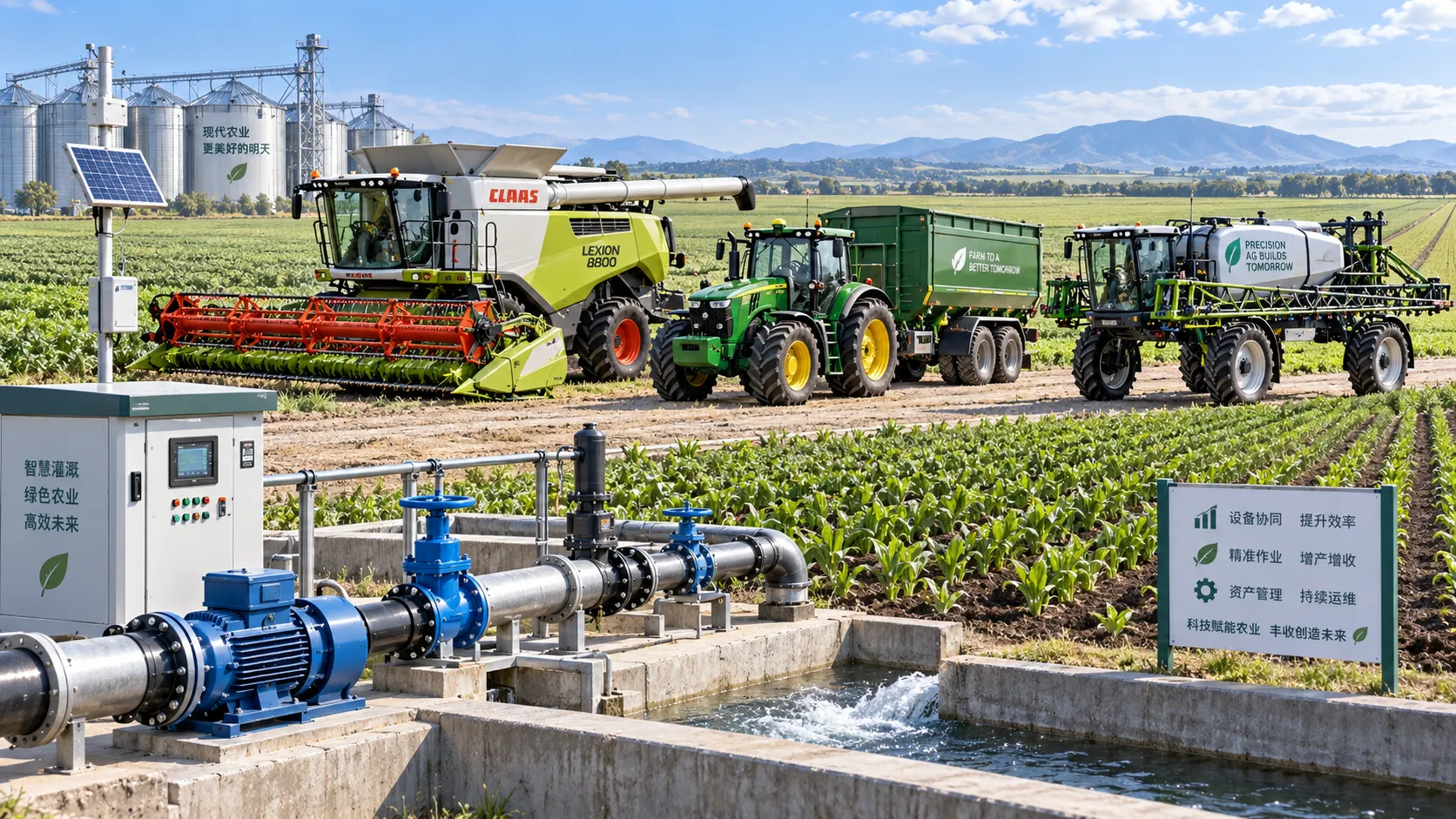
How to Compare Agricultural Equipment Platforms for Fleet Management and ROI
Agricultural equipment platform comparison: evaluate fleet data, maintenance, precision workflows, and ROI to choose a system that delivers measurable results.
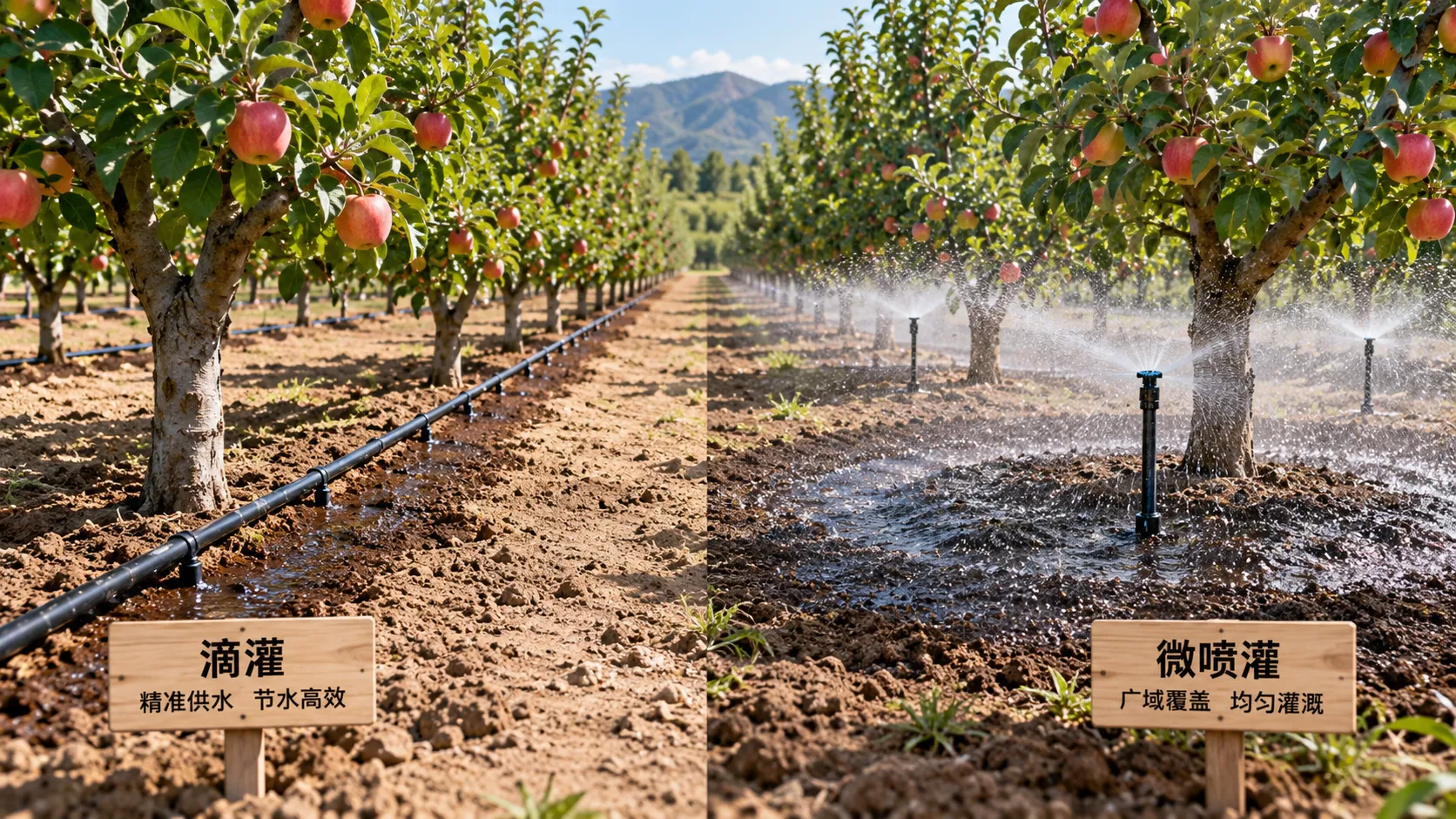
Drip vs. Micro-Sprinkler Irrigation: Which System Fits Your Orchard?
Irrigation solution comparison for orchards: discover whether drip or micro-sprinklers best match your water, soil, roots, fertigation, and frost needs.
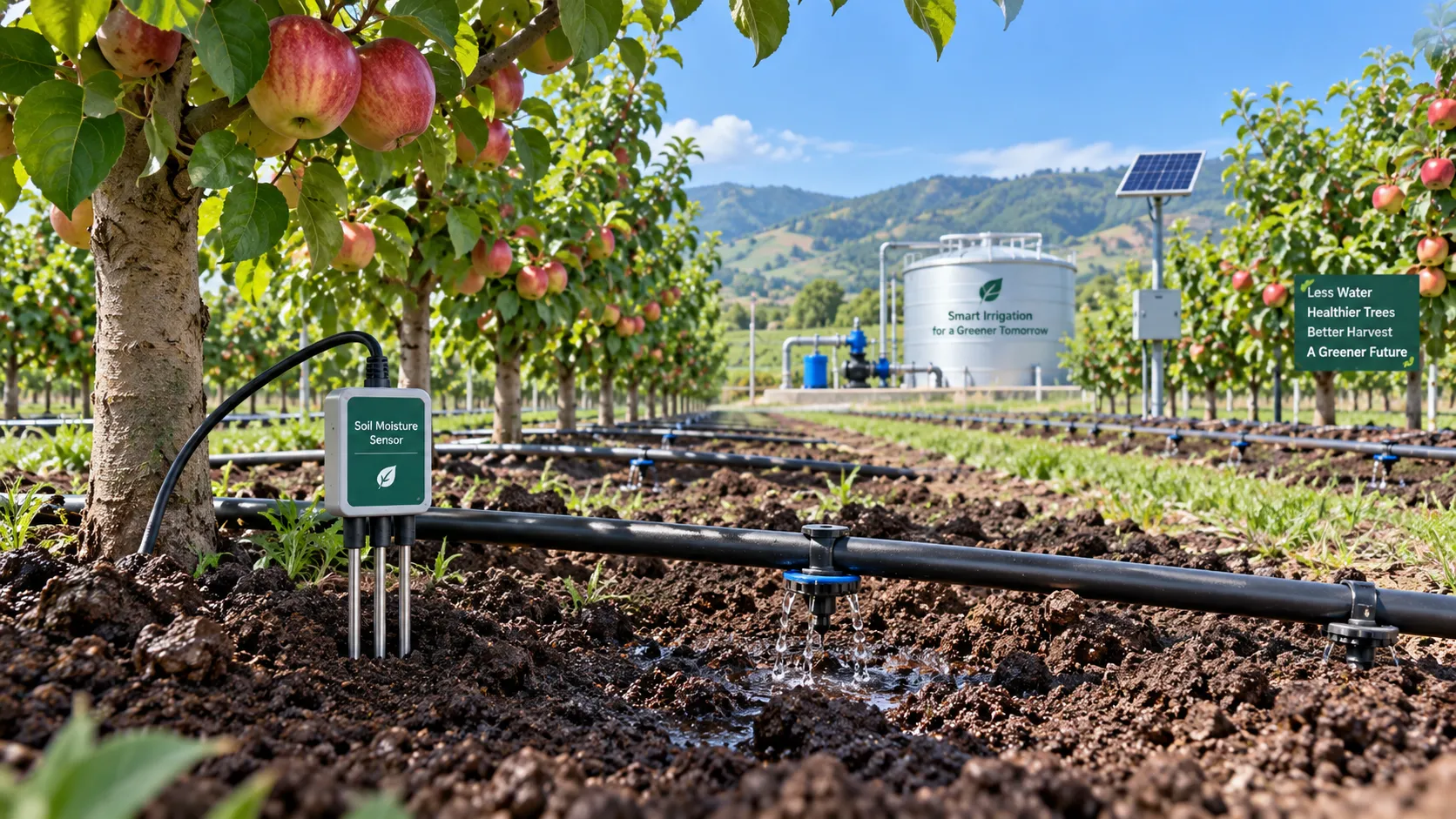
Orchard Water Management: Using Soil Moisture Data to Schedule Irrigation
Agricultural water management for orchards made practical: use soil moisture data to optimize irrigation timing, protect yield, reduce costs, and improve resilience.
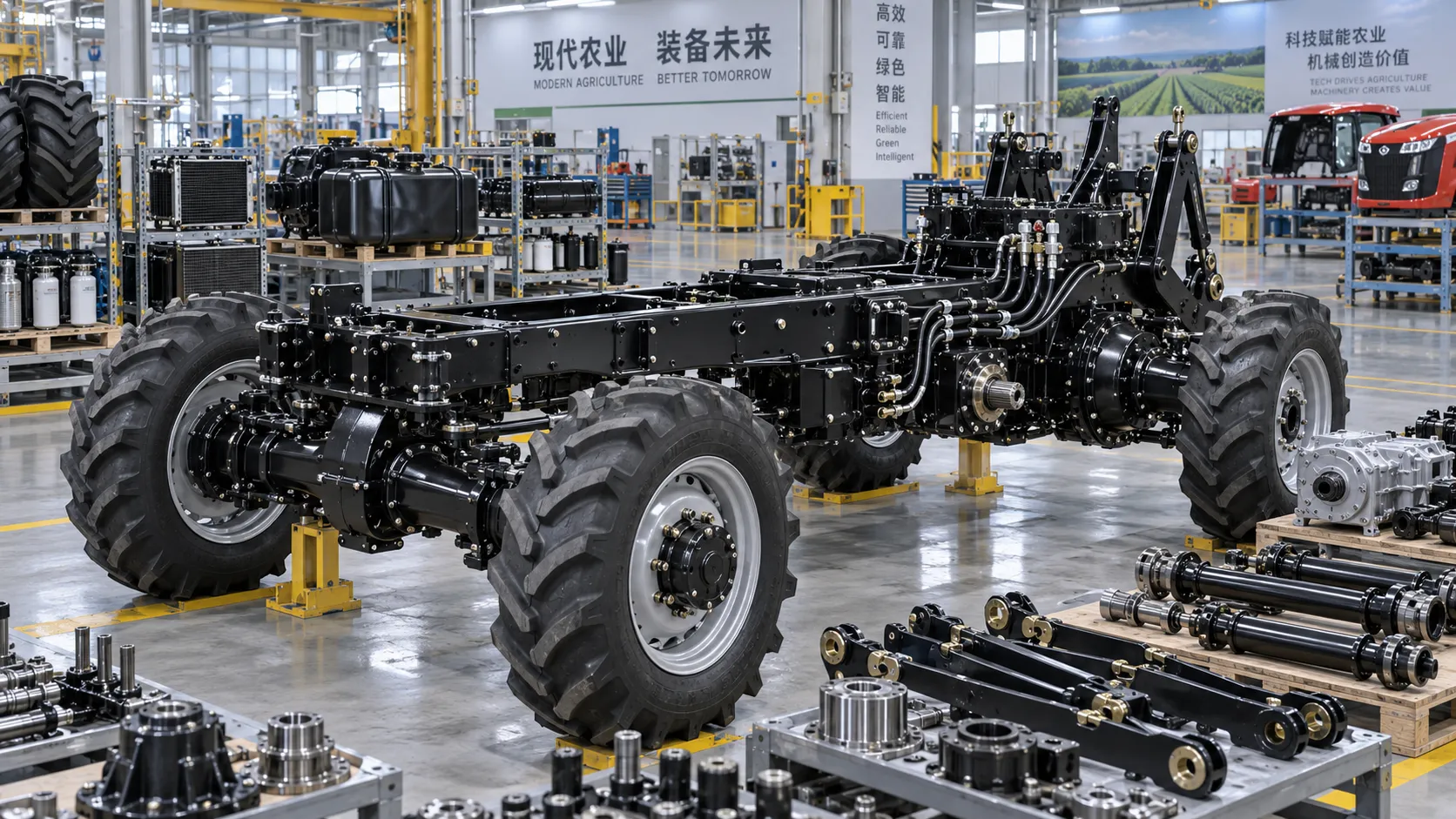
Tractor Chassis Price: What Buyers Should Compare Beyond the Initial Quote
Tractor chassis price is only the start. Compare load capacity, compatibility, durability, and lifecycle costs to choose a reliable, high-value chassis.
Related News
- 00
0000-00
How Does Farm Mechanization Affect Food Security in Developing Regions? - 00
0000-00
Agricultural Technology Insights by Region: Where Adoption Is Growing Fastest - 00
0000-00
How Climate-Smart Agriculture Technology Improves Yield, Soil Health, and Risk Resilience - 00
0000-00
Smart Farming Solutions in Latin America: Which Technologies Fit Large Farms Best? - 00
0000-00
Long-Cycle Agri-Trade Price Trends: How to Read Supply, Freight, and Currency Signals
Popular Tags
Prof. Marcus Chen
Weekly Insights
Stay ahead with our curated technology reports delivered every Monday.