
Can climate-smart agriculture improve food security fast?
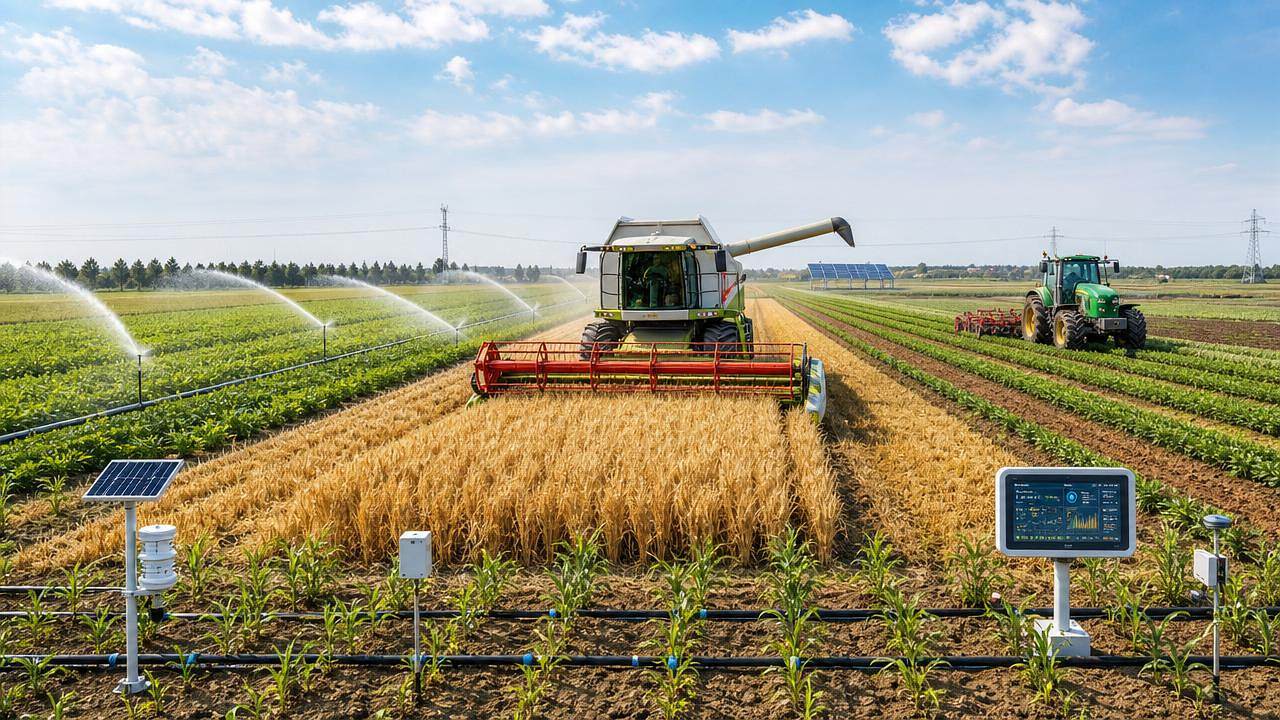




As climate volatility intensifies and supply chains remain fragile, business leaders are under pressure to find scalable answers to rising food risks. Climate-smart agriculture solutions for food security are emerging as a practical pathway, combining precision machinery, intelligent irrigation, and data-driven field management to improve resilience and productivity faster. For decision-makers, the real question is not whether these systems matter, but how quickly they can deliver measurable results across modern agricultural operations.
Why are climate-smart agriculture solutions for food security gaining urgency now?
Food security risk is no longer driven by yield alone. It now reflects weather volatility, water stress, labor shortages, energy costs, logistics disruption, and policy pressure around emissions and resource efficiency. For enterprise leaders, this creates a planning problem that cannot be solved with a single machine or a seasonal input adjustment.
Climate-smart agriculture solutions for food security matter because they connect operational resilience with measurable field performance. Instead of treating irrigation, harvesting, soil preparation, and crop monitoring as isolated functions, they create a coordinated production system with faster response to stress events and tighter control over losses.
- Extreme rainfall can delay field entry and compress harvest windows, increasing grain loss and machinery scheduling pressure.
- Drought and heat stress raise the economic value of precision irrigation and evapotranspiration-based water planning.
- Input inflation makes over-application of water, fertilizer, and fuel more expensive than ever.
- Traceability and sustainability expectations are changing procurement criteria across food, feed, and export chains.
This is where AP-Strategy brings value. Its focus on large-scale agri-machinery, combine harvesting technology, tractor chassis performance, intelligent farm tools, and water-saving irrigation systems helps decision-makers evaluate not just products, but full-system readiness under Agriculture 4.0 conditions.
What makes a solution climate-smart in practical terms?
In practice, a climate-smart system improves productivity, strengthens adaptation, and uses resources more precisely. It does not need to be fully autonomous from day one. It must, however, produce better decisions through field data, equipment coordination, and operational timing.
- Precision application tools reduce avoidable waste and improve consistency across variable field zones.
- Smart irrigation networks improve water allocation based on crop need rather than fixed schedules.
- Combine harvesting optimization cuts field losses during narrow and unpredictable harvest windows.
- Robust tractor chassis and hydraulic control increase working reliability in heavy-duty and time-sensitive operations.
Which technologies deliver faster operational impact?
Not every investment delivers at the same speed. Some technologies create visible gains within a single season, while others build medium-term resilience. For business leaders comparing capex priorities, the key is to separate rapid operational wins from foundational infrastructure upgrades.
The table below compares common climate-smart agriculture solutions for food security by business objective, implementation complexity, and likely time-to-impact.
A clear pattern emerges: the fastest gains often come from precision execution and water management, while machinery platform upgrades support larger resilience gains over a longer horizon. AP-Strategy’s intelligence approach helps enterprises avoid mis-sequencing these investments.
Fast results often depend on the baseline
A highly mechanized farm with weak irrigation control may gain fastest from smart water systems. A business facing high harvest loss may see quicker returns from combine tuning, cleaning-loss analysis, and crop-specific harvesting settings. Speed depends on the largest current source of avoidable loss.
Where can enterprises apply these solutions first?
Executives usually ask where to begin, not whether to modernize. The answer lies in selecting field scenarios where climate-smart agriculture solutions for food security solve a measurable bottleneck with limited operational disruption.
The following scenario table is useful for prioritization across diversified operations, distributor planning, or cross-regional investment reviews.
These scenarios show why broad discussion about sustainability is not enough. Enterprise adoption should start with the most expensive operational constraint: water, harvest loss, input inconsistency, or machine reliability under pressure.
A practical rollout sequence
- Map the top three sources of avoidable loss across water, fuel, grain, labor, and machine downtime.
- Identify which losses can be improved by data, which by hardware, and which by process redesign.
- Prioritize one quick-impact upgrade and one structural upgrade rather than trying to modernize every subsystem at once.
- Set operational KPIs before procurement, such as water per hectare, harvesting loss percentage, field efficiency, or hours of unscheduled downtime.
How should decision-makers evaluate procurement and system fit?
Procurement mistakes usually happen when enterprises buy for advertised capability rather than field compatibility. Climate-smart agriculture solutions for food security only perform when machinery, agronomy, water systems, and data workflows can operate together without creating a training or maintenance burden that the organization cannot absorb.
Before approving investment, leaders should compare solutions against a structured evaluation model.
A strong procurement process does not ask only whether the technology is advanced. It asks whether the organization can convert that capability into improved crop output, resource efficiency, and lower risk inside the next planning cycle.
Common procurement errors to avoid
- Buying irrigation hardware without a field water-balance strategy or sensor plan.
- Upgrading combine capacity without reviewing grain handling, storage, and transport bottlenecks.
- Selecting intelligent implements that do not integrate smoothly with existing positioning or control systems.
- Ignoring operator training and seasonal calibration requirements in total project budgeting.
What role do standards, compliance, and reporting play?
For many enterprises, food security is tied to market access, investor scrutiny, and procurement compliance. Climate-smart agriculture solutions for food security should therefore be assessed not only for agronomic value, but also for traceability, environmental reporting support, and operational documentation.
While exact requirements vary by market, decision-makers should review whether a proposed solution supports widely recognized management practices and documented performance indicators.
- Water-use monitoring is increasingly important where extraction limits, basin stress, or sustainability disclosure requirements apply.
- Machinery and control systems should support safe operation, service traceability, and consistent maintenance records.
- Data-driven task records can support internal audits, contract farming oversight, and downstream buyer confidence.
AP-Strategy’s intelligence model is especially relevant here because it connects market fluctuations, environmental policy signals, and equipment evolution trends. That helps businesses prepare for regulatory change before it disrupts sourcing or expansion plans.
Can these systems improve food security fast, or only over time?
The honest answer is both. Some effects are immediate, especially when a business targets the biggest source of current loss. Others require coordinated changes in machinery, operating routines, and agronomic management. Fast improvement is possible, but only when deployment is selective and disciplined.
Where fast gains are realistic
- Reducing over-irrigation in water-stressed fields through scheduling and sensor feedback.
- Cutting combine losses during short harvest windows with better calibration and field-specific settings.
- Reducing overlap and missed strips with guidance-enabled intelligent farm tools.
Where patience is still required
- Fleet renewal tied to tractor chassis modernization and transmission efficiency.
- Regional irrigation infrastructure improvement where water delivery networks are outdated.
- Cross-enterprise data integration for large agricultural groups operating across multiple geographies.
This distinction matters at board level. Fast wins justify momentum. Long-term upgrades protect future supply resilience. A mature investment plan needs both.
FAQ: what do business leaders usually ask first?
How do we choose the right climate-smart agriculture solutions for food security?
Start with operational losses, not product categories. If water cost and variability are the main issue, prioritize irrigation intelligence. If harvest losses are rising, evaluate combine performance and scheduling. If field inconsistency is costly, focus on precision farm tools and prescription-based execution.
Are these solutions only suitable for very large farms?
No. Large-scale operations often realize benefits faster because utilization is high, but mid-sized enterprises, equipment distributors, and contract farming networks can also gain. The key variable is not size alone; it is the concentration of avoidable loss and the ability to standardize operations.
What should we measure after implementation?
Track a short list of KPIs tied to the selected solution: irrigation water per hectare, machine downtime hours, field efficiency, fuel use per operation, harvest loss percentage, or output consistency across zones. Too many indicators reduce management focus.
What is the most common misconception?
Many buyers assume advanced technology automatically creates resilience. In reality, resilience comes from fit, timing, serviceability, and operator execution. A simpler system that is used consistently can outperform a more advanced system that is poorly integrated.
Why decision-makers turn to AP-Strategy before committing capital
AP-Strategy is built for leaders who need more than product promotion. Its Strategic Intelligence Center connects machinery performance, precision agriculture logic, irrigation science, commercial demand signals, and policy shifts into a decision framework that supports capital allocation under uncertainty.
- It helps compare large-scale agri-machinery options against real food security and resource-efficiency priorities.
- It interprets combine harvesting technology through throughput, loss control, and crop-condition complexity.
- It evaluates tractor chassis evolution through transmission, hydraulic control, and heavy-duty field demands.
- It supports intelligent irrigation planning through water-saving logic and transpiration-oriented insight.
For enterprises navigating Agriculture 4.0, this integrated intelligence is often more valuable than isolated equipment data sheets. It helps teams align agronomy, procurement, operations, and commercial planning around the same risk-adjusted priorities.
Why choose us for your next evaluation or sourcing discussion?
If your team is evaluating climate-smart agriculture solutions for food security, AP-Strategy can support a more informed and faster decision process. The goal is not to push a generic package, but to clarify what should be upgraded first, what can wait, and what operational gains are most realistic in your context.
You can engage AP-Strategy to discuss:
- Parameter confirmation for machinery, irrigation control logic, and field compatibility requirements.
- Product and solution selection across combines, tractor chassis, intelligent farm tools, and water-saving systems.
- Delivery cycle planning for seasonal deployment windows and multi-stage rollout projects.
- Custom solution assessment based on crop type, regional climate pressure, and operating scale.
- Certification and compliance questions related to market access, reporting needs, and documentation readiness.
- Quotation communication and commercial insight for long-cycle agri-equipment investment decisions.
When food security risk is rising, waiting for perfect conditions is rarely the best strategy. A better path is to identify the most actionable upgrade, validate system fit, and move with confidence. That is exactly where informed intelligence can change the pace and quality of your decision.
Related News
Choosing a Digital Farming Platform Provider: Compatibility and Data Ownership
Compare digital farming platforms providers on equipment compatibility, data ownership, and export rights. Discover practical checks to avoid lock-in and choose with confidence.
How Large-Scale Farm Telematics Cuts Downtime Across Mixed Fleets
Large-scale farm equipment telematics cuts mixed-fleet downtime with real-time alerts, smarter maintenance, and stronger operational control. Learn how to protect critical farm workflows.
How to Size Low-Pressure Water-Saving Irrigation Systems for Uneven Fields
Low pressure water-saving irrigation systems for uneven fields: learn zoning, pressure mapping, pipe sizing, and pump selection to improve uniformity and reduce water waste.
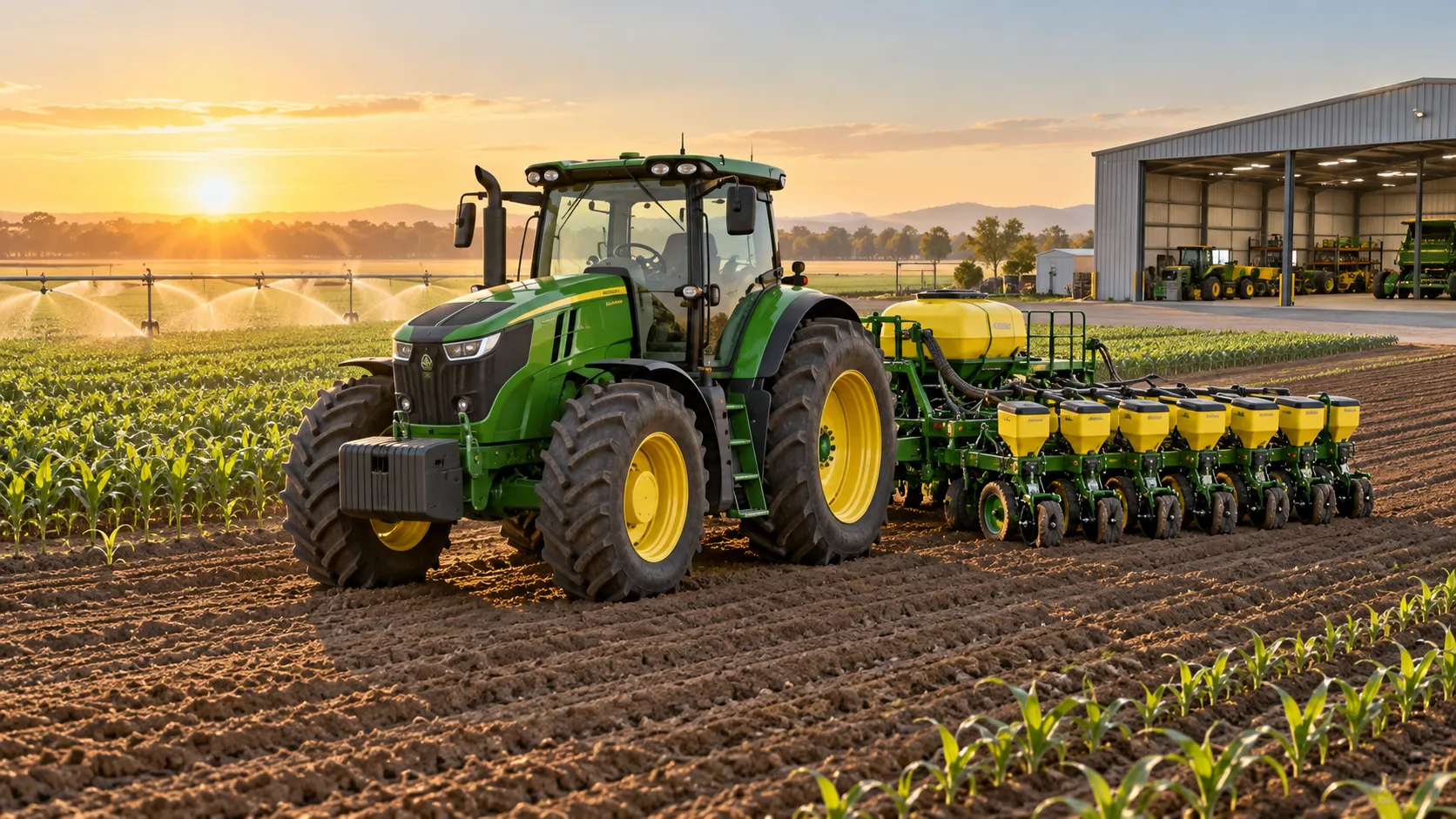
Farm Machinery Sourcing: How to Vet Suppliers, Specs, and Lifecycle Costs
Farm machinery information for sourcing: learn to vet suppliers, compare specifications, control lifecycle costs, and secure reliable uptime for smarter equipment purchases.
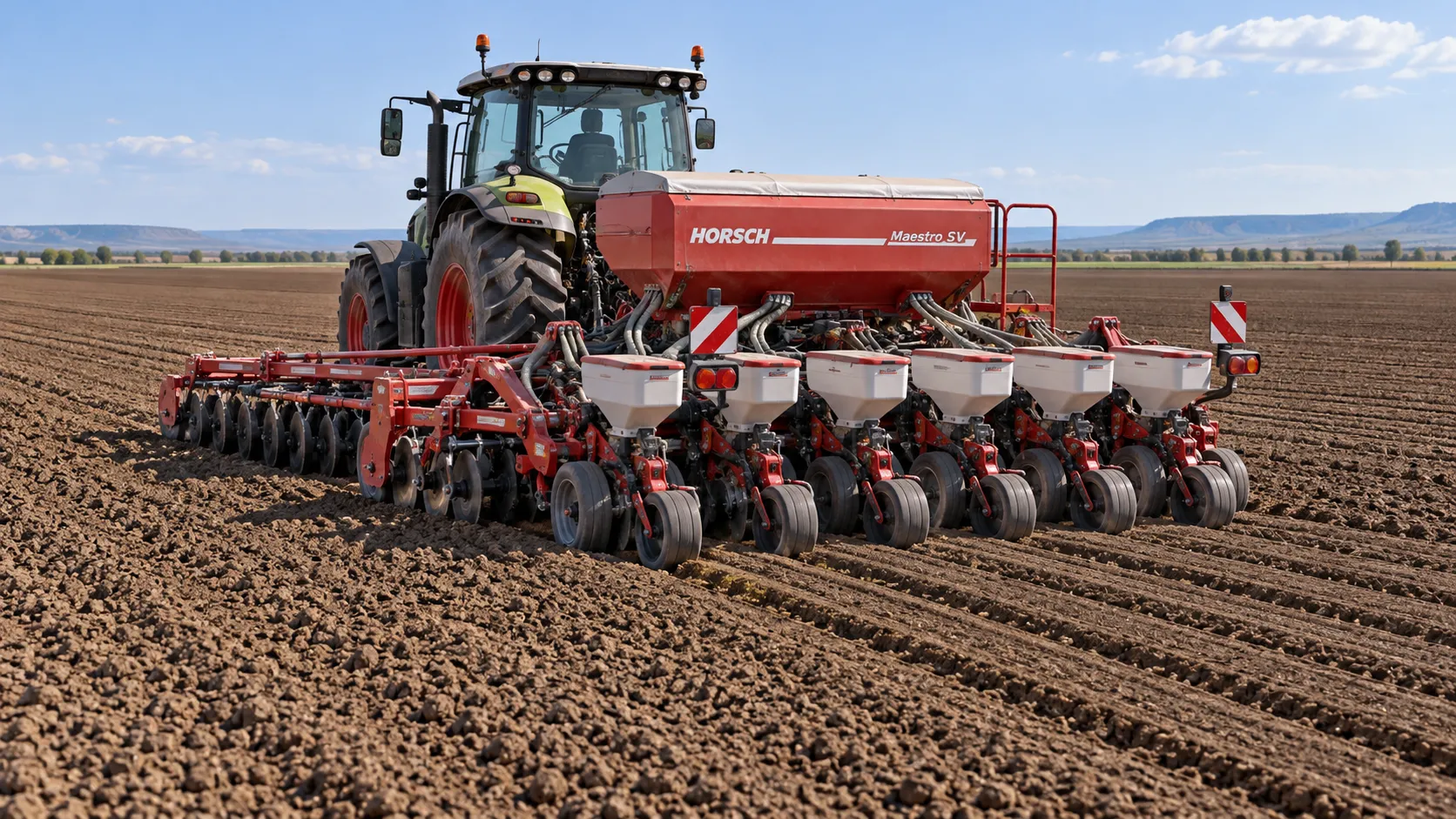
What to compare in integrated seeding combinations for heavy soils
Compare integrated seeding combinations for heavy soils: depth control, residue flow, consolidation, traction, and field capacity for more uniform crop establishment.
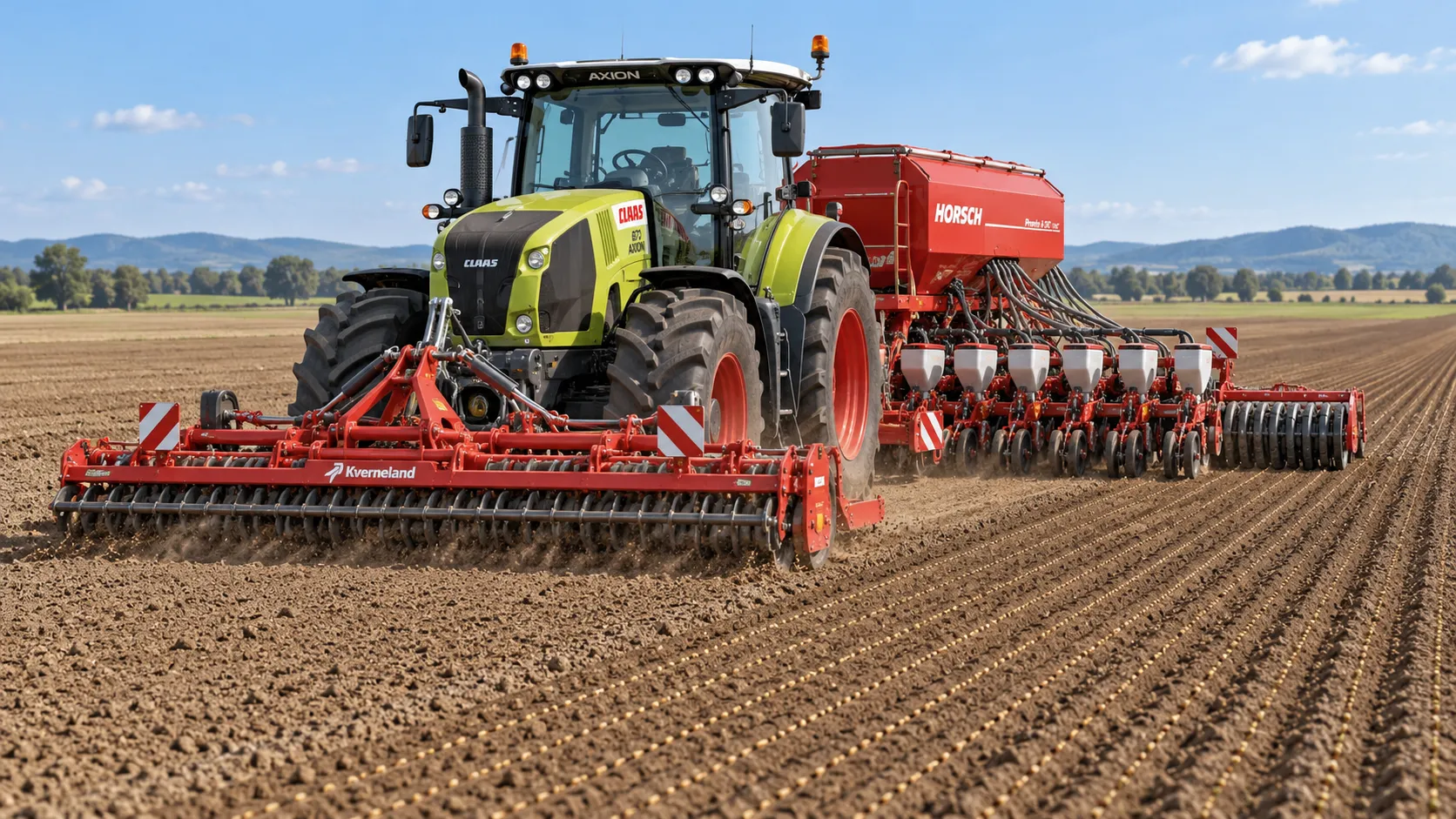
When an integrated seeding combination improves field efficiency
Integrated seeding combination improves field efficiency, protects planting windows, and balances speed with seedbed quality, tractor capacity, and reliable establishment.
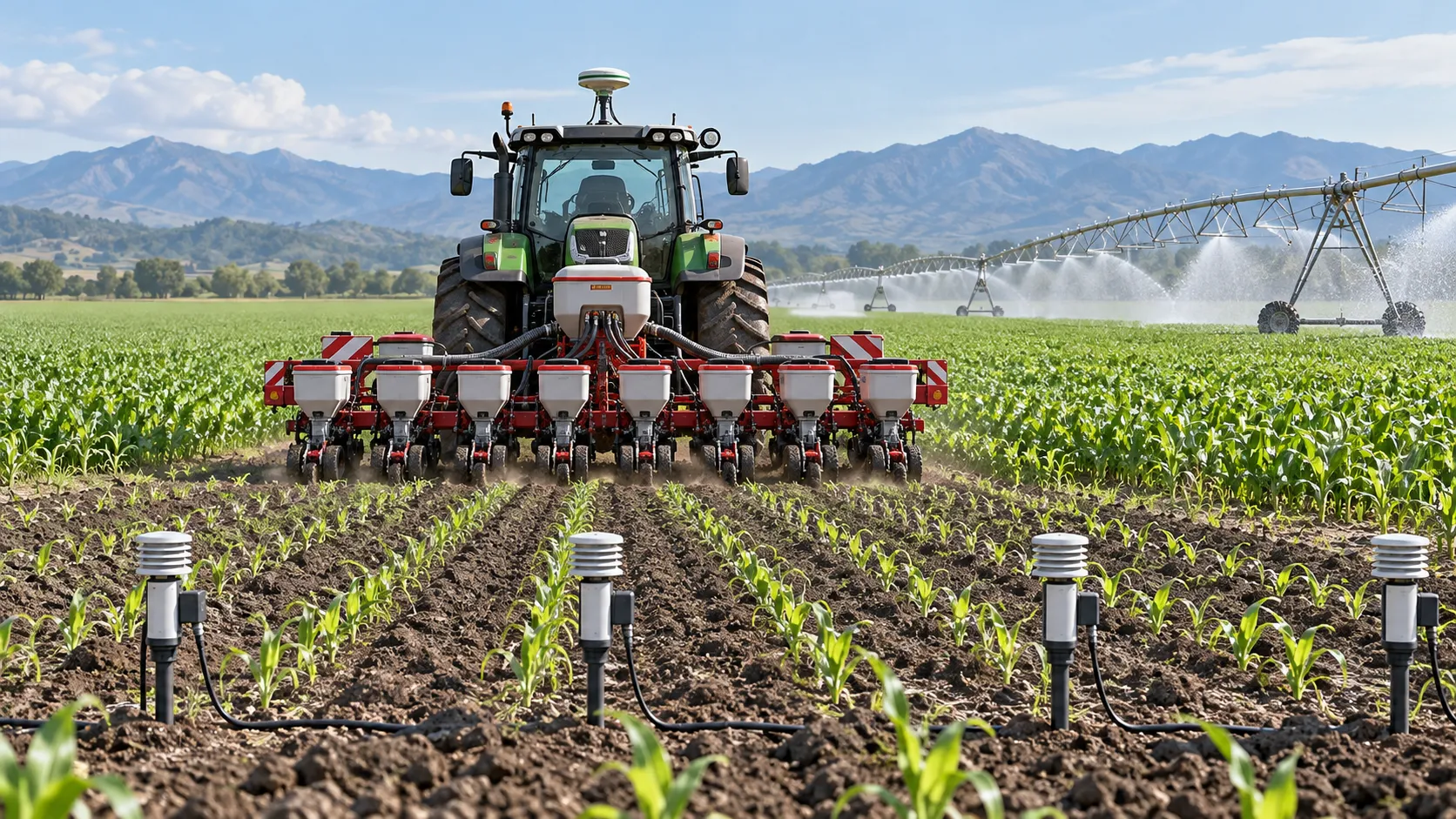
Which costs matter most when calculating precision agriculture ROI?
Calculating ROI on precision agriculture equipment? Discover the costs that shape returns, from installation and subscriptions to downtime, labor, and data integration.
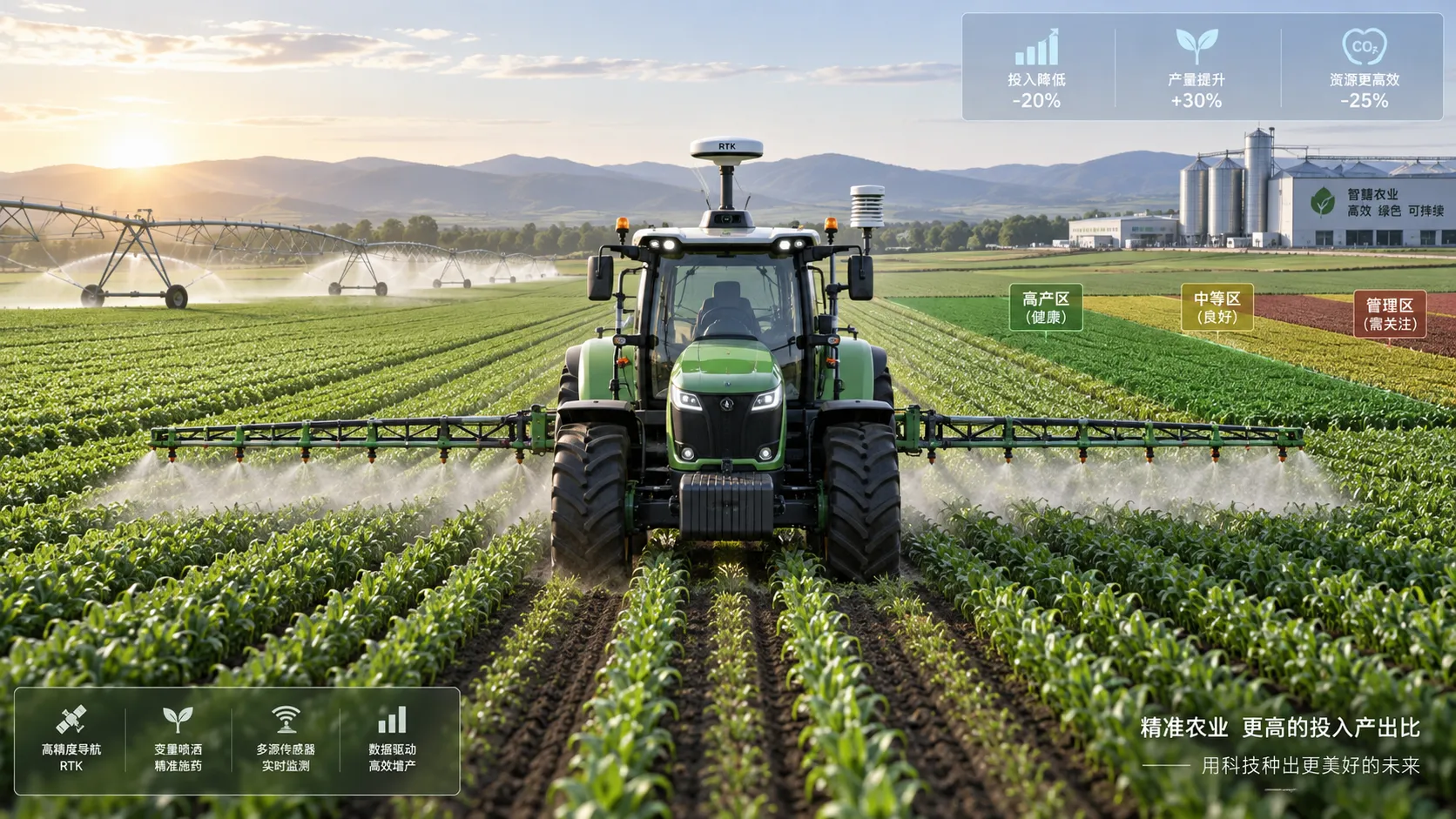
How to calculate ROI on precision agriculture equipment before buying
Calculating ROI on precision agriculture equipment: learn to assess total ownership costs, savings, payback, NPV, risks, and farm-scale value before you buy.
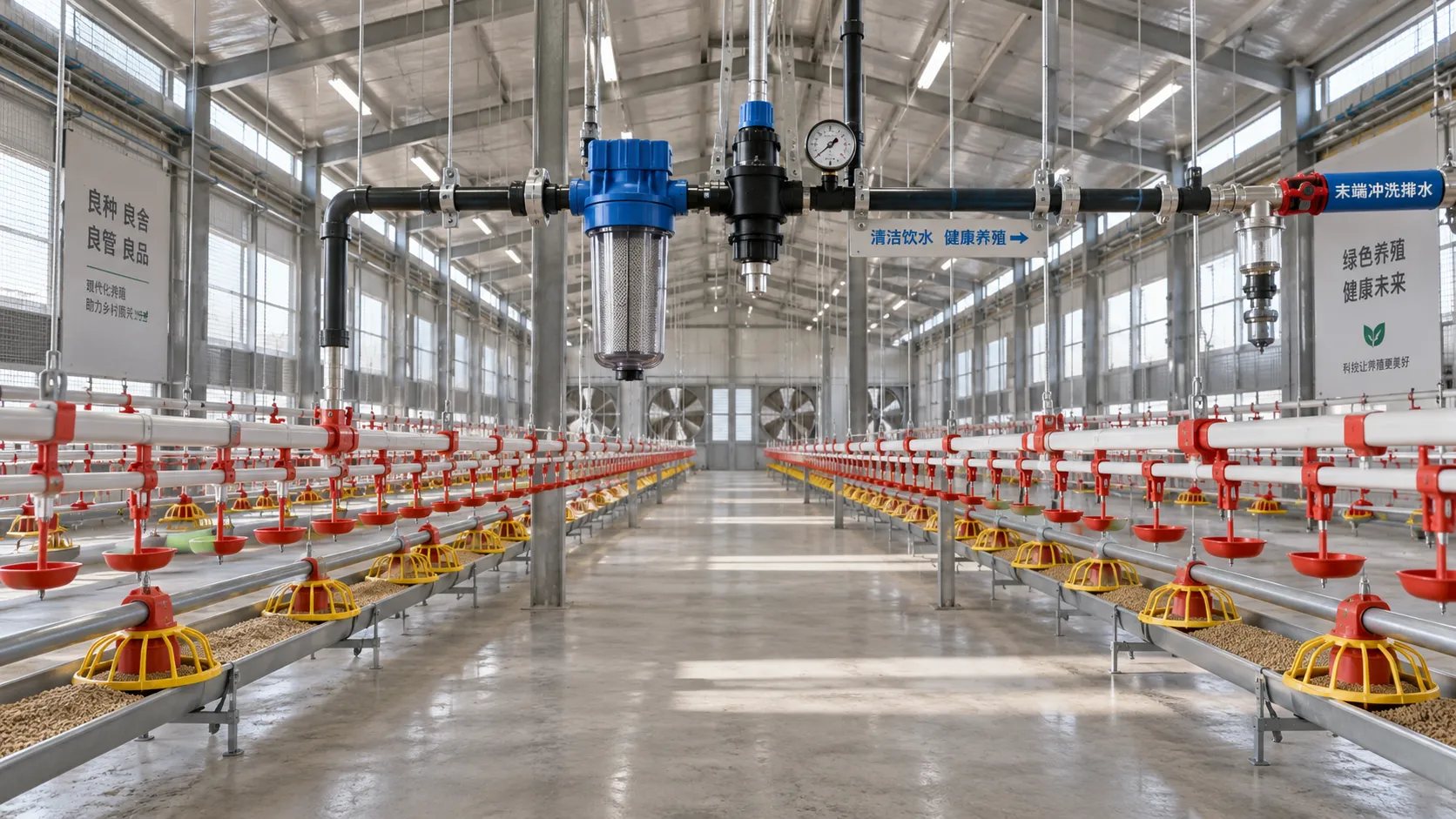
Planning Nipple Drinker Installation for Different Chicken House Layouts
How to install nipple drinker for chicken houses: plan line layouts, pressure control, flushing access, and maintenance for reliable water delivery.
Related News
- 00
0000-00
How Does Farm Mechanization Affect Food Security in Developing Regions? - 00
0000-00
Agricultural Technology Insights by Region: Where Adoption Is Growing Fastest - 00
0000-00
How Climate-Smart Agriculture Technology Improves Yield, Soil Health, and Risk Resilience - 00
0000-00
Smart Farming Solutions in Latin America: Which Technologies Fit Large Farms Best? - 00
0000-00
Long-Cycle Agri-Trade Price Trends: How to Read Supply, Freight, and Currency Signals
Popular Tags
Prof. Marcus Chen
Weekly Insights
Stay ahead with our curated technology reports delivered every Monday.