



Is agri-mechanization technology worth upgrading in 2026?
As 2026 approaches, enterprise decision makers face a critical question: is agri-mechanization technology worth upgrading now, or should capital stay tied to existing fleets?
Rising labor costs, climate pressure, tighter food-security targets, and rapid advances in autonomous equipment are reshaping the return-on-investment equation.
This article examines where upgrades create measurable value, which technologies deserve priority, and how strategic intelligence can reduce investment risk.
The short answer: upgrade selectively, not universally
For most large farming enterprises, agri-mechanization technology is worth upgrading in 2026 when it targets measurable operational bottlenecks.
The strongest cases are labor-constrained operations, high-acreage farms, regions facing water stress, and businesses managing aging equipment fleets.
A full fleet replacement is rarely the smartest move. Decision makers should prioritize modules that improve utilization, yield protection, or resource efficiency.
The economic logic has changed. Mechanization is no longer just about horsepower, working width, or field speed.
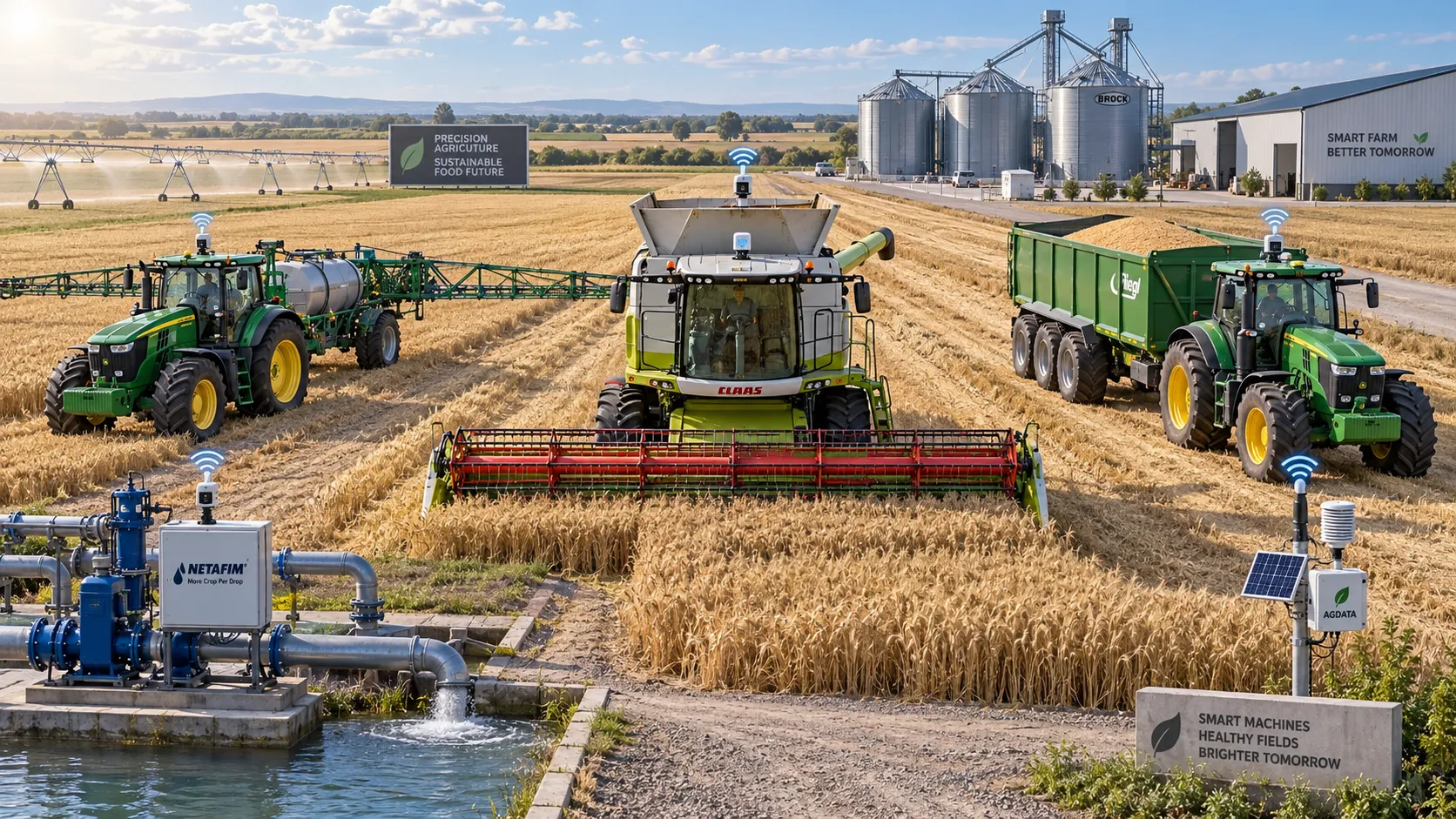
In 2026, value increasingly comes from connected machines, sensor-based decisions, autonomous functions, and data-driven coordination across the farm system.
That shift matters because many enterprises already own capable equipment. The question is whether new intelligence layers can unlock more value.
Upgrades should therefore be judged as business infrastructure, not as isolated machinery purchases or technology experiments.
What enterprise leaders are really trying to decide
Executives searching this topic usually want a practical answer: will upgrading machinery improve margins, resilience, and market competitiveness?
They are less interested in promotional claims and more concerned with payback period, financing pressure, operator readiness, and operational disruption.
The decision is also strategic. Mechanization choices made in 2026 may define cost structure and production reliability for the next decade.
Food processors, large growers, cooperatives, and equipment distributors all face different versions of the same capital allocation question.
Should they preserve cash, modernize gradually, or accelerate investment before labor, water, and compliance pressures become more expensive?
The right answer depends on baseline performance. A farm losing yield during harvest has a different priority than one wasting irrigation water.
That is why upgrade planning should begin with enterprise pain points, not with a catalogue of new equipment features.
Where agri-mechanization technology delivers the clearest ROI
The strongest return usually appears where technology reduces recurring losses rather than creating one-time efficiency gains.
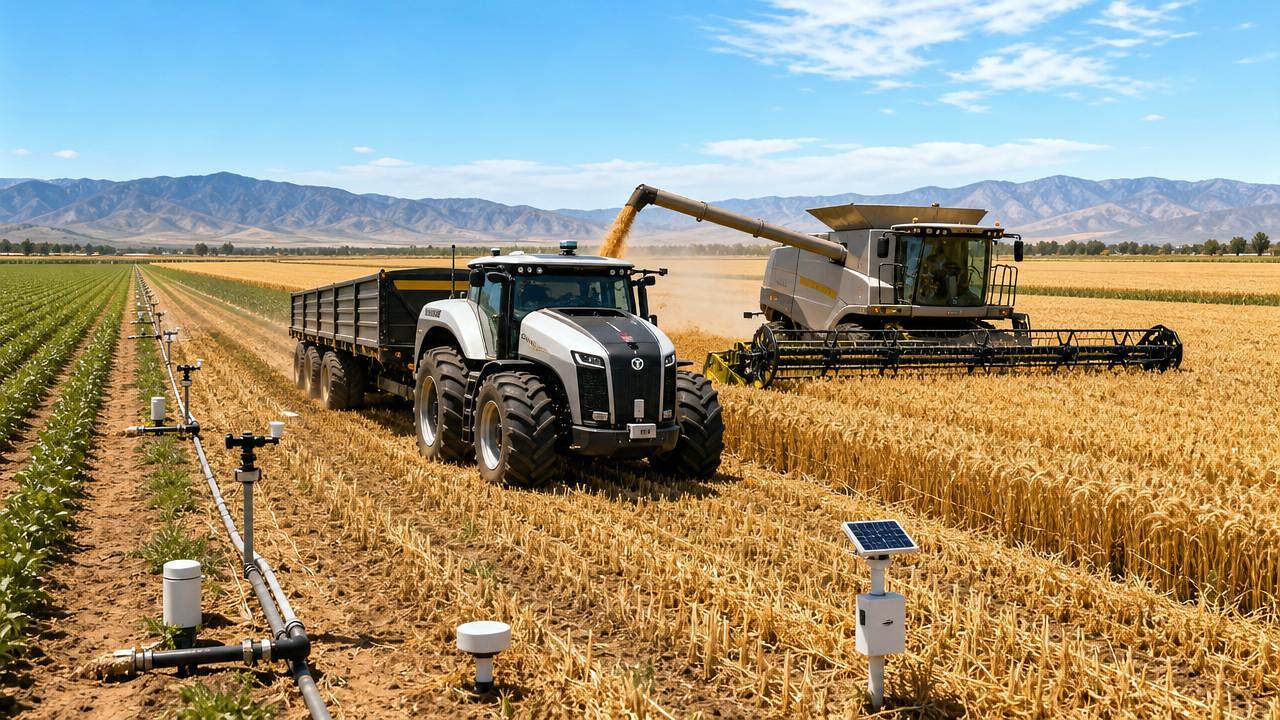
Harvest losses are a prime example. Modern combines with better sensing, cleaning control, and automation can protect revenue during narrow harvest windows.
Even small reductions in grain loss become material when multiplied across thousands of hectares and volatile commodity prices.
Labor savings are another clear driver. Semi-autonomous steering, automated implement control, and fleet coordination reduce dependence on scarce skilled operators.
These gains are especially valuable in regions where seasonal hiring is unreliable, expensive, or constrained by demographic changes.
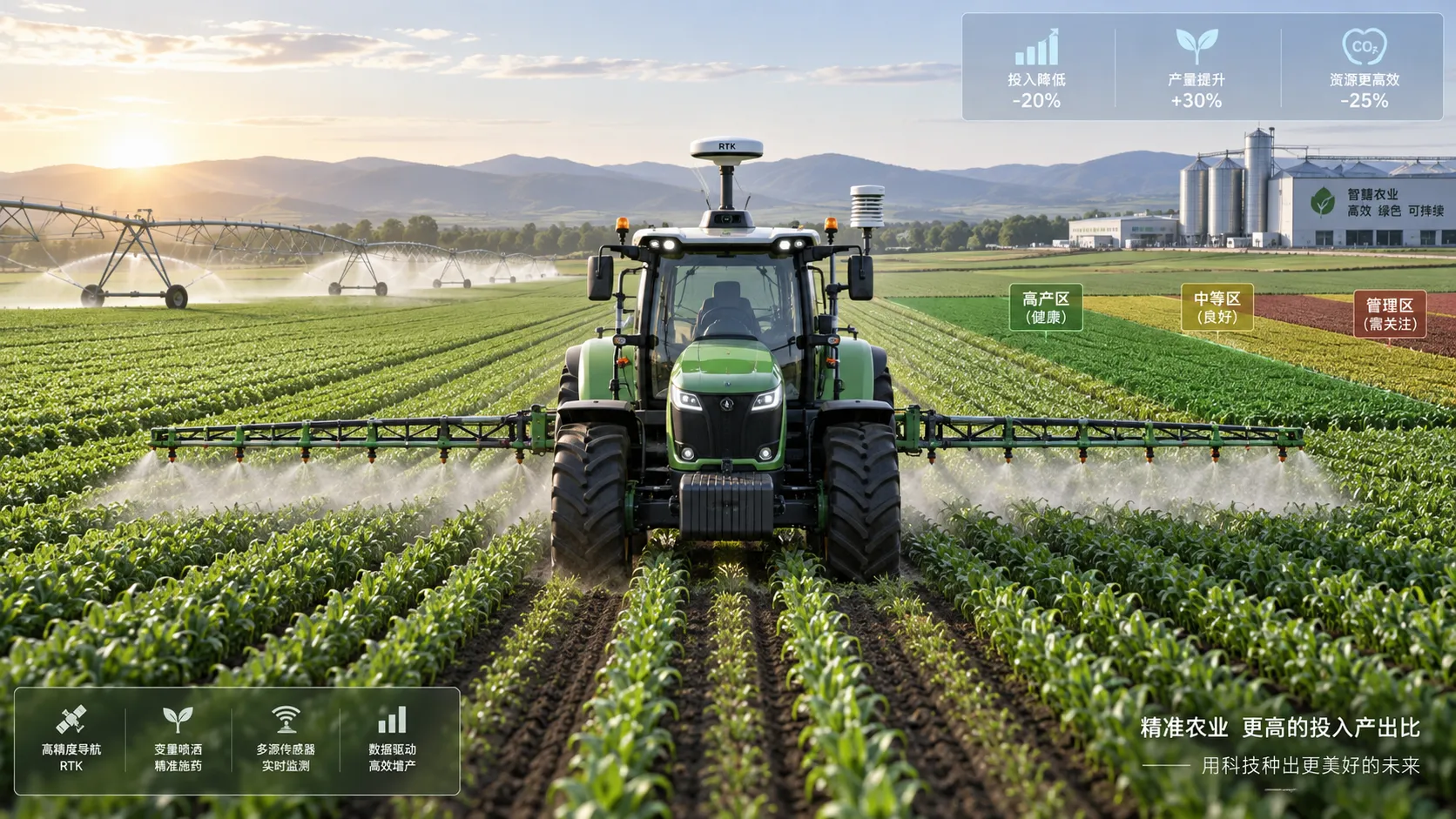
Fuel and input efficiency also matter. Variable-rate applications, optimized tractor loads, and precision guidance reduce overlaps, compaction, and unnecessary passes.
For irrigation-intensive operations, smart water systems may produce faster strategic returns than new tractors or larger harvesters.
When water allocation tightens, intelligent irrigation protects yield, reduces pumping costs, and strengthens compliance with sustainability requirements.
Which upgrades should be prioritized first in 2026?
The highest-priority upgrades are usually those that enhance existing assets while improving decision quality across the entire operation.
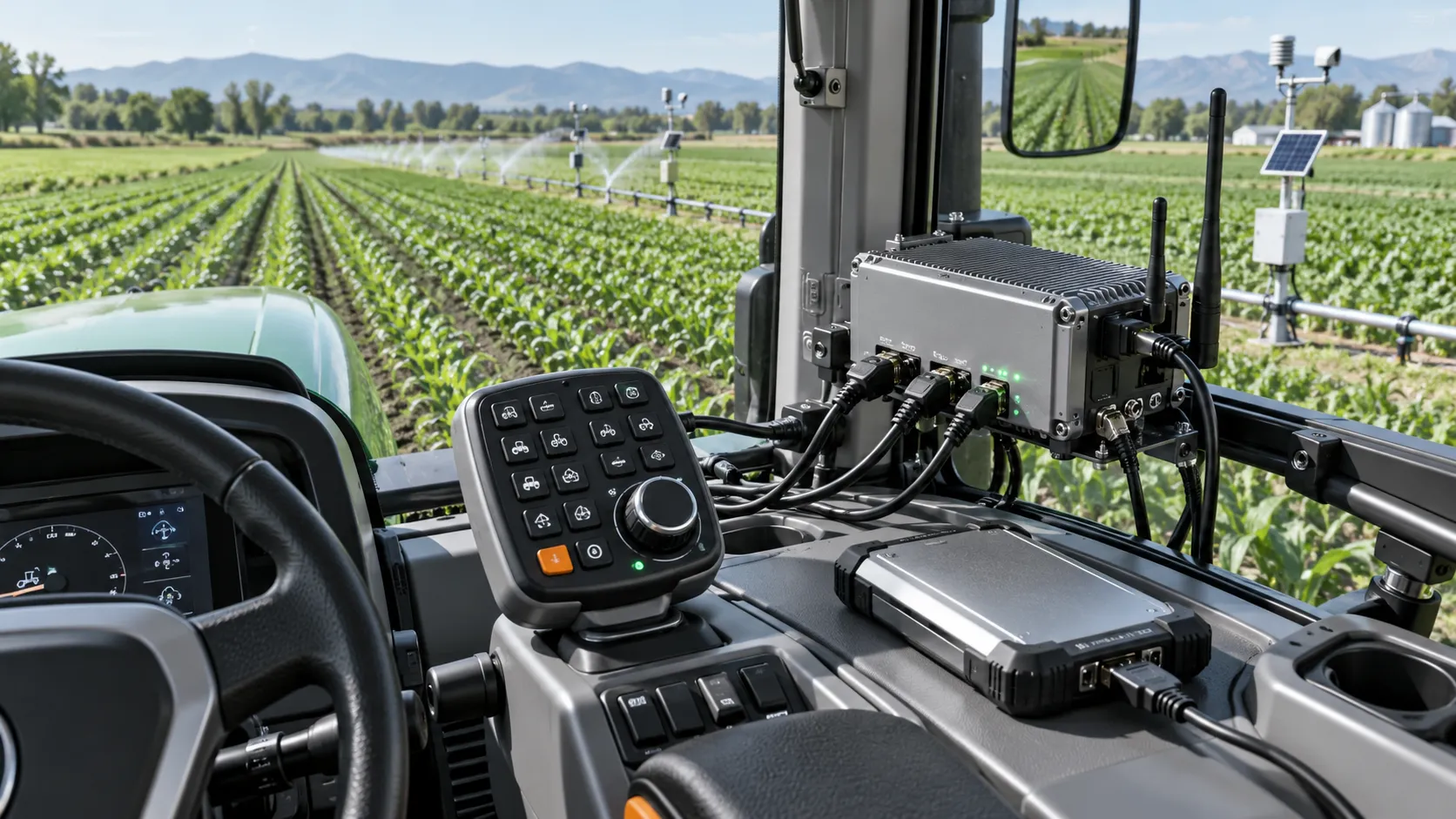
Precision guidance and machine connectivity often come first because they support many later technologies and improve fleet visibility immediately.
Enterprises should evaluate RTK positioning, telematics, field mapping, and implement control before committing to larger autonomous platforms.
For harvesting operations, combine modernization deserves close attention when crop losses, downtime, or inconsistent machine settings affect revenue.
Advanced loss sensors, automated threshing adjustments, and better cleaning feedback can generate value without replacing every machine.
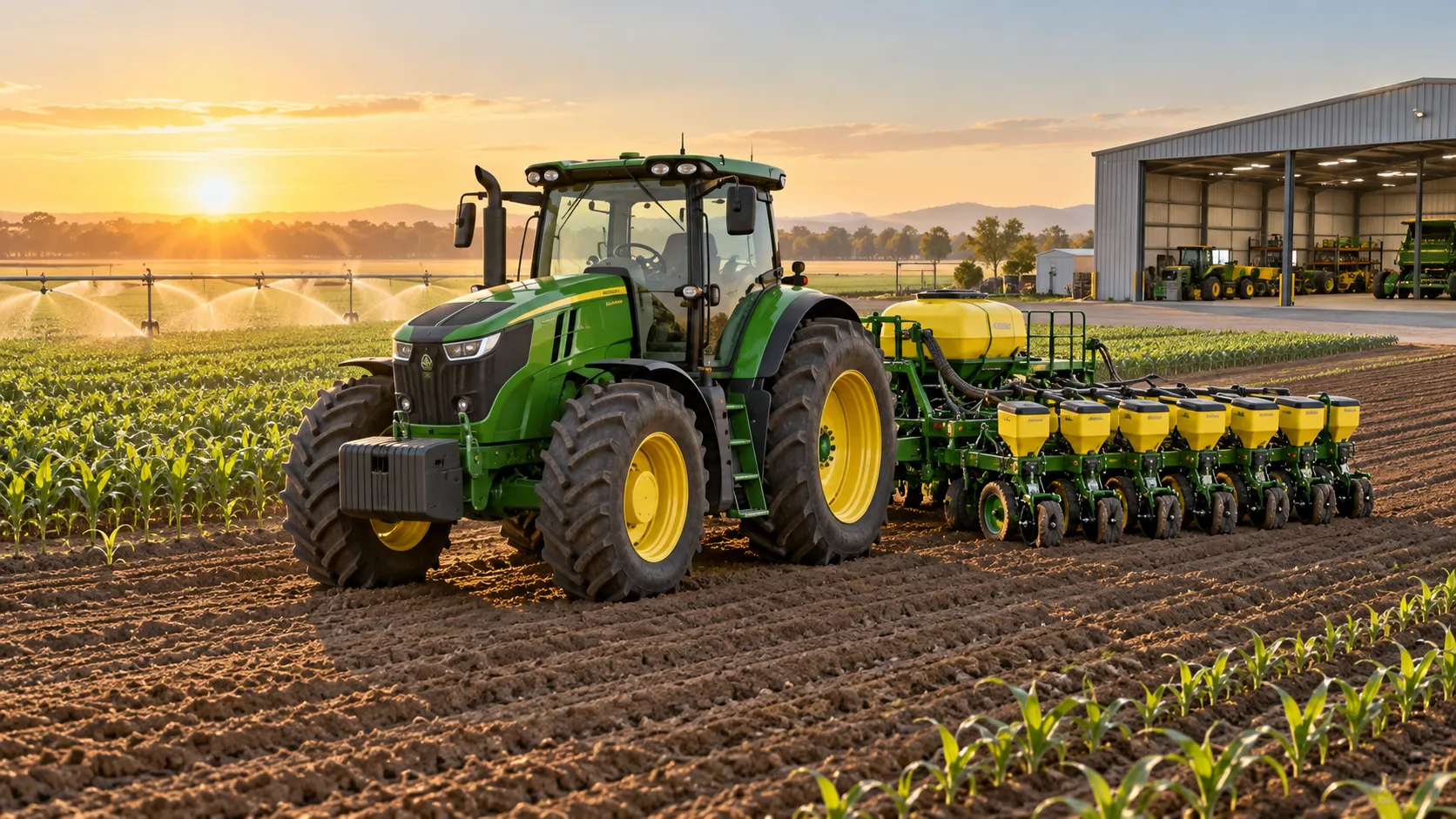
For heavy-duty tillage or transport, tractor chassis upgrades may be justified when hydraulic capability, transmission efficiency, or load handling limits productivity.
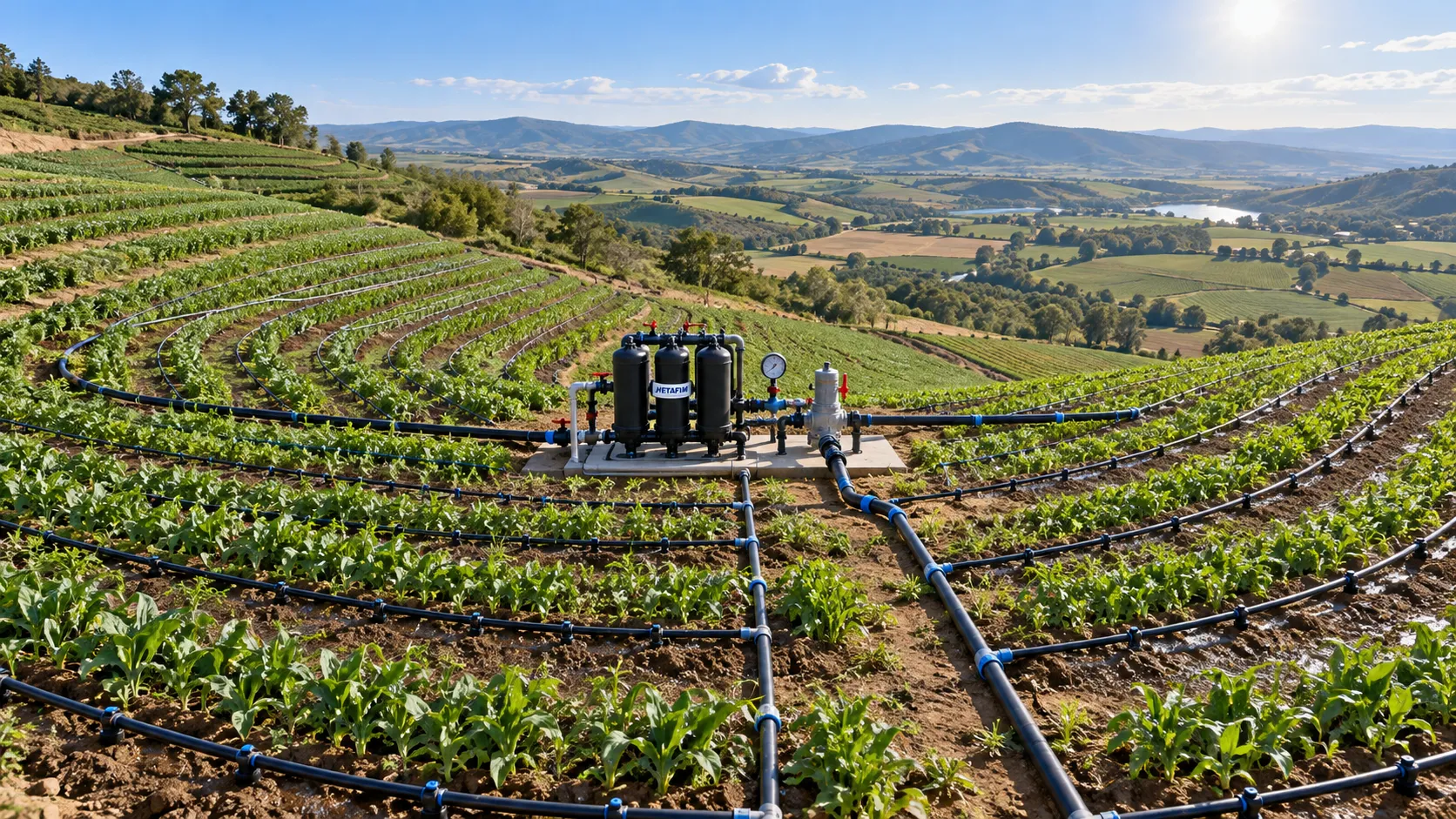
In water-stressed regions, intelligent irrigation systems should move near the top of the capital plan.
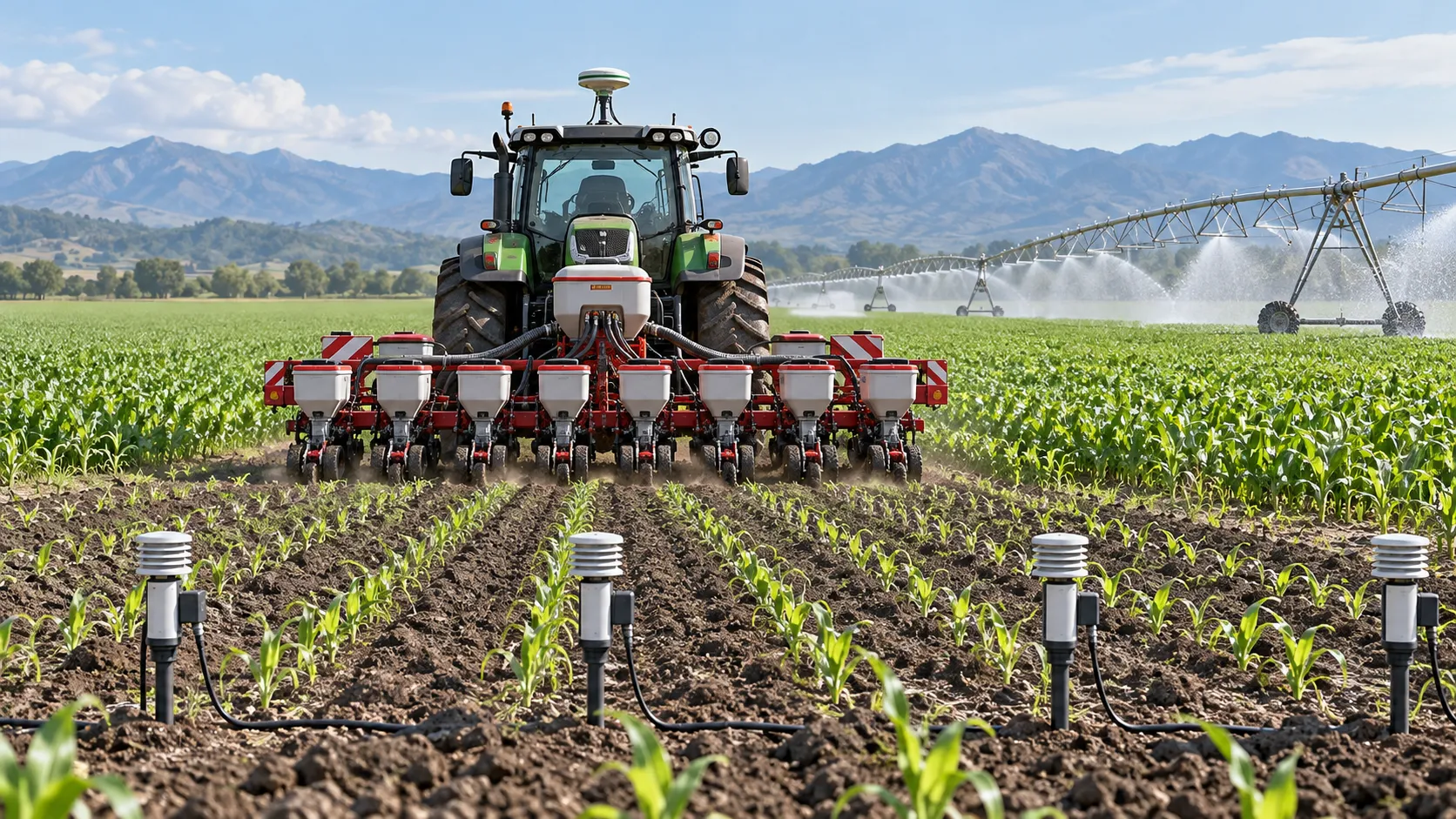
Soil moisture sensors, evapotranspiration models, automated valves, and pressure monitoring can turn irrigation from routine practice into controlled resource management.
When an upgrade may not be worth it yet
Not every enterprise should accelerate investment. Some operations will gain more from maintenance discipline, operator training, or better scheduling.
An upgrade is questionable when equipment utilization is low, data infrastructure is weak, or managers cannot measure current loss levels.
Buying advanced technology without reliable field records often turns a strategic investment into an expensive guessing exercise.
Connectivity is another limiting factor. Autonomous and sensor-rich systems need data transfer, technical support, and integration with farm management platforms.
If those foundations are absent, a phased approach is safer than a large, immediate replacement program.
Decision makers should also be cautious when vendor ecosystems are closed, service networks are thin, or spare parts availability is uncertain.
In agri-mechanization technology, uptime is part of ROI. A smarter machine that waits for service can become a hidden liability.
How to calculate the business case beyond equipment price
The purchase price is only one part of the investment decision. Enterprises should model total economic impact across several seasons.
A useful framework includes labor savings, fuel reduction, yield protection, input optimization, downtime reduction, resale value, and financing costs.
For harvesters, estimate how much grain is lost under current conditions and what a realistic reduction would mean financially.
For irrigation, compare water use, pumping energy, crop stress events, and compliance risks before and after automation.
For tractor and implement upgrades, measure pass reduction, field capacity, soil compaction effects, and operator productivity.
The payback period should be scenario-based. Decision makers need conservative, expected, and high-performance cases rather than a single optimistic forecast.
They should also include risk-adjusted value. A system that protects harvest timing during extreme weather may be worth more than average-year savings suggest.
The strategic value of data-driven mechanization
One of the biggest changes in 2026 is that machines increasingly generate intelligence, not just mechanical output.
Telematics, yield maps, soil data, and irrigation analytics create an operational memory that improves future planning.
This matters for enterprise governance. Executives can compare field performance, contractor efficiency, water use, and machinery utilization across regions.
Data also supports better procurement. Instead of replacing assets by age alone, companies can identify machines creating the highest operational drag.
In distribution and leasing businesses, usage data helps align inventory with real demand for autonomous machinery and precision tools.
However, data value depends on discipline. Poorly structured information, incompatible systems, and unclear ownership rules can weaken the upgrade case.
Before buying advanced platforms, enterprises should define who owns machine data, who analyzes it, and how decisions will change.
Key risks decision makers should manage
The first risk is technology mismatch. A high-end autonomous platform may underperform if field layout, crop type, or operating culture is unsuitable.
The second risk is underestimating people. Operators, mechanics, agronomists, and managers need training to convert capability into performance.
The third risk is vendor dependency. Enterprises should evaluate interoperability, software update policies, cybersecurity standards, and long-term service commitments.
The fourth risk is financing timing. High interest rates or weak commodity prices can stretch payback, even when the technology is operationally sound.
The fifth risk is regulatory uncertainty. Emissions standards, water rules, safety requirements, and data governance may affect equipment choices.
These risks do not mean delaying all upgrades. They mean investment should be staged, measured, and supported by credible intelligence.
Pilot programs are useful when they test real commercial conditions, not only demonstration plots with ideal operators and vendor support.
A practical decision framework for 2026 investment
Enterprise leaders can use a five-step framework to decide whether an upgrade deserves capital in 2026.
First, identify the most expensive constraint: labor, harvest loss, water, fuel, downtime, compliance, or inconsistent field execution.
Second, quantify the baseline. Estimate current losses and inefficiencies with machine records, field data, agronomic observations, and financial reports.
Third, match technology to the constraint. Avoid broad modernization plans that do not clearly address the highest-value problem.
Fourth, test integration requirements. Confirm connectivity, operator capability, service support, spare parts, and compatibility with existing equipment.
Fifth, stage the rollout. Begin with high-impact fields, crops, or regions, then expand after performance data confirms the business case.
This framework prevents two common mistakes: overinvesting in fashionable technology and underinvesting in capabilities that protect long-term competitiveness.
What this means for distributors and equipment partners
For distributors, the upgrade question creates an opportunity to move beyond transactional selling toward advisory support.
Customers increasingly need help comparing autonomous functions, irrigation intelligence, combine optimization, and tractor platform capabilities.
Distributors that understand payback logic can position equipment around business outcomes rather than specifications alone.
They should also prepare for more modular demand. Many enterprises will prefer phased upgrades, retrofit options, and connected service packages.
After-sales capability will become a major differentiator. Remote diagnostics, technician readiness, operator training, and parts logistics directly influence ROI.
In long-cycle agri-trade, intelligence about regional labor trends, climate stress, and policy direction can shape better inventory decisions.
The most successful partners will help customers modernize responsibly, proving value before pushing larger capital commitments.
How strategic intelligence reduces upgrade uncertainty
Decision makers do not need more noise; they need structured insight that connects field performance with market direction.
Strategic intelligence helps compare machinery evolution, crop economics, water policy, sustainability pressure, and technology adoption curves.
For example, a combine upgrade may look expensive until harvest labor scarcity and crop-loss volatility are included.
A smart irrigation system may appear optional until water restrictions and energy costs are modeled over several seasons.
AP-Strategy focuses on this connection between mechanical performance, precision algorithms, and global sustainability demands.
By tracking large-scale machinery, combine harvesting technology, tractor chassis, intelligent farm tools, and water-saving systems, intelligence becomes actionable.
The objective is not to encourage every purchase. It is to help enterprises place capital where productivity and resilience improve measurably.
Final verdict: upgrade where the business case is visible
Agri-mechanization technology is worth upgrading in 2026 for enterprises facing clear constraints in labor, harvest efficiency, water, or fleet utilization.
The best investments will not necessarily be the most advanced machines. They will be technologies that solve measurable operational problems.
Executives should avoid both extremes: delaying modernization until assets become uncompetitive, or buying innovation without an integration plan.
A selective, data-supported upgrade strategy offers the strongest path. It protects capital while improving productivity, reliability, and sustainability.
For agribusiness leaders, the central question is no longer whether mechanization matters. It is where smarter mechanization creates the next advantage.
In 2026, the winners will be enterprises that connect machines, data, water, labor, and strategy into one disciplined operating system.