
Japan's ST Mark Certification Becomes De Facto Export Barrier for Plush and Rattle Toys
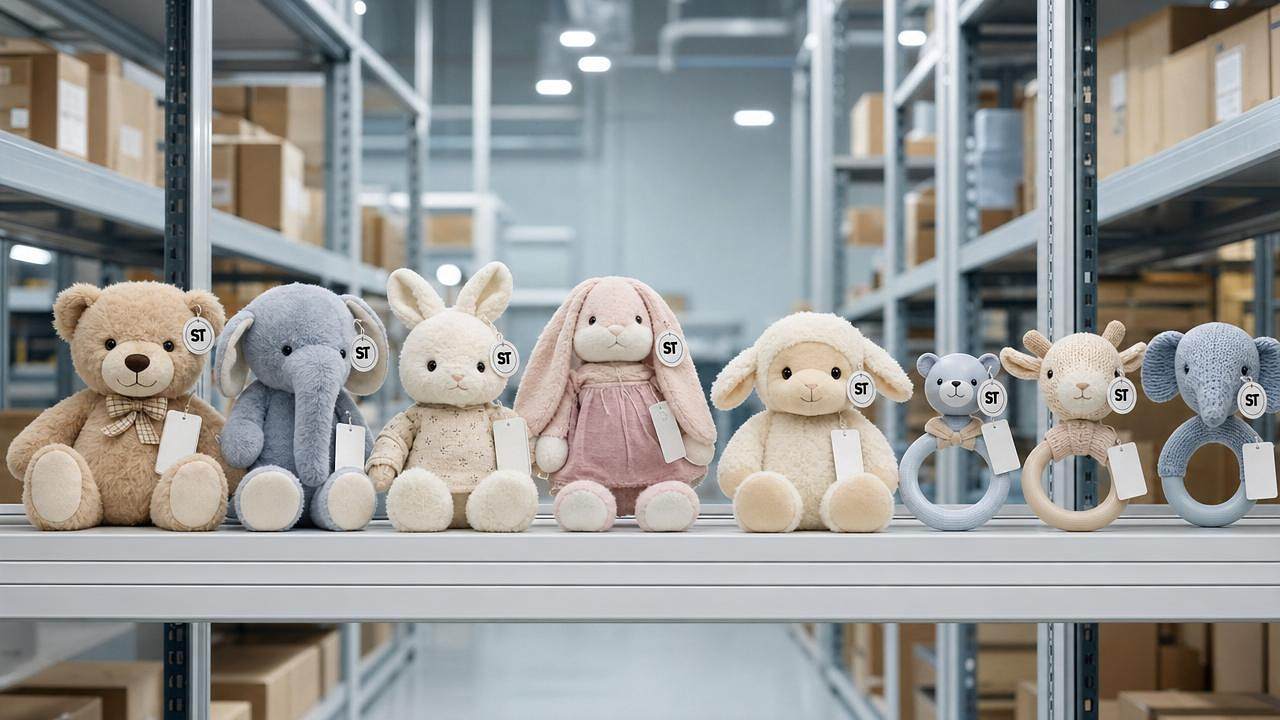




Japan’s ST Mark certification—long classified as a voluntary safety standard—has effectively evolved into a mandatory market access requirement for plush toys, rattles, and plastic infant toys exported to Japan. As of May 24, 2026, major Japanese retail channels including Amazon Japan, Rakuten, and leading supermarket chains have formally aligned their product listing and shelf-entry policies with ST Mark compliance. This shift directly impacts export readiness, customs clearance timelines, and in-store distribution eligibility for manufacturers and exporters—particularly those based in China.
Event Overview
On May 24, 2026, it was officially confirmed that while the ST Mark certification remains technically voluntary under Japan’s Product Safety Law, over 90% of major Japanese retail platforms and physical retailers now require it for plush toys, rattles, and related infant/child plastic toys. No regulatory amendment or government mandate has been issued; rather, this is a market-driven enforcement mechanism adopted uniformly across key distribution channels.
Industries Affected
Direct trading enterprises: Exporters and brand owners face heightened pre-shipment compliance pressure—not only for documentation but also for traceability and post-market accountability. Non-compliance now routinely triggers listing removal, delayed customs release, and loss of shelf space, regardless of JIS or ISO conformity alone.
Raw material procurement enterprises: Suppliers of fabrics, stuffing (e.g., polyester fiberfill), plastic components (e.g., rattle beads, clappers), and printed labels must now provide ST Mark-aligned material test reports—including formaldehyde, AZO dyes, heavy metals (Pb, Cd, Cr), and migration limits for soluble elements. Absence of certified supplier declarations may invalidate downstream ST Mark applications.
Contract manufacturing enterprises: OEM/ODM factories are increasingly required to hold ST Mark-certified production lines—not just final products. Audits now cover factory-level chemical management systems, lot traceability, and finished-product sampling protocols. Failure to maintain certified status risks termination of contracts with Japanese importers.
Supply chain service enterprises: Third-party testing labs, certification bodies, and logistics providers specializing in Japan-bound toy shipments report surging demand for ST Mark-specific support: accelerated testing cycles, bilingual reporting (Japanese/English), and pre-clearance document validation. Service differentiation now hinges on ST Mark process familiarity—not just general toy safety expertise.
Key Focus Areas and Recommended Actions
Verify current ST Mark scope alignment
Confirm whether your product category falls under the ST Mark’s defined scope for ‘plush toys’ (ST 2017) or ‘rattles’ (ST 2018), as classification determines applicable test items (e.g., seam strength, small parts, sound pressure level). Misclassification—even if unintentional—invalidates certification.
Engage ST Mark-accredited certification bodies early
Only laboratories accredited by the Japan Testing Laboratory Accreditation Scheme (JTLA) and authorized by the Japan Toy Association (JTA) can issue valid ST Mark certificates. Pre-application consultations help avoid rework due to sample submission errors or outdated test protocols.
Integrate ST Mark requirements into sourcing contracts
Update supplier agreements to mandate ST Mark-compatible material certifications and retain audit rights. Require suppliers to maintain documented evidence of restricted substance compliance for at least three years—consistent with JTA’s post-certification surveillance expectations.
Prepare dual-language technical files
While ST Mark itself does not require Japanese-language submissions, Japanese retailers and customs brokers routinely request Japanese summaries of test reports, risk assessments, and conformity declarations. Proactively developing bilingual technical documentation reduces time-to-market delays.
Editorial Perspective / Industry Observation
Observably, the ST Mark’s de facto enforcement reflects a broader trend in mature consumer markets: where regulatory frameworks remain static, private-sector gatekeepers assume compliance stewardship. Analysis shows this is less about new safety risks—and more about risk allocation: retailers seek defensible due diligence pathways amid tightening product liability standards. From an industry perspective, this signals a structural shift—from ‘certify before shipment’ to ‘certify before design’. Current supply chain models optimized for speed and cost are now being stress-tested against upstream compliance integration.
Conclusion
The ST Mark’s operationalization as a market entry prerequisite underscores how voluntary standards can acquire binding force through collective commercial practice. For global toy exporters, this is not merely a procedural update—it represents a recalibration of compliance responsibility across the entire value chain. A rational interpretation is that ST Mark compliance is no longer a ‘nice-to-have’ differentiator, but a foundational capability for sustained Japan market participation.
Source Attribution
Confirmed via official statements from the Japan Toy Association (JTA), Amazon Japan Seller Central policy updates (May 2026), and Rakuten Marketplace’s Toy Category Guidelines v3.2. Ongoing monitoring is advised for potential alignment with Japan’s upcoming Consumer Product Safety Promotion Act revisions (expected Q4 2026 consultation phase).
Related News

How to Compare Agricultural Equipment Platforms for Fleet Management and ROI
Agricultural equipment platform comparison: evaluate fleet data, maintenance, precision workflows, and ROI to choose a system that delivers measurable results.
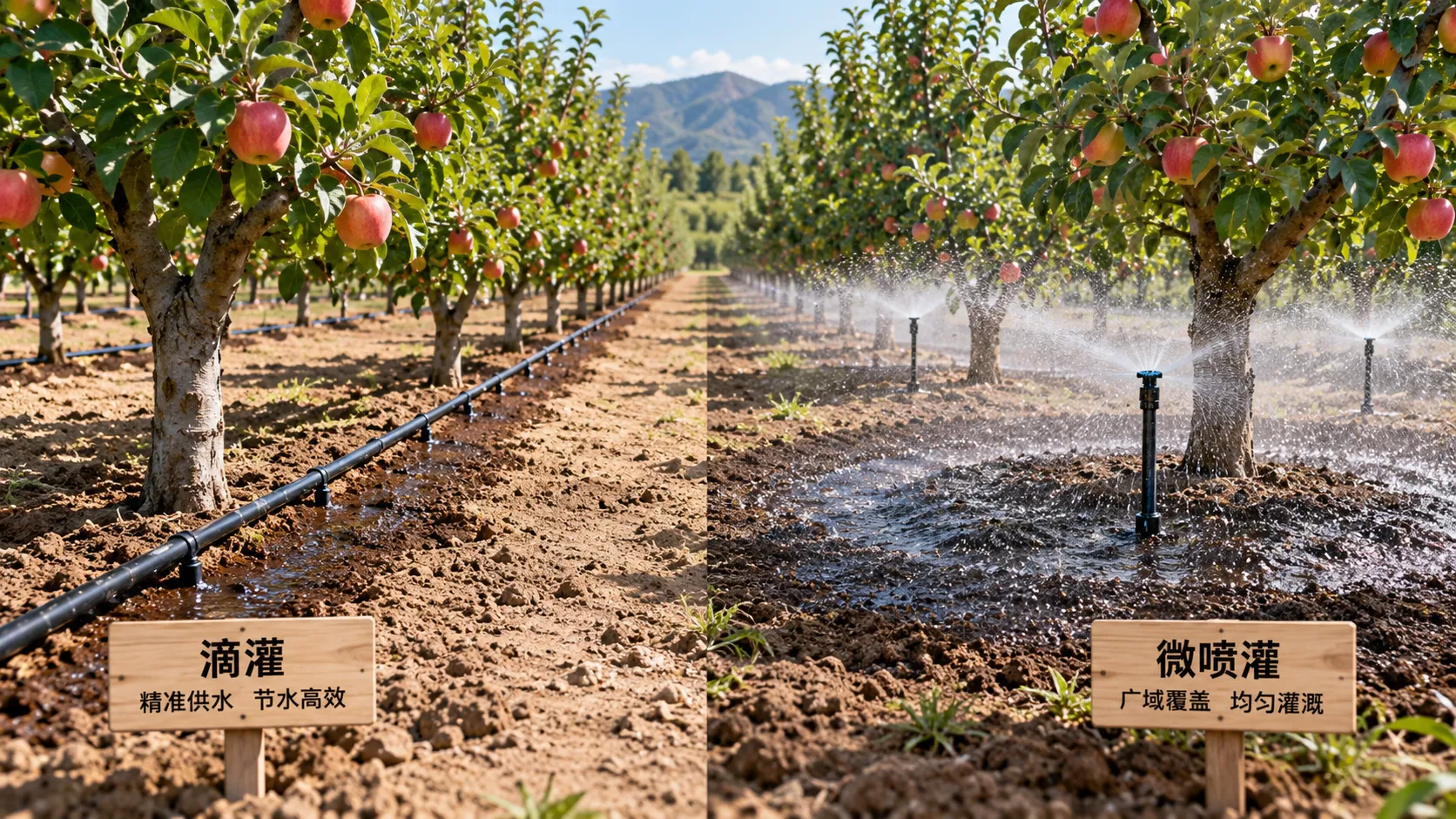
Drip vs. Micro-Sprinkler Irrigation: Which System Fits Your Orchard?
Irrigation solution comparison for orchards: discover whether drip or micro-sprinklers best match your water, soil, roots, fertigation, and frost needs.
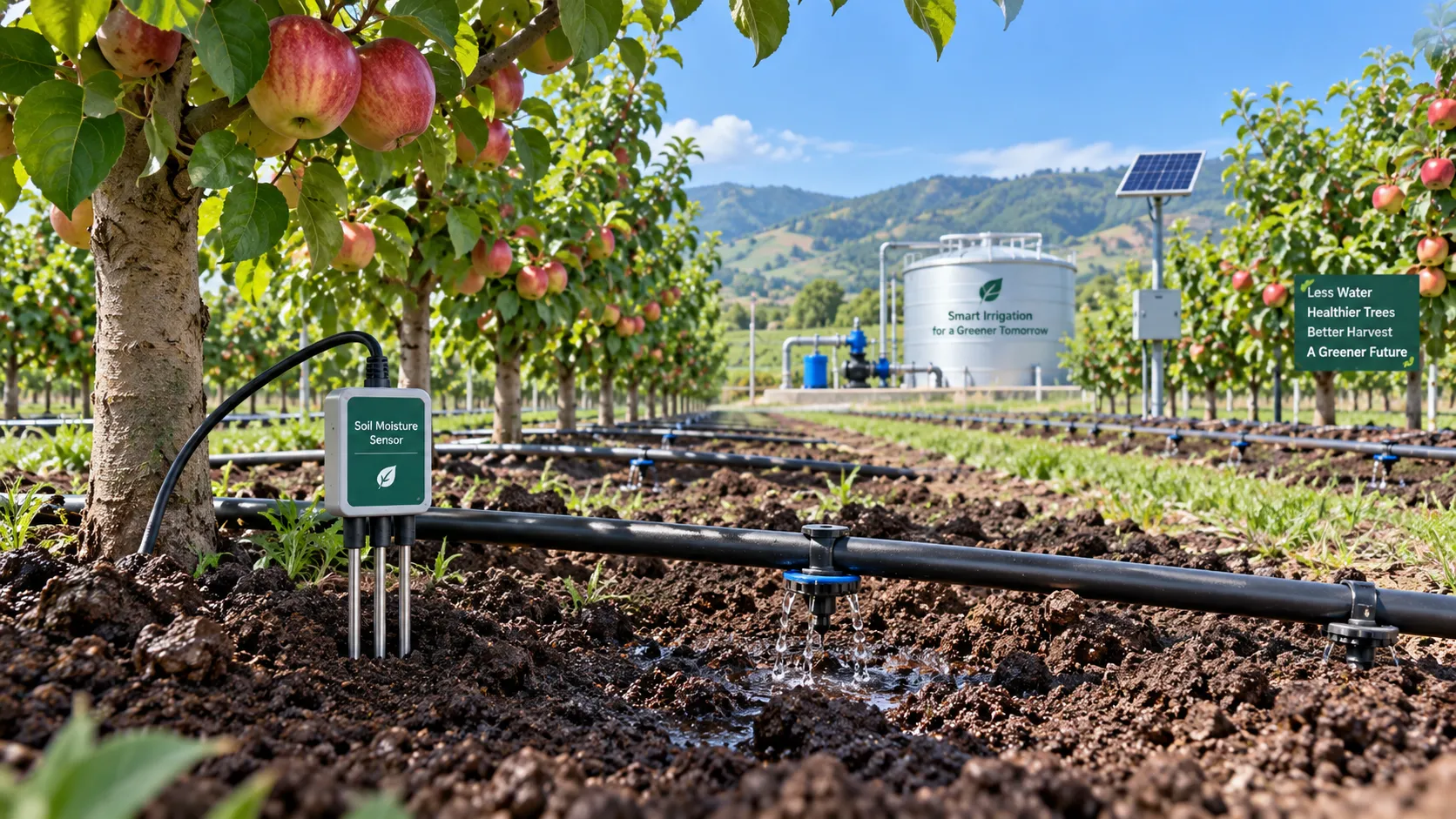
Orchard Water Management: Using Soil Moisture Data to Schedule Irrigation
Agricultural water management for orchards made practical: use soil moisture data to optimize irrigation timing, protect yield, reduce costs, and improve resilience.
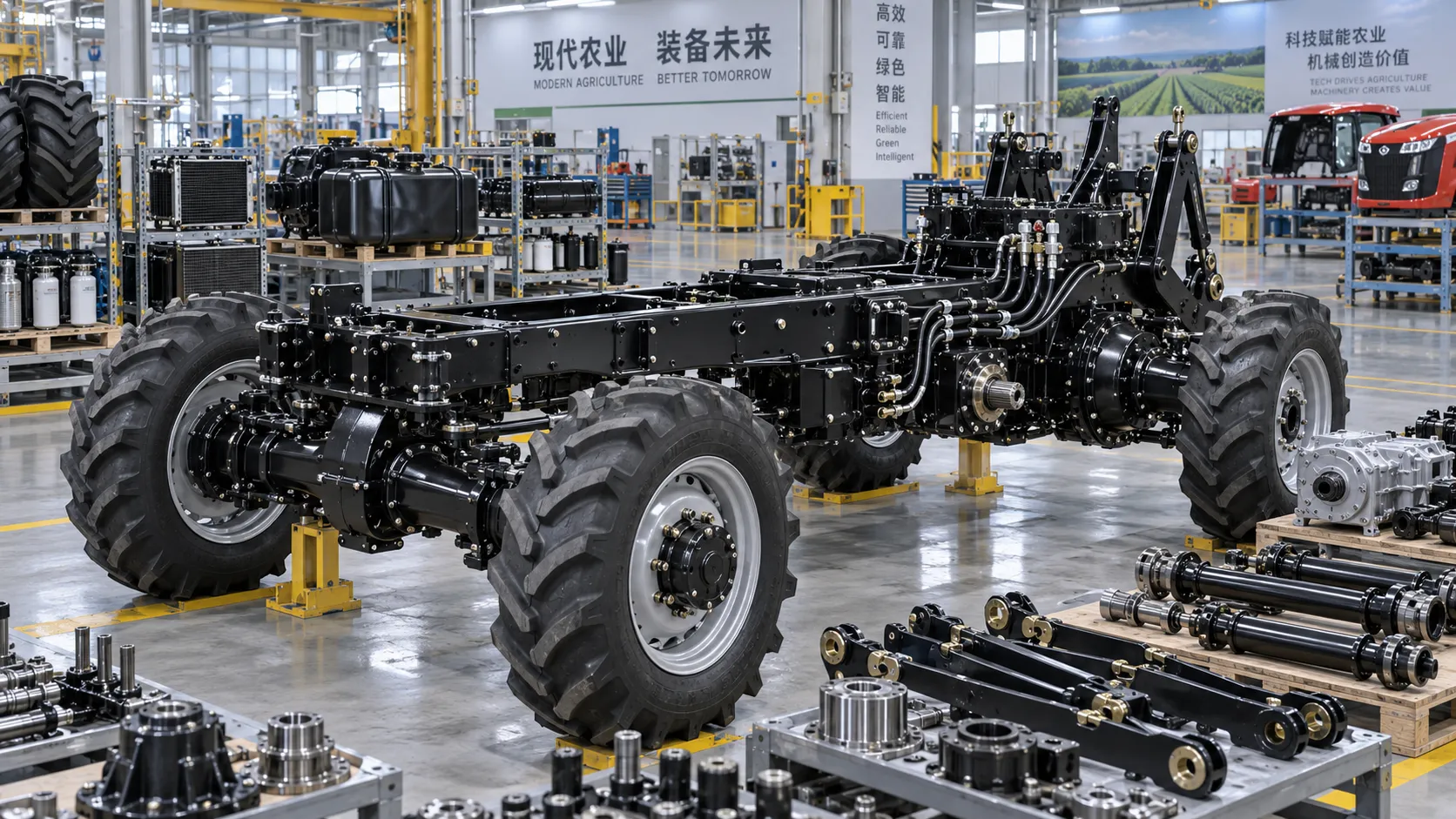
Tractor Chassis Price: What Buyers Should Compare Beyond the Initial Quote
Tractor chassis price is only the start. Compare load capacity, compatibility, durability, and lifecycle costs to choose a reliable, high-value chassis.
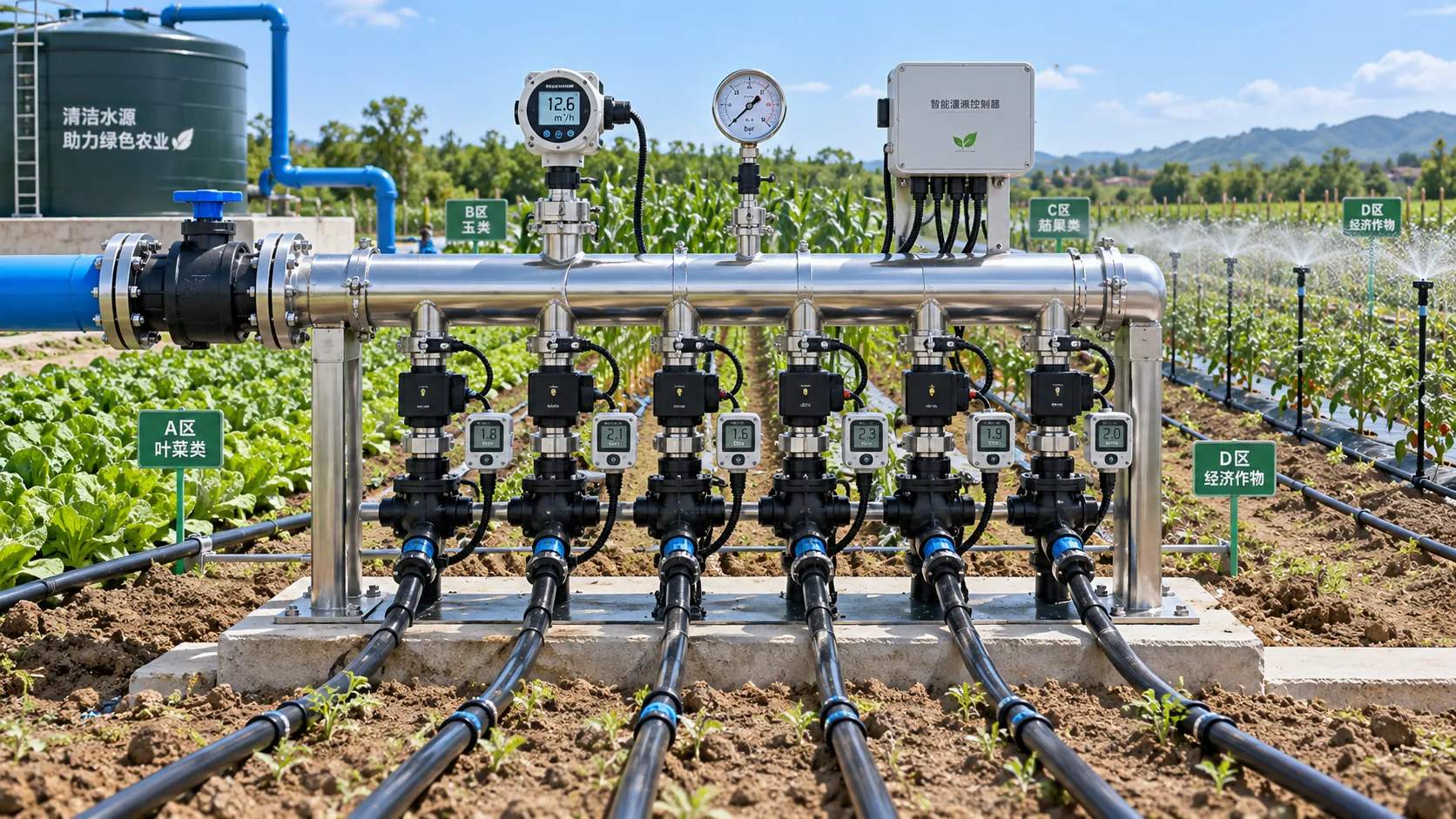
How to Select Smart Irrigation Valves for Multi-Zone Water Management?
Intelligent irrigation systems valves: learn how to match smart valves with multi-zone flow, pressure, control, feedback, and communication needs for reliable water management.

Climate-Smart Farming for Drought: A Practical Plan for Protecting Yields
Climate-smart farming for drought: build smarter water budgets, protect critical crop stages, improve irrigation uniformity, and safeguard yields with practical field-proven strategies.

How Digital Agriculture Platforms Turn Field Data Into Better Input Decisions
Digital agriculture platforms turn field data into smarter fertilizer, water, seed, and equipment decisions—helping farms cut risk, improve margins, and scale sustainability.
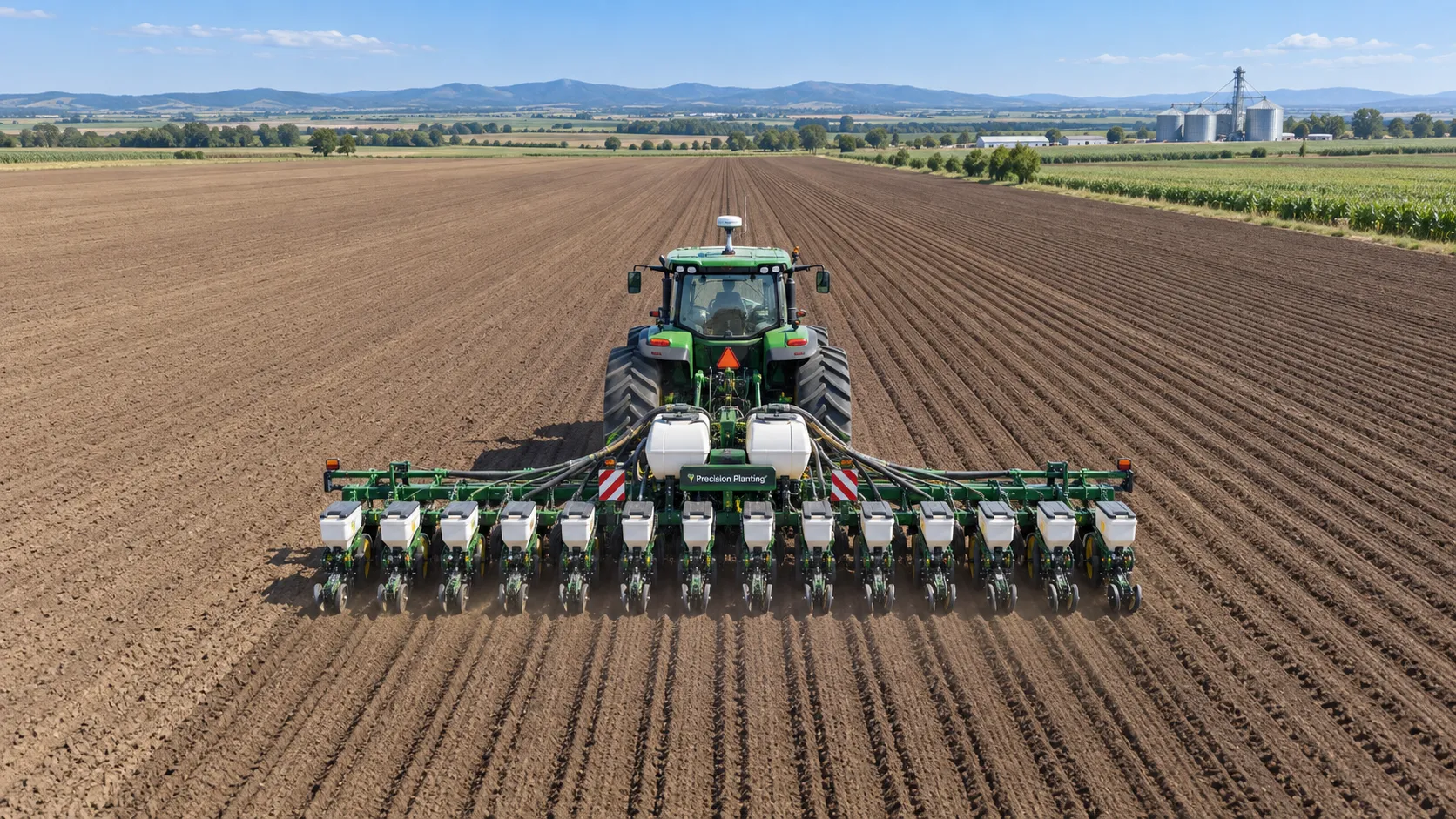
GPS-Guided Farm Machinery: Where It Delivers Measurable Field Efficiency Gains
Agri-mechanization GPS guided systems deliver measurable field efficiency gains through reduced overlap, precise planting, smarter inputs, and reliable farm data.

How Sensor Feedback Enables Accurate Variable-Rate Fertilization in Field Conditions
Precision fertilization systems with sensor feedback improve variable-rate accuracy by verifying flow, managing latency, and ensuring reliable field application.
Related News
- 00
0000-00
Food Security Risks in Modern Supply Chains: What Businesses Should Track First - 00
0000-00
Farm Machinery Innovations Worth Tracking in 2025: ROI, Adoption Barriers, and Use Cases - 00
0000-00
What agricultural environmental policies mean for compliance - 00
0000-00
Why hybrid farm machinery is gaining serious traction - 00
0000-00
Japan's April CPI Up 1.4%: Pricing Strategy Adjustment Urged for Farm Machinery Exports
Popular Tags
Dr. Alistair Vaughn
Weekly Insights
Stay ahead with our curated technology reports delivered every Monday.