
Food Security Risks in Modern Supply Chains: What Businesses Should Track First
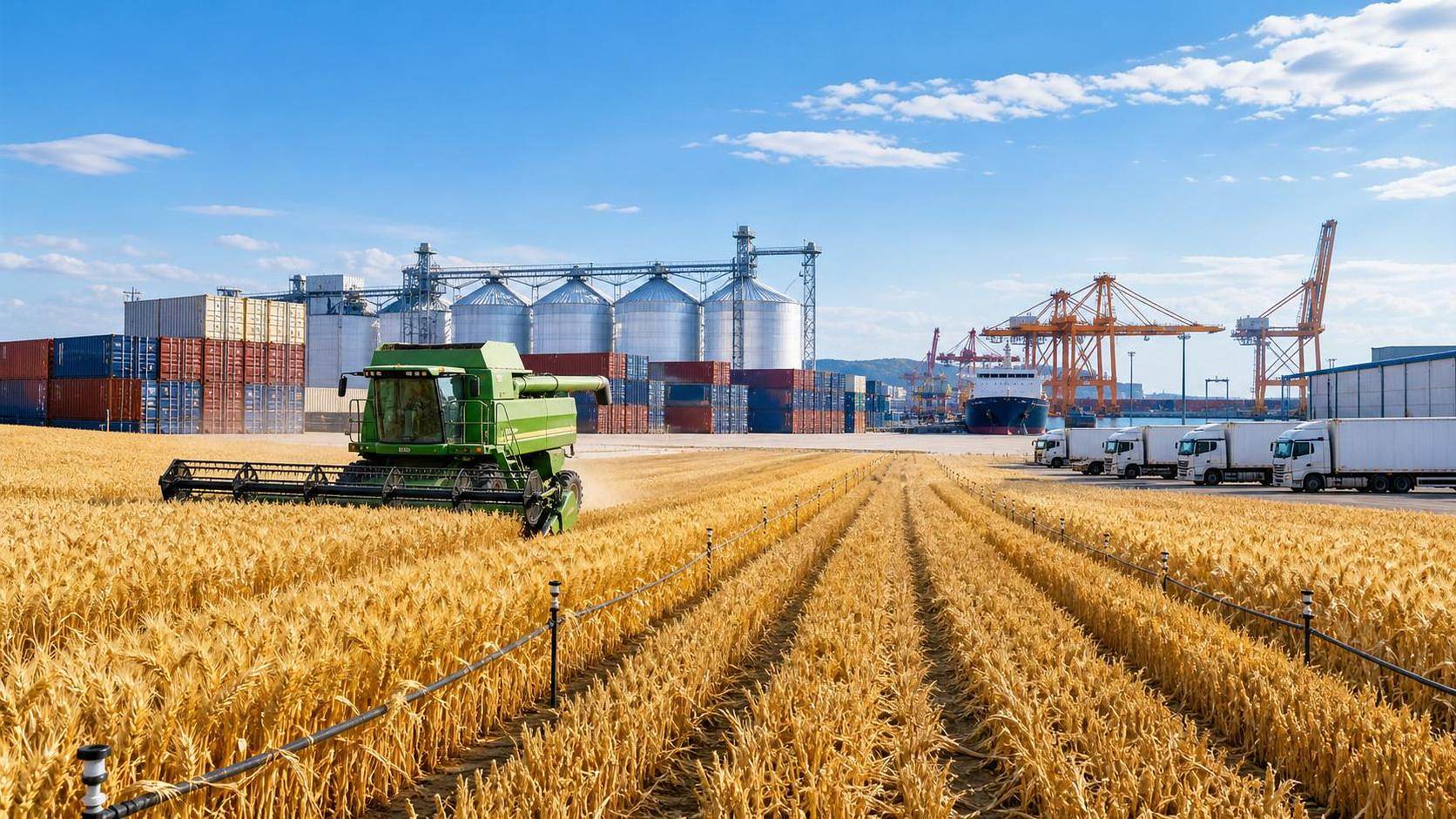




Food security has moved from policy debate to operating reality
Food security now shapes pricing, sourcing, logistics, financing, and risk planning across modern supply chains.
The shift is not driven by one shock alone.
Climate volatility, input inflation, port congestion, water stress, and uneven digital adoption are arriving at the same time.
That overlap changes how businesses should read market signals.
In earlier cycles, companies could watch crop output or freight rates separately.
Today, food security risk is more interconnected.
A drought event can affect irrigation demand, harvesting windows, machinery utilization, storage timing, insurance costs, and downstream inventory strategies.
For sectors linked to agriculture, this is especially visible.
AP-Strategy tracks this intersection closely through farm equipment performance, precision agriculture signals, and water-saving infrastructure intelligence.
That wider view matters because food security is no longer only about supply volume.
It is also about timing, efficiency, resource intensity, and the resilience of each operational link.
The first signals are showing up before shelves or contracts fail
The most useful food security indicators appear upstream, often months before a visible shortage or margin squeeze.
From recent market behavior, five signals deserve early attention.
- Weather-to-yield divergence, where rainfall or temperature patterns no longer predict harvest outcomes reliably.
- Water availability stress, especially in regions dependent on irrigation-intensive crop systems.
- Harvest efficiency shifts, including machine downtime, field loss rates, and delayed collection windows.
- Input access instability, covering fertilizer, fuel, seed treatment, replacement parts, and hydraulic components.
- Logistics friction, such as inland transport delays, export restrictions, and inconsistent cold-chain capacity.
What makes these signals important is their compounding effect.
A small decline in harvest efficiency can amplify transport delays and eventually distort regional availability.
That is why food security monitoring should begin with operational signals, not only macro headlines.
Why this pressure is intensifying across supply chains
Several structural forces are making food security more difficult to manage than in previous cycles.
The first is climate variability with shorter warning time.
Seasonality is becoming less dependable, which weakens historical planning models.
The second is resource competition.
Water, diesel, labor, and arable land are under greater pressure, especially where yields depend on precise timing.
The third is technology unevenness.
Some regions now use satellite-guided tools, predictive irrigation, and dynamic harvest optimization.
Others still depend on fragmented manual decisions.
That gap creates inconsistent output quality and volatile recovery speed after disruption.
More noticeably, these drivers no longer stay within agriculture alone.
They influence financing costs, inventory planning, sustainability reporting, and capital expenditure decisions.
The risk is not only supply loss, but supply quality loss
Many food security discussions still focus on whether enough volume will be available.
That view is now too narrow.
In practice, businesses are increasingly affected by quality variation, timing mismatch, and hidden operational waste.
Take harvesting as one example.
When combine efficiency drops, the issue is not limited to slower collection.
Cleaning losses, grain damage, moisture inconsistency, and delayed transport can all follow.
That creates a food security problem with a different shape.
Supply exists, but less of it meets the required standard at the required moment.
A similar pattern appears in irrigation systems.
Water may still be accessible, yet poor distribution efficiency weakens crop resilience and raises future exposure.
This is where Agriculture 4.0 thinking becomes practical rather than rhetorical.
Precision data, machine telemetry, and transpiration models help detect food security risk before physical output falls sharply.
That is one reason AP-Strategy places equal attention on mechanical reliability and decision intelligence.
Where businesses should track first, not just more
The challenge is rarely a lack of data.
The real problem is choosing which indicators shape food security decisions early enough to matter.
A practical starting set should include both field and network metrics.
- Crop condition volatility by region, especially when satellite readings diverge from historical seasonal norms.
- Irrigation efficiency and local water recharge trends, not only headline reservoir levels.
- Machine uptime during key field windows, including harvest loss rates and service interruption frequency.
- Input replacement lead times for tractor chassis, hydraulic systems, sensors, and farm tools.
- Cross-border policy movement affecting export permits, sanitary rules, or emergency stock controls.
- Inventory days by quality band, because usable supply matters more than nominal volume.
This mix works because it links physical production with supply chain execution.
It also supports earlier escalation.
When food security indicators are monitored in isolation, response usually starts too late.
When they are connected, the same signal can trigger sourcing review, maintenance prioritization, and logistics rerouting.
The strongest responses are becoming more system-based
Another clear trend is that piecemeal fixes are losing effectiveness.
Food security risk now rewards system-level responses.
That means linking agronomic insight, equipment capability, water management, and commercial planning.
For example, upgrading machinery without improving field data may not reduce loss rates enough.
Likewise, adding digital dashboards without reliable irrigation or service support creates only partial resilience.
The more durable model combines several layers.
- Operational resilience through dependable mechanization and lower field-loss performance.
- Resource resilience through water-saving systems and better allocation visibility.
- Analytical resilience through integrated intelligence on grain markets, policy shifts, and field conditions.
- Commercial resilience through flexible contracts and scenario-based planning.
This wider framing explains why intelligence platforms in agriculture are gaining strategic value.
They help convert scattered operational data into decisions that strengthen food security over several seasons, not just one cycle.
What deserves attention over the next planning cycle
Looking ahead, three shifts are likely to shape food security planning more than short-term price noise.
Regional resilience will matter more than global averages
Aggregate production can look stable while critical sourcing zones become fragile.
That makes local signal tracking more valuable than broad annual forecasts alone.
Resource efficiency will become a competitive filter
Food security increasingly depends on producing more reliably with less water, fuel, and loss.
Businesses tied to efficient irrigation, autonomous tools, and robust machinery will read this shift earlier.
Decision speed will separate resilient operators from reactive ones
When disruption moves quickly, late interpretation becomes a cost center.
Food security planning now depends on how fast field intelligence becomes action.
The next sensible step is not chasing every risk headline.
It is building a short list of indicators that connect climate, machinery, water, logistics, and quality outcomes.
Then review them against real operating thresholds, not generic benchmarks.
Food security will remain a moving target, but it becomes easier to manage when weak signals are tracked early and interpreted in context.
That is where sharper observation, staged response plans, and sector intelligence can turn uncertainty into working resilience.
Related News
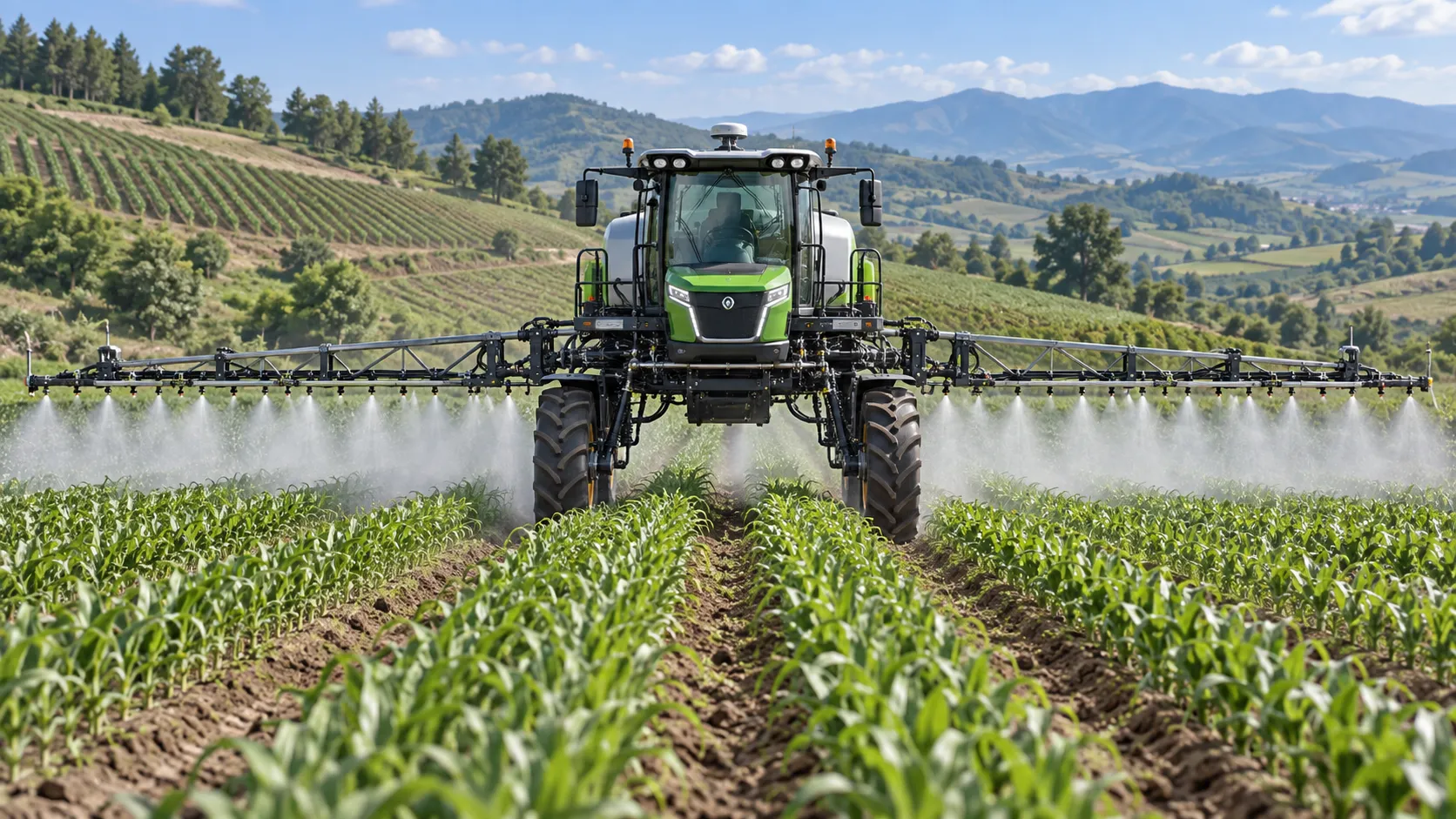
How to Select Precision Crop Protection Equipment for Variable Field Conditions
Precision crop protection equipment selection made simple: compare terrain, canopy, weather, control accuracy, and data workflows for reliable applications.
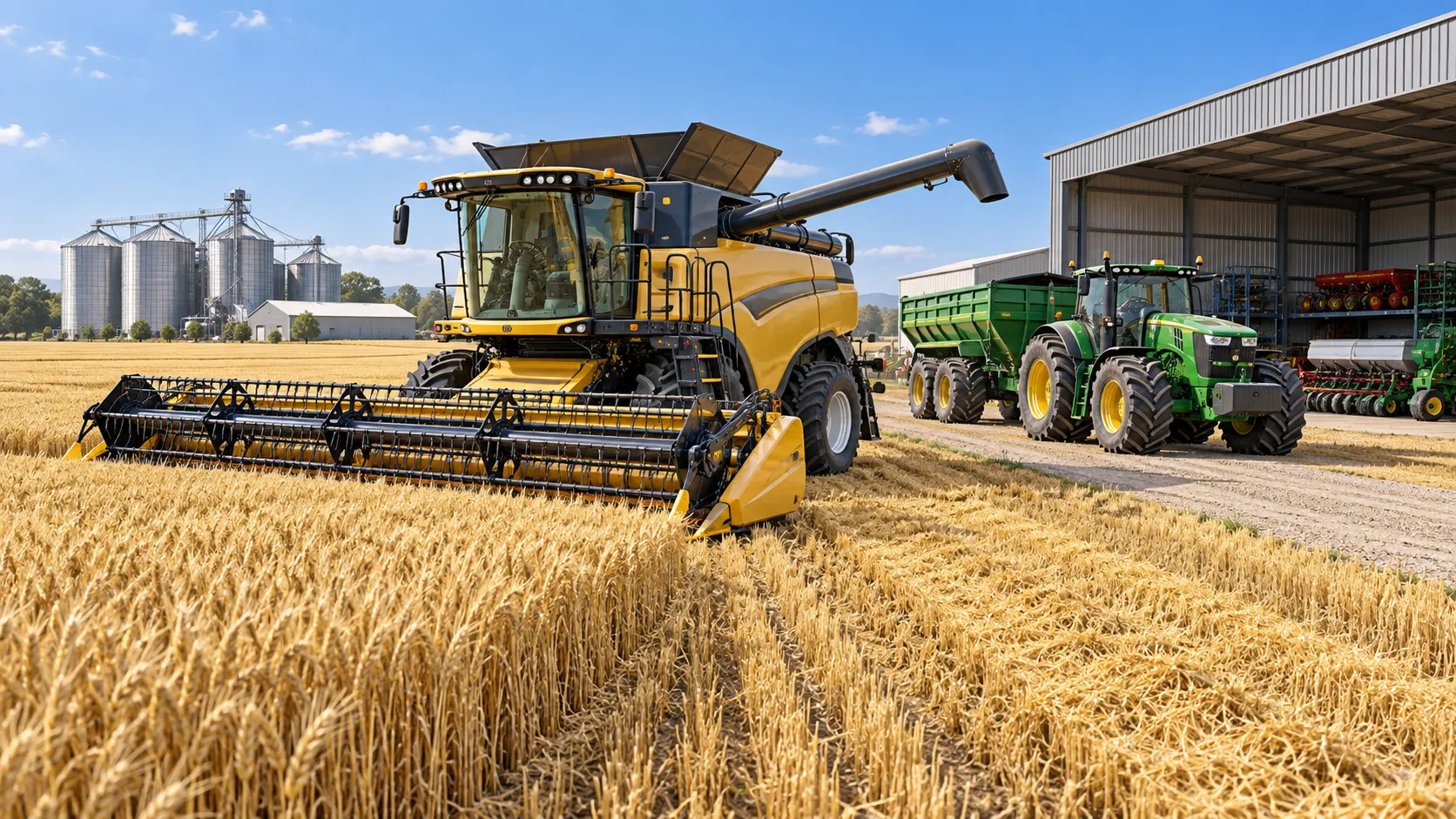
When Does Agricultural Machinery Leasing Cost Less Than Owning Equipment?
Agricultural machinery leasing can lower farm costs when use is seasonal or uncertain. Compare utilization, maintenance, cash flow, and risk to make a smarter equipment decision.
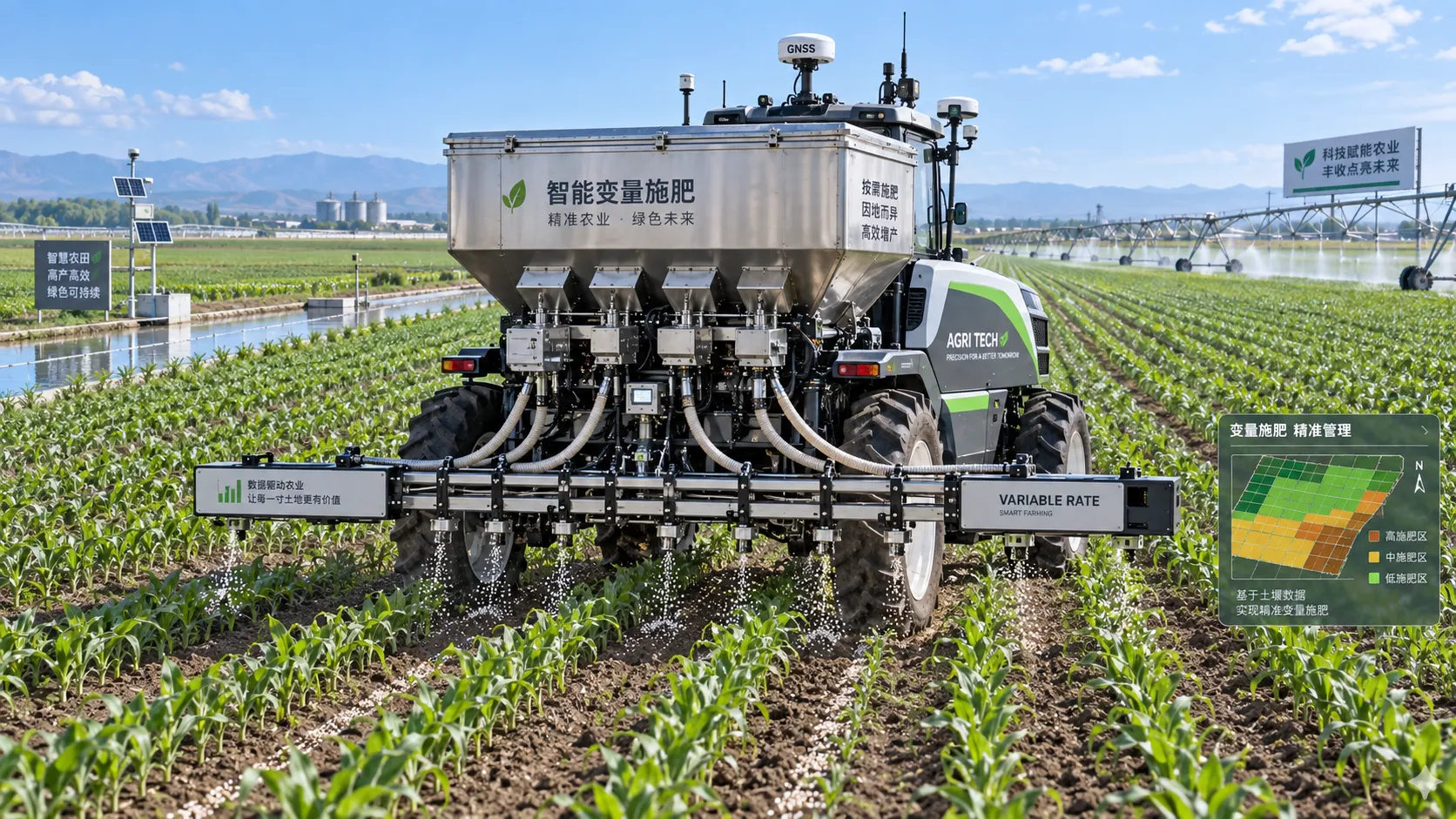
How to Evaluate Precision Fertilization System Suppliers for Farm-Scale Deployment
Precision fertilization systems suppliers: learn how to compare accuracy, integration, uptime, service, and total cost for confident farm-scale deployment.
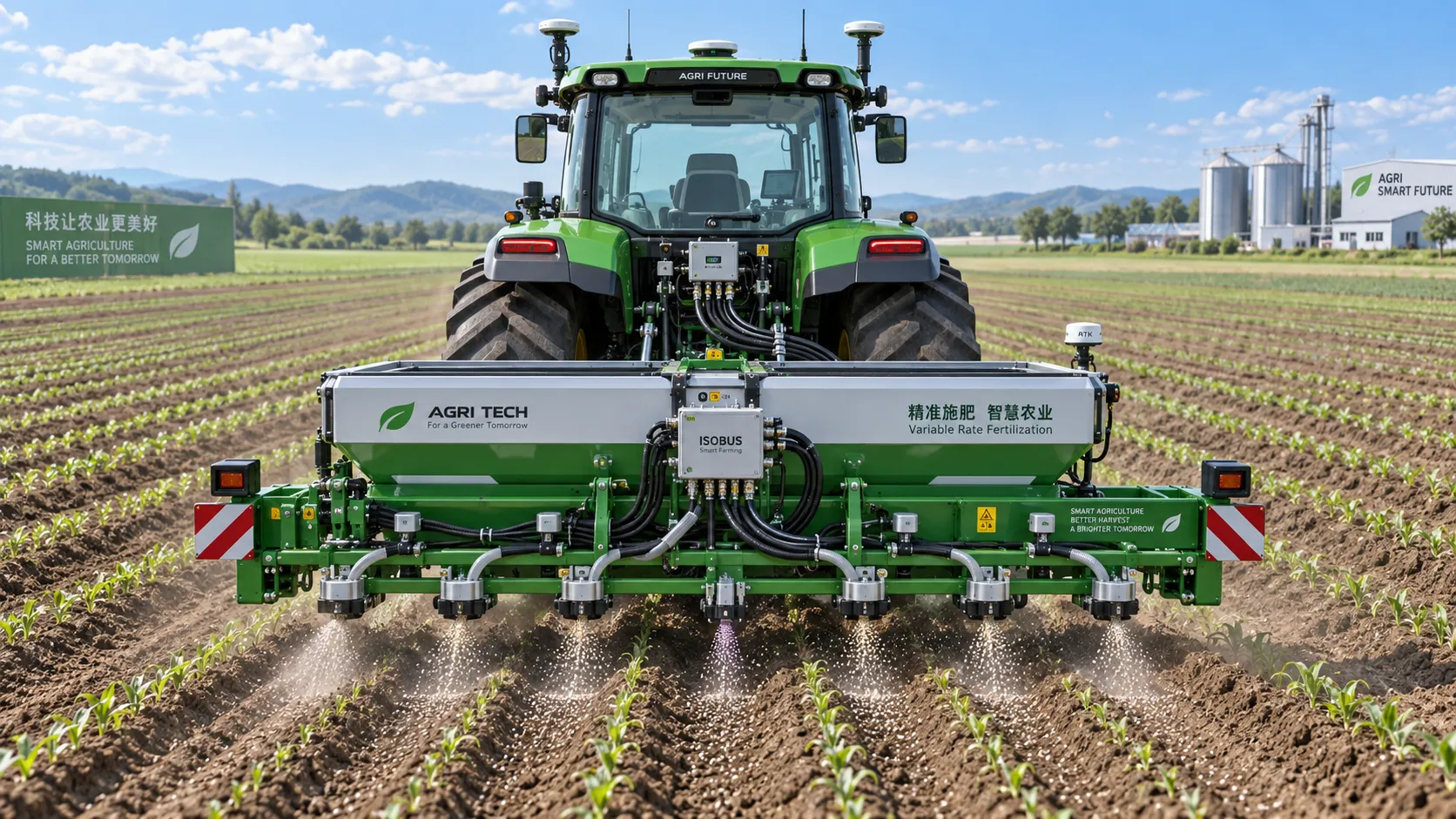
ISOBUS for Smart Agriculture: How It Connects Tractors, Implements, and Farm Data
ISOBUS for smart agriculture connects tractors, implements, terminals, and farm data—helping growers improve precision, documentation, and smarter field decisions.
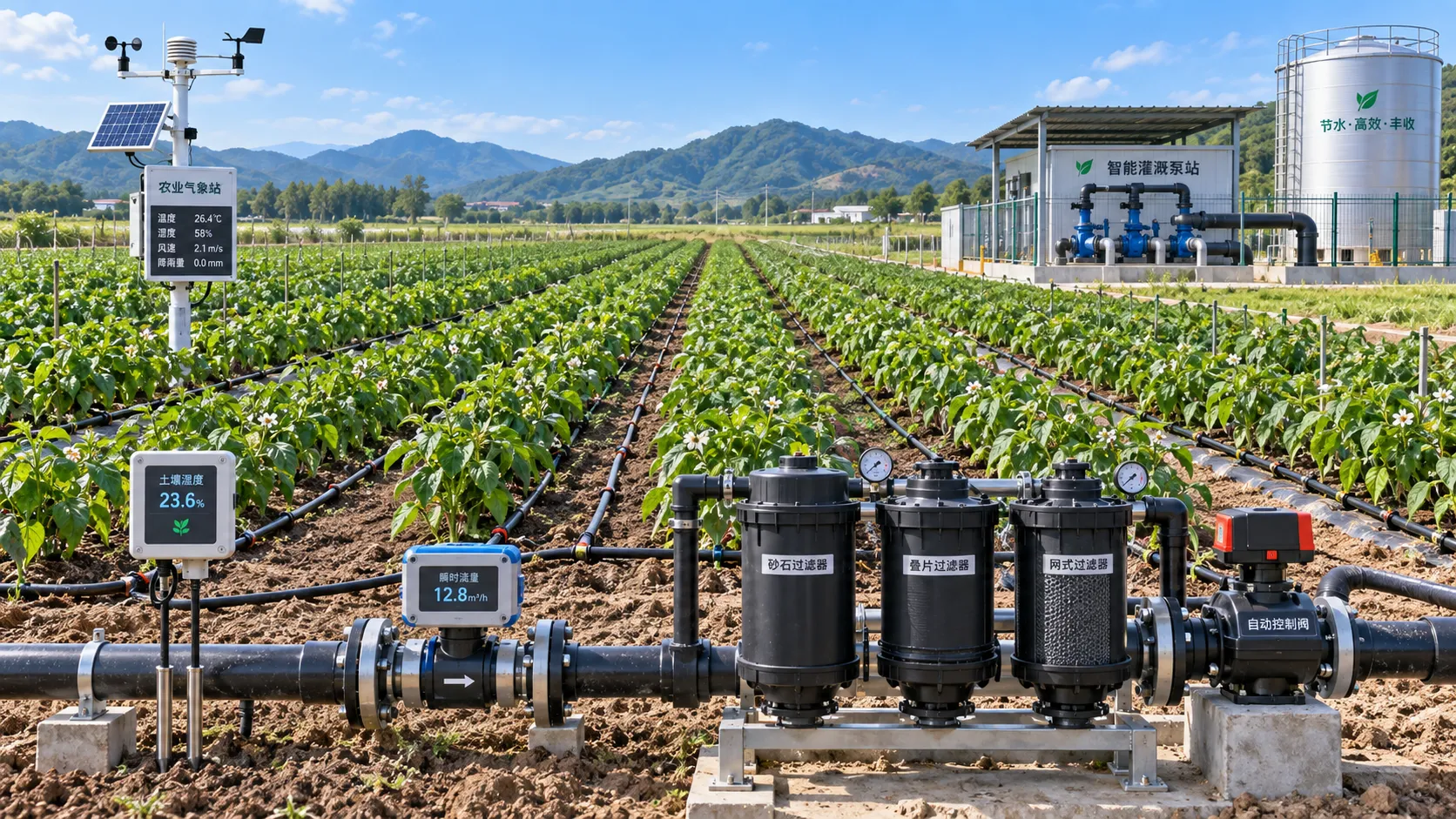
Automated Water-Saving Irrigation: How to Cut Water Use Without Reducing Crop Yields
Automated water-saving irrigation helps farms cut water use, protect crop yields, improve scheduling, and gain reliable control with sensors, flow monitoring, and smart zones.
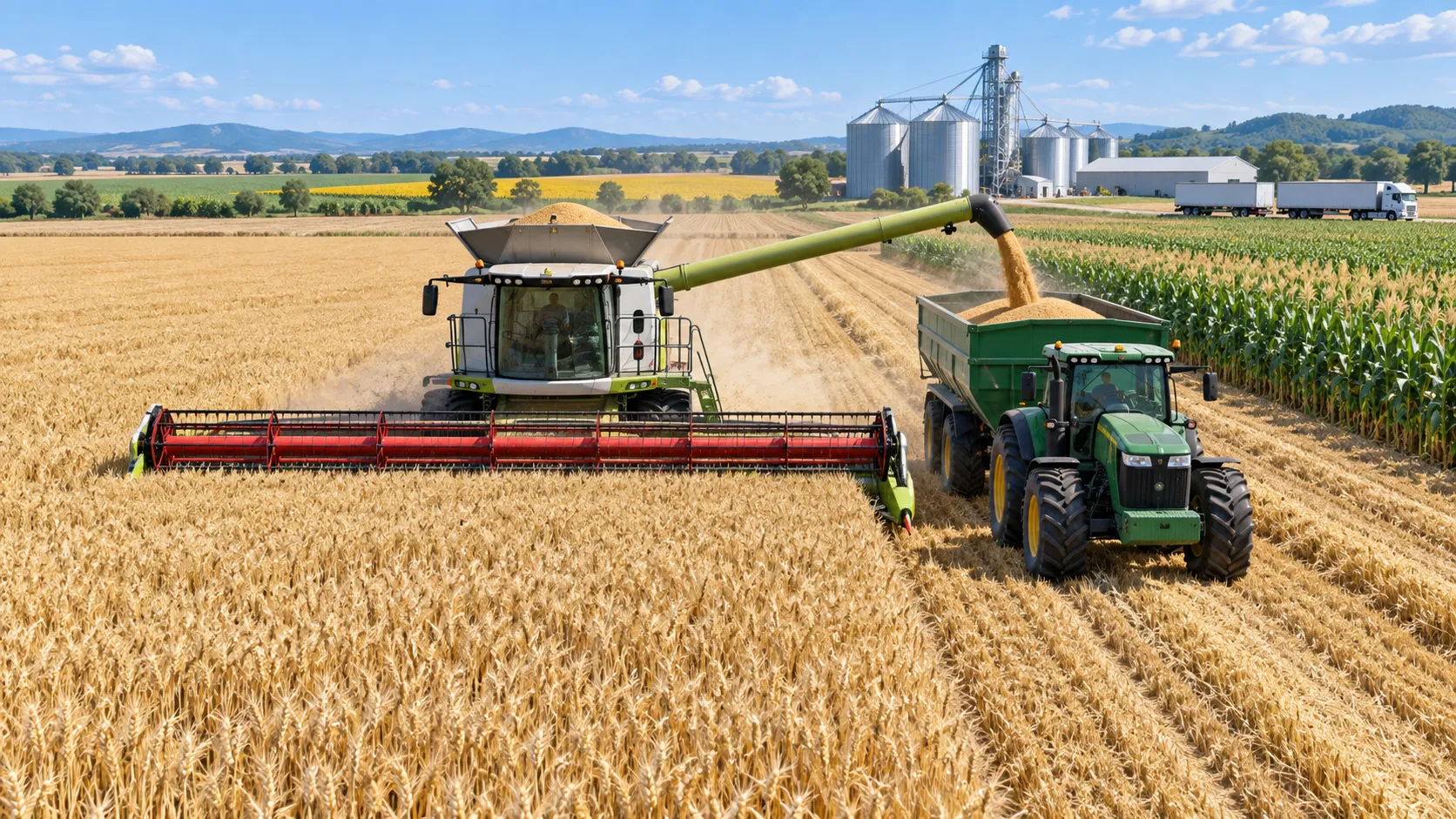
Selecting Grain Farm Equipment by Acreage, Crop Mix, and Harvest Window
Agricultural equipment selection for grain farming: match machinery to acreage, crop mix, and harvest windows to improve uptime, efficiency, and returns.
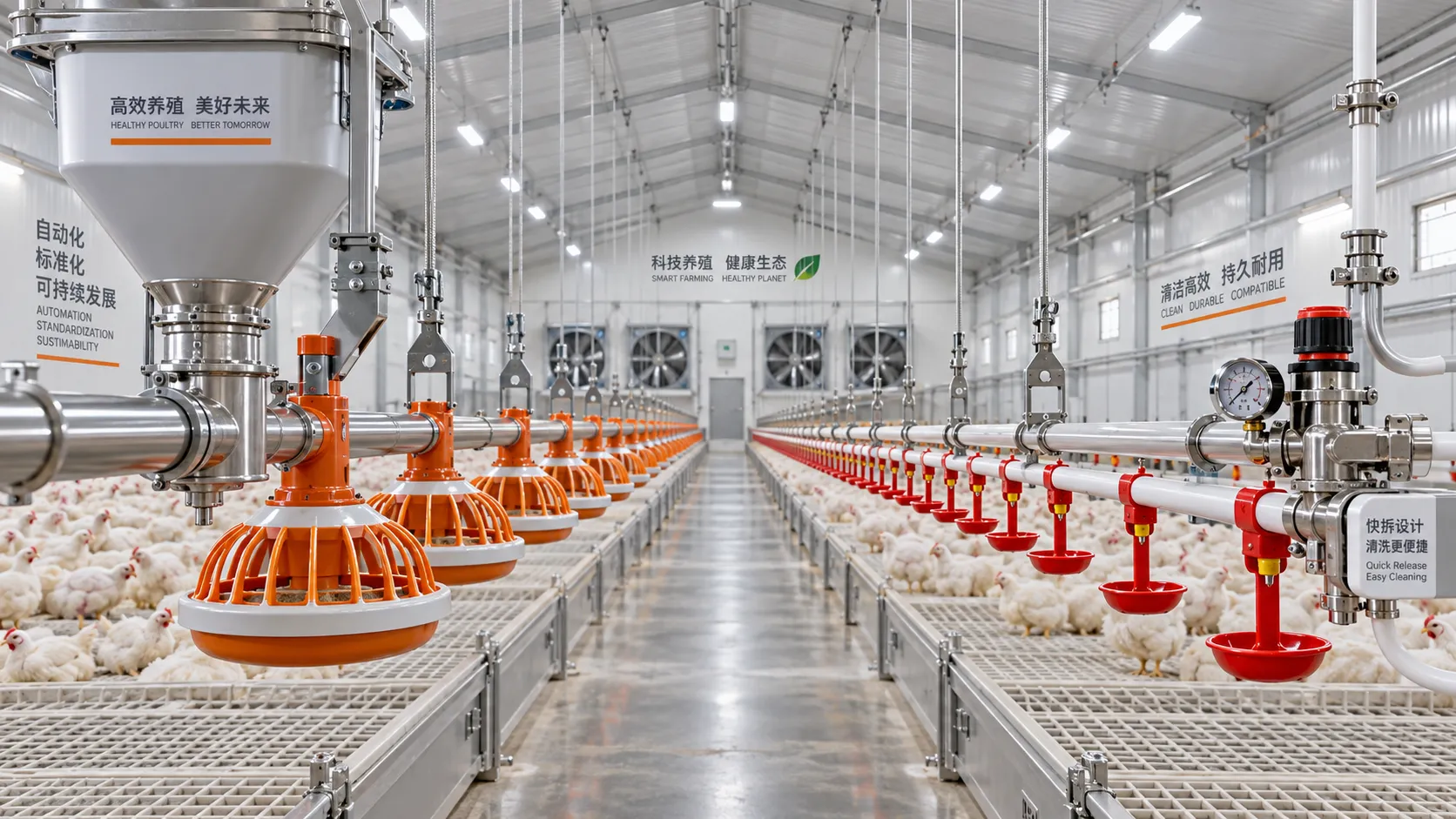
Poultry Equipment Selection: Evaluating Durability, Cleaning, and Compatibility
Poultry equipments selection guide: evaluate durability, cleaning access, and system compatibility to improve hygiene, reduce downtime, and support efficient flock management.
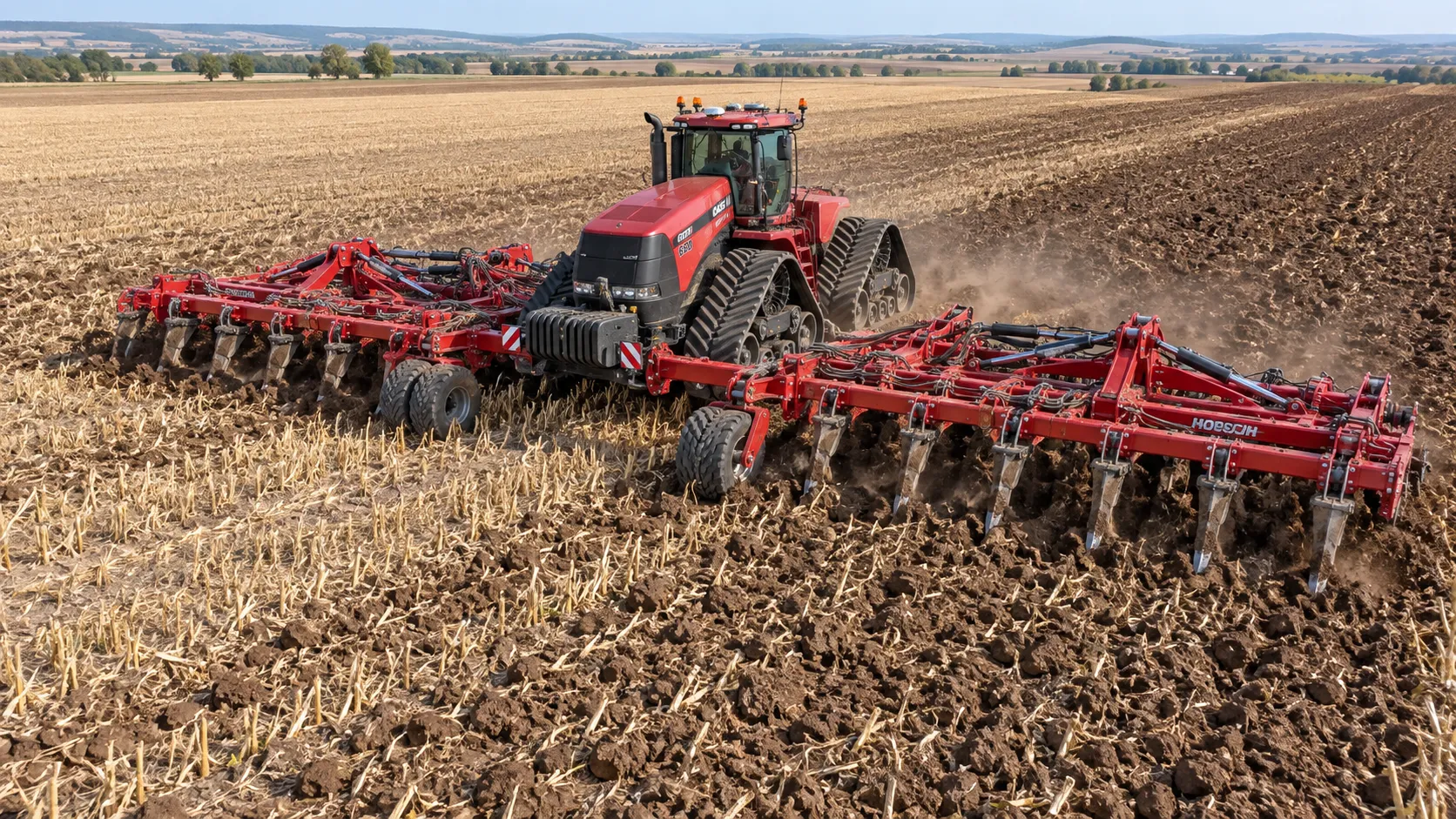
How to Select Heavy-Duty Farm Implements for High-Acreage, High-Horsepower Operations
Heavy duty farm implements: learn how to match draft, hydraulics, hitch capacity, frame strength, and field conditions for reliable high-acreage performance.
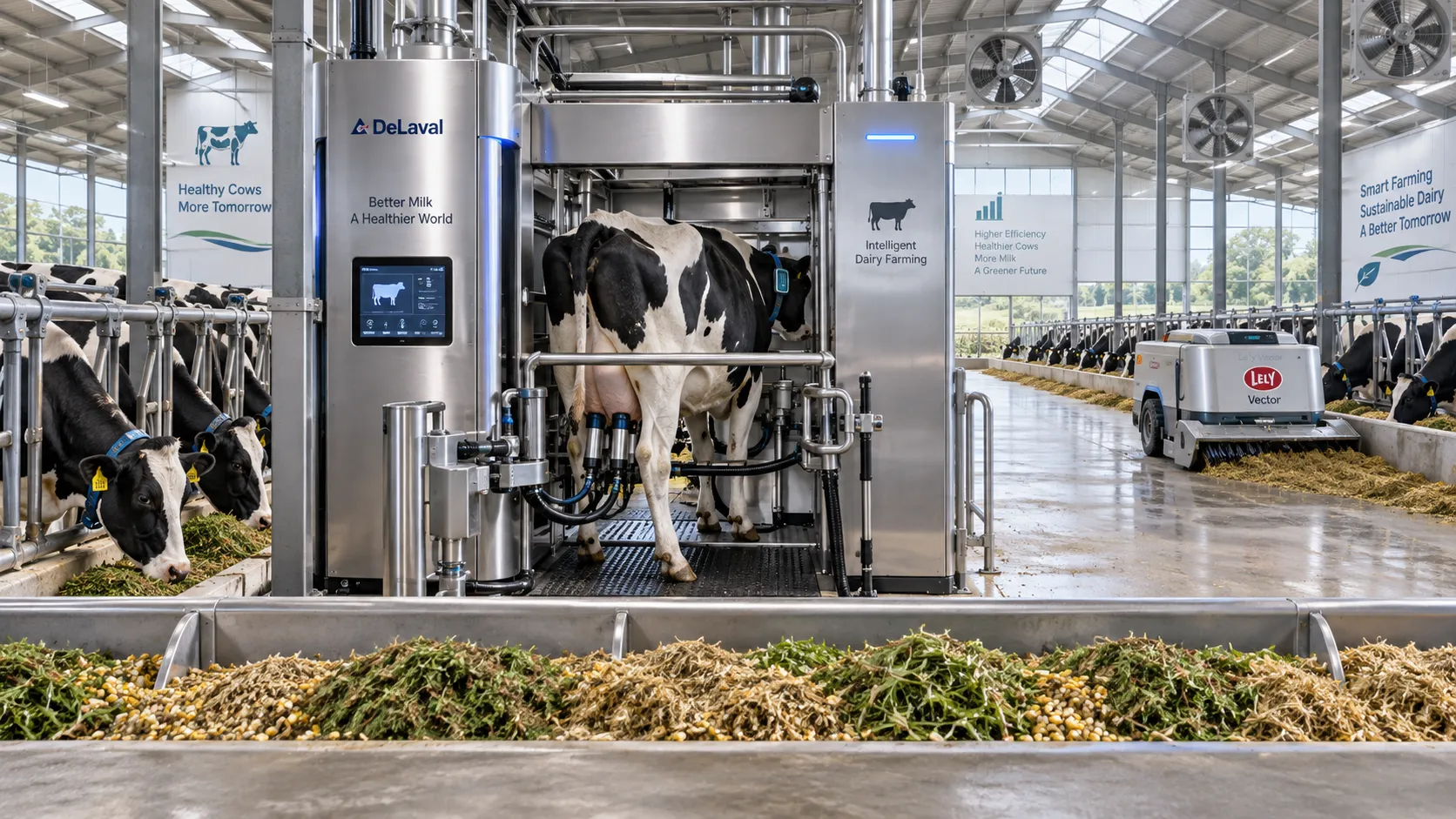
Smart Farming Technology for Dairy Farms: Where Automation Delivers Measurable ROI
Smart farming technology for dairy farms delivers measurable ROI through automation, precision feeding, health monitoring, and data-driven cost control.
Related News
- 00
0000-00
Food Security Risks in Modern Supply Chains: What Businesses Should Track First - 00
0000-00
Farm Machinery Innovations Worth Tracking in 2025: ROI, Adoption Barriers, and Use Cases - 00
0000-00
What agricultural environmental policies mean for compliance - 00
0000-00
Why hybrid farm machinery is gaining serious traction - 00
0000-00
Japan's April CPI Up 1.4%: Pricing Strategy Adjustment Urged for Farm Machinery Exports
Popular Tags
Dr. Alistair Vaughn
Weekly Insights
Stay ahead with our curated technology reports delivered every Monday.