
Farm Machinery Innovations Worth Tracking in 2025: ROI, Adoption Barriers, and Use Cases
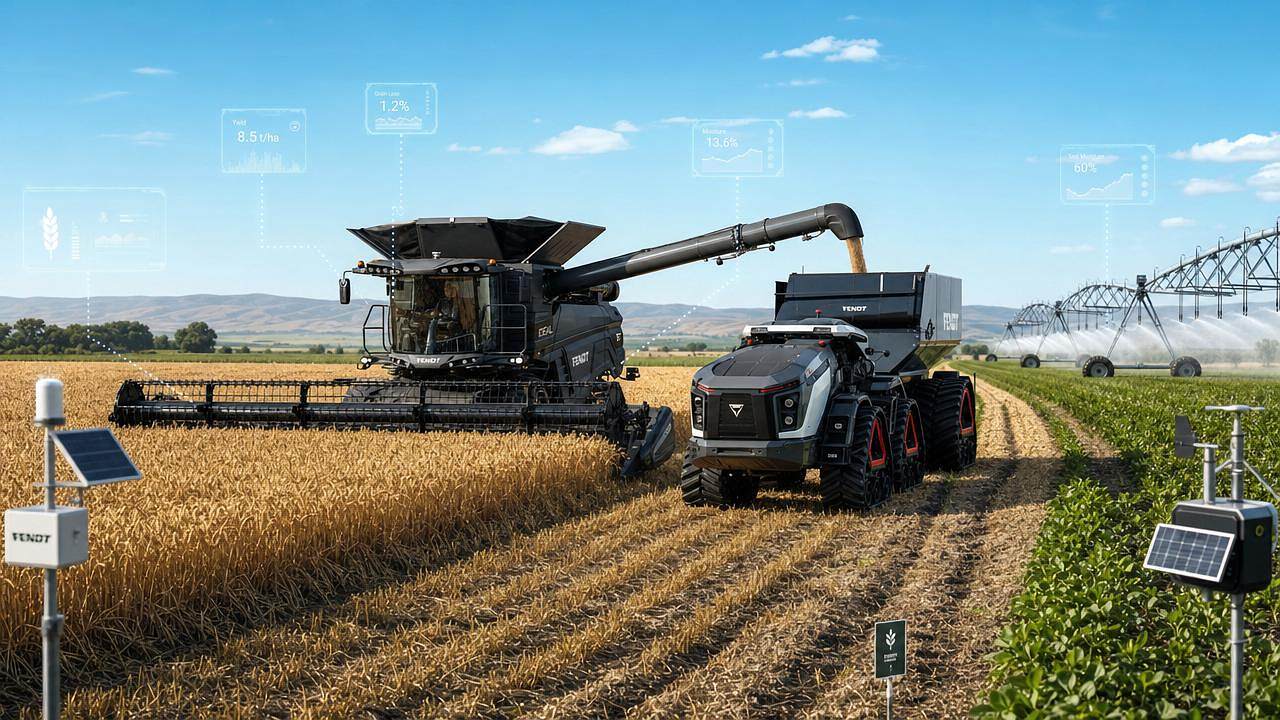




Farm machinery innovations are becoming investment filters, not just feature lists
In 2025, farm machinery innovations sit at the intersection of yield pressure, labor volatility, and tighter sustainability targets.
The shift is visible across large-scale equipment, combine harvesting systems, tractor chassis, and intelligent irrigation networks.
What matters now is not novelty alone.
The stronger question is whether a machine upgrade can scale across seasons, crops, and operator teams without creating new friction.
That is why farm machinery innovations are being judged more like capital assets than engineering milestones.
Recent signals tracked across the Agriculture 4.0 landscape show a more disciplined buying logic.
Equipment with measurable fuel savings, lower loss rates, better telemetry, or water efficiency is moving higher on decision lists.
At the same time, high-potential systems still face adoption barriers tied to integration costs, training gaps, and uncertain payback windows.
This is where market observation becomes more useful than pure product promotion.
AP-Strategy’s coverage of mechanization, precision farming algorithms, and intelligent water systems reflects this broader transition.
The market is not simply asking what can be automated.
It is asking what can produce reliable returns under real operating constraints.
The most visible change is a move from standalone machines to connected performance systems
One important change in farm machinery innovations is the decline of isolated hardware value.
A tractor, sprayer, or harvester now carries more value when it improves decisions before and after field operations.
This is especially clear in combine harvesting technology.
Systems that monitor grain loss, throughput, and cleaning efficiency are no longer optional in large-acre environments.
They help convert machine activity into operational intelligence.
A similar pattern appears in intelligent irrigation.
Sensor-fed control, weather-linked scheduling, and transpiration models are changing irrigation from routine application to managed resource allocation.
More noticeably, connected farm machinery innovations are being evaluated by how well they fit existing data environments.
If telemetry cannot flow into agronomic planning, service support, or cost analysis, the value story weakens quickly.
Why this change is accelerating
- Labor shortages increase demand for machine guidance, automation support, and simpler repeatable workflows.
- Input costs push operators toward precision application and lower waste in fuel, fertilizer, seed, and water.
- Climate variability raises the value of adaptive equipment settings and field-specific response capability.
- Sustainability rules and financing scrutiny reward traceable efficiency rather than broad mechanization claims.
These forces do not affect every machine category equally, but together they are reshaping the investment threshold.
ROI is strongest where farm machinery innovations reduce variability, not only labor
A common mistake is to read automation value only through headcount reduction.
In practice, the sharper ROI often comes from reducing variability in field execution.
When equipment performs more consistently, planning accuracy improves across fuel budgets, harvest timing, water use, and maintenance cycles.
That is why several farm machinery innovations stand out in 2025.
The table highlights a useful pattern.
The strongest returns appear where farm machinery innovations stabilize performance under changing field conditions.
That is more durable than a single-season productivity spike.
Adoption barriers are shifting from awareness problems to operational fit problems
The market no longer lacks awareness of advanced machinery.
What slows adoption is the gap between technical promise and operational fit.
This shows up in four recurring ways.
Integration remains expensive in hidden ways
A machine may be easy to purchase but difficult to connect with existing software, mixed fleets, or service protocols.
Compatibility risk often delays otherwise attractive farm machinery innovations.
Operator readiness is still underestimated
Advanced systems fail when calibration, diagnostics, or data interpretation stay concentrated in too few hands.
Training is not a side issue.
It directly shapes realized ROI.
Payback windows vary by crop and geography
An irrigation control upgrade may pay back quickly in drought-prone regions but look slower where water pricing is less severe.
The same is true for autonomous systems in different labor markets.
Service ecosystems matter more than launch specifications
Field uptime depends on dealer capability, remote diagnostics, spare parts, and software update discipline.
Without those supports, even strong farm machinery innovations can stall after initial deployment.
Use cases are becoming more selective and more practical
The most credible use cases in 2025 are not the broadest ones.
They are the cases where technology solves a narrow but expensive operational problem.
That selectivity is making farm machinery innovations easier to justify.
- In combine harvesting, automated setting adjustment is gaining traction where crop variability drives hidden loss.
- In tractor platforms, upgraded chassis control is valued where transport, compaction, and traction must be balanced carefully.
- In intelligent farm tools, prescription application performs best where field zoning data is already reliable.
- In irrigation, sensor-led scheduling works fastest where water constraints are measurable and recurring.
This practical narrowing does not reduce market potential.
It improves conversion from interest to deployment.
More importantly, it helps separate symbolic innovation from deployable innovation.
A broader view shows that impact spreads across the entire operating chain
Farm machinery innovations rarely affect only one field activity.
Their downstream impact reaches planning, maintenance, financing, compliance, and asset allocation.
That wider effect is why AP-Strategy’s intelligence model connects mechanics, algorithms, and sustainability demands instead of treating them separately.
A harvester with better cleaning-loss feedback changes more than harvest performance.
It also improves confidence in grain recovery assumptions and seasonal margin estimates.
An irrigation platform with stronger prediction logic does more than save water.
It supports resource planning, resilience reporting, and long-cycle infrastructure decisions.
This is becoming a central market divide.
Machines that generate usable operational intelligence are moving ahead of machines that only add incremental hardware capacity.
The next round of judgment will depend on a few specific signals
Looking ahead, the next wave of winners among farm machinery innovations will likely be identified through execution evidence, not launch messaging.
Several signals deserve close attention.
- Shorter onboarding time for mixed-skill operator teams.
- Clearer interoperability across brands, tools, and agronomic data layers.
- Documented field results under variable weather and soil conditions.
- More stable service support for remote software and diagnostics.
- Quantified resource savings tied to fuel, water, losses, or inputs.
These are not minor details.
They define whether farm machinery innovations remain pilot projects or become repeatable investment categories.
A sensible next step is to review technologies by use-case fit, integration burden, and proof of field consistency.
It also helps to compare performance claims against local labor conditions, water risk, and crop variability.
In a market shaped by food security and smart cultivation, the best decisions will come from staged evaluation rather than broad enthusiasm.
That approach keeps innovation tied to measurable outcomes, which is exactly where 2025 is heading.
Related News
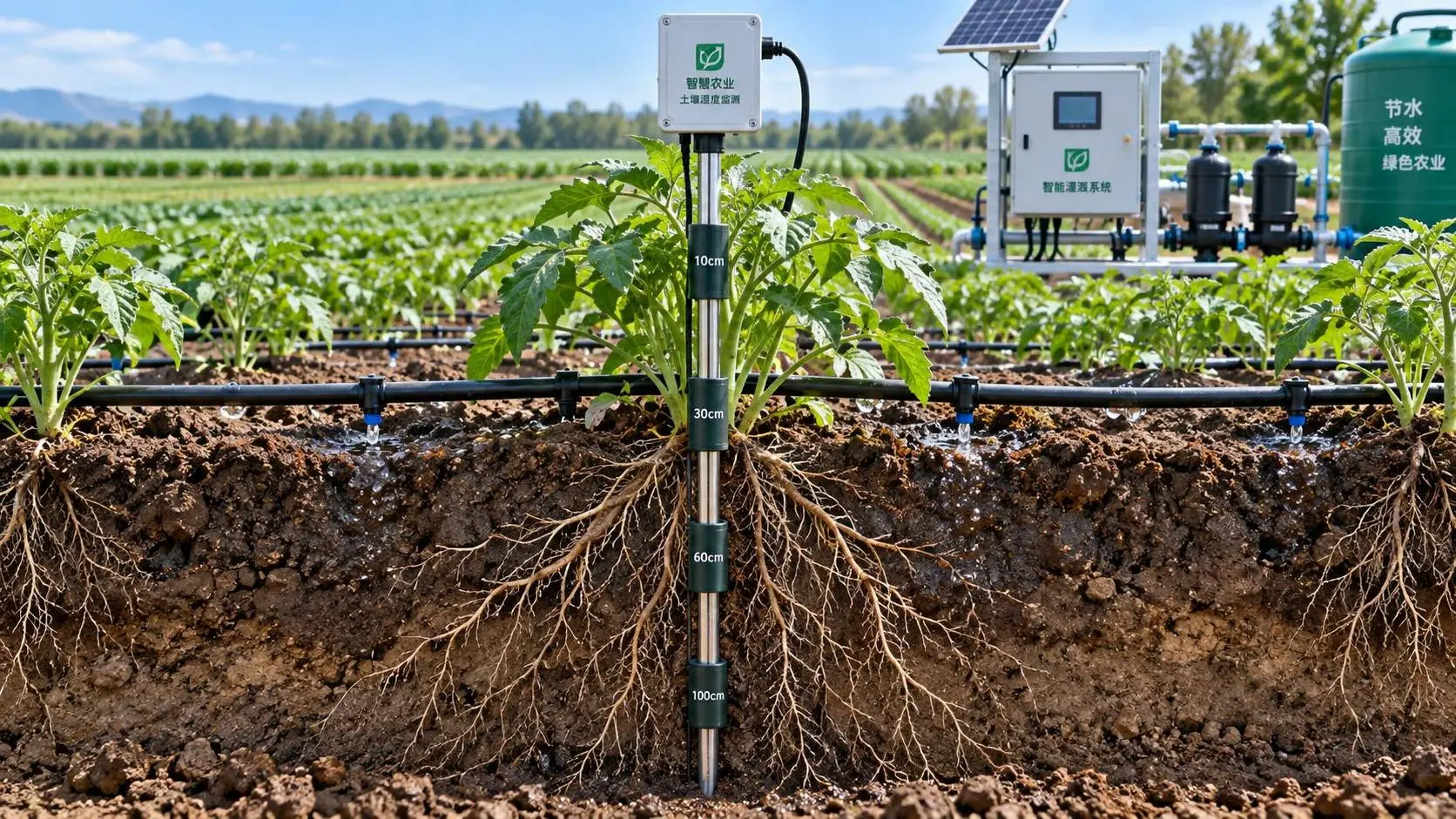
Selecting Real-Time Soil Moisture Sensors for Irrigation Zone Control
Soil moisture sensors real time: learn how to select reliable probes, optimize zone control, improve irrigation decisions, and scale precision water management.
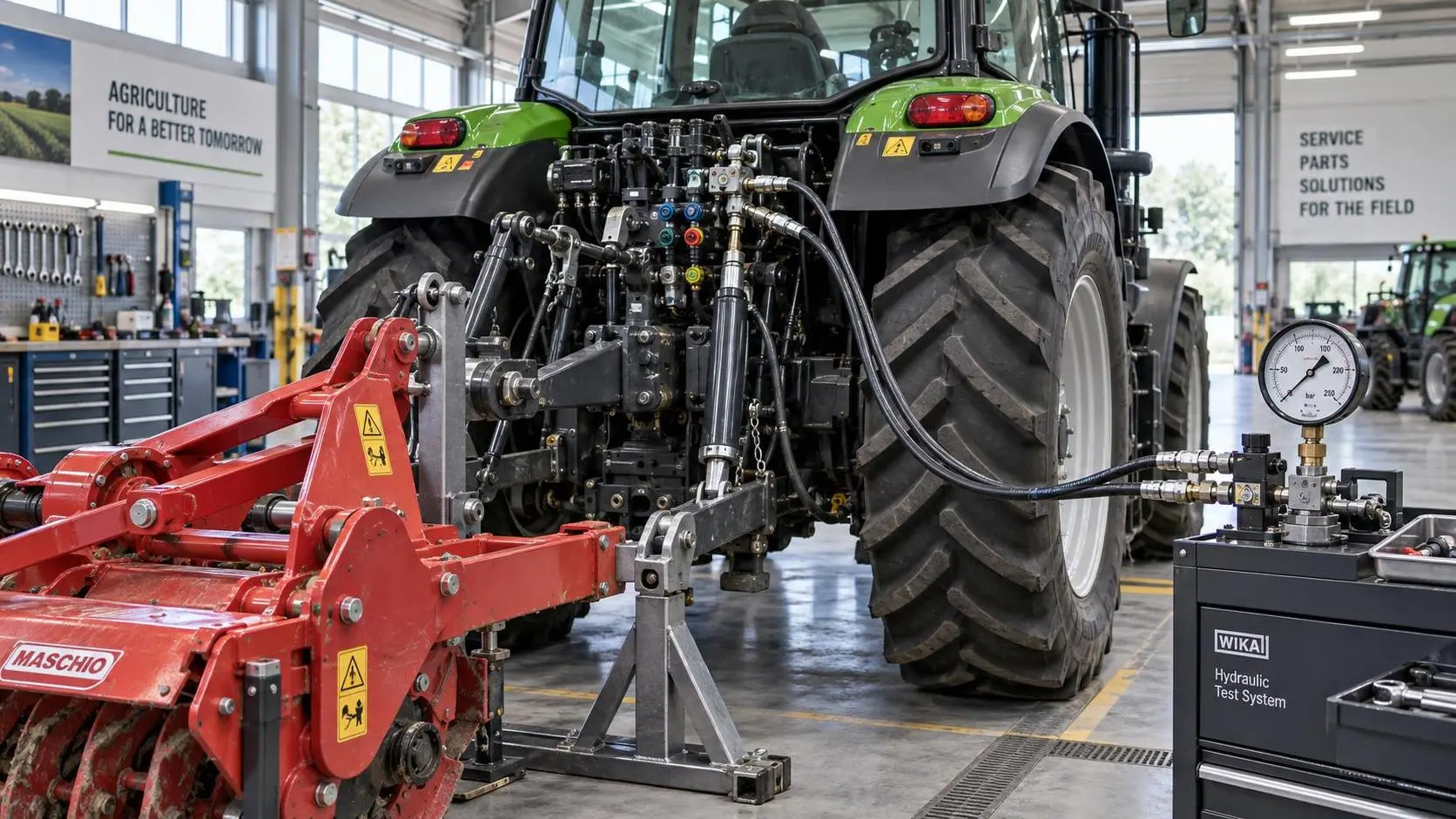
Tractor Hydraulic Systems Troubleshooting: Diagnosing Weak Lift and Slow Implements
Tractor hydraulic systems troubleshooting made practical: diagnose weak lifts and slow implements with proven pressure, flow, valve, and oil-supply checks.
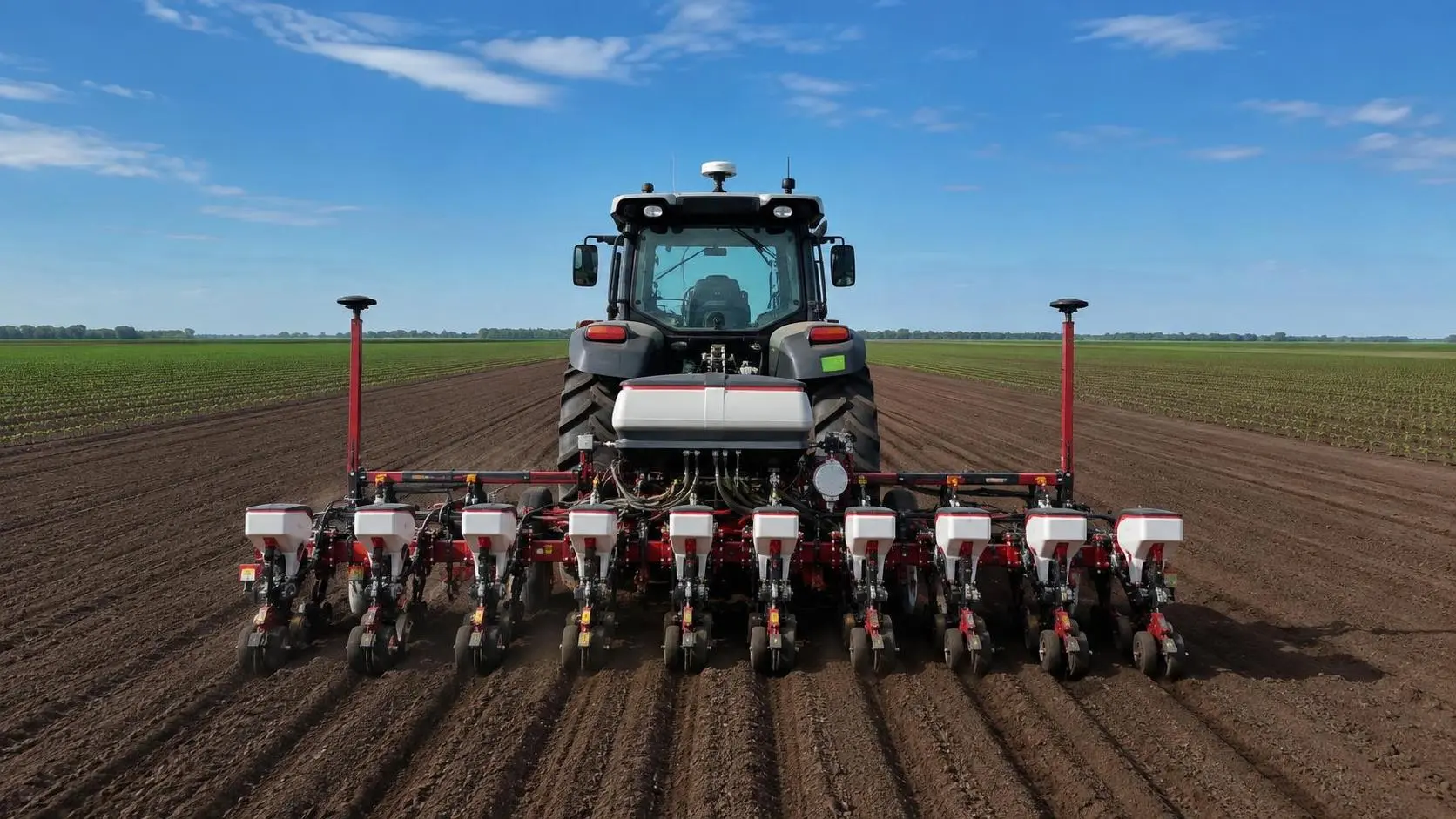
How Tractor Intelligence Systems Improve Field Efficiency and Input Accuracy
Agricultural machinery intelligence for tractors improves field efficiency, input accuracy, data traceability, and implement control. Explore smarter evaluation strategies.
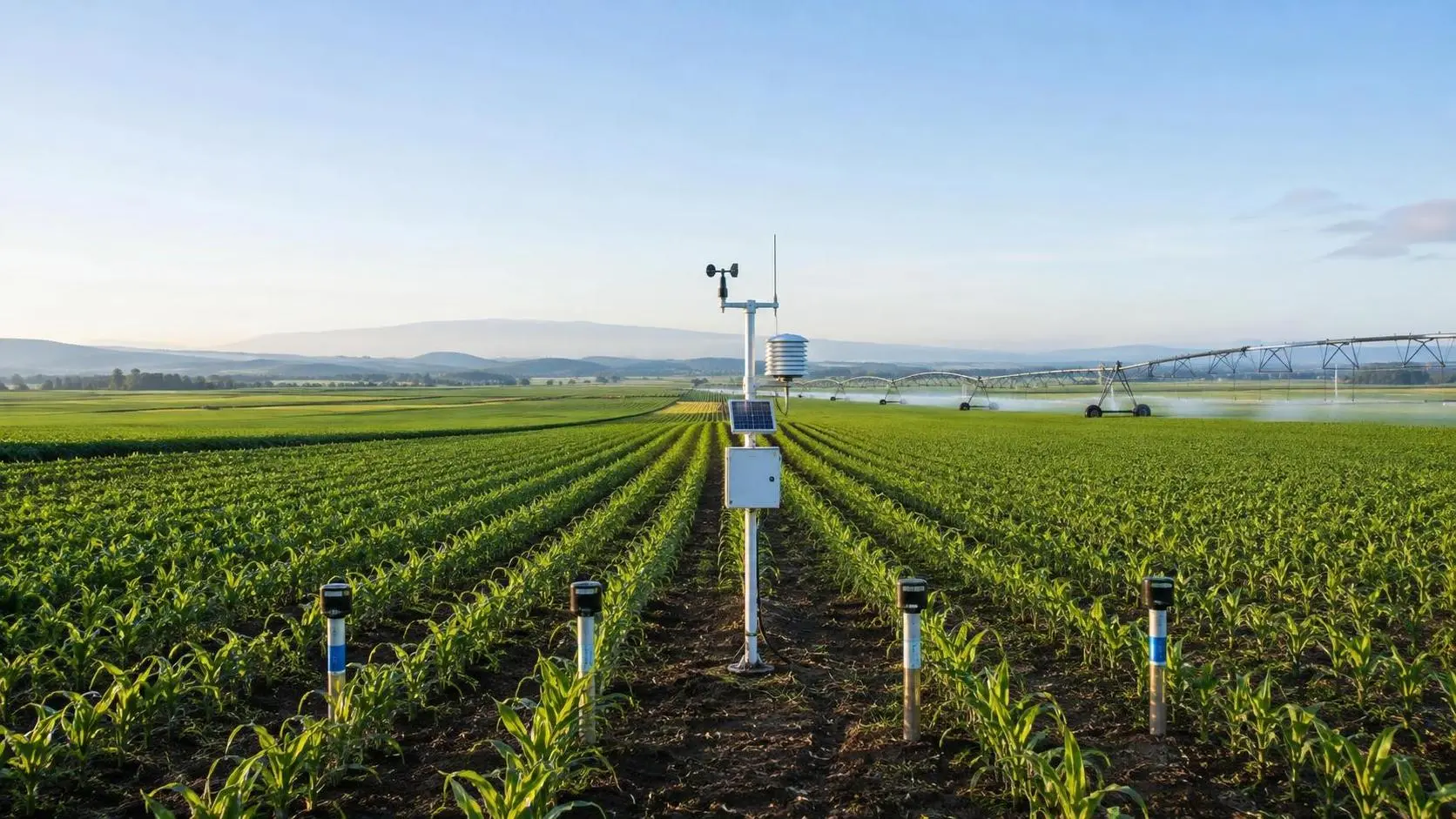
How to Evaluate Crop Monitoring System Manufacturers for Large-Scale Farms
Compare crop monitoring systems manufacturers for large-scale farms. Evaluate data quality, integration, durability, lifecycle costs, support, and pilots for smarter decisions.
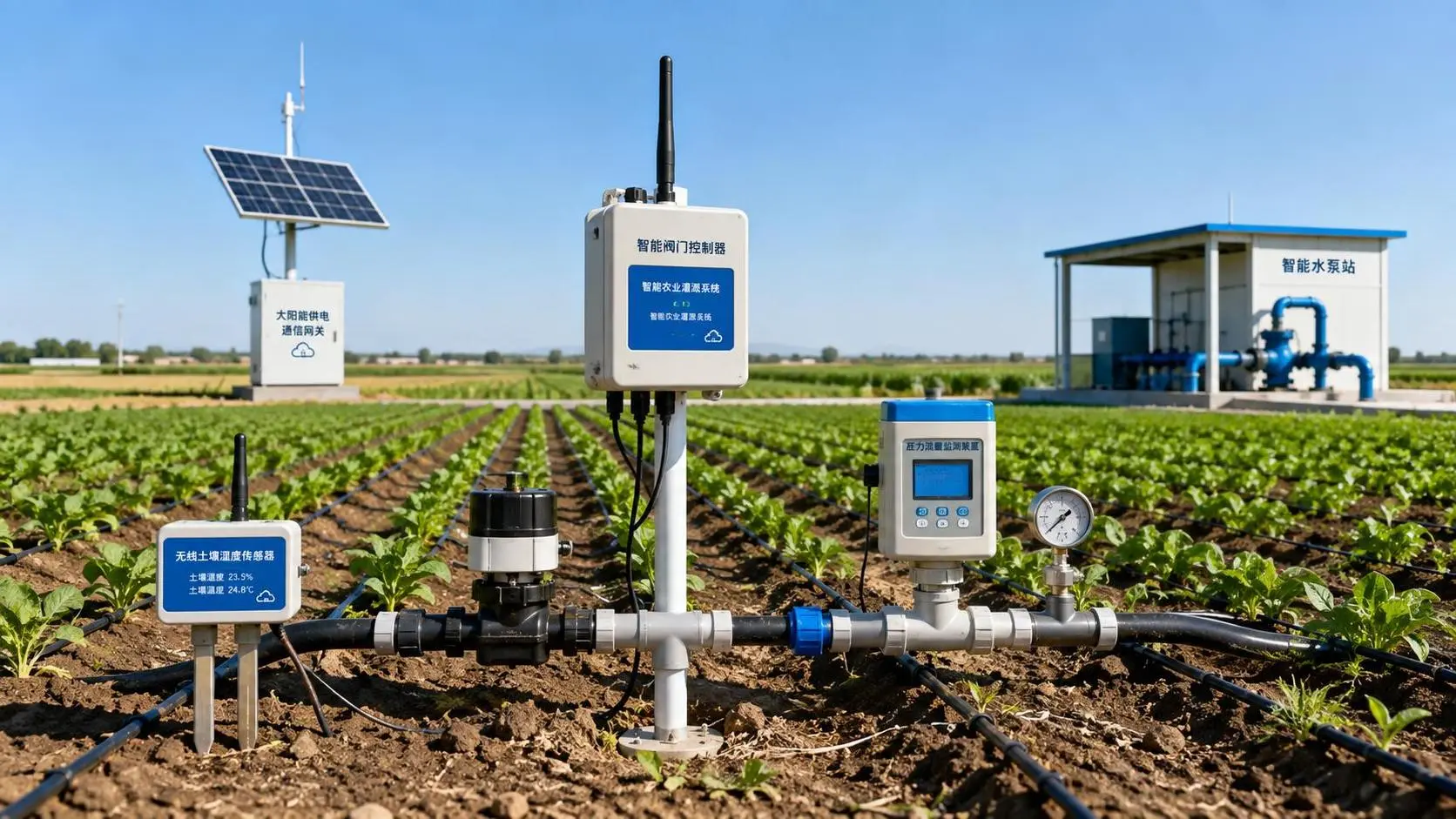
Wireless Agricultural Automation for Remote Irrigation and Field Monitoring
Agricultural automation wireless solutions improve remote irrigation with reliable field data, local control, flow verification, and smarter monitoring. Explore resilient deployment strategies.
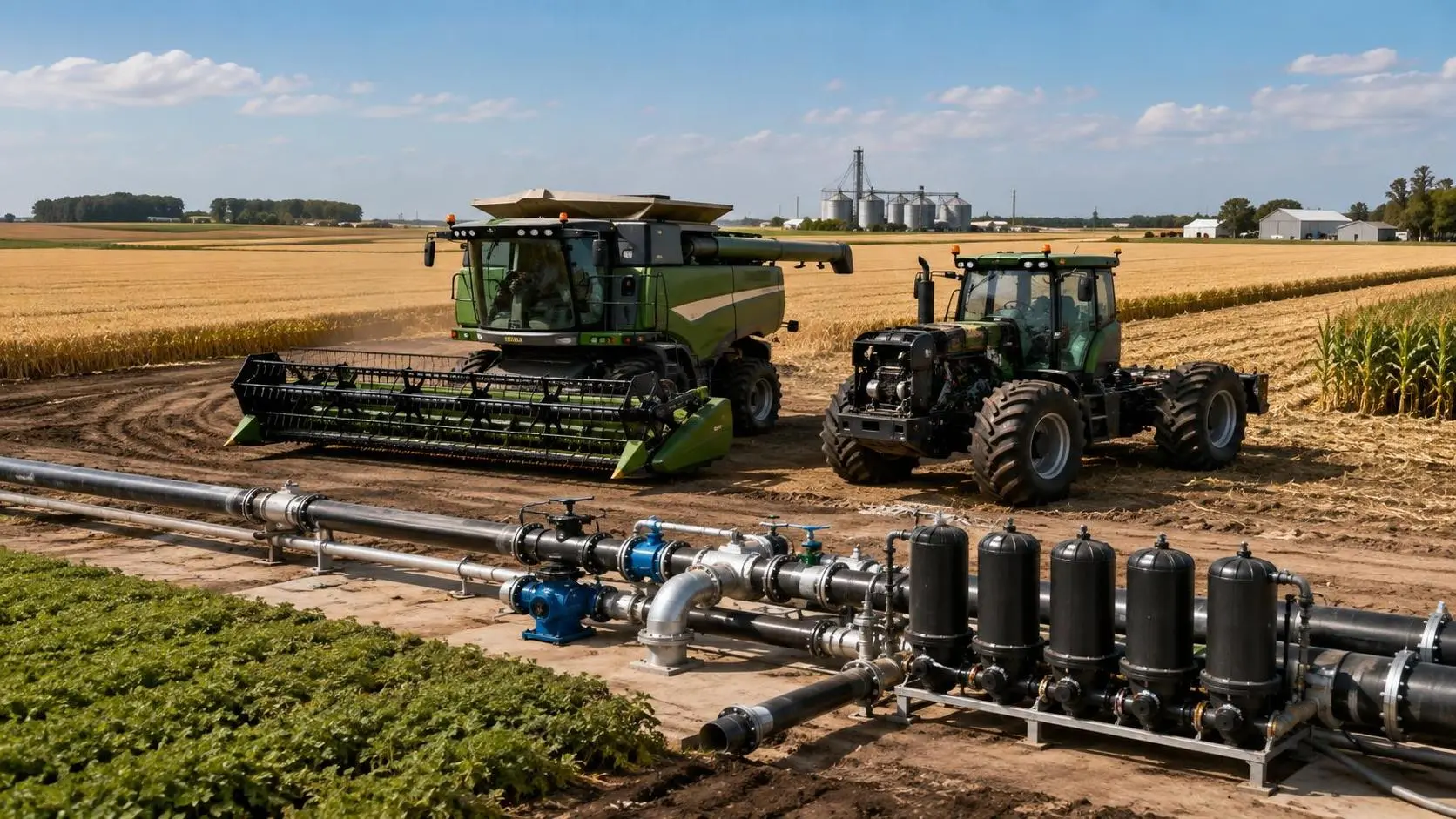
Agricultural Product Information Market Guide: Key Data for Sourcing Decisions
Agricultural product information market guide for smarter sourcing—compare machinery, irrigation, precision tools, lifecycle costs, and supplier risk.
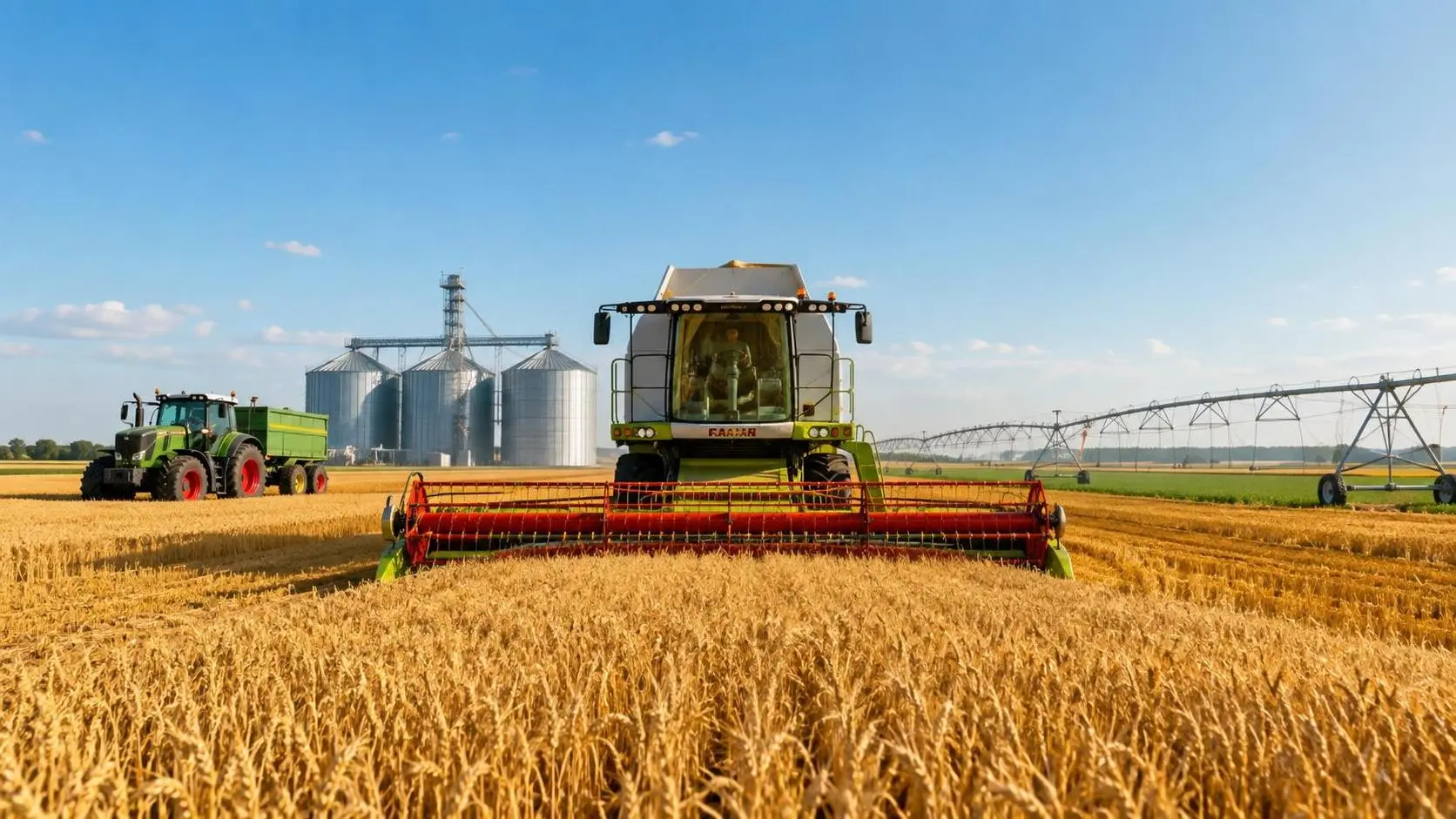
Large-Scale Farm Equipment Cost Comparison: Price, Fuel, and Lifecycle Value
Large-scale farm equipment cost comparison: evaluate price, fuel, maintenance, downtime, and lifecycle value to choose tractors, combines, irrigation, and smart tools with confidence.
A Procurement Specification Preparation Example for Buying Farm Equipment
Procurement specification preparation example for farm equipment: learn to define requirements, compare suppliers, control lifecycle costs, and buy with confidence.
What Tractor Horsepower Is Needed for a Three-Bottom Moldboard Plow?
What tractor horsepower is needed for three-bottom moldboard plow? Compare 60–100 hp needs by soil, depth, traction, and plow width for a confident equipment match.
Related News
- 00
0000-00
Food Security Risks in Modern Supply Chains: What Businesses Should Track First - 00
0000-00
Farm Machinery Innovations Worth Tracking in 2025: ROI, Adoption Barriers, and Use Cases - 00
0000-00
What agricultural environmental policies mean for compliance - 00
0000-00
Why hybrid farm machinery is gaining serious traction - 00
0000-00
Japan's April CPI Up 1.4%: Pricing Strategy Adjustment Urged for Farm Machinery Exports
Popular Tags
Dr. Alistair Vaughn
Weekly Insights
Stay ahead with our curated technology reports delivered every Monday.