
What agricultural environmental policies mean for compliance
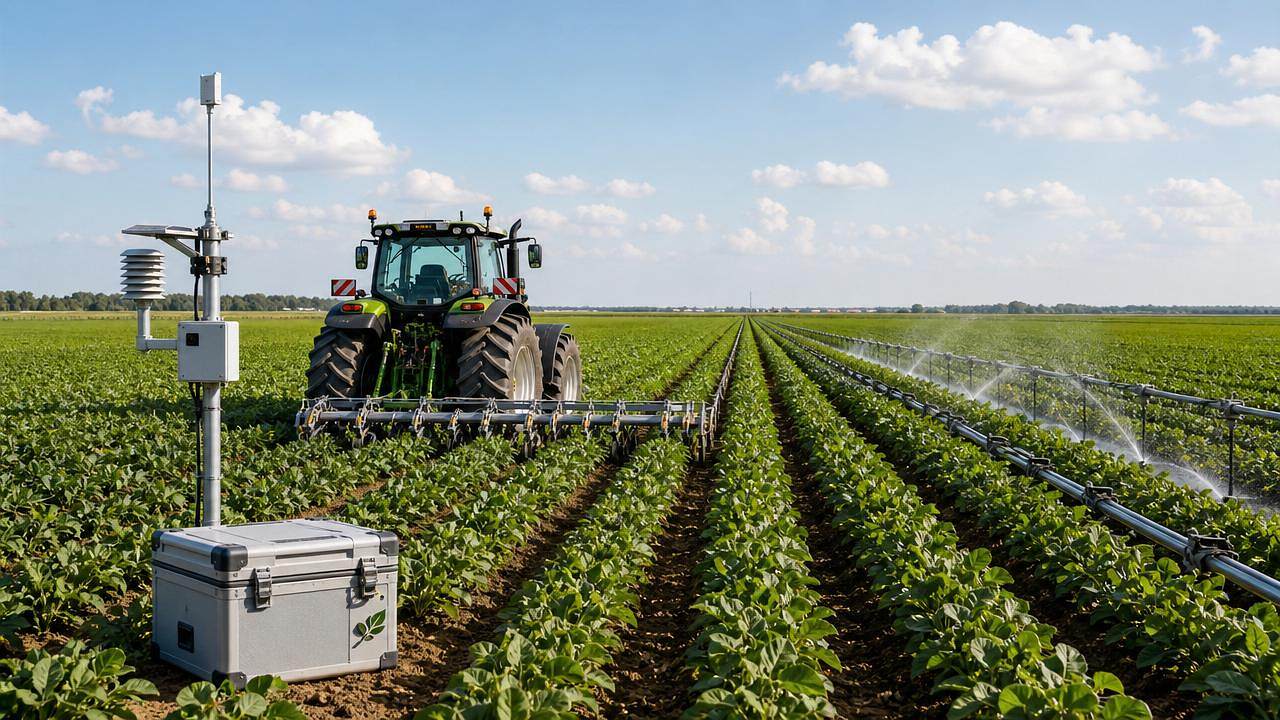




For quality control and safety managers, agricultural environmental policies are no longer background regulations—they directly shape equipment selection, field operations, documentation, and risk management. As farms adopt smarter machinery, precision irrigation, and low-emission systems, compliance teams must understand how evolving rules affect audits, procurement standards, operator training, and sustainability reporting. This article explores what these policies mean in practical terms, helping agri-equipment stakeholders turn regulatory pressure into safer operations, stronger traceability, and more resilient long-term performance.
In large-scale agriculture, compliance is now connected to machine design, field data, fuel use, water stewardship, chemical application, and end-of-season reporting.
For AP-Strategy’s audience, the practical question is not whether rules exist. It is how they change purchasing, inspection, maintenance, and operating discipline.
Why agricultural environmental policies now affect daily compliance work
Agricultural environmental policies increasingly translate broad sustainability goals into measurable duties. Quality control and safety teams must convert those duties into repeatable procedures.
A combine harvester, tractor chassis, sprayer, or irrigation controller may now be assessed through 4 practical lenses: emissions, soil impact, input accuracy, and traceability.
From regulatory language to field-level control points
Most policies do not tell operators how to drive a tractor or calibrate a flow meter. They define outcomes that compliance teams must verify.
Typical control points include pesticide drift limits, nutrient runoff prevention, water withdrawal records, residue handling, diesel storage, machine noise, and engine emission categories.
For a 500-hectare grain operation, even a small calibration error can create repeated nonconformities across multiple fields, shifts, and application windows.
What compliance managers should track first
The following table connects common policy themes with operational evidence. It helps teams prioritize inspections before procurement, commissioning, and seasonal audits.
The key conclusion is simple: agricultural environmental policies require evidence, not assumptions. A clean machine log can be as important as a clean machine.
Compliance impact for safety and quality teams
Safety managers should treat environmental controls as part of operational risk. Spills, drift events, overheating pumps, and unmanaged residues affect people and assets.
Quality teams should link policy controls to product consistency. Grain contamination, harvest losses, moisture errors, and irrigation stress can all reduce acceptance quality.
How policies reshape agri-equipment selection and procurement
Procurement is where many compliance outcomes are either protected or compromised. The lowest initial price may create 3–5 years of audit difficulty.
Agricultural environmental policies should therefore be embedded into purchasing specifications, supplier questionnaires, acceptance tests, and after-sales service agreements.
Selecting machinery with compliance in mind
For large-scale agri-machinery, buyers should request documented performance ranges rather than broad claims. Examples include fuel consumption, loss rate, and calibration tolerance.
A combine harvester may need crop-loss monitoring, cleaning system feedback, and residue distribution control to support both yield quality and environmental obligations.
A tractor chassis may require efficient transmission matching, hydraulic load sensing, and compatibility with low-disturbance implements to reduce compaction and fuel waste.
Procurement questions for policy-ready equipment
Before approving a new machine or irrigation system, compliance teams should ask questions that connect specifications with measurable operating evidence.
- Can the equipment export usable records for at least 12 months of inspections, maintenance, applications, or water use?
- Does the supplier provide calibration guidance with acceptable tolerance bands, such as ±2% flow variation or documented pressure ranges?
- Are operator training materials available for at least 2 roles: machine operators and compliance supervisors?
- Can the machine integrate with GPS, field maps, or farm management systems without manual re-entry?
- Is preventive maintenance scheduled by operating hours, calendar time, or sensor alerts, and who verifies completion?
These questions turn agricultural environmental policies into procurement criteria. They also reduce the risk of buying equipment that cannot prove compliant operation.
Practical specification areas
For smart farm tools, specifications should include positioning accuracy, application rate control, data export format, sensor cleaning access, and software update cycles.
For water-saving irrigation systems, buyers should review filtration grade, pressure stability, emitter clogging risk, pump efficiency, and moisture sensor placement density.
Operational controls: audits, documentation, and training
Policies become real during audits. Inspectors usually look for procedures, records, responsible persons, corrective actions, and evidence of consistent field execution.
A practical compliance system should cover 5 stages: planning, equipment readiness, operator briefing, field execution, and post-operation verification.
Building an audit-ready documentation system
Documentation does not need to be complicated, but it must be complete. Missing records often create more risk than minor technical deviations.
For agricultural environmental policies, useful records include maintenance logs, calibration certificates, field maps, material safety files, water meter data, and operator approvals.
Digital records should be backed up on a fixed cycle, commonly every 24 hours during peak operations and every 7 days during low-activity periods.
Training operators for repeatable compliance
Operators are the final control point. Even advanced automation fails when staff override alerts, skip calibration, or ignore boundary restrictions.
- Explain the environmental rule behind the procedure, not only the task sequence.
- Demonstrate the equipment setting, including limits, alarms, and approved adjustment ranges.
- Run a field simulation for at least 15–30 minutes before seasonal use.
- Confirm understanding with a short checklist signed by operator and supervisor.
- Review incidents, near misses, or deviations within 48 hours of discovery.
This 5-step approach supports consistent behavior. It also gives auditors visible proof that agricultural environmental policies are actively managed.
Common documentation gaps
The most common gaps include unsigned maintenance entries, unclear calibration responsibility, outdated field boundaries, and missing corrective-action closure dates.
Compliance managers should review these gaps monthly. During high-risk seasons, such as spraying or irrigation peaks, weekly reviews are more appropriate.
Risk areas in harvesting, irrigation, and precision application
Different equipment categories create different compliance risks. AP-Strategy monitors these risk patterns across large machinery, combines, smart tools, and irrigation networks.
Agricultural environmental policies often focus on outcomes, but each machine type has specific failure modes that quality and safety teams must anticipate.
Risk comparison by equipment category
The table below summarizes key equipment risks and the practical controls that support compliance, quality assurance, and safer field operations.
The strongest compliance programs treat equipment as a controlled process. Each risk has a measurable trigger, inspection point, and corrective action.
Thresholds that deserve special attention
Some thresholds are especially useful for field managers. Spray drift risk rises with changing wind, worn nozzles, and poorly defined buffer zones.
Irrigation imbalance may appear when pressure varies beyond the designed range, while harvest losses can escalate when crop moisture shifts by 2–4 percentage points.
These ranges should not replace local rules. They should guide internal alerts, supervisor review, and timely maintenance before a nonconformity occurs.
Turning compliance pressure into strategic performance
Agricultural environmental policies can feel restrictive, but they also push farms and equipment suppliers toward better data, better reliability, and better resource efficiency.
For distributors and fleet owners, compliance capability is becoming a purchasing differentiator. Buyers increasingly compare lifecycle value, not only horsepower or acquisition price.
Using intelligence to support better decisions
AP-Strategy’s intelligence approach connects mechanical performance, precision farming algorithms, and sustainability demands. This helps teams interpret policies before procurement decisions are locked.
A safety manager may need early warning on residue handling rules. A quality manager may need insight into harvest loss monitoring or irrigation uniformity.
When policy intelligence is reviewed every quarter, companies can update specifications, training materials, and audit checklists before the next operating season.
A practical roadmap for compliance improvement
Organizations do not need to rebuild everything at once. A phased roadmap reduces disruption and helps budget planning across 1–3 seasons.
- Phase 1: Map applicable agricultural environmental policies to equipment categories, field tasks, and required records.
- Phase 2: Audit current machines, sensors, irrigation assets, and data systems against 6–10 priority control points.
- Phase 3: Update procurement specifications to include data export, calibration support, maintenance access, and operator training.
- Phase 4: Establish monthly compliance reviews and seasonal corrective-action meetings with operations, maintenance, and management.
This roadmap is especially useful for multi-site operations, where inconsistent practices across 2 or more farms can weaken audit readiness.
Avoiding common strategic mistakes
One mistake is treating environmental compliance as paperwork only. Another is buying smart machines without verifying data ownership and export usability.
A third mistake is separating safety, quality, and sustainability teams. Agricultural environmental policies often require all 3 functions to share evidence.
What compliance-ready agriculture should look like next
The next stage of compliance will be more digital, more preventive, and more closely tied to machine intelligence and resource accountability.
Autonomous machinery, electric drive systems, sensor-based fertilization, and transpiration-led irrigation models will create richer records and new verification expectations.
Practical signs of a mature compliance system
A mature system has clear owners, defined thresholds, accessible records, trained operators, and equipment specifications aligned with agricultural environmental policies.
It also uses corrective actions as learning tools. A deviation should lead to root-cause review within 48–72 hours, not delayed blame.
Where AP-Strategy adds value
AP-Strategy helps stakeholders track policy signals, equipment trends, and commercial implications across large-scale machinery, combine harvesters, tractor chassis, and irrigation systems.
For quality control and safety managers, this intelligence supports better risk reviews, supplier discussions, seasonal planning, and long-cycle agri-equipment investment decisions.
Agricultural environmental policies are no longer distant rules. They shape how machines are purchased, operated, maintained, documented, and evaluated over their lifecycle.
Compliance teams that act early can reduce audit friction, improve traceability, protect operators, and strengthen equipment performance under changing sustainability expectations.
To align your agri-equipment strategy with evolving agricultural environmental policies, consult AP-Strategy for tailored intelligence, procurement guidance, and practical compliance insights.
Related News
Choosing a Digital Farming Platform Provider: Compatibility and Data Ownership
Compare digital farming platforms providers on equipment compatibility, data ownership, and export rights. Discover practical checks to avoid lock-in and choose with confidence.
How Large-Scale Farm Telematics Cuts Downtime Across Mixed Fleets
Large-scale farm equipment telematics cuts mixed-fleet downtime with real-time alerts, smarter maintenance, and stronger operational control. Learn how to protect critical farm workflows.
How to Size Low-Pressure Water-Saving Irrigation Systems for Uneven Fields
Low pressure water-saving irrigation systems for uneven fields: learn zoning, pressure mapping, pipe sizing, and pump selection to improve uniformity and reduce water waste.
Farm Machinery Sourcing: How to Vet Suppliers, Specs, and Lifecycle Costs
Farm machinery information for sourcing: learn to vet suppliers, compare specifications, control lifecycle costs, and secure reliable uptime for smarter equipment purchases.
What to compare in integrated seeding combinations for heavy soils
Compare integrated seeding combinations for heavy soils: depth control, residue flow, consolidation, traction, and field capacity for more uniform crop establishment.
When an integrated seeding combination improves field efficiency
Integrated seeding combination improves field efficiency, protects planting windows, and balances speed with seedbed quality, tractor capacity, and reliable establishment.
Which costs matter most when calculating precision agriculture ROI?
Calculating ROI on precision agriculture equipment? Discover the costs that shape returns, from installation and subscriptions to downtime, labor, and data integration.
How to calculate ROI on precision agriculture equipment before buying
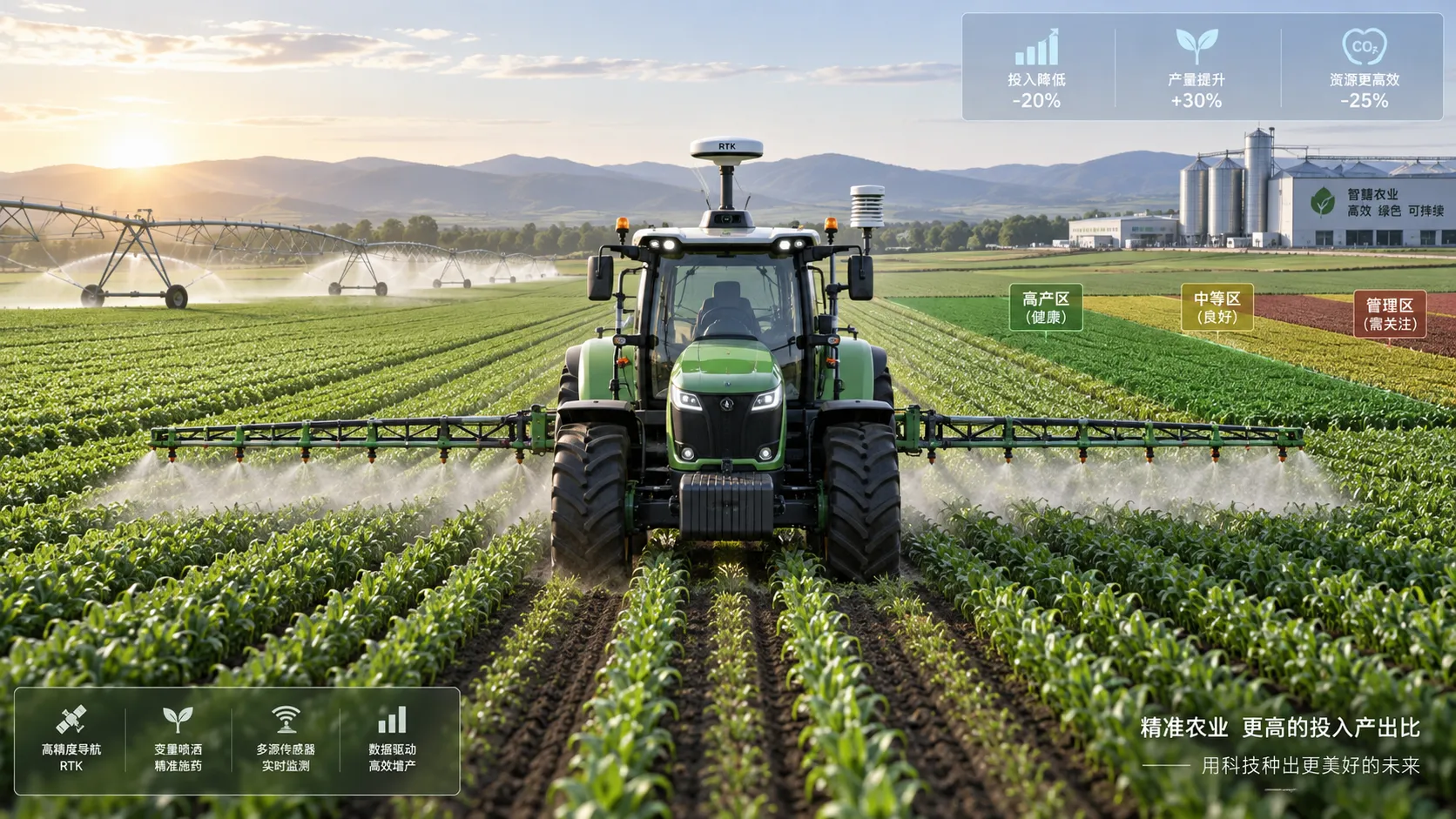
Calculating ROI on precision agriculture equipment: learn to assess total ownership costs, savings, payback, NPV, risks, and farm-scale value before you buy.
Planning Nipple Drinker Installation for Different Chicken House Layouts
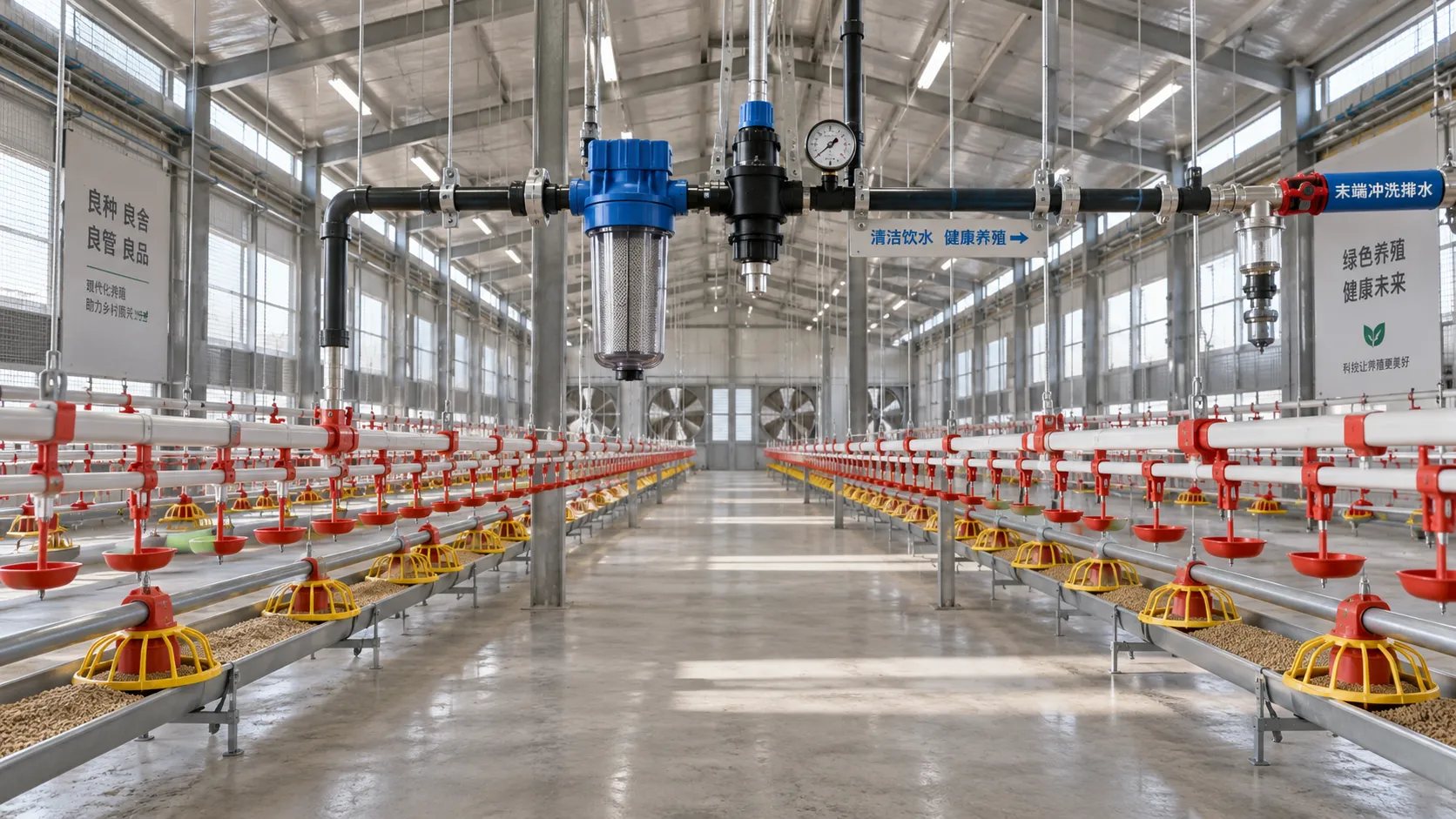
How to install nipple drinker for chicken houses: plan line layouts, pressure control, flushing access, and maintenance for reliable water delivery.
Related News
- 00
0000-00
Food Security Risks in Modern Supply Chains: What Businesses Should Track First - 00
0000-00
Farm Machinery Innovations Worth Tracking in 2025: ROI, Adoption Barriers, and Use Cases - 00
0000-00
What agricultural environmental policies mean for compliance - 00
0000-00
Why hybrid farm machinery is gaining serious traction - 00
0000-00
Japan's April CPI Up 1.4%: Pricing Strategy Adjustment Urged for Farm Machinery Exports
Popular Tags
Dr. Alistair Vaughn
Weekly Insights
Stay ahead with our curated technology reports delivered every Monday.