
Why hybrid farm machinery is gaining serious traction
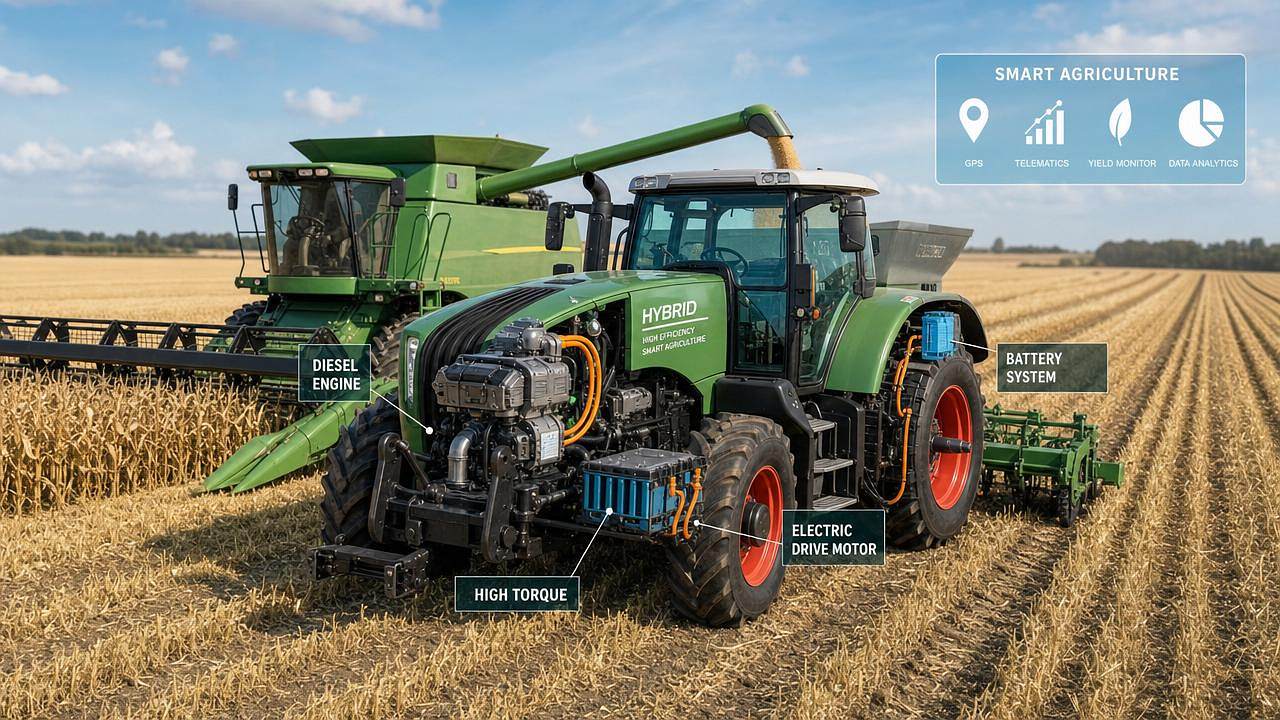




As fuel volatility, emissions pressure, and productivity targets reshape modern farming, hybrid technology for agricultural machinery is becoming a serious commercial topic.
What once looked experimental now fits real field economics, especially in high-hour operations using tractors, harvesters, and power-intensive implements.
For the wider agricultural equipment market, this shift reflects a broader move toward Agriculture 4.0, where mechanical output, energy efficiency, and digital control increasingly work together.
Within that context, hybrid technology for agricultural machinery offers a practical bridge between conventional diesel platforms and future low-emission fleets.
Understanding hybrid technology for agricultural machinery
Hybrid systems combine an internal combustion engine with electric components such as motors, batteries, power electronics, and intelligent energy management software.
In agriculture, the goal is not simply electrification. The goal is better torque delivery, lower fuel burn, reduced idling losses, and improved machine responsiveness.
Several architectures are now appearing across the sector. Each serves different load profiles, field conditions, and duty cycles.
- Mild hybrid systems support diesel engines during peak loads and power onboard electronics more efficiently.
- Series hybrid layouts let the engine generate electricity while motors drive traction or implements.
- Parallel hybrids allow engine and motor power to work together during transport or demanding field operations.
- Plug-in configurations may support limited electric-only functions in selected operational environments.
This is why hybrid technology for agricultural machinery matters beyond engineering language. It changes how power is produced, stored, distributed, and optimized during actual work.
For large-scale operations, even moderate efficiency gains can accumulate quickly across seasonal equipment hours, transport cycles, and variable field loads.
Why market attention is rising now
The interest surrounding hybrid technology for agricultural machinery is not driven by one trend alone. It results from several pressures converging at the same time.
Another important factor is technical maturity. Batteries, inverters, and control software have improved enough to make field deployment more realistic than before.
At the same time, tractor chassis innovation and intelligent implement control are creating stronger use cases for distributed electric power.
That combination explains why hybrid farm machinery is gaining serious traction across both equipment development strategies and fleet evaluation discussions.
Operational value across the agricultural equipment chain
The real appeal of hybrid technology for agricultural machinery lies in its operational impact, not just its technical novelty.
Fuel efficiency under variable loads
Agricultural machines rarely work under stable conditions. Soil type, slope, crop density, moisture, and transport demands constantly change engine load.
Hybrid systems can smooth these fluctuations. Electric support handles short power peaks, allowing the engine to operate closer to efficient ranges.
Improved torque and drive control
Electric motors provide immediate torque. This helps during starts, slope transitions, heavy draft tasks, and repeated speed adjustments in uneven field conditions.
The result can be smoother traction behavior, better implement consistency, and less wasted energy during acceleration.
Lower wear in selected subsystems
Because hybrid systems redistribute power demand, some driveline and engine stress points may be reduced during transient load events.
Maintenance outcomes will vary, but better load balancing can support longer component life in certain high-utilization applications.
Better compatibility with precision agriculture
Hybrid architecture supports power-hungry digital functions more efficiently, including guidance systems, sensors, variable-rate controls, and machine automation modules.
That makes hybrid technology for agricultural machinery relevant not only to energy strategy, but also to data-driven productivity.
Typical machinery categories where hybrid systems fit
Not every machine benefits equally. The strongest early opportunities appear where duty cycles are intense, repetitive, or highly variable.
In many cases, the best fit is not full electric replacement. It is selective hybridization of the most energy-sensitive functions.
This staged approach lowers technical risk while still capturing meaningful performance gains.
Business implications beyond fuel savings
Fuel reduction often leads the conversation, but hybrid technology for agricultural machinery has wider business significance.
- It supports stronger total cost of ownership analysis over long operating cycles.
- It may improve asset positioning in markets shaped by environmental regulation.
- It aligns with corporate sustainability reporting and financing expectations.
- It creates a platform for future automation and intelligent implement ecosystems.
This broader lens is especially important in global agriculture, where equipment choices increasingly connect with policy, export standards, and supply chain resilience.
For intelligence-led platforms such as AP-Strategy, hybrid adoption also signals where future value will concentrate across tractor chassis, harvester systems, and smart irrigation networks.
Practical evaluation points before adoption
Even with strong momentum, hybrid solutions should be evaluated carefully. Performance claims need to match real operating conditions.
- Map annual machine hours, peak-load frequency, transport distance, and idle patterns.
- Check whether the hybrid design targets traction, auxiliaries, implements, or combined functions.
- Compare fuel savings against added capital cost, battery service expectations, and residual value assumptions.
- Review diagnostic capability, parts access, software support, and technician readiness.
- Assess compatibility with precision farming tools, telematics, and autonomous control ambitions.
Climate and crop systems also matter. A hybrid machine optimized for row-crop transport patterns may differ from one built for intensive harvesting cycles.
In short, the right question is not whether hybrid is good in theory. It is where hybrid creates measurable field-level advantage.
The near-term direction of hybrid farm machinery
The next phase will likely favor modular systems, better energy management software, and deeper integration with precision agriculture platforms.
That means hybrid technology for agricultural machinery will increasingly be judged by system intelligence, not only by drivetrain design.
Machines that connect power optimization with yield protection, water efficiency, and lower losses will stand out most.
This is particularly relevant for combines, high-horsepower tractors, and smart equipment operating within data-rich farm management environments.
Next-step perspective
Hybrid farm machinery is gaining traction because it answers real pressures with practical engineering logic.
It can lower fuel exposure, strengthen emissions positioning, improve controllability, and support the digital future of large-scale agriculture.
The most effective next step is a structured review of machine duty cycles, energy costs, and precision system requirements across key equipment categories.
With that baseline, hybrid technology for agricultural machinery can be assessed as a strategic productivity tool rather than a speculative trend.
Related News
Farm Machinery Sourcing: How to Vet Suppliers, Specs, and Lifecycle Costs
Farm machinery information for sourcing: learn to vet suppliers, compare specifications, control lifecycle costs, and secure reliable uptime for smarter equipment purchases.
How to calculate ROI on precision agriculture equipment before buying
Calculating ROI on precision agriculture equipment: learn to assess total ownership costs, savings, payback, NPV, risks, and farm-scale value before you buy.
Tractor Specification Sheets: Matching PTO, Hydraulics, and Weight to Farm Tasks
Specification-oriented articles for tractors: match PTO, hydraulics, lift capacity, ballast, and weight to real farm tasks for safer, more efficient equipment choices.
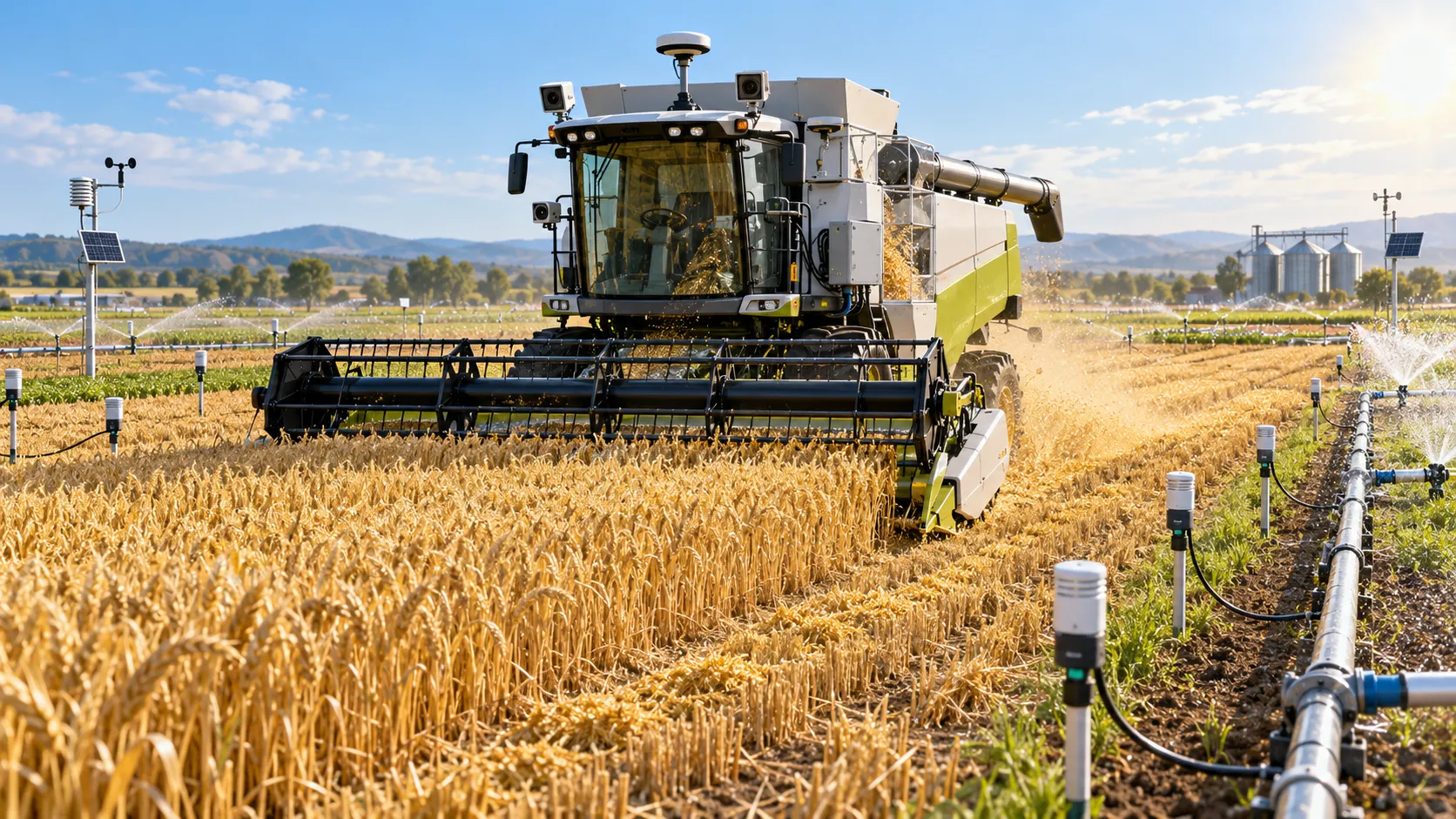
How to Evaluate Dynamic Feedback Algorithm Suppliers for Precision Farming Systems
Dynamic feedback algorithms supplier evaluation guide for precision farming—compare validation, integration, safety, and pilots to choose with confidence.
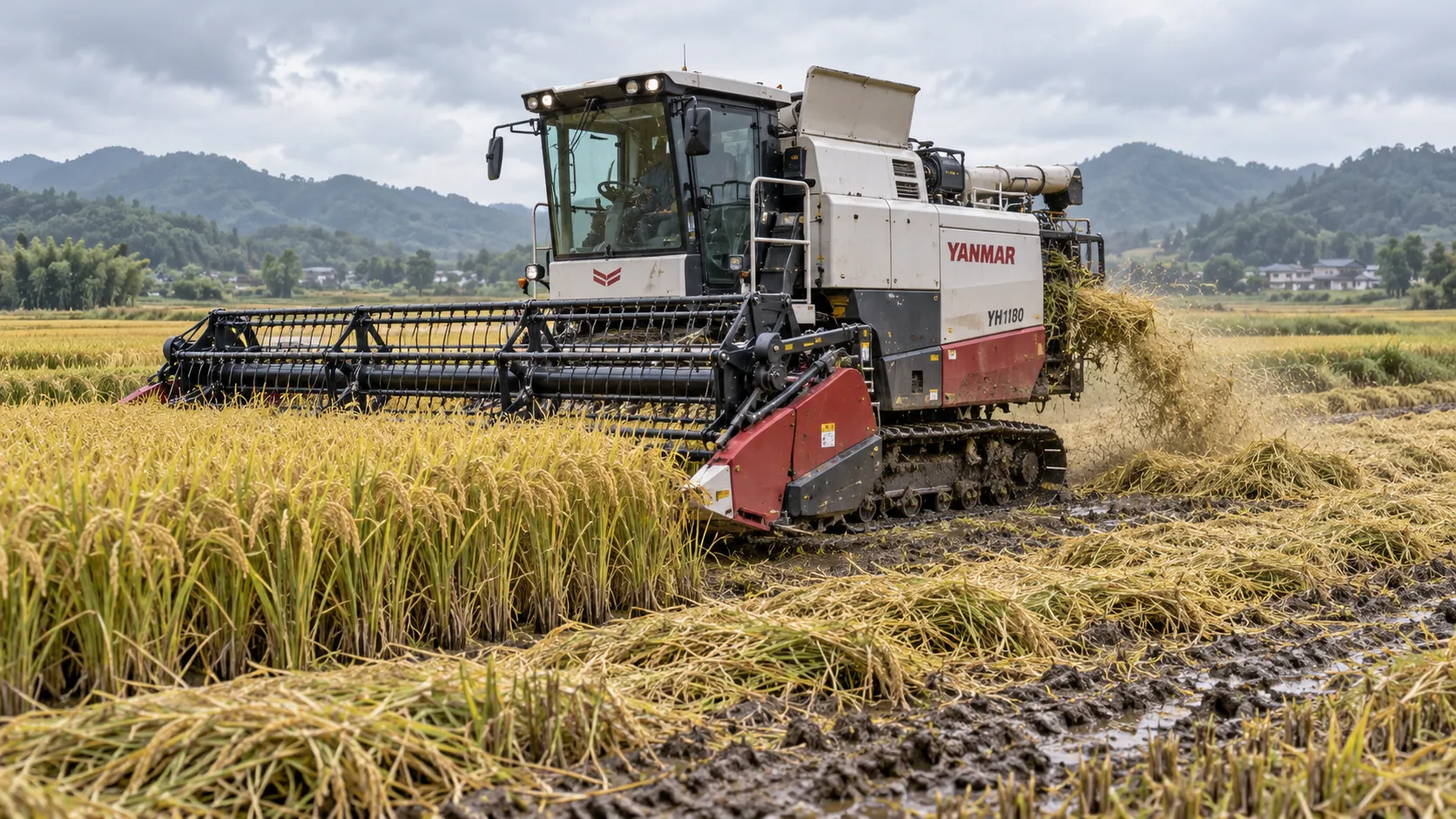
How to Specify Combine Harvester Systems for High-Moisture Grain and Variable Field Conditions
Combine harvester systems for high-moisture grain: learn how to specify threshing, cleaning, headers, traction, and automation for reliable harvests in variable fields.
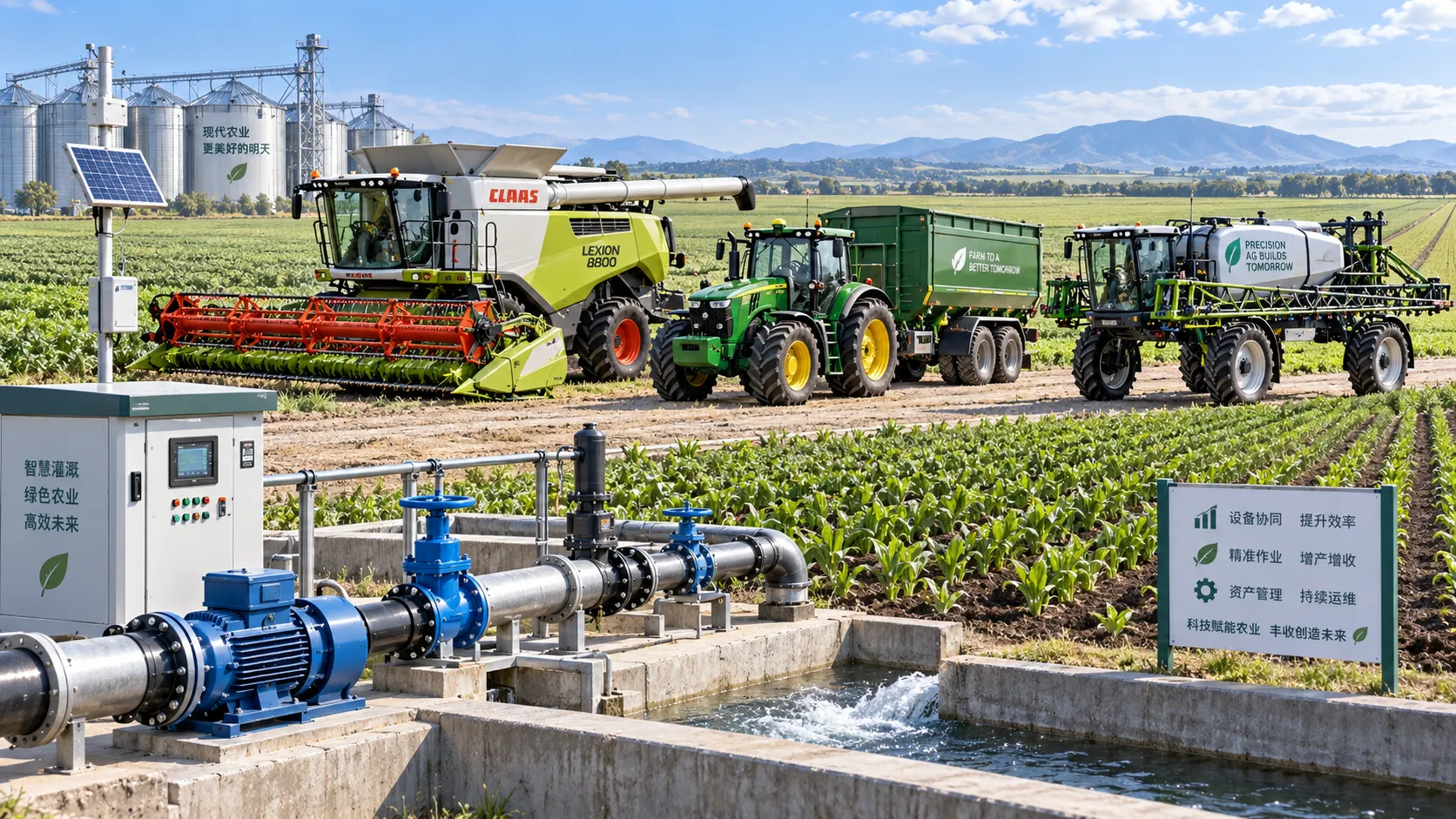
How to Compare Agricultural Equipment Platforms for Fleet Management and ROI
Agricultural equipment platform comparison: evaluate fleet data, maintenance, precision workflows, and ROI to choose a system that delivers measurable results.
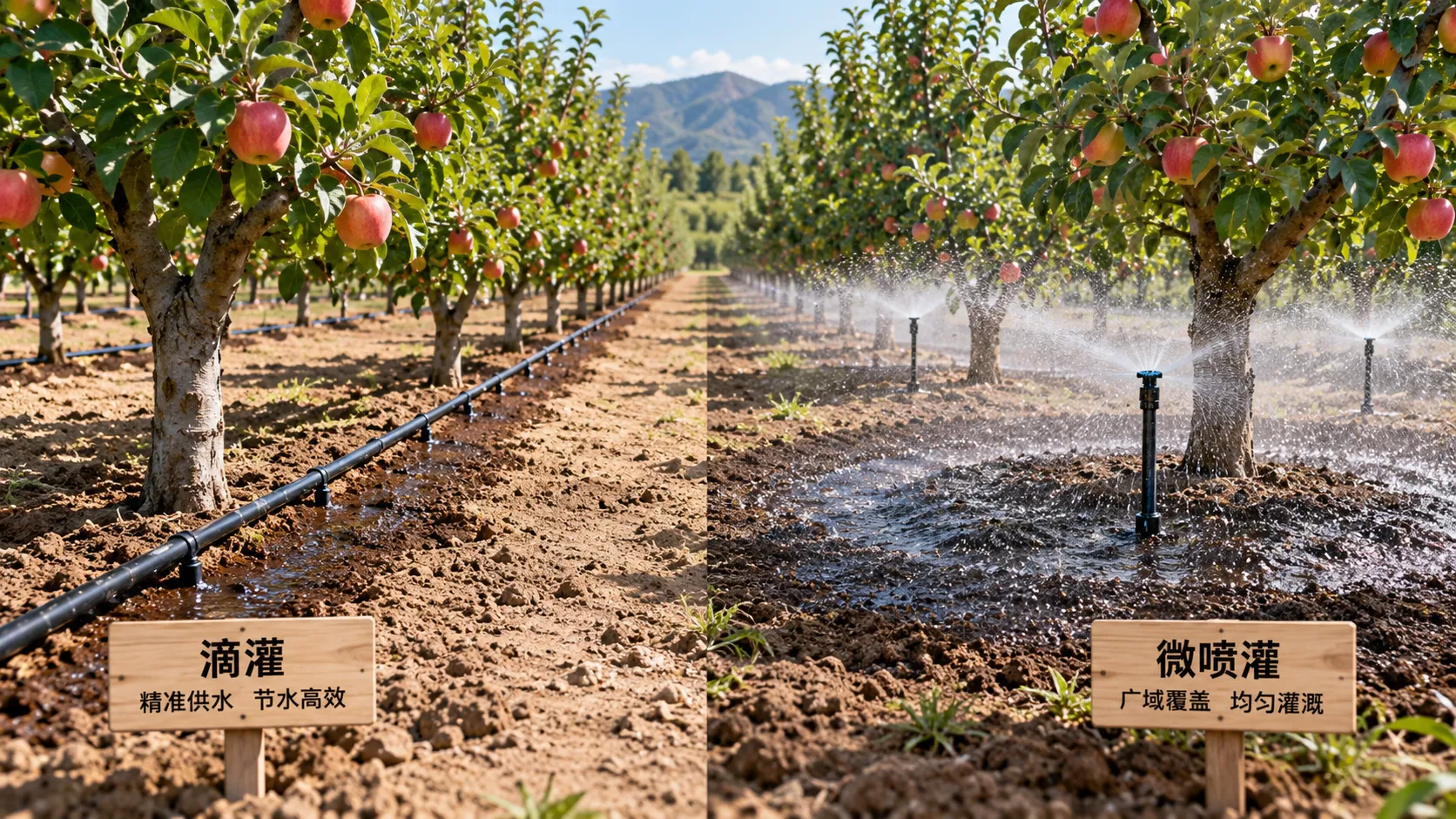
Drip vs. Micro-Sprinkler Irrigation: Which System Fits Your Orchard?
Irrigation solution comparison for orchards: discover whether drip or micro-sprinklers best match your water, soil, roots, fertigation, and frost needs.
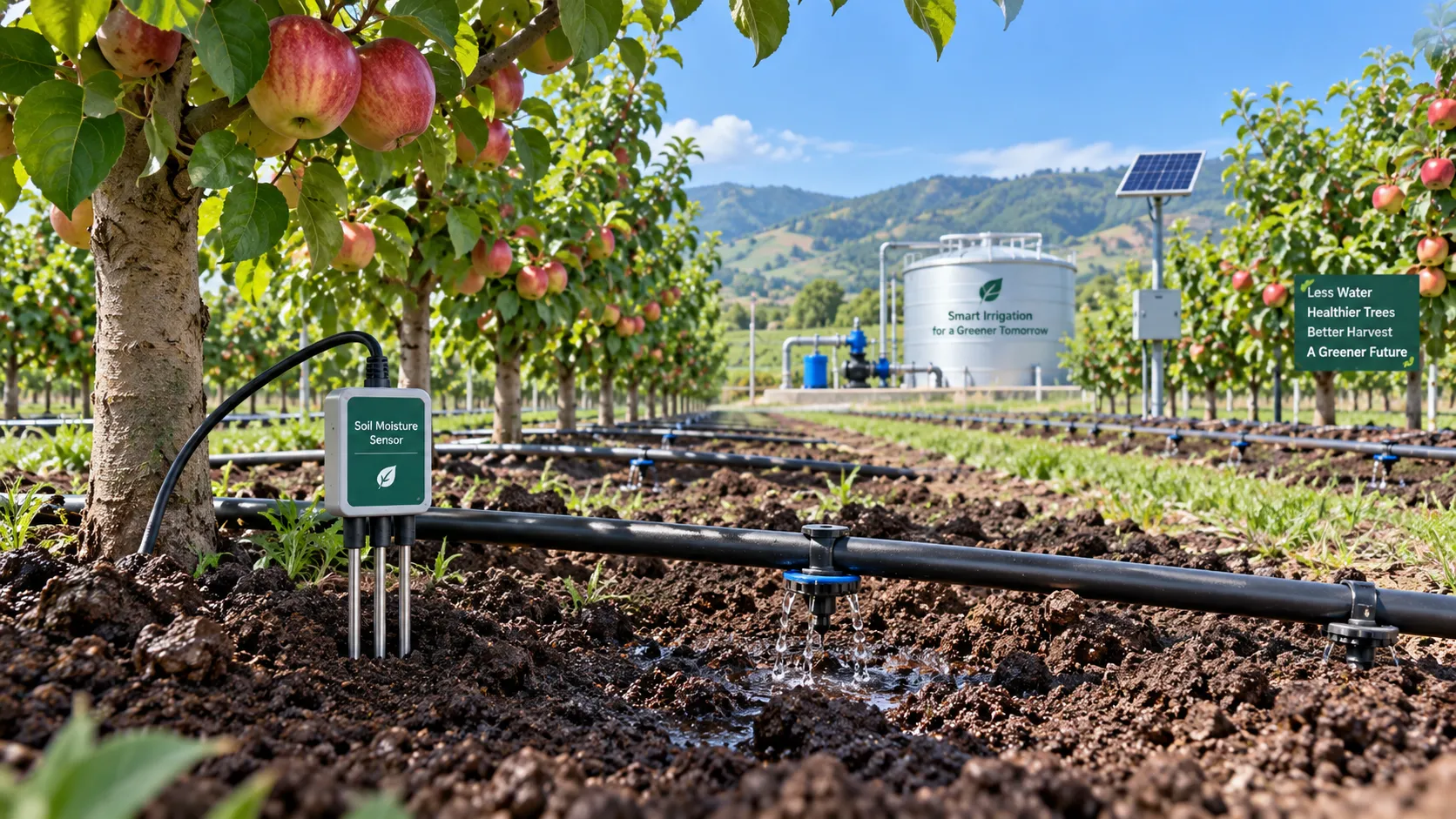
Orchard Water Management: Using Soil Moisture Data to Schedule Irrigation
Agricultural water management for orchards made practical: use soil moisture data to optimize irrigation timing, protect yield, reduce costs, and improve resilience.
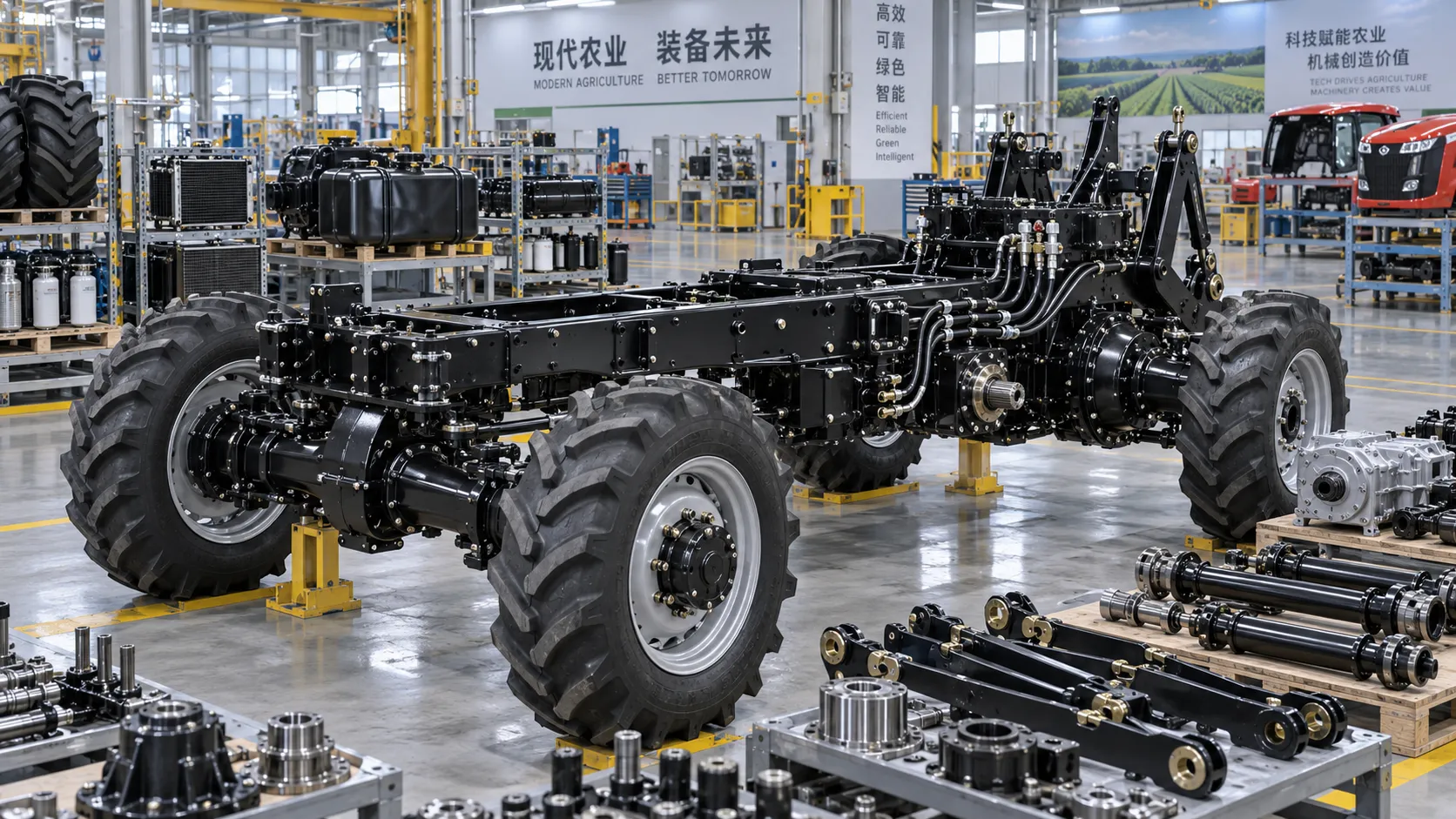
Tractor Chassis Price: What Buyers Should Compare Beyond the Initial Quote
Tractor chassis price is only the start. Compare load capacity, compatibility, durability, and lifecycle costs to choose a reliable, high-value chassis.
Related News
- 00
0000-00
Food Security Risks in Modern Supply Chains: What Businesses Should Track First - 00
0000-00
Farm Machinery Innovations Worth Tracking in 2025: ROI, Adoption Barriers, and Use Cases - 00
0000-00
What agricultural environmental policies mean for compliance - 00
0000-00
Why hybrid farm machinery is gaining serious traction - 00
0000-00
Japan's April CPI Up 1.4%: Pricing Strategy Adjustment Urged for Farm Machinery Exports
Popular Tags
Dr. Alistair Vaughn
Weekly Insights
Stay ahead with our curated technology reports delivered every Monday.