
Japan's April CPI Up 1.4%: Pricing Strategy Adjustment Urged for Farm Machinery Exports




Introduction
On May 24, 2026, Japan’s Statistics Bureau reported that the national Consumer Price Index (CPI) rose 1.4% year-on-year in April — marking the 13th consecutive month of mild upward momentum. This persistent, albeit moderate, inflation trend signals a gradual erosion of the yen’s purchasing power, introducing new pricing and margin management challenges for exporters of large-scale agricultural machinery to the Japanese market.
Event Overview
The Japanese Ministry of Internal Affairs and Communications released official CPI data on May 24, 2026, confirming a 1.4% year-on-year increase for April 2026. The figure reflects broad-based price stability with no sharp acceleration, consistent with the Bank of Japan’s current monetary stance.
Industries Affected
Direct Export Trading Firms
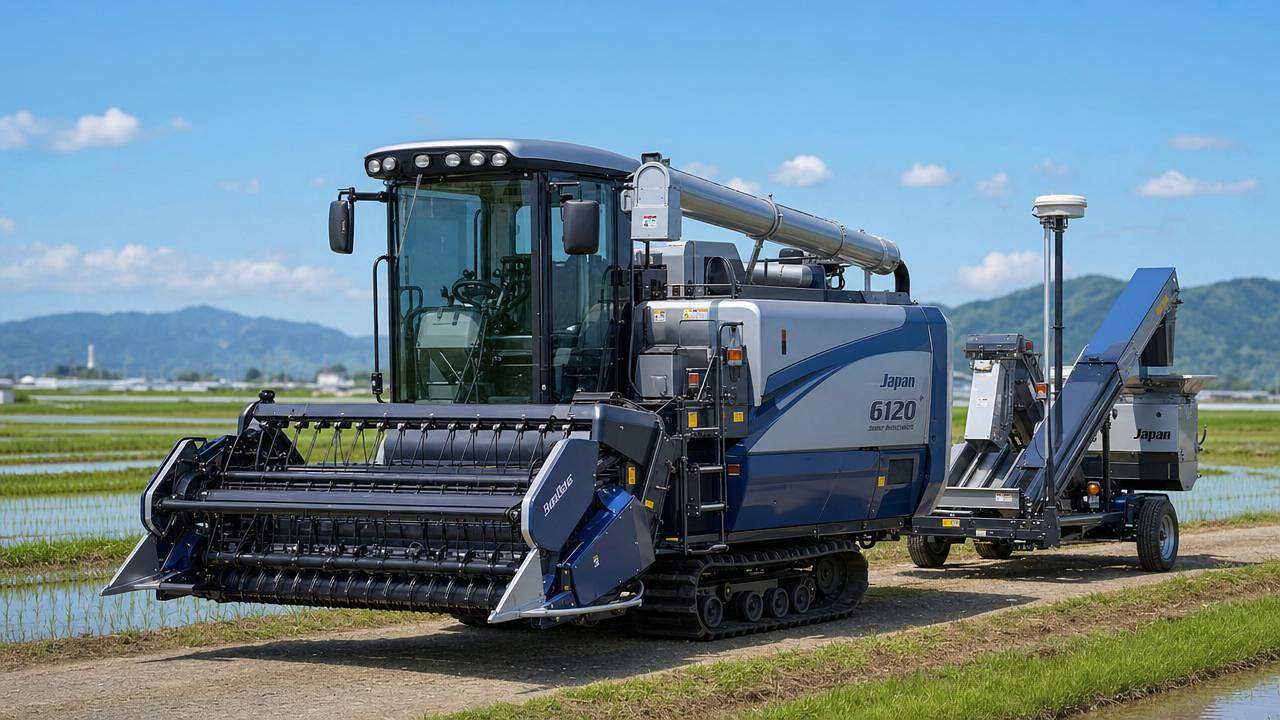
Exporters selling combine harvesters, grain tank automation systems, and other high-value farm equipment into Japan face immediate pressure on realized margins. As yen-denominated revenues translate into weaker local currency equivalents amid softening yen purchasing power, fixed-price contracts signed earlier may now yield lower effective returns. Revenue recognition timing and invoice currency selection become operationally critical.
Raw Material Procurement Enterprises
Firms sourcing components — such as precision hydraulics, embedded controllers, or stainless-steel grain handling parts — from Japanese suppliers may encounter subtle but cumulative cost increases. While input price hikes are not yet pronounced, procurement teams must monitor supplier announcements closely, especially for domestically sourced subassemblies where domestic inflation feeds directly into production costs.
Manufacturing & Assembly Companies
Domestic manufacturers integrating Japanese-sourced subsystems (e.g., automated unloading modules or GPS-guided steering kits) face dual exposure: rising import costs and potential delays if Japanese suppliers adjust lead times in response to labor or logistics cost pressures. This affects bill-of-materials planning and just-in-time inventory strategies.
Supply Chain Service Providers
Freight forwarders, customs brokers, and trade finance providers servicing Japan-bound agri-machinery shipments must reassess fee structures and currency risk clauses. For example, letters of credit denominated in JPY now carry greater foreign exchange volatility risk; service agreements tied to USD or EUR benchmarks may require renegotiation to reflect updated hedging costs.
Key Considerations and Recommended Actions
Adopt Hybrid Pricing Models
Exporters should transition from static list pricing to ‘base price + floating adjustment clauses’ — explicitly linking contract value to verified fuel indices (e.g., Japan’s JODI marine fuel index) and/or real-time JPY/USD exchange rate bands. This preserves margin integrity without compromising competitiveness.
Strengthen FX Risk Monitoring Protocols
Finance and sales teams should jointly implement weekly review cycles for JPY exposure across open orders, receivables, and pending LC confirmations. Automated alerts at predefined threshold deviations (e.g., ±2% from contract reference rate) enable timely hedging decisions.
Engage Japanese Distributors Early on Contract Terms
Given Japan’s relationship-driven distribution model, proactive dialogue with local partners about shared risk allocation — including partial indexation or staggered payment schedules — is more effective than unilateral clause imposition. This supports long-term channel stability.
Editorial Insight / Industry Observation
Analysis shows that this CPI reading is less significant as an inflation alarm and more meaningful as a signal of structural yen softness under sustained BOJ policy divergence. Observably, the 1.4% print aligns with wage growth trends in Japan’s manufacturing sector — suggesting underlying demand resilience rather than supply shock. From an industry perspective, the challenge lies not in headline inflation but in recalibrating commercial logic for a currency environment where ‘stable’ no longer implies ‘predictable’. Current pricing frameworks built for pre-2022 volatility norms are increasingly misaligned with operational reality.
Conclusion
This development underscores a broader shift: global agricultural equipment exporters can no longer treat Japan as a low-volatility, ‘safe-haven’ market. Instead, it demands integrated financial, contractual, and logistical agility. A measured, data-informed recalibration — not reactive overcorrection — best serves long-term market positioning and profitability.
Source Attribution
Data sourced from the Japanese Ministry of Internal Affairs and Communications, Consumer Price Index Report (April 2026), published May 24, 2026. Further monitoring is advised for upcoming wage data (June 2026) and BOJ’s semi-annual Outlook Report (scheduled July 2026), which may clarify whether current CPI momentum reflects transient or embedded inflationary pressure.
Related News
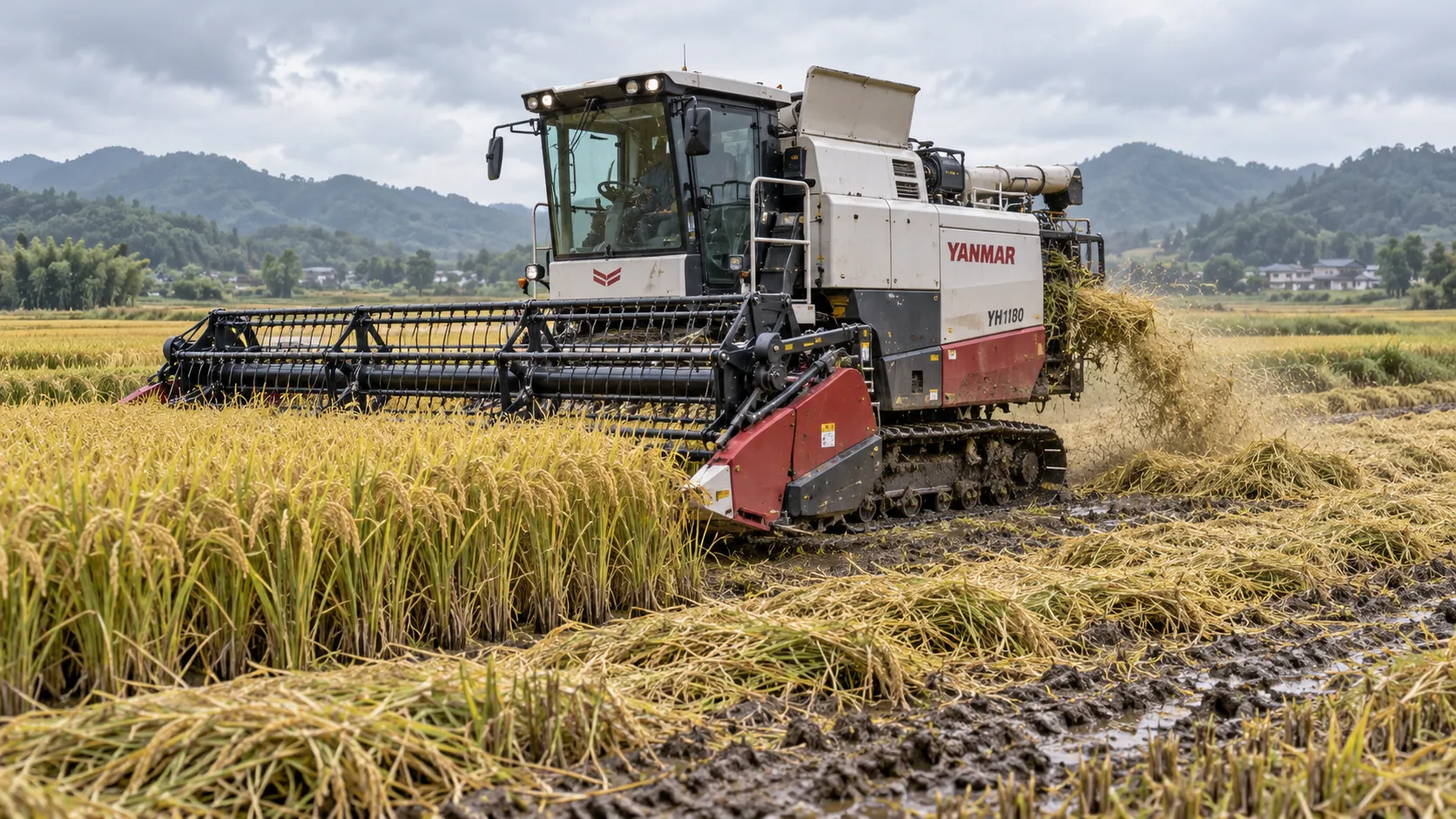
How to Specify Combine Harvester Systems for High-Moisture Grain and Variable Field Conditions
Combine harvester systems for high-moisture grain: learn how to specify threshing, cleaning, headers, traction, and automation for reliable harvests in variable fields.
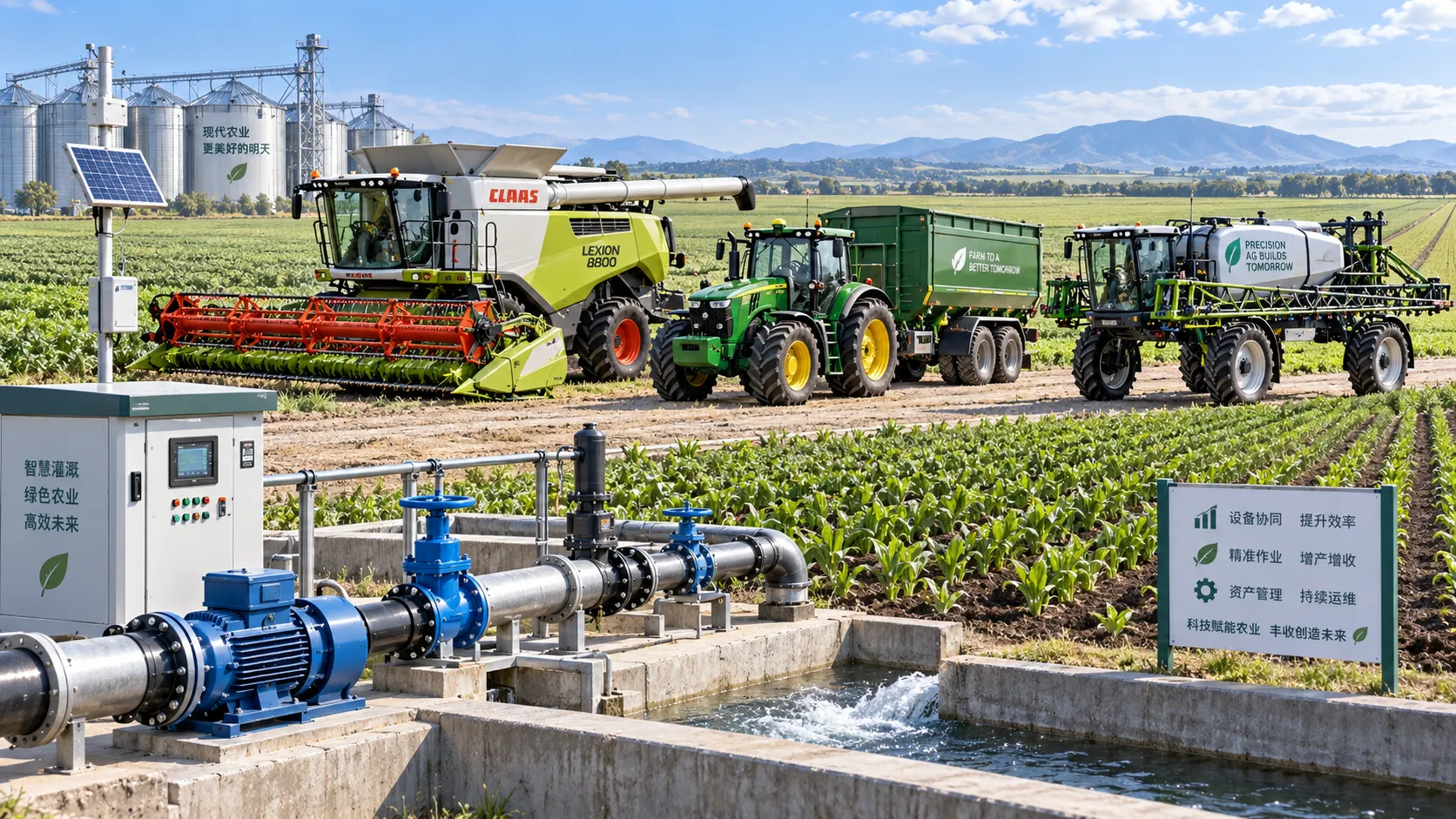
How to Compare Agricultural Equipment Platforms for Fleet Management and ROI
Agricultural equipment platform comparison: evaluate fleet data, maintenance, precision workflows, and ROI to choose a system that delivers measurable results.
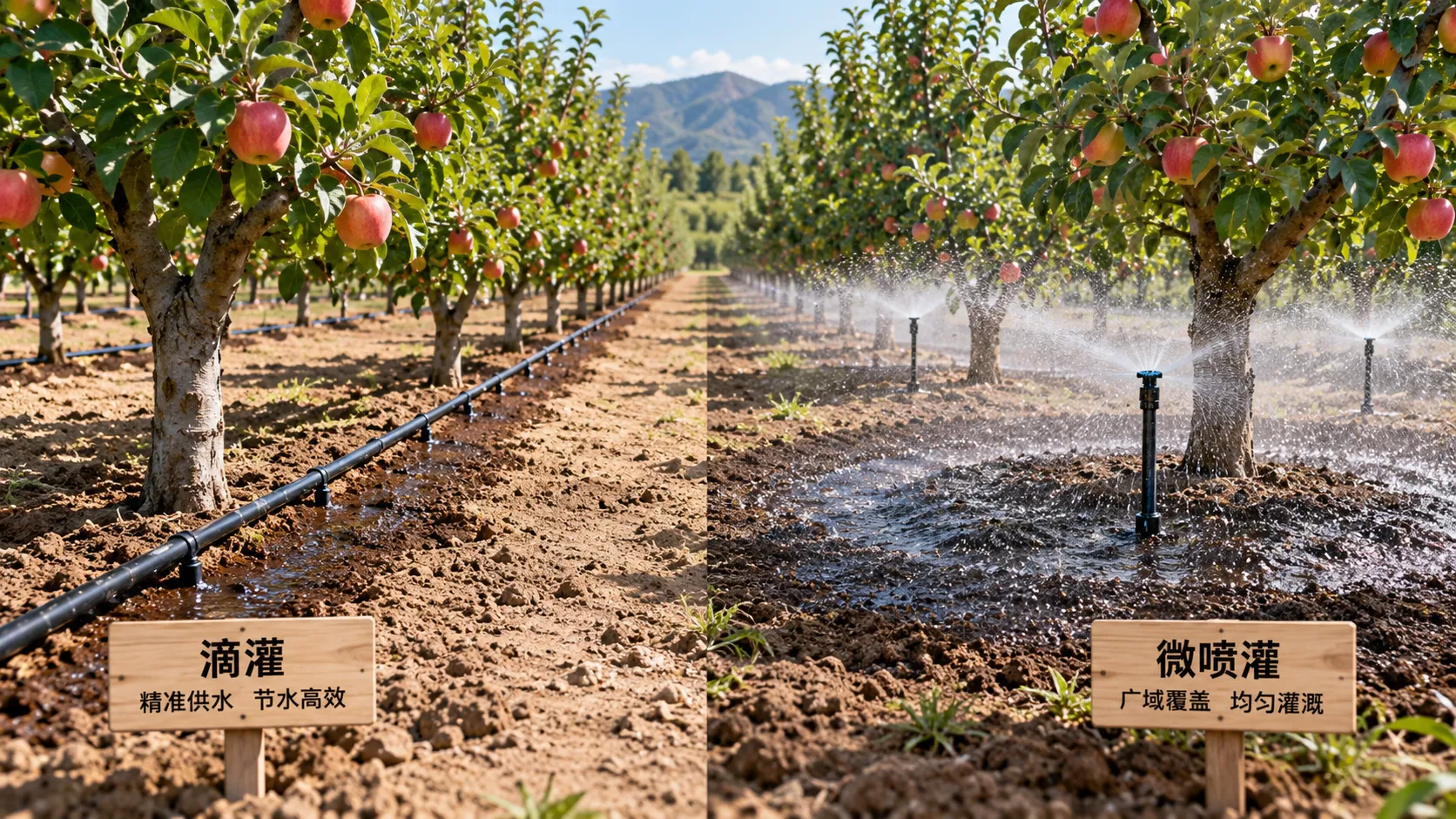
Drip vs. Micro-Sprinkler Irrigation: Which System Fits Your Orchard?
Irrigation solution comparison for orchards: discover whether drip or micro-sprinklers best match your water, soil, roots, fertigation, and frost needs.
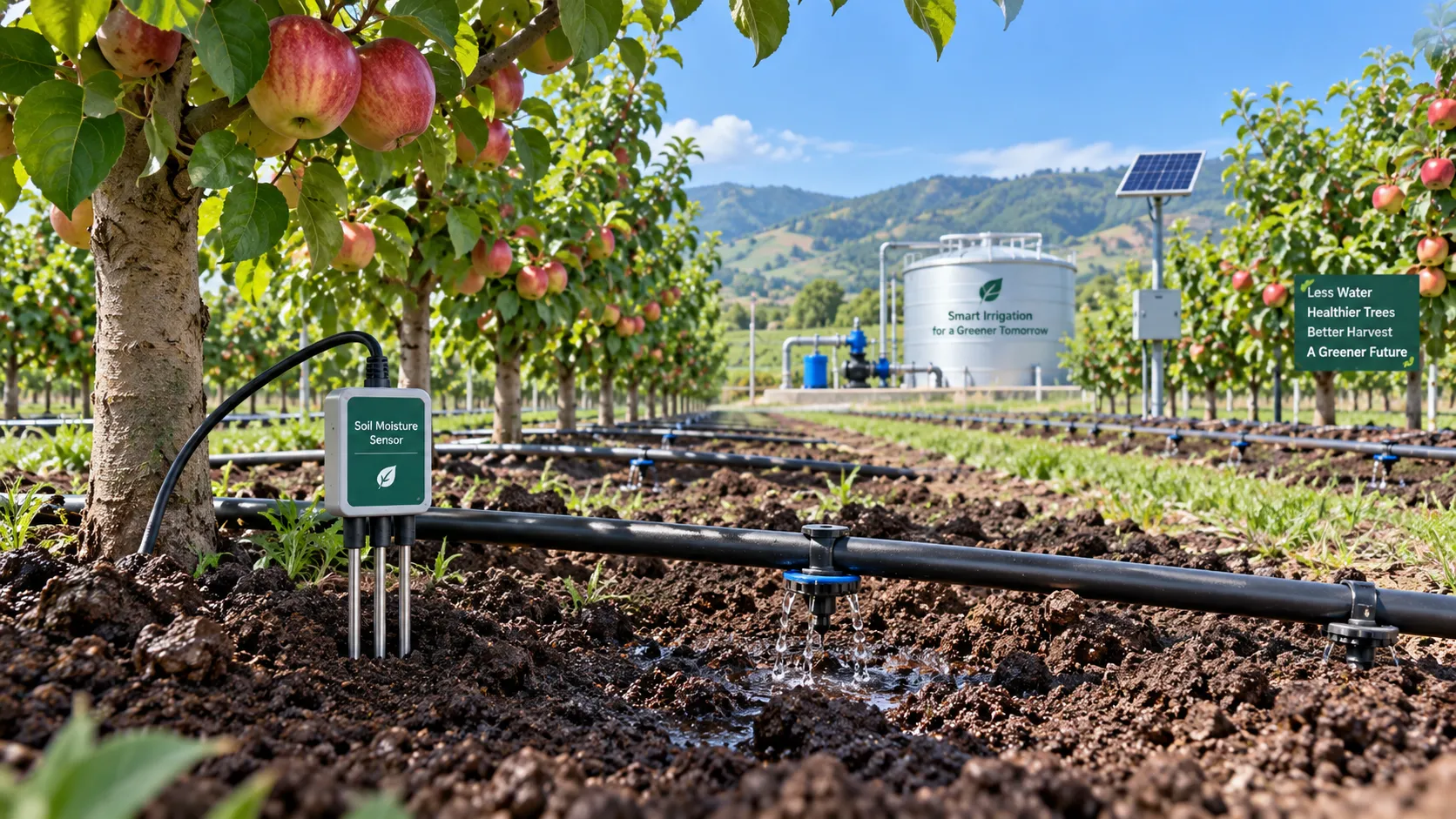
Orchard Water Management: Using Soil Moisture Data to Schedule Irrigation
Agricultural water management for orchards made practical: use soil moisture data to optimize irrigation timing, protect yield, reduce costs, and improve resilience.
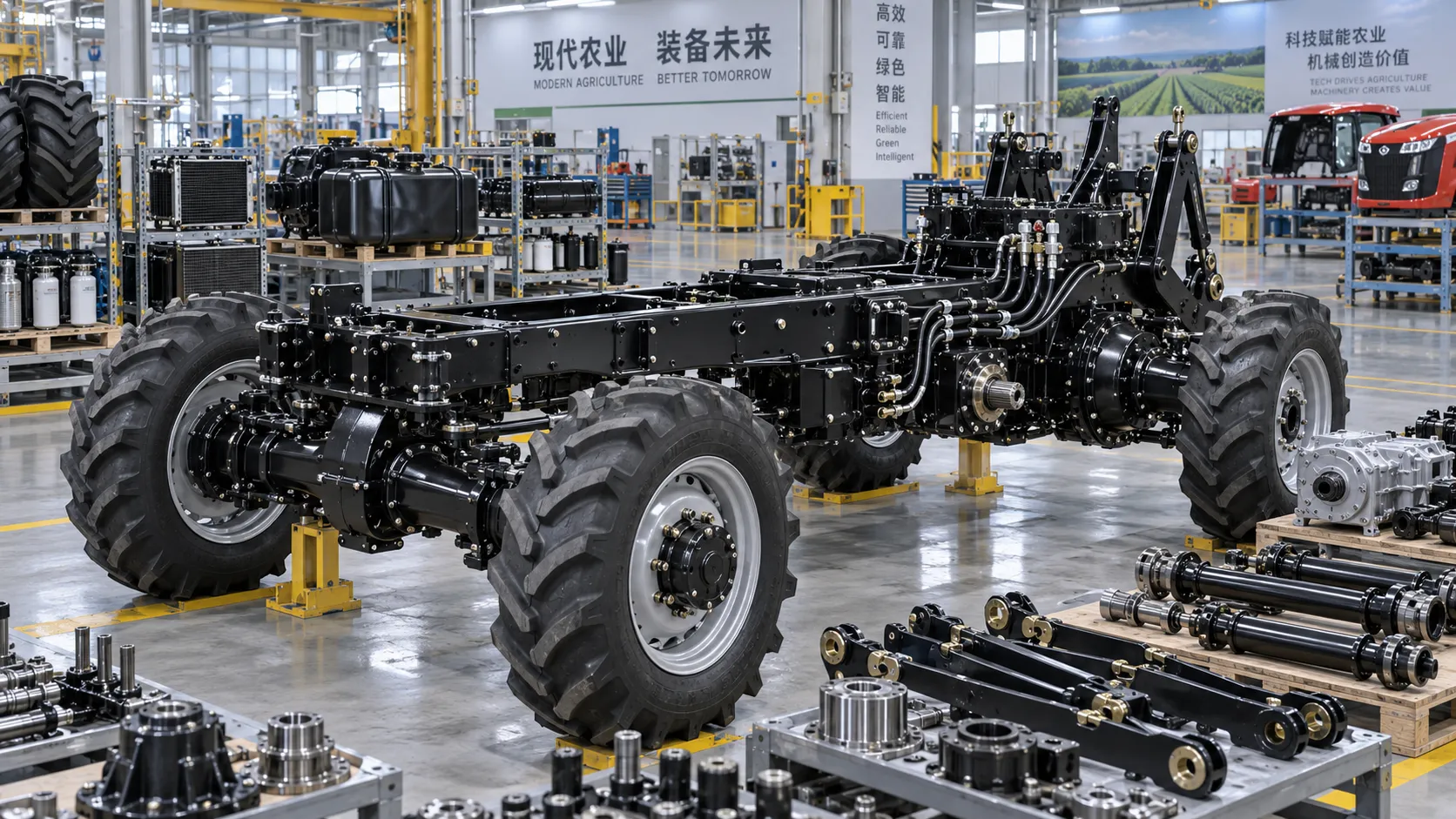
Tractor Chassis Price: What Buyers Should Compare Beyond the Initial Quote
Tractor chassis price is only the start. Compare load capacity, compatibility, durability, and lifecycle costs to choose a reliable, high-value chassis.
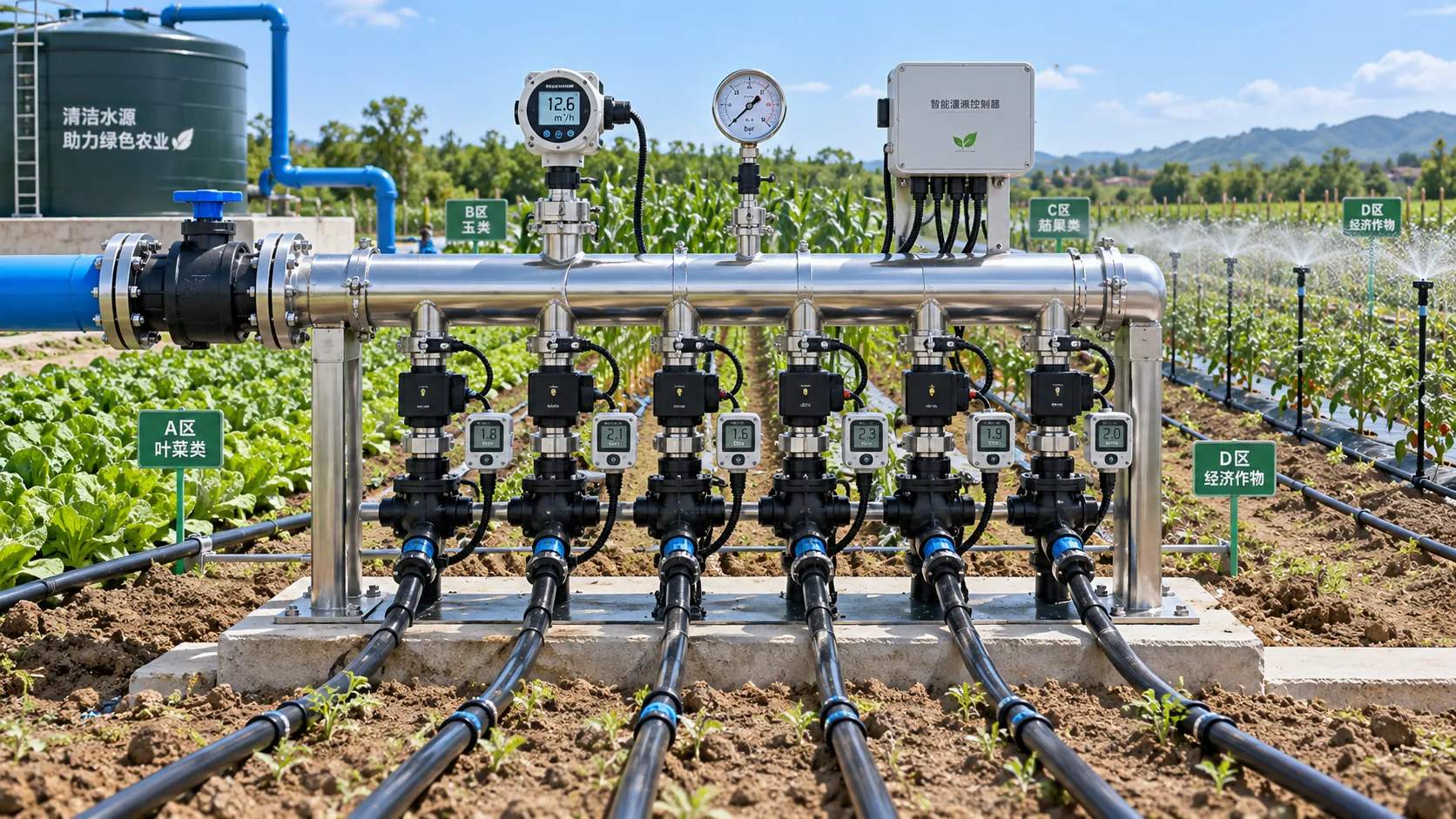
How to Select Smart Irrigation Valves for Multi-Zone Water Management?
Intelligent irrigation systems valves: learn how to match smart valves with multi-zone flow, pressure, control, feedback, and communication needs for reliable water management.
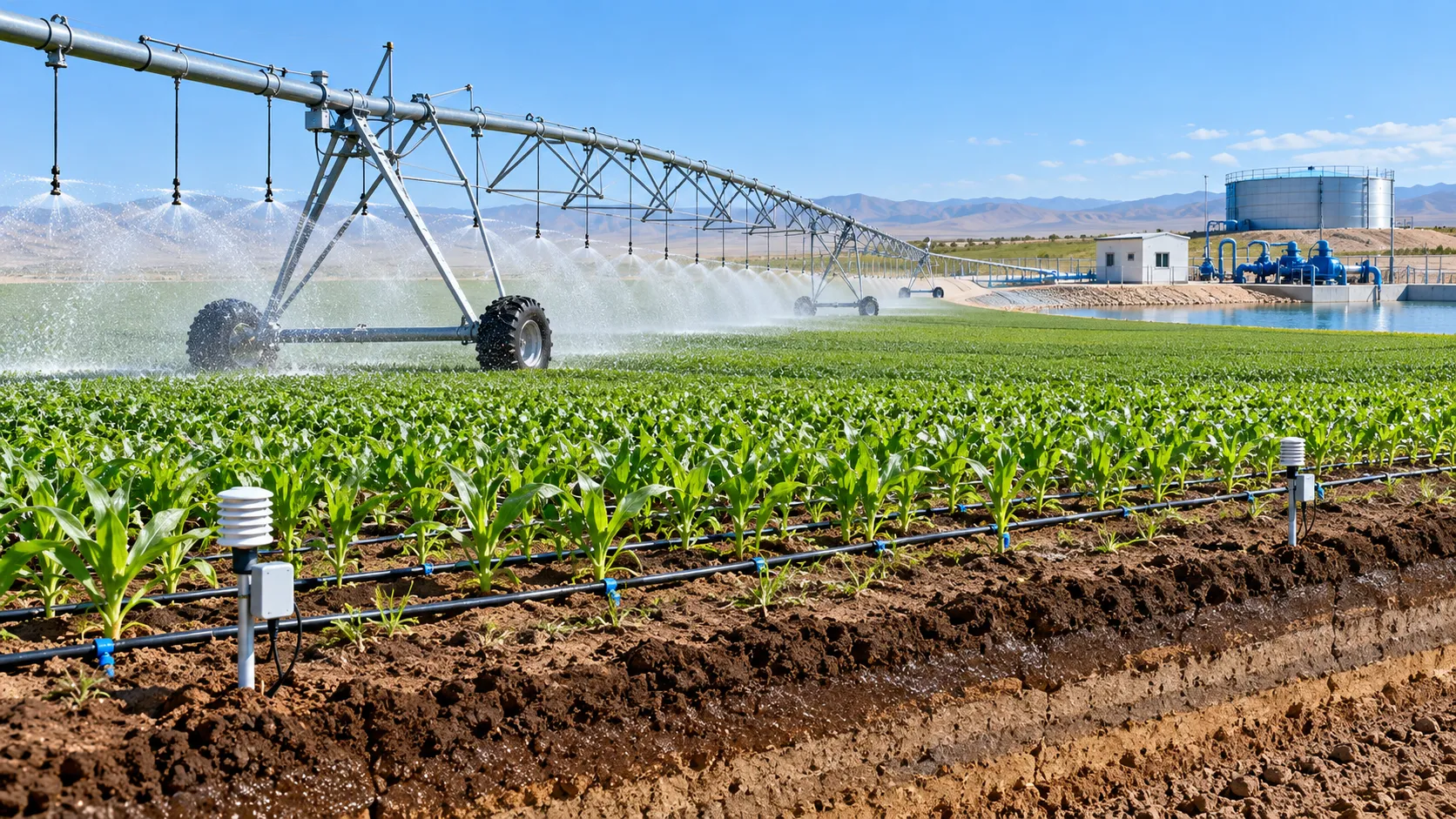
Climate-Smart Farming for Drought: A Practical Plan for Protecting Yields
Climate-smart farming for drought: build smarter water budgets, protect critical crop stages, improve irrigation uniformity, and safeguard yields with practical field-proven strategies.
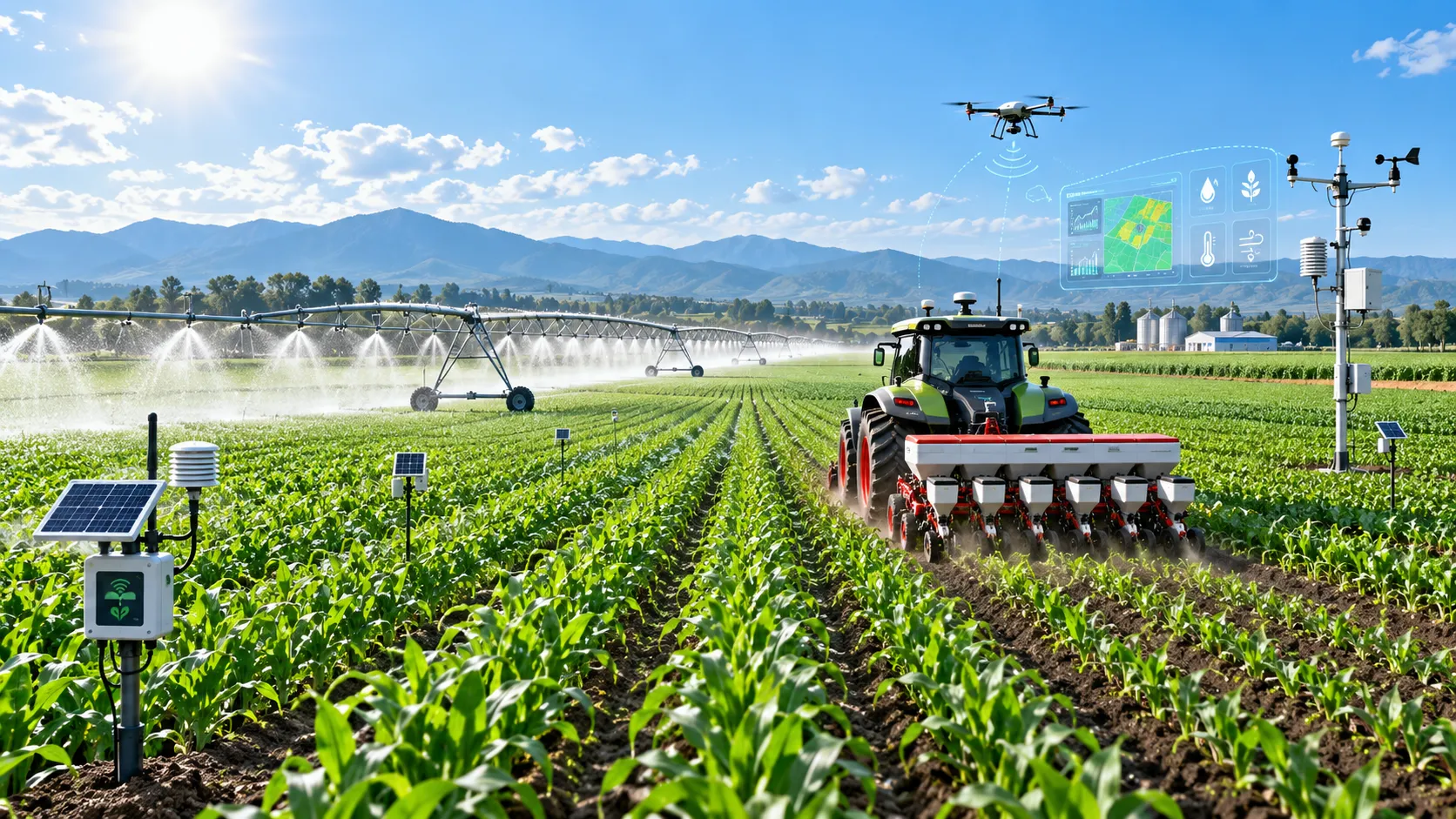
How Digital Agriculture Platforms Turn Field Data Into Better Input Decisions
Digital agriculture platforms turn field data into smarter fertilizer, water, seed, and equipment decisions—helping farms cut risk, improve margins, and scale sustainability.
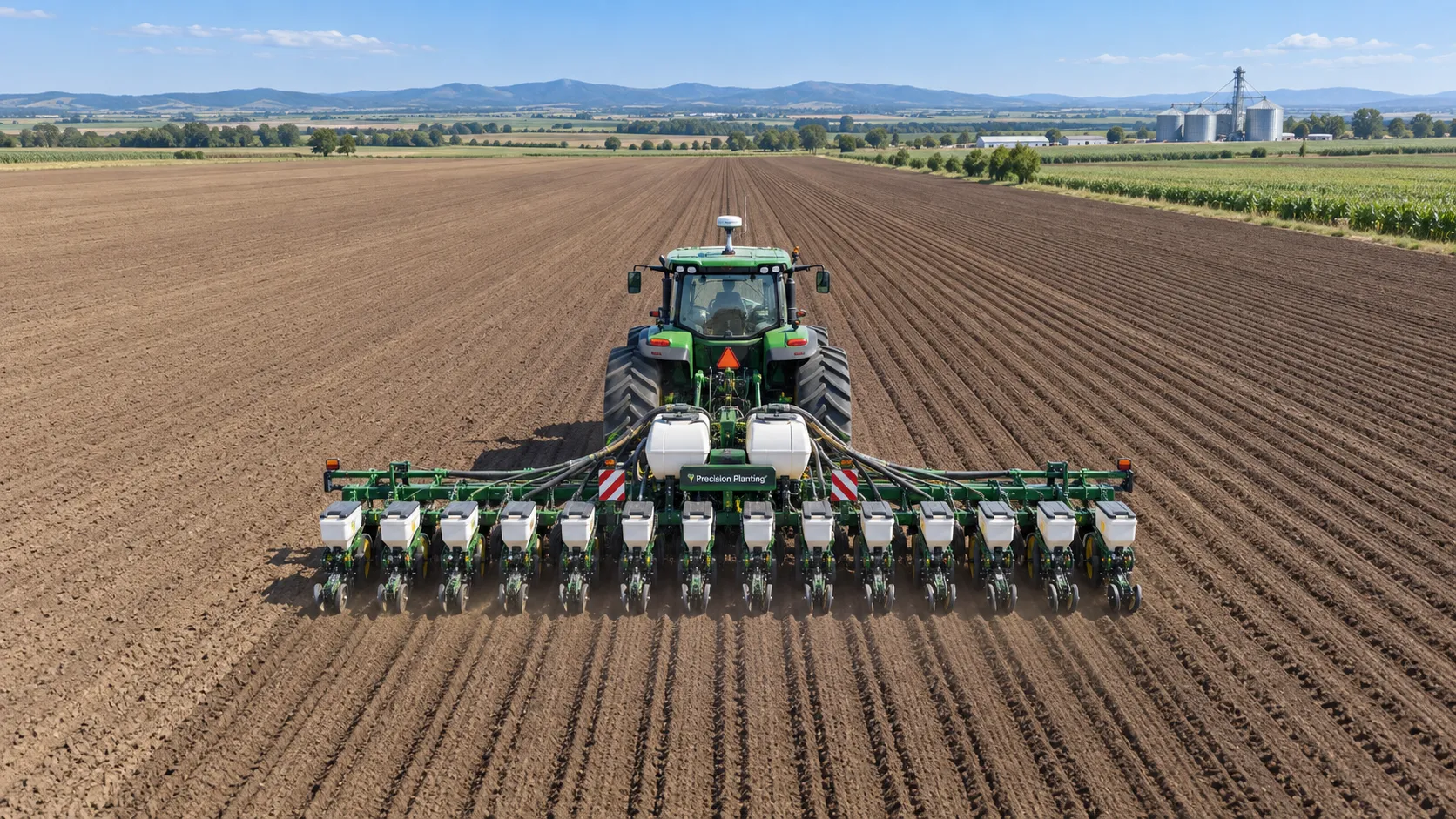
GPS-Guided Farm Machinery: Where It Delivers Measurable Field Efficiency Gains
Agri-mechanization GPS guided systems deliver measurable field efficiency gains through reduced overlap, precise planting, smarter inputs, and reliable farm data.
Related News
- 00
0000-00
Food Security Risks in Modern Supply Chains: What Businesses Should Track First - 00
0000-00
Farm Machinery Innovations Worth Tracking in 2025: ROI, Adoption Barriers, and Use Cases - 00
0000-00
What agricultural environmental policies mean for compliance - 00
0000-00
Why hybrid farm machinery is gaining serious traction - 00
0000-00
Japan's April CPI Up 1.4%: Pricing Strategy Adjustment Urged for Farm Machinery Exports
Popular Tags
Dr. Alistair Vaughn
Weekly Insights
Stay ahead with our curated technology reports delivered every Monday.