
Brazil Sets Biodegradable Shell Rule for Sensor Imports
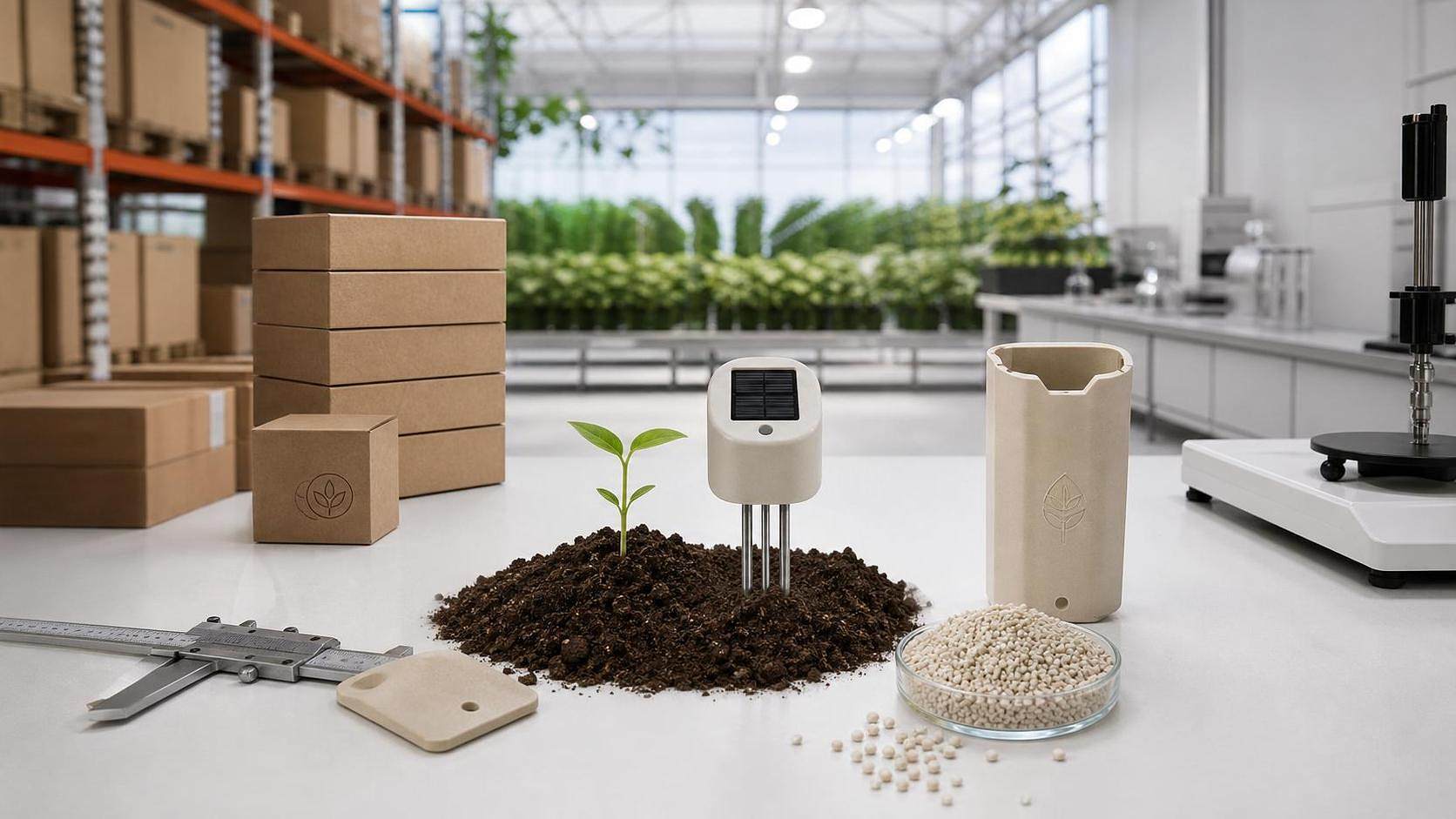




On June 29, 2026, Brazil’s ANVISA updated Resolution RDC No. 45/2026 to place Soil Moisture Sensors within a fast-track channel for green agricultural equipment, while at the same time making biodegradable shell certification a mandatory entry condition. For manufacturers, importers, procurement teams, certification-related service providers, and downstream distributors, the change matters because market access is no longer defined only by product category eligibility, but also by whether the outer housing can meet ABNT NBR 15307:2025, alongside a transition deadline for products previously cleared with non-biodegradable shells.
What the updated rule confirms
According to the information provided, ANVISA revised Resolution RDC No. 45/2026 on June 29, 2026.
The revision adds Soil Moisture Sensors to the “green agricultural equipment fast-track” import pathway.
The same update also requires shell materials for these products to pass biodegradability certification under ABNT NBR 15307:2025, with a biodegradation rate of at least 90% within 90 days.
In addition, products that had previously been allowed with non-biodegradable shells must complete replacement or be returned by December 31, 2026.
Where the operational pressure is likely to appear
Market access now depends on shell compliance, not only product classification
From an industry perspective, manufacturers and exporters of Soil Moisture Sensors are likely to feel the change first because eligibility for a faster import route is now tied to a material compliance condition. The practical impact is likely to reach product design review, housing material selection, technical documentation, and shipment readiness. What deserves closer attention is whether product files, declarations, and supporting compliance materials clearly align the shell specification with ABNT NBR 15307:2025.
Import planning and procurement cycles may need adjustment
Importers, procurement teams, and channel operators may be affected because previously approved non-biodegradable shell products now face a fixed transition endpoint. Analysis shows this can influence ordering rhythm, inventory decisions, supplier selection, and delivery scheduling for products intended for the Brazilian market. The main issue is not only obtaining supply, but confirming that future lots are matched to the new shell requirement before dispatch and customs-facing documentation is finalized.
Testing and certification support becomes more central to delivery execution
Certification-related firms and testing service providers may see greater involvement because the rule change places material verification closer to the front end of trade and delivery execution. Observably, this raises the importance of test reports, certification records, technical material descriptions, and document consistency across commercial and compliance workflows. For after-sales and distribution participants, the transition requirement also increases the need to distinguish compliant and non-compliant stock in servicing and replacement arrangements.
Issues companies should track now
Check whether current product files match the new shell requirement
Analysis shows companies should first review whether the shell material used in Soil Moisture Sensors intended for Brazil can be evidenced against ABNT NBR 15307:2025 and the stated 90-day, 90% biodegradation threshold. Where documentation is incomplete or based on older material assumptions, the commercial risk may emerge before the product reaches the customer.
Review transition exposure for previously approved products
What deserves closer attention is the December 31, 2026 deadline for products previously accepted with non-biodegradable shells. Companies involved in export, import, and distribution should closely monitor which product batches, contracts, or delivery commitments could be exposed to replacement or return requirements if they remain outside the new condition.
Align procurement documents and technical submissions
Observably, procurement specifications, tender materials, technical datasheets, and compliance attachments may need to reflect the biodegradable shell requirement more explicitly. Even where the product itself remains commercially viable, mismatched wording between technical documents and certification materials could create friction in approval, shipment release, or customer acceptance.
Watch for further clarification in execution practice
The provided information confirms the rule change and transition deadline, but it does not set out detailed implementation procedures. It is therefore more appropriate to monitor how official wording, certification interpretation, trade documentation practice, and market-side acceptance develop before treating all execution details as settled.
Why this looks like an execution signal, not just a policy headline
Analysis shows this development is better understood as a live market-access condition than as a general sustainability statement. The fast-track benefit and the biodegradable shell requirement are presented together, which means the opportunity to move through an easier import route is accompanied by a stricter compliance screen. At the same time, the transition arrangement for previously approved non-biodegradable products suggests this is not only about future product design; it also reaches existing commercial pipelines and stock decisions.
Observably, the rule is already specific enough to affect compliance review and shipment planning, but it still warrants continued watching because the provided information does not include detailed enforcement language, document formats, or procedural clarification. For that reason, the market should read this as a confirmed change with practical consequences, while keeping room for follow-up interpretation as implementation develops.
How the market may need to read this change
In practical terms, this update indicates that access to Brazil’s green agricultural equipment fast-track for Soil Moisture Sensors is now tied to a defined biodegradable shell standard, and that legacy non-biodegradable configurations face a clear transition deadline. The industry significance lies less in the existence of a fast-track alone and more in the fact that certification of housing materials has become part of the entry threshold.
It is more appropriate to understand this as a confirmed compliance change with immediate relevance for product configuration, trade preparation, and delivery planning, rather than as a fully settled execution framework. The next phase worth following is how certification interpretation, transaction documents, and market practice align around the new requirement.
Basis of this article
This article is generated from the user-provided news title, event date, and event summary. For developments of this kind, relevant source categories typically include official regulatory notices, releases from supervisory authorities, customs or trade administration updates, industry association information, standards body documents, and reporting by authoritative trade or regulatory media.
No specific official source link was provided in the input, so the exact official publication path still requires follow-up verification. Observably, the points that remain worth tracking include any detailed implementation guidance, certification interpretation under ABNT NBR 15307:2025, changes in tender or procurement documents, market feedback, and how affected companies carry out replacement or return obligations before the stated deadline.
Related News
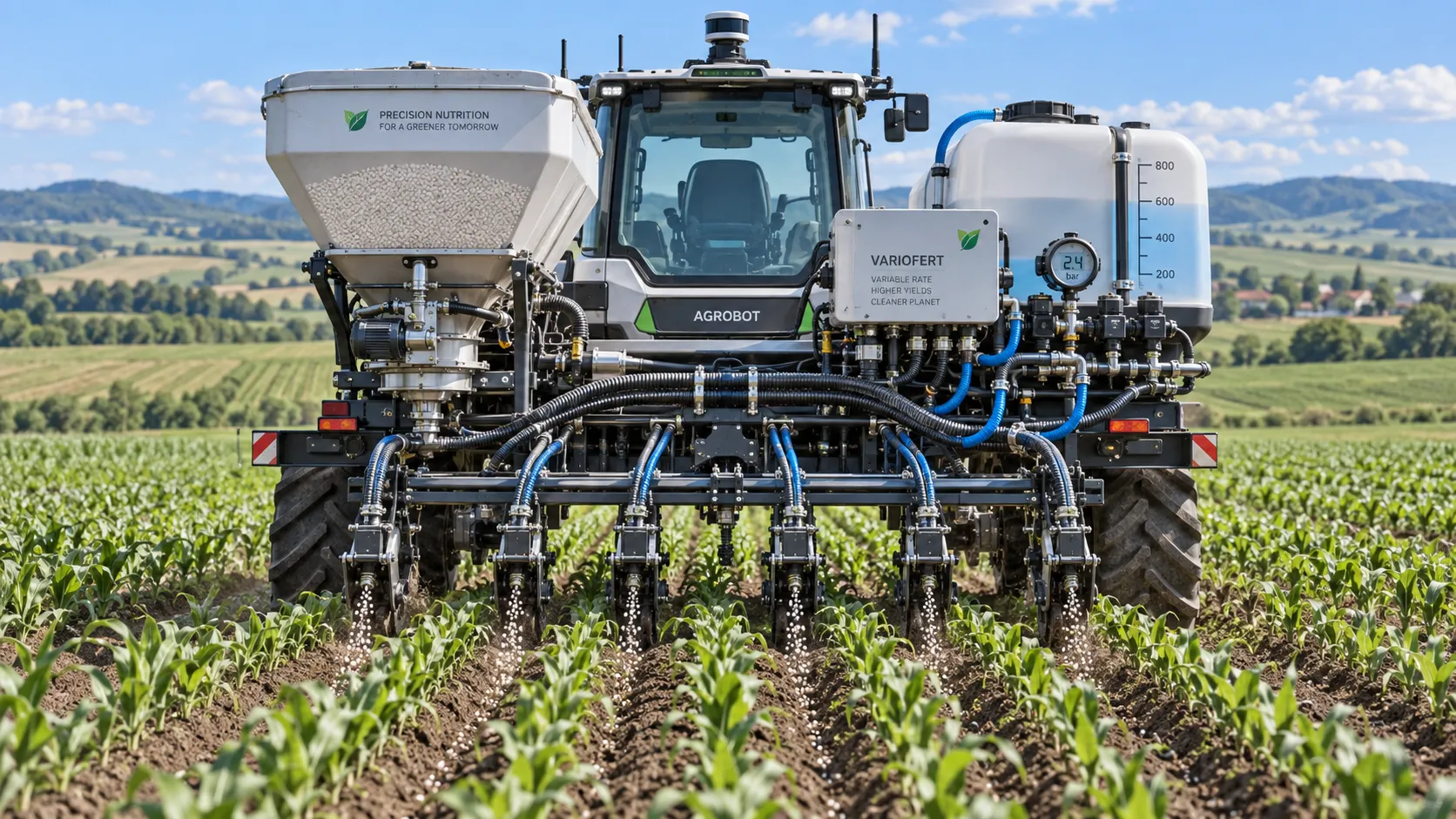
How Sensor Feedback Enables Accurate Variable-Rate Fertilization in Field Conditions
Precision fertilization systems with sensor feedback improve variable-rate accuracy by verifying flow, managing latency, and ensuring reliable field application.
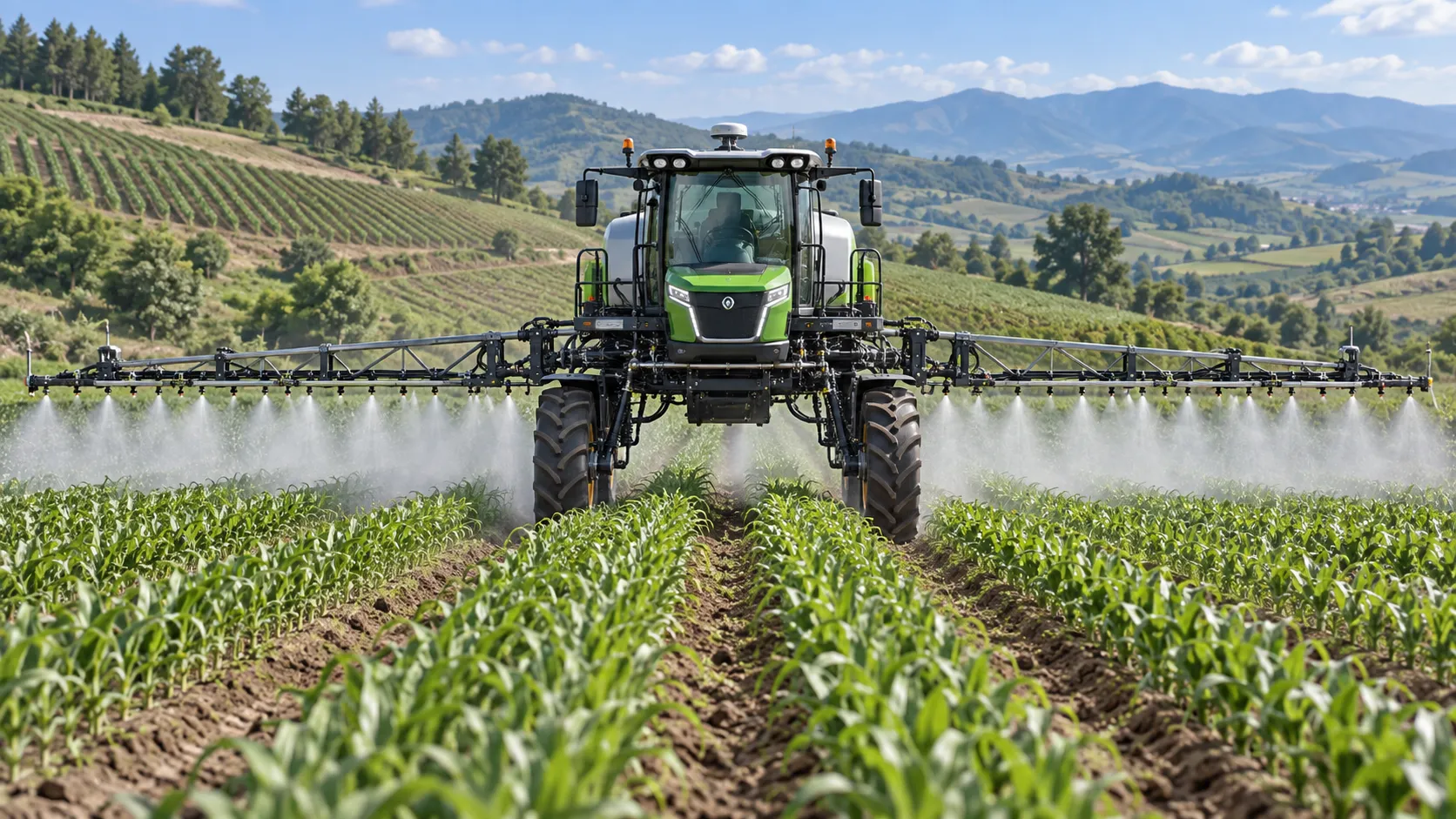
How to Select Precision Crop Protection Equipment for Variable Field Conditions
Precision crop protection equipment selection made simple: compare terrain, canopy, weather, control accuracy, and data workflows for reliable applications.

When Does Agricultural Machinery Leasing Cost Less Than Owning Equipment?
Agricultural machinery leasing can lower farm costs when use is seasonal or uncertain. Compare utilization, maintenance, cash flow, and risk to make a smarter equipment decision.
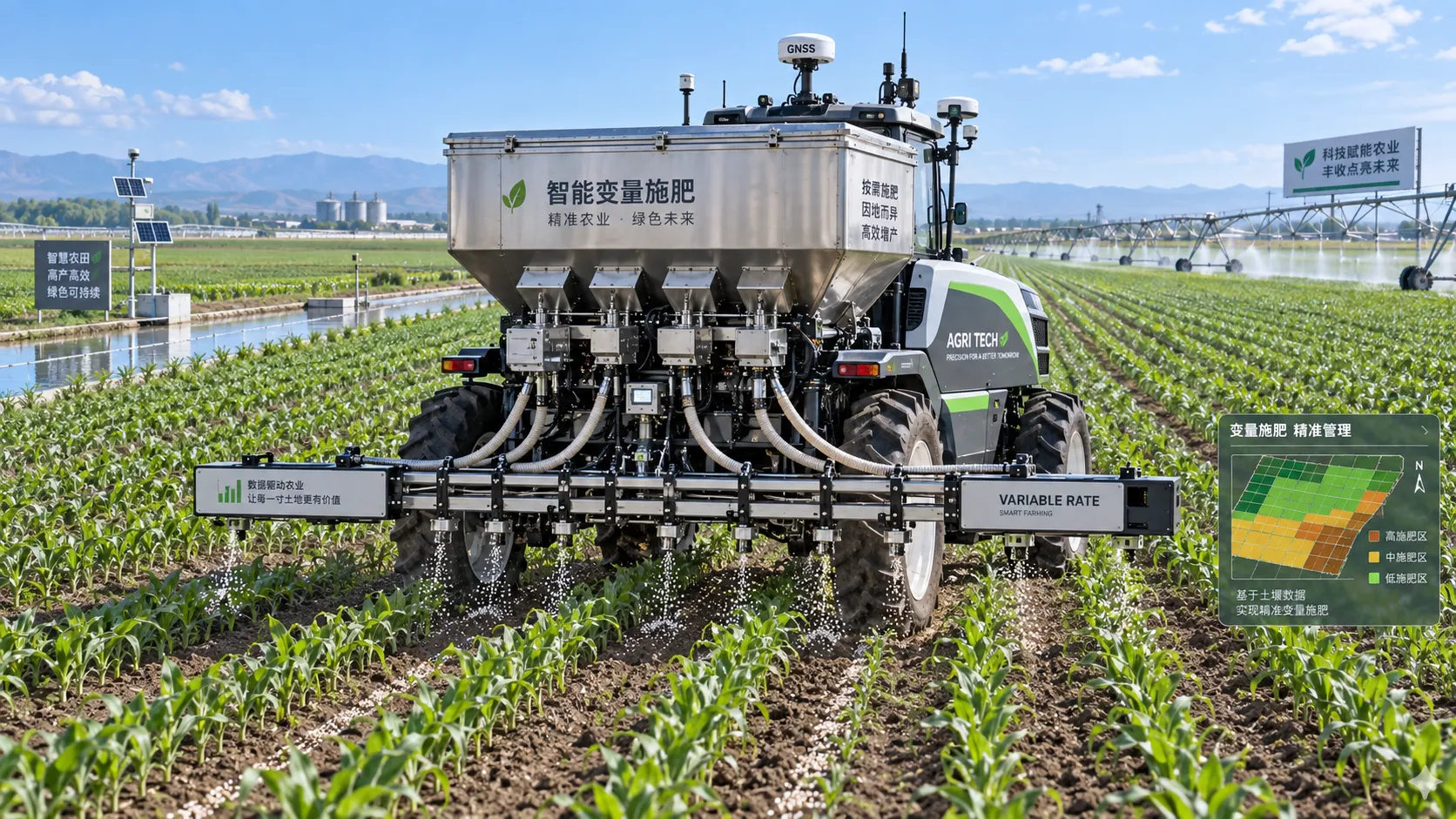
How to Evaluate Precision Fertilization System Suppliers for Farm-Scale Deployment
Precision fertilization systems suppliers: learn how to compare accuracy, integration, uptime, service, and total cost for confident farm-scale deployment.
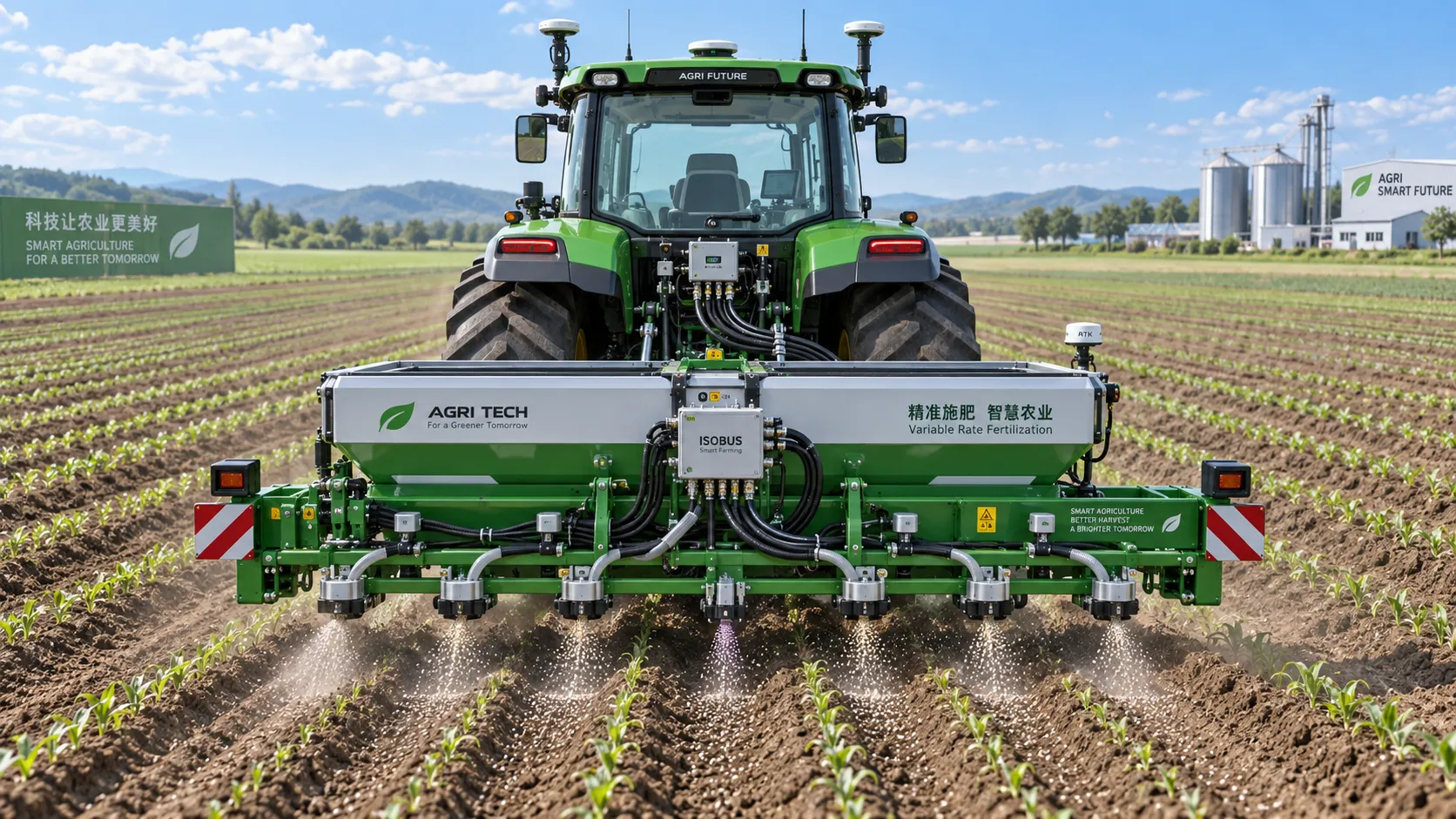
ISOBUS for Smart Agriculture: How It Connects Tractors, Implements, and Farm Data
ISOBUS for smart agriculture connects tractors, implements, terminals, and farm data—helping growers improve precision, documentation, and smarter field decisions.
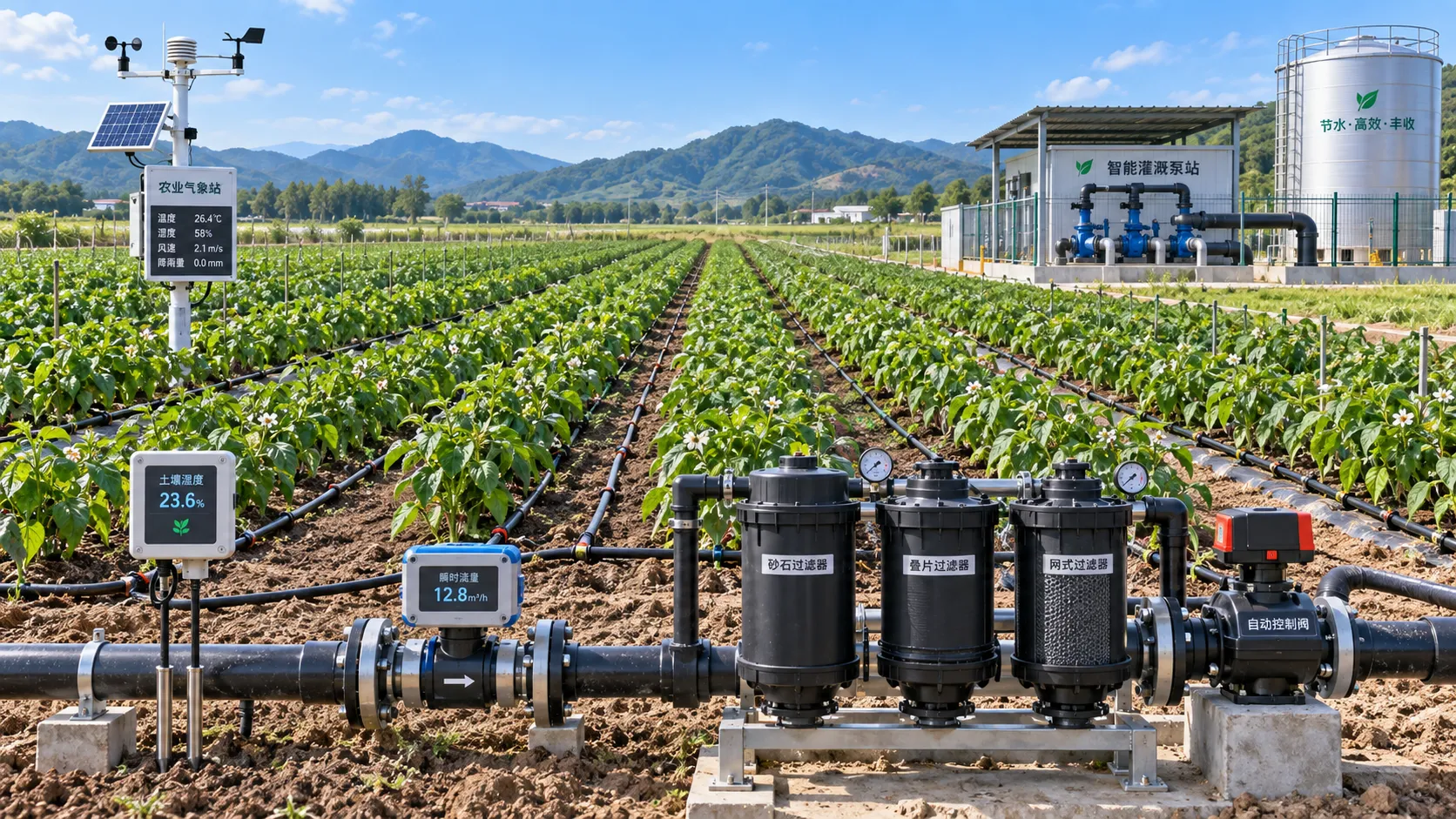
Automated Water-Saving Irrigation: How to Cut Water Use Without Reducing Crop Yields
Automated water-saving irrigation helps farms cut water use, protect crop yields, improve scheduling, and gain reliable control with sensors, flow monitoring, and smart zones.
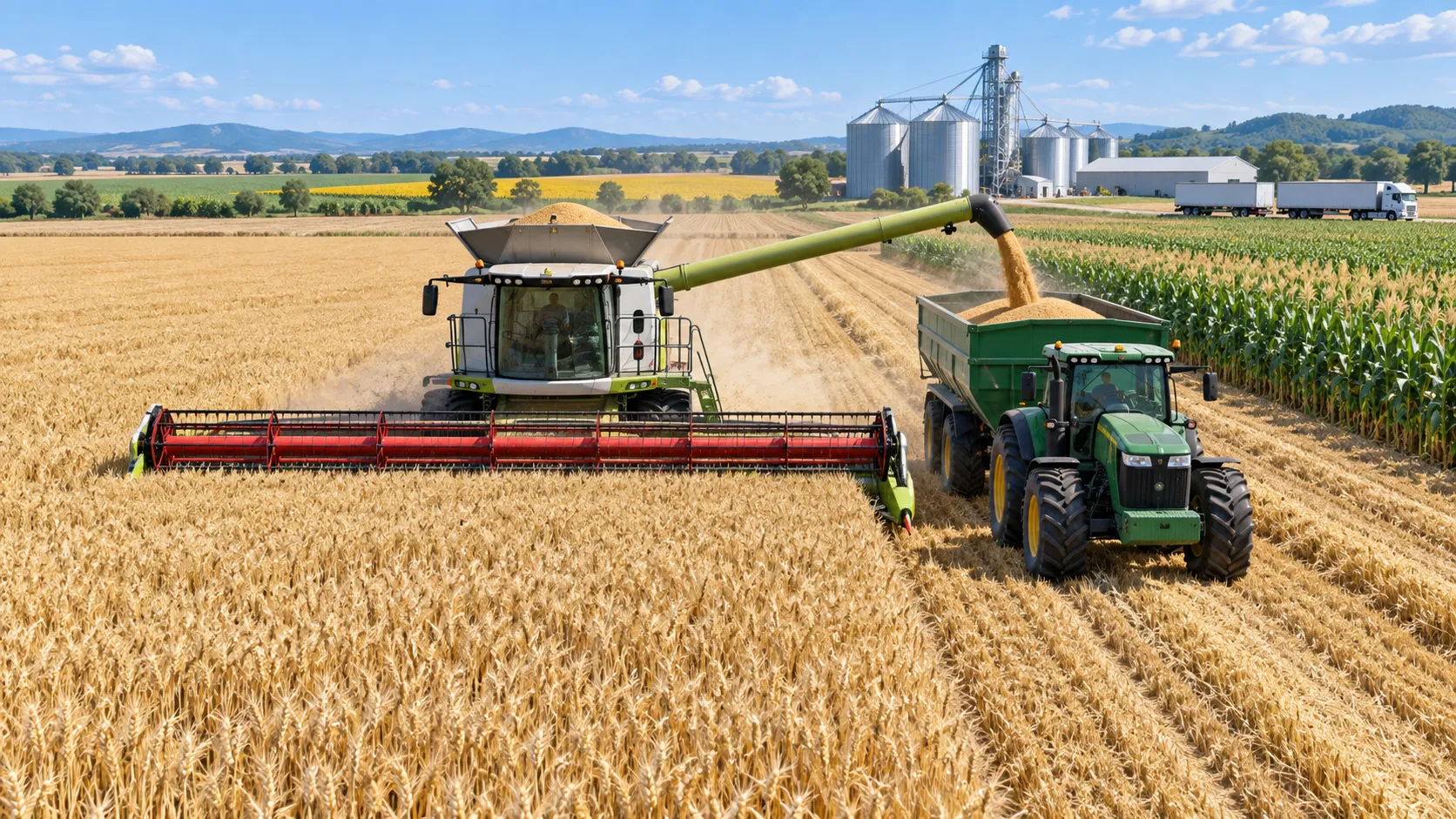
Selecting Grain Farm Equipment by Acreage, Crop Mix, and Harvest Window
Agricultural equipment selection for grain farming: match machinery to acreage, crop mix, and harvest windows to improve uptime, efficiency, and returns.
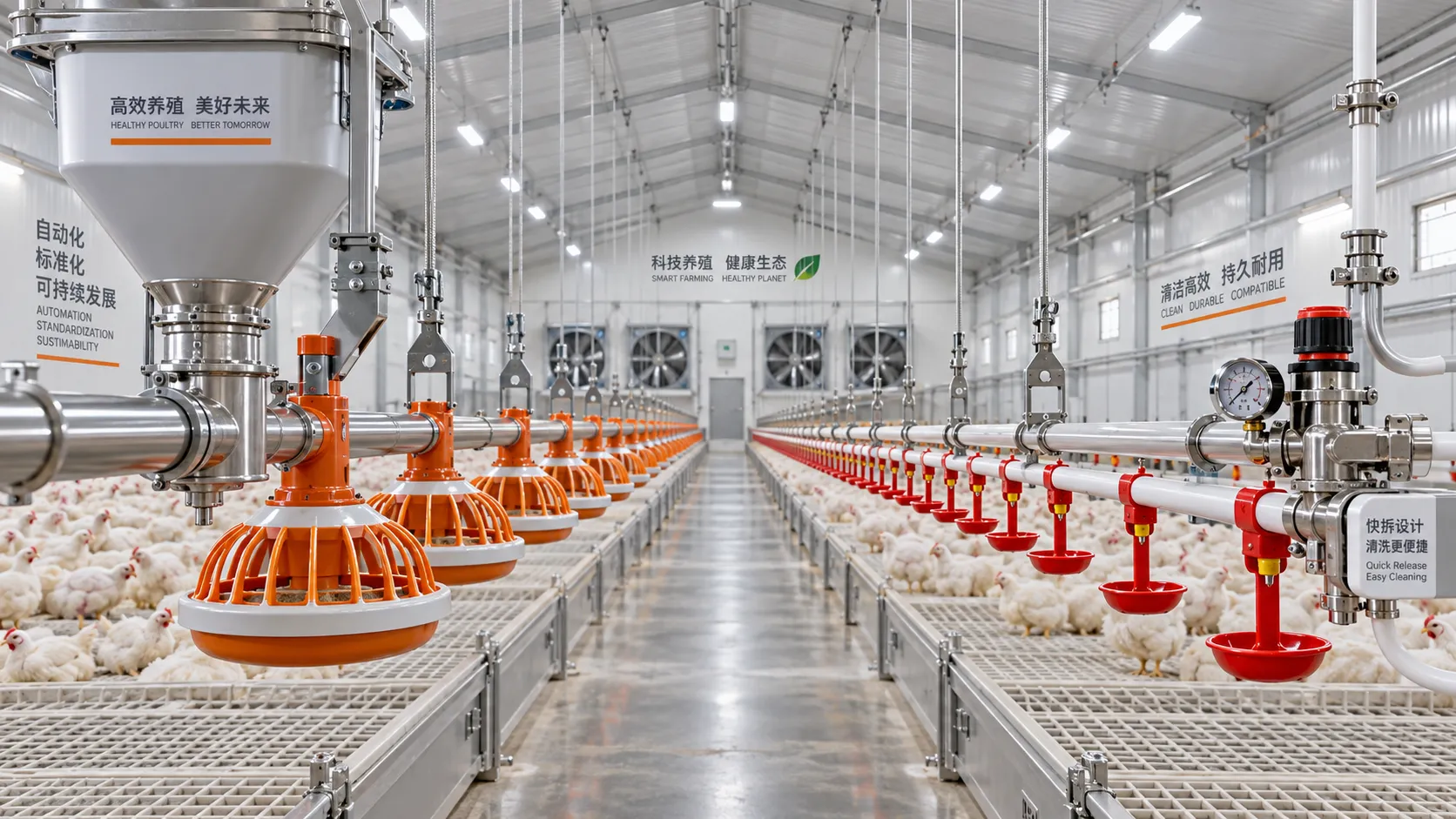
Poultry Equipment Selection: Evaluating Durability, Cleaning, and Compatibility
Poultry equipments selection guide: evaluate durability, cleaning access, and system compatibility to improve hygiene, reduce downtime, and support efficient flock management.
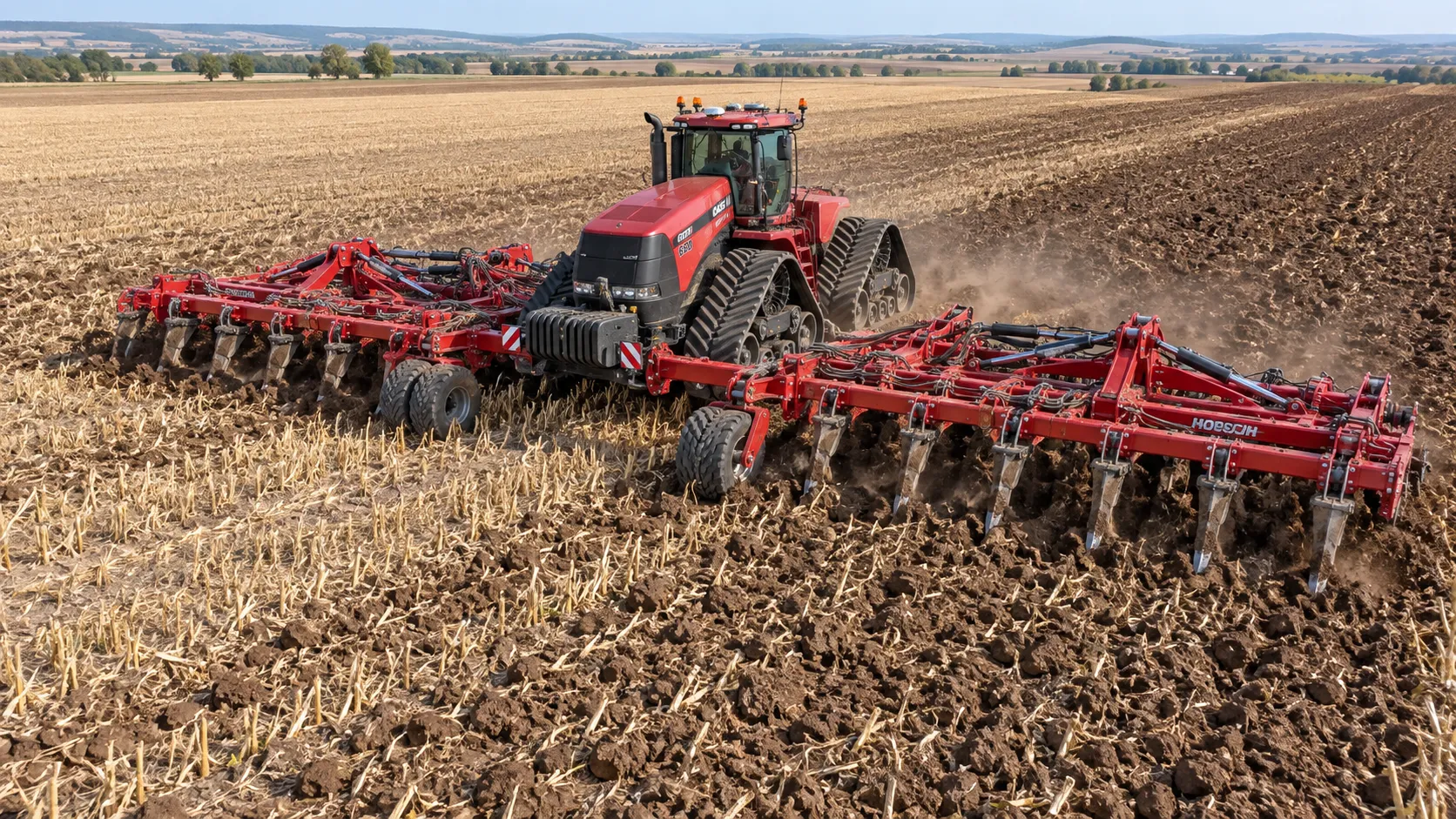
How to Select Heavy-Duty Farm Implements for High-Acreage, High-Horsepower Operations
Heavy duty farm implements: learn how to match draft, hydraulics, hitch capacity, frame strength, and field conditions for reliable high-acreage performance.
Related News
- 00
0000-00
Selecting Real-Time Soil Moisture Sensors for Irrigation Zone Control - 00
0000-00
How Does Climate-Smart Farming Reduce Water Use in Semi-Arid Areas? - 00
0000-00
USDA Rule Takes Effect: Dual FCC and NRCS Approval for Soil Moisture Sensors - 00
0000-00
EU Rule Takes Effect: Soil Moisture Sensors Need Revised CE-EMC Certification - 00
0000-00
How to Choose Wireless Smart Irrigation Systems for Better Water Control
Popular Tags
Hydrological Resource Strategist
Weekly Insights
Stay ahead with our curated technology reports delivered every Monday.