
ANVISA Clears First Biodegradable Housing for Soil Moisture Sensors
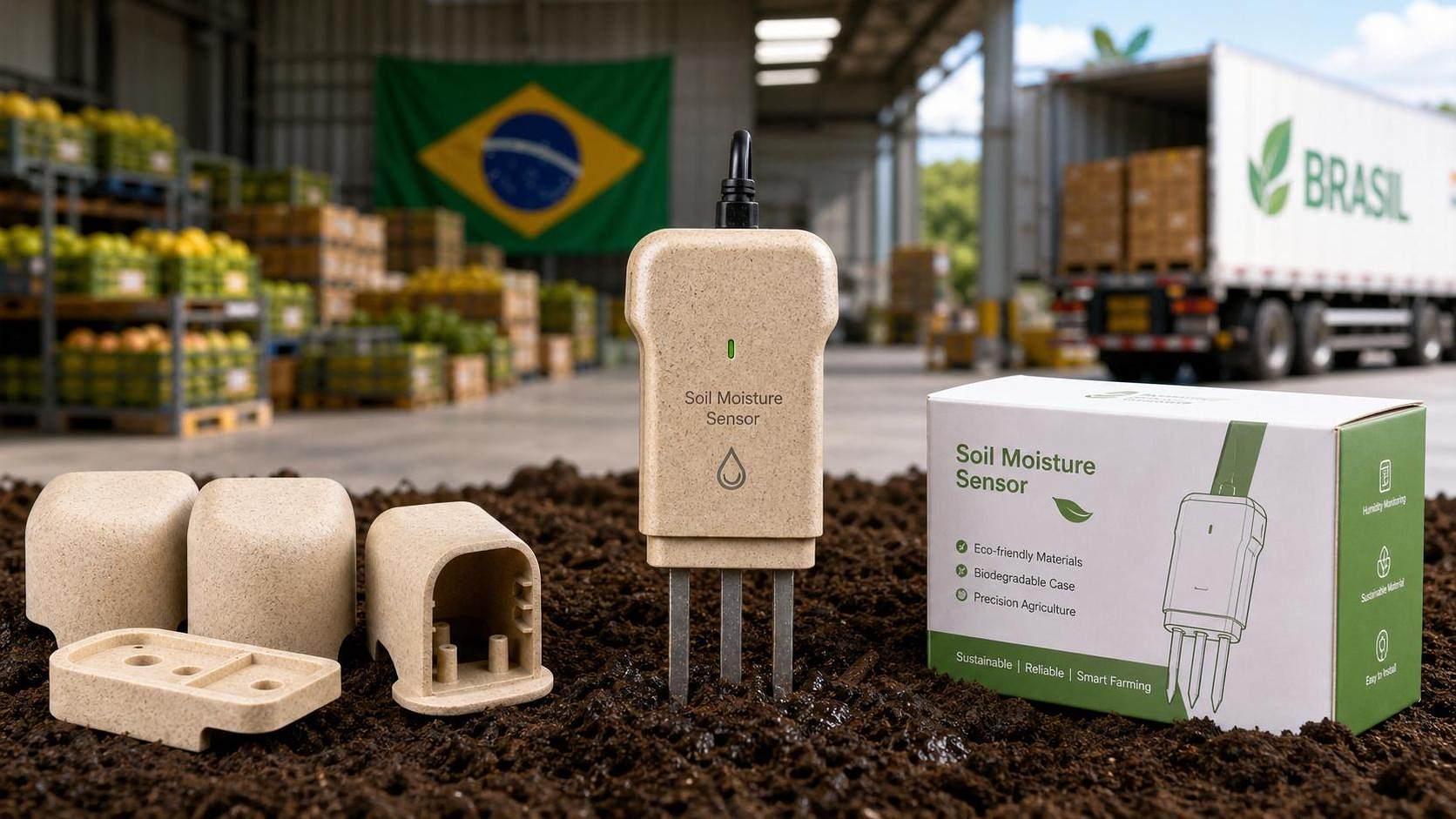




On June 28, 2026, Brazil’s National Health Surveillance Agency, ANVISA, approved a biodegradable housing solution for Soil Moisture Sensors from a Chinese company, using a PLA and bamboo fiber composite. For agricultural electronics suppliers, importers, procurement teams, and channel operators targeting Brazil and the wider South American market, this is worth close attention because the approval is tied not only to compliance with RDC No. 458/2026 but also to a concrete trade advantage: exemption from the standard plastic import tax of 12% and access to green customs clearance priority.
What the approval confirms
The confirmed facts are limited and clear. ANVISA formally approved a Soil Moisture Sensors housing solution based on a PLA plus bamboo fiber composite on June 28, 2026. The approved product comes from a Chinese company and was recognized as meeting the environmental mandatory standard for agricultural electronic equipment under RDC No. 458/2026. According to the information provided, this is the first certification of its kind in the South American market. The approval also allows the product to avoid the regular import tax applied to conventional plastic and to receive priority treatment under green customs clearance procedures.
Where the impact may appear first
Export-facing manufacturers may need to reassess product configuration
From an industry perspective, manufacturers selling Soil Moisture Sensors into Brazil may be affected first at the product design and compliance stage. The immediate issue is not only whether a sensor performs well in the field, but whether its external material solution can align with an environmental compliance pathway that now has a confirmed precedent. What deserves closer attention is whether existing product lines built around standard plastic housings remain commercially competitive when a certified alternative can access tax and clearance advantages.
Importers and distributors are likely to focus on landed cost and customs timing
For trading companies, distributors, and local channel operators, the impact may show up in cost comparison and delivery planning. A 12% exemption from the conventional plastic import tax changes the landed-cost structure in a direct way, while green customs priority can affect lead-time expectations. Observably, these two factors matter most in quotation, replenishment, and contract execution rather than in marketing language. Companies in this part of the chain should watch how customers begin to compare certified and non-certified products in procurement decisions.
Procurement teams may place more weight on certification-backed materials
For buyers and end-use agricultural operations, the development may influence sourcing criteria. The practical issue is whether material compliance becomes a differentiator alongside price, delivery, and device performance. Analysis shows that procurement teams serving the Brazilian market may increasingly ask for clearer documentation on housing materials, standard alignment, and customs treatment, especially when they want to avoid delays or unexpected import costs.
Supply chain service providers may see new documentation pressure
Customs brokers, logistics coordinators, and compliance service providers may be affected through documentation workflows. If a product is positioned to claim tax exemption and green clearance priority, supporting files and declarations become more important in shipment preparation and border execution. The key business impact here is operational: incomplete or inconsistent paperwork could weaken the commercial benefit of the approval even when the product itself is qualified.
What companies should monitor now
Track how the standard is referenced in practice
Companies should watch for how RDC No. 458/2026 is cited in official or transactional settings after this approval. The current information confirms the approval and the related benefits, but operational practice often depends on how customs, import, and procurement processes apply those rules in real cases. The difference between a policy signal and routine execution deserves close monitoring.
Review whether current product portfolios create a cost gap
Businesses supplying Brazil should compare certified biodegradable housing solutions with conventional plastic configurations already in market. The main concern is not theoretical sustainability positioning, but whether product mix, margin structure, and quotation strategy need adjustment once a certified alternative has a defined tax advantage.
Prepare material and compliance documentation early
Suppliers, exporters, and intermediaries should pay attention to the quality and completeness of technical and shipping documents tied to housing materials and certification status. Where products are sold through distributors or local partners, customer-facing documentation may also need clearer alignment so that procurement teams understand what benefit is certification-based and what still depends on import execution.
Set realistic delivery and customer communication plans
Green customs priority is commercially meaningful, but companies should avoid presenting it as an automatic outcome in every shipment without confirming process details. A more disciplined approach is to align sales claims, delivery commitments, and internal logistics planning with the actual scope of the approved status.
How this development is best understood at this stage
Analysis shows that this news is more than a single product approval, but it should not yet be overstated as a market-wide shift. What it clearly signals is that a biodegradable housing route for Soil Moisture Sensors has now passed ANVISA review in at least one confirmed case and is linked to measurable trade benefits in Brazil. It is more appropriate to understand this as an early but concrete regulatory and commercial signal for agricultural electronics entering South America, rather than as proof that the broader market has already moved in full.
Why the market is likely to keep watching
The industry significance lies in the combination of environmental compliance and import economics. A certification that affects both regulatory standing and border cost treatment tends to attract attention across design, sourcing, trade, and distribution functions. At the same time, the current information is still centered on one approved case. The most balanced conclusion is that this is a confirmed short-term development with possible longer-term implications, and it is best read as a signal that warrants continued monitoring rather than a final indicator of broader market adoption.
Basis of this report
This article is based on the user-provided news title, event date, and event summary concerning ANVISA’s approval on June 28, 2026 of a PLA and bamboo fiber composite biodegradable housing solution for Soil Moisture Sensors, its compliance with RDC No. 458/2026, its status as a first case in South America, and the related import tax and customs treatment described in the input. For this type of industry update, relevant source categories would usually include official regulatory notices, company disclosures, industry association releases, authoritative media reports, and standards-related documents. No specific official source link was provided in the input, so the exact source record still requires ongoing verification. What remains worth monitoring is any later official clarification on implementation, documentation expectations, and how the approval is applied in actual trade and customs operations.
Related News

How Sensor Feedback Enables Accurate Variable-Rate Fertilization in Field Conditions
Precision fertilization systems with sensor feedback improve variable-rate accuracy by verifying flow, managing latency, and ensuring reliable field application.

How to Select Precision Crop Protection Equipment for Variable Field Conditions
Precision crop protection equipment selection made simple: compare terrain, canopy, weather, control accuracy, and data workflows for reliable applications.

When Does Agricultural Machinery Leasing Cost Less Than Owning Equipment?
Agricultural machinery leasing can lower farm costs when use is seasonal or uncertain. Compare utilization, maintenance, cash flow, and risk to make a smarter equipment decision.

How to Evaluate Precision Fertilization System Suppliers for Farm-Scale Deployment
Precision fertilization systems suppliers: learn how to compare accuracy, integration, uptime, service, and total cost for confident farm-scale deployment.
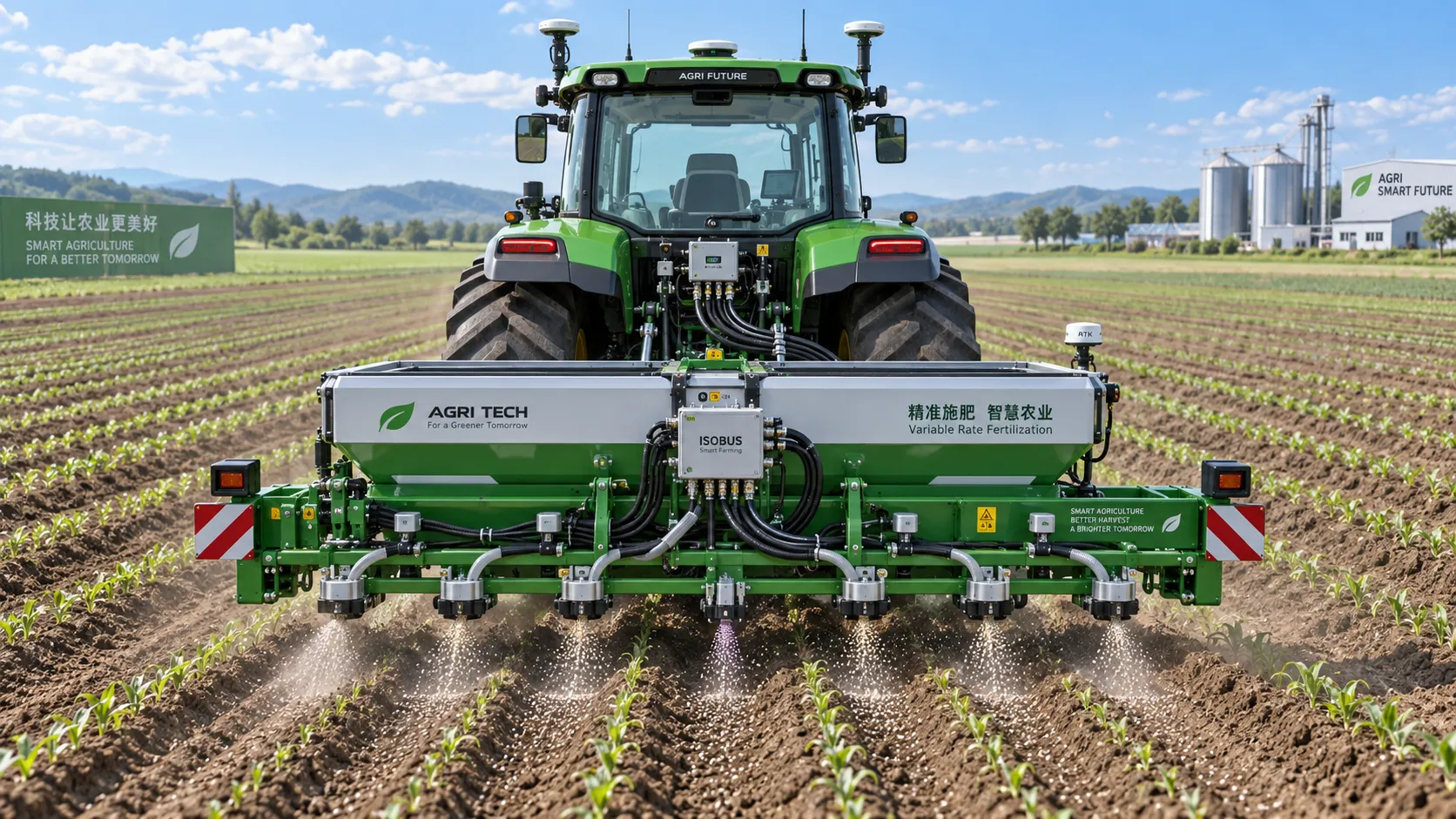
ISOBUS for Smart Agriculture: How It Connects Tractors, Implements, and Farm Data
ISOBUS for smart agriculture connects tractors, implements, terminals, and farm data—helping growers improve precision, documentation, and smarter field decisions.
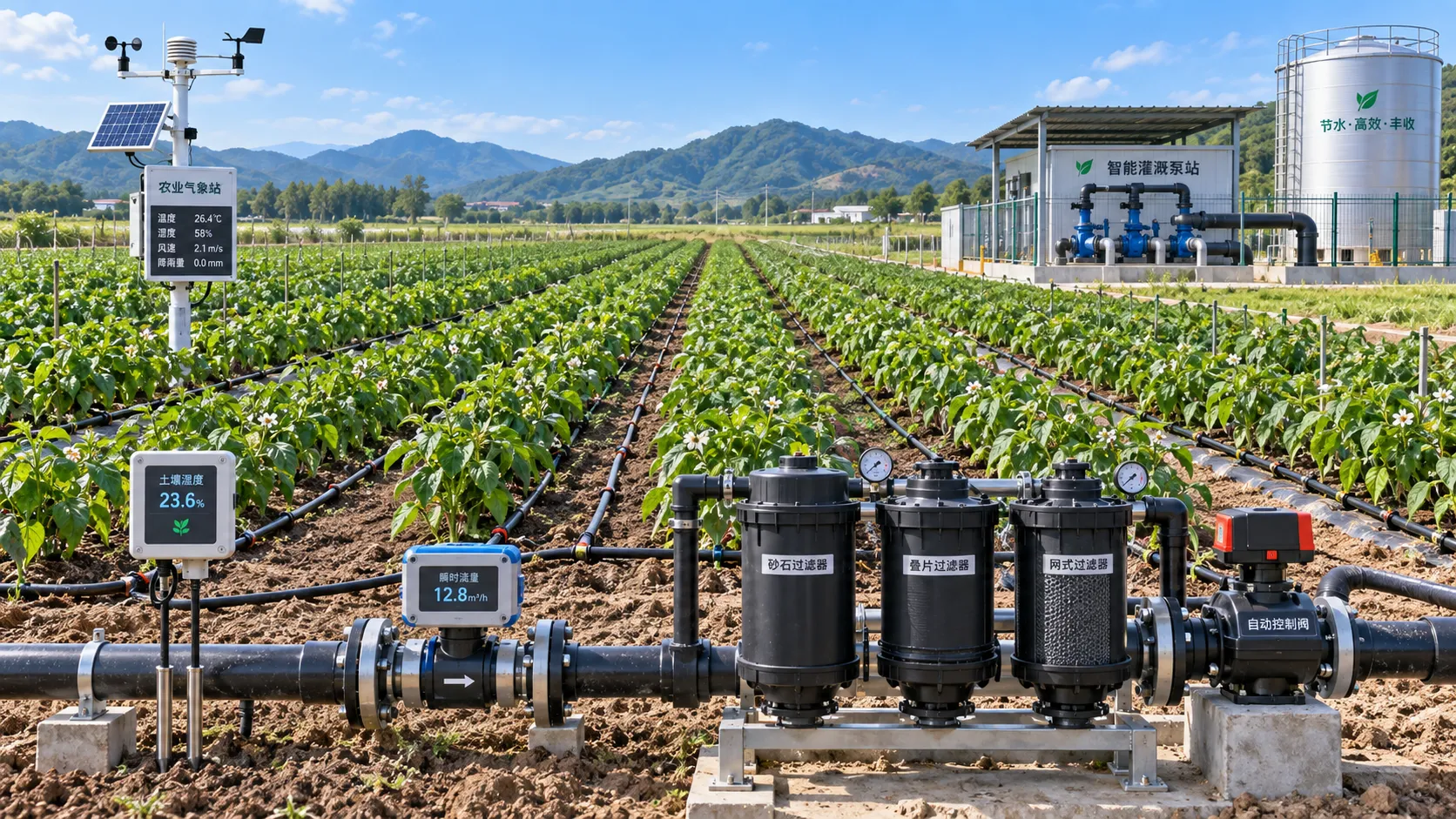
Automated Water-Saving Irrigation: How to Cut Water Use Without Reducing Crop Yields
Automated water-saving irrigation helps farms cut water use, protect crop yields, improve scheduling, and gain reliable control with sensors, flow monitoring, and smart zones.

Selecting Grain Farm Equipment by Acreage, Crop Mix, and Harvest Window
Agricultural equipment selection for grain farming: match machinery to acreage, crop mix, and harvest windows to improve uptime, efficiency, and returns.
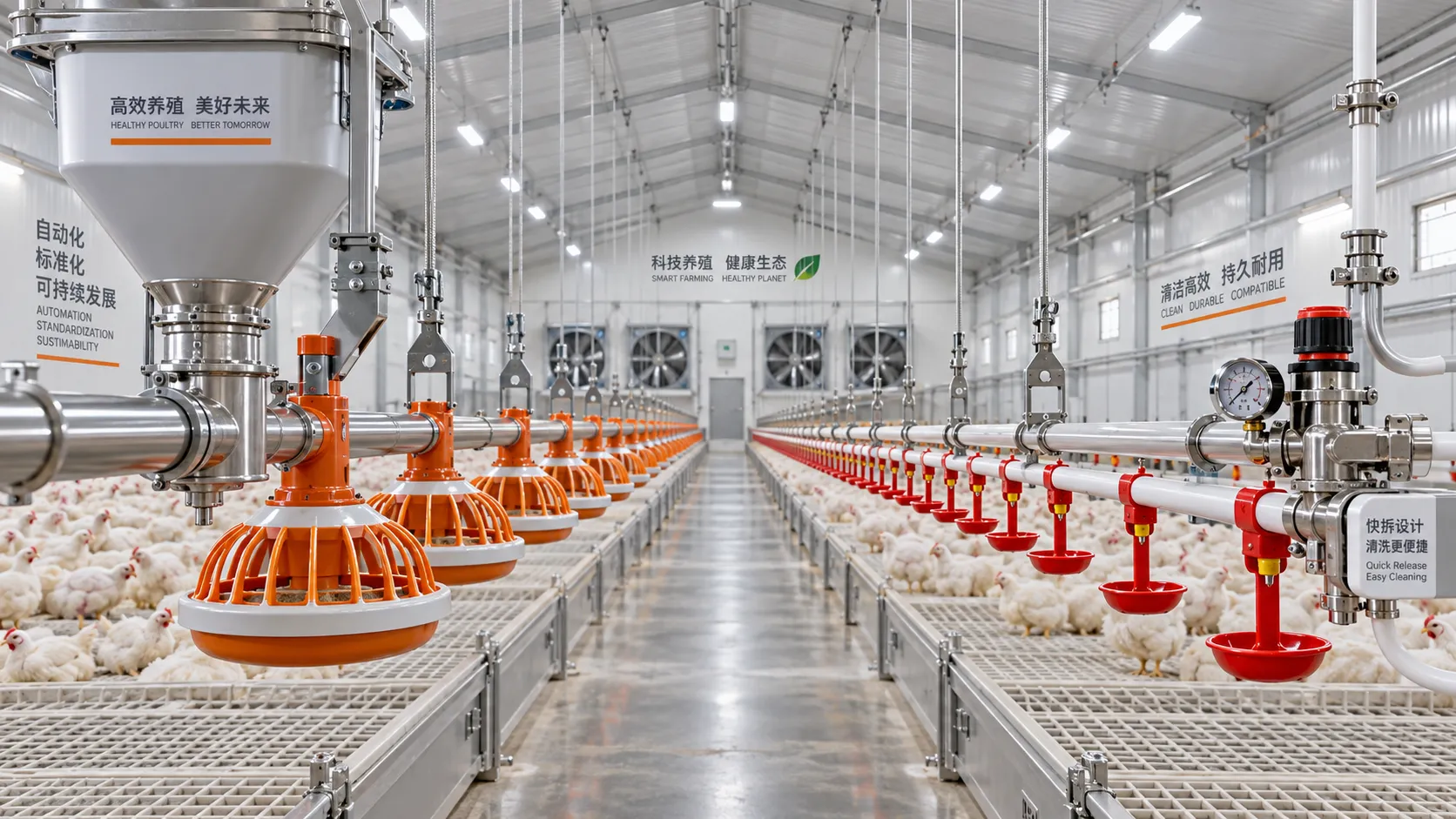
Poultry Equipment Selection: Evaluating Durability, Cleaning, and Compatibility
Poultry equipments selection guide: evaluate durability, cleaning access, and system compatibility to improve hygiene, reduce downtime, and support efficient flock management.

How to Select Heavy-Duty Farm Implements for High-Acreage, High-Horsepower Operations
Heavy duty farm implements: learn how to match draft, hydraulics, hitch capacity, frame strength, and field conditions for reliable high-acreage performance.
Related News
- 00
0000-00
Selecting Real-Time Soil Moisture Sensors for Irrigation Zone Control - 00
0000-00
How Does Climate-Smart Farming Reduce Water Use in Semi-Arid Areas? - 00
0000-00
USDA Rule Takes Effect: Dual FCC and NRCS Approval for Soil Moisture Sensors - 00
0000-00
EU Rule Takes Effect: Soil Moisture Sensors Need Revised CE-EMC Certification - 00
0000-00
How to Choose Wireless Smart Irrigation Systems for Better Water Control
Popular Tags
Hydrological Resource Strategist
Weekly Insights
Stay ahead with our curated technology reports delivered every Monday.