
USDA Expands Tariff Relief for Smart Irrigation Imports
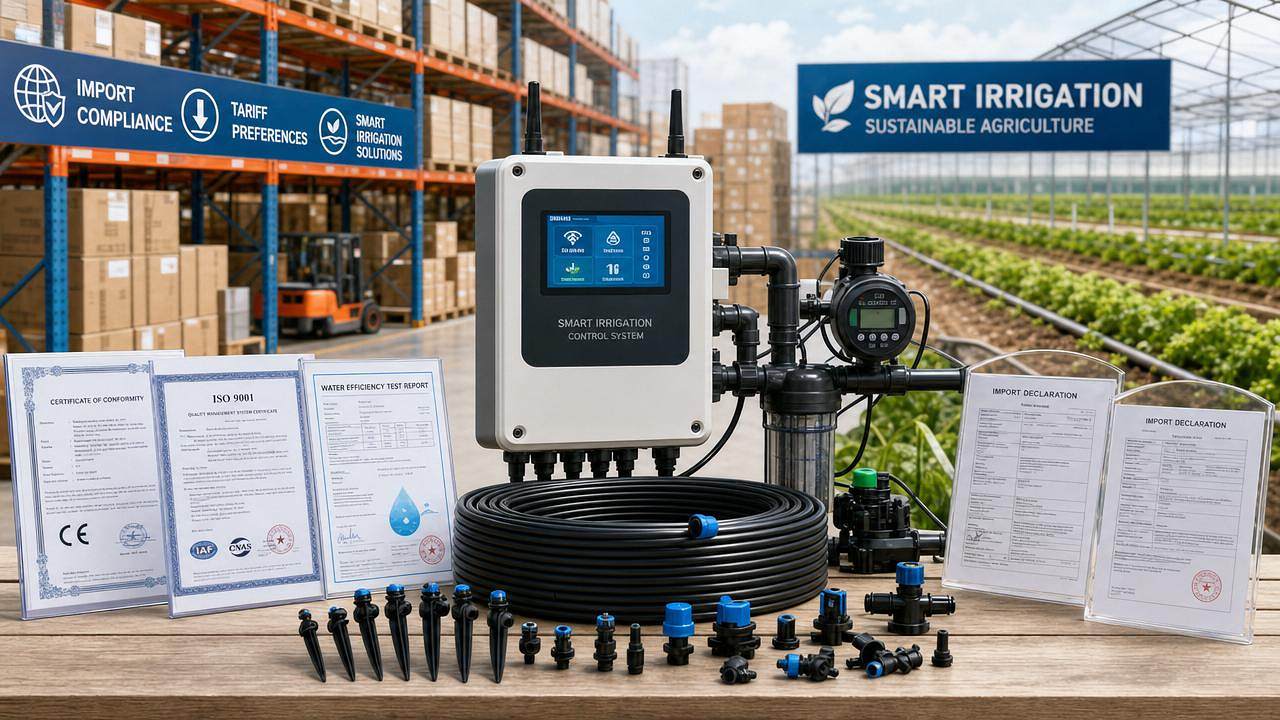




On June 3, 2026, the USDA, together with the USITC, introduced a new import incentive under the Climate-Smart Irrigation Incentive Program that allows qualifying Drip Irrigation Logic systems to receive tariff offsets of up to 35% of declared value. For manufacturers, importers, distributors, and procurement teams involved in smart irrigation equipment, the announcement is worth close attention because it links trade treatment directly to product certification, technical compliance, and third-party water-efficiency documentation rather than origin alone.
What the program confirms
According to the information provided, the program applies to Drip Irrigation Logic systems that meet ANSI/ASAE S630.2-2025. Eligible products can receive an import tariff offset of up to 35% of declared customs value. The measure was launched on June 3, 2026, by the USDA and the USITC, and is scheduled to remain in effect through December 31, 2027.
The policy applies to certified products originating from countries including China, Vietnam, and Mexico. A third-party water-efficiency verification report is required for eligibility.
Where the impact may appear first across the supply chain
Importers and direct trade operators will be most exposed to documentation risk
From an industry perspective, the most immediate effect may fall on companies handling import declarations and product qualification. The reason is straightforward: the tariff offset is tied not only to the product category, but also to compliance with a named standard and the submission of third-party verification materials. The main business impact may therefore appear in customs filing, product classification support, and pre-shipment document preparation.
Manufacturers may need to align product and certification readiness
For equipment makers supplying Drip Irrigation Logic systems, the policy may affect how products are prepared for export to the US market. Analysis shows that manufacturing impact is likely to center on whether the system can be presented as compliant with ANSI/ASAE S630.2-2025 and whether supporting water-efficiency validation is available in usable form for trade purposes.
Distributors and channel partners may need to reassess product positioning
Channel businesses may be affected because the policy could change the relative attractiveness of certified systems versus non-qualifying alternatives. What deserves closer attention is not only price treatment, but also whether suppliers can provide complete compliance files in time for procurement and import cycles.
Procurement teams and end-use buyers may focus more on eligibility certainty
For buyers sourcing irrigation systems, the key impact may be commercial planning rather than policy interpretation alone. If tariff relief depends on standard compliance and third-party verification, procurement teams may increasingly ask suppliers to demonstrate eligibility before purchase commitments are finalized.
Practical issues companies should watch now
Track whether official implementation language becomes more detailed
Analysis shows that the headline measure is clear on the incentive rate, standard reference, time window, and documentation requirement. However, businesses should continue watching for any further official clarification on how eligibility is reviewed in practice, because policy intent and operational treatment are not always identical in import processes.
Check certification and verification files before shipment planning
Companies involved in supply and trade should closely review whether products already have the required third-party water-efficiency verification report and whether technical files support compliance with ANSI/ASAE S630.2-2025. In practical terms, this is likely to affect shipment scheduling, customs preparation, and customer communication.
Separate policy opportunity from realized commercial benefit
What deserves closer attention is the difference between a policy being available and a transaction actually qualifying for it. Businesses should avoid assuming that all smart irrigation products will receive the same treatment. Based on the information provided, the benefit is tied to certified Drip Irrigation Logic systems and supporting documentation, which makes qualification control a central issue.
Prepare supplier and customer communication around eligibility
Importers, exporters, and distributors may need clearer communication with both upstream and downstream partners. Observably, questions around product scope, standard conformity, origin declarations, and verification reports could become part of normal order confirmation and contract review.
Why this looks like both an immediate trade measure and a broader policy signal
As an analytical observation, this development is more appropriate to understand as a targeted near-term trade incentive with broader implications for climate-aligned equipment qualification. The immediate result is not a universal market change, but a defined advantage for products that can meet the stated standard and documentation threshold.
At the same time, the structure of the measure matters. Analysis shows that the policy emphasizes technical conformity and third-party validation, suggesting that future market access discussions in this segment may increasingly revolve around verifiable performance rather than product description alone. That does not yet establish a long-term market outcome, but it is a signal the industry should continue to monitor through 2027.
How the industry may best interpret the announcement today
At this stage, the announcement should be read as a concrete but conditional policy change. It creates a potential cost advantage for qualifying imports of Drip Irrigation Logic systems, yet that advantage depends on standard compliance and supporting verification rather than broad category inclusion. For the industry, the practical meaning lies less in the headline percentage alone and more in the compliance, documentation, and transaction-readiness work now required to convert policy into actual business benefit.
Basis of this article and what still needs verification
This article is based on the user-provided news title, event date, and event summary. For this type of development, relevant source categories typically include official agency announcements, trade commission notices, industry association updates, standard organization documents, and authoritative media reporting. A specific official source link was not provided in the input, so the exact public documentation path still needs to be continuously verified. Further attention should be given to any later clarification on implementation details, eligibility review, and document handling under the stated program period.
Related News
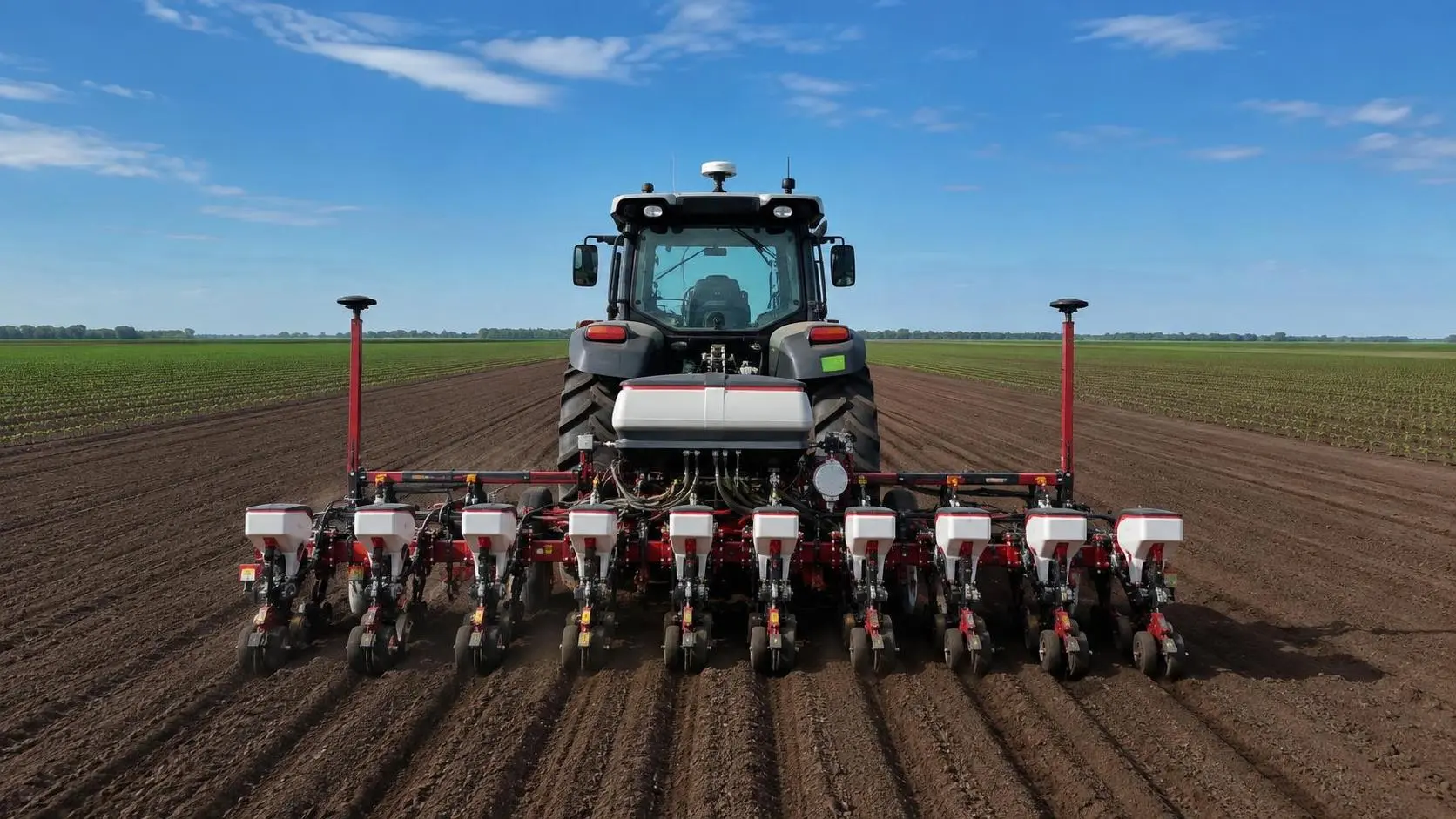
How Tractor Intelligence Systems Improve Field Efficiency and Input Accuracy
Agricultural machinery intelligence for tractors improves field efficiency, input accuracy, data traceability, and implement control. Explore smarter evaluation strategies.
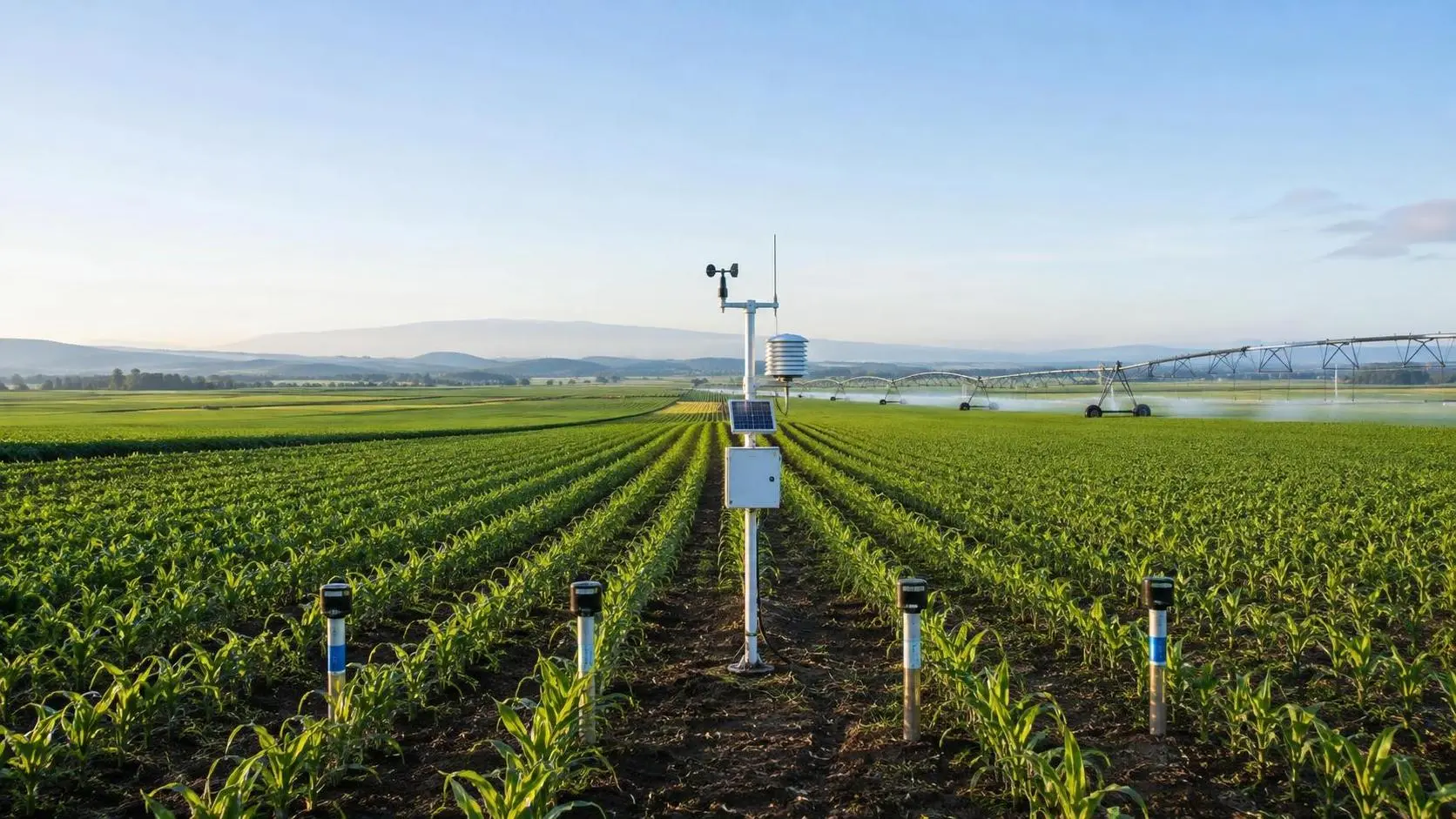
How to Evaluate Crop Monitoring System Manufacturers for Large-Scale Farms
Compare crop monitoring systems manufacturers for large-scale farms. Evaluate data quality, integration, durability, lifecycle costs, support, and pilots for smarter decisions.
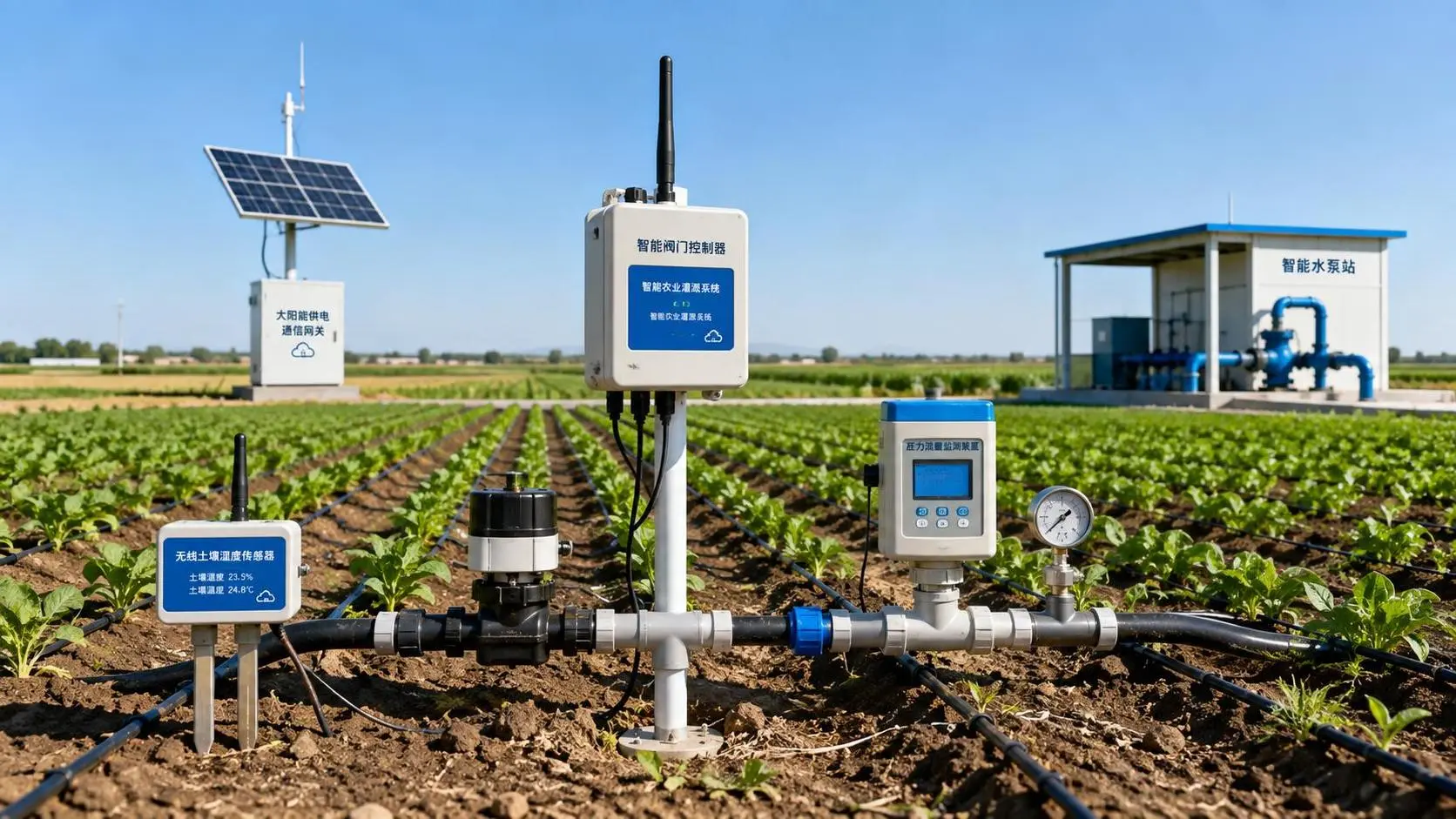
Wireless Agricultural Automation for Remote Irrigation and Field Monitoring
Agricultural automation wireless solutions improve remote irrigation with reliable field data, local control, flow verification, and smarter monitoring. Explore resilient deployment strategies.
Agricultural Product Information Market Guide: Key Data for Sourcing Decisions
Agricultural product information market guide for smarter sourcing—compare machinery, irrigation, precision tools, lifecycle costs, and supplier risk.
Large-Scale Farm Equipment Cost Comparison: Price, Fuel, and Lifecycle Value
Large-scale farm equipment cost comparison: evaluate price, fuel, maintenance, downtime, and lifecycle value to choose tractors, combines, irrigation, and smart tools with confidence.
A Procurement Specification Preparation Example for Buying Farm Equipment
Procurement specification preparation example for farm equipment: learn to define requirements, compare suppliers, control lifecycle costs, and buy with confidence.
What Tractor Horsepower Is Needed for a Three-Bottom Moldboard Plow?
What tractor horsepower is needed for three-bottom moldboard plow? Compare 60–100 hp needs by soil, depth, traction, and plow width for a confident equipment match.
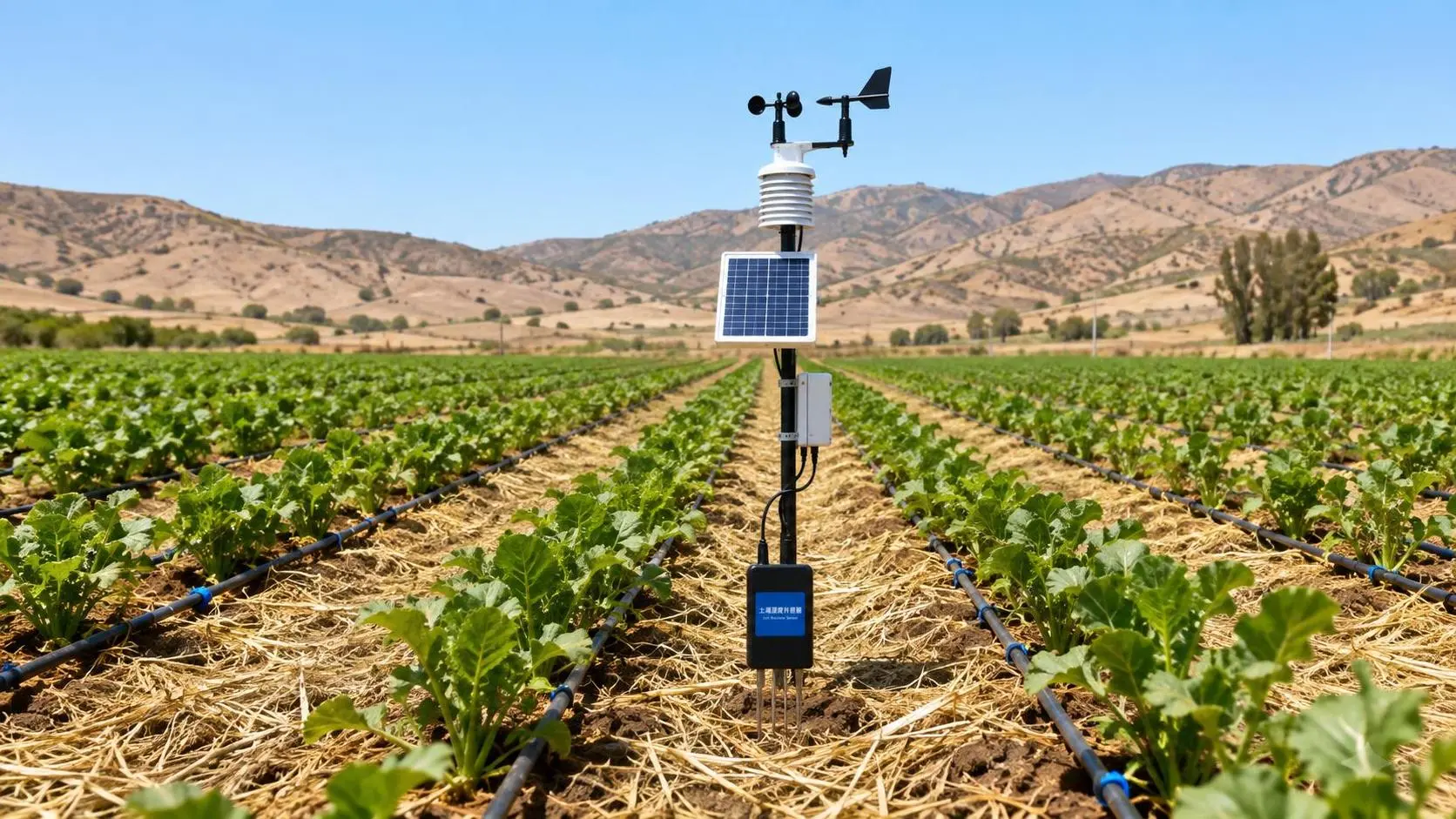
How Does Climate-Smart Farming Reduce Water Use in Semi-Arid Areas?
How does climate-smart farming reduce water use in semi-arid zones? Discover precision irrigation, soil monitoring, and smarter crop planning for resilient yields.
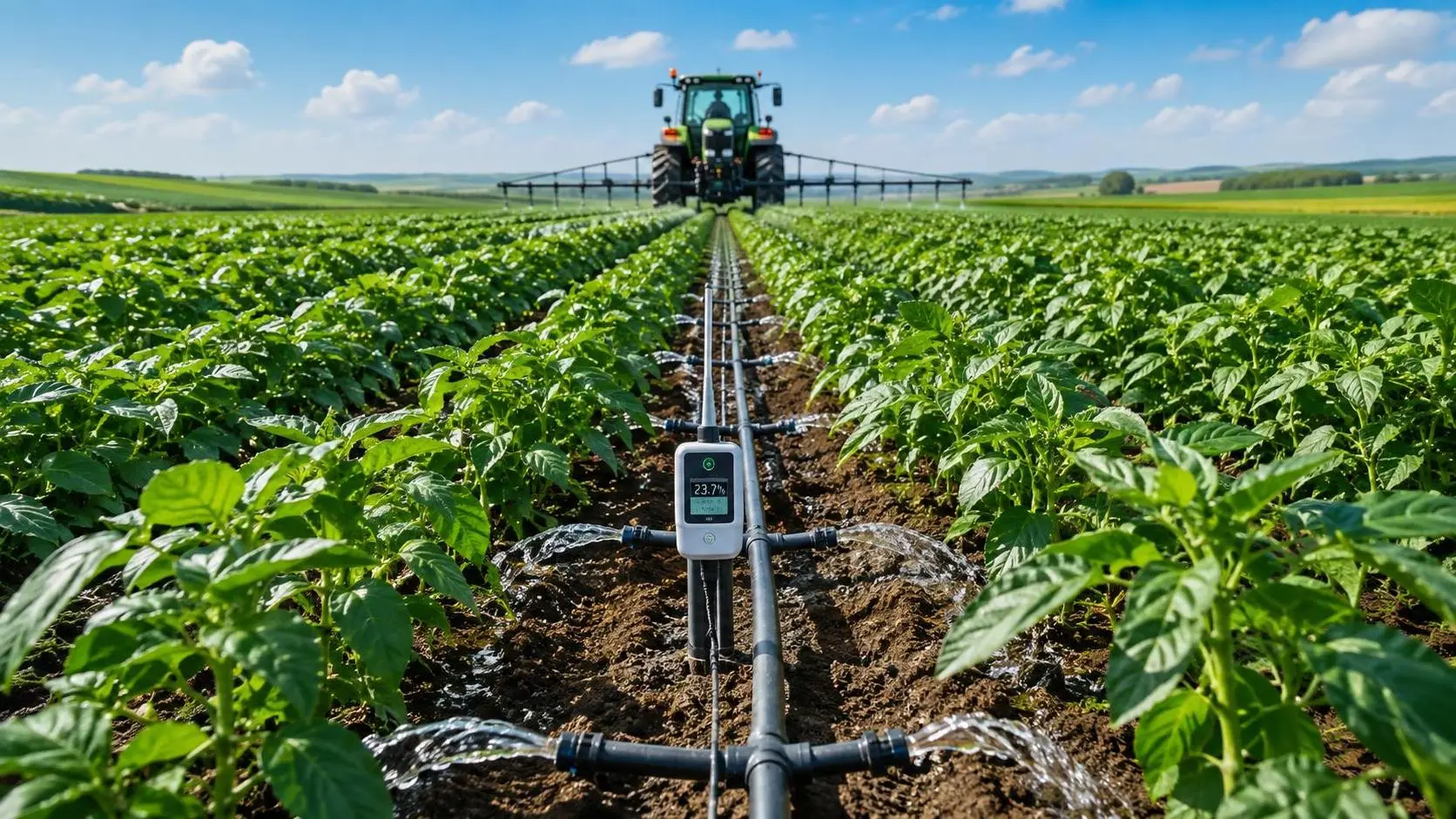
Can Sustainable Farming Be Profitable Without Reducing Yields?
Are sustainable farming practices profitable without yield loss? Discover precision strategies that cut waste, protect yields, and improve farm margins.
Related News
- 00
0000-00
Wireless Agricultural Automation for Remote Irrigation and Field Monitoring - 00
0000-00
Designing Water-Saving Drip Irrigation Systems for High-Value Orchards - 00
0000-00
How to Choose Irrigation Solutions for Arid Regions Based on Water Source and Crop Needs - 00
0000-00
How IoT Smart Irrigation Networks Help Farms Cut Water Use and Improve Yield - 00
0000-00
USDA Rule Takes Effect for Drip Irrigation Imports
Popular Tags
Hydrological Resource Strategist
Weekly Insights
Stay ahead with our curated technology reports delivered every Monday.