On June 1, 2026, Calbee began placing black-and-white shrimp cracker packages on supermarket shelves in Tokyo, marking them as “petroleum-resource-saving packaging.” The stated reason is unstable procurement of naphtha-based printing ink amid intensified tensions in the Middle East. This development is especially relevant to packaging, raw material procurement, export trade, and smart irrigation equipment companies because it highlights rising exposure to petrochemical-dependent packaging supply chains.
Event Overview
According to the available information, Japan’s Calbee introduced a black-and-white version of its shrimp cracker packaging in Tokyo supermarkets starting June 1, 2026.
The package is clearly marked as “petroleum-resource-saving packaging.” The disclosed reason is that procurement of naphtha-based printing ink has become unstable due to intensified tensions in the Middle East.
The currently available information points to a packaging adjustment linked to printing ink supply conditions. No additional confirmed data, production volume information, or broader company-level procurement details have been provided.
Which Segments May Be Affected
Packaging-Dependent Consumer Goods Companies
Companies that rely on printed retail packaging may be affected because color printing often depends on stable access to ink and related petrochemical inputs. In this case, Calbee’s move shows that packaging appearance can become part of a supply-chain response when ink procurement becomes unstable.
From an industry perspective, the impact is mainly reflected in packaging design flexibility, label communication, and the need to explain simplified or lower-ink packaging to retail channels and consumers without turning it into a misleading environmental claim.
Raw Material Procurement Teams
Procurement teams dealing with printing ink, packaging films, cartons, labels, or related materials may need to monitor petrochemical-linked supply risks more closely. The reported instability concerns naphtha-based printing ink, which makes purchasing departments directly relevant to the issue.
Analysis shows that procurement pressure may not only concern price or availability, but also the continuity of compliant packaging, especially where product labeling, export documentation, or retail presentation must remain consistent.
Export-Oriented Smart Irrigation Equipment Manufacturers
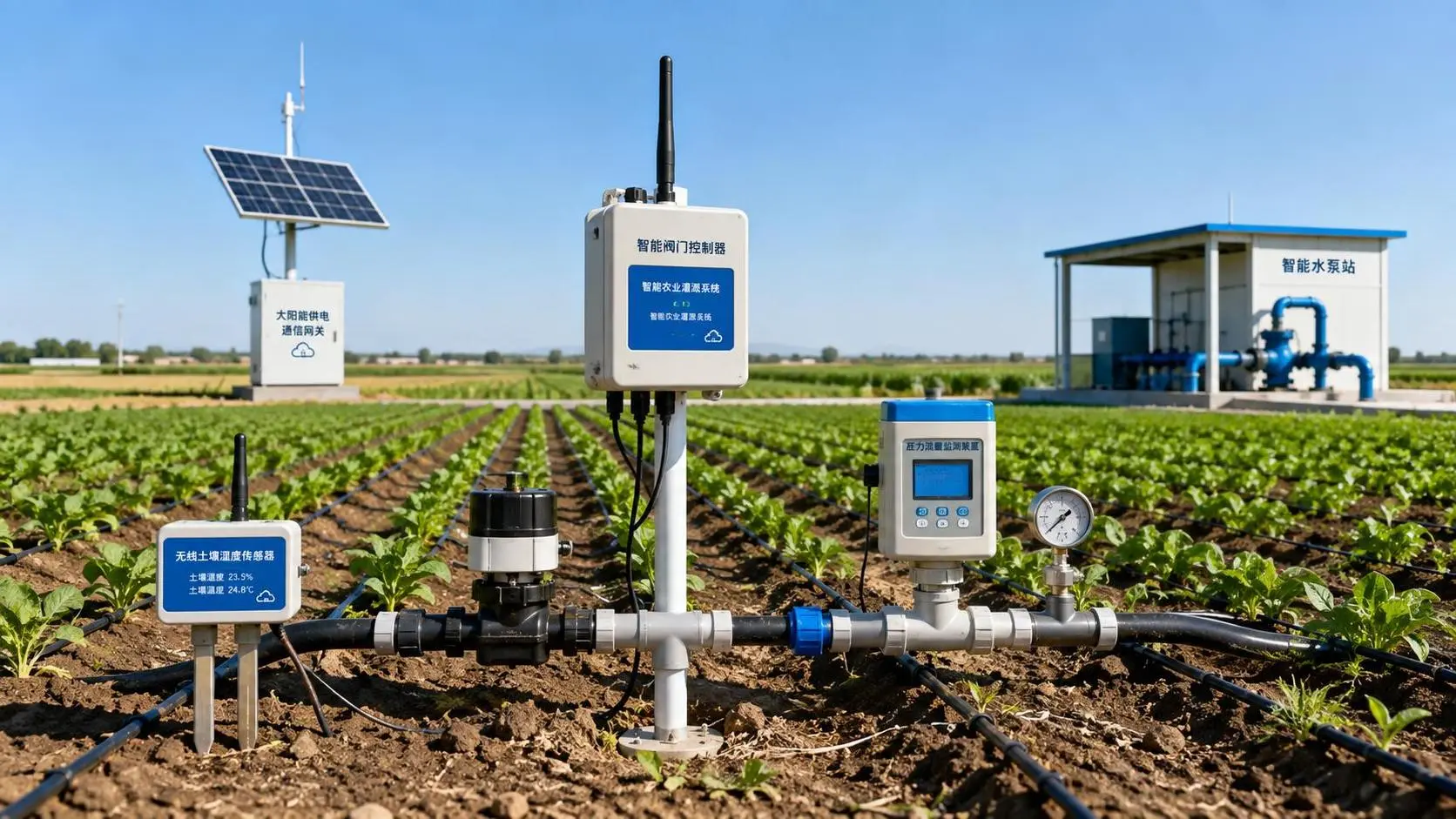
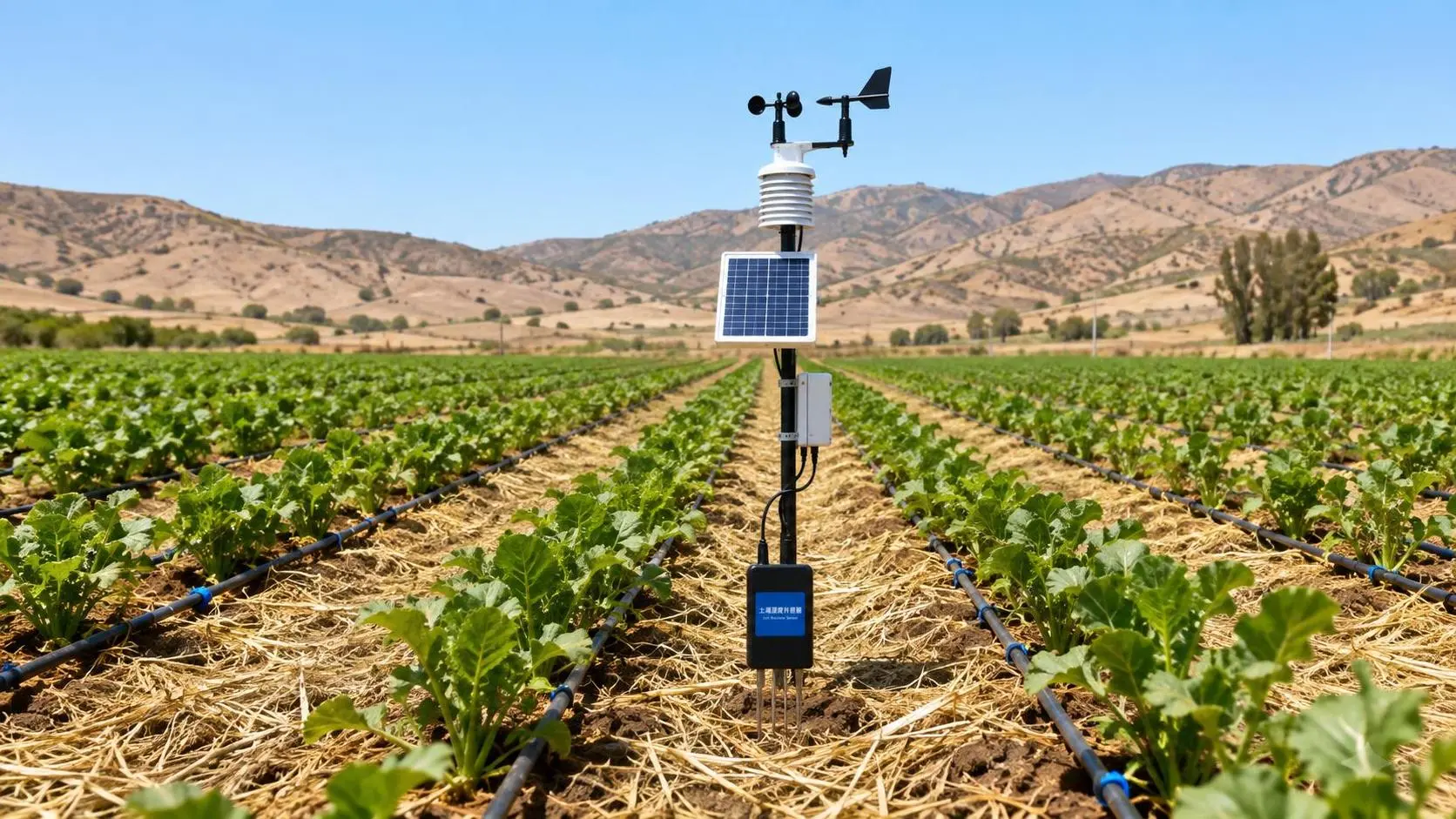
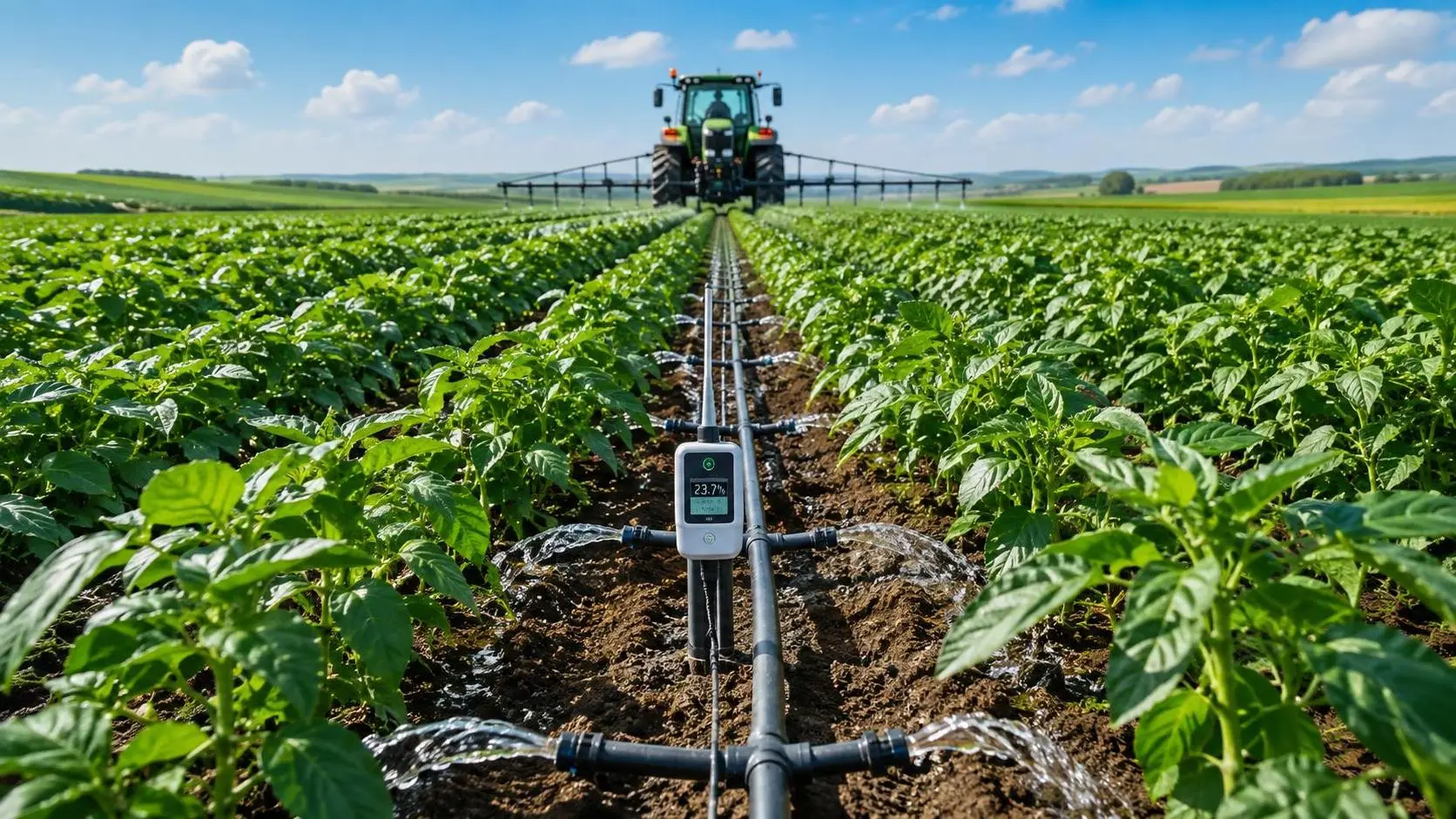
The event also matters to export-oriented smart irrigation equipment businesses, including suppliers of drip irrigation logic control boxes and soil moisture sensor housings, because these products often require compliant packaging, labeling, and external presentation for cross-border sales.
From an industry perspective, the impact is not that smart irrigation equipment faces the same immediate packaging change as Calbee. Rather, the event signals that companies exporting hardware products should review whether their packaging, printed labels, and sustainability-related claims depend on materials or supply arrangements that could become unstable.
Channel and Distribution Companies
Retailers, importers, and distributors may be affected when packaging appearance changes due to raw material constraints. A black-and-white or simplified package may require additional communication to avoid confusion in product identification, shelf display, or customer expectations.
Observably, the main issue for channels is not only whether packaging changes are accepted, but whether the reason for the change is clearly described and consistent with the information provided by the brand or manufacturer.
Supply Chain Service Providers
Packaging designers, printing service providers, and logistics support companies may also be affected because their clients may ask for lower-ink designs, alternative label layouts, or packaging plans that can be adjusted quickly if ink availability changes.
Current analysis shows that these service providers may need to support practical packaging continuity rather than broad sustainability messaging alone. The ability to maintain legally required labeling while reducing dependence on volatile inputs becomes more important.
What Companies Should Watch and How to Respond
Monitor Official Statements and Confirmed Supply Updates
Companies should continue tracking official statements from brands, suppliers, and relevant commercial partners regarding ink procurement and packaging changes. In this case, the confirmed information is limited to Calbee’s June 1 packaging adjustment and the stated link to unstable naphtha-based printing ink procurement.
Businesses should avoid treating this single case as proof of a universal packaging shortage. Analysis shows it is more appropriate to use it as a trigger for internal review of ink, label, and packaging material exposure.
Review Packaging for Key Products and Export Markets
Exporters should identify which products depend most heavily on printed packaging, color labels, or packaging claims. For smart irrigation equipment, this may include outer cartons, control box packaging, soil moisture sensor housings, product labels, and instruction materials.
From an industry perspective, the practical response is to separate essential compliance information from decorative printing. Required product identification, safety information, market-specific labels, and sustainability marks should remain clear even if a lower-ink or simplified packaging version is needed.
Distinguish Supply-Chain Signals from Final Business Outcomes
This event should be understood carefully. The confirmed case is a packaging adjustment by one food company in response to unstable procurement of naphtha-based printing ink. It does not, by itself, confirm a broad operational disruption across all packaging categories.
Current analysis shows that companies should treat the development as a supply-chain warning signal. It is useful for risk assessment, but business decisions should still be based on supplier confirmation, contract terms, delivery status, and market requirements.
Prepare Procurement and Communication Contingency Plans
Companies that depend on printed packaging should discuss contingency options with packaging suppliers, including simplified printing, alternative label layouts, and packaging versions that use less petroleum-linked printing input while preserving required information.
For export-oriented equipment companies, communication plans are also important. If packaging changes are made, sales teams, distributors, and customers should receive consistent explanations so that simplified packaging is not mistaken for a product downgrade or unauthorized change.
Editor’s View / Industry Observation
Observably, Calbee’s black-and-white packaging should be seen less as an isolated design choice and more as a visible response to upstream raw material uncertainty. The key issue is the dependence of packaging systems on petrochemical-derived inputs such as naphtha-based printing ink.
Analysis shows that the event is currently more of a warning signal than a confirmed industry-wide result. It indicates that packaging, labeling, and sustainability claims may become more closely connected with raw material availability and geopolitical supply conditions.
From an industry perspective, companies in smart irrigation equipment and other export-oriented sectors should pay attention because packaging compliance is not limited to visual presentation. It also affects market access, product identification, green labeling, and customer communication.
Conclusion
Calbee’s use of black-and-white “petroleum-resource-saving packaging” highlights a practical supply-chain issue: packaging materials and printing inputs can be exposed to petrochemical raw material volatility.
The development is not enough to conclude that all packaging supply chains are under immediate disruption. Current analysis shows it is better understood as an early warning signal for companies that rely on compliant, printed, and sustainability-related packaging.
For related industries, especially export-oriented smart irrigation equipment suppliers, the more suitable response is to review packaging dependency, confirm supplier readiness, and prepare clear communication plans before packaging changes become urgent.
Information Source Statement
Main source: Provided industry news brief on Calbee’s June 1, 2026 introduction of black-and-white shrimp cracker packaging in Tokyo supermarkets and its stated link to unstable naphtha-based printing ink procurement.
Items requiring continued observation: further official statements from Calbee, subsequent changes in printing ink procurement conditions, and any confirmed impact on packaging compliance, green labeling, or sustainable packaging certification requirements for export-oriented equipment products.