
Climate-Smart Agriculture Solutions for Food Security: What Works in Drought-Prone Regions?





In drought-prone regions, climate-smart agriculture solutions for food security are no longer abstract policy goals. They are operating systems for stable output, water discipline, and risk control.
The strongest results come from integrated design. Mechanization, intelligent irrigation, soil protection, and field data must work together, not as isolated upgrades.
For AP-Strategy, this question sits at the center of Agriculture 4.0. Food security depends on how equipment performance, water-saving systems, and agronomic intelligence are stitched into field decisions.
This article examines which climate-smart agriculture solutions for food security perform best in drought-prone regions, where adoption fails, and how to match systems to real field scenarios.
Why drought scenarios require different climate-smart agriculture solutions for food security
Drought is not one condition. Some regions face short seasonal dry spells. Others face multi-year groundwater decline, extreme heat, and unstable planting windows.
That distinction matters. A district with occasional rainfall failure needs flexibility. A basin with structural water scarcity needs permanent efficiency and tighter crop-water budgeting.
The best climate-smart agriculture solutions for food security therefore start with scenario diagnosis. Water source reliability, soil type, field scale, energy access, and machinery readiness shape what works.
Yield alone is also the wrong target. In drought-prone systems, resilience means stable output per unit of water, lower loss during stress years, and faster recovery after failed seasons.
Core judgment points before selecting solutions
- Is water scarcity temporary, cyclical, or structural?
- Does the farm rely on rainfall, canal delivery, wells, or mixed sources?
- Can field operations be mechanized on time during narrow moisture windows?
- Is there sensor, satellite, or weather data to support irrigation timing?
- Are soils losing organic matter, infiltration, or root-zone moisture retention?
Scenario 1: Rainfed grain systems with delayed or failed rainfall
In semi-arid grain zones, the key problem is timing. Rain may arrive late, stop early, or fall in short, intense bursts that run off instead of infiltrating.
Here, climate-smart agriculture solutions for food security must protect establishment. Fast land preparation, accurate seeding depth, residue retention, and minimum tillage often outperform expensive inputs alone.
What works best
Large-scale tractors with precise seed placement help capture short planting windows. When soil moisture is marginal, delayed planting can reduce emergence and final stand count dramatically.
Conservation tillage improves infiltration and reduces evaporation. Residue cover lowers soil temperature and protects the root zone during early drought stress.
Variable-rate seeding and fertilizer placement also matter. In low-moisture years, uniform input loading across every field zone often wastes seed and nutrients.
Where implementation fails
A common mistake is adopting drought-tolerant seed while keeping poor field traffic, slow planting, and aggressive tillage. Genetics cannot compensate for weak operational timing.
Another failure point is residue mismanagement. Too little cover exposes soil, while poorly distributed straw can interfere with seed-soil contact and emergence consistency.
Scenario 2: Irrigated production under water quotas and pumping stress
In many drought-prone regions, irrigation still exists, but not at historical volume. Wells are deeper, energy costs are rising, and allocation rules are tighter.
In this scenario, climate-smart agriculture solutions for food security depend on water productivity. The goal is not maximum irrigation, but the highest return from every cubic meter applied.
What works best
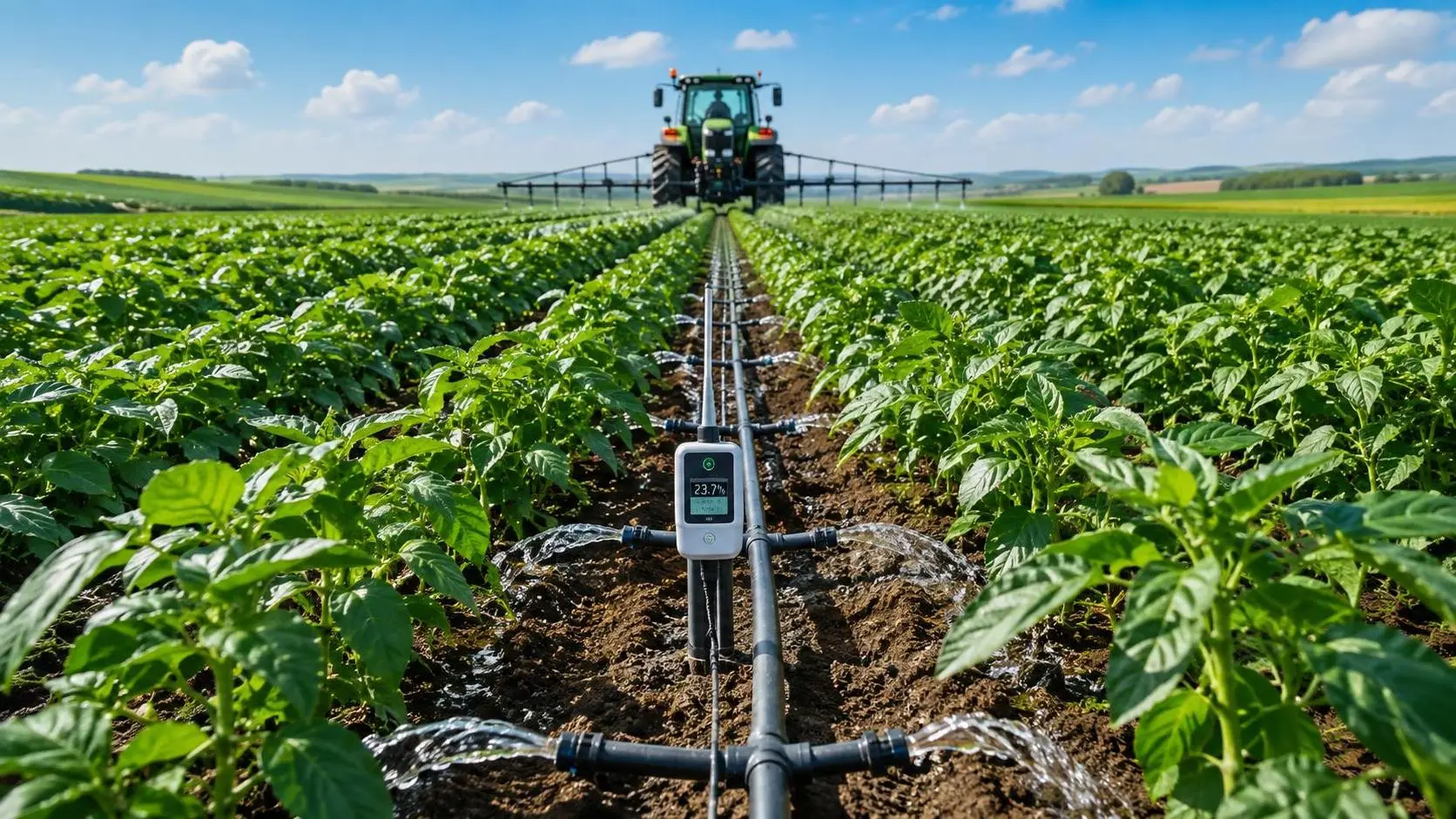
Intelligent irrigation systems deliver the largest gains when paired with field sensing. Soil moisture probes, evapotranspiration models, and weather forecasts improve irrigation timing and pulse length.
Drip and low-pressure precision application reduce conveyance and evaporation losses. Smart controllers can segment fields, matching water delivery to crop stage and local soil behavior.
Mechanization still matters here. Uniform bed formation, accurate implement control, and stable tractor hydraulics support better water distribution and reduce field variability.
Where implementation fails
Installing modern irrigation without pressure control, filtration discipline, or maintenance planning leads to clogging, uneven application, and disappointing savings.
Another mistake is using fixed calendars. Drought years shift crop demand. Static schedules ignore actual soil moisture and often trigger both stress and waste.
Scenario 3: Mixed farming systems exposed to heat, forage loss, and unstable rotations
Where crops and livestock interact, drought spreads risk across feed, grain, and soil cover. A failed forage season can quickly reshape planting decisions and cash flow.
For these systems, climate-smart agriculture solutions for food security must stabilize rotation design. Flexible forage crops, dual-purpose cereals, and water-efficient feed planning become essential.
What works best
Short-cycle crops reduce exposure to late-season moisture collapse. Integrated machinery planning also helps, especially where one chassis supports seeding, spraying, and forage operations.
Remote sensing can detect biomass gaps early. That allows faster adjustment of grazing pressure, forage harvest timing, or emergency irrigation on the most productive zones.
Post-harvest efficiency is often overlooked. Low-loss combine harvesting preserves more usable grain, which becomes especially important when every ton matters during drought years.
How needs differ across drought-prone field scenarios
Practical system design: which climate-smart agriculture solutions for food security should be combined
Single technologies rarely create durable resilience. The strongest field results usually come from bundled systems built around timing, water control, and loss reduction.
Recommended bundles by field condition
- Low-rainfall grain zones: no-till seeding, residue retention, weather-linked planting windows, variable-rate input plans.
- Water-limited irrigation districts: drip or precision sprinkling, moisture sensors, ET modeling, automated valve scheduling.
- Large-scale mechanized farms: high-capacity tractors, controlled traffic, precision guidance, low-loss combine setup.
- Degraded soils: cover crops, organic matter rebuilding, shallow disturbance, infiltration monitoring.
These bundles align with AP-Strategy’s view that food security is built through operational integration. Better machinery without agronomic intelligence creates inefficiency. Better data without execution creates delay.
Common misjudgments that weaken drought resilience
One frequent misjudgment is chasing maximum yield in every season. In drought-prone regions, stable medium-high performance can be more valuable than volatile peak output.
Another is treating irrigation equipment as the whole answer. Without soil structure, timely operations, and harvest efficiency, water savings may not translate into stronger food security.
Many projects also ignore harvest losses. Poor combine calibration during dry, brittle conditions can erase gains made through careful in-season water management.
Finally, some systems collect data but never operationalize it. Climate-smart agriculture solutions for food security only work when forecasts and sensor readings change actual field actions.
Action steps for building scalable resilience in drought-prone regions
Start with a water-risk map. Identify source reliability, delivery constraints, and the fields with the highest yield sensitivity to moisture stress.
Next, audit timing losses. Measure delays in planting, irrigation response, spraying, and harvesting. Drought resilience often improves first through operational speed.
Then, build a phased investment plan. Prioritize technologies that improve both water-use efficiency and execution consistency across large acreage.
Strong options include intelligent irrigation systems, precision guidance, controlled traffic, sensor-linked scheduling, and combine performance optimization.
The most effective climate-smart agriculture solutions for food security are measurable, scenario-specific, and scalable. In drought-prone regions, resilience is engineered through better decisions, better timing, and better field systems.
AP-Strategy continues to track how mechanization, irrigation intelligence, and sustainability standards converge. That convergence will define the next generation of reliable food production under water stress.
Related News
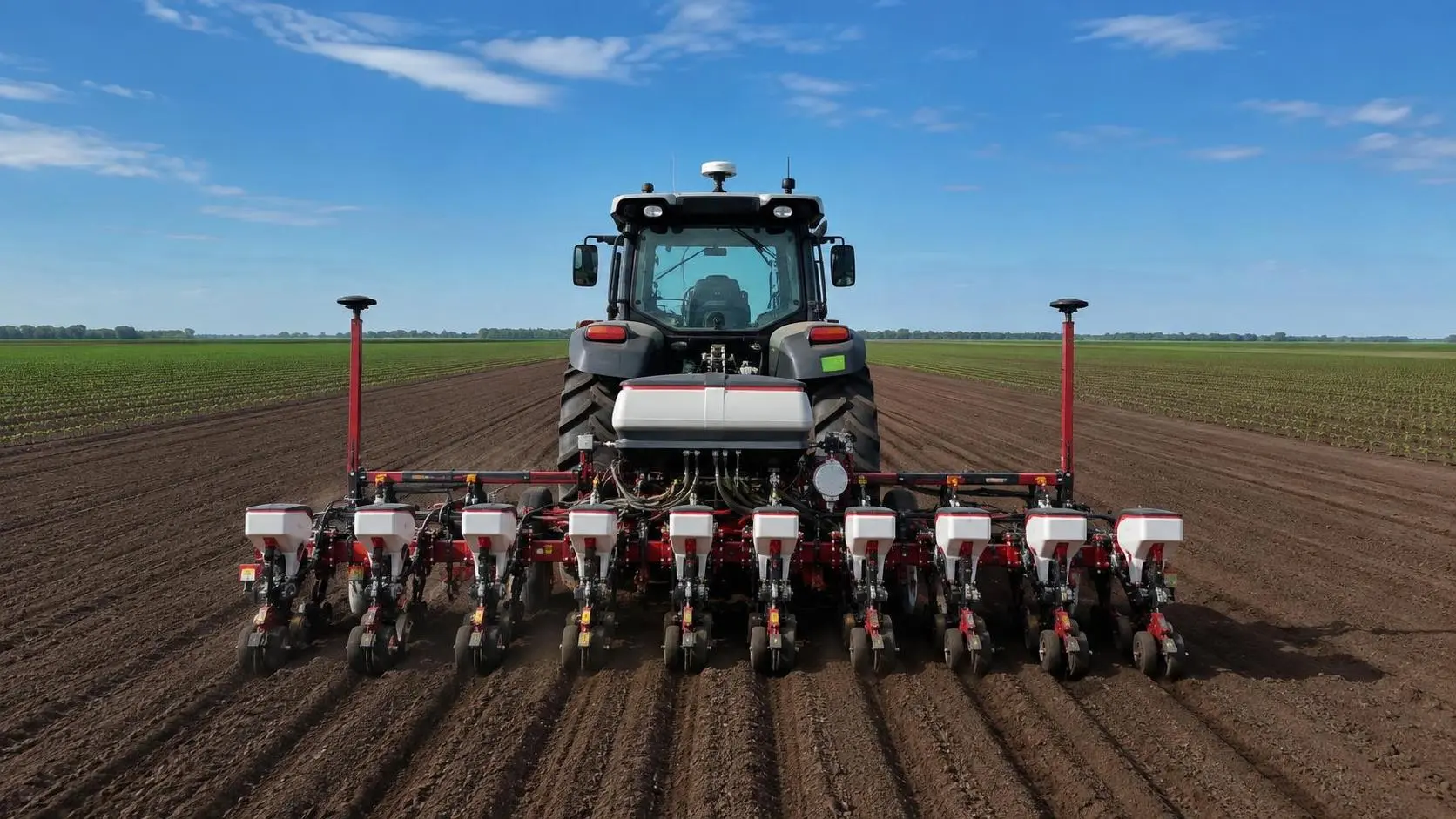
How Tractor Intelligence Systems Improve Field Efficiency and Input Accuracy
Agricultural machinery intelligence for tractors improves field efficiency, input accuracy, data traceability, and implement control. Explore smarter evaluation strategies.
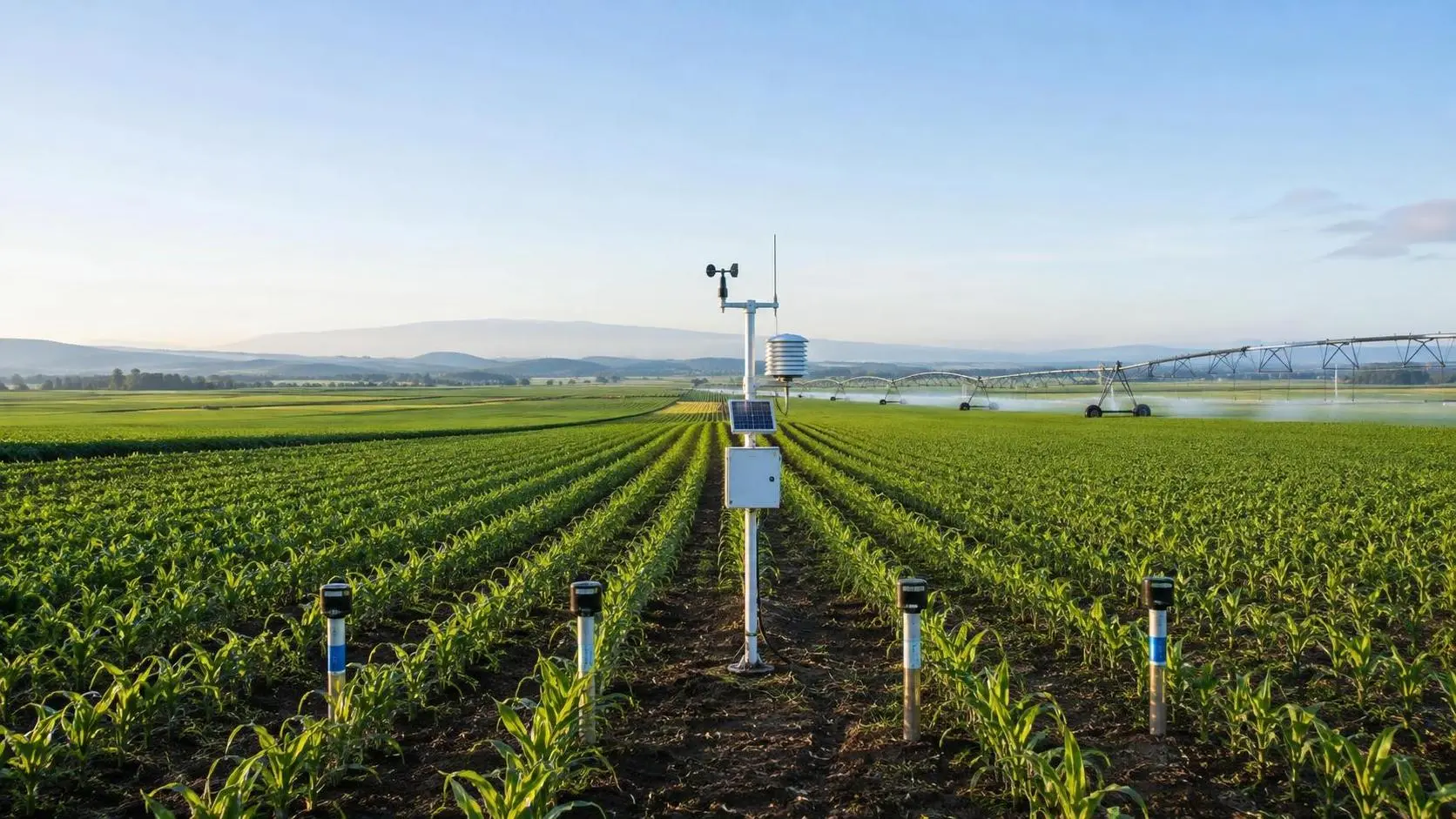
How to Evaluate Crop Monitoring System Manufacturers for Large-Scale Farms
Compare crop monitoring systems manufacturers for large-scale farms. Evaluate data quality, integration, durability, lifecycle costs, support, and pilots for smarter decisions.
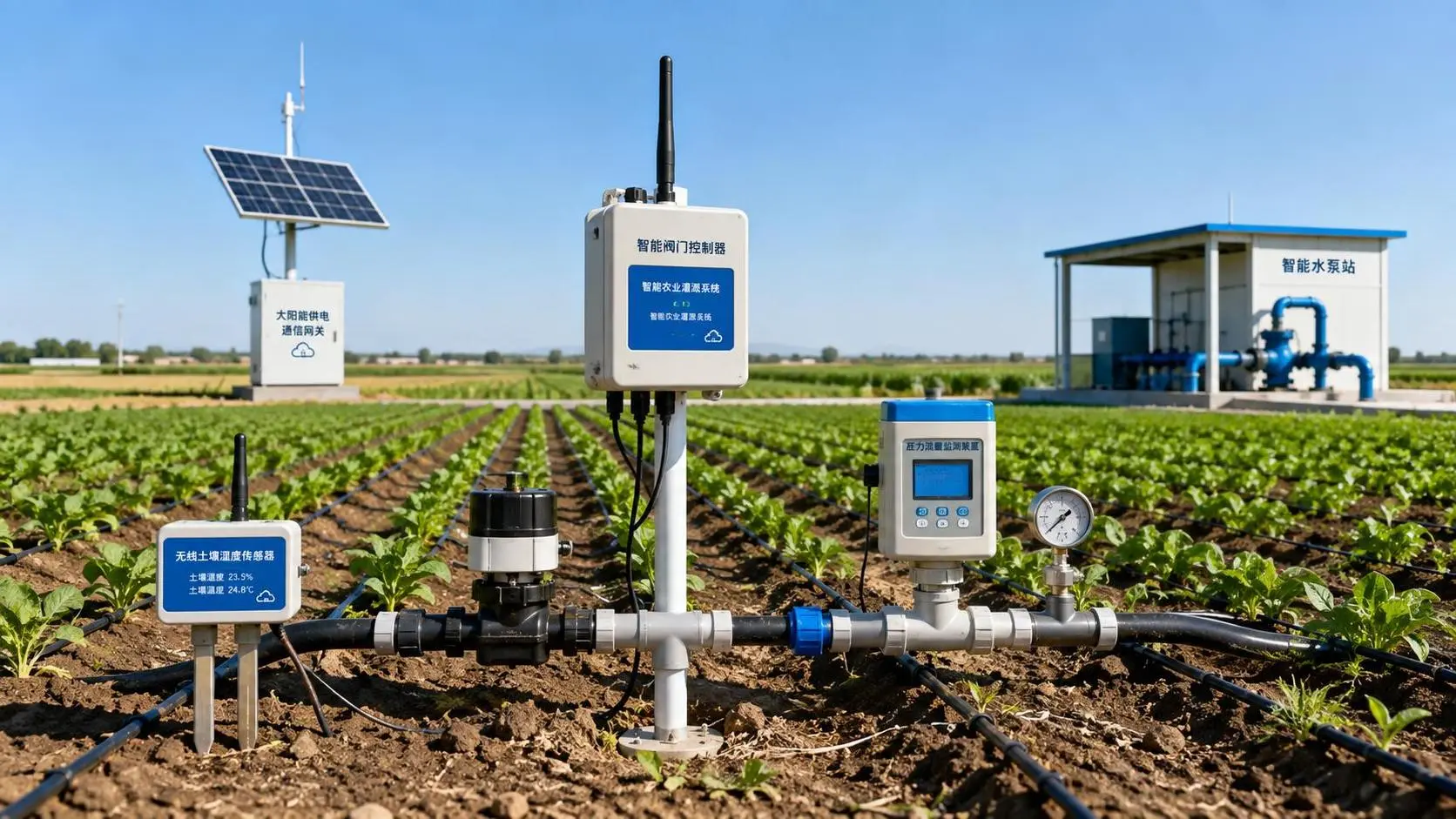
Wireless Agricultural Automation for Remote Irrigation and Field Monitoring
Agricultural automation wireless solutions improve remote irrigation with reliable field data, local control, flow verification, and smarter monitoring. Explore resilient deployment strategies.
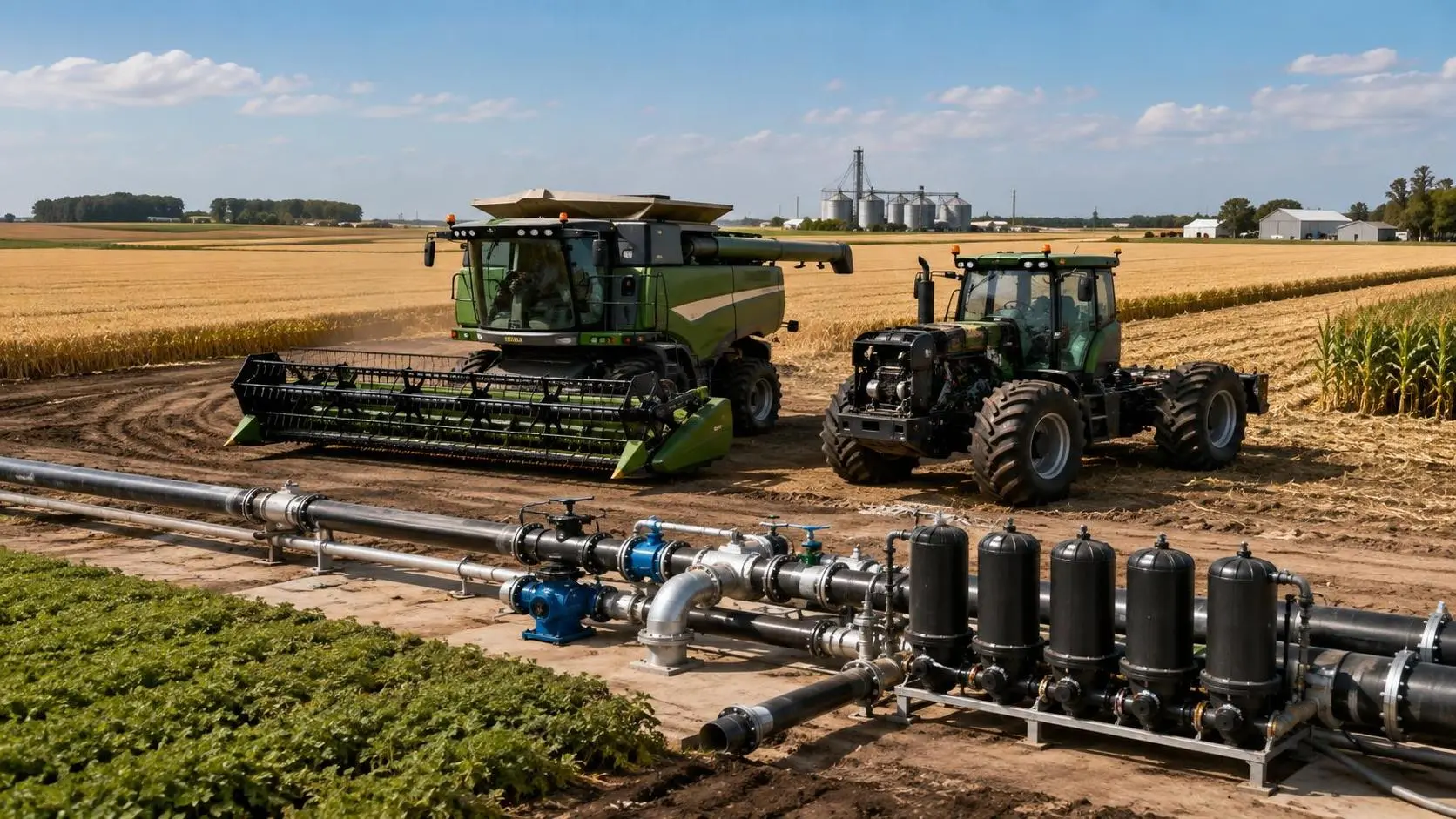
Agricultural Product Information Market Guide: Key Data for Sourcing Decisions
Agricultural product information market guide for smarter sourcing—compare machinery, irrigation, precision tools, lifecycle costs, and supplier risk.
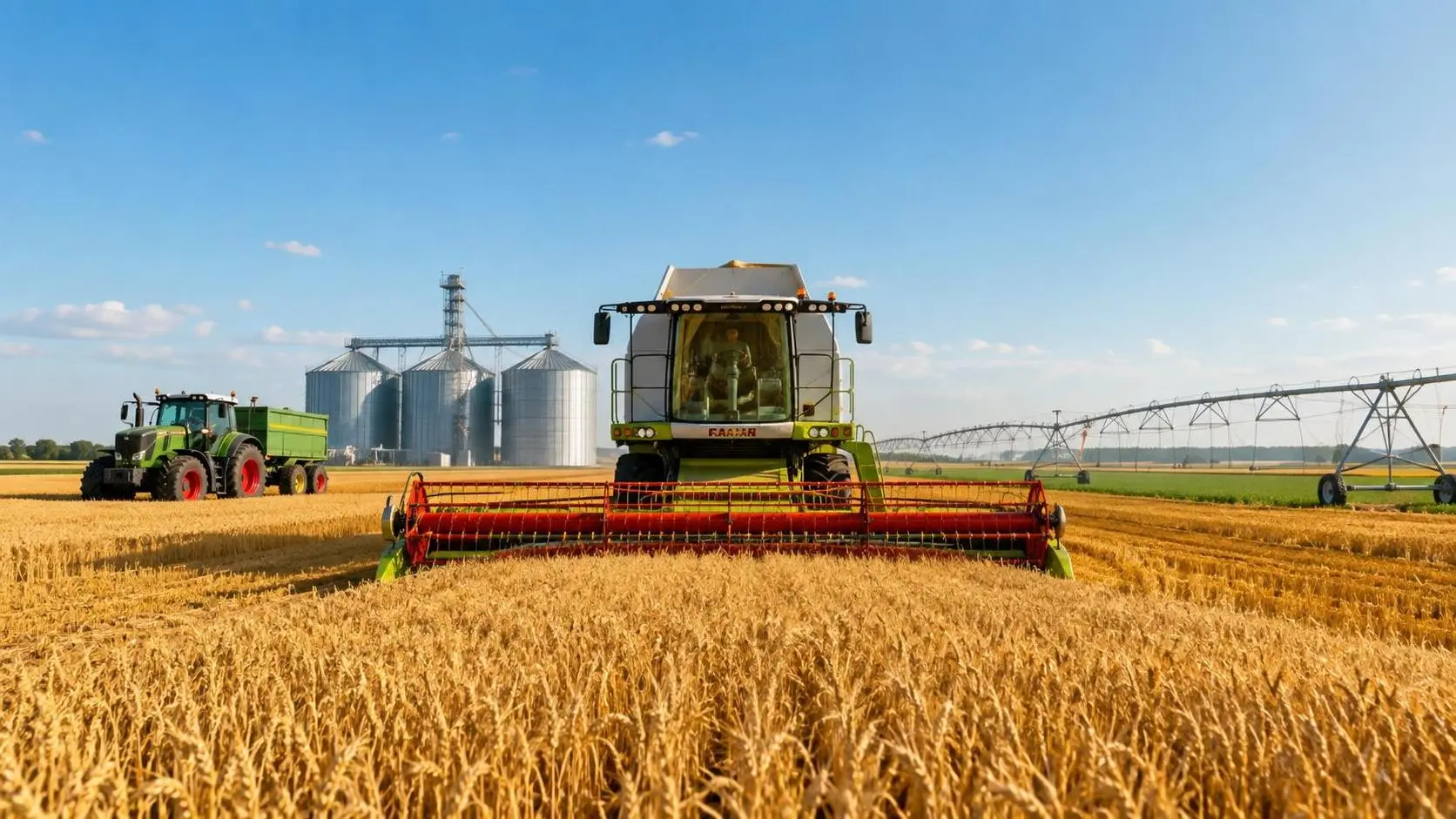
Large-Scale Farm Equipment Cost Comparison: Price, Fuel, and Lifecycle Value
Large-scale farm equipment cost comparison: evaluate price, fuel, maintenance, downtime, and lifecycle value to choose tractors, combines, irrigation, and smart tools with confidence.
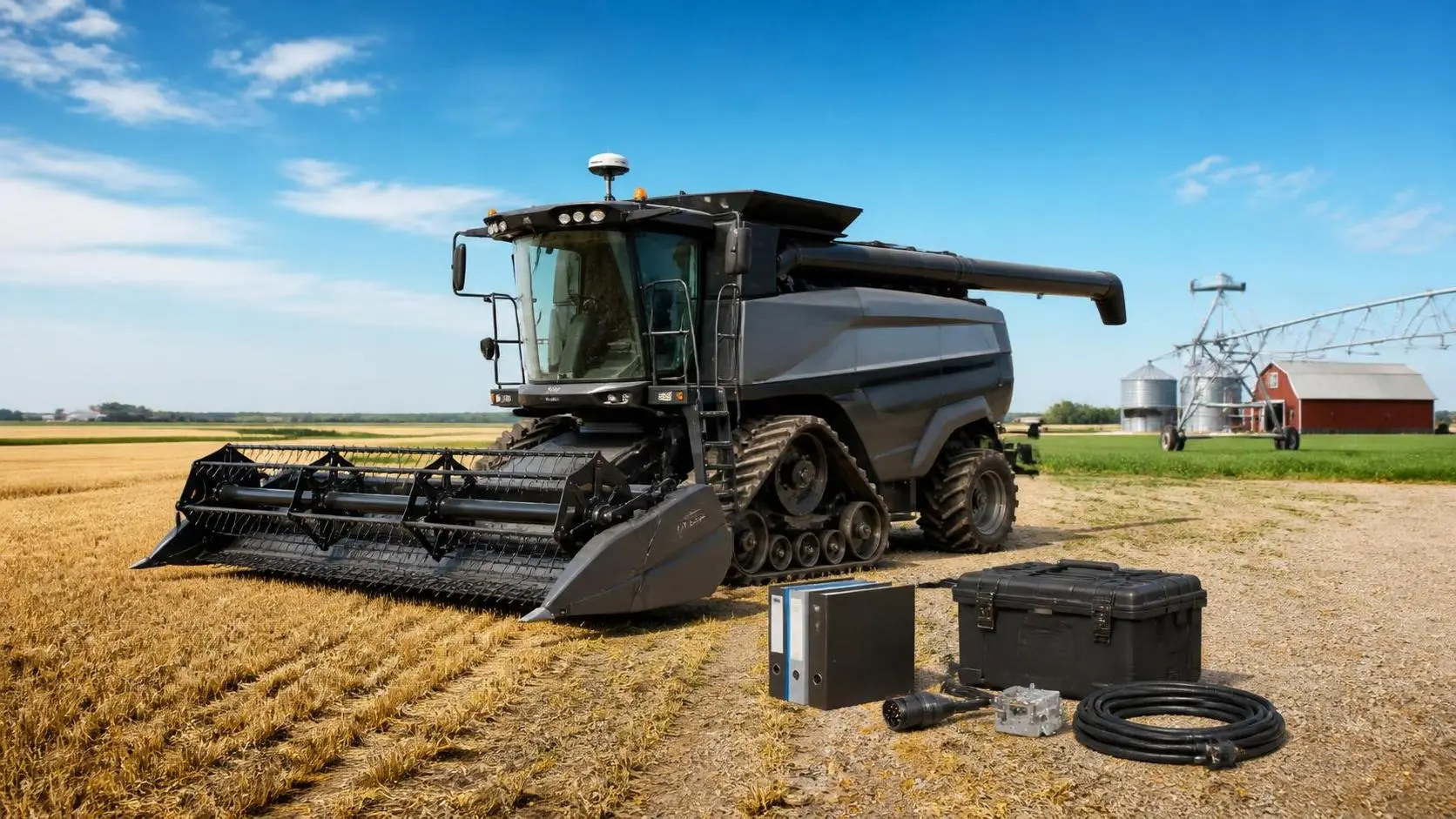
A Procurement Specification Preparation Example for Buying Farm Equipment
Procurement specification preparation example for farm equipment: learn to define requirements, compare suppliers, control lifecycle costs, and buy with confidence.
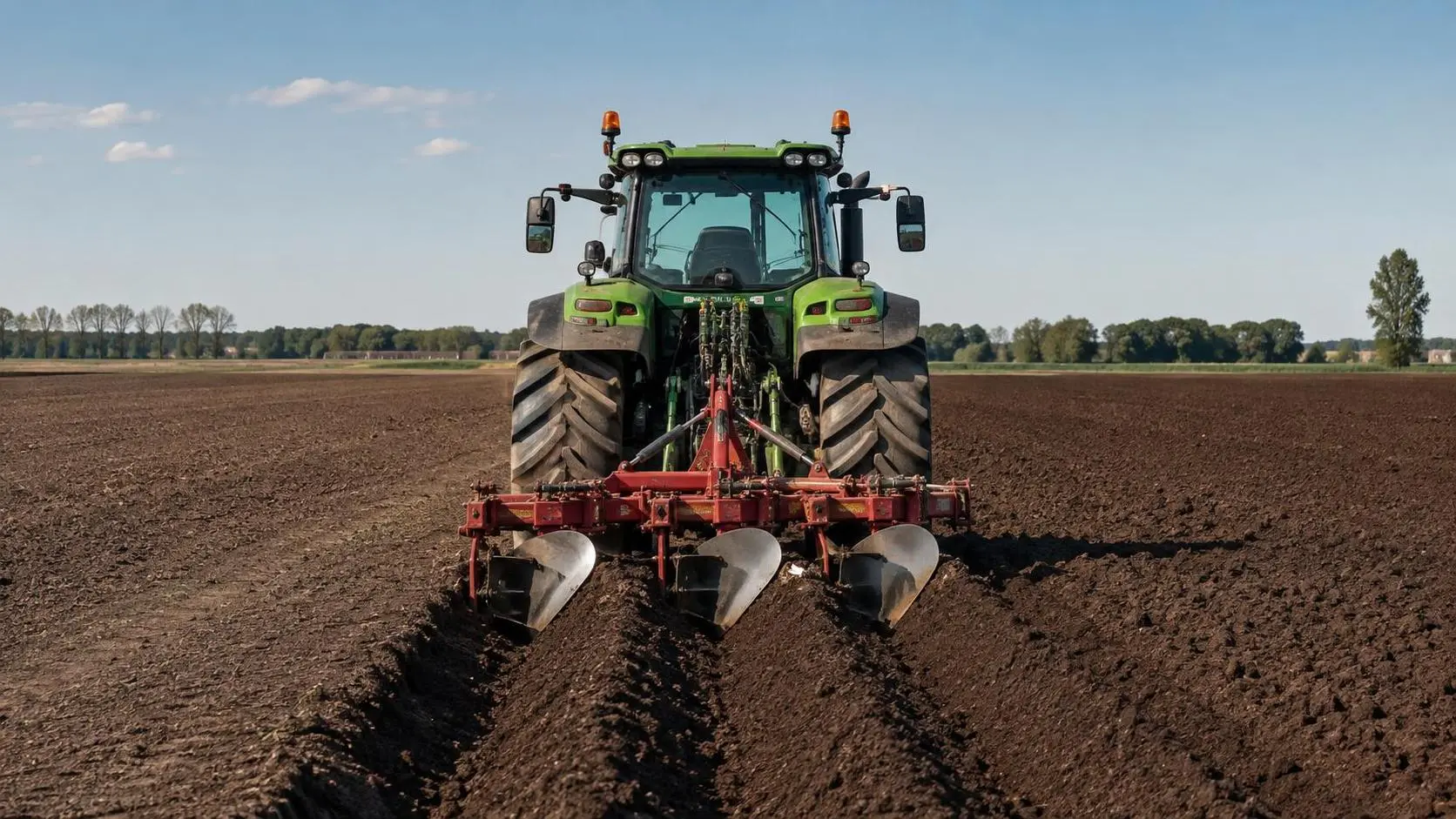
What Tractor Horsepower Is Needed for a Three-Bottom Moldboard Plow?
What tractor horsepower is needed for three-bottom moldboard plow? Compare 60–100 hp needs by soil, depth, traction, and plow width for a confident equipment match.
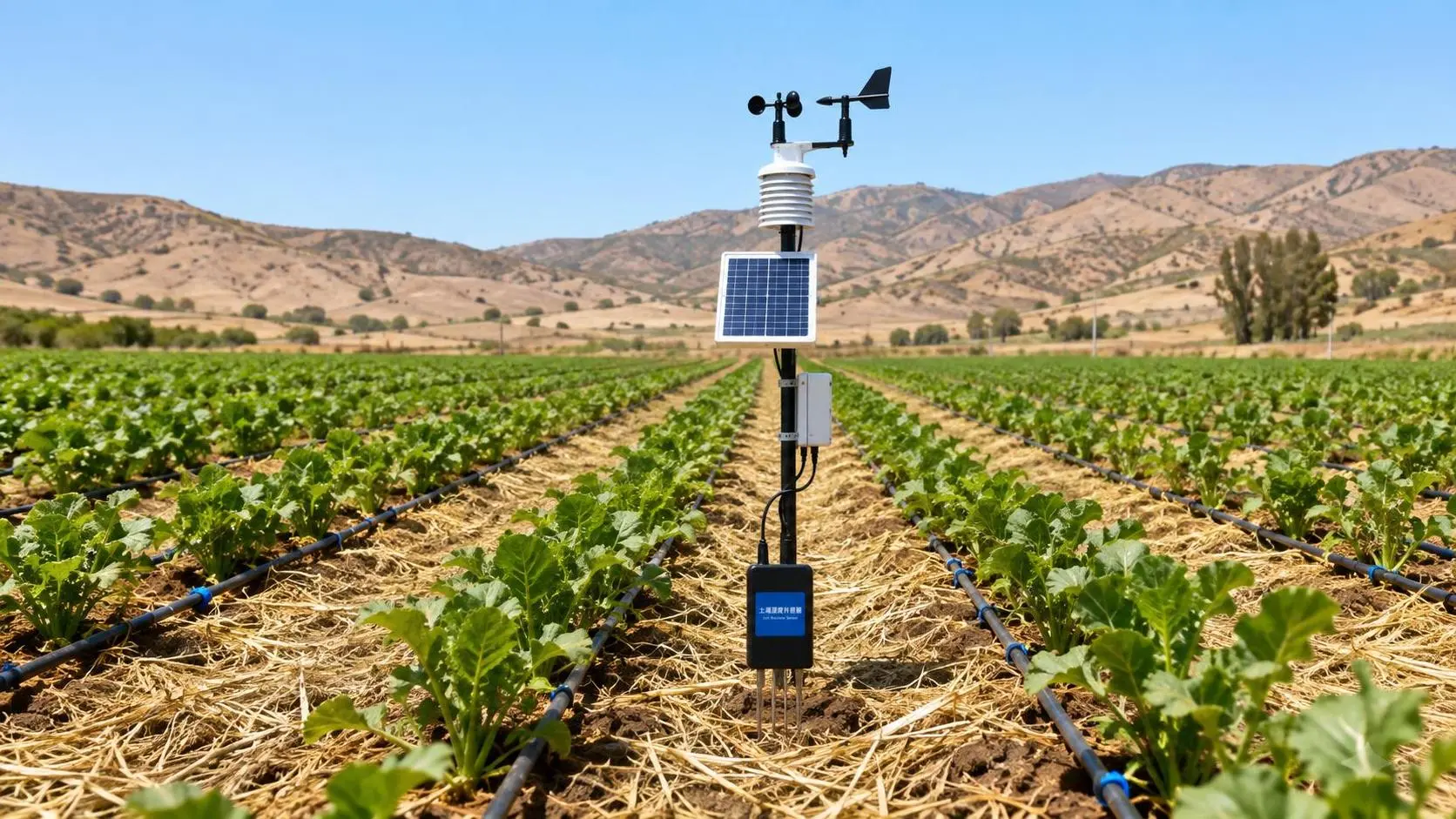
How Does Climate-Smart Farming Reduce Water Use in Semi-Arid Areas?
How does climate-smart farming reduce water use in semi-arid zones? Discover precision irrigation, soil monitoring, and smarter crop planning for resilient yields.
Can Sustainable Farming Be Profitable Without Reducing Yields?
Are sustainable farming practices profitable without yield loss? Discover precision strategies that cut waste, protect yields, and improve farm margins.
Related News
- 00
0000-00
Wireless Agricultural Automation for Remote Irrigation and Field Monitoring - 00
0000-00
Designing Water-Saving Drip Irrigation Systems for High-Value Orchards - 00
0000-00
How to Choose Irrigation Solutions for Arid Regions Based on Water Source and Crop Needs - 00
0000-00
How IoT Smart Irrigation Networks Help Farms Cut Water Use and Improve Yield - 00
0000-00
USDA Rule Takes Effect for Drip Irrigation Imports
Popular Tags
Hydrological Resource Strategist
Weekly Insights
Stay ahead with our curated technology reports delivered every Monday.