
Smart Irrigation Networks vs Drip Control Systems: Which Setup Fits Your Fields?
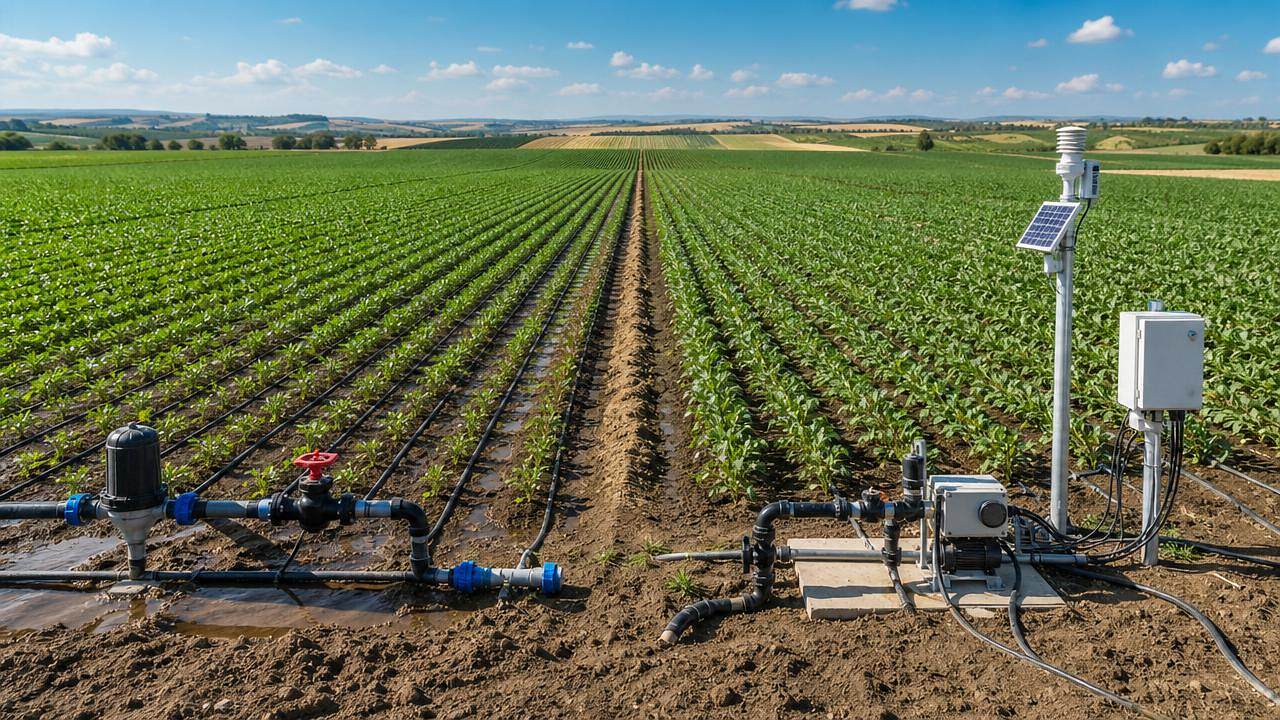




Choosing between smart irrigation networks and drip control systems is rarely a simple equipment decision. It affects labor schedules, water security, crop consistency, and how clearly field teams can see what is happening across the season.
For large operations, the better option depends on field layout, pressure stability, data requirements, and expansion plans. In many cases, the wrong setup does not fail immediately. It simply creates hidden inefficiency.
AP-Strategy tracks this shift closely through its Agriculture 4.0 intelligence work, where irrigation is no longer isolated hardware. It connects with machinery planning, sensor feedback, sustainability targets, and long-cycle capital decisions.
If the goal is practical field performance, start by comparing both systems in terms of control depth, installation complexity, maintenance load, and decision visibility. That gives a much clearer path than comparing component prices alone.
What really separates smart irrigation networks from drip control systems
A drip control system usually focuses on localized delivery. It manages emitter lines, valves, and timing in a direct way. It is efficient, proven, and often easier to standardize in stable crop zones.
A smart irrigation network goes further. It links pumps, valves, soil data, pressure feedback, weather inputs, and remote monitoring into one operational layer. The main value is not just automation. It is coordinated decision-making.
That difference matters most when fields are dispersed, water sources vary, or management needs to react quickly to changing crop conditions. In those cases, network visibility can be worth more than isolated control accuracy.
A practical way to compare the two
- Choose drip control when field zones are stable, crop patterns are repeatable, and the main target is reliable water delivery with lower setup complexity and simpler operator training.
- Choose smart irrigation networks when pressure, terrain, weather, or water supply changes often and the operation needs coordinated remote decisions across multiple irrigation blocks.
- Review communication coverage before any purchase, because weak connectivity can reduce a smart irrigation network to manual intervention with higher cost and little added value.
- Map maintenance capacity early, since advanced controls are only useful when field teams can diagnose sensors, valves, and pressure anomalies without long downtime.
- Compare expansion plans, not only current acreage, because a system that looks cheaper today may become fragmented and expensive once new blocks or crops are added.
- Measure return by labor hours, water uniformity, crop response, and reporting speed, not just equipment cost, because operational visibility often drives the real payback.
Where each setup tends to fit best
On a compact farm with uniform soils and repeatable irrigation windows, drip control systems often make more sense. The infrastructure is easier to manage, and the field team can troubleshoot quickly without a full digital stack.
The key checkpoint here is consistency. If pressure is predictable and crop demand does not vary sharply between zones, the extra orchestration of smart irrigation networks may not create enough extra value.
In contrast, larger projects with mixed elevations, different water sources, or phased development often benefit from a network approach. The irrigation system becomes part of a broader operations model, similar to how connected farm tools support precision field work.
This is where AP-Strategy’s cross-sector view becomes useful. Irrigation decisions increasingly interact with power systems, pumping schedules, telemetry, and asset utilization across the wider agri-equipment chain.
Field signals that point toward a networked approach
- Use smart irrigation networks when several irrigation blocks share pumps, filtration, or storage, because centralized logic helps balance water flow and reduce scheduling conflicts.
- A networked setup fits better when agronomy teams rely on sensor-driven irrigation adjustments, since manual timing changes alone cannot keep pace with fast-changing field data.
- Consider a smarter architecture if compliance reporting matters, because digital records simplify water-use tracking, sustainability audits, and long-term performance benchmarking.
- Lean toward drip control if the main issue is replacing wasteful flood irrigation with a dependable and understandable system that teams can adopt quickly.
- Prioritize network visibility when operations span distant parcels, because travel time for valve checks and manual corrections can quietly become a major operating cost.
The decision factors that matter more than brochure features
Many irrigation projects go off track because selection starts with feature lists. In practice, field fit matters more than impressive dashboards or highly specific control functions.
One common mistake is underestimating hydraulics. A well-designed drip layout can outperform a poorly integrated smart irrigation network every season. Pressure balancing, filtration quality, and emitter performance still come first.
Another missed issue is ownership clarity. If no one manages alarms, data thresholds, and control logic updates, network intelligence quickly becomes background noise instead of a working tool.
Questions worth answering before approval
- Define whether the main target is water saving, labor reduction, crop uniformity, or remote control, because each goal can point to a different irrigation architecture.
- Check how often irrigation plans change during a season, since frequent adjustments usually increase the value of smart irrigation networks.
- Audit power reliability and backup arrangements, because control sophistication means little if pumps or communication links fail during critical irrigation windows.
- Review spare parts access and technical support distance, especially for advanced sensors and controllers that may delay recovery if local service is limited.
- Ask how irrigation data will connect with wider farm systems, including machinery schedules and sustainability reporting, to avoid creating another isolated platform.
Costs, risks, and the hidden burden of complexity
A cheaper system is not always the lower-cost system over five years. But a more advanced system is not automatically the smarter investment either. The difference usually sits in management discipline.
Drip control systems often win on simplicity. Fewer integration layers can mean faster deployment and easier training. That is valuable when the season timeline is tight and operational change must be controlled carefully.
Meanwhile, smart irrigation networks tend to justify themselves when they reduce repeated field visits, improve timing accuracy across many blocks, and support better strategic decisions through usable data.
The risk is overbuilding. Some projects install advanced controls before confirming sensor maintenance routines, communication resilience, or who will actually interpret the data. That creates cost without confidence.
Practical risk controls during rollout
- Pilot one representative block first, then compare water use, labor inputs, and response time before scaling either drip control or smart irrigation network architecture.
- Set clear alarm thresholds for pressure loss, abnormal flow, and missed irrigation events, so teams act on exceptions instead of watching passive dashboards.
- Write maintenance responsibility into the rollout plan, including flushing routines, sensor calibration, and controller inspection, because neglected details weaken every design.
- Keep manual override procedures simple and tested, since field operations still need continuity when connectivity, power, or automation logic fails.
- Evaluate total cost with training and seasonal support included, not just hardware, because execution quality usually decides whether smart irrigation networks deliver their promise.
A grounded way to make the final call
If fields are consistent, water delivery is straightforward, and the main need is dependable efficiency, drip control systems often remain the right answer. They are practical, scalable enough for many operations, and easier to stabilize fast.
If the operation spans multiple zones, depends on coordinated scheduling, or needs stronger decision visibility, smart irrigation networks are usually the better long-term fit. Their advantage grows as field complexity grows.
The most reliable decision comes from matching system depth to operational reality. AP-Strategy consistently sees better outcomes when irrigation planning is treated as part of the broader farm performance system, not a standalone purchase.
A useful next step is simple: map field zones, water sources, control points, staffing capacity, and reporting needs on one page. Once that picture is clear, choosing between drip control and smart irrigation networks becomes far more objective.
Related News
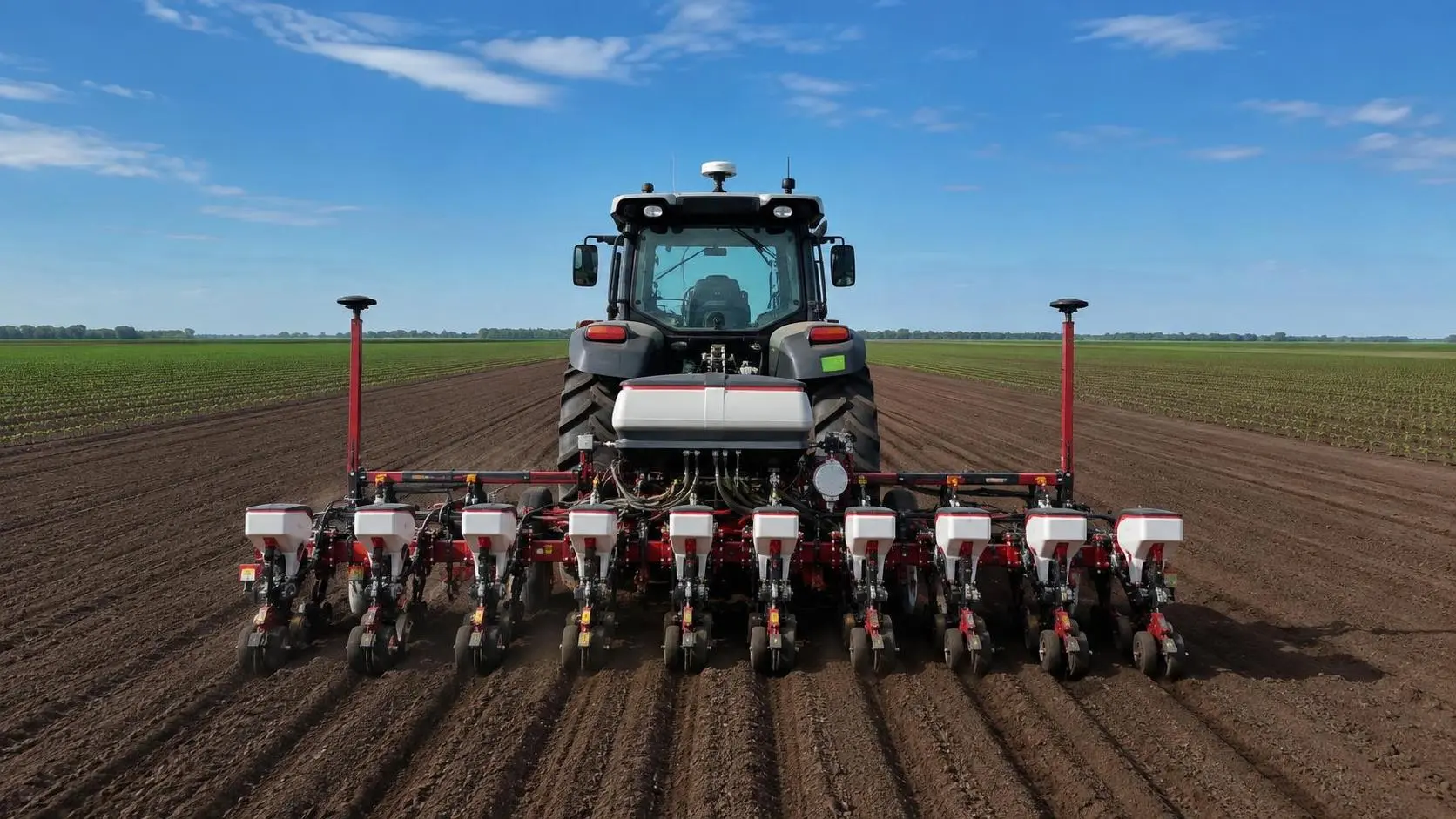
How Tractor Intelligence Systems Improve Field Efficiency and Input Accuracy
Agricultural machinery intelligence for tractors improves field efficiency, input accuracy, data traceability, and implement control. Explore smarter evaluation strategies.
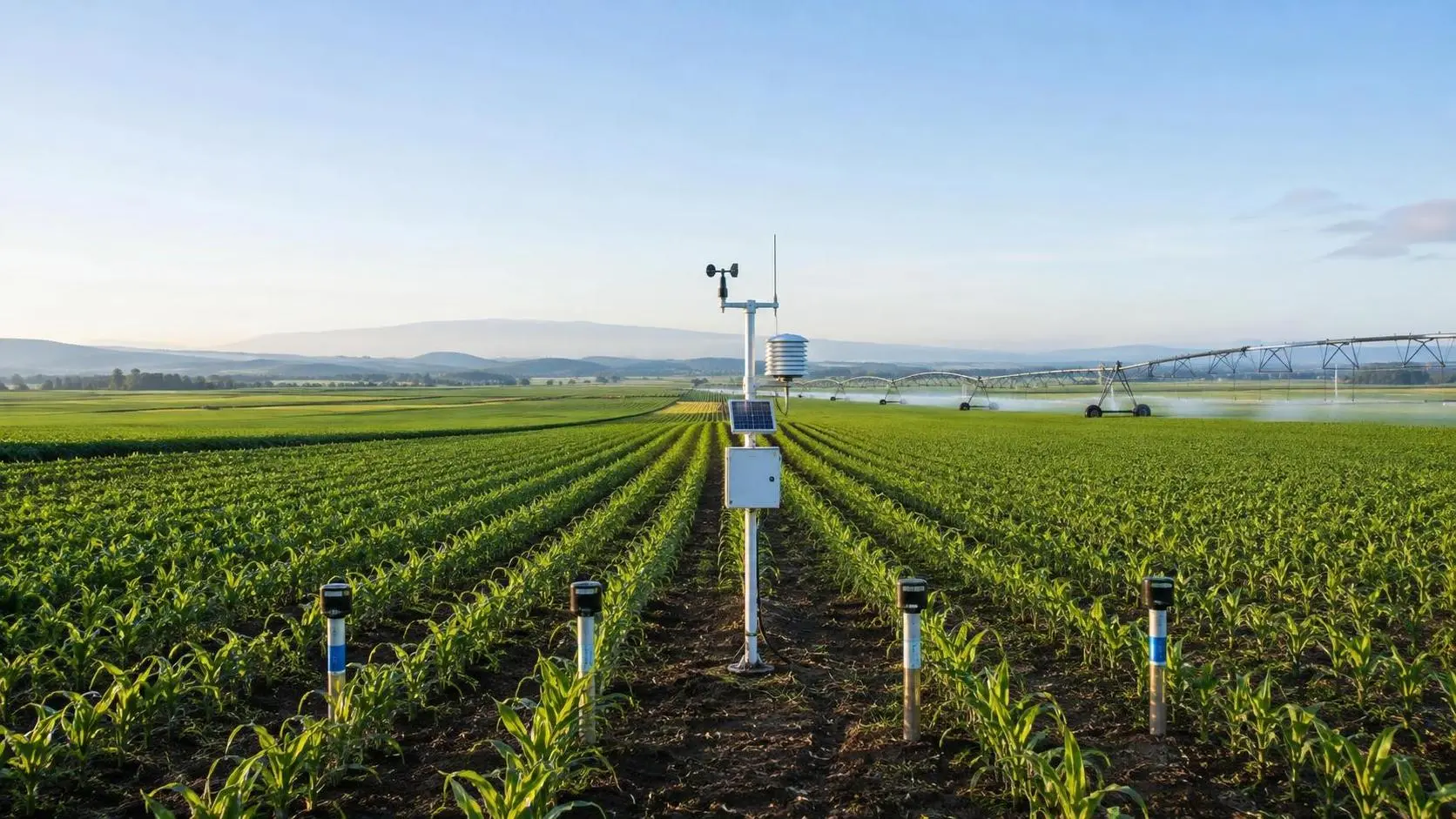
How to Evaluate Crop Monitoring System Manufacturers for Large-Scale Farms
Compare crop monitoring systems manufacturers for large-scale farms. Evaluate data quality, integration, durability, lifecycle costs, support, and pilots for smarter decisions.
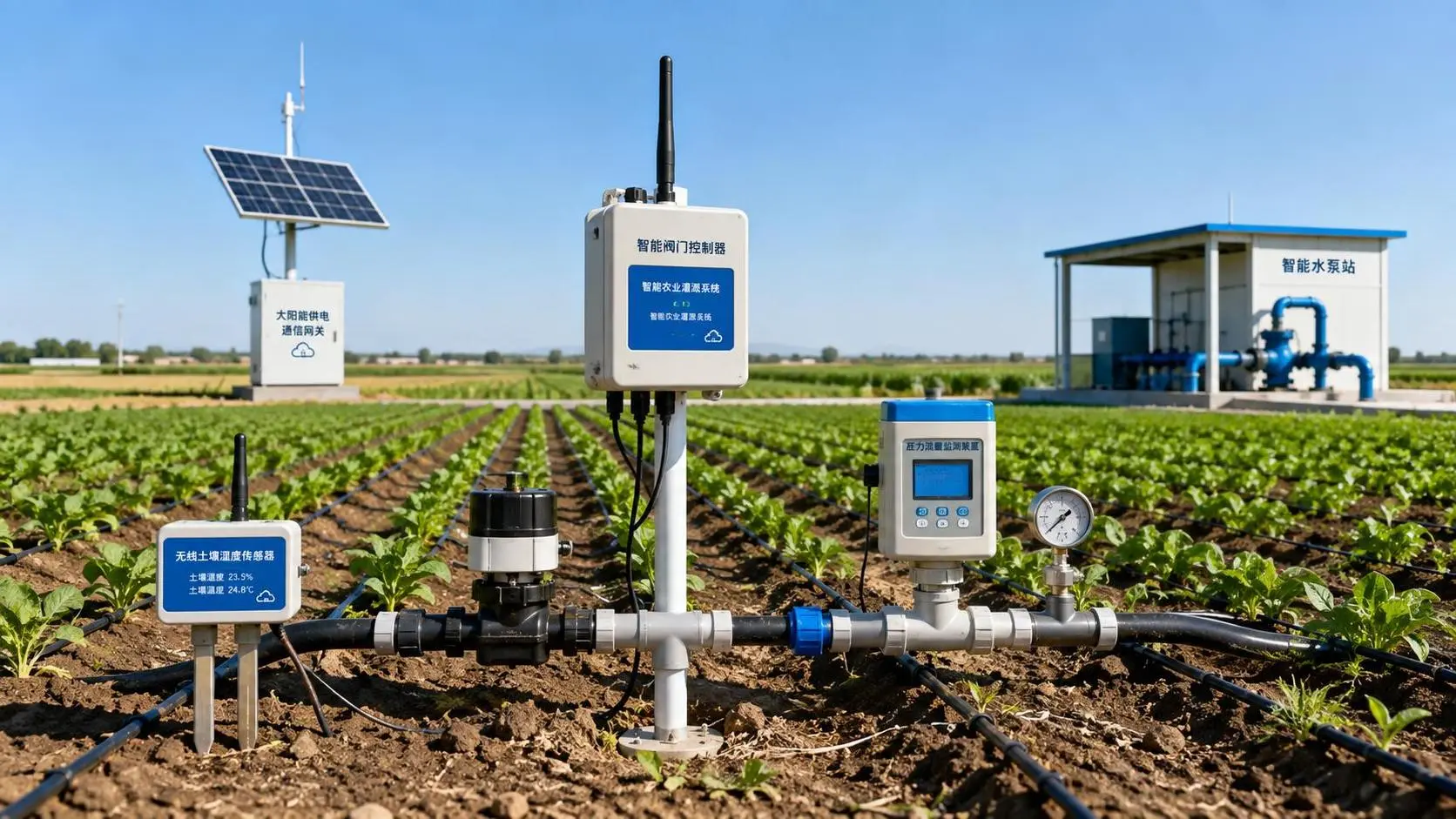
Wireless Agricultural Automation for Remote Irrigation and Field Monitoring
Agricultural automation wireless solutions improve remote irrigation with reliable field data, local control, flow verification, and smarter monitoring. Explore resilient deployment strategies.
Agricultural Product Information Market Guide: Key Data for Sourcing Decisions
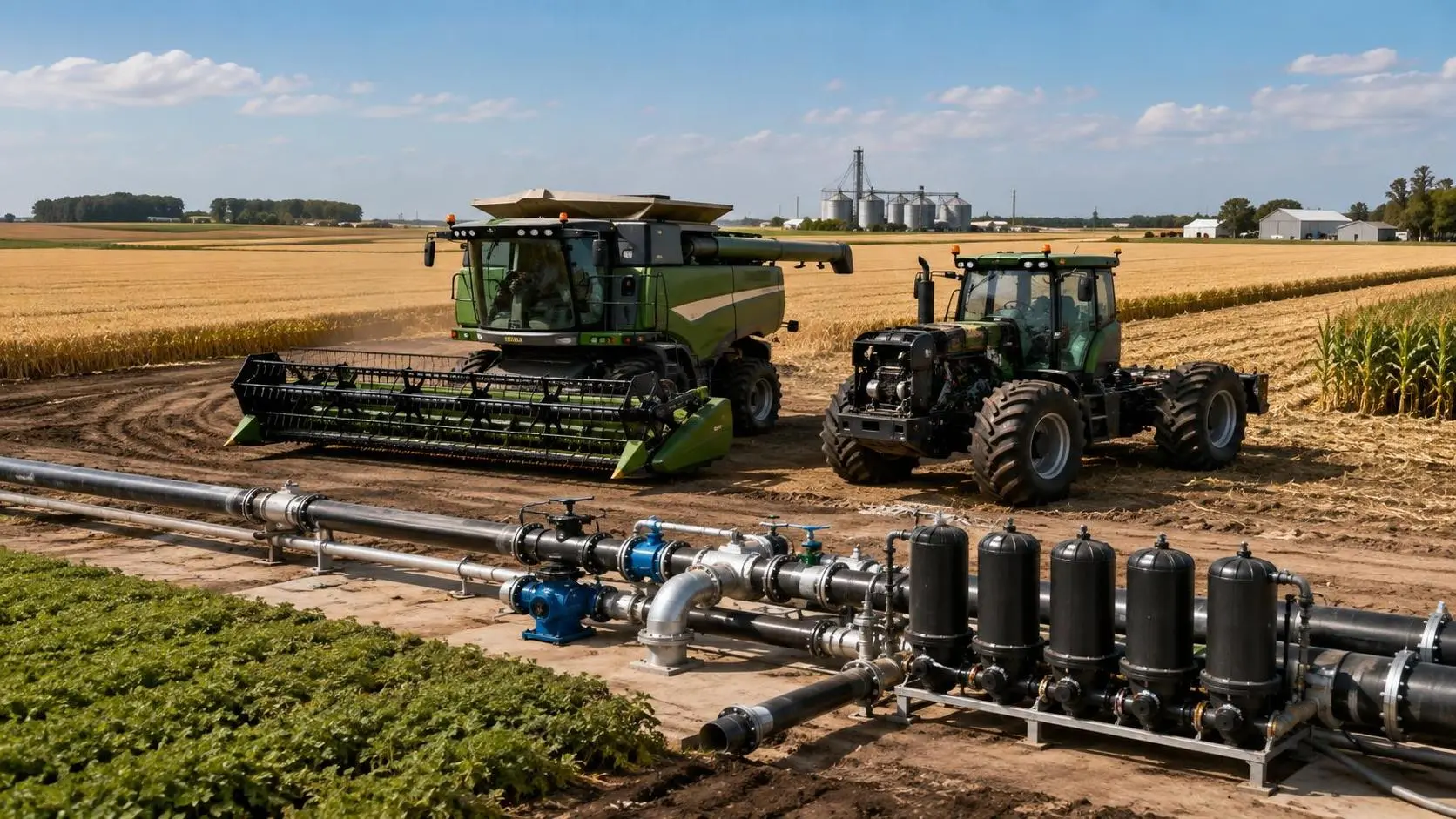
Agricultural product information market guide for smarter sourcing—compare machinery, irrigation, precision tools, lifecycle costs, and supplier risk.
Large-Scale Farm Equipment Cost Comparison: Price, Fuel, and Lifecycle Value
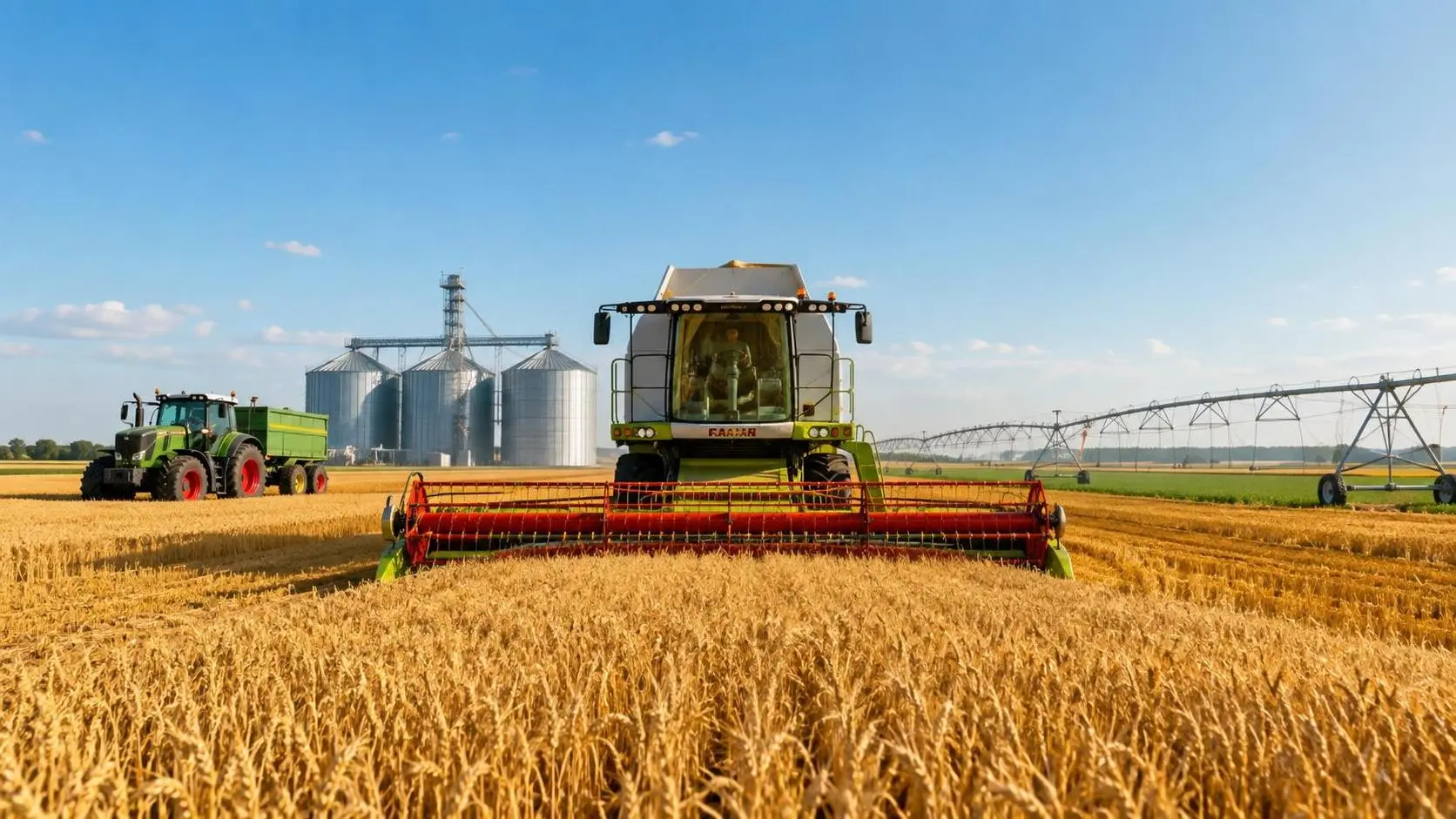
Large-scale farm equipment cost comparison: evaluate price, fuel, maintenance, downtime, and lifecycle value to choose tractors, combines, irrigation, and smart tools with confidence.
A Procurement Specification Preparation Example for Buying Farm Equipment
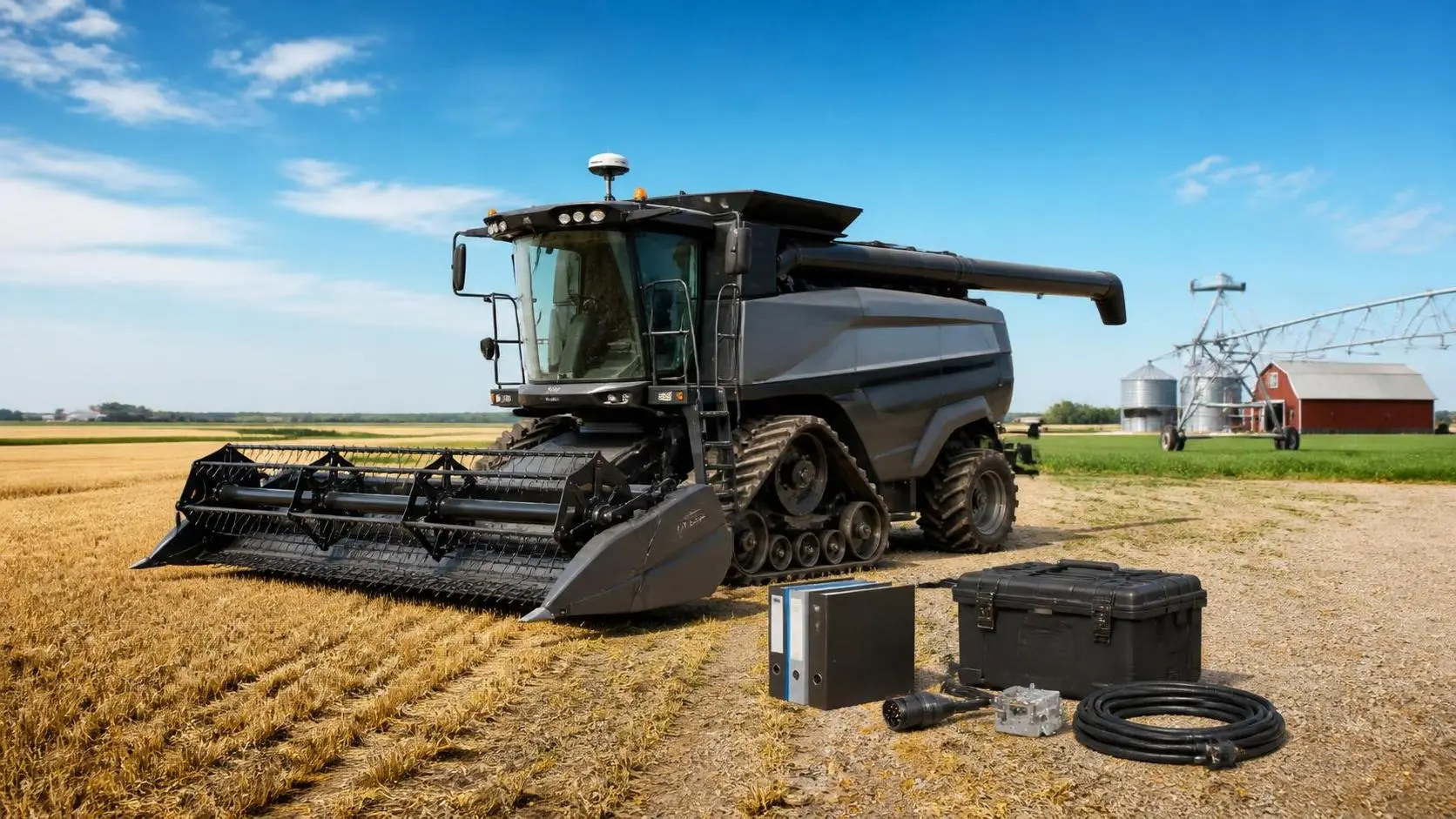
Procurement specification preparation example for farm equipment: learn to define requirements, compare suppliers, control lifecycle costs, and buy with confidence.
What Tractor Horsepower Is Needed for a Three-Bottom Moldboard Plow?
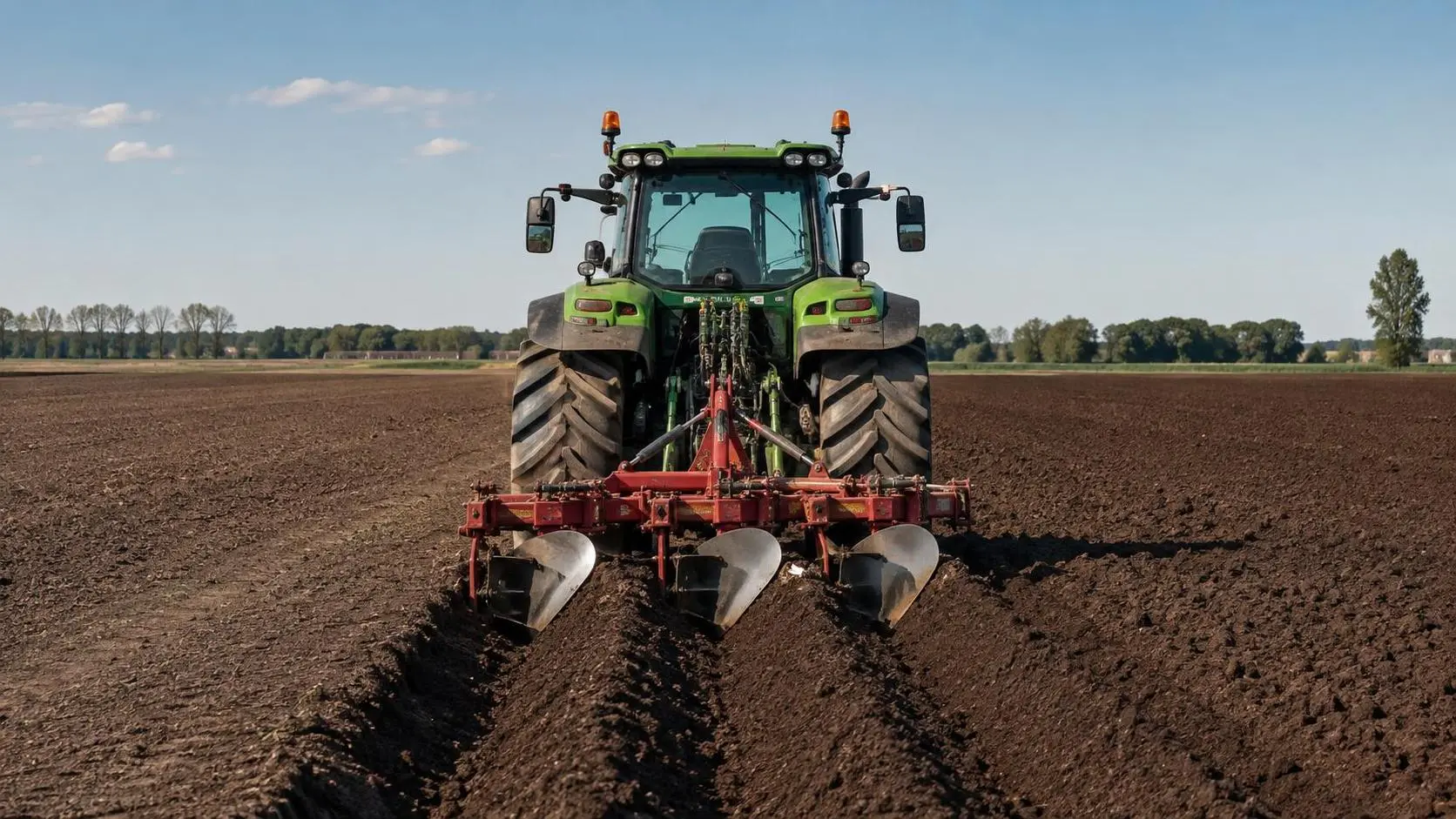
What tractor horsepower is needed for three-bottom moldboard plow? Compare 60–100 hp needs by soil, depth, traction, and plow width for a confident equipment match.
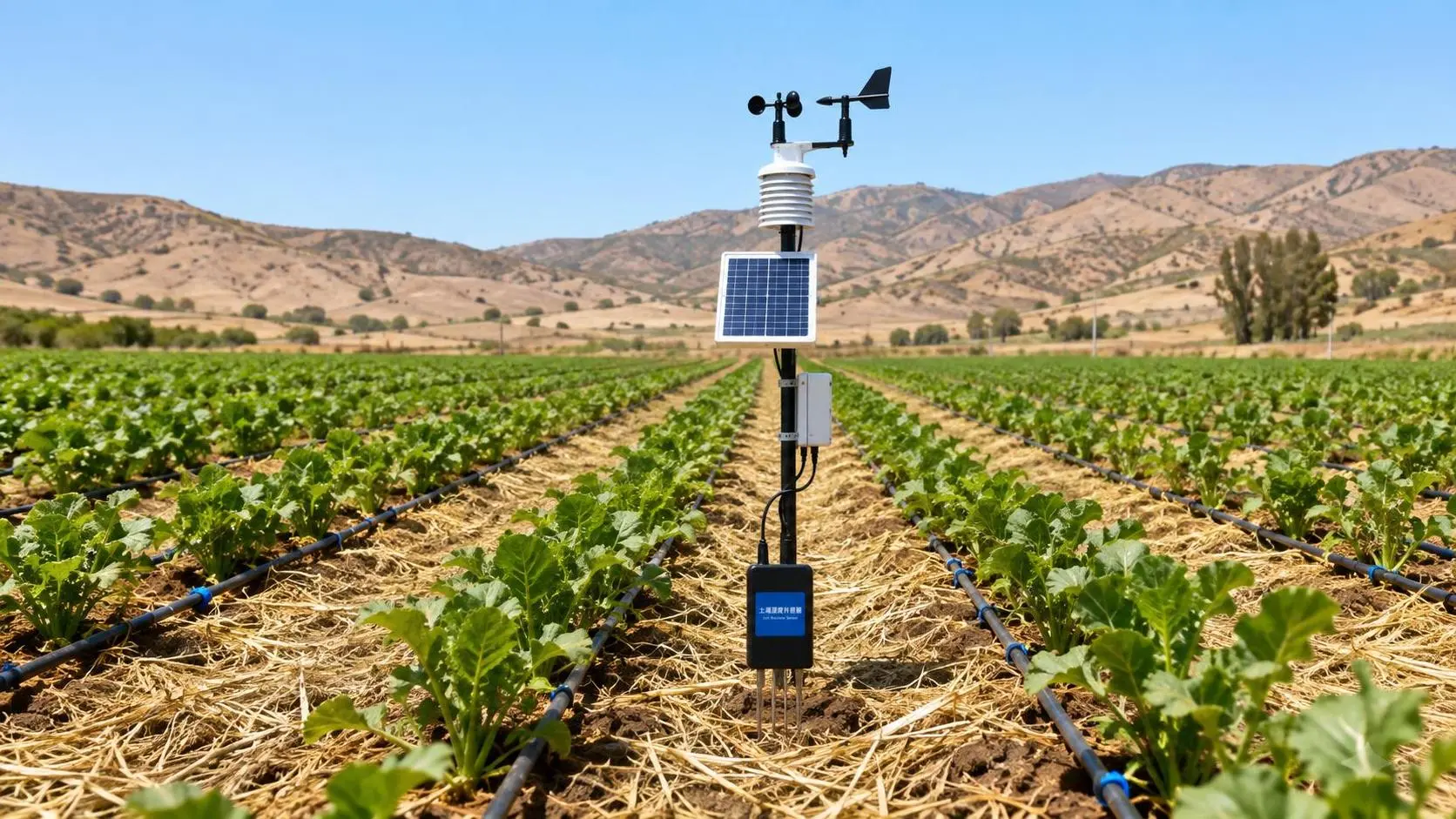
How Does Climate-Smart Farming Reduce Water Use in Semi-Arid Areas?
How does climate-smart farming reduce water use in semi-arid zones? Discover precision irrigation, soil monitoring, and smarter crop planning for resilient yields.
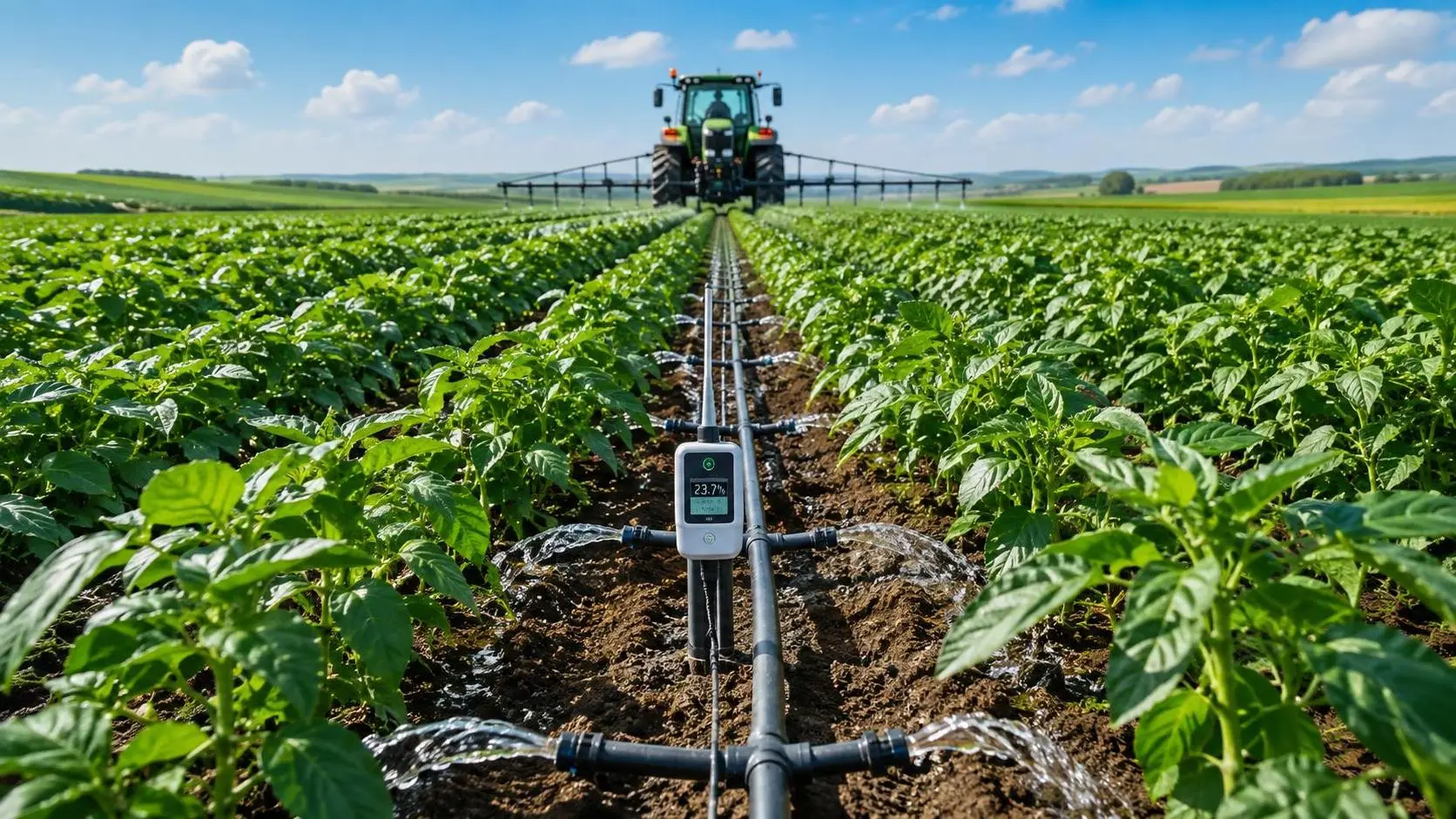
Can Sustainable Farming Be Profitable Without Reducing Yields?
Are sustainable farming practices profitable without yield loss? Discover precision strategies that cut waste, protect yields, and improve farm margins.
Related News
- 00
0000-00
Wireless Agricultural Automation for Remote Irrigation and Field Monitoring - 00
0000-00
Designing Water-Saving Drip Irrigation Systems for High-Value Orchards - 00
0000-00
How to Choose Irrigation Solutions for Arid Regions Based on Water Source and Crop Needs - 00
0000-00
How IoT Smart Irrigation Networks Help Farms Cut Water Use and Improve Yield - 00
0000-00
USDA Rule Takes Effect for Drip Irrigation Imports
Popular Tags
Hydrological Resource Strategist
Weekly Insights
Stay ahead with our curated technology reports delivered every Monday.