
EU Ends Small-Parcel Duty Relief for Irrigation Devices
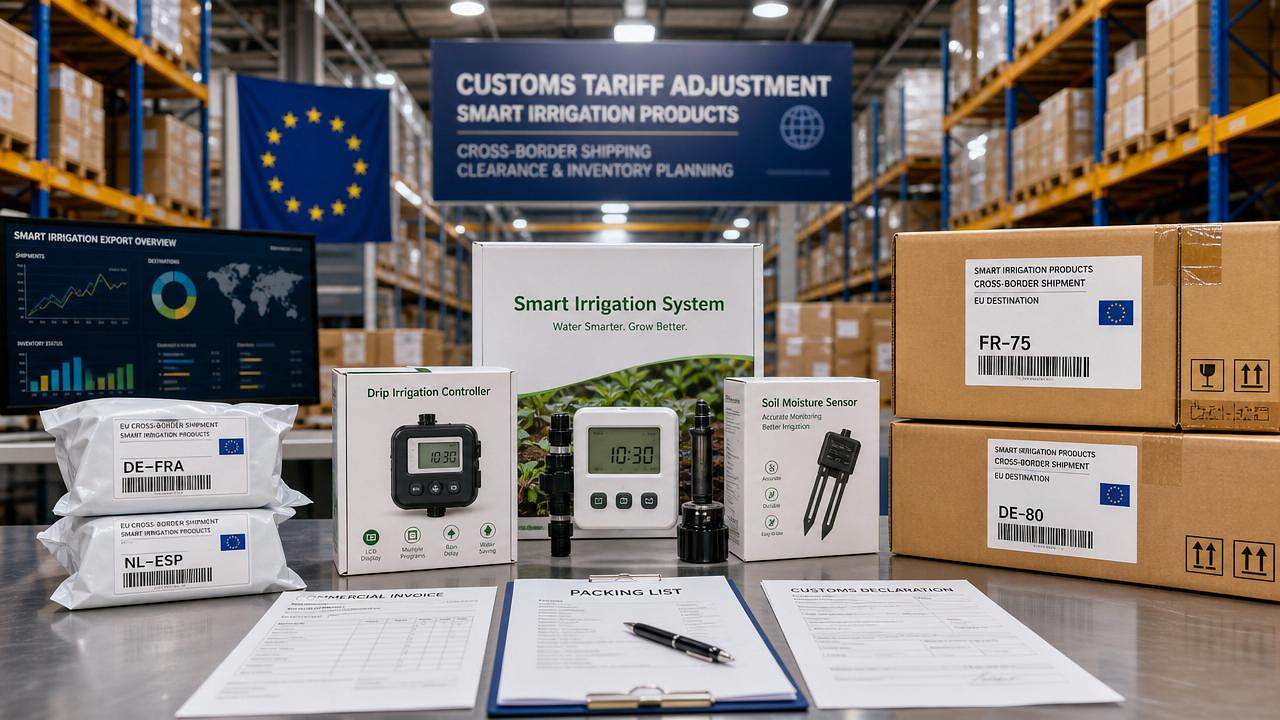




On July 1, 2026, the EU removed the duty exemption previously applied to cross-border small parcels valued at €150 or below and replaced it with a fixed €3 duty per shipment. For the smart irrigation equipment trade, this matters because direct-to-consumer and direct-mail models for higher-value, low-volume products such as Drip Irrigation Logic and Soil Moisture Sensors now face a different landed-cost structure, with importers, distributors, and sellers using channels such as Temu and Amazon EU needing to reassess pricing, customs handling, and inventory planning.
What Has Changed in the EU Parcel Rule
According to the provided information, the policy took effect on July 1, 2026. The EU officially ended the customs duty exemption for cross-border small parcels valued at €150 or less and shifted to a fixed duty of €3 per parcel. The change directly affects direct-shipping models used for smart irrigation terminal devices, especially higher-value products exported in small batches, including Drip Irrigation Logic and Soil Moisture Sensors. The impact is described as particularly relevant to direct-shipping channels linked to Temu and Amazon EU. The same information also indicates that importers and distributors need to re-evaluate customs clearance costs, end-market pricing, and inventory strategy.
Where the Pressure May Appear First
Direct-shipping sellers face a tighter cost equation
From an industry perspective, sellers relying on parcel-by-parcel delivery into the EU may feel the most immediate pressure because the new fixed duty applies at the shipment level. For smart irrigation devices that move in relatively small quantities but carry higher unit value, the main issue is not only the extra charge itself, but how that charge changes the economics of direct fulfillment and final retail pricing.
Importers and distributors need to revisit downstream pricing
Analysis shows that importers and distributors are likely to focus on how the added duty affects their total clearance cost and resale structure. The practical impact may appear in quotation updates, margin calculations, and decisions about whether to keep using direct-mail fulfillment or shift more volume into stocked inventory models.
Platform-linked EU fulfillment routes deserve closer review
Observably, the reference to Temu and Amazon EU direct-shipping channels makes platform-based cross-border routes a key area to monitor. Businesses active on these channels may need to compare the effect of the new parcel duty across different product lines, shipment frequencies, and customer delivery expectations.
Supply-chain service partners may see more operational scrutiny
What deserves closer attention is the role of customs handling and fulfillment coordination. Even without adding new facts beyond the provided information, it is reasonable to note that service providers involved in parcel processing, documentation, and delivery execution may come under greater scrutiny as sellers and importers reassess cost and compliance steps.
What Companies Should Track Now
Watch for further official wording and implementation detail
Analysis shows that companies should distinguish between the confirmed policy change and any later operational clarification. The confirmed point is the end of the €150 duty exemption and the move to a €3 fixed duty per parcel from July 1, 2026. What still deserves attention is how any further official wording may affect practical processing, documentation, or channel-specific execution.
Recheck product-level pricing assumptions
For exporters of Drip Irrigation Logic, Soil Moisture Sensors, and similar smart irrigation devices, the immediate practical issue is whether current end-market pricing still holds after customs costs are recalculated. This is especially relevant where sellers depend on small-batch direct shipment rather than local inventory placement.
Compare direct-mail and inventory-based fulfillment logic
Observably, the policy change pushes companies to compare two operational questions more carefully: whether direct shipment into the EU still supports acceptable cost control, and whether inventory positioning or distributor-led replenishment becomes more workable for certain product categories. This is an analytical consideration rather than a confirmed market shift, but it is central to current planning.
Prepare clearer communication with channel partners and buyers
What deserves closer attention is communication across the transaction chain. Importers, distributors, and sellers may need to align in advance on price adjustments, customs-related cost allocation, shipment planning, and delivery expectations so that the policy change does not create avoidable friction in order execution.
Why This Looks Like More Than a One-Day Adjustment
This section is an observation rather than a statement of fact. It is more appropriate to understand this development as both an immediate cost change and a broader signal about the operating environment for cross-border small-parcel trade into the EU. For smart irrigation equipment, the significance lies less in a single duty figure and more in the fact that direct-mail economics for small-batch, higher-value products now require a fresh review. The policy has already taken effect based on the provided information, but the full business response may unfold over time as companies test pricing, fulfillment, and inventory choices in actual transactions.
How the Industry May Best Read This Development
From an industry perspective, this update should be read as a concrete operating change with wider strategic implications for smart irrigation exporters using EU direct-shipping channels. The confirmed result is clear: parcel-level duty treatment has changed as of July 1, 2026. The broader outcome, however, still depends on how importers, distributors, and sellers adjust their pricing, customs handling, and stock strategy. For now, it is more appropriate to treat this as a material policy shift that requires operational review rather than as a complete verdict on any single sales model.
Basis of This Article and What Still Needs Verification
This article is based on the user-provided news title, event date, and event summary. In coverage of developments like this, commonly relevant source types may include official government or customs notices, company announcements, industry association updates, authoritative media reporting, and standards or regulatory documents where applicable. No specific official source link was provided in the input, so the exact official documentation still needs ongoing verification. Continued attention should focus on any further formal wording, implementation detail, and the practical effect on customs cost, terminal pricing, and inventory decisions for smart irrigation device shipments into the EU.
Related News
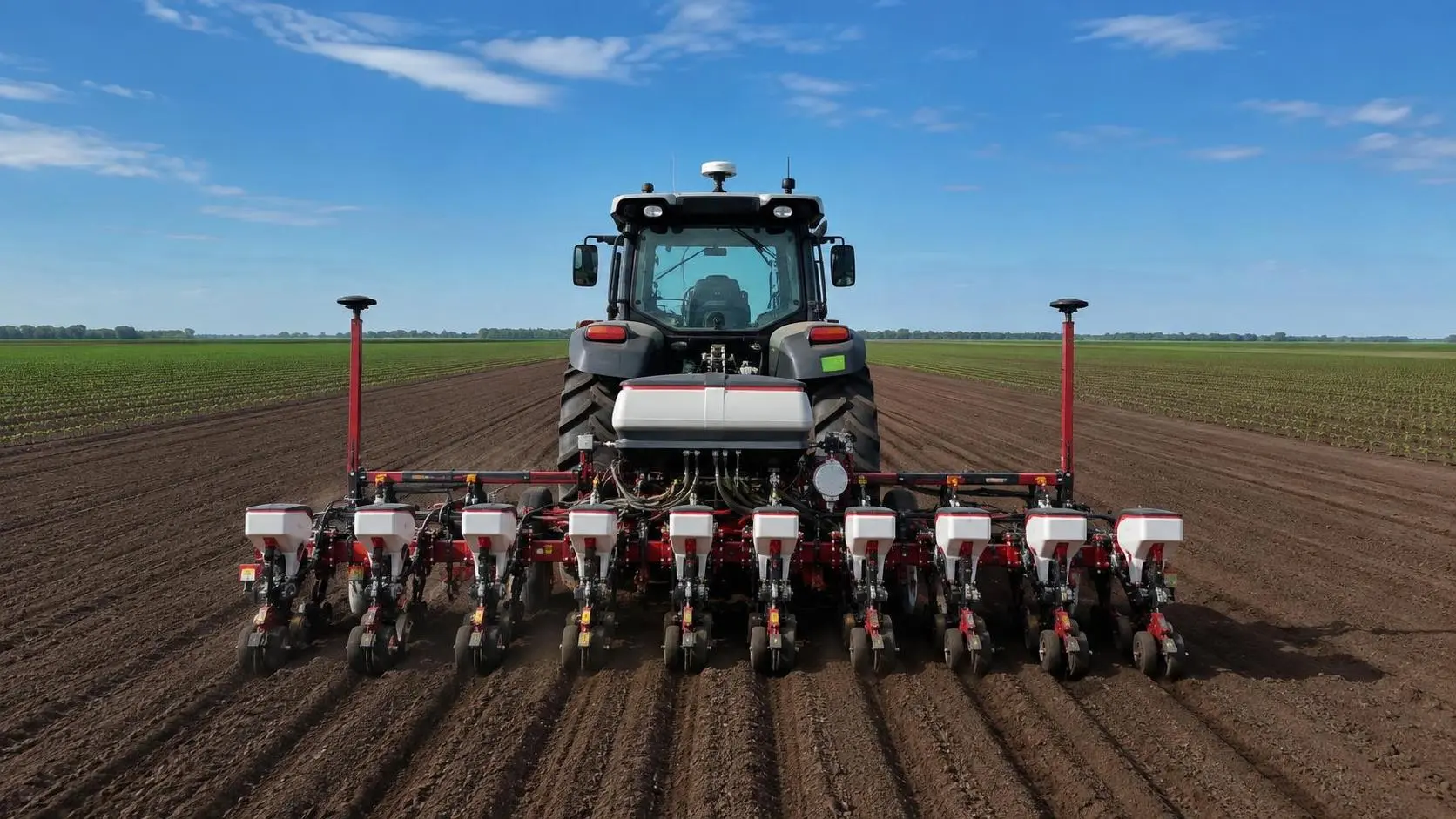
How Tractor Intelligence Systems Improve Field Efficiency and Input Accuracy
Agricultural machinery intelligence for tractors improves field efficiency, input accuracy, data traceability, and implement control. Explore smarter evaluation strategies.
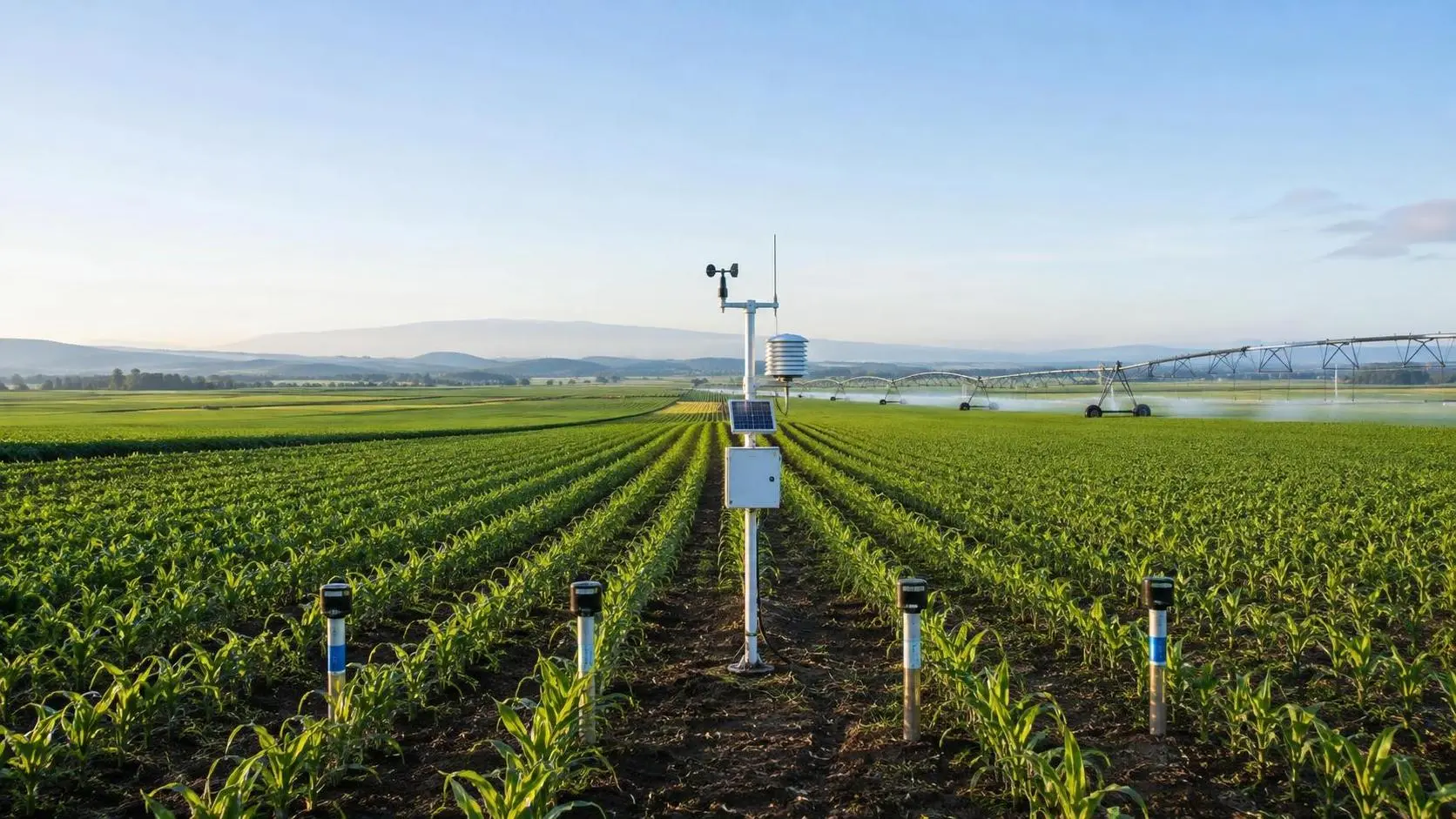
How to Evaluate Crop Monitoring System Manufacturers for Large-Scale Farms
Compare crop monitoring systems manufacturers for large-scale farms. Evaluate data quality, integration, durability, lifecycle costs, support, and pilots for smarter decisions.
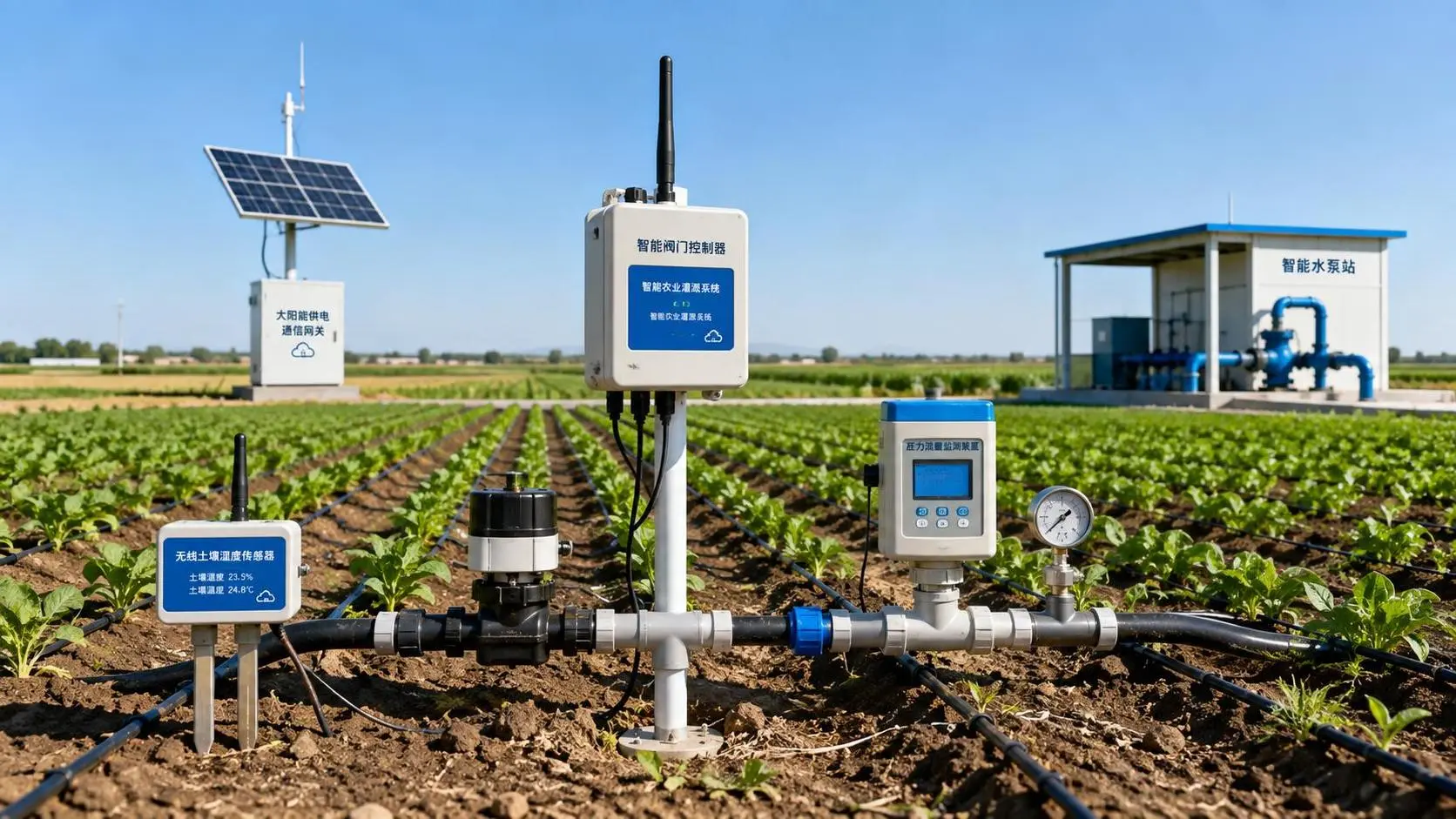
Wireless Agricultural Automation for Remote Irrigation and Field Monitoring
Agricultural automation wireless solutions improve remote irrigation with reliable field data, local control, flow verification, and smarter monitoring. Explore resilient deployment strategies.
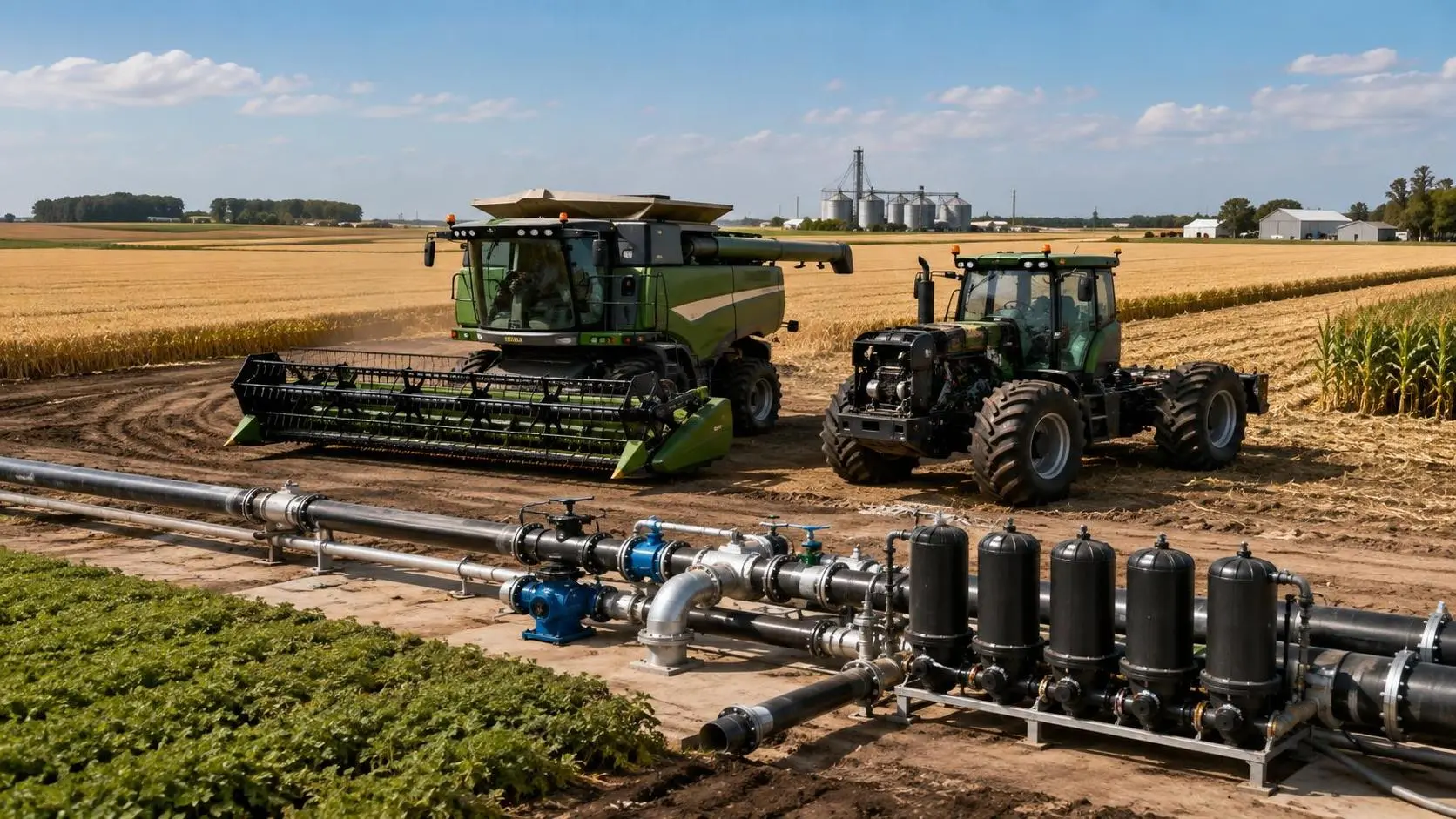
Agricultural Product Information Market Guide: Key Data for Sourcing Decisions
Agricultural product information market guide for smarter sourcing—compare machinery, irrigation, precision tools, lifecycle costs, and supplier risk.
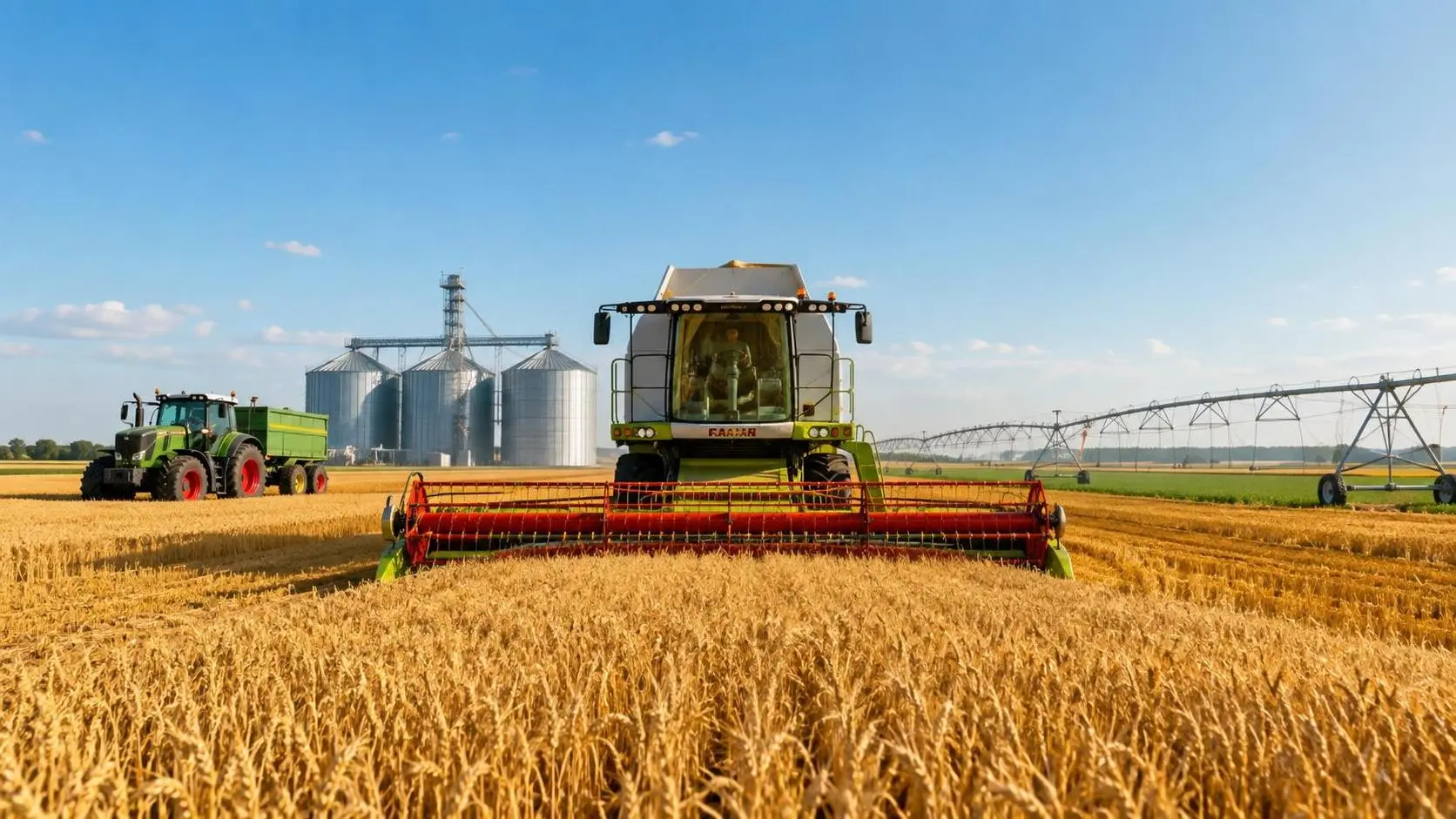
Large-Scale Farm Equipment Cost Comparison: Price, Fuel, and Lifecycle Value
Large-scale farm equipment cost comparison: evaluate price, fuel, maintenance, downtime, and lifecycle value to choose tractors, combines, irrigation, and smart tools with confidence.

A Procurement Specification Preparation Example for Buying Farm Equipment
Procurement specification preparation example for farm equipment: learn to define requirements, compare suppliers, control lifecycle costs, and buy with confidence.

What Tractor Horsepower Is Needed for a Three-Bottom Moldboard Plow?
What tractor horsepower is needed for three-bottom moldboard plow? Compare 60–100 hp needs by soil, depth, traction, and plow width for a confident equipment match.
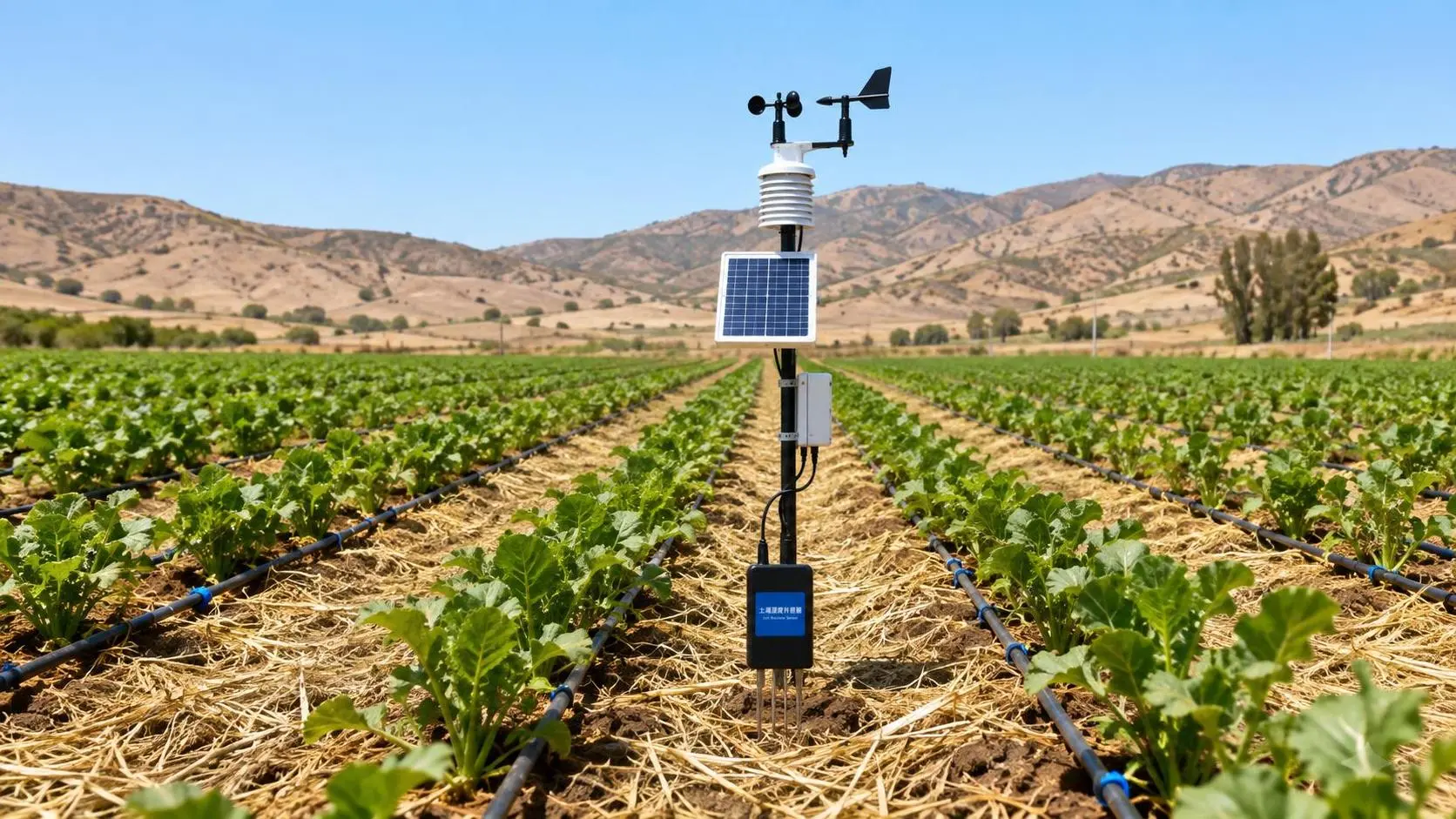
How Does Climate-Smart Farming Reduce Water Use in Semi-Arid Areas?
How does climate-smart farming reduce water use in semi-arid zones? Discover precision irrigation, soil monitoring, and smarter crop planning for resilient yields.
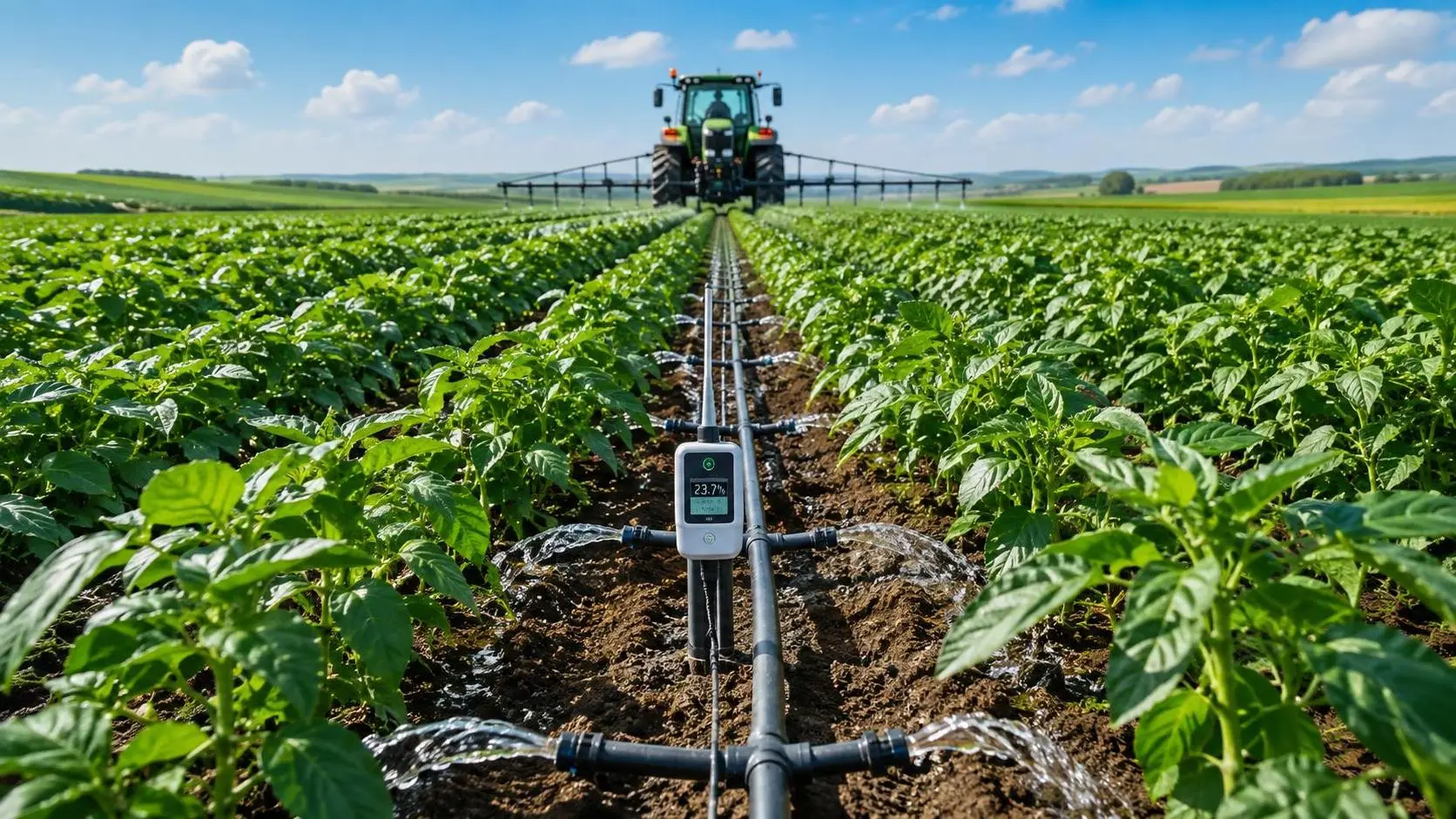
Can Sustainable Farming Be Profitable Without Reducing Yields?
Are sustainable farming practices profitable without yield loss? Discover precision strategies that cut waste, protect yields, and improve farm margins.
Related News
- 00
0000-00
Wireless Agricultural Automation for Remote Irrigation and Field Monitoring - 00
0000-00
Designing Water-Saving Drip Irrigation Systems for High-Value Orchards - 00
0000-00
How to Choose Irrigation Solutions for Arid Regions Based on Water Source and Crop Needs - 00
0000-00
How IoT Smart Irrigation Networks Help Farms Cut Water Use and Improve Yield - 00
0000-00
USDA Rule Takes Effect for Drip Irrigation Imports
Popular Tags
Hydrological Resource Strategist
Weekly Insights
Stay ahead with our curated technology reports delivered every Monday.