
China Sets New Export Standard Track for Drip Irrigation Logic





On June 4, 2026, China released the Service Trade Standardization Action Plan (2026–2030), and the immediate point of attention for the irrigation sector is not only policy direction but a new compliance path for cross-border business. Smart irrigation systems, including drip irrigation logic and integrated water-fertilizer control protocols, were brought into the first batch of pilot areas linking service and product standards, which means exporters, certification-facing teams, remote operation service providers, and buyers handling technical acceptance may all need to reassess interface compatibility, filing readiness, and customs documentation before the Q3 2026 checkpoint begins in key markets.
The policy signal now tied to export execution
The confirmed facts are limited but clear. The action plan was jointly issued by Chinese authorities on June 4, 2026. It places smart irrigation systems, including drip irrigation logic and water-fertilizer integration control protocols, within the first group of pilot fields for coordinated cross-border service and product standards. The document requires exporting companies to carry out interface protocol certification and compliance filing for remote operation and maintenance services with reference to ISO 15884:2025 and IEC 62976-2:2026. It also states that, starting in Q3 2026, customs clearance in key markets will check service compatibility declarations.
Where the practical pressure is likely to appear first
Export deliveries may face a new documentation threshold
From an industry perspective, exporters are likely to feel the impact first because the policy links technical protocol alignment with customs-facing documentation. The practical issue is not only whether the irrigation hardware can be shipped, but whether the related logic, interface protocol, and remote service elements can be presented in a form that supports a compatibility declaration. What deserves closer attention is the possibility that shipment readiness, contract review, and pre-clearance preparation will increasingly depend on how technical and service documents are assembled together.
Certification and testing workflows may move earlier in the sales cycle
Analysis shows that businesses involved in certification support, protocol validation, or technical testing may become more central to export preparation. The reason is straightforward: the action plan explicitly points to interface protocol certification and remote operation compliance filing. For manufacturers and solution integrators, this may shift part of the compliance workload from post-order execution to pre-bid, pre-delivery, or pre-export review, especially where buyers request technical conformity materials in advance.
Remote service providers may need stronger compliance coordination
Companies responsible for remote operation and maintenance services may also be affected because the summary does not treat service as a secondary issue. Instead, service compatibility is directly connected to the export compliance framework. Observably, this could place more attention on how service functions are described, recorded, and matched with the exported system architecture, particularly where after-sales access, maintenance logic, or control protocol support forms part of the commercial offer.
Procurement and channel partners may need to revisit acceptance terms
Buyers, distributors, and project delivery intermediaries may need to pay closer attention to technical acceptance clauses and supplier qualification materials. The immediate concern is whether procurement files, tender specifications, or delivery checklists clearly request compatibility statements, protocol-related certification references, and remote service compliance materials. Analysis shows that even where the product itself remains unchanged, the documentary expectations around acceptance and cross-border handover may become more detailed.
What companies should review before the Q3 2026 checkpoint
Check whether protocol documentation matches export claims
Companies should first review whether product descriptions, interface documents, and service commitments use a consistent technical expression that can support a compatibility declaration. This is especially relevant for systems marketed with drip irrigation logic or integrated water-fertilizer control functions, because the policy summary specifically names those areas.
Map certification and filing tasks to delivery timelines
Analysis shows that firms should not treat certification and remote operation compliance filing as isolated formalities. The more practical issue is timing: if these steps sit too late in the export process, they may affect customs preparation, handover schedules, or buyer acceptance. Where execution details are still not fully provided in the input, it is more appropriate to understand this as a near-term compliance planning task rather than a fully settled operational regime.
Review contract packs and customs-facing materials
Export teams and compliance teams should pay attention to whether current document packs contain the statements needed to support service compatibility review. This includes technical files, declarations, and service-related materials prepared for shipment, buyer review, or customs submission. The summary confirms that compatibility declarations will be checked in key markets from Q3 2026, so document completeness becomes a practical concern even before any broader market response is visible.
Watch for changes in buyer wording and tender requirements
Observably, one area worth following is whether procurement documents, technical appendices, or supplier onboarding requirements begin to reference the cited standards or service compatibility language more directly. The input does not provide detailed execution rules, so companies should monitor these changes carefully rather than assume a uniform market practice has already formed.
Why this matters more as an execution signal than a headline alone
Analysis shows that this development is better understood as a concrete compliance signal for cross-border irrigation solutions than as a broad policy statement with distant effects. The inclusion of smart irrigation systems in a pilot framework, combined with references to named standards and a stated customs review point in Q3 2026, indicates that service capability and product protocol alignment are being drawn closer together in export management. At the same time, it is still necessary to distinguish between what is already confirmed and what remains to be clarified through later implementation language, market practice, and buyer-side adoption.
How the sector may best read the current change
The industry relevance of this update lies in the way it connects technical interoperability, remote service compliance, and export clearance expectations within one policy track. A neutral reading is that companies involved in drip irrigation logic exports should begin treating standards alignment and service compatibility documentation as part of delivery readiness, not only as technical support material. It is more appropriate to understand this event as an implemented policy direction with an identifiable execution signal, while still reserving judgment on how consistently the rule will be applied across documents, tenders, and market practice.
Basis of this article and what still needs verification
This article is generated from the user-provided news title, event date, and event summary. For this type of development, relevant source categories usually include official announcements, releases from trade or regulatory authorities, customs or trade administration notices, industry association updates, standards organization documents, and reporting by authoritative media. A specific official source link was not provided in the input, so that point still requires verification. What also remains worth monitoring includes later implementation details, certification interpretation, changes in tender language, market feedback, and how exporting companies apply the new requirements in practice.
Related News
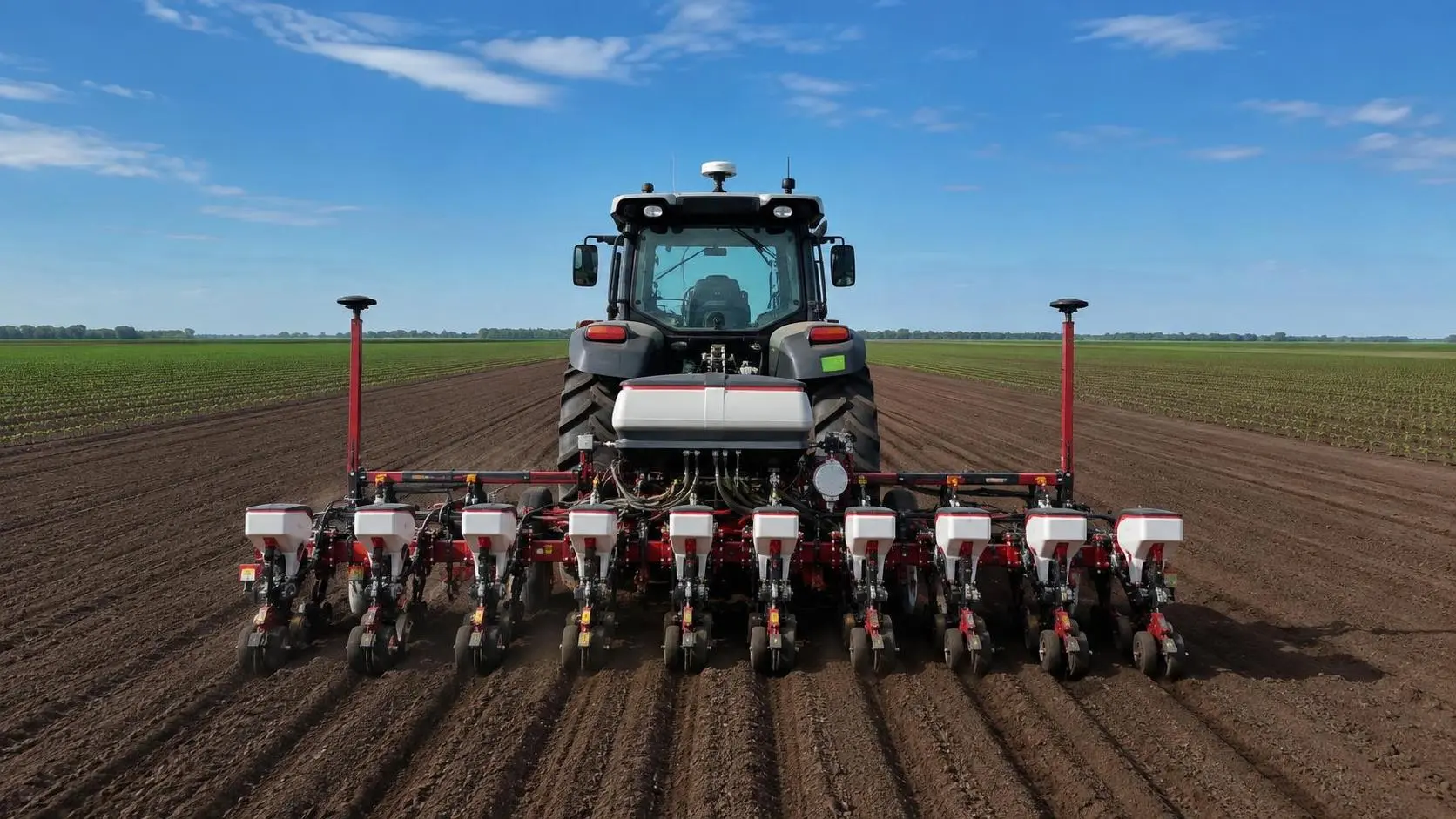
How Tractor Intelligence Systems Improve Field Efficiency and Input Accuracy
Agricultural machinery intelligence for tractors improves field efficiency, input accuracy, data traceability, and implement control. Explore smarter evaluation strategies.
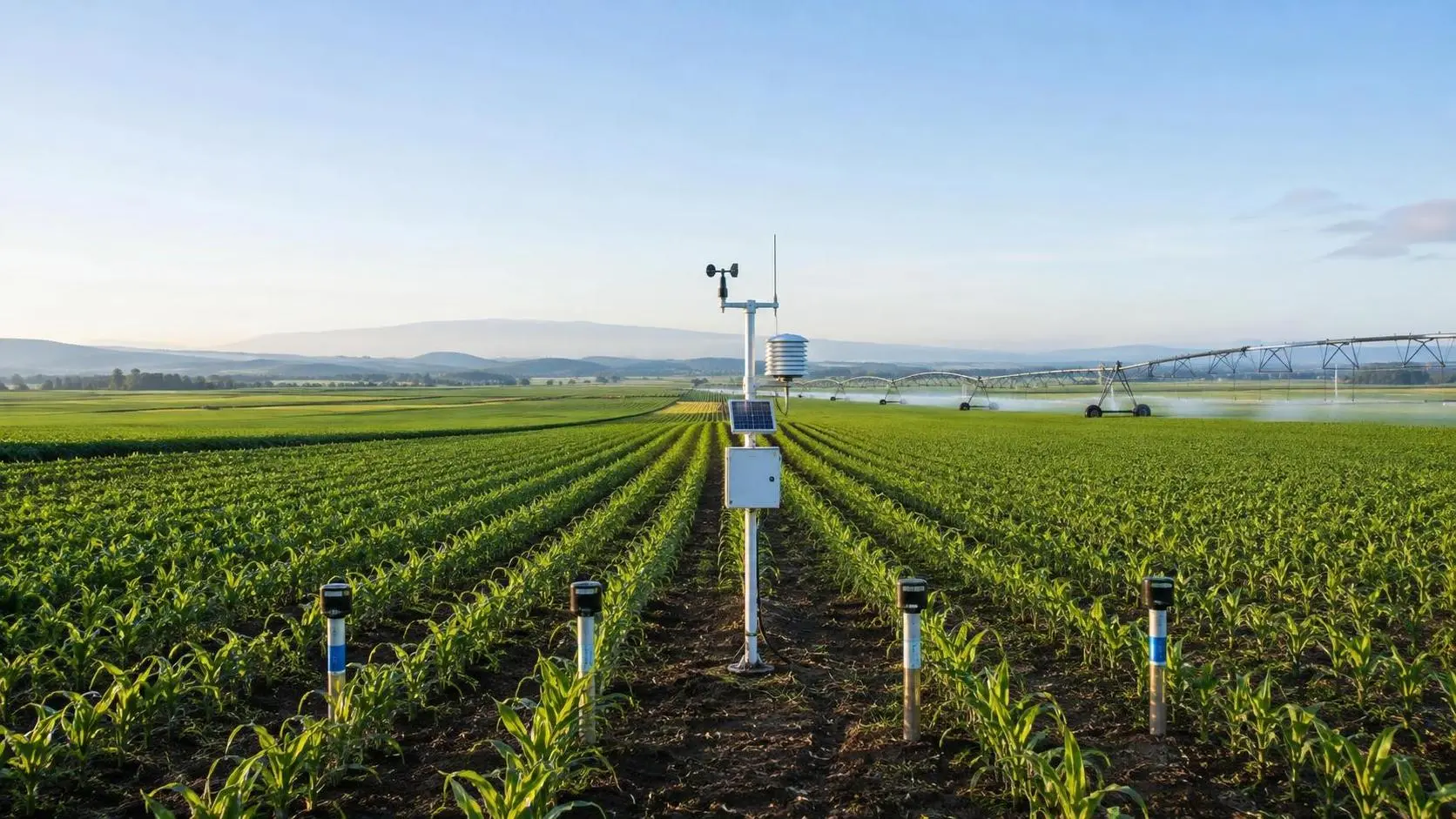
How to Evaluate Crop Monitoring System Manufacturers for Large-Scale Farms
Compare crop monitoring systems manufacturers for large-scale farms. Evaluate data quality, integration, durability, lifecycle costs, support, and pilots for smarter decisions.
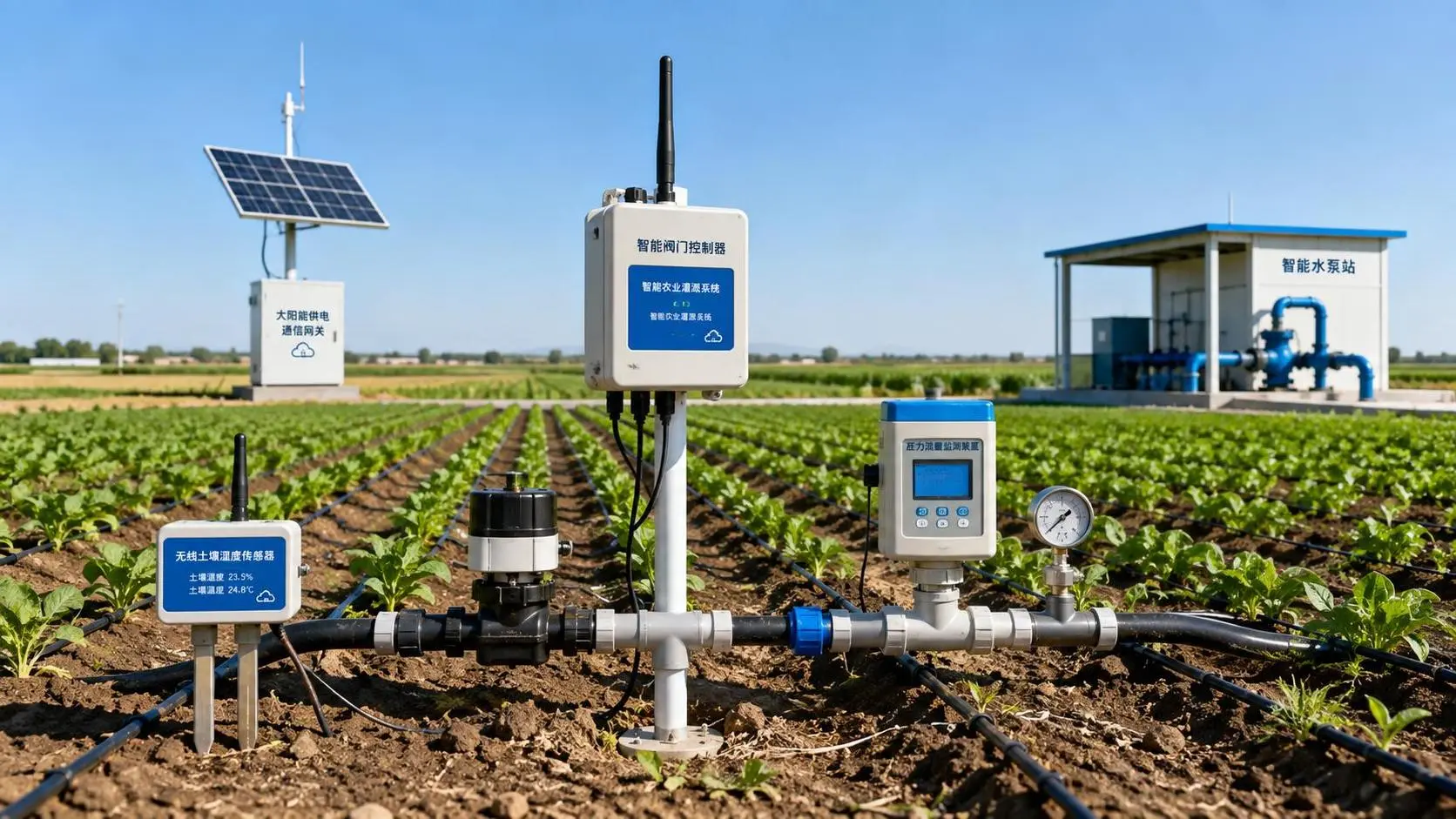
Wireless Agricultural Automation for Remote Irrigation and Field Monitoring
Agricultural automation wireless solutions improve remote irrigation with reliable field data, local control, flow verification, and smarter monitoring. Explore resilient deployment strategies.
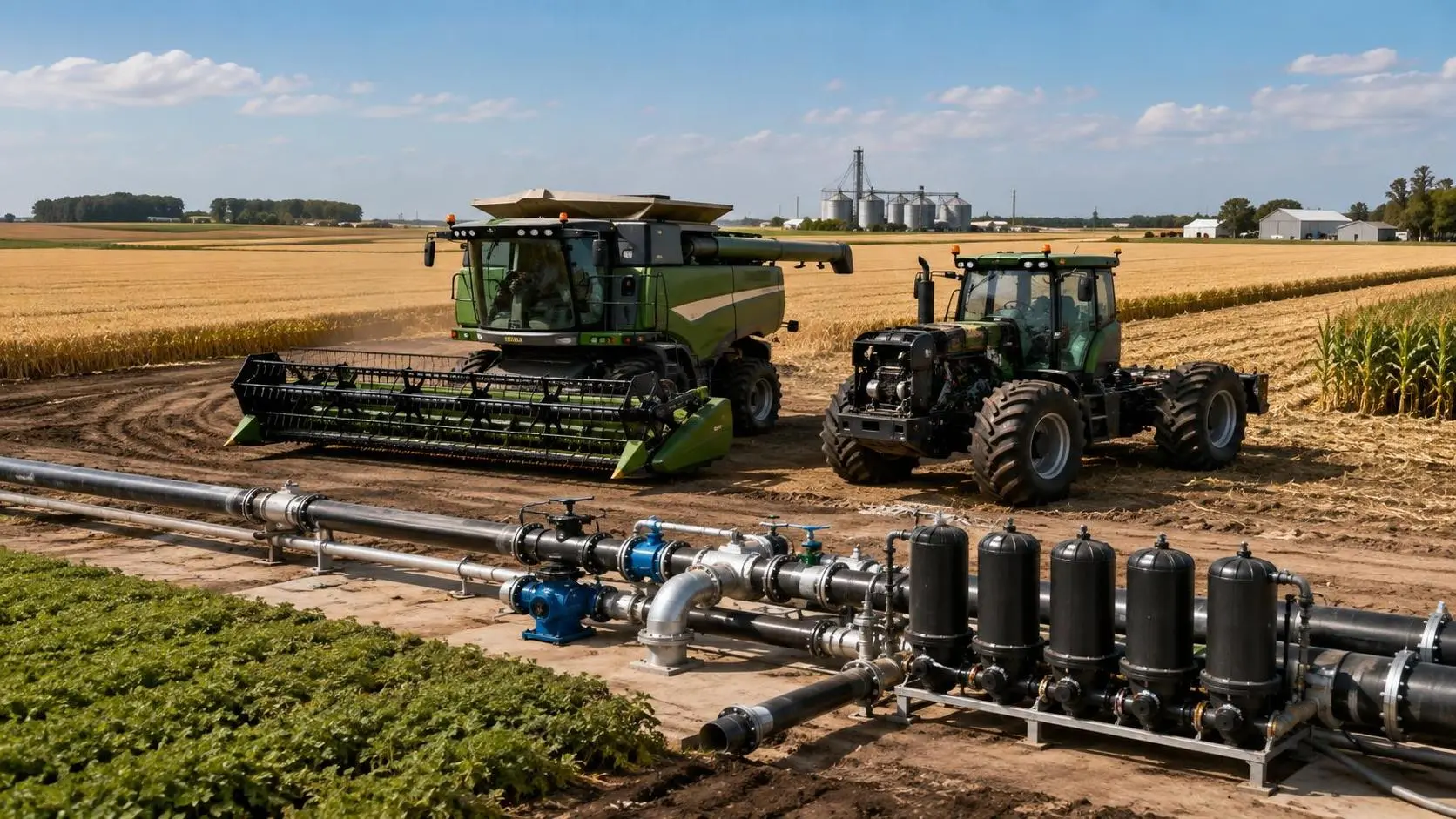
Agricultural Product Information Market Guide: Key Data for Sourcing Decisions
Agricultural product information market guide for smarter sourcing—compare machinery, irrigation, precision tools, lifecycle costs, and supplier risk.
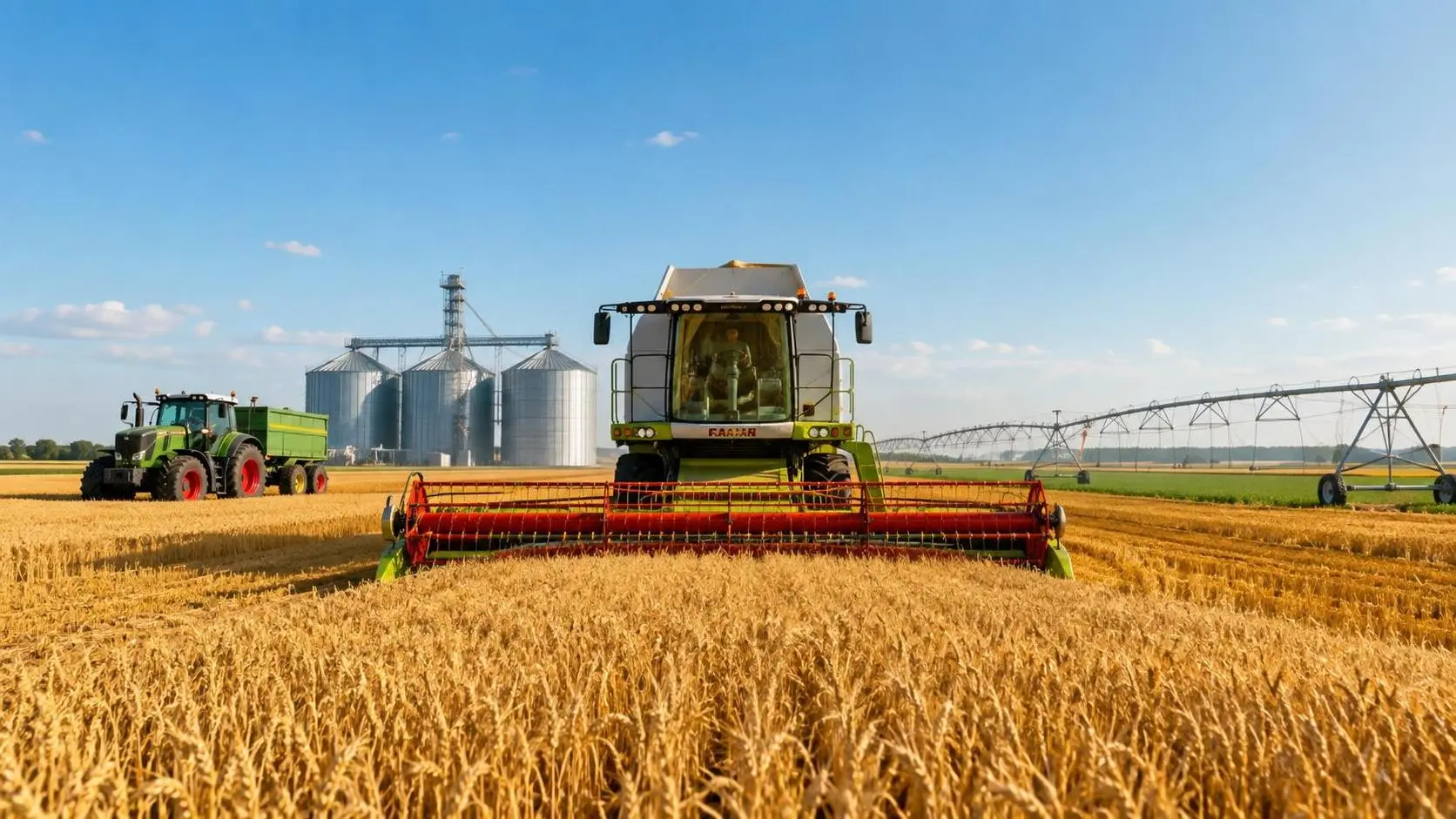
Large-Scale Farm Equipment Cost Comparison: Price, Fuel, and Lifecycle Value
Large-scale farm equipment cost comparison: evaluate price, fuel, maintenance, downtime, and lifecycle value to choose tractors, combines, irrigation, and smart tools with confidence.

A Procurement Specification Preparation Example for Buying Farm Equipment
Procurement specification preparation example for farm equipment: learn to define requirements, compare suppliers, control lifecycle costs, and buy with confidence.

What Tractor Horsepower Is Needed for a Three-Bottom Moldboard Plow?
What tractor horsepower is needed for three-bottom moldboard plow? Compare 60–100 hp needs by soil, depth, traction, and plow width for a confident equipment match.
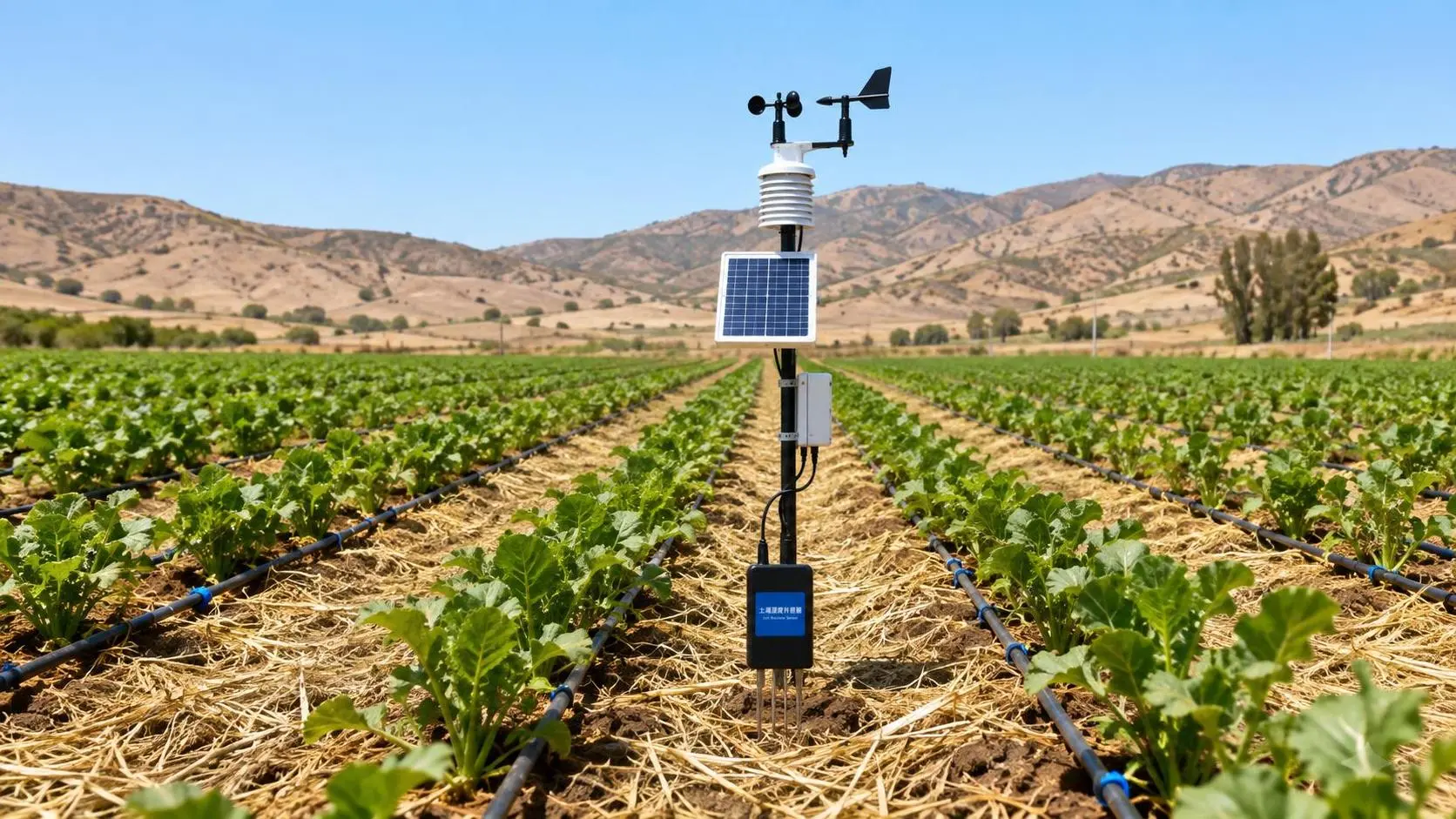
How Does Climate-Smart Farming Reduce Water Use in Semi-Arid Areas?
How does climate-smart farming reduce water use in semi-arid zones? Discover precision irrigation, soil monitoring, and smarter crop planning for resilient yields.
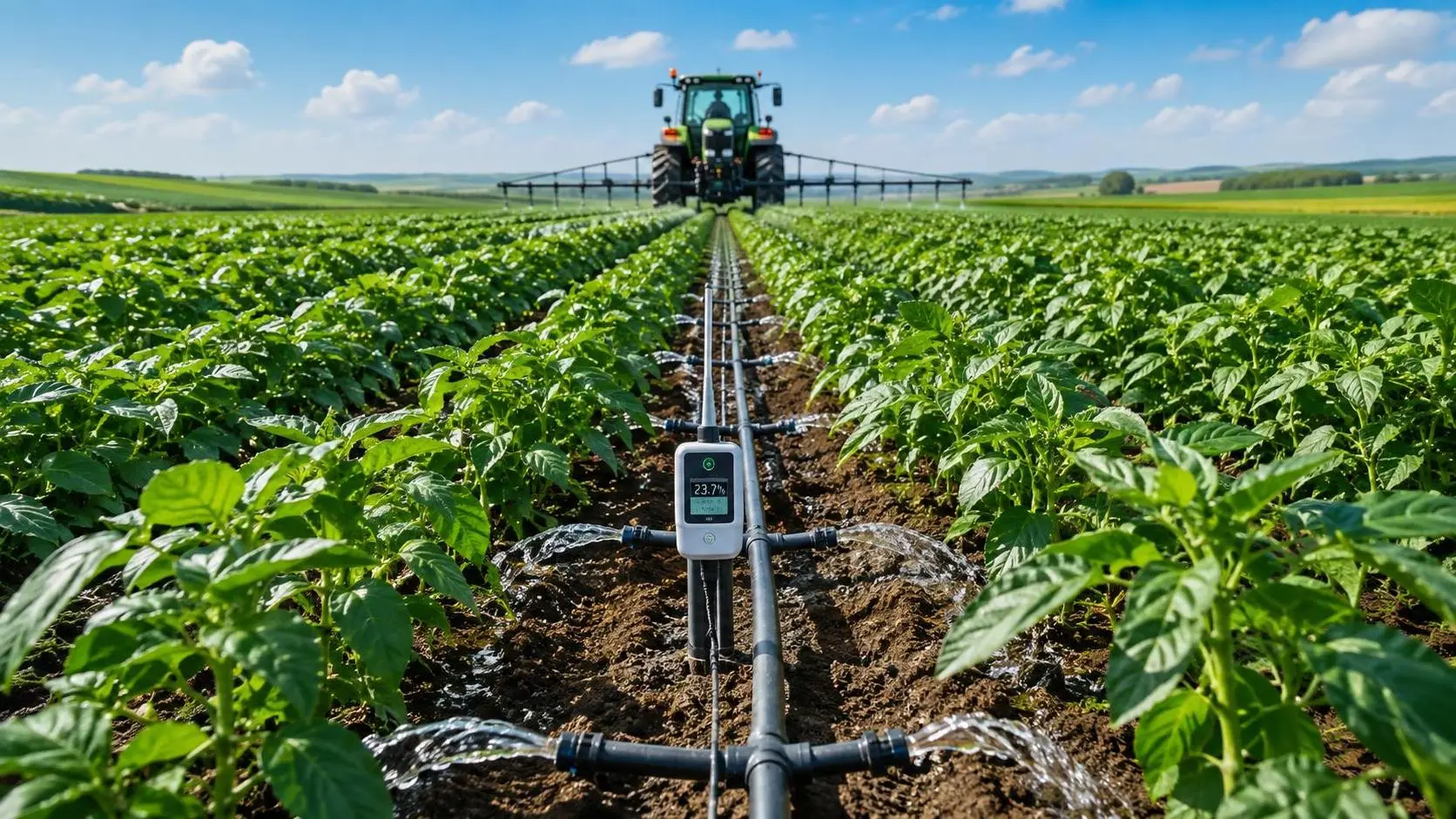
Can Sustainable Farming Be Profitable Without Reducing Yields?
Are sustainable farming practices profitable without yield loss? Discover precision strategies that cut waste, protect yields, and improve farm margins.
Related News
- 00
0000-00
Wireless Agricultural Automation for Remote Irrigation and Field Monitoring - 00
0000-00
Designing Water-Saving Drip Irrigation Systems for High-Value Orchards - 00
0000-00
How to Choose Irrigation Solutions for Arid Regions Based on Water Source and Crop Needs - 00
0000-00
How IoT Smart Irrigation Networks Help Farms Cut Water Use and Improve Yield - 00
0000-00
USDA Rule Takes Effect for Drip Irrigation Imports
Popular Tags
Hydrological Resource Strategist
Weekly Insights
Stay ahead with our curated technology reports delivered every Monday.