
Drip Irrigation Logic Exports Face ISO 8583:2026 Deadline
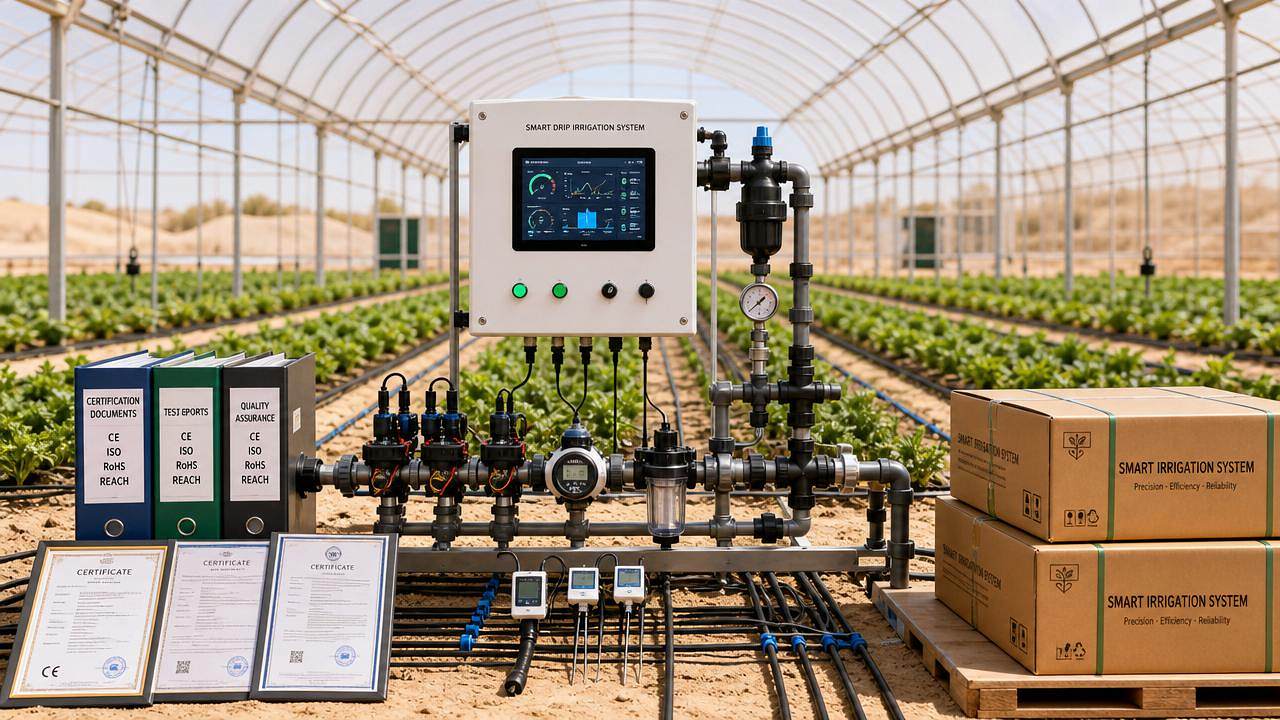




The timing of the underlying event is not explicitly stated in the source input, but a notice released on June 10, 2026 by the China Agricultural Foreign Economic Cooperation and Trade Information Network signals an immediate compliance issue for exporters of smart drip irrigation control systems. For companies shipping Drip Irrigation Logic products to Middle Eastern markets such as Saudi Arabia and the UAE, the update matters because certification under ISO 8583:2026 must be completed by September 30, 2026, with potential implications for customs clearance and eligibility for government tenders.
What the notice confirms
According to the provided information, the update concerns export certification for smart drip irrigation control systems identified as Drip Irrigation Logic. The notice states that these products must complete an upgrade to ISO 8583:2026 certification by September 30, 2026.
The same notice indicates that failure to complete the certification upgrade may affect customs clearance and access to government procurement opportunities in Middle Eastern markets including Saudi Arabia and the UAE.
The confirmed technical change in the new standard is the addition of an edge computing instruction set and an encrypted verification module for coordinated water and fertilizer control.
Where the pressure is likely to appear first
Export-facing product manufacturers
From an industry perspective, manufacturers of smart drip irrigation control systems are the most directly exposed because the certification requirement is tied to export eligibility. The immediate impact is likely to center on product compliance, technical documentation, and shipment readiness for markets named in the notice.
Trading companies handling Middle East orders
Analysis shows that trading companies may face risks at the transaction and delivery stage rather than only at the production stage. If certification status is incomplete near the deadline, order execution, customs processing, and tender participation could all become points of friction.
Procurement-side participants in regulated projects
For buyers, especially those involved in public-sector or tender-based procurement, the notice suggests that certification status may become a practical screening item. What deserves closer attention is not only whether a product is available, but whether its certification aligns with the updated standard before bid submission or import processing.
Service and documentation support providers
Supply chain service providers, certification support teams, and export documentation handlers may also be affected because the notice links compliance directly to market access outcomes. Their role is likely to become more important in preparing, checking, and communicating certification-related materials tied to export delivery.
What companies should watch now
Track whether official wording becomes more detailed
Companies should closely monitor whether further official language clarifies implementation details around ISO 8583:2026 certification for Drip Irrigation Logic exports. The current notice establishes the deadline and the risk areas, but operational interpretation may still depend on subsequent clarifications.
Review products against the newly added modules
Because the new standard adds an edge computing instruction set and an encrypted verification module for water-fertilizer coordination, the practical focus should be on whether existing export models, software logic, and supporting documents match those updated requirements.
Check shipment and tender timelines against the cutoff
For businesses already serving Saudi Arabia, the UAE, or similar Middle Eastern destinations referenced in the notice, it is important to compare pending shipment schedules and tender participation plans with the September 30, 2026 deadline. This is especially relevant where delivery commitments depend on uninterrupted customs clearance.
Prepare customer and supplier communication in advance
Observably, the business risk is not limited to certification itself. Companies may also need to confirm supplier qualifications, document completeness, and customer-facing compliance statements early, so that contract performance discussions do not begin only after a shipment or tender issue emerges.
How this update is best understood at this stage
Analysis shows that this is more than a routine technical revision notice because it connects a standards upgrade directly to export clearance and government tender access. At the same time, it is not yet a complete picture of market-wide enforcement, since the input does not provide broader implementation detail beyond the stated deadline, affected markets, and newly added technical modules.
It is more appropriate to understand this as a clear near-term compliance signal with possible longer-term implications for how agricultural IoT irrigation products are assessed in export markets. The immediate issue is procedural and technical readiness; the longer-term question is whether similar requirements will shape purchasing and qualification practices more broadly.
Why the market should keep following it
The core industry meaning of this update is that export compliance for smart drip irrigation control systems is being tied more closely to specific communication and verification capabilities under ISO 8583:2026. For affected companies, this is not simply a standards headline but a practical checkpoint connected to market entry and project qualification.
A neutral reading is that the notice already creates a concrete deadline-driven task for exporters, while the full business effect still depends on how implementation is applied in actual customs and tender processes. At present, it is best treated as an actionable short-term requirement and a development that still warrants continued observation.
Basis of this article and what still needs verification
This article is generated based on the user-provided news title, event timing information, and event summary. The specific official source link was not provided in the input, so the exact original notice link still requires ongoing verification.
For this type of development, commonly relevant source categories may include official notices, company announcements, industry association information, authoritative media reporting, and standards organization documents. Further follow-up should focus on any additional official wording, implementation guidance, and practical certification requirements related to the September 30, 2026 deadline.
Related News
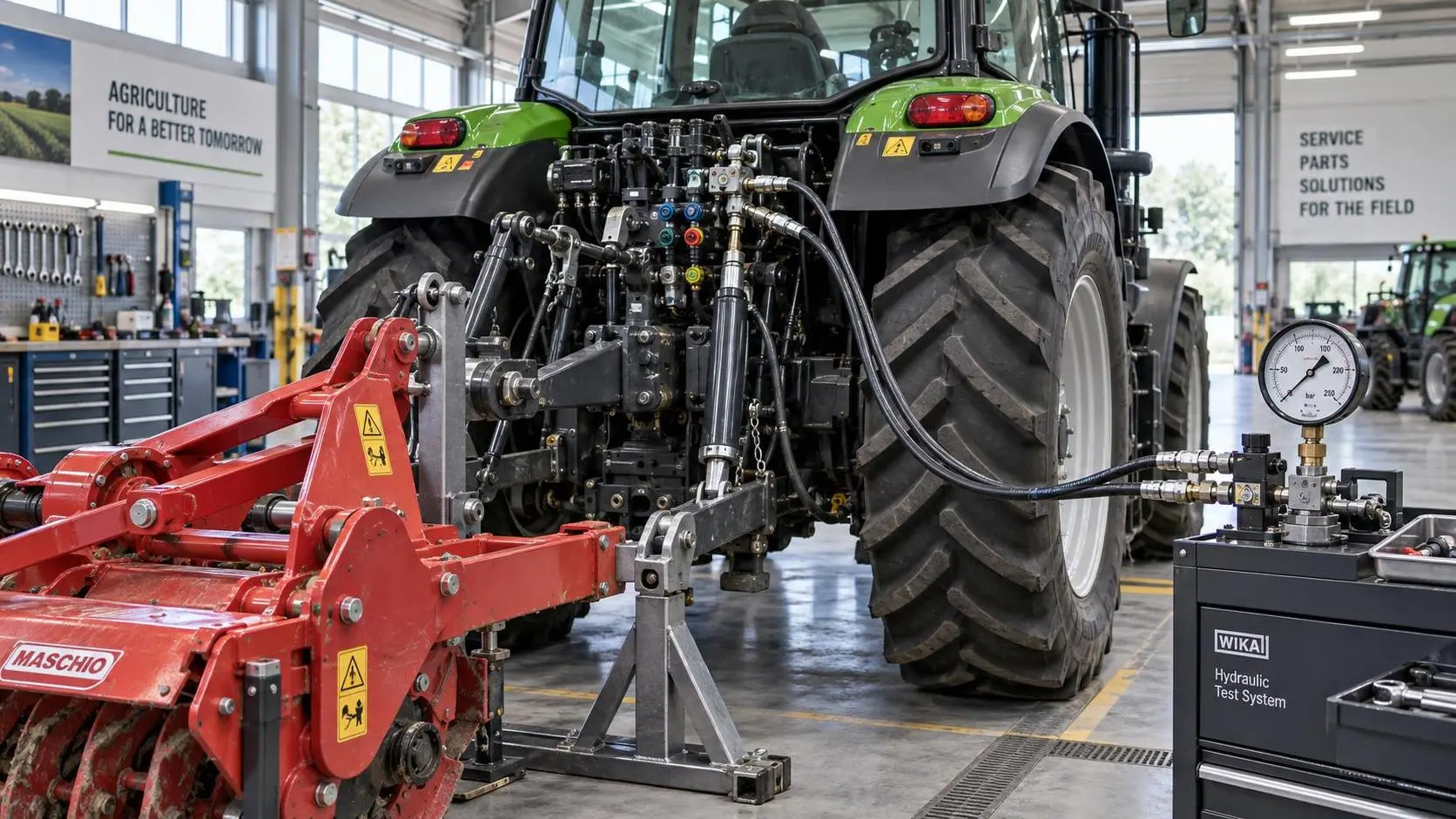
Tractor Hydraulic Systems Troubleshooting: Diagnosing Weak Lift and Slow Implements
Tractor hydraulic systems troubleshooting made practical: diagnose weak lifts and slow implements with proven pressure, flow, valve, and oil-supply checks.
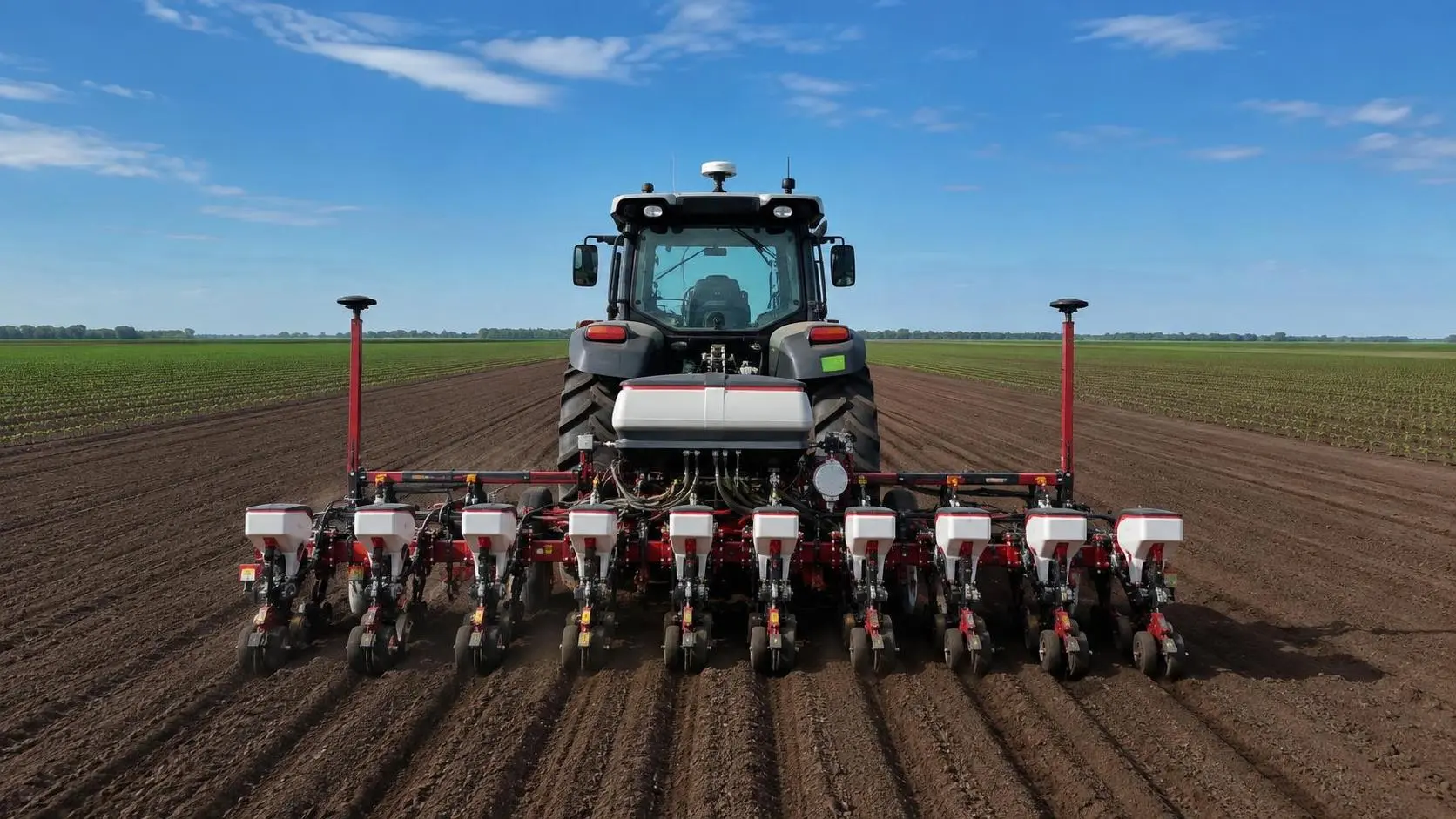
How Tractor Intelligence Systems Improve Field Efficiency and Input Accuracy
Agricultural machinery intelligence for tractors improves field efficiency, input accuracy, data traceability, and implement control. Explore smarter evaluation strategies.
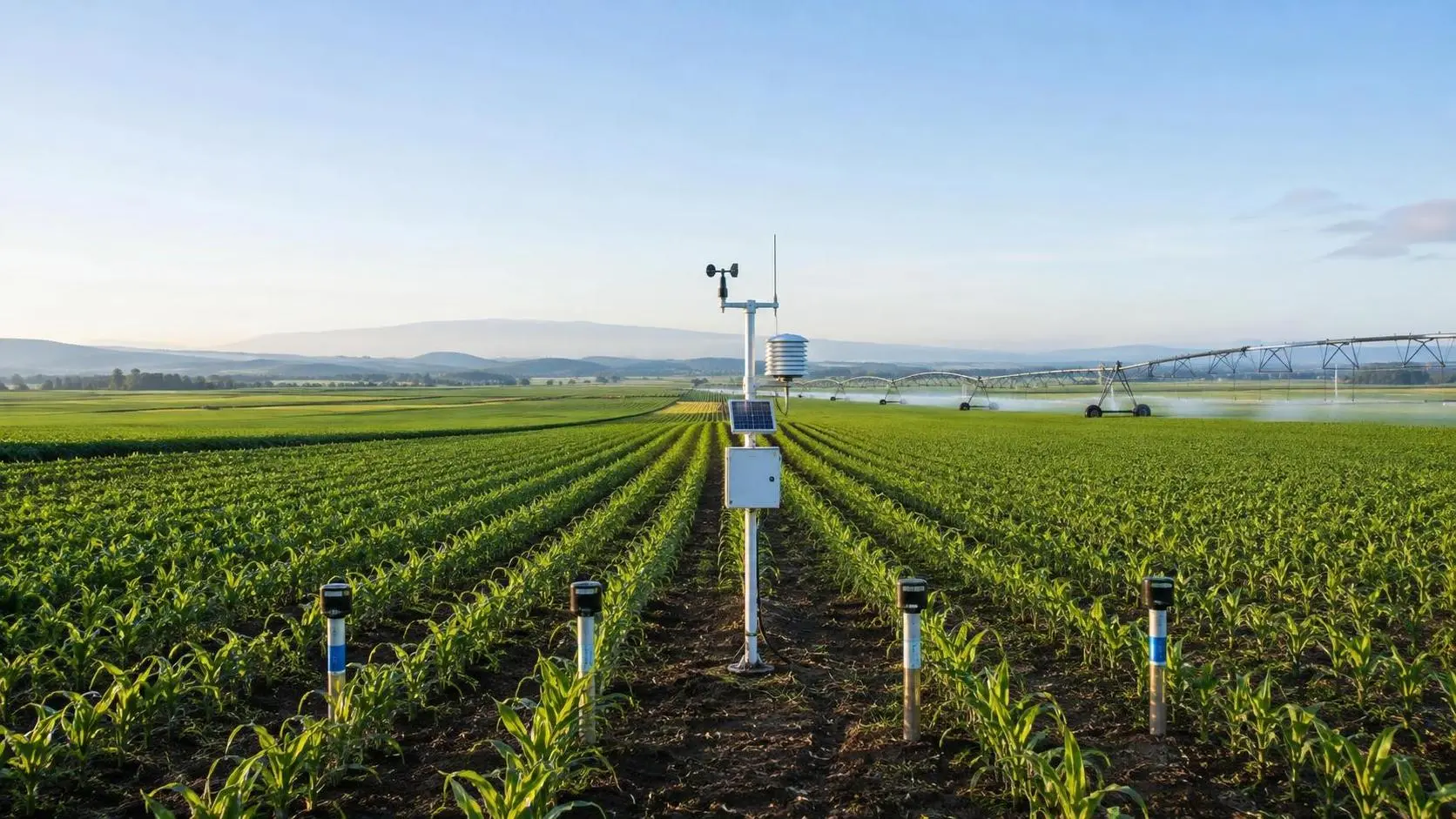
How to Evaluate Crop Monitoring System Manufacturers for Large-Scale Farms
Compare crop monitoring systems manufacturers for large-scale farms. Evaluate data quality, integration, durability, lifecycle costs, support, and pilots for smarter decisions.
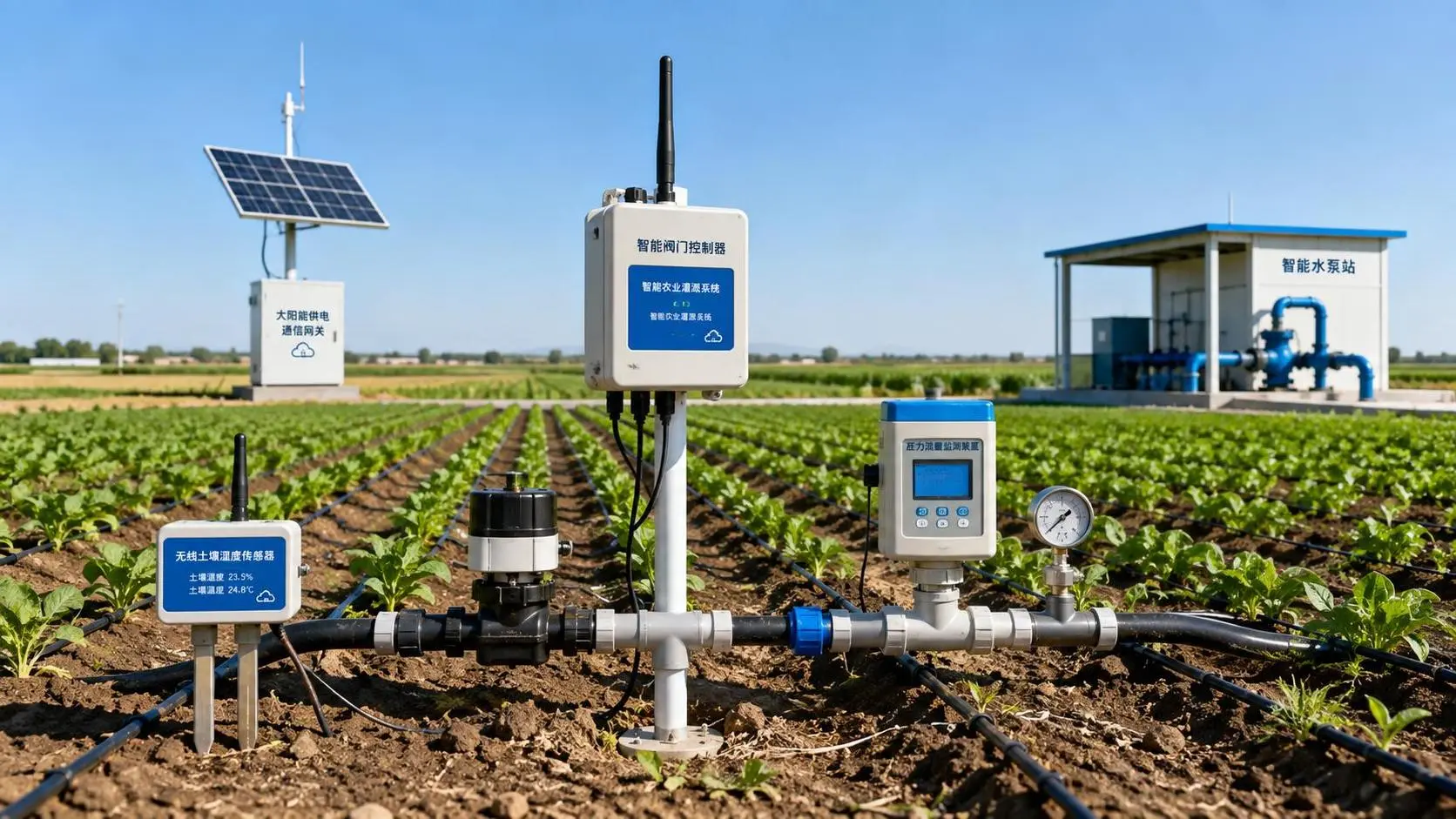
Wireless Agricultural Automation for Remote Irrigation and Field Monitoring
Agricultural automation wireless solutions improve remote irrigation with reliable field data, local control, flow verification, and smarter monitoring. Explore resilient deployment strategies.
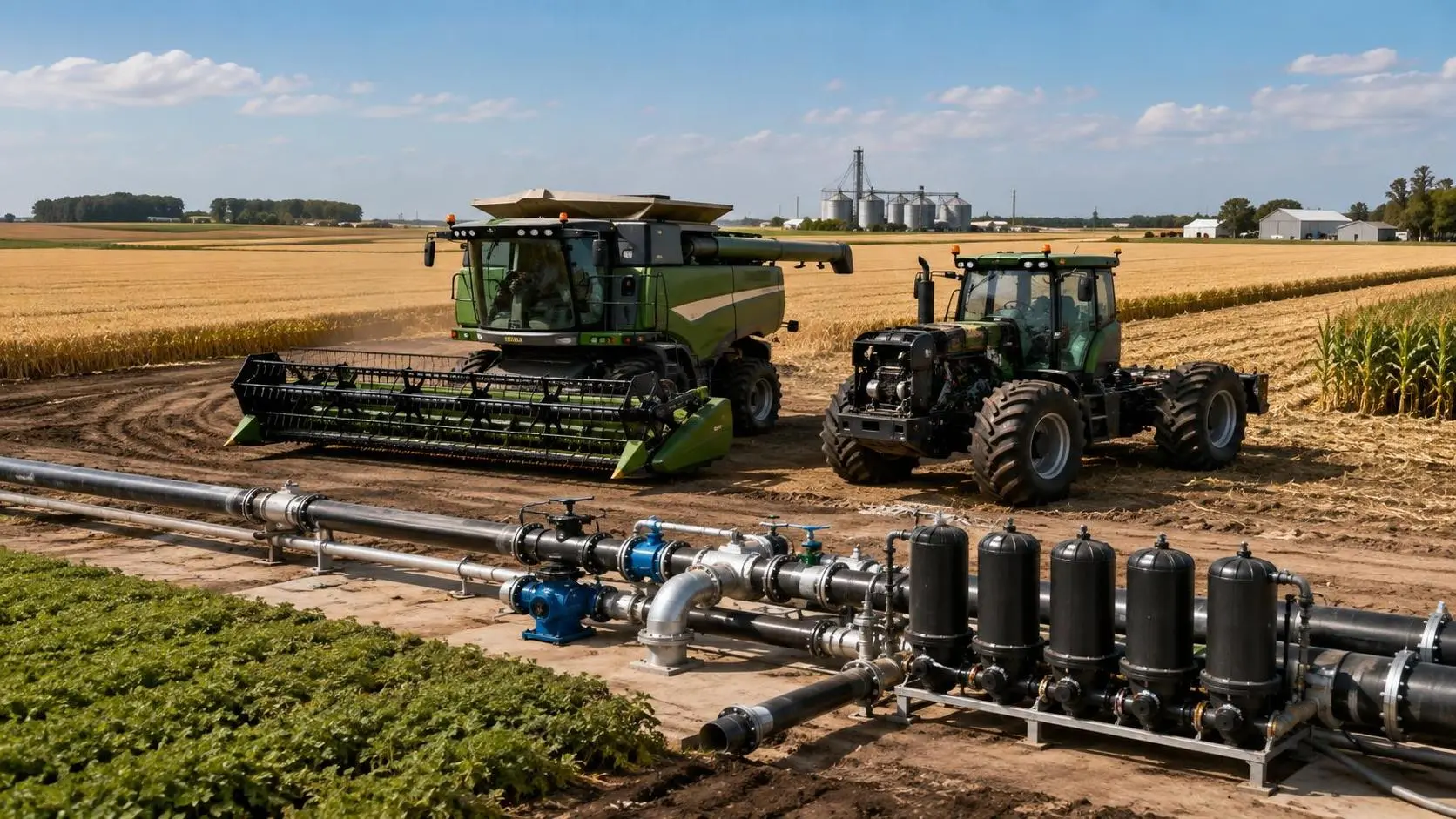
Agricultural Product Information Market Guide: Key Data for Sourcing Decisions
Agricultural product information market guide for smarter sourcing—compare machinery, irrigation, precision tools, lifecycle costs, and supplier risk.
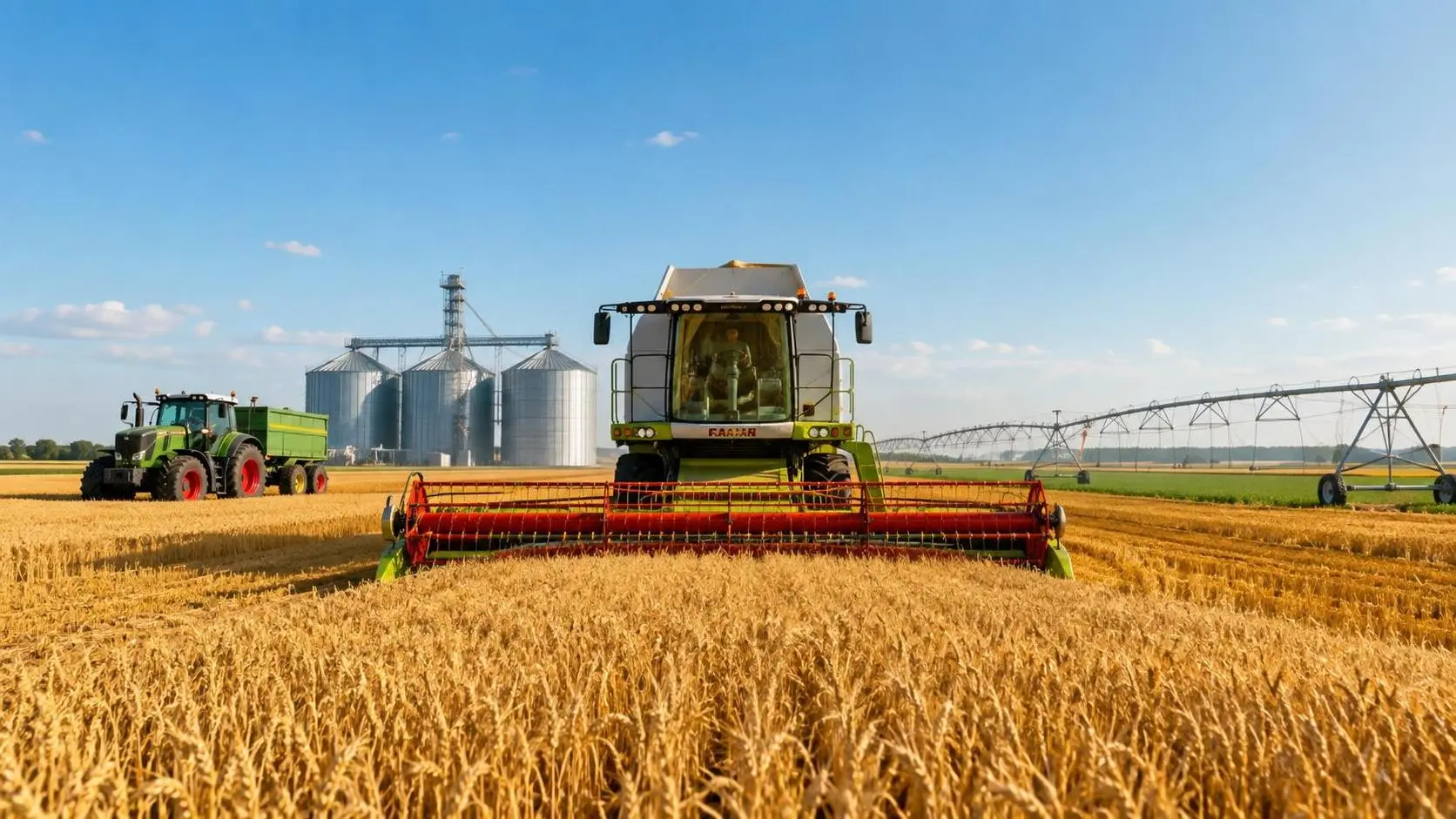
Large-Scale Farm Equipment Cost Comparison: Price, Fuel, and Lifecycle Value
Large-scale farm equipment cost comparison: evaluate price, fuel, maintenance, downtime, and lifecycle value to choose tractors, combines, irrigation, and smart tools with confidence.

A Procurement Specification Preparation Example for Buying Farm Equipment
Procurement specification preparation example for farm equipment: learn to define requirements, compare suppliers, control lifecycle costs, and buy with confidence.
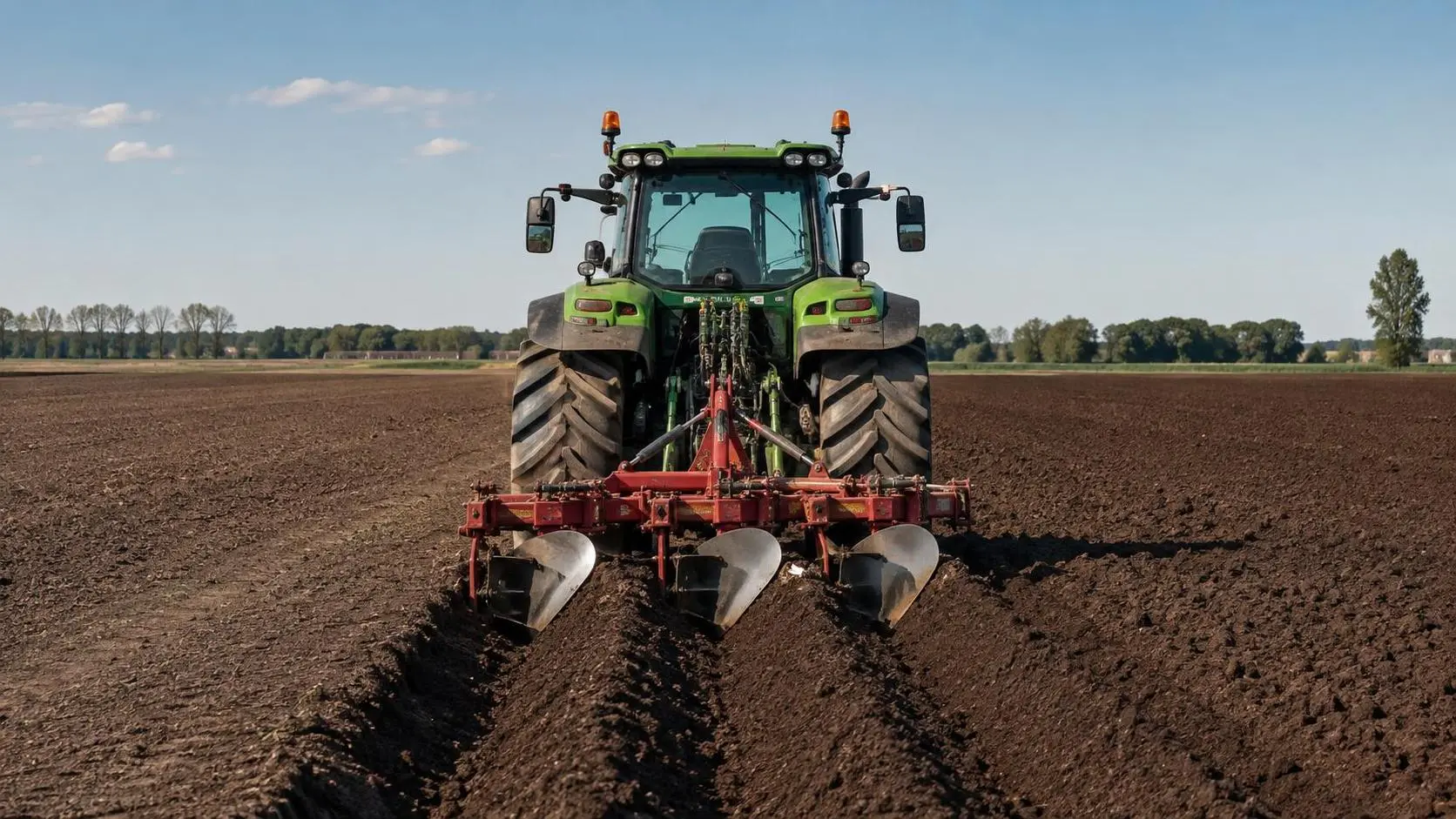
What Tractor Horsepower Is Needed for a Three-Bottom Moldboard Plow?
What tractor horsepower is needed for three-bottom moldboard plow? Compare 60–100 hp needs by soil, depth, traction, and plow width for a confident equipment match.
How Does Climate-Smart Farming Reduce Water Use in Semi-Arid Areas?
How does climate-smart farming reduce water use in semi-arid zones? Discover precision irrigation, soil monitoring, and smarter crop planning for resilient yields.
Related News
- 00
0000-00
Wireless Agricultural Automation for Remote Irrigation and Field Monitoring - 00
0000-00
Designing Water-Saving Drip Irrigation Systems for High-Value Orchards - 00
0000-00
How to Choose Irrigation Solutions for Arid Regions Based on Water Source and Crop Needs - 00
0000-00
How IoT Smart Irrigation Networks Help Farms Cut Water Use and Improve Yield - 00
0000-00
USDA Rule Takes Effect for Drip Irrigation Imports
Popular Tags
Hydrological Resource Strategist
Weekly Insights
Stay ahead with our curated technology reports delivered every Monday.