
China Upgrades Export Rules for Drip Irrigation Logic
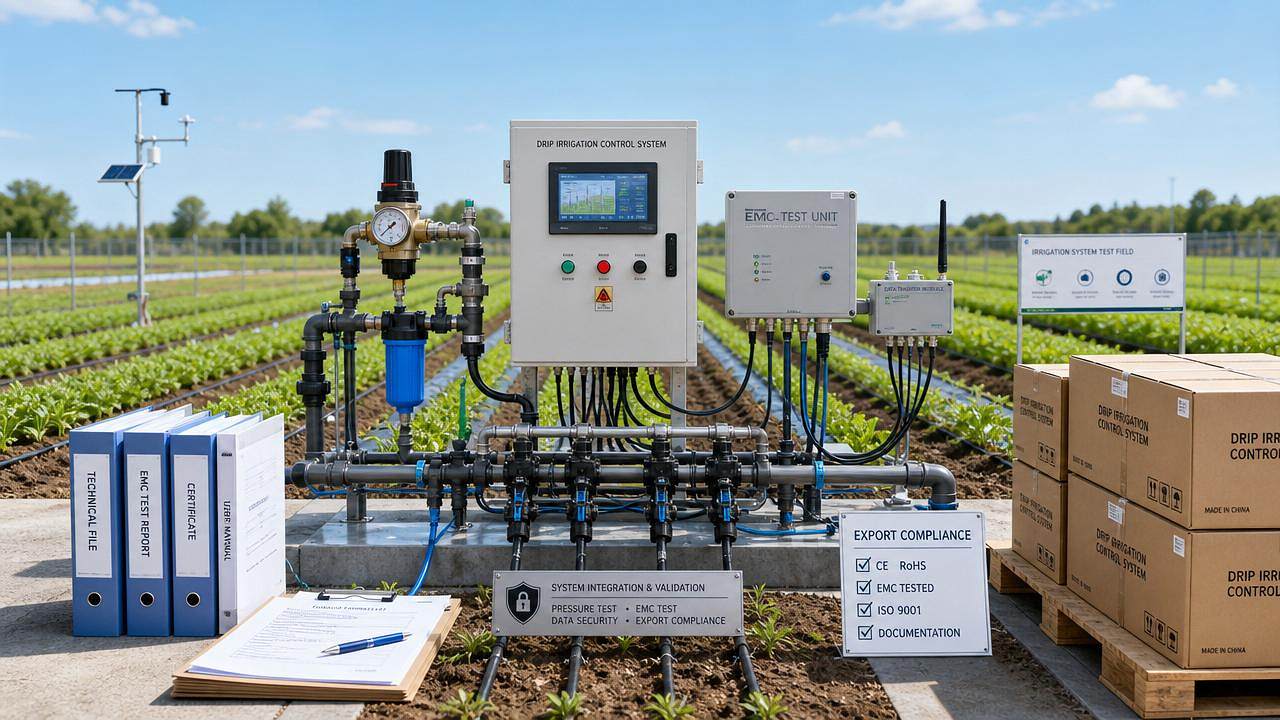




China’s export compliance requirements for drip irrigation system products will tighten on July 1, 2026, when exported Drip Irrigation Logic products must meet the updated ISO 8583:2026 standard. For manufacturers, exporters, importers, and downstream project buyers serving Europe, the Middle East, and Southeast Asia, this is worth close attention because the change is tied not only to product certification, but also to customs clearance and final acceptance at the destination market.
What the July 1 compliance change confirms
According to an updated notice released on June 10, 2026 by the China Agricultural Foreign Economic and Trade Information Network, all exported drip irrigation system products classified as Drip Irrigation Logic must comply with the new ISO 8583:2026 certification from July 1, 2026.
The updated standard adds three confirmed requirements: dynamic water-pressure response thresholds, on-site installation verification for electromagnetic compatibility (EMC), and encrypted transmission for irrigation data.
The notice also indicates that the rule change directly affects customs clearance and end-user acceptance in Europe, the Middle East, and Southeast Asia. Products that do not meet the new requirements may face returns or delays in market access.
Where the impact is likely to appear first
Export shipments face a more documentation-sensitive stage
From an industry perspective, direct exporters are likely to feel the impact first because certification status now connects more directly with shipment release and destination-side acceptance. What deserves closer attention is whether product files, certification materials, and shipment timing remain aligned with the July 1 enforcement date.
Manufacturing and integration teams may need tighter pre-delivery checks
Analysis shows that manufacturers and system integrators may be affected in the product verification stage rather than only at the point of sale. The newly added water-pressure response, EMC on-site validation, and encrypted irrigation data transmission requirements suggest that compliance attention may extend across design confirmation, factory testing, installation readiness, and delivery handover.
Importers and project buyers face a higher acceptance risk
Observably, importers, distributors, and end-use buyers in the affected overseas markets may need to review incoming products more carefully because non-compliant goods could face delays, return risk, or acceptance issues. The business impact is likely to concentrate in receiving inspections, project commissioning, and contract performance timing.
Supply-chain service providers may see pressure on timing and coordination
For logistics, customs, and delivery support providers, the main issue is not the standard itself but the coordination burden around compliant paperwork, shipment scheduling, and handover milestones. What deserves closer attention is whether export documentation and acceptance-related materials are ready before cargo reaches destination checkpoints.
What companies should monitor now
Watch for any further official clarification
Analysis shows that companies should continue monitoring whether additional wording, implementation guidance, or interpretive clarification is issued after the June 10 notice, especially where the practical scope of testing and verification may affect shipment planning.
Review products tied to affected export markets
What deserves closer attention is any Drip Irrigation Logic product already allocated to Europe, the Middle East, or Southeast Asia. Companies may need to distinguish between goods already in process and goods shipping after July 1, because the practical risk lies in whether compliance evidence matches the enforcement timeline.
Separate standard language from delivery execution
From an industry perspective, the policy signal and the operational burden are not always the same. The confirmed facts describe new certification requirements, but businesses should also examine how those requirements translate into testing records, installation-related verification, encrypted data handling, and client-facing acceptance documents.
Prepare contract and communication contingencies
Observably, exporters, suppliers, and overseas buyers should pay close attention to certification files, supplier qualifications, delivery schedules, and client communication. Where shipments are close to the implementation date, it is more appropriate to prepare contingency plans around document completeness, acceptance timing, and possible delivery adjustments.
Why this matters beyond a single compliance notice
Editor’s observation: this update should be read as more than a routine certification refresh. The confirmed changes cover performance response, EMC verification in actual installation conditions, and data transmission security, which means the compliance focus is not limited to product hardware alone.
It is more appropriate to understand this as an actionable near-term change with longer-term signaling value. The near-term change is clear because the enforcement date is fixed at July 1, 2026. The longer-term signal, based on the wording provided, is that export readiness for drip irrigation systems may increasingly be judged through a combination of equipment behavior, installation validation, and data handling requirements.
At the same time, this remains a development that still requires continued observation in practice, especially regarding how consistently it is applied across customs, project acceptance, and destination-market execution.
How the market should read the update
The immediate significance of this notice lies in execution risk rather than headline effect. For the drip irrigation export chain, the key issue is whether certification, shipment preparation, and overseas acceptance remain synchronized once ISO 8583:2026 becomes mandatory.
A neutral reading is that this is already a concrete compliance change, not just a policy signal under discussion. At the same time, the broader business implications should still be assessed cautiously, because the practical impact will depend on how import procedures and end-user acceptance are carried out after the implementation date.
Basis of this article
This article is generated from the user-provided news title, event date, and event summary. The confirmed factual basis includes the announced mandatory date of July 1, 2026, the June 10, 2026 notice update, the requirement that exported Drip Irrigation Logic products comply with ISO 8583:2026, and the newly stated areas of water-pressure response, EMC on-site installation verification, and encrypted irrigation data transmission.
For this type of industry update, commonly relevant source categories may include official notices, company disclosures, industry association releases, authoritative media reporting, and standard-organization documents. A specific official source link was not provided in the input, so further verification remains necessary. Follow-up attention should focus on any subsequent official clarification, implementation wording, and practical acceptance requirements in the affected export markets.
Related News
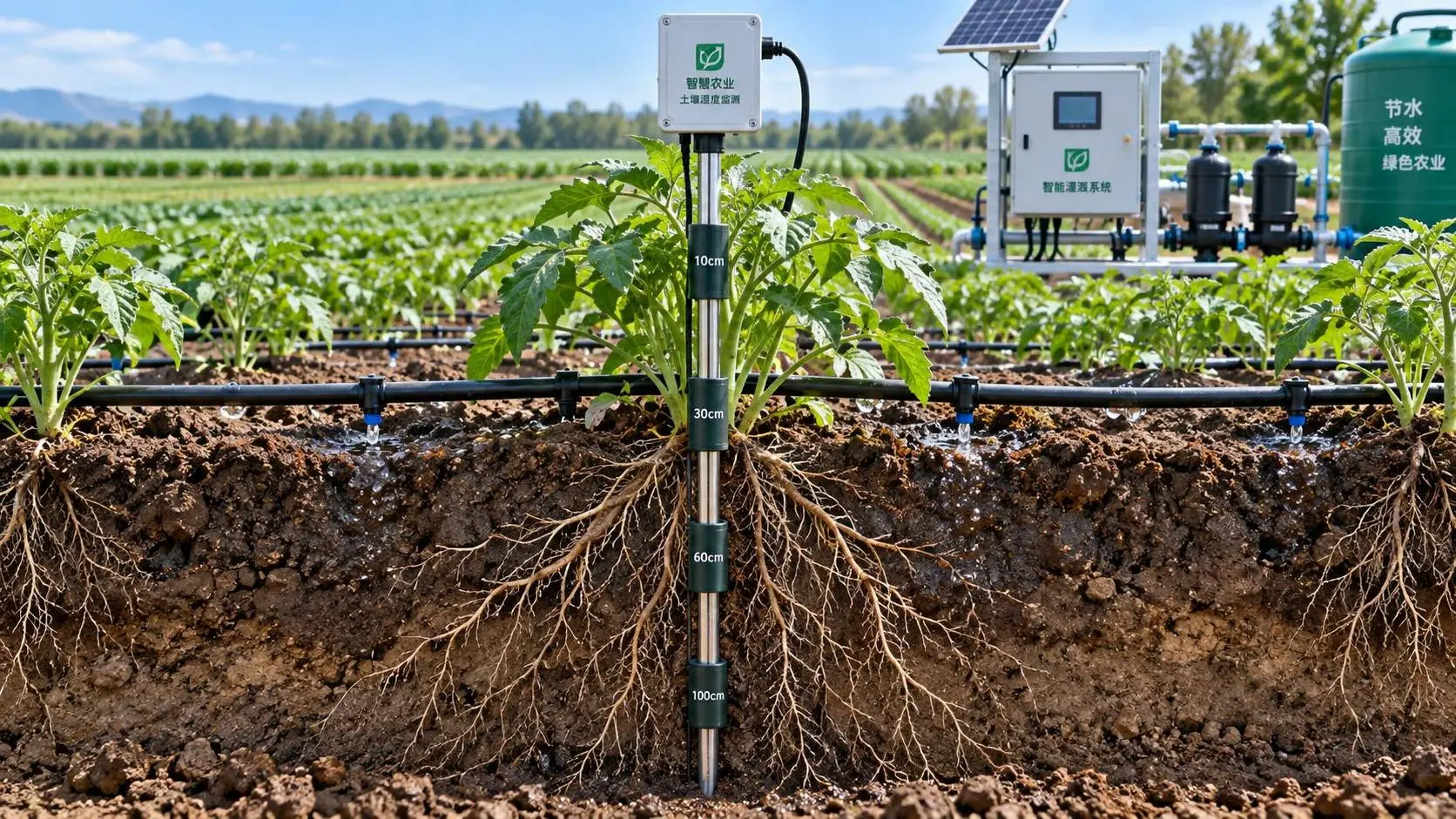
Selecting Real-Time Soil Moisture Sensors for Irrigation Zone Control
Soil moisture sensors real time: learn how to select reliable probes, optimize zone control, improve irrigation decisions, and scale precision water management.
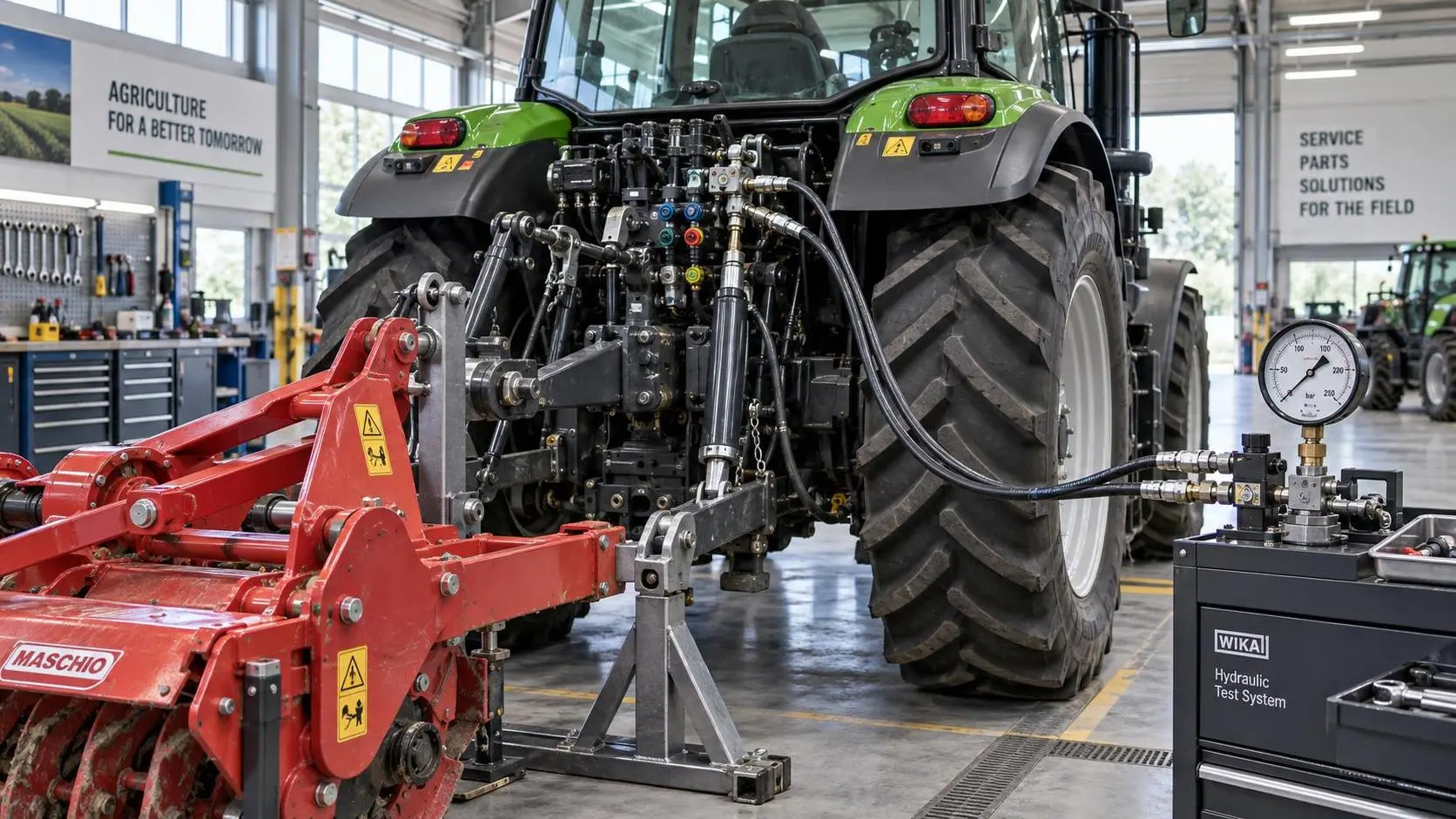
Tractor Hydraulic Systems Troubleshooting: Diagnosing Weak Lift and Slow Implements
Tractor hydraulic systems troubleshooting made practical: diagnose weak lifts and slow implements with proven pressure, flow, valve, and oil-supply checks.
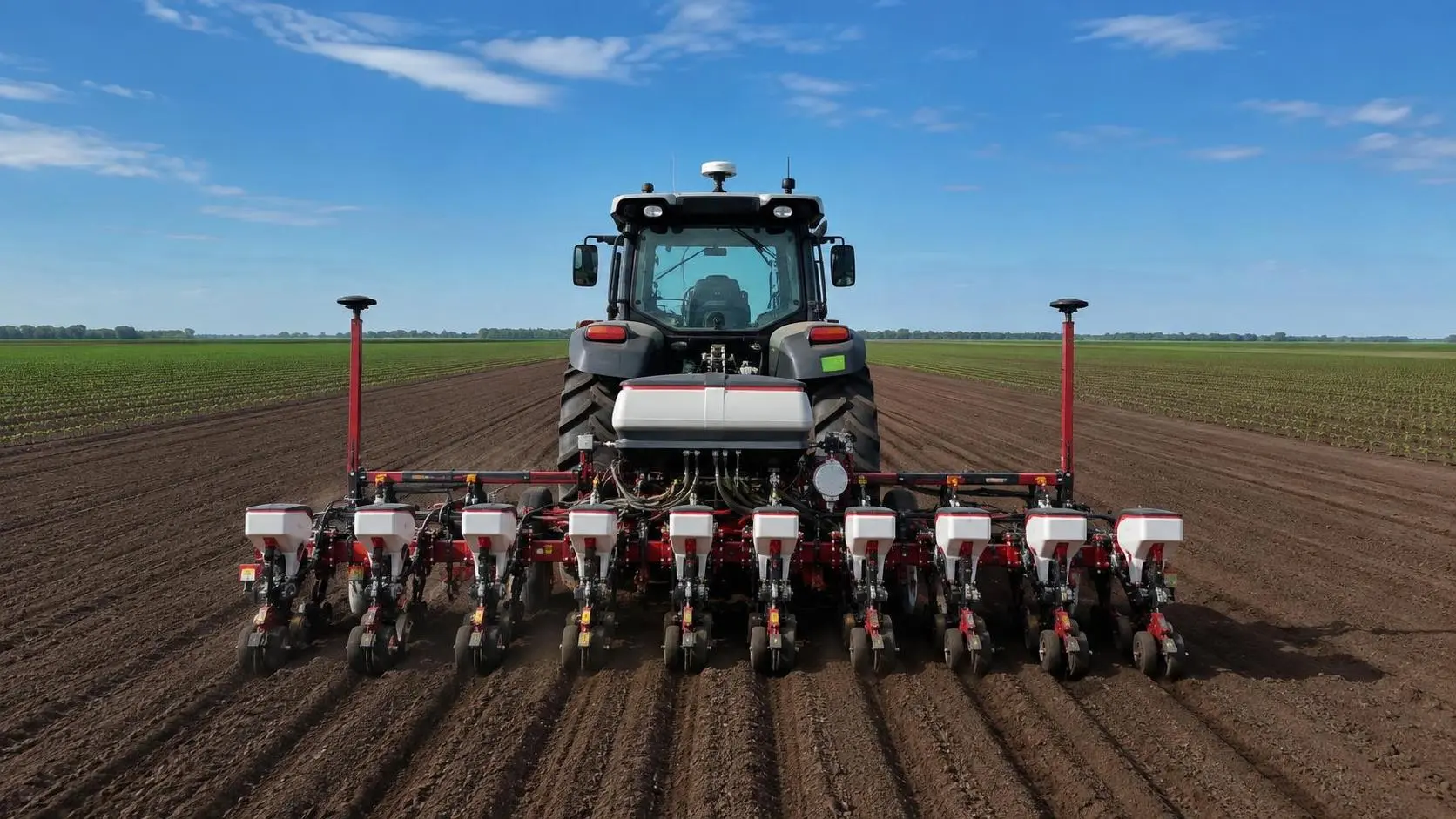
How Tractor Intelligence Systems Improve Field Efficiency and Input Accuracy
Agricultural machinery intelligence for tractors improves field efficiency, input accuracy, data traceability, and implement control. Explore smarter evaluation strategies.
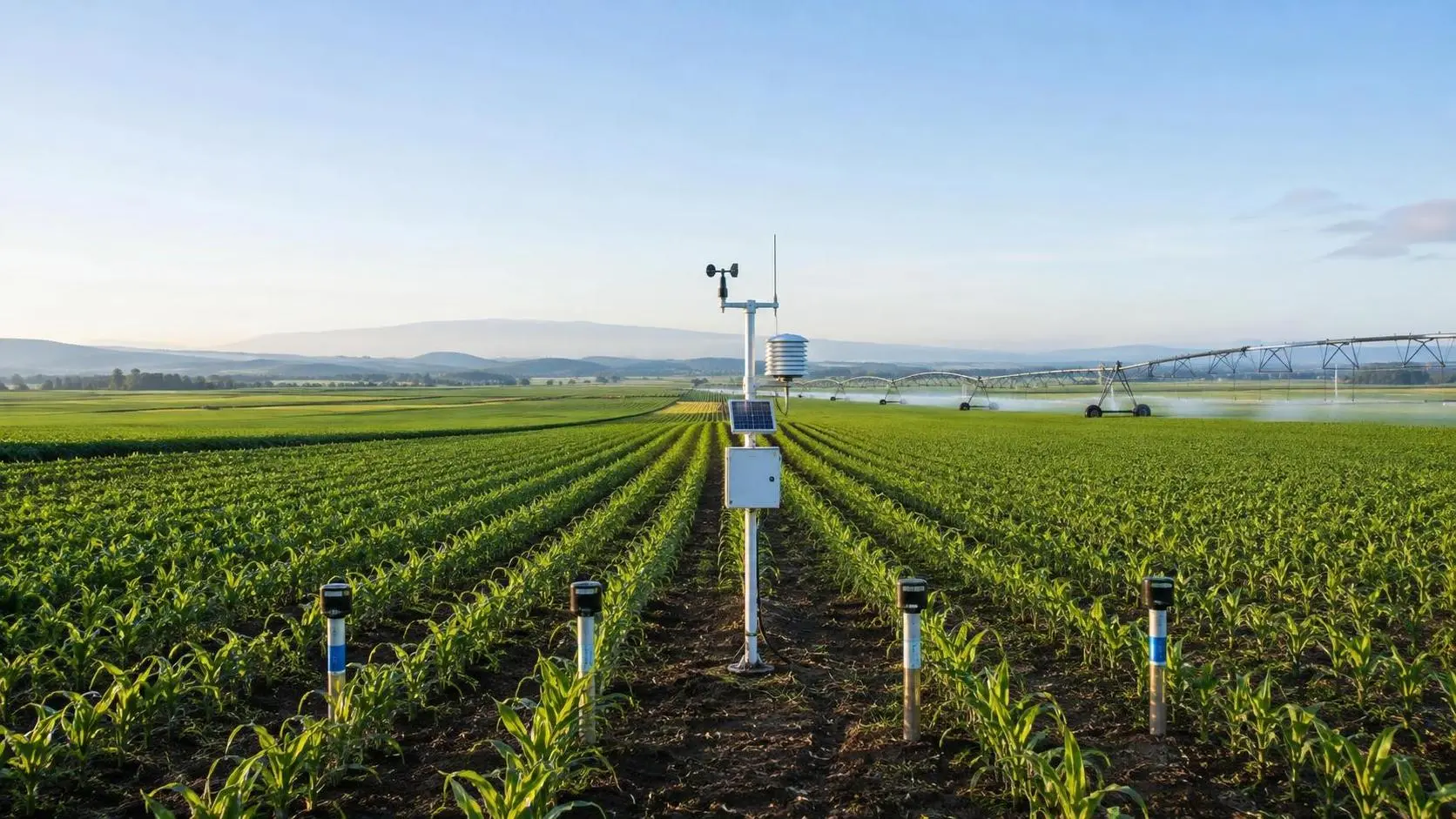
How to Evaluate Crop Monitoring System Manufacturers for Large-Scale Farms
Compare crop monitoring systems manufacturers for large-scale farms. Evaluate data quality, integration, durability, lifecycle costs, support, and pilots for smarter decisions.
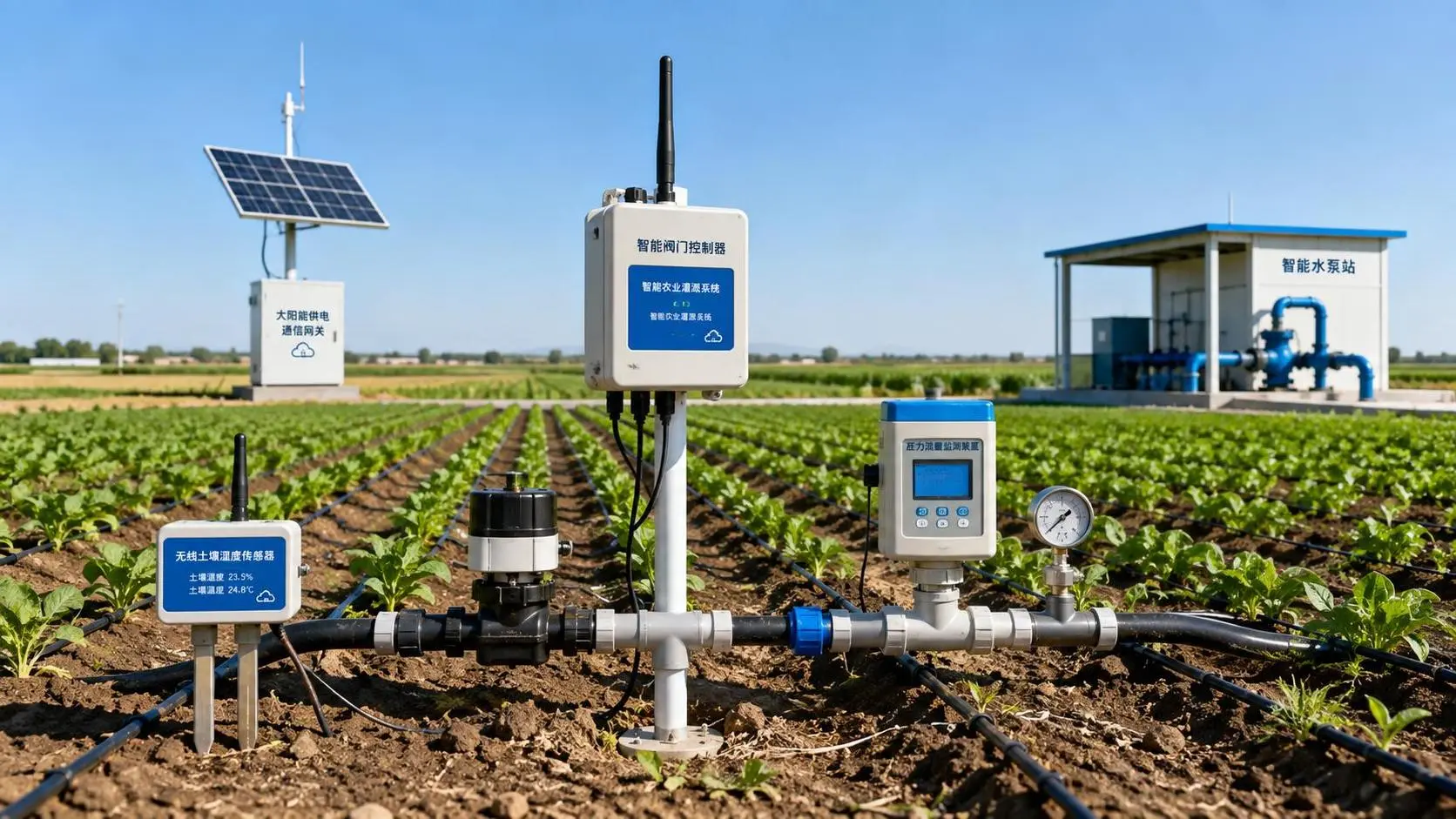
Wireless Agricultural Automation for Remote Irrigation and Field Monitoring
Agricultural automation wireless solutions improve remote irrigation with reliable field data, local control, flow verification, and smarter monitoring. Explore resilient deployment strategies.
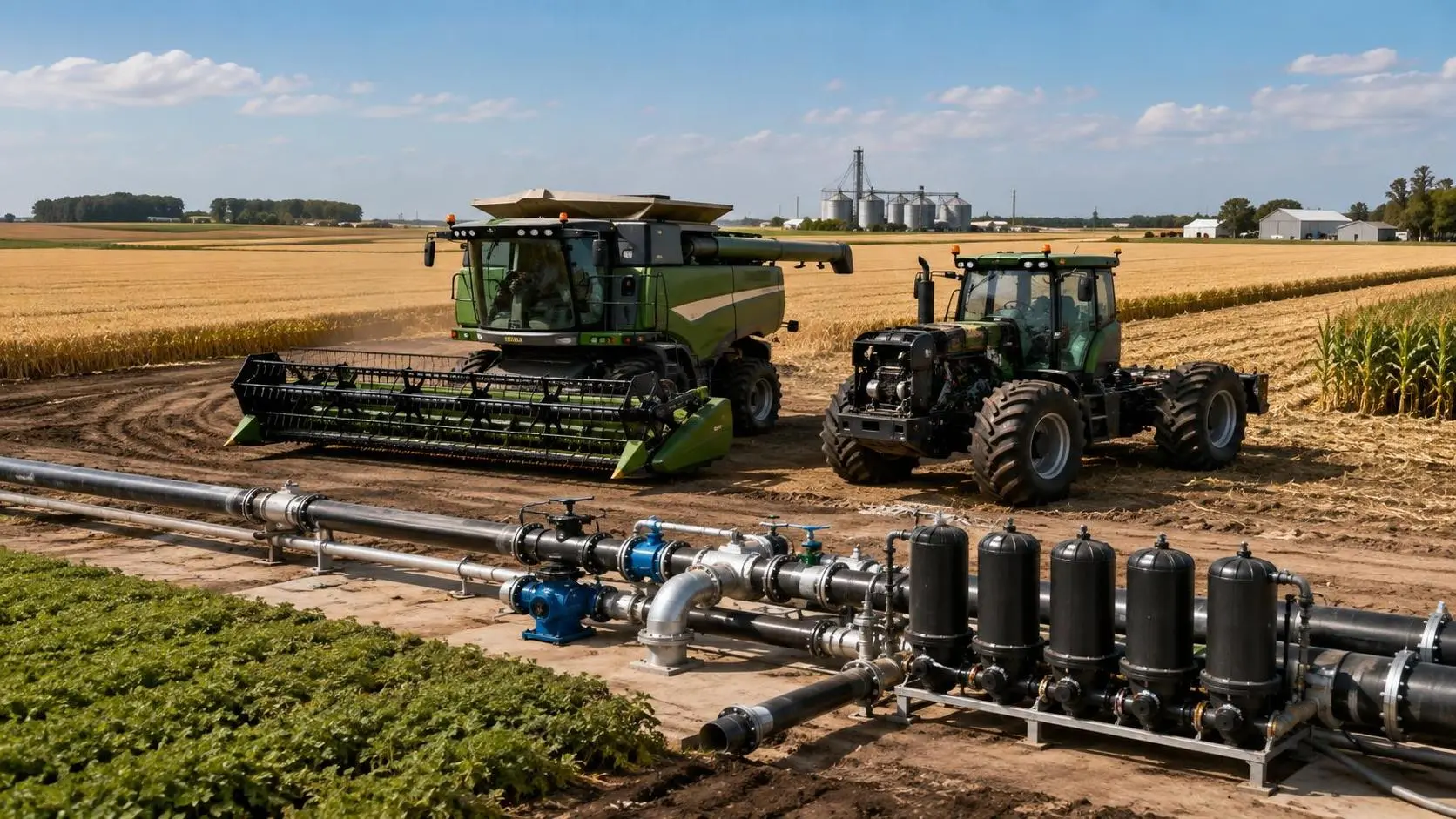
Agricultural Product Information Market Guide: Key Data for Sourcing Decisions
Agricultural product information market guide for smarter sourcing—compare machinery, irrigation, precision tools, lifecycle costs, and supplier risk.
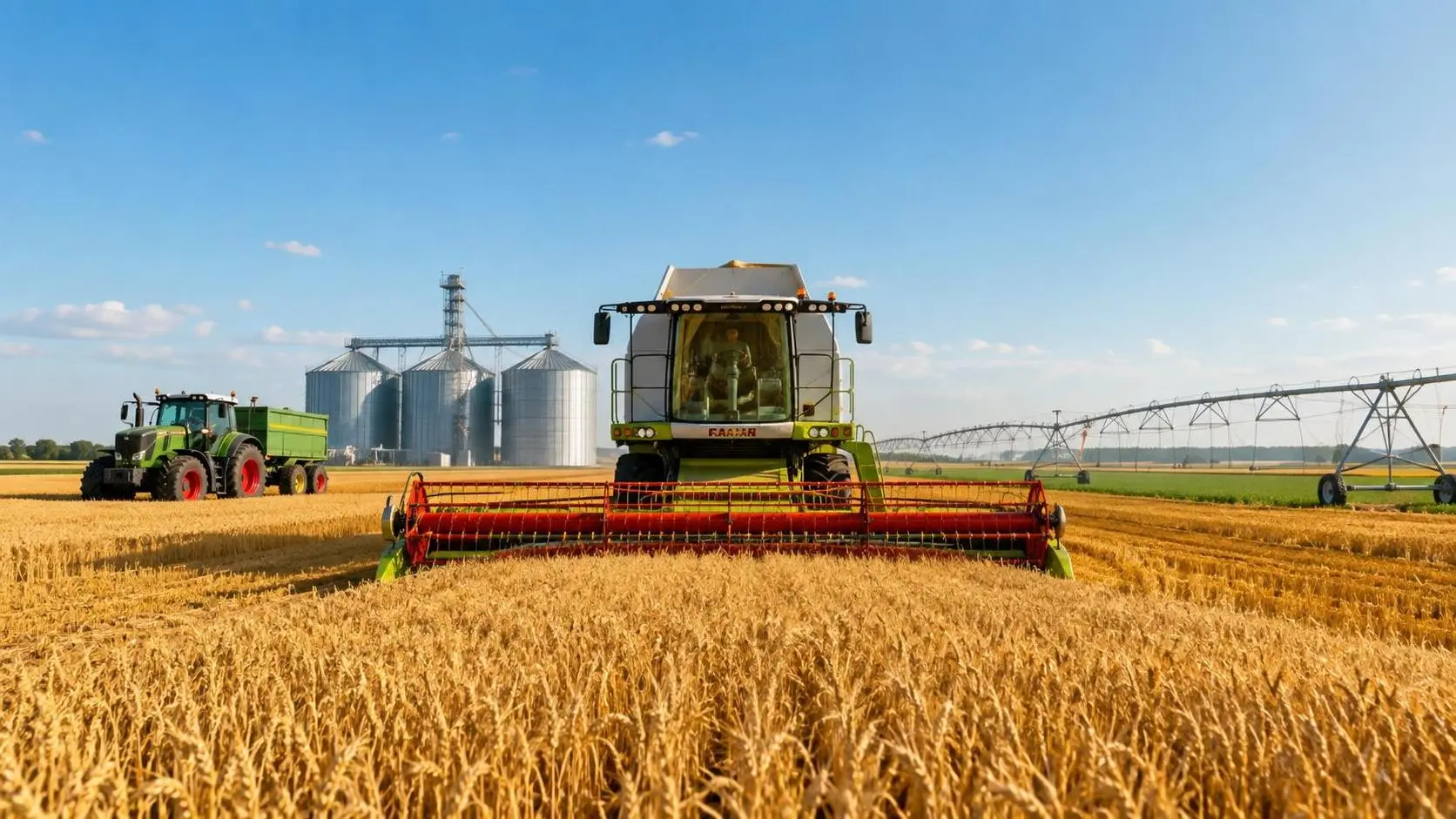
Large-Scale Farm Equipment Cost Comparison: Price, Fuel, and Lifecycle Value
Large-scale farm equipment cost comparison: evaluate price, fuel, maintenance, downtime, and lifecycle value to choose tractors, combines, irrigation, and smart tools with confidence.

A Procurement Specification Preparation Example for Buying Farm Equipment
Procurement specification preparation example for farm equipment: learn to define requirements, compare suppliers, control lifecycle costs, and buy with confidence.

What Tractor Horsepower Is Needed for a Three-Bottom Moldboard Plow?
What tractor horsepower is needed for three-bottom moldboard plow? Compare 60–100 hp needs by soil, depth, traction, and plow width for a confident equipment match.
Related News
- 00
0000-00
Wireless Agricultural Automation for Remote Irrigation and Field Monitoring - 00
0000-00
Designing Water-Saving Drip Irrigation Systems for High-Value Orchards - 00
0000-00
How to Choose Irrigation Solutions for Arid Regions Based on Water Source and Crop Needs - 00
0000-00
How IoT Smart Irrigation Networks Help Farms Cut Water Use and Improve Yield - 00
0000-00
USDA Rule Takes Effect for Drip Irrigation Imports
Popular Tags
Hydrological Resource Strategist
Weekly Insights
Stay ahead with our curated technology reports delivered every Monday.