
Brazil ANVISA Rule Takes Effect on SVHC Migration Reports for PVC Drip Irrigation Parts
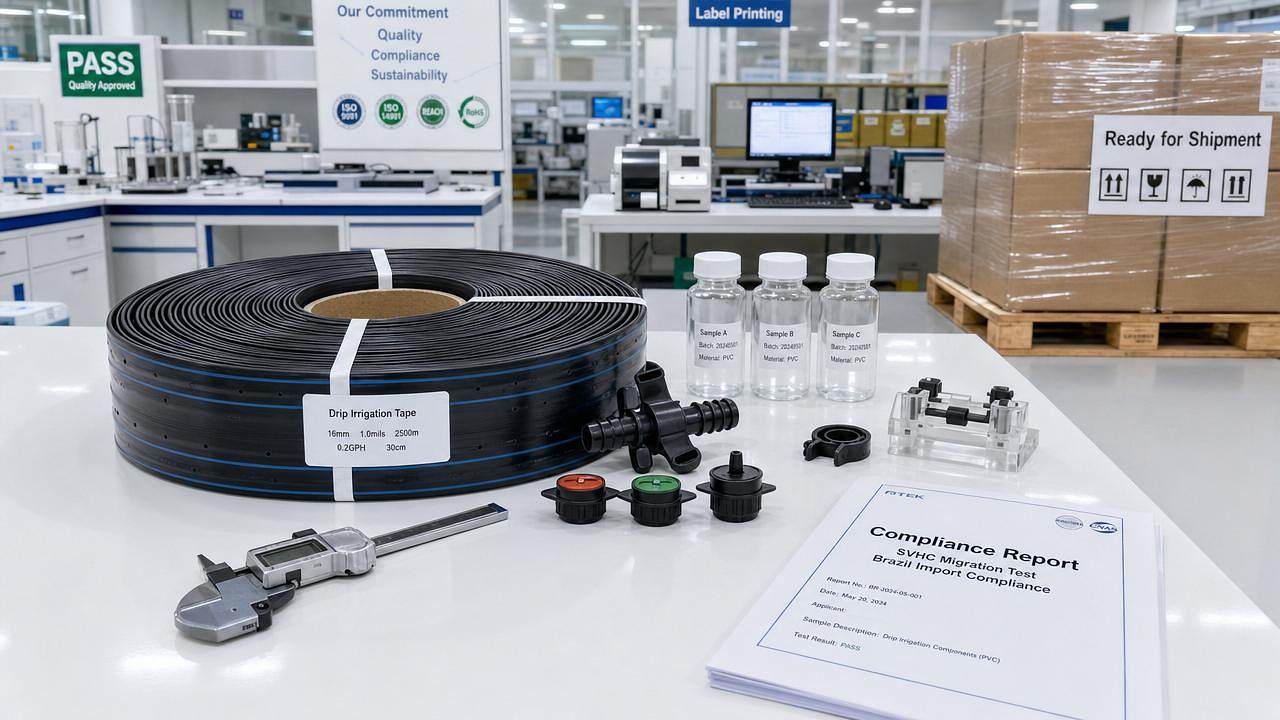




On June 10, 2026, Brazil’s National Health Surveillance Agency (ANVISA) announced an immediate import compliance change for Drip Irrigation Logic products that include polymer components such as PVC and soft rubber. For exporters, importers, component suppliers, and compliance teams serving the Brazilian market, the development deserves close attention because ANVISA now requires an SVHC migration test report equivalent to EU REACH Annex XVII, and products without that documentation will not receive an ANVISA import permit.
What the new ANVISA requirement confirms
According to the information provided, ANVISA stated on June 10, 2026 that imported Drip Irrigation Logic products containing PVC, soft rubber, and other polymer parts are now subject to mandatory SVHC substance migration testing.
The required documentation is a migration test report equivalent to the requirements of EU REACH Annex XVII, based on NBR NM 300-10:2026.
The same information states that if this report is not provided, ANVISA will not issue the import license.
The requirement is described as covering more than 90% of Chinese exports in the categories of drip irrigation tape, pressure-compensating drippers, and smart controller components.
Where the pressure is likely to appear first
Export shipments tied to Brazil-facing documentation
From an industry perspective, direct trading companies are likely to feel the impact first at the customs and licensing stage. The immediate issue is not only product design, but whether shipment files already include the required migration report in a form that supports ANVISA import approval.
Component and finished-product manufacturing coordination
For processors and manufacturers of drip irrigation tape, pressure-compensating drippers, and smart controller assemblies, the issue may extend upstream into component identification and material verification. Analysis shows that any product line using PVC, soft rubber, or similar polymer parts may need closer document matching between finished goods and the specific materials used in production.
Importers and channel partners managing permit risk
Brazil-facing importers, distributors, and channel partners may be affected through approval timing and cargo release planning. What deserves closer attention is whether existing purchase and delivery schedules assumed that standard product dossiers were sufficient, because the new rule makes the migration report a permit condition rather than a supporting reference.
Testing and supply chain service providers supporting compliance
Supply chain service providers, including testing coordinators and documentation teams, may see the main pressure in turnaround time, standard interpretation, and file completeness. Observably, the practical challenge is likely to be less about market demand and more about whether compliance documents can be prepared in time for uninterrupted import procedures.
What companies should watch now
Check product scope against polymer-containing parts
Companies should first identify which Brazil-bound Drip Irrigation Logic products contain PVC, soft rubber, or other polymer components named in the provided information. This matters because the rule is framed around material presence within the product, not only around the product’s commercial category.
Verify whether current reports match the stated standard path
Businesses should review whether existing test files are equivalent to the required REACH Annex XVII-style migration assessment and whether they are aligned with NBR NM 300-10:2026 as stated in the notice summary. Analysis shows that having general compliance paperwork may not be the same as having the exact report needed for import licensing.
Reassess lead times for Brazil shipments
Import permit issuance is directly linked to report availability under the provided information, so teams handling sales, logistics, and customer communication should review shipment timing assumptions. What deserves closer attention is the potential gap between order confirmation and permit readiness if testing or document supplementation is still pending.
Maintain close communication with suppliers and customers
For companies using outsourced components or multi-party assembly structures, supplier-side material declarations and customer-side delivery expectations both become more sensitive. A practical focus now is to clarify document responsibility early, especially where the exporter, component supplier, and Brazilian importer are not the same party.
Why this reads as more than a routine filing update
Observably, this development should not be read only as a paperwork adjustment. Analysis shows that ANVISA is tying import approval more directly to substance migration evidence for polymer-containing irrigation products, which raises the operational importance of material compliance files in a category that may previously have been managed more through standard trade documentation.
It is more appropriate to understand this as an immediate compliance change with a longer-term regulatory signal. The immediate change is clear because the rule is effective at once and linked to import permit issuance. The longer-term signal is that material-specific testing expectations may become a more visible part of market access management for this product segment. At the same time, because the input does not provide fuller implementation detail beyond the summary, some practical interpretation points still require continued observation rather than firm conclusions.
How the market may need to frame this development
Based on the information provided, the most rational reading is that this is a compliance-triggering event for Brazil-bound drip irrigation products containing specified polymer parts, especially for product categories already widely exported from China. It does not by itself confirm broader market outcomes, but it does indicate that documentation quality, test applicability, and permit timing now deserve more management attention than before.
For industry participants, the near-term task is to separate confirmed requirements from open implementation questions, while ensuring that affected products are not treated as routine shipments. In that sense, this is best understood as an active regulatory development with immediate operational consequences and a need for continued monitoring.
Basis of this article and follow-up verification
This article is generated from the user-provided news title, event date, and event summary. The confirmed factual basis used here is limited to the stated ANVISA announcement date of June 10, 2026, the immediate application of mandatory SVHC migration testing for relevant imported Drip Irrigation Logic products, the reference to an equivalent EU REACH Annex XVII migration report under NBR NM 300-10:2026, the link to ANVISA import permit issuance, and the stated coverage of more than 90% of Chinese exports in the listed product categories.
For this type of industry update, commonly relevant source categories may include official regulatory notices, company notices, industry association updates, authoritative media reporting, and standard-setting documents. No specific official source link was provided in the input, so the exact official link remains to be independently verified. Continued follow-up should focus on any further ANVISA wording, implementation clarifications, and document acceptance details affecting import practice.
Related News

How North American Farms Can Select Crop Monitoring Systems by Acreage and Connectivity
Crop monitoring systems North America: learn how to match acreage, connectivity, sensors, and data workflows for reliable, actionable farm decisions.

Where to Find Reliable Product Information for Comparing Farm Equipment
Product information resources agriculture buyers can trust: compare farm equipment with technical specs, manuals, field data, dealer support, and lifecycle insights.
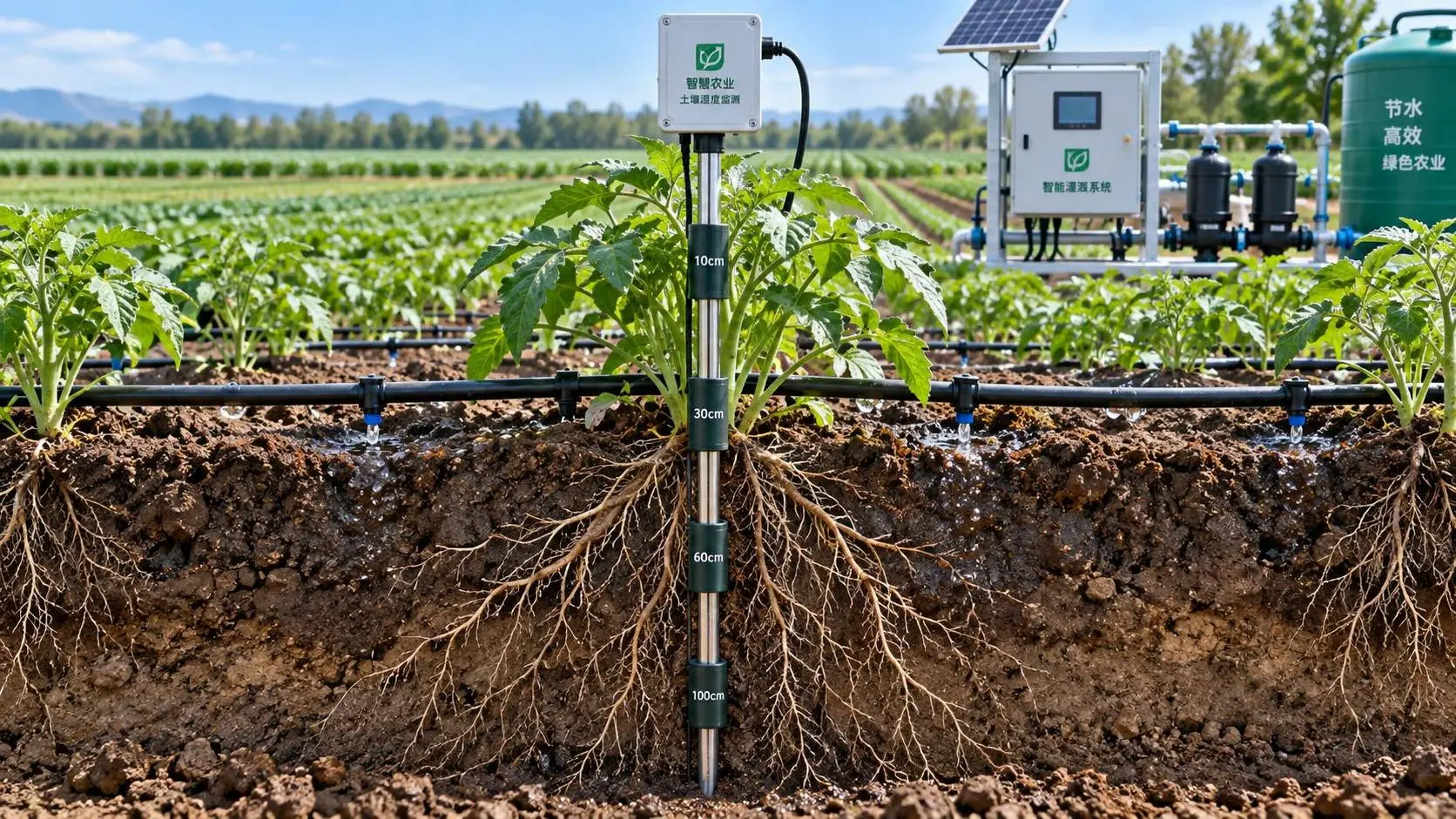
Selecting Real-Time Soil Moisture Sensors for Irrigation Zone Control
Soil moisture sensors real time: learn how to select reliable probes, optimize zone control, improve irrigation decisions, and scale precision water management.

Tractor Hydraulic Systems Troubleshooting: Diagnosing Weak Lift and Slow Implements
Tractor hydraulic systems troubleshooting made practical: diagnose weak lifts and slow implements with proven pressure, flow, valve, and oil-supply checks.
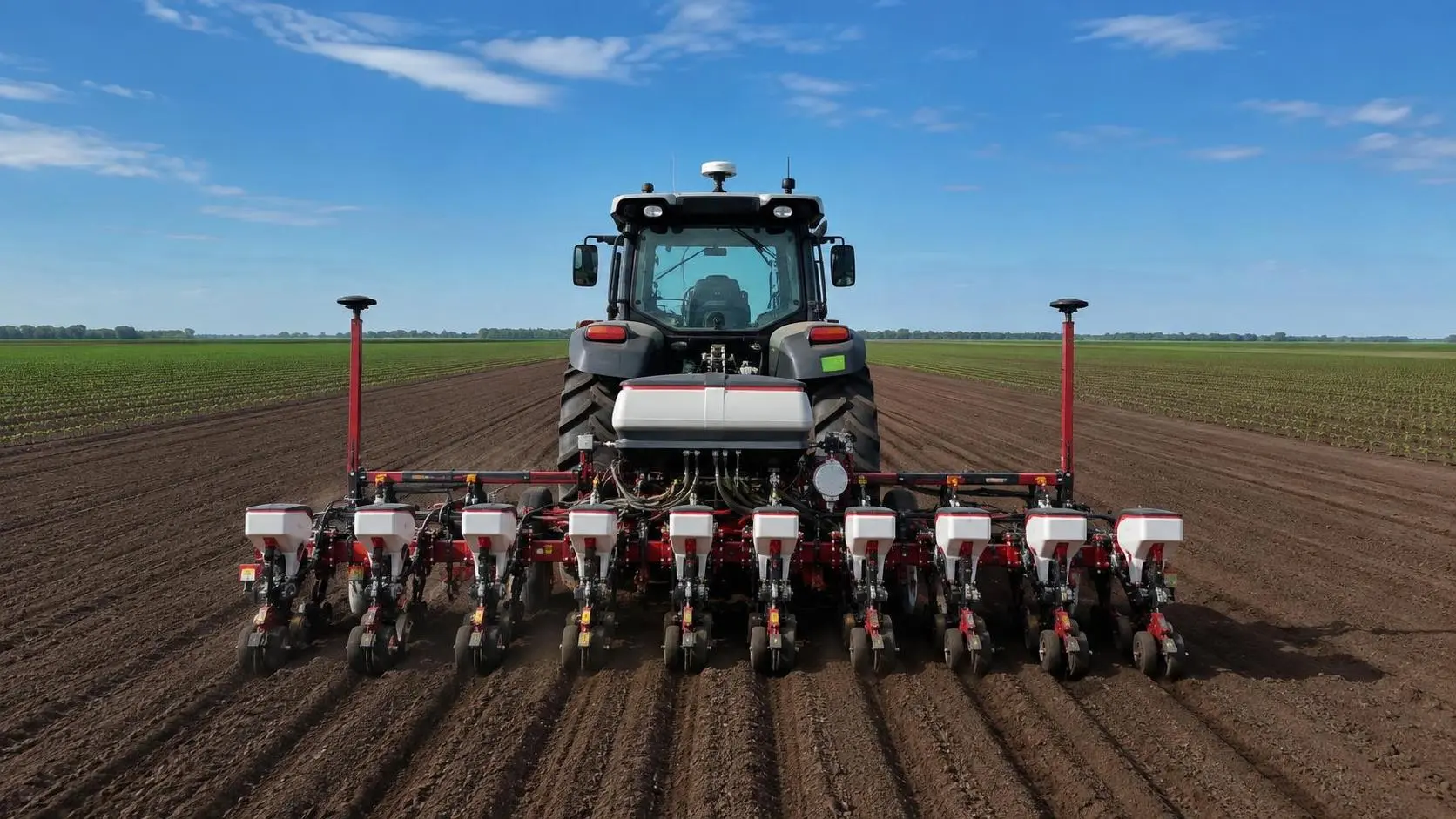
How Tractor Intelligence Systems Improve Field Efficiency and Input Accuracy
Agricultural machinery intelligence for tractors improves field efficiency, input accuracy, data traceability, and implement control. Explore smarter evaluation strategies.
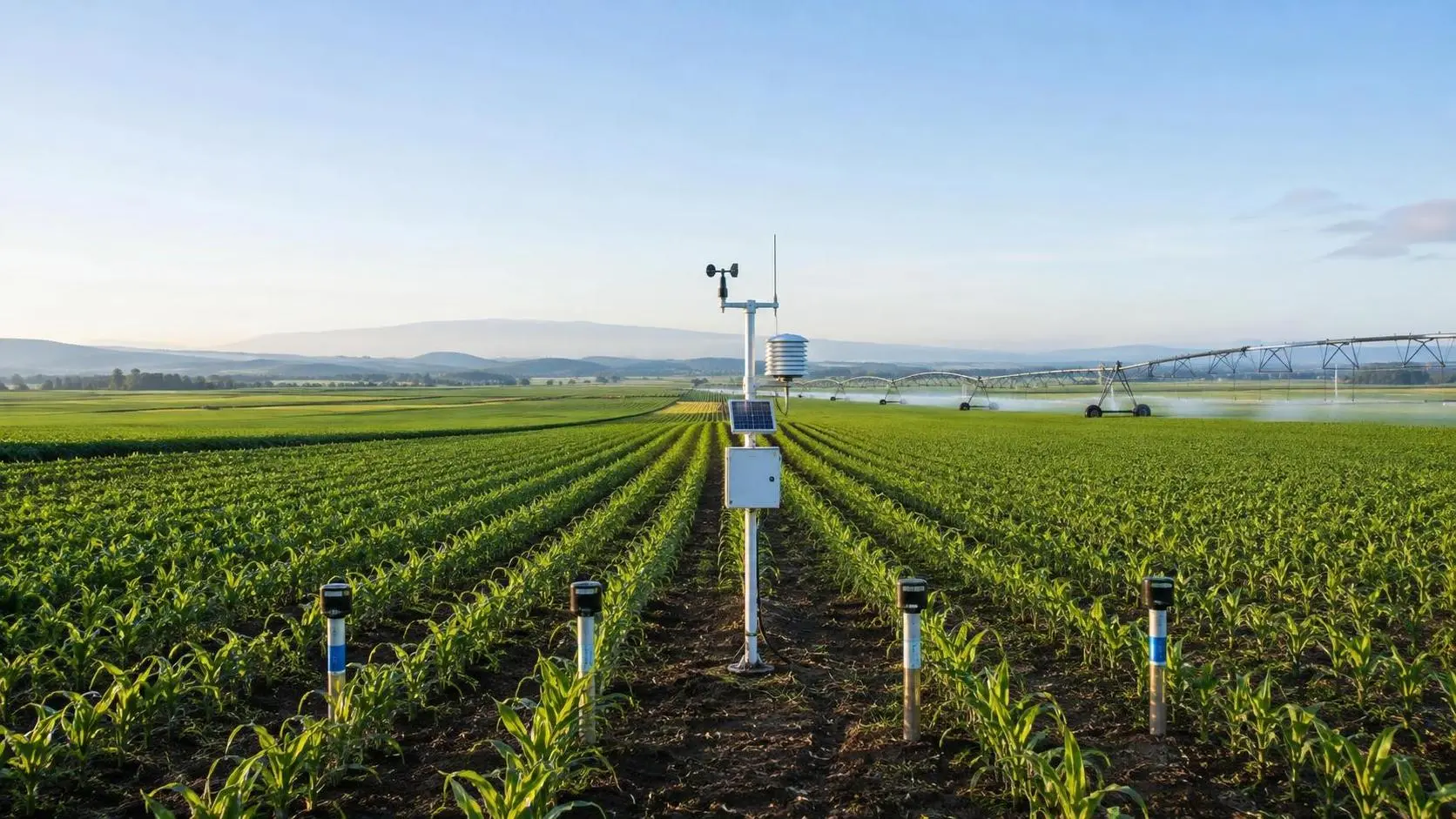
How to Evaluate Crop Monitoring System Manufacturers for Large-Scale Farms
Compare crop monitoring systems manufacturers for large-scale farms. Evaluate data quality, integration, durability, lifecycle costs, support, and pilots for smarter decisions.
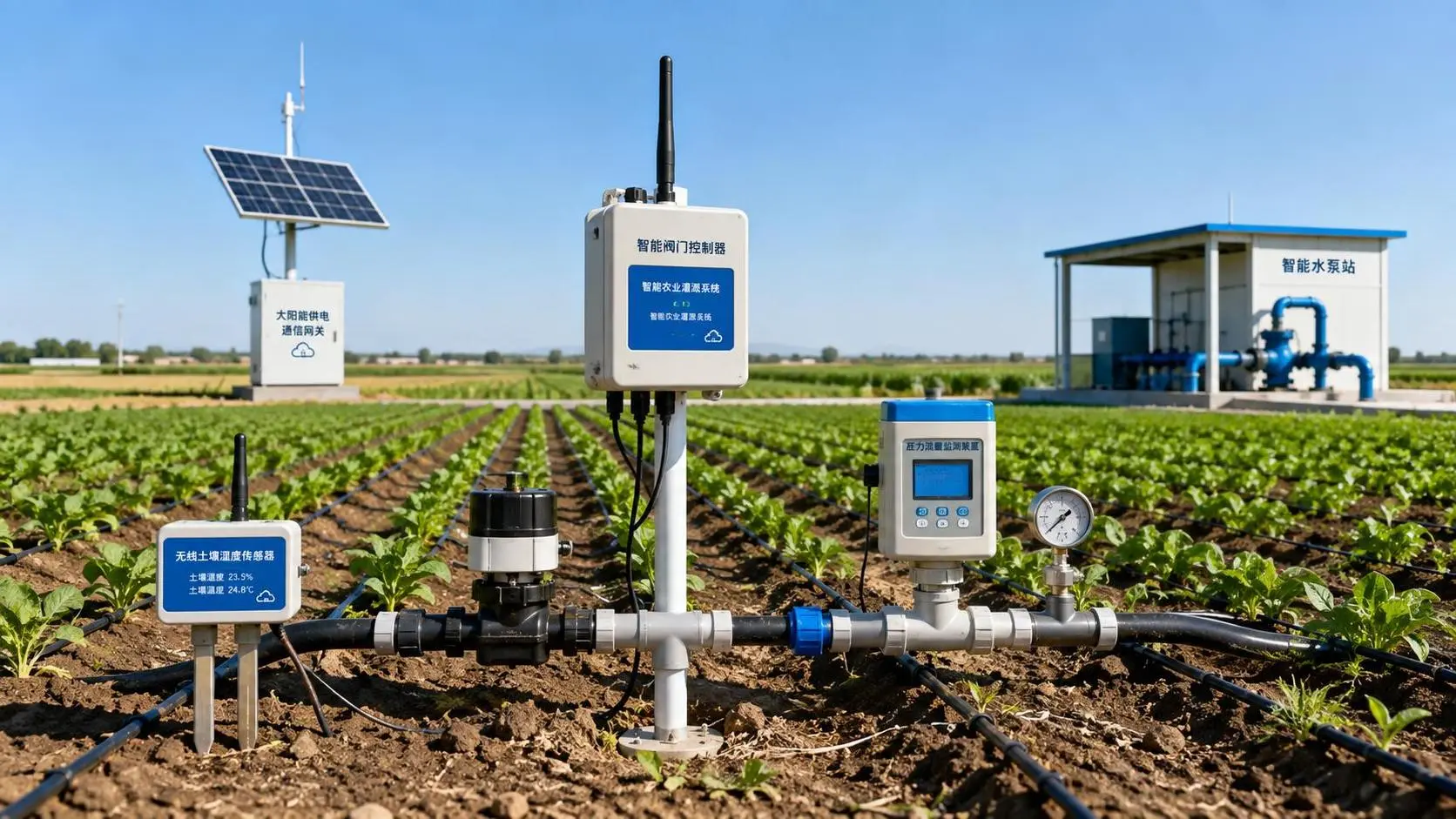
Wireless Agricultural Automation for Remote Irrigation and Field Monitoring
Agricultural automation wireless solutions improve remote irrigation with reliable field data, local control, flow verification, and smarter monitoring. Explore resilient deployment strategies.
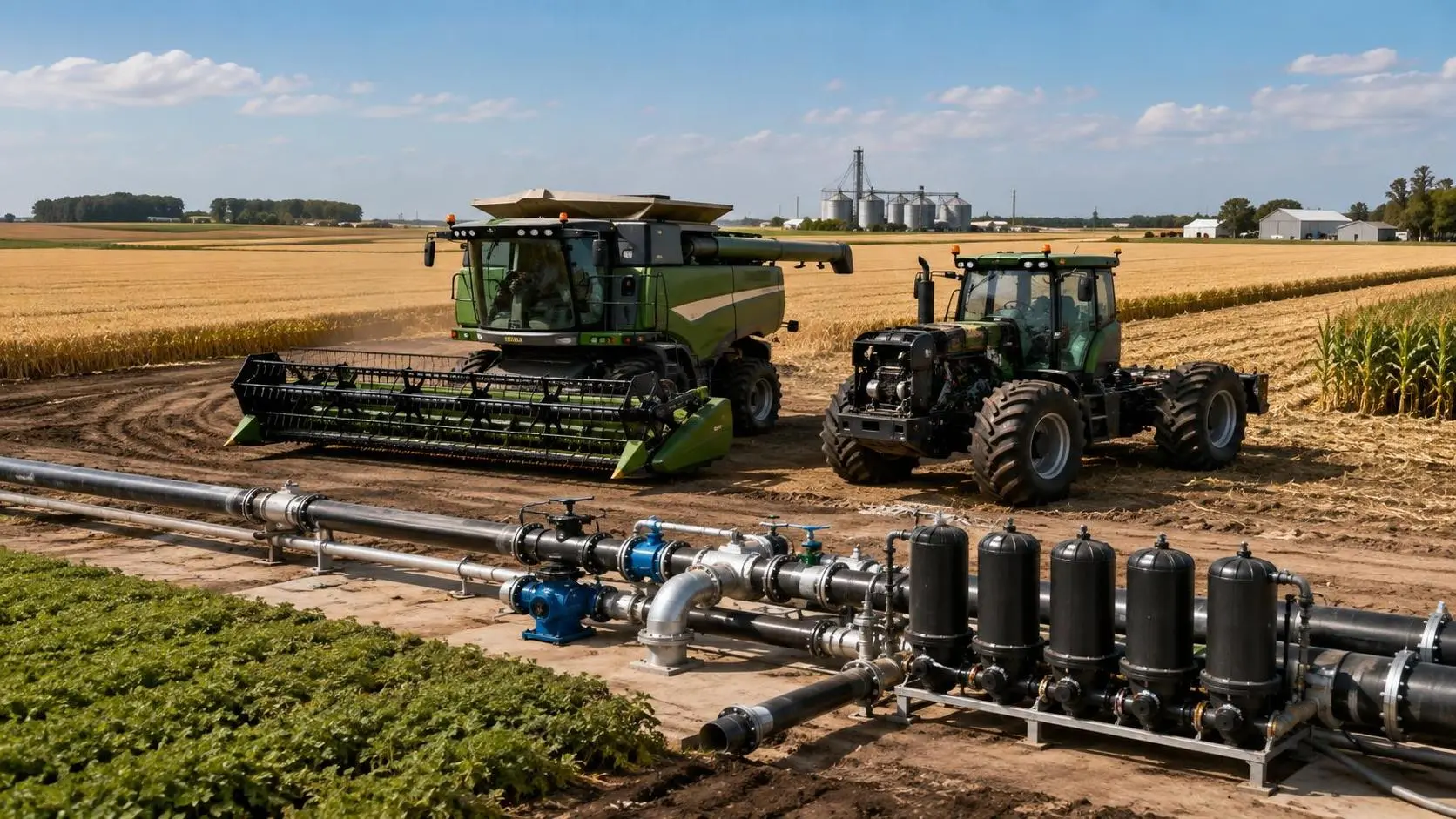
Agricultural Product Information Market Guide: Key Data for Sourcing Decisions
Agricultural product information market guide for smarter sourcing—compare machinery, irrigation, precision tools, lifecycle costs, and supplier risk.

Large-Scale Farm Equipment Cost Comparison: Price, Fuel, and Lifecycle Value
Large-scale farm equipment cost comparison: evaluate price, fuel, maintenance, downtime, and lifecycle value to choose tractors, combines, irrigation, and smart tools with confidence.
Related News
- 00
0000-00
Wireless Agricultural Automation for Remote Irrigation and Field Monitoring - 00
0000-00
Designing Water-Saving Drip Irrigation Systems for High-Value Orchards - 00
0000-00
How to Choose Irrigation Solutions for Arid Regions Based on Water Source and Crop Needs - 00
0000-00
How IoT Smart Irrigation Networks Help Farms Cut Water Use and Improve Yield - 00
0000-00
USDA Rule Takes Effect for Drip Irrigation Imports
Popular Tags
Hydrological Resource Strategist
Weekly Insights
Stay ahead with our curated technology reports delivered every Monday.