
Smart Irrigation Outlook Meets Stricter Gulf Tender Rules
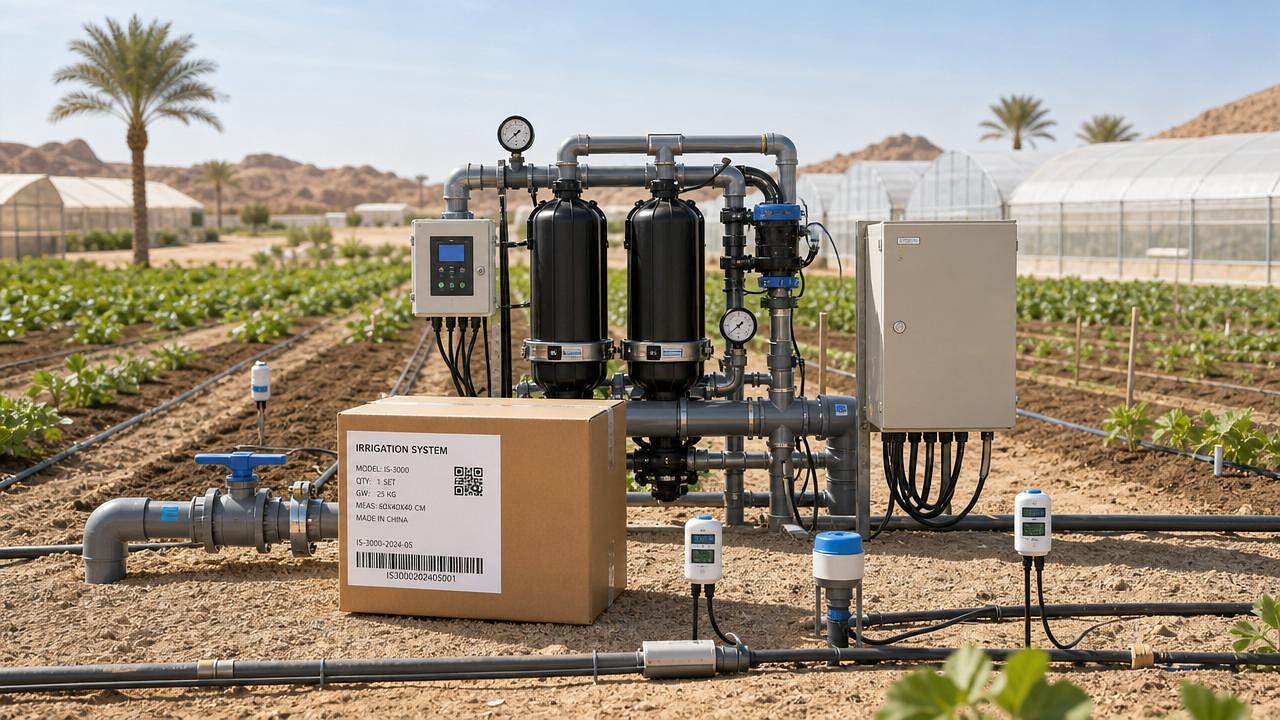




On May 1, 2026, market attention turned to two developments embedded in IMARC Group’s May 2026 report on agricultural equipment: the global smart irrigation market is projected to expand from USD 188.8 billion in 2025 to USD 264.6 billion by 2034 at a 3.82% compound annual growth rate, while newly launched large-scale drip irrigation projects in Saudi Arabia and the UAE from 2026 onward are requiring ISO 15223-2:2025 as a mandatory entry condition. For exporters, project suppliers, compliance teams, and buyers involved in Drip Irrigation Logic-related products, this is worth watching because the growth story and the access threshold are now moving at the same time.
What the report and tender shift confirm
IMARC Group’s Global Agricultural Equipment Market Report (2026–2034), released in May 2026, states that the global smart irrigation market is expected to rise from USD 188.8 billion in 2025 to USD 264.6 billion in 2034. The report identifies a 3.82% compound annual growth rate over that period.
The same report specifically notes that newly initiated large drip irrigation projects in Saudi Arabia and the UAE from 2026, including Phase II of the NEOM agricultural zone, have made ISO 15223-2:2025 mandatory for access. According to the input information, this requirement includes digital identification and traceability elements and replaces the previous reliance on basic ISO 9001 certification as the admission baseline.
The report also indicates that this change affects the export compliance pathway for Drip Irrigation Logic-type products.
Where the immediate pressure is likely to appear
Export-facing product suppliers may face a compliance reset
From an industry perspective, suppliers targeting large drip irrigation projects in Saudi Arabia and the UAE may be affected first because market access is tied directly to tender eligibility. The main impact is likely to appear in pre-qualification, bid documentation, and product readiness for export, especially where companies previously treated ISO 9001 as the core baseline.
Manufacturers may need to recheck product data and traceability workflows
Analysis shows that the reference to digital identification and traceability is significant for manufacturing and quality functions. The potential impact is not limited to certification labels; it may also touch internal product records, document control, and how technical compliance is presented to project owners or procurement teams.
Project buyers and procurement teams are likely to tighten screening earlier
For procurement-side participants, the change matters because certification now appears to be part of market-entry control rather than a secondary quality preference. What deserves closer attention is whether supplier screening, bid comparison, and delivery acceptance procedures increasingly start from ISO 15223-2:2025 readiness rather than from broader quality-management claims.
Supply chain and service partners may be drawn into documentation demands
Observably, logistics, certification support, and project delivery partners may also feel the effect if customers ask for more complete traceability-related materials during export preparation or contract execution. The pressure point here is likely to be documentation completeness, handover timing, and alignment between product information and tender requirements.
Practical points companies should watch now
Watch how the requirement is described in project documents
Analysis shows that companies should pay close attention to how ISO 15223-2:2025 is written into tender, supplier registration, and qualification materials. The key issue is not only that the standard is named, but how its digital identification and traceability requirements are interpreted in actual procurement practice.
Review which product lines are exposed first
What deserves closer attention is the exposure of Drip Irrigation Logic-related products intended for large projects in Saudi Arabia and the UAE. Companies with mixed regional portfolios may need to distinguish between products serving these tenders and products sold into markets where the same access condition has not been confirmed in the input information.
Prepare certification and supporting records before bid timing becomes critical
From an industry perspective, the practical risk is not only failing a final review but missing early-stage qualification windows. Firms involved in export, compliance, and sales coordination should therefore focus on whether certification status, technical files, and traceability-related records can be presented in a way that matches customer and project expectations.
Separate market growth narratives from project entry requirements
Observably, the market growth projection and the stricter tender threshold should not be treated as the same issue. A larger smart irrigation market may support opportunity, but access to specific Gulf projects may depend on compliance readiness rather than demand alone. That distinction matters for pricing, pipeline planning, and customer communication.
Why this looks like more than a routine standards update
Analysis shows that this development carries two messages at once. First, the report supports a steady expansion outlook for smart irrigation through 2034. Second, it signals that in at least some Gulf project contexts, the definition of acceptable supplier readiness is becoming more specific and more documentation-driven.
It is more appropriate to understand this as a concrete short-term access change within certain tenders and a longer-term signal about how project-grade compliance may evolve in export markets. At the same time, this should still be treated as an area requiring continued observation, because the input information does not establish whether the same requirement will spread uniformly across all projects, product categories, or regional buyers.
How this development is best understood for now
In practical terms, the IMARC report does more than present a market-size forecast. It links demand outlook with a visible shift in tender eligibility for large drip irrigation projects in Saudi Arabia and the UAE. For businesses active in smart irrigation and Drip Irrigation Logic-related exports, the current takeaway is measured but clear: growth potential remains relevant, yet compliance positioning may now shape who can participate in specific opportunities and on what timeline.
At this stage, it is more appropriate to read the news as a meaningful market-access signal rather than as a universal rule for the entire sector. The commercial implication is immediate enough for affected suppliers to review, but the broader industry effect still deserves close monitoring.
Basis of this article and what still needs verification
This article is generated based on the user-provided news title, event date, and event summary. The analysis relies on the stated points that IMARC Group released its Global Agricultural Equipment Market Report (2026–2034) in May 2026, projected smart irrigation market growth from 2025 to 2034, and noted the ISO 15223-2:2025 requirement for newly launched large drip irrigation projects in Saudi Arabia and the UAE from 2026.
For this type of industry development, source categories that usually require ongoing review include official tender notices, company announcements, industry association updates, authoritative media reporting, and standard-setting organization documents. A specific official source link was not provided in the input, so further verification remains necessary. Continued attention should focus on future tender wording, any formal clarification of ISO 15223-2:2025 application scope, and whether similar access requirements appear in other project pipelines.
Related News

How North American Farms Can Select Crop Monitoring Systems by Acreage and Connectivity
Crop monitoring systems North America: learn how to match acreage, connectivity, sensors, and data workflows for reliable, actionable farm decisions.

Where to Find Reliable Product Information for Comparing Farm Equipment
Product information resources agriculture buyers can trust: compare farm equipment with technical specs, manuals, field data, dealer support, and lifecycle insights.
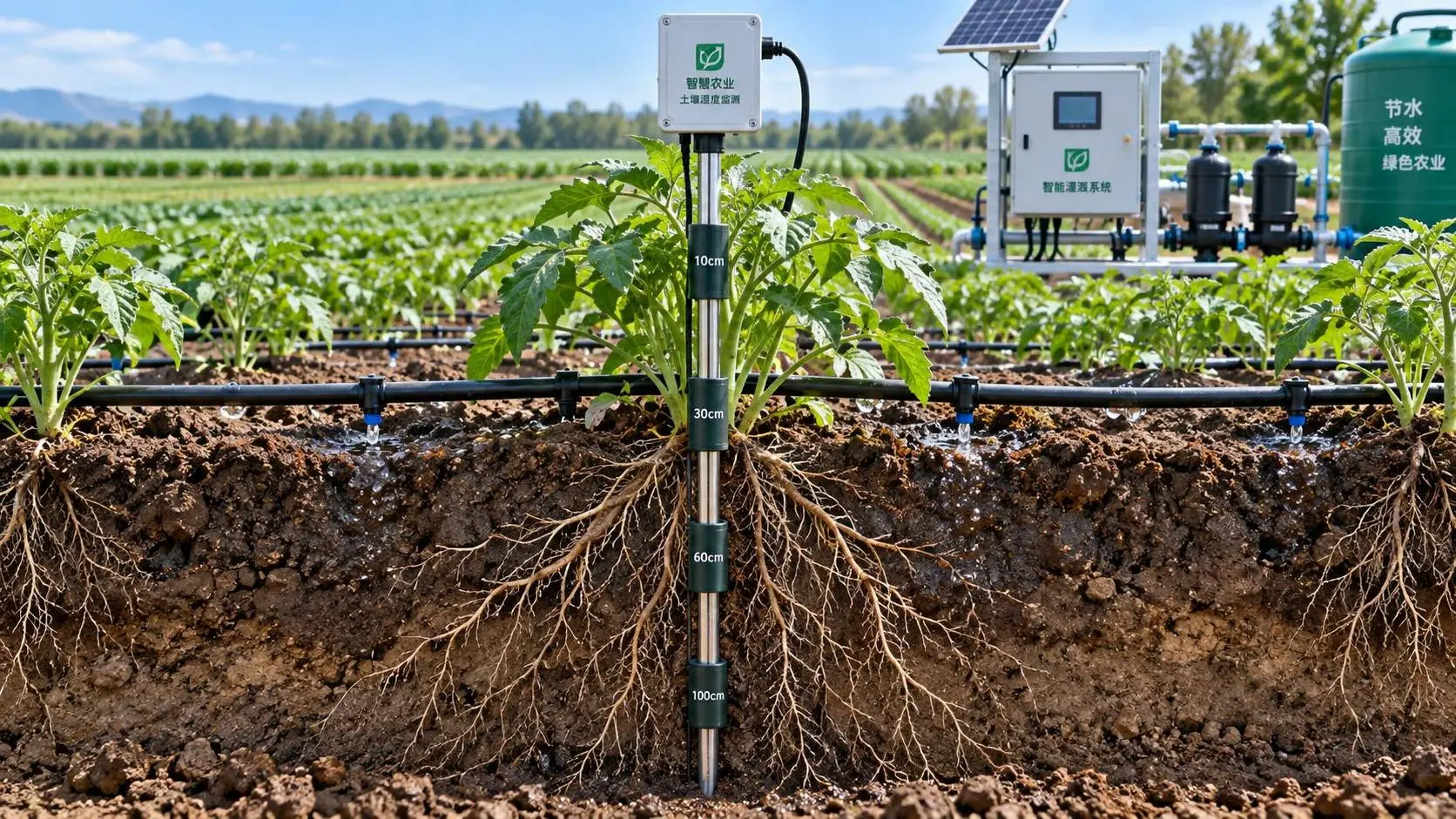
Selecting Real-Time Soil Moisture Sensors for Irrigation Zone Control
Soil moisture sensors real time: learn how to select reliable probes, optimize zone control, improve irrigation decisions, and scale precision water management.
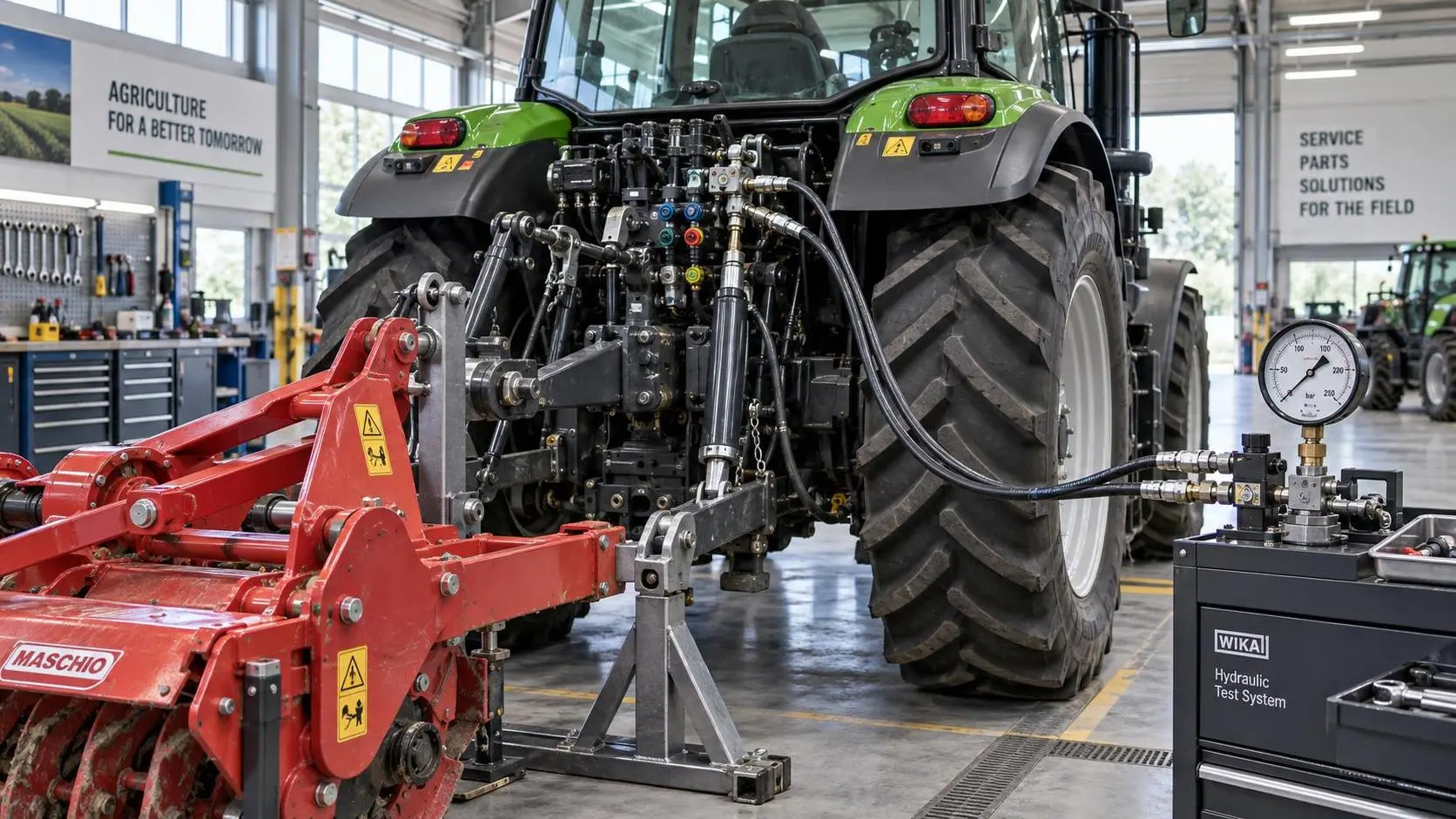
Tractor Hydraulic Systems Troubleshooting: Diagnosing Weak Lift and Slow Implements
Tractor hydraulic systems troubleshooting made practical: diagnose weak lifts and slow implements with proven pressure, flow, valve, and oil-supply checks.
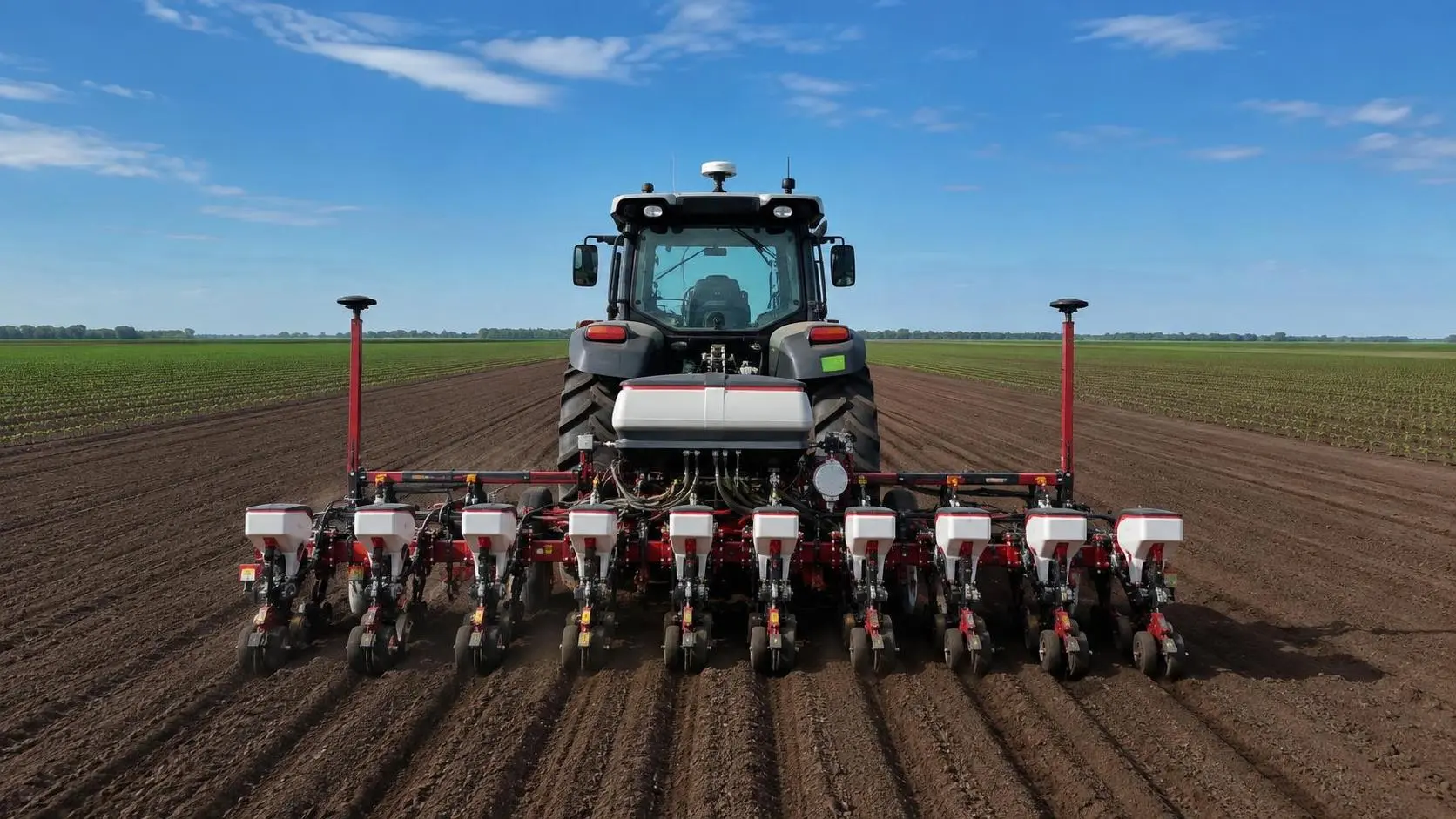
How Tractor Intelligence Systems Improve Field Efficiency and Input Accuracy
Agricultural machinery intelligence for tractors improves field efficiency, input accuracy, data traceability, and implement control. Explore smarter evaluation strategies.
How to Evaluate Crop Monitoring System Manufacturers for Large-Scale Farms
Compare crop monitoring systems manufacturers for large-scale farms. Evaluate data quality, integration, durability, lifecycle costs, support, and pilots for smarter decisions.
Wireless Agricultural Automation for Remote Irrigation and Field Monitoring
Agricultural automation wireless solutions improve remote irrigation with reliable field data, local control, flow verification, and smarter monitoring. Explore resilient deployment strategies.
Agricultural Product Information Market Guide: Key Data for Sourcing Decisions
Agricultural product information market guide for smarter sourcing—compare machinery, irrigation, precision tools, lifecycle costs, and supplier risk.
Large-Scale Farm Equipment Cost Comparison: Price, Fuel, and Lifecycle Value
Large-scale farm equipment cost comparison: evaluate price, fuel, maintenance, downtime, and lifecycle value to choose tractors, combines, irrigation, and smart tools with confidence.
Related News
- 00
0000-00
Wireless Agricultural Automation for Remote Irrigation and Field Monitoring - 00
0000-00
Designing Water-Saving Drip Irrigation Systems for High-Value Orchards - 00
0000-00
How to Choose Irrigation Solutions for Arid Regions Based on Water Source and Crop Needs - 00
0000-00
How IoT Smart Irrigation Networks Help Farms Cut Water Use and Improve Yield - 00
0000-00
USDA Rule Takes Effect for Drip Irrigation Imports
Popular Tags
Hydrological Resource Strategist
Weekly Insights
Stay ahead with our curated technology reports delivered every Monday.