
Middle East Raises Bar for Smart Irrigation Exports
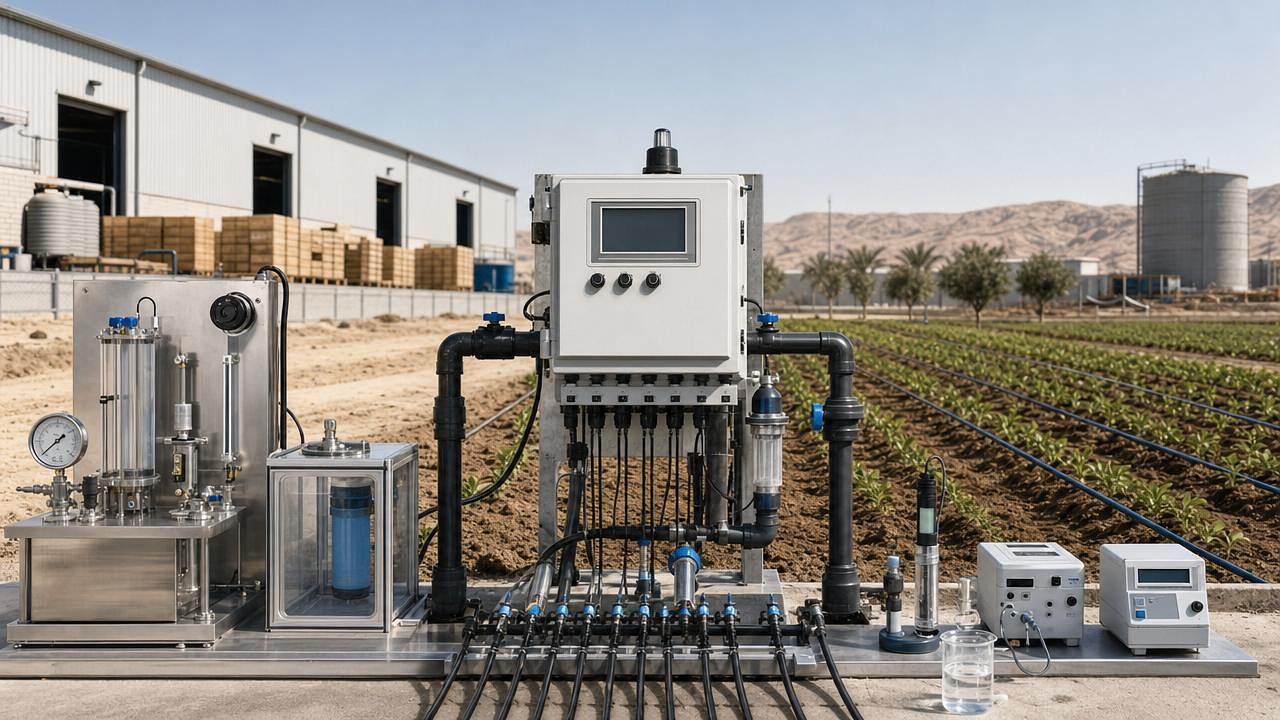




On June 1, 2026, a new compliance threshold came into clearer focus for Chinese smart irrigation equipment exporters targeting the Middle East. According to an IMARC industry brief, major drip irrigation tenders in Saudi Arabia and the United Arab Emirates began fully applying ISO 15223-2:2025 from June 2026, replacing earlier supplementary ISO 9001 requirements. The change is especially relevant to exporters of Drip Irrigation Logic systems, as well as project bidders, manufacturers, certification-facing teams, and delivery managers, because market access and lead times may now depend more directly on whether products can meet the new validation and testing requirements.
What the new tender requirement confirms
The confirmed information is narrow but commercially important. From June 2026, major drip irrigation project tenders in Saudi Arabia and the UAE are implementing ISO 15223-2:2025 as a mandatory standard. Under the brief, all Drip Irrigation Logic systems are required to pass dynamic hydraulic model validation and saline-alkali stress condition testing. The new standard replaces supplementary clauses previously tied to ISO 9001, and the shift directly affects market-entry qualification and delivery timing for Chinese export companies.
Where the pressure is likely to appear first
Bid qualification may tighten before shipment begins
From an industry perspective, the most immediate pressure point is likely to sit at the tender-entry stage rather than at the final shipping stage alone. Export-oriented trading companies and project bidders may be affected because qualification documents, technical submissions, and proof of compliance could become more central to whether they can participate in major drip irrigation tenders in these markets.
Manufacturing schedules may become more sensitive to validation steps
Analysis shows that manufacturers of Drip Irrigation Logic systems may feel the impact through product verification and production planning. If dynamic hydraulic model validation and saline-alkali stress testing become practical gatekeepers for acceptance, the timing of testing, technical review, and release for delivery may require closer coordination with production and export schedules.
Delivery and contract execution may face new timing risks
Supply-chain service providers and contract execution teams may also need to watch the issue closely. The confirmed fact that the standard directly affects delivery cycles suggests that certification readiness, supporting documentation, and timing alignment between factory output and project submission could become more consequential in cross-border execution.
What companies should watch now
Track how the requirement is expressed in tender documents
What deserves closer attention is the exact wording used in project tenders after June 2026. The policy signal is already clear in the brief, but in practical business terms, companies still need to focus on how mandatory compliance is reflected in bidder qualifications, technical specifications, and submission requirements.
Review whether current documentation supports the new standard
For exporters and factory compliance teams, a key practical question is whether existing technical files, validation materials, and test-related documents are sufficient for ISO 15223-2:2025-based review. This is not a generic management issue; it is directly tied to whether a company can respond to new tender conditions without avoidable delay.
Reassess delivery promises made to overseas clients
Because the brief explicitly links the standard change to delivery cycles, sales teams and project managers may need to revisit lead-time assumptions in ongoing or upcoming discussions with Middle East customers. Observably, the risk is not only whether a product qualifies, but whether compliance work changes the sequence of approval, production, and shipment.
Prepare internal coordination between commercial and technical teams
Analysis shows that this development is likely to require closer communication between bidding teams, engineering teams, quality teams, and export operations. The critical issue is not broad organizational reform, but whether the business side and technical side are aligned on the evidence needed for market access under the updated standard.
Why this looks like more than a routine wording change
This section is analysis rather than confirmed fact. It is more appropriate to understand this as a concrete market-access signal, because the change does not merely adjust general quality language; it points to specific validation and testing conditions for Drip Irrigation Logic systems. At the same time, it should not yet be overstated as a complete reshaping of the export market. Based on the provided information alone, the stronger conclusion is that compliance depth is becoming more visible in procurement decisions, and that companies serving these tenders should continue watching how the requirement is implemented in actual project workflows.
How to read the signal at this stage
The industry significance of this update lies in its direct link between technical compliance and commercial access. For Chinese exporters to Saudi Arabia, the UAE, and similar Middle East drip irrigation projects, the issue is no longer limited to broad quality positioning; it now extends to whether products can meet named validation and stress-test expectations under ISO 15223-2:2025. A neutral reading is that this is already a meaningful short-term operational change, while also serving as a longer-term signal that entry requirements may be moving toward more application-specific technical scrutiny.
Basis of this article and what still needs verification
This article is based on the user-provided news title, event date, and event summary. The immediate factual basis is an IMARC industry brief describing the June 2026 implementation of ISO 15223-2:2025 in major drip irrigation tenders in Saudi Arabia and the UAE. For this type of development, relevant source categories would typically include official tender notices, standard-organization documents, company compliance disclosures, industry association updates, and reporting by authoritative trade media. No specific official source link was provided in the input, so the exact documentary basis still requires ongoing verification. Continued attention should focus on subsequent official wording, tender-level implementation details, and any further clarification on qualification and delivery requirements.
Related News
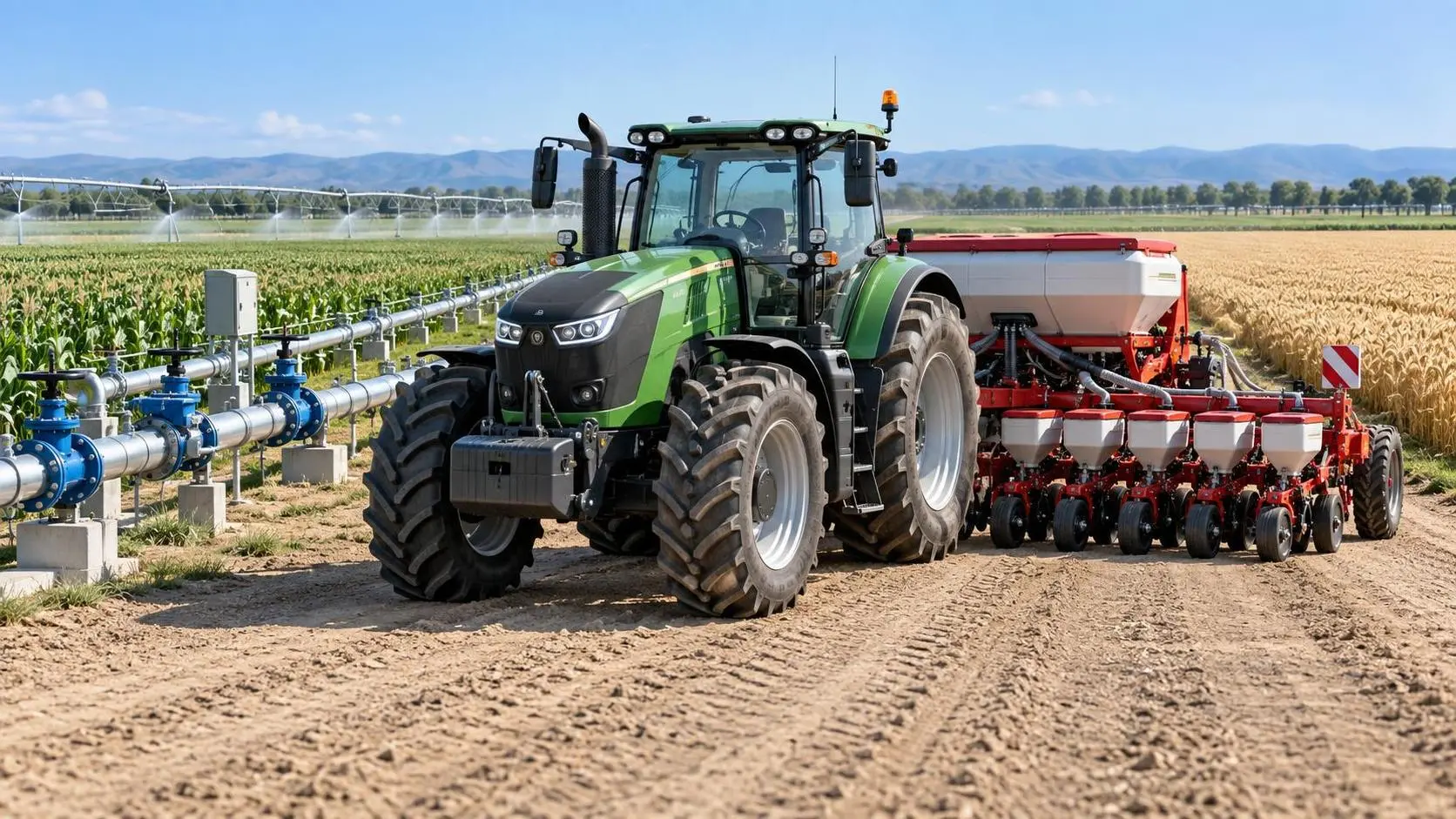
Specification Planning: A Practical Framework for Defining Equipment Requirements
Application guidance for specification planning: define measurable equipment requirements, prioritize performance, and avoid costly procurement mistakes.

How North American Farms Can Select Crop Monitoring Systems by Acreage and Connectivity
Crop monitoring systems North America: learn how to match acreage, connectivity, sensors, and data workflows for reliable, actionable farm decisions.

Where to Find Reliable Product Information for Comparing Farm Equipment
Product information resources agriculture buyers can trust: compare farm equipment with technical specs, manuals, field data, dealer support, and lifecycle insights.
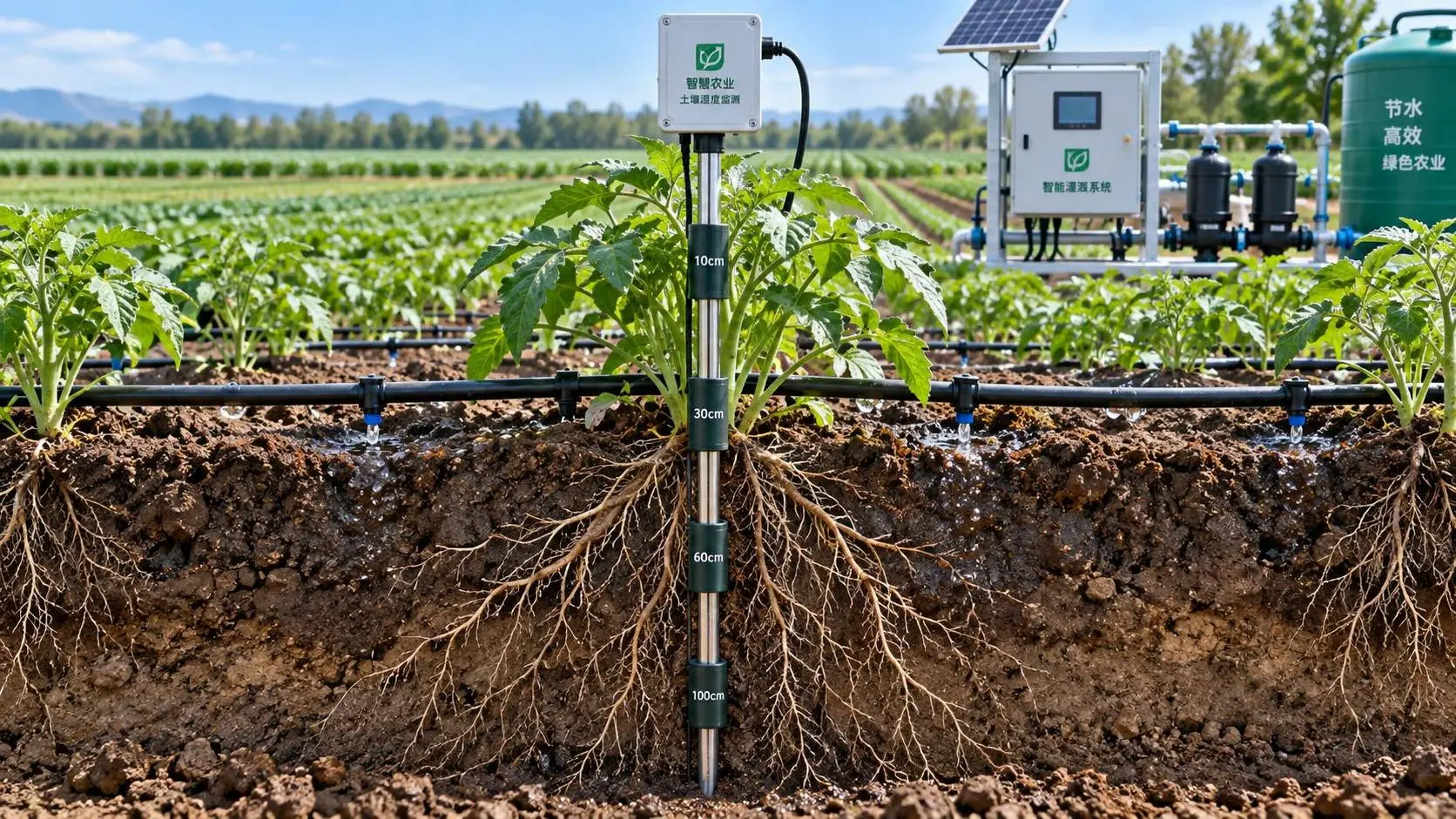
Selecting Real-Time Soil Moisture Sensors for Irrigation Zone Control
Soil moisture sensors real time: learn how to select reliable probes, optimize zone control, improve irrigation decisions, and scale precision water management.
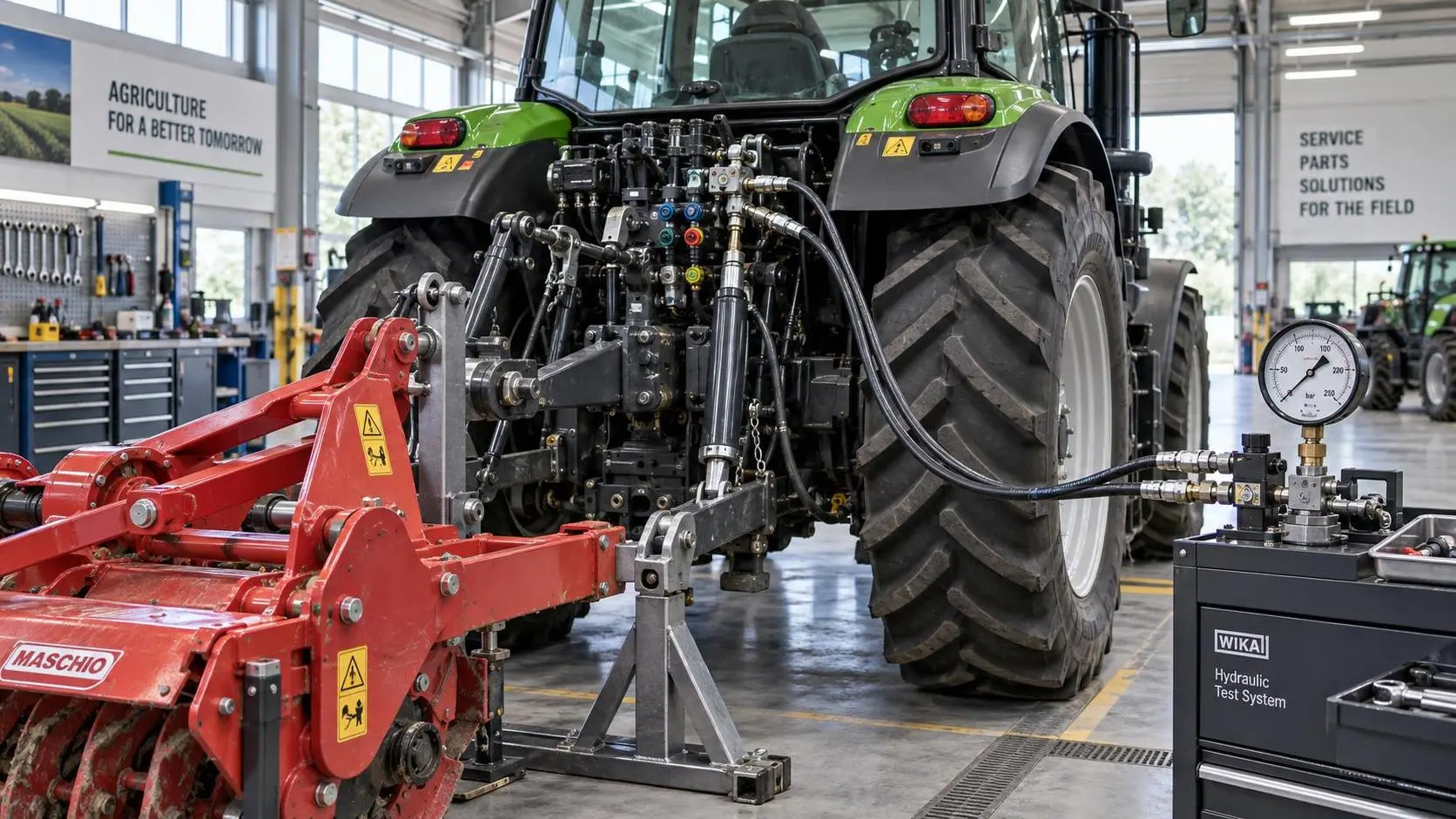
Tractor Hydraulic Systems Troubleshooting: Diagnosing Weak Lift and Slow Implements
Tractor hydraulic systems troubleshooting made practical: diagnose weak lifts and slow implements with proven pressure, flow, valve, and oil-supply checks.
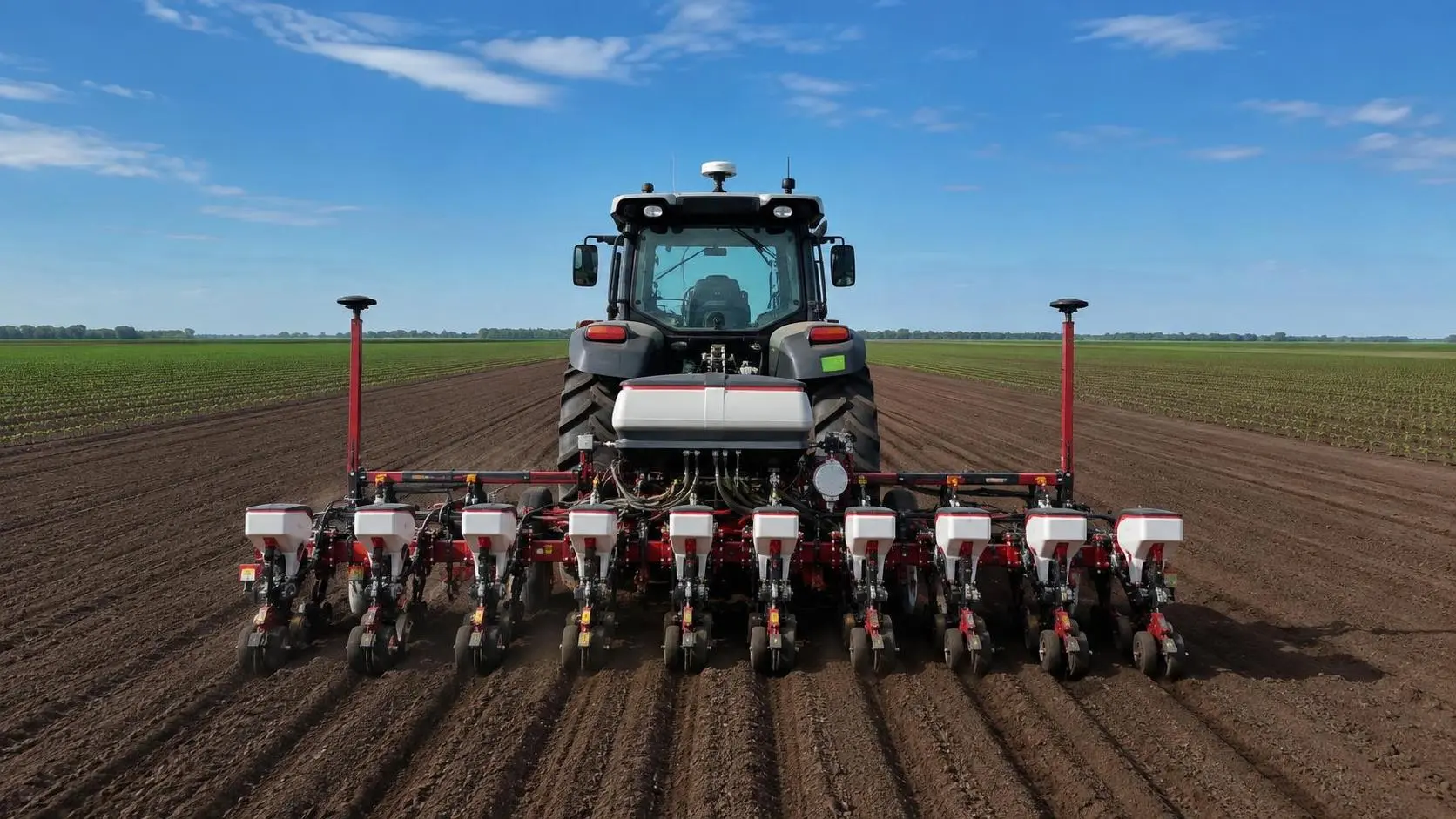
How Tractor Intelligence Systems Improve Field Efficiency and Input Accuracy
Agricultural machinery intelligence for tractors improves field efficiency, input accuracy, data traceability, and implement control. Explore smarter evaluation strategies.
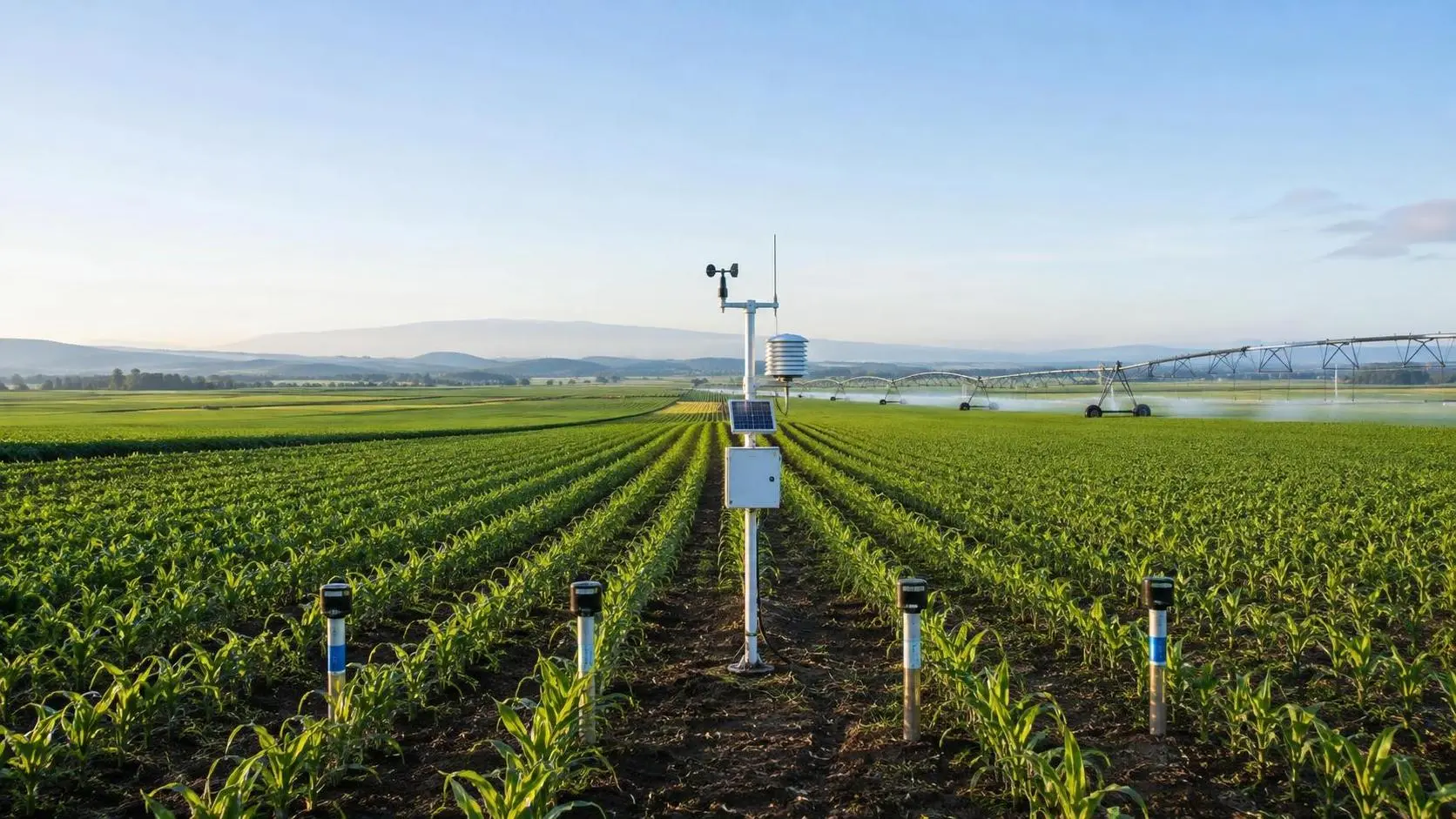
How to Evaluate Crop Monitoring System Manufacturers for Large-Scale Farms
Compare crop monitoring systems manufacturers for large-scale farms. Evaluate data quality, integration, durability, lifecycle costs, support, and pilots for smarter decisions.
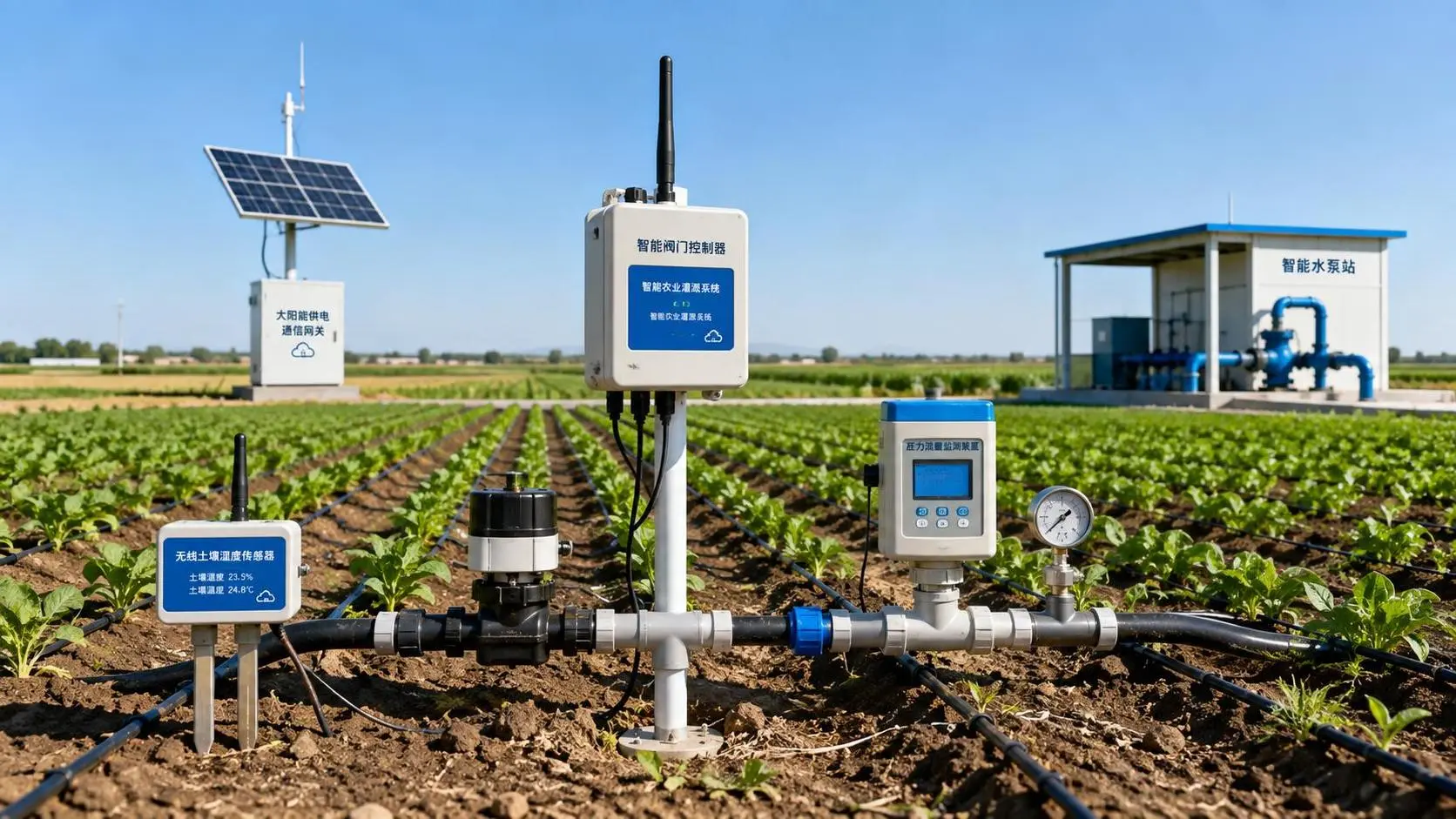
Wireless Agricultural Automation for Remote Irrigation and Field Monitoring
Agricultural automation wireless solutions improve remote irrigation with reliable field data, local control, flow verification, and smarter monitoring. Explore resilient deployment strategies.
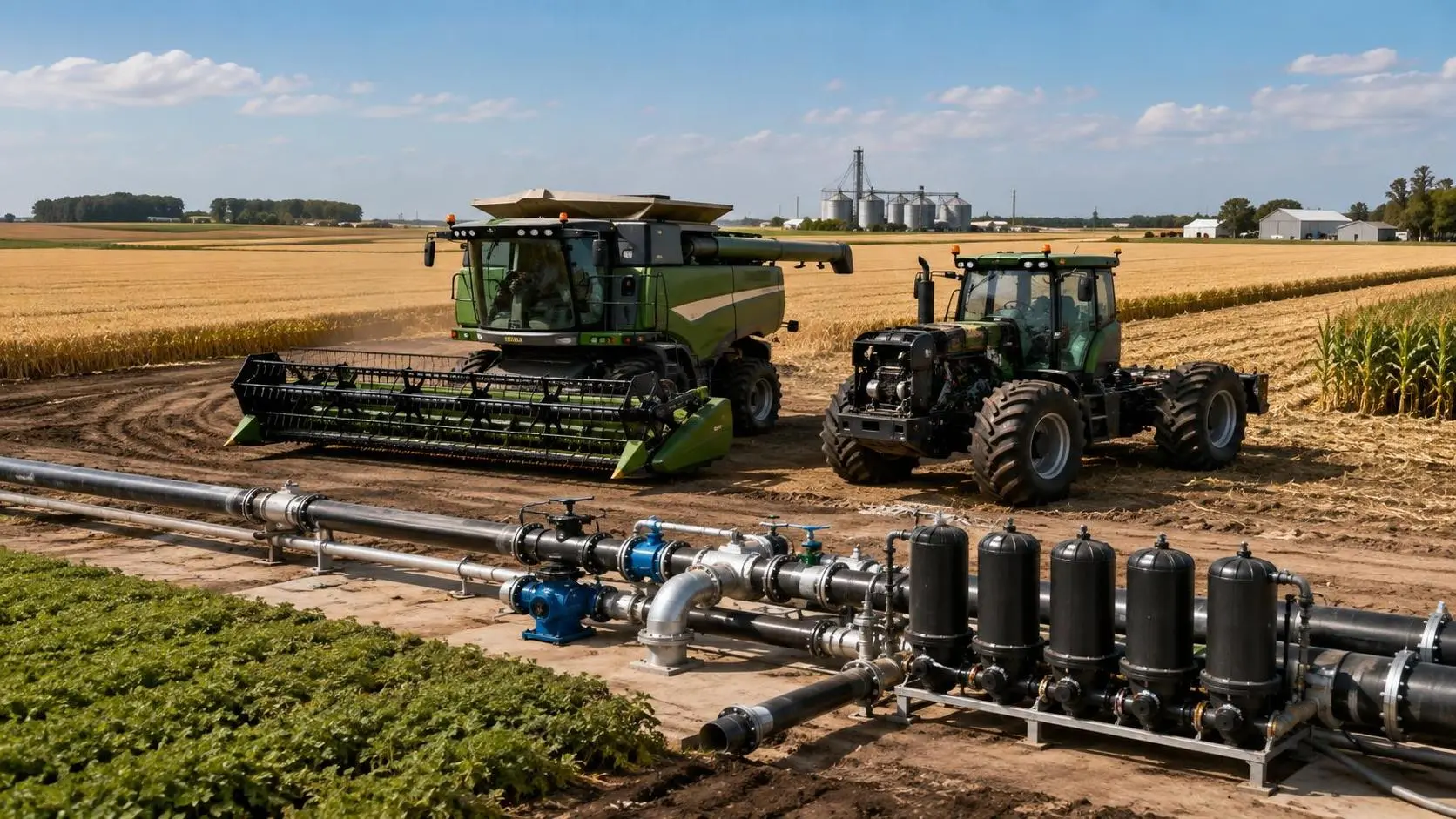
Agricultural Product Information Market Guide: Key Data for Sourcing Decisions
Agricultural product information market guide for smarter sourcing—compare machinery, irrigation, precision tools, lifecycle costs, and supplier risk.
Related News
- 00
0000-00
Wireless Agricultural Automation for Remote Irrigation and Field Monitoring - 00
0000-00
Designing Water-Saving Drip Irrigation Systems for High-Value Orchards - 00
0000-00
How to Choose Irrigation Solutions for Arid Regions Based on Water Source and Crop Needs - 00
0000-00
How IoT Smart Irrigation Networks Help Farms Cut Water Use and Improve Yield - 00
0000-00
USDA Rule Takes Effect for Drip Irrigation Imports
Popular Tags
Hydrological Resource Strategist
Weekly Insights
Stay ahead with our curated technology reports delivered every Monday.