
EU Tightens Drip Irrigation Logic Certification
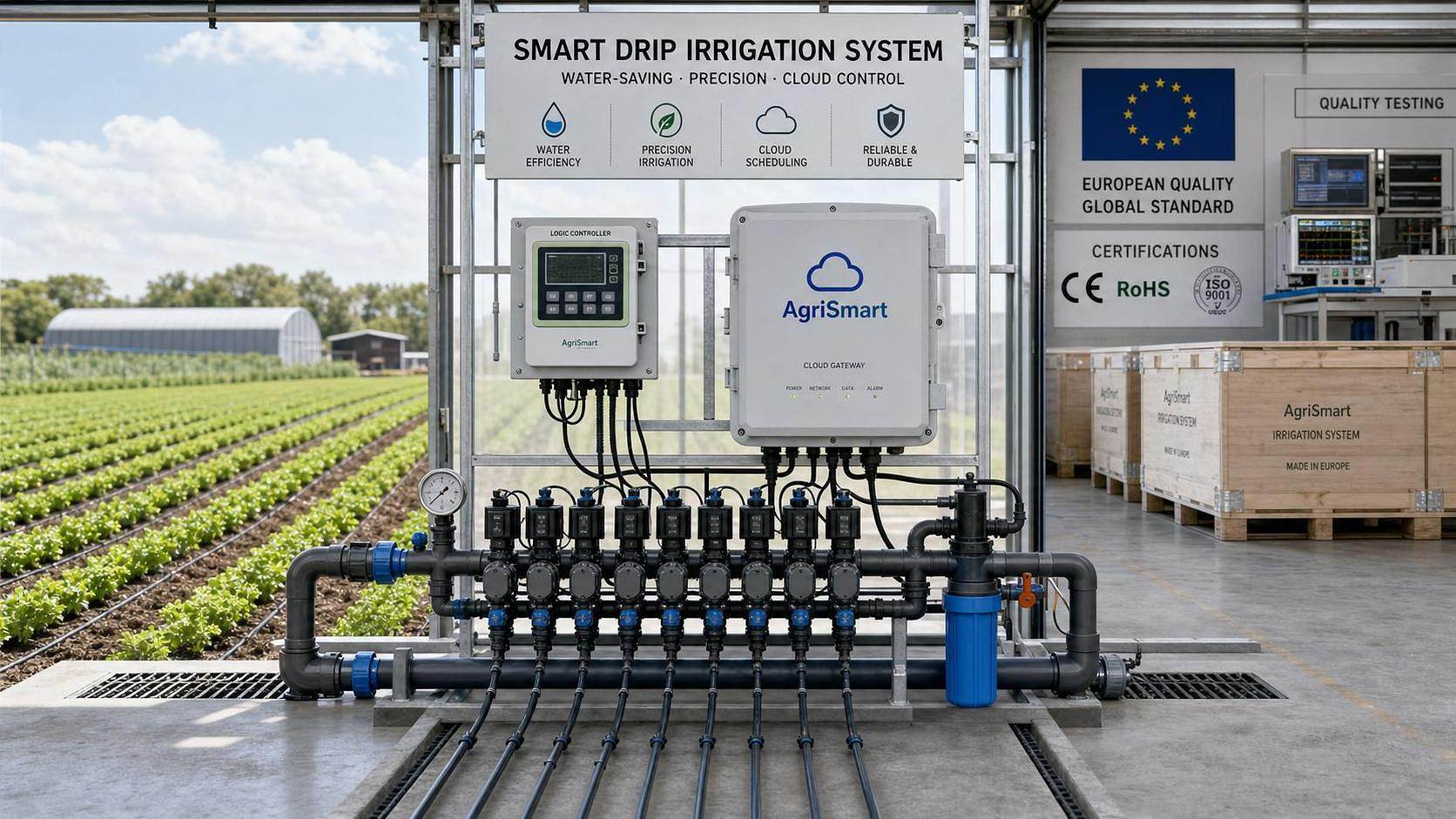




On October 1, 2026, a new compliance threshold takes effect for drip irrigation control systems entering the EU market. Based on Regulation (EU) 2026/1142 published by the European Commission on June 15, 2026, products including logic controllers, solenoid valve assemblies, and cloud scheduling modules will need certification under EN 17583:2026 and a water-efficiency label rated from A to E. For exporters, certification service providers, procurement teams, and delivery planners, the change deserves attention because it moves compliance beyond hardware performance and into mandatory testing of control logic and system response behavior.
What the new rule requires
The confirmed change is that all drip irrigation control systems placed on the EU market from October 1, 2026 must comply with EN 17583:2026 and carry a water-efficiency label. The event summary states that the new standard newly makes three items mandatory in testing: the energy-use ratio of remote irrigation decision algorithms, leak-loss response delay, and compliance in multi-water-source switching. The same summary also indicates that the update directly affects CE technical documentation restructuring and type-testing arrangements for export-oriented smart irrigation system manufacturers in China.
Where the pressure is likely to appear first
Export shipments may face a stricter documentation gate
From an industry perspective, exporters of smart irrigation systems are likely to feel the impact first because market entry is now tied not only to product configuration but also to whether the system has been assessed against EN 17583:2026 and carries the required water-efficiency label. The practical effect is likely to center on product files, conformity documentation, model coverage, and shipment readiness for EU-bound goods.
Manufacturing and integration teams may need to revisit test preparation
Analysis shows that manufacturers and system integrators may need to pay closer attention to how logic controllers, solenoid valve groups, and cloud scheduling modules are combined in a certifiable product scope. Because the mandatory items now include algorithm energy performance, leak-loss response delay, and multi-source switching compliance, test preparation may extend beyond component checks into system-level validation and supporting technical records.
Certification and testing service providers may see a shift in review focus
Observably, certification-related companies and testing bodies may need to adjust their review emphasis toward software logic, response timing, and switching behavior within the product system. For companies relying on external testing or compliance support, what deserves closer attention is whether existing reports, technical files, and product descriptions remain aligned with the new standard and labeling requirement.
EU buyers and procurement teams may revise acceptance conditions
For buyers, distributors, and project procurement teams serving the EU market, the rule change may affect supplier qualification, tender wording, acceptance documents, and delivery scheduling. Even where commercial demand remains unchanged, purchasing decisions may increasingly depend on whether suppliers can show EN 17583:2026 compliance and the required A-E water-efficiency label in time for shipment and market placement.
What companies should review now
Check whether existing CE files still match the new scope
Analysis shows that companies with current EU-facing product lines should review whether their CE technical documentation still fits the new mandatory scope. The event summary specifically points to restructuring of CE technical files, which suggests that product descriptions, conformity evidence, and test references may need to be reorganized around EN 17583:2026 rather than earlier assumptions.
Reconfirm type-testing plans against the new mandatory items
What deserves closer attention is whether type-testing schedules and sample preparation fully address the newly mandatory test items named in the summary. Where testing plans were built around hardware compliance alone, companies may need to recheck whether remote decision algorithms, leak-loss response timing, and multi-water-source switching are adequately covered in the test pathway.
Review labeling, product literature, and delivery documentation
Because the rule adds a mandatory water-efficiency label from A to E, exporters and channel partners should closely review labeling workflows, product literature, and delivery documents for EU-bound products. The input does not provide detailed execution guidance, so this should be treated as a compliance checkpoint to monitor rather than as a fully defined administrative procedure.
Watch for changes in tender language and customer compliance requests
Observably, another practical area to monitor is how customers, distributors, or project owners describe compliance requirements in quotations, procurement files, and acceptance materials. The confirmed rule change is already clear, but the detailed market expression of that rule may still evolve through tender wording, certification requests, and document review practices.
Why this looks like an execution signal, not just a policy notice
Analysis shows that this update is more appropriately understood as an implemented market-entry requirement than as a distant policy direction, because the regulation has been published and a clear effective date has been stated. At the same time, it is also reasonable to view the current stage as one that still requires observation, since the input does not provide detailed enforcement practice, document templates, or market-level interpretation. For the industry, the key point is not only that a new standard exists, but that compliance attention is moving deeper into algorithm performance, response behavior, and labeling readiness.
How the market is likely to read this change
From an industry perspective, the update signals that EU access for drip irrigation control systems is becoming more dependent on integrated compliance across software logic, system response, certification evidence, and product labeling. It is more appropriate to understand this development as a concrete rule change with immediate operational relevance for exporters and related service providers, while still recognizing that the detailed execution approach in testing, procurement, and document review will need continued observation.
Basis of this article and what still needs verification
This article is generated from the user-provided news title, event date, and event summary. For developments of this kind, commonly relevant source types may include official regulatory notices, releases from supervisory authorities, customs or trade administration updates, industry association communications, standard-setting documents, and reporting by authoritative trade media. A specific official source link was not provided in the input, so the exact official link still needs to be verified. Follow-up attention should remain on detailed enforcement language, certification interpretation, tender document changes, market feedback, and how affected companies implement the new requirement in practice.
Related News
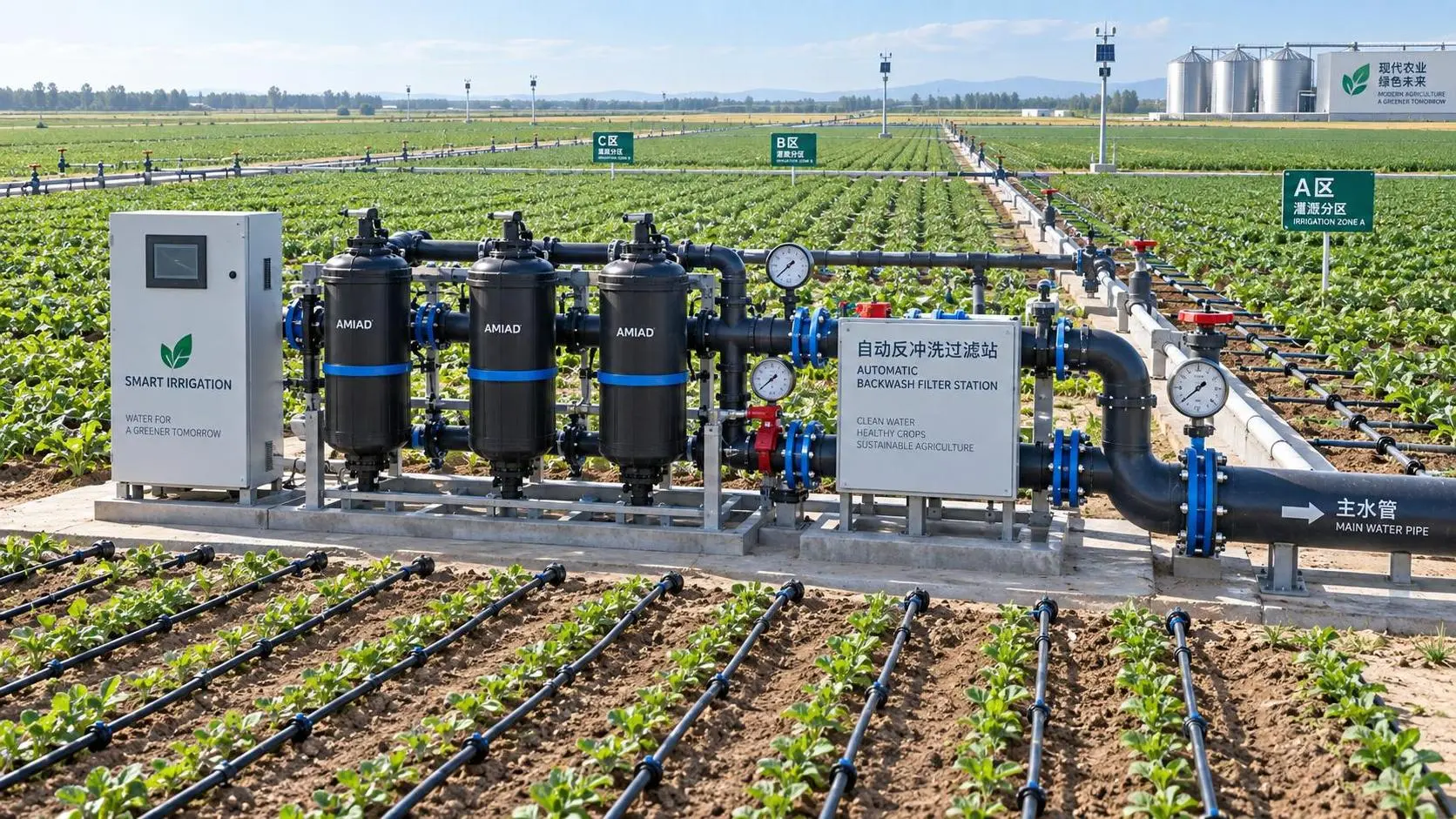
How to Evaluate Drip Irrigation System Manufacturers for Large Farm Projects
Drip irrigation systems manufacturer evaluation guide for large farms: compare hydraulic design, filtration, quality control, scalability, delivery, and support.
Specification Planning: A Practical Framework for Defining Equipment Requirements
Application guidance for specification planning: define measurable equipment requirements, prioritize performance, and avoid costly procurement mistakes.

How North American Farms Can Select Crop Monitoring Systems by Acreage and Connectivity
Crop monitoring systems North America: learn how to match acreage, connectivity, sensors, and data workflows for reliable, actionable farm decisions.

Where to Find Reliable Product Information for Comparing Farm Equipment
Product information resources agriculture buyers can trust: compare farm equipment with technical specs, manuals, field data, dealer support, and lifecycle insights.
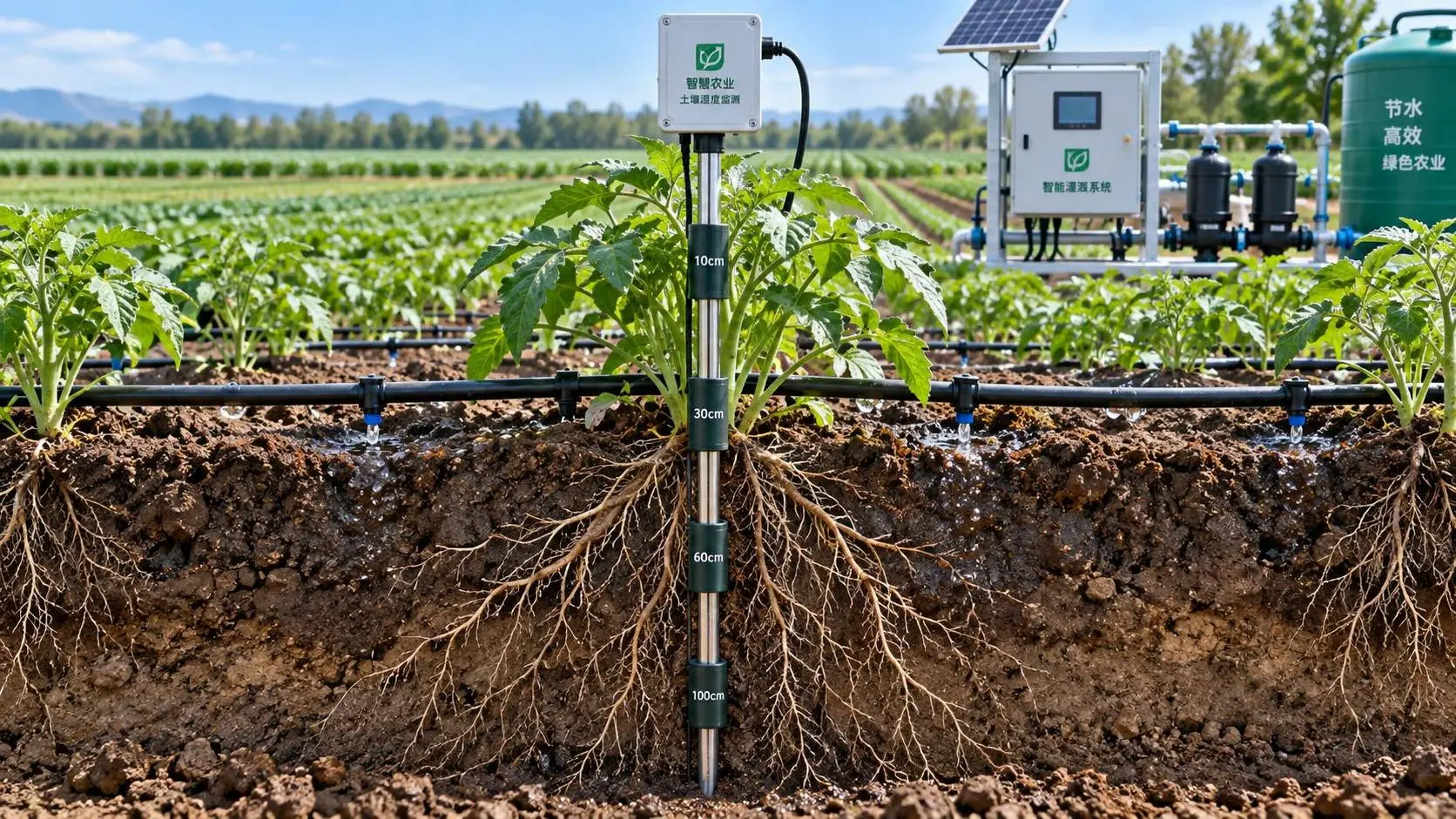
Selecting Real-Time Soil Moisture Sensors for Irrigation Zone Control
Soil moisture sensors real time: learn how to select reliable probes, optimize zone control, improve irrigation decisions, and scale precision water management.
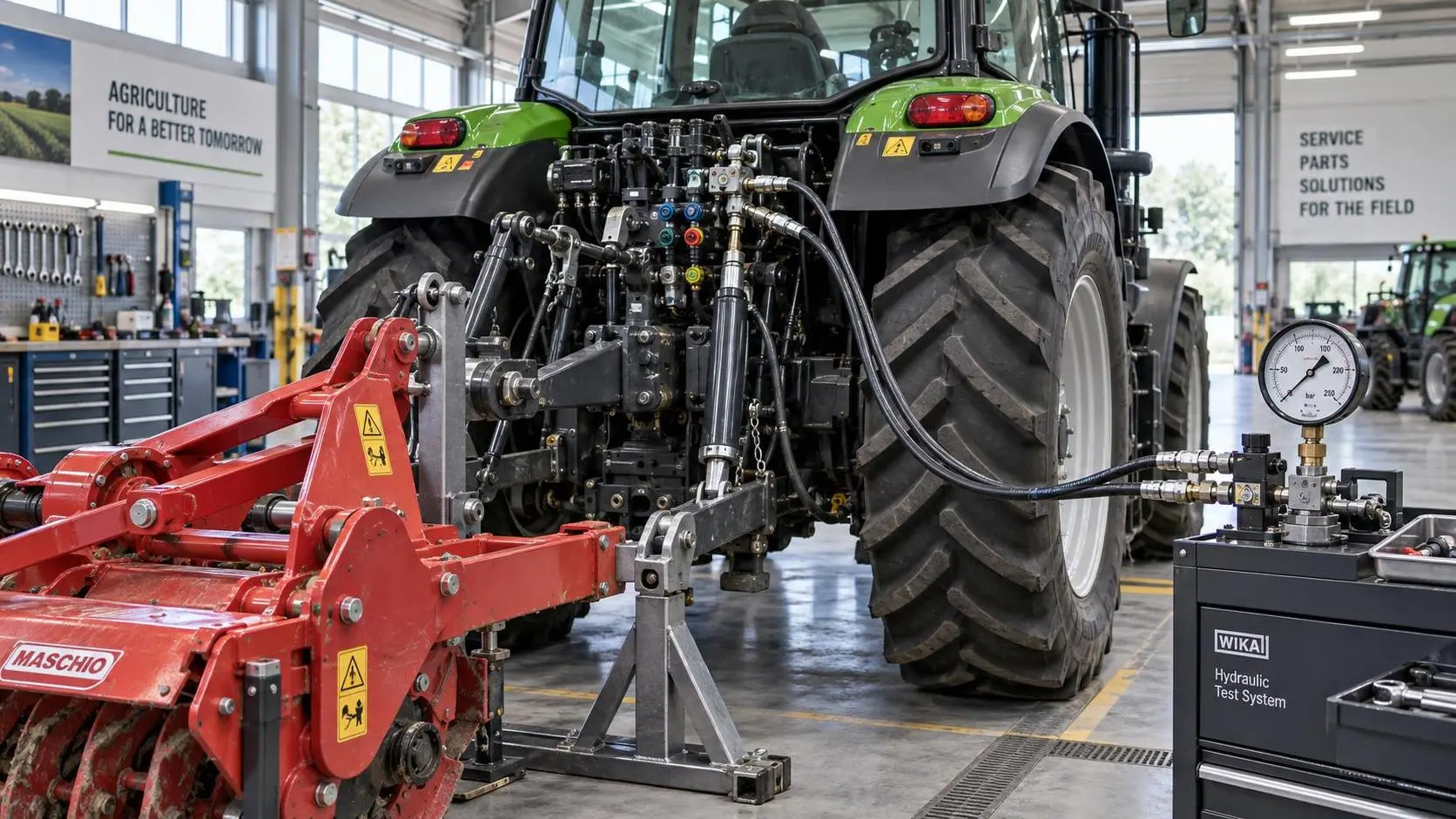
Tractor Hydraulic Systems Troubleshooting: Diagnosing Weak Lift and Slow Implements
Tractor hydraulic systems troubleshooting made practical: diagnose weak lifts and slow implements with proven pressure, flow, valve, and oil-supply checks.
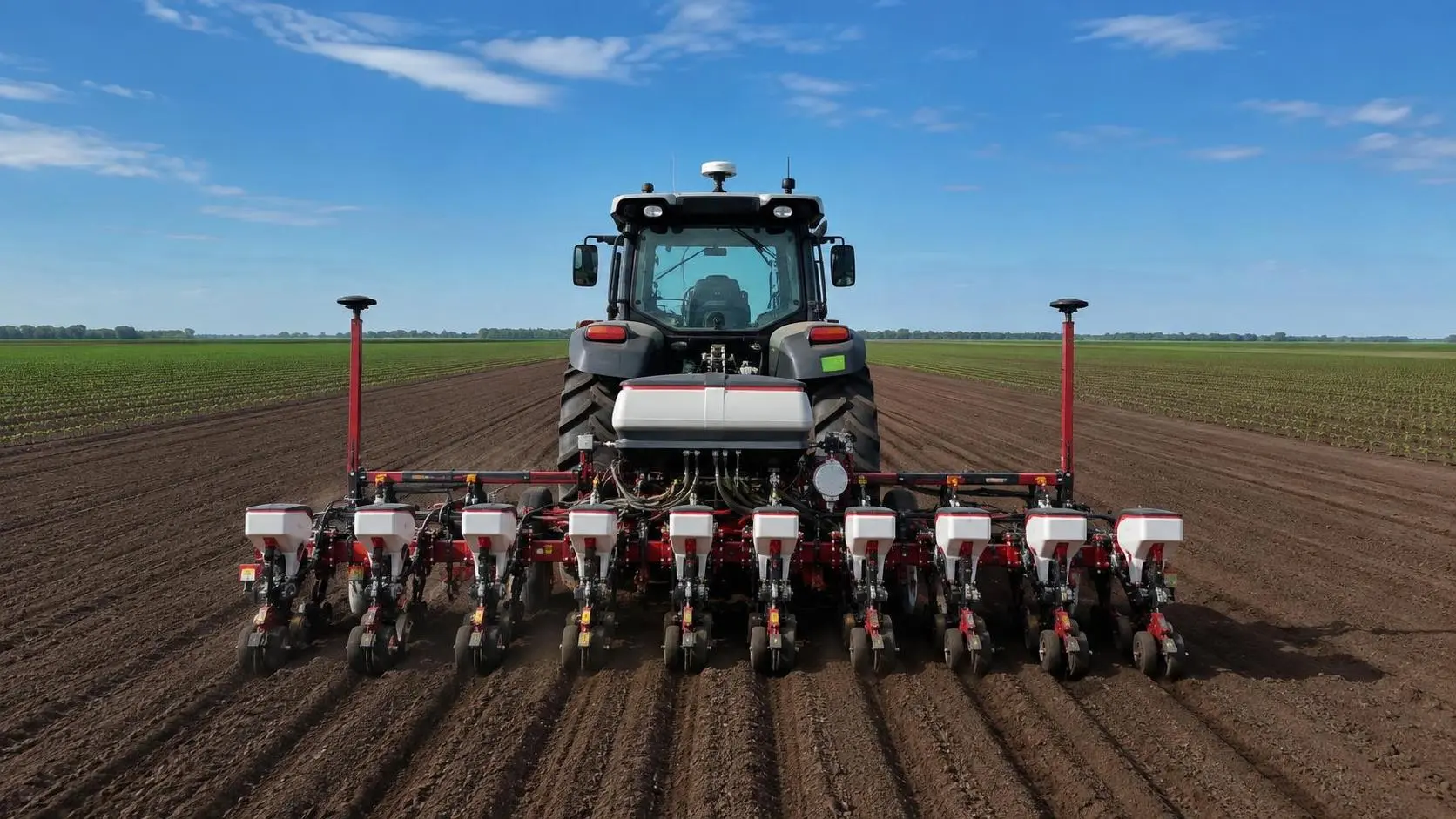
How Tractor Intelligence Systems Improve Field Efficiency and Input Accuracy
Agricultural machinery intelligence for tractors improves field efficiency, input accuracy, data traceability, and implement control. Explore smarter evaluation strategies.
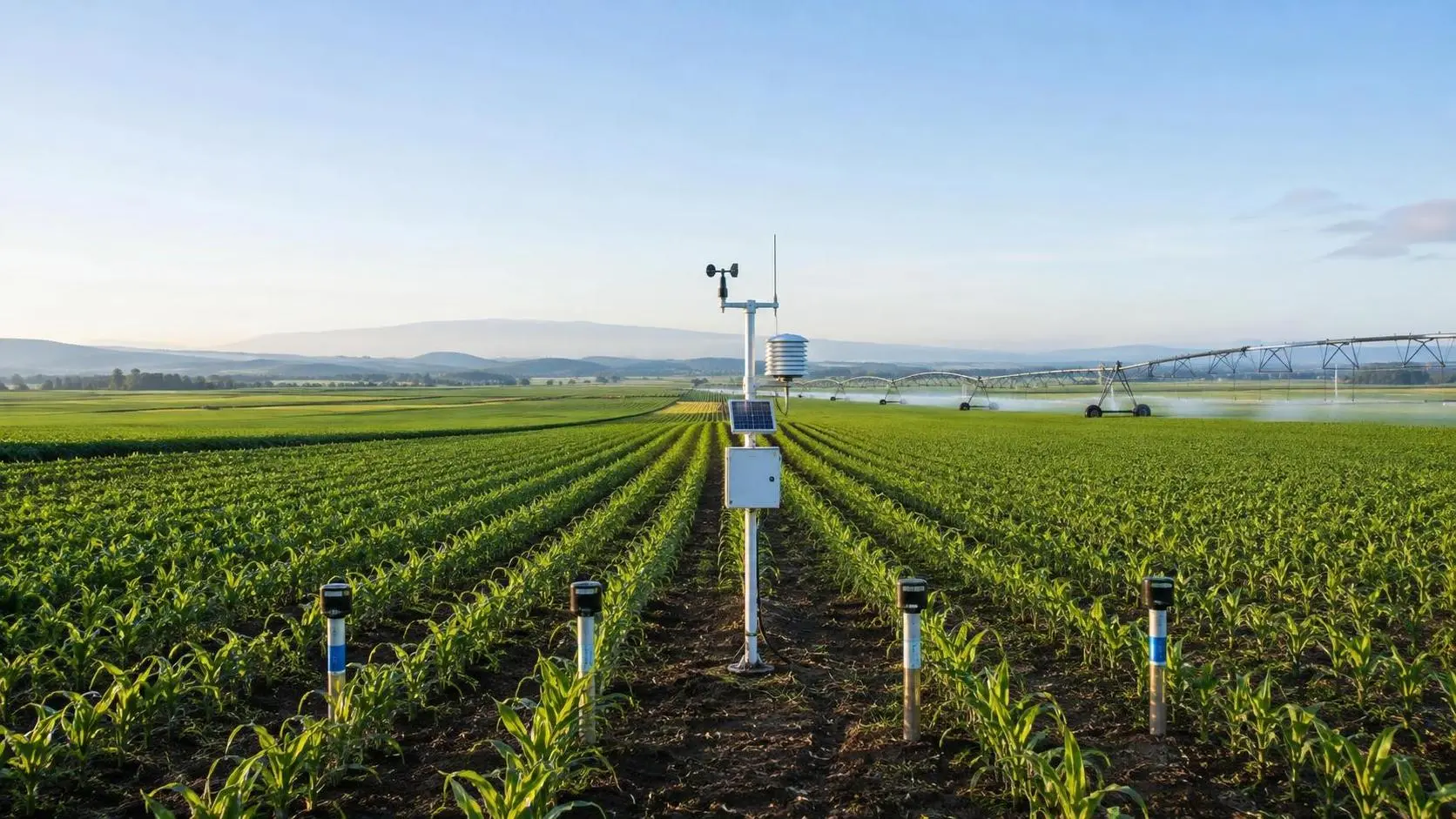
How to Evaluate Crop Monitoring System Manufacturers for Large-Scale Farms
Compare crop monitoring systems manufacturers for large-scale farms. Evaluate data quality, integration, durability, lifecycle costs, support, and pilots for smarter decisions.
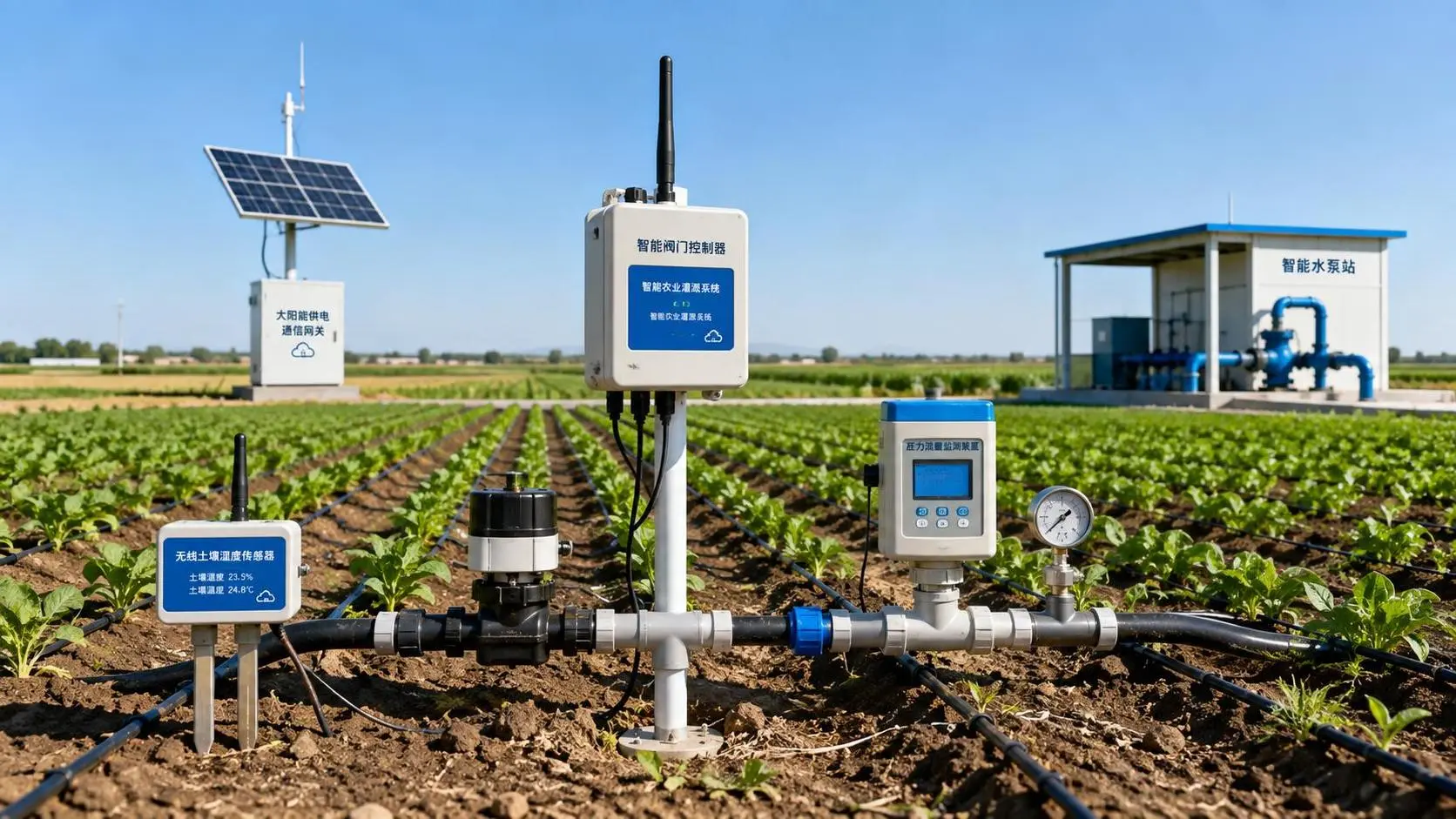
Wireless Agricultural Automation for Remote Irrigation and Field Monitoring
Agricultural automation wireless solutions improve remote irrigation with reliable field data, local control, flow verification, and smarter monitoring. Explore resilient deployment strategies.
Related News
- 00
0000-00
How to Evaluate Drip Irrigation System Manufacturers for Large Farm Projects - 00
0000-00
Wireless Agricultural Automation for Remote Irrigation and Field Monitoring - 00
0000-00
Designing Water-Saving Drip Irrigation Systems for High-Value Orchards - 00
0000-00
How to Choose Irrigation Solutions for Arid Regions Based on Water Source and Crop Needs - 00
0000-00
How IoT Smart Irrigation Networks Help Farms Cut Water Use and Improve Yield
Popular Tags
Hydrological Resource Strategist
Weekly Insights
Stay ahead with our curated technology reports delivered every Monday.