
Agrishow 2026 Signals New Procurement Rules for Smart Irrigation
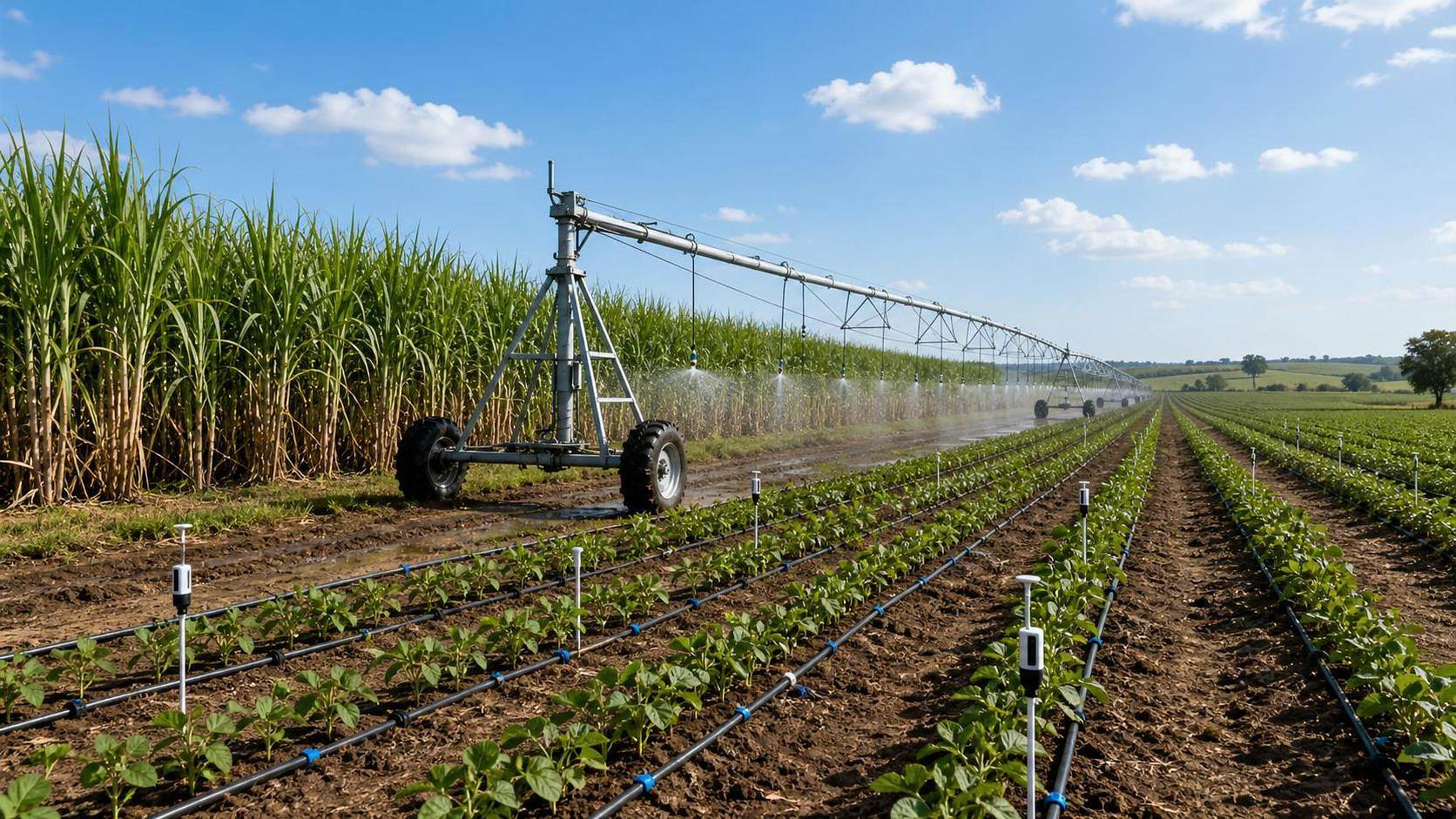




On June 16, 2026, Agrishow 2026 opened in Brazil and drew more than 130,000 professional visitors. The strong purchase interest in Chinese smart drip irrigation systems, soil moisture sensors, and Center Pivot Systems solutions, together with on-site customized deployment agreements signed by large sugarcane and soybean farms, is not only a product story. From an industry perspective, it also signals that procurement standards, technical specification alignment, delivery readiness, and compliance review for large-scale farm irrigation projects in Latin America are becoming more structured and more execution-oriented. This matters to equipment suppliers, exporters, procurement teams, service providers, and after-sales operators that need to respond to larger, more formalized project requirements.
What the exhibition activity confirms
The confirmed facts are limited but clear. Agrishow 2026 opened on June 16, 2026. The event attracted more than 130,000 professional visitors. Chinese smart drip irrigation systems, soil moisture sensors, and Center Pivot Systems logic solutions received large-scale purchase intentions at the exhibition. Multiple large Brazilian sugarcane and soybean farms signed customized deployment agreements on site. These developments highlight the commercial maturity of Drip Irrigation Logic and Soil Moisture Sensors in large-scale farms across Latin America.
Why procurement and delivery practices may now tighten
For exporters and solution suppliers
Analysis shows that once customized deployment agreements begin to appear at scale, suppliers are more likely to face stricter technical bid alignment and more detailed project documentation requirements. The effect is not limited to product sales; it may extend to specification sheets, system integration descriptions, installation scope definitions, and delivery commitments. What deserves closer attention is whether procurement documents increasingly treat irrigation hardware, sensor systems, and control logic as one integrated offering rather than separate items.
For farm buyers and project procurement teams
For buyers, the on-site agreements suggest that procurement decisions are moving beyond simple equipment comparison toward deployable system matching. Observably, this can shift attention to compatibility between drip irrigation logic, soil moisture sensors, and center pivot operation requirements. Buyers may therefore need clearer technical files, traceable configuration records, and more detailed post-deployment support terms before converting purchase intent into formal orders.
For supply chain and after-sales service providers
From an industry perspective, tailored deployment usually increases the importance of installation coordination, spare-parts planning, on-site commissioning, and service response arrangements. Even without additional confirmed regulatory details, supply chain participants should note that larger farm projects often require tighter handover discipline and clearer responsibility across logistics, field deployment, and maintenance support. This is a practical execution issue as much as a commercial one.
What companies should watch next
Prepare for deeper technical and compliance review
Analysis shows that suppliers involved in smart irrigation projects should be ready for more detailed scrutiny of technical documents, product configuration records, and system-level compatibility materials. The current information does not confirm new formal certification rules, but it does indicate that project acceptance may rely more heavily on verifiable technical consistency.
Track how procurement language evolves
What deserves closer attention is the wording used in future tenders, deployment contracts, and procurement specifications linked to large-scale farms. If smart irrigation is increasingly purchased as an integrated solution, companies may need to align product descriptions, control logic documentation, and service scope statements more carefully than in earlier equipment-only sales models.
Review delivery and service commitments
Observably, customized deployment agreements can raise expectations around delivery scheduling, installation readiness, and after-sales accountability. Exporters, channel partners, and local service teams should watch for changes in buyer requirements related to acceptance documents, field support, and quality traceability, even if those requirements are not yet fully visible from the event summary alone.
Maintain caution on unconfirmed rule changes
The event points to a stronger execution environment, but it does not by itself confirm a new law, a new certification scheme, or a published regulatory amendment. Companies should therefore avoid treating this as a completed rule change and instead use it as a signal to review compliance readiness, document completeness, and contract responsiveness.
How this signal should be interpreted
In editorial observation, this development is better understood as an execution signal than as a fully defined regulatory change. The combination of large-scale purchase intentions and on-site customized agreements indicates that smart irrigation solutions are being evaluated within more practical procurement and deployment frameworks. At the same time, the available facts do not yet show the exact wording of buyer standards, certification thresholds, or enforcement practices. That is why continued attention to contract language, technical requirements, and market feedback remains necessary.
A practical reading of the Agrishow message
At this stage, the most rational conclusion is that Agrishow 2026 reflects a maturing commercial environment for smart irrigation in Latin American large-farm applications, especially where drip irrigation logic and soil moisture sensing are being deployed in customized projects. It is more appropriate to understand this as evidence of stronger procurement discipline and delivery expectations, not as proof of a completed policy shift. For companies already active in this segment, the immediate task is to watch how these commercial signals translate into formal specifications, compliance checks, and project execution requirements.
Basis of this article and points still requiring verification
This article is generated solely from the user-provided news title, event date, and event summary. Typical source types relevant to this kind of development may include official event announcements, regulatory releases, trade authority information, industry association updates, standards documents, and reporting by established industry media. No specific official source link was provided in the input, so the underlying official references still require ongoing verification. Further observation should focus on any later policy detail, certification interpretation, tender document changes, industry feedback, and actual enterprise implementation conditions that may emerge after the exhibition.
Related News
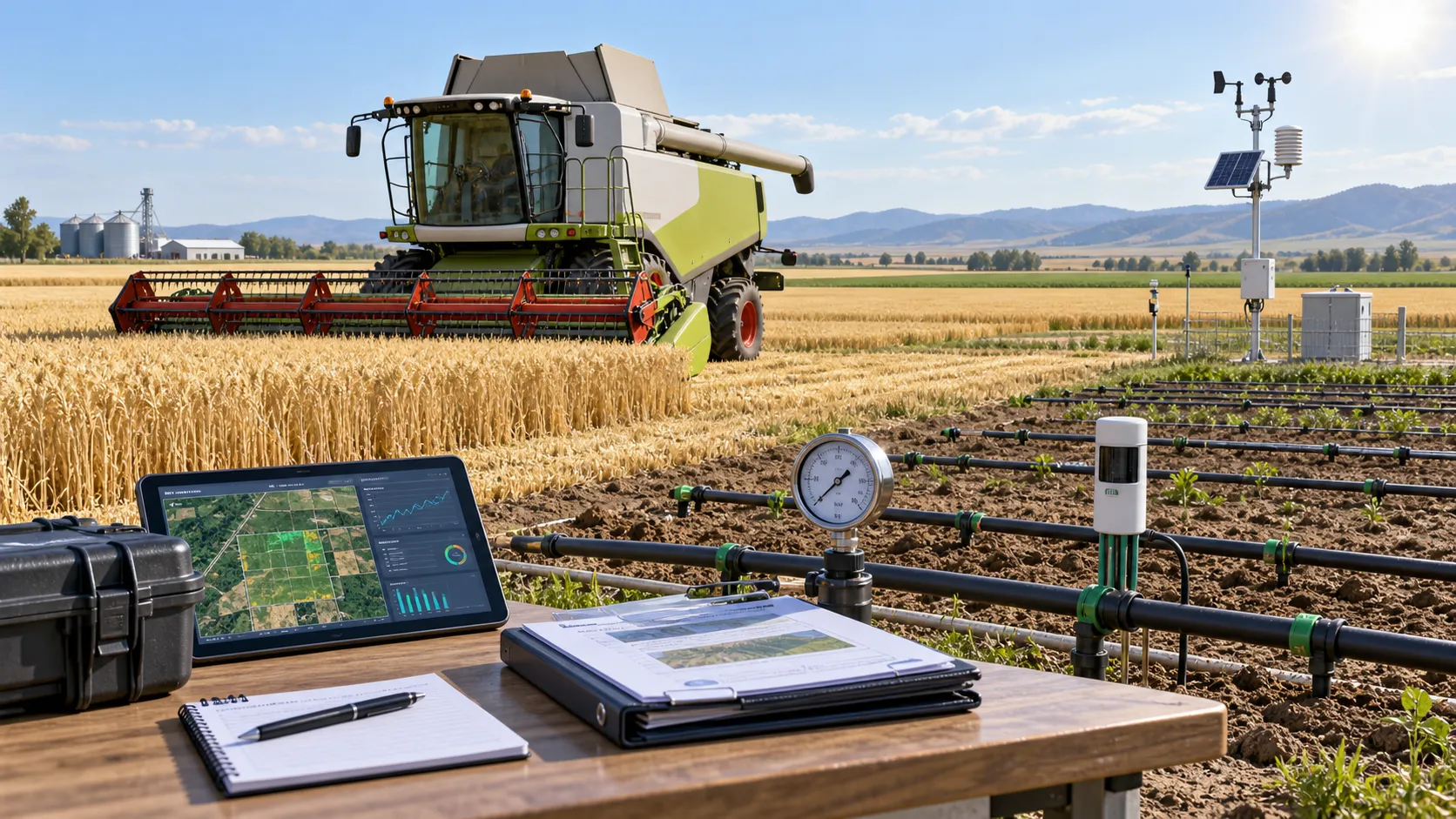
How to Evaluate Agricultural Product Information Sources for Reliable Farm Decisions
Agricultural product information reference guide: evaluate reliable farm data, verify claims, and make smarter machinery, irrigation, and crop decisions.
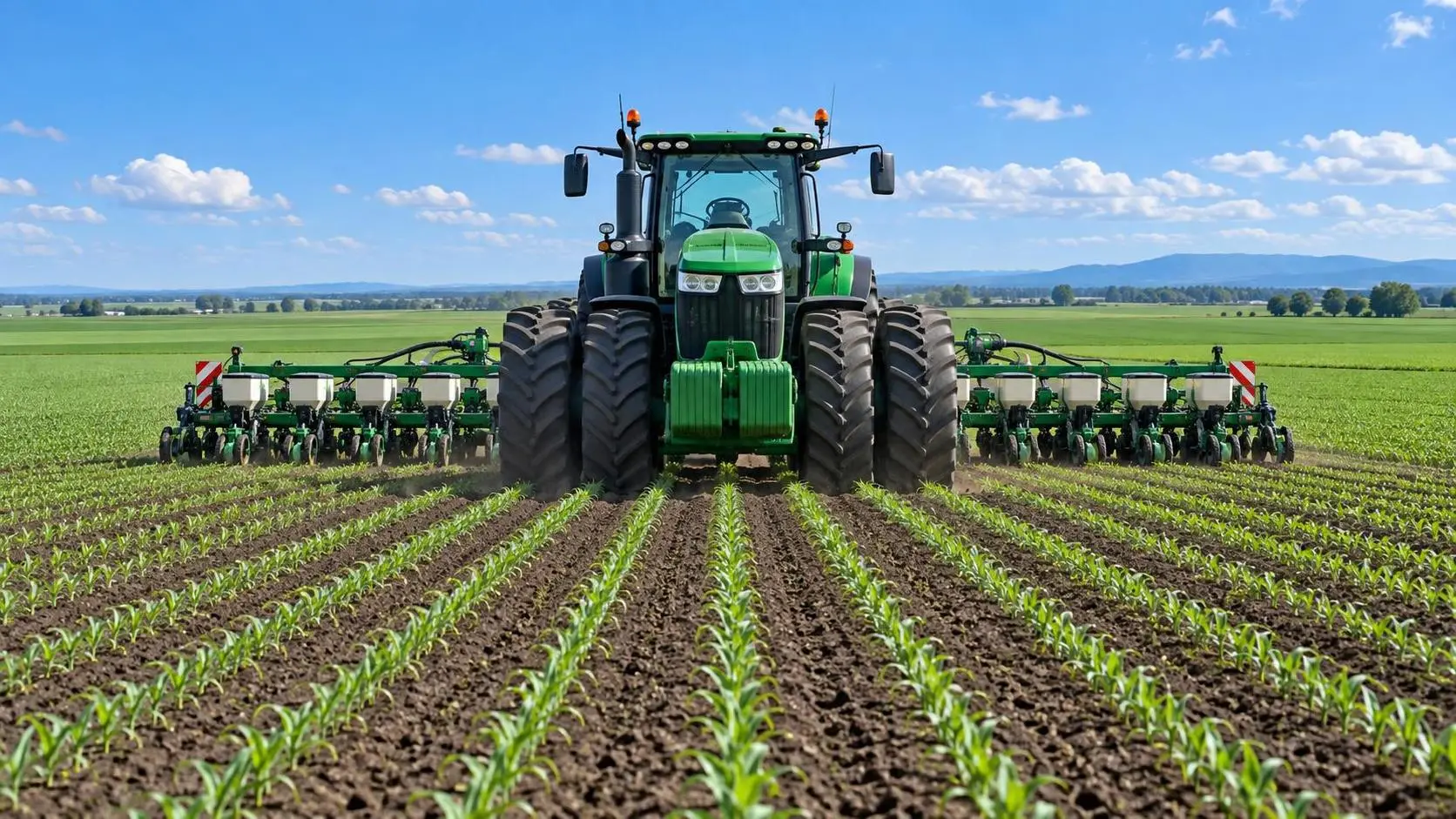
Farm Machinery Guide: Matching Tractor Horsepower and Implements to Farm Size
Farm machinery guide for tractors: match horsepower, implement width, hydraulics, traction, and fleet capacity to farm size for lower costs and reliable field performance.
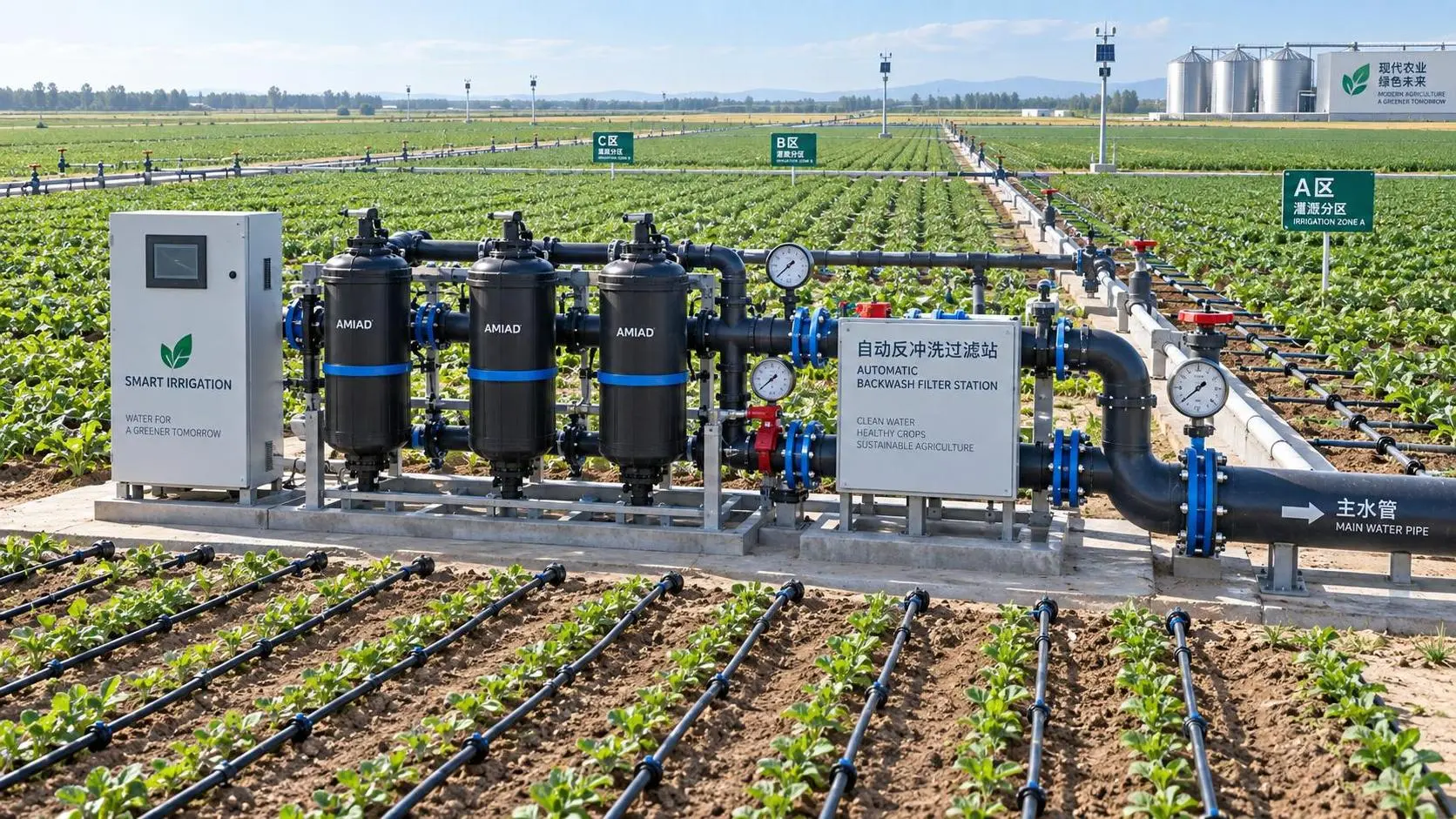
How to Evaluate Drip Irrigation System Manufacturers for Large Farm Projects
Drip irrigation systems manufacturer evaluation guide for large farms: compare hydraulic design, filtration, quality control, scalability, delivery, and support.
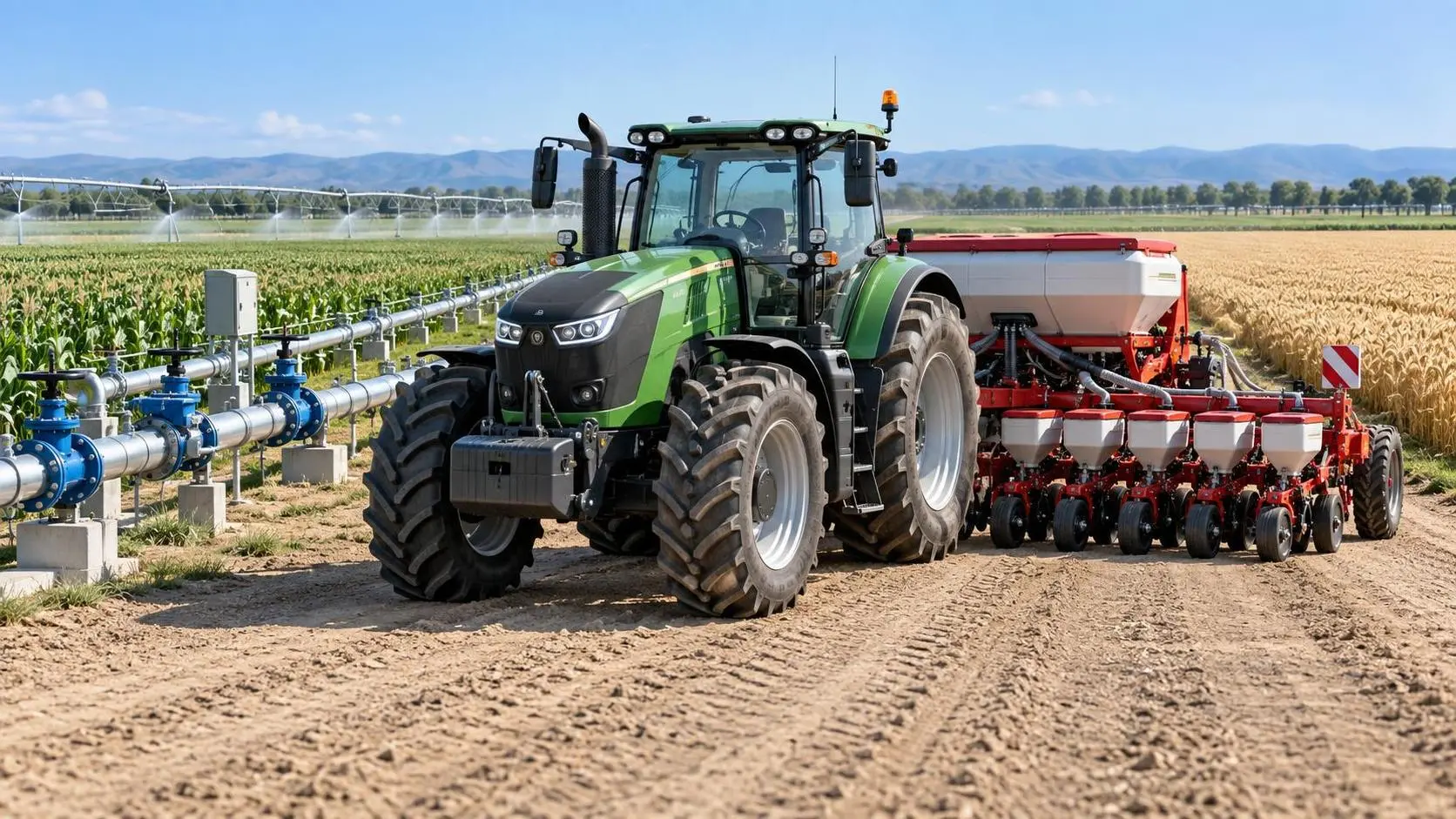
Specification Planning: A Practical Framework for Defining Equipment Requirements
Application guidance for specification planning: define measurable equipment requirements, prioritize performance, and avoid costly procurement mistakes.

How North American Farms Can Select Crop Monitoring Systems by Acreage and Connectivity
Crop monitoring systems North America: learn how to match acreage, connectivity, sensors, and data workflows for reliable, actionable farm decisions.

Where to Find Reliable Product Information for Comparing Farm Equipment
Product information resources agriculture buyers can trust: compare farm equipment with technical specs, manuals, field data, dealer support, and lifecycle insights.
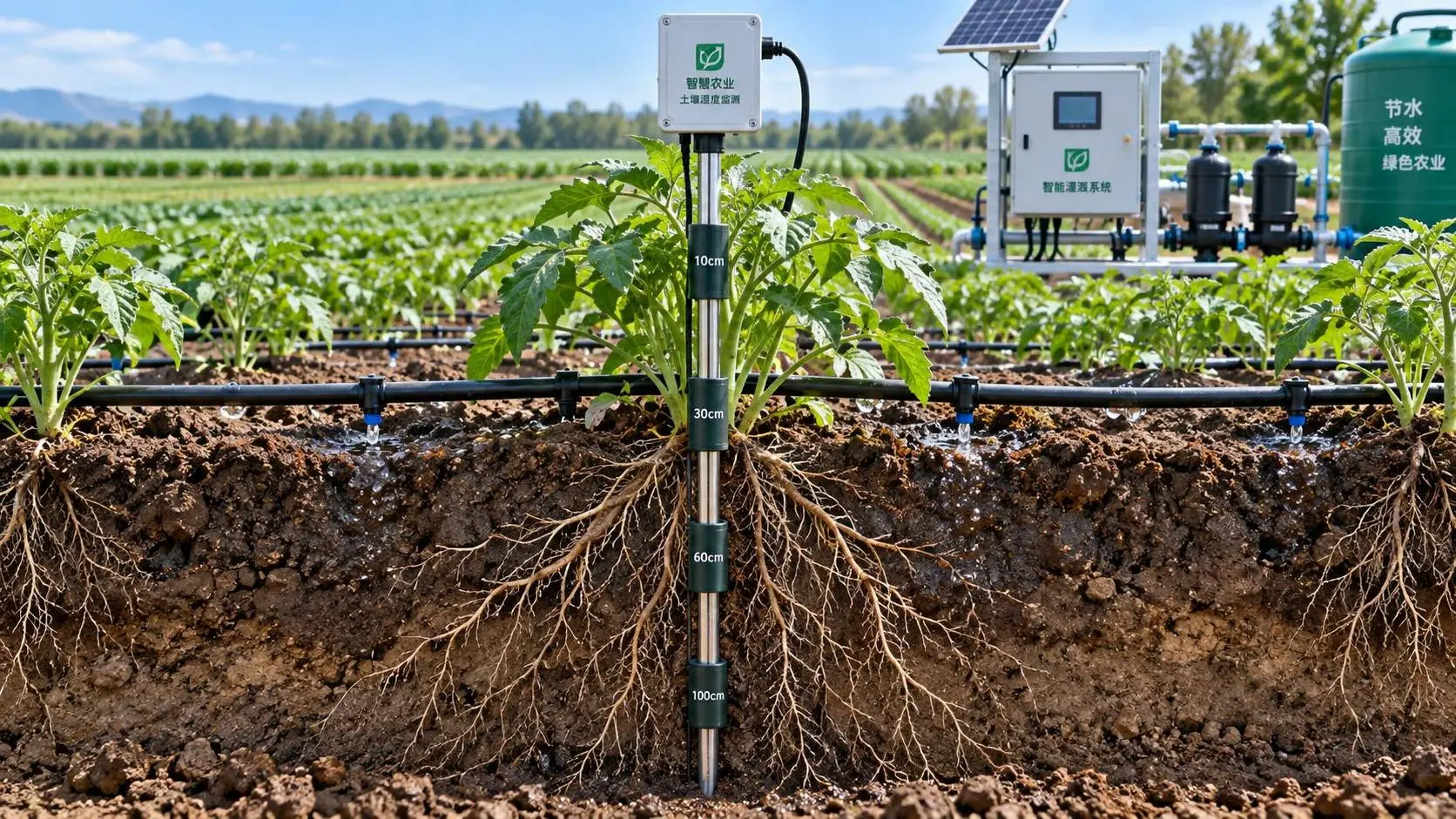
Selecting Real-Time Soil Moisture Sensors for Irrigation Zone Control
Soil moisture sensors real time: learn how to select reliable probes, optimize zone control, improve irrigation decisions, and scale precision water management.
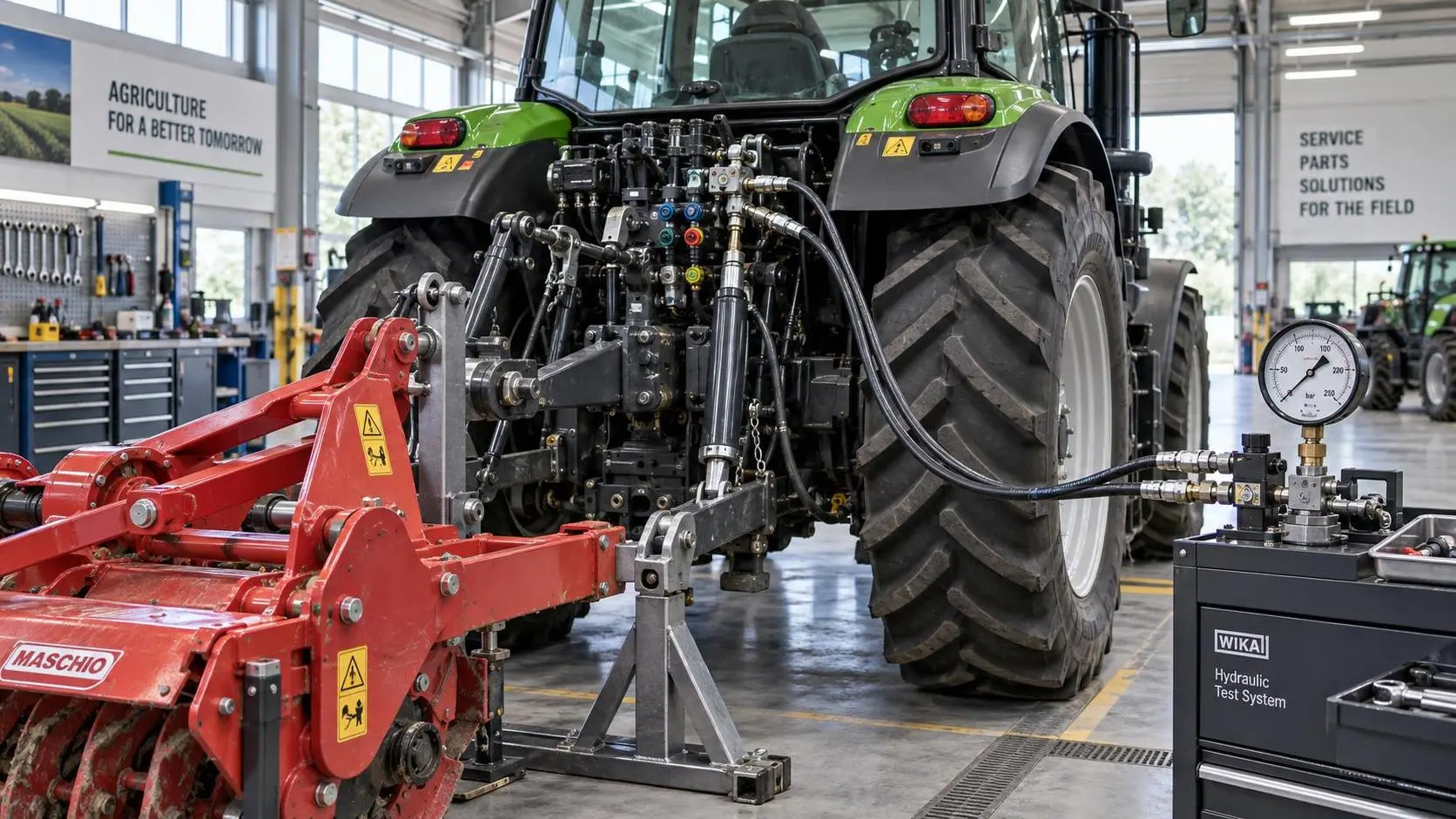
Tractor Hydraulic Systems Troubleshooting: Diagnosing Weak Lift and Slow Implements
Tractor hydraulic systems troubleshooting made practical: diagnose weak lifts and slow implements with proven pressure, flow, valve, and oil-supply checks.
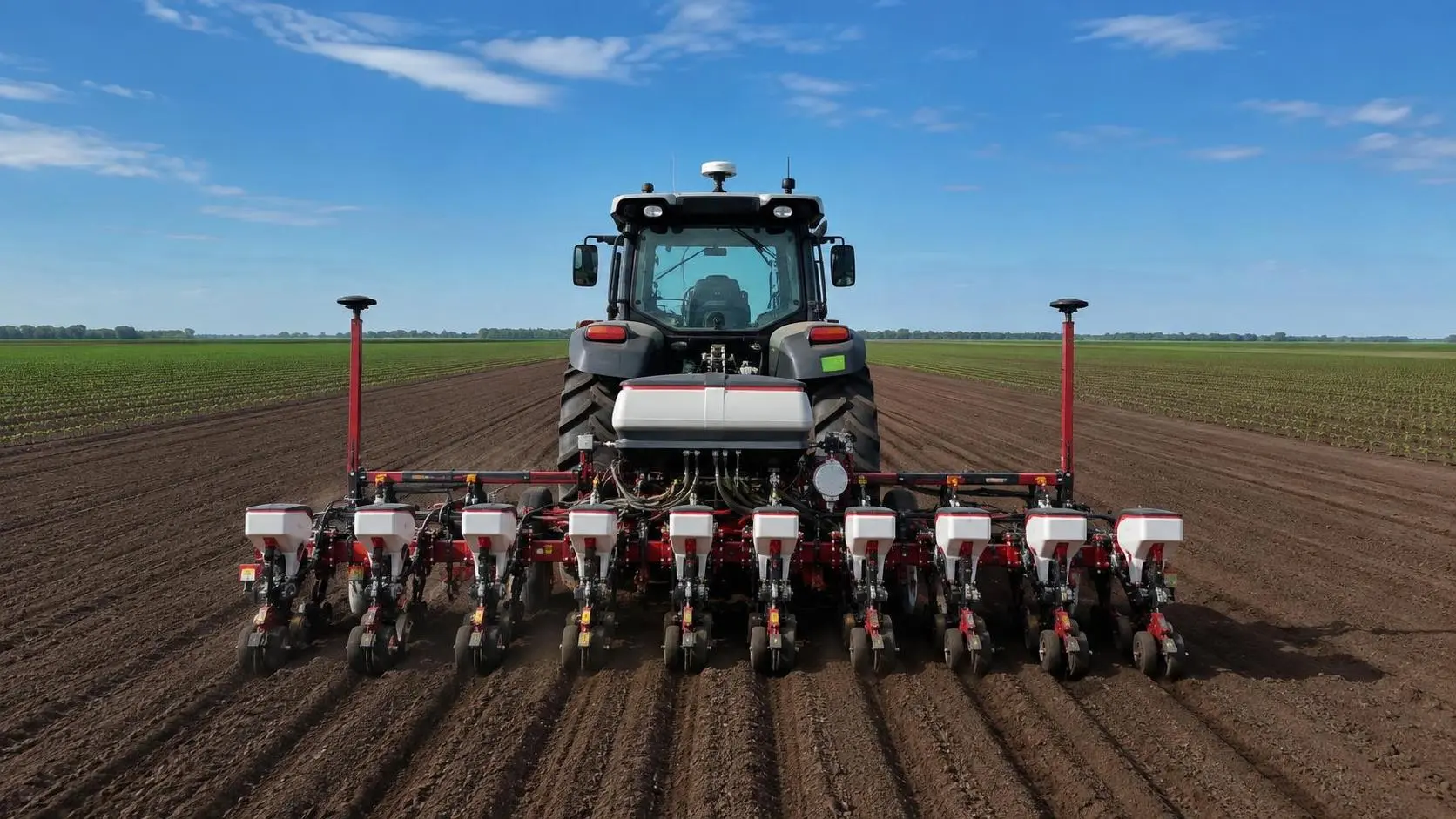
How Tractor Intelligence Systems Improve Field Efficiency and Input Accuracy
Agricultural machinery intelligence for tractors improves field efficiency, input accuracy, data traceability, and implement control. Explore smarter evaluation strategies.
Related News
- 00
0000-00
How to Evaluate Drip Irrigation System Manufacturers for Large Farm Projects - 00
0000-00
Wireless Agricultural Automation for Remote Irrigation and Field Monitoring - 00
0000-00
Designing Water-Saving Drip Irrigation Systems for High-Value Orchards - 00
0000-00
How to Choose Irrigation Solutions for Arid Regions Based on Water Source and Crop Needs - 00
0000-00
How IoT Smart Irrigation Networks Help Farms Cut Water Use and Improve Yield
Popular Tags
Hydrological Resource Strategist
Weekly Insights
Stay ahead with our curated technology reports delivered every Monday.