
China Starts Zero Tariffs for 20 African Markets
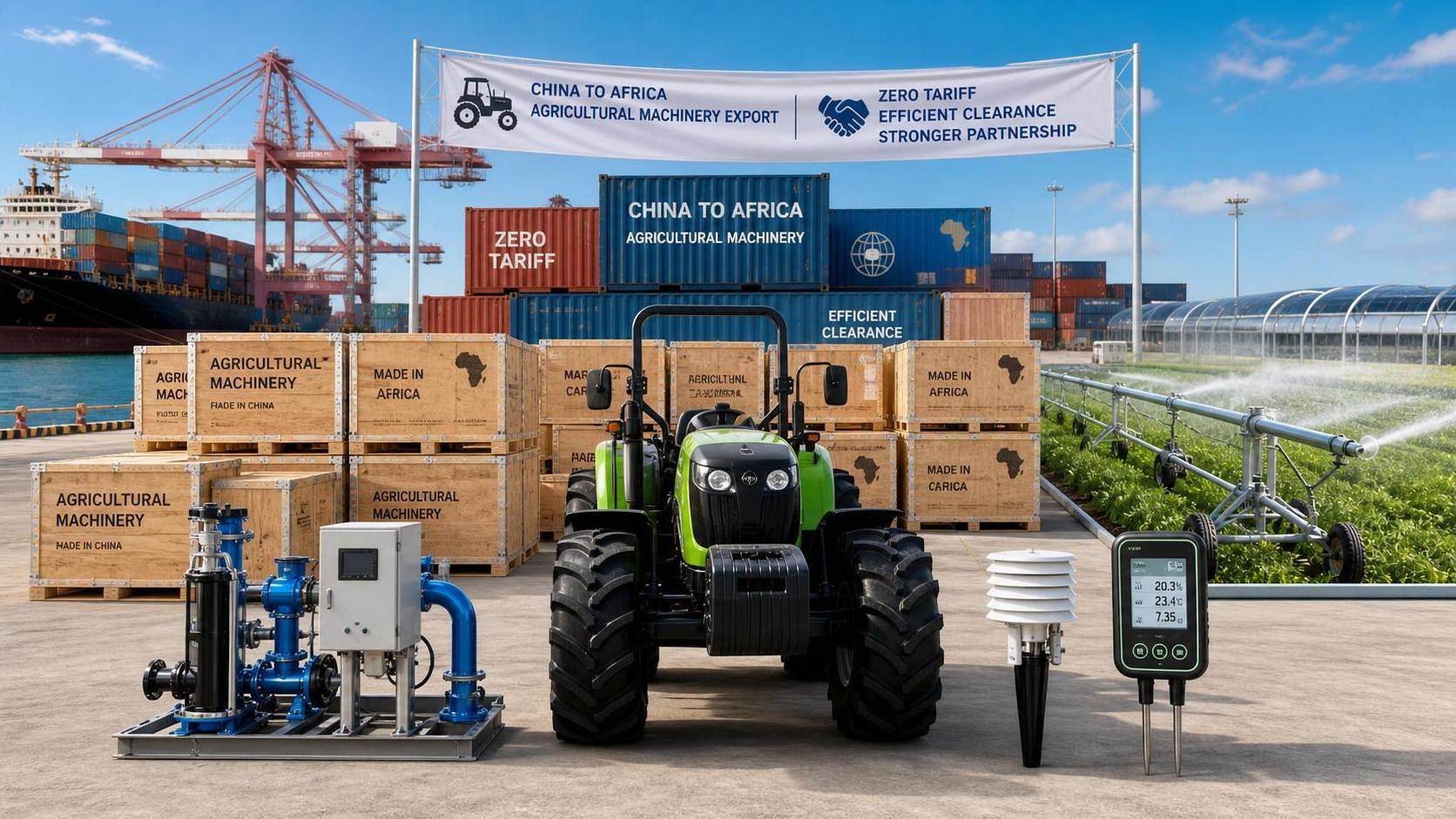




On May 1, 2026, China began applying a zero-tariff arrangement to 20 African countries that have diplomatic ties with China and are not classified as least developed countries. The change covers multiple categories of agricultural equipment, while customs also launched an online system for issuing certificates of origin. For farm machinery exporters, African importers, distributors, procurement teams, and supply chain service providers, this is worth watching because it changes both landed-cost calculations and the practical compliance path for qualifying shipments.
What the rule change now covers
According to the provided information, the zero-tariff policy took effect on May 1, 2026 and applies to 20 African countries, including Algeria, Egypt, and Kenya. The covered scope includes agricultural-use equipment such as engineering machinery, intelligent irrigation equipment, and grain cleaning systems. The information also states that customs introduced an online certificate-of-origin issuance system at the same time, with the stated purpose of simplifying customs clearance procedures.
The same source indicates that the policy materially lowers the overall cost and compliance barriers for African importers buying Chinese products such as tractors, center pivot irrigation systems, and soil moisture sensors.
Where the immediate pressure points may shift
For exporters selling farm equipment into eligible markets
Analysis shows the most direct impact is on quotation structure, trade documentation, and delivery planning. When tariffs are removed, exporters may need to review how they present price advantages to buyers and how they organize supporting origin documents for customs treatment. What deserves closer attention is not only pricing, but whether internal export documentation, product descriptions, and shipment records are aligned well enough to support smoother customs handling under the new arrangement.
For importers and procurement teams in African markets
From an industry perspective, importers are likely to focus on whether tariff-free treatment can be translated into faster procurement decisions and lower total import cost. The operational effect is not limited to the equipment purchase price. Buyers may also need to verify document completeness, supplier responsiveness, and whether the goods they plan to source fall within the product categories benefiting from the policy. For procurement teams, the practical change is that compliance preparation may become a more visible part of supplier comparison.
For distributors, service partners, and delivery coordinators
Observably, a simpler customs process can affect inventory timing, order scheduling, and after-sales preparation. If more shipments become commercially attractive under the zero-tariff framework, channel partners may need to pay closer attention to model selection, spare-parts readiness, and technical file consistency across orders. The key issue here is execution discipline: easier market access on paper still depends on documents, shipment matching, and the ability to support products after arrival.
What companies should monitor in practice
Check origin-document workflows early
Analysis shows the online certificate-of-origin issuance system is one of the most practical parts of this development. Companies involved in export and import should review how origin-related files are prepared, submitted, stored, and matched with shipment records. If certificate handling moves faster, the internal control point shifts from paper circulation to data accuracy and filing consistency.
Review which product lines are most exposed
What deserves closer attention is the product scope already mentioned in the provided information: engineering machinery, intelligent irrigation equipment, grain cleaning systems, tractors, center pivot irrigation systems, and soil moisture sensors. Companies dealing in these categories should examine whether the new tariff treatment changes purchasing rhythm, tender positioning, or dealer stocking decisions. This should be treated as a product-by-product review rather than a broad assumption across all equipment.
Watch tender and technical document language
From an execution perspective, companies should monitor whether procurement files, bidding documents, or buyer-side technical requests begin to reflect the new tariff and customs environment. The provided information does not confirm how individual buyers or projects will adjust, so this remains a point to watch rather than a settled outcome. Even so, commercial teams should be ready to update technical descriptions, compliance files, and trade paperwork if customers begin asking for clearer proof of eligibility or origin handling.
Do not separate delivery planning from compliance planning
Observably, the policy change and the customs digital process should be read together. Lower import barriers can improve transaction feasibility, but delivery planning still depends on correct paperwork, aligned product specifications, and supplier coordination. Exporters, distributors, and service partners should therefore treat customs compliance, shipping preparation, and after-sales support as one linked workflow rather than separate tasks.
Why this looks like an execution signal rather than just a headline
Analysis shows this development is more appropriate to understand as an implemented trade-rule change with immediate operational relevance, not merely a policy direction statement. The effective date is clear, the tariff treatment has been described as already in force, and the customs-side online certificate-of-origin system has been launched in parallel. At the same time, industry participants still need to observe how consistently the rule is applied in daily transactions and how quickly buyers, sellers, and intermediaries adapt their document and procurement practices.
From an industry perspective, the most important follow-up issue is not whether the announcement exists, but how the rule is reflected in customs execution, supplier qualification checks, and commercial negotiations across the affected equipment categories.
How the market is best reading this development
This event points to a concrete easing of tariff and process barriers for certain China-to-Africa agricultural equipment trade flows. The immediate significance lies in lower import cost potential and a simpler compliance route tied to origin documentation. A cautious reading is still necessary: the policy is already in effect, but the full commercial impact will depend on how companies translate the rule change into procurement decisions, shipment execution, and channel operations. It is more appropriate to understand this as a landed policy change with ongoing market adaptation to watch.
Basis of this article and what still needs verification
This article is based on the user-provided news title, event date, and event summary. For developments of this type, relevant source categories commonly include official notices, customs or trade authority releases, regulator communications, industry association updates, standard-setting documents, and reporting by authoritative media. No specific official source link was provided in the input, so the underlying official link and any later implementation details still require continued verification.
Further observation should focus on any detailed policy wording, customs execution guidance, origin-document practice, tender document changes, market feedback, and company-level implementation across the covered equipment categories.
Related News
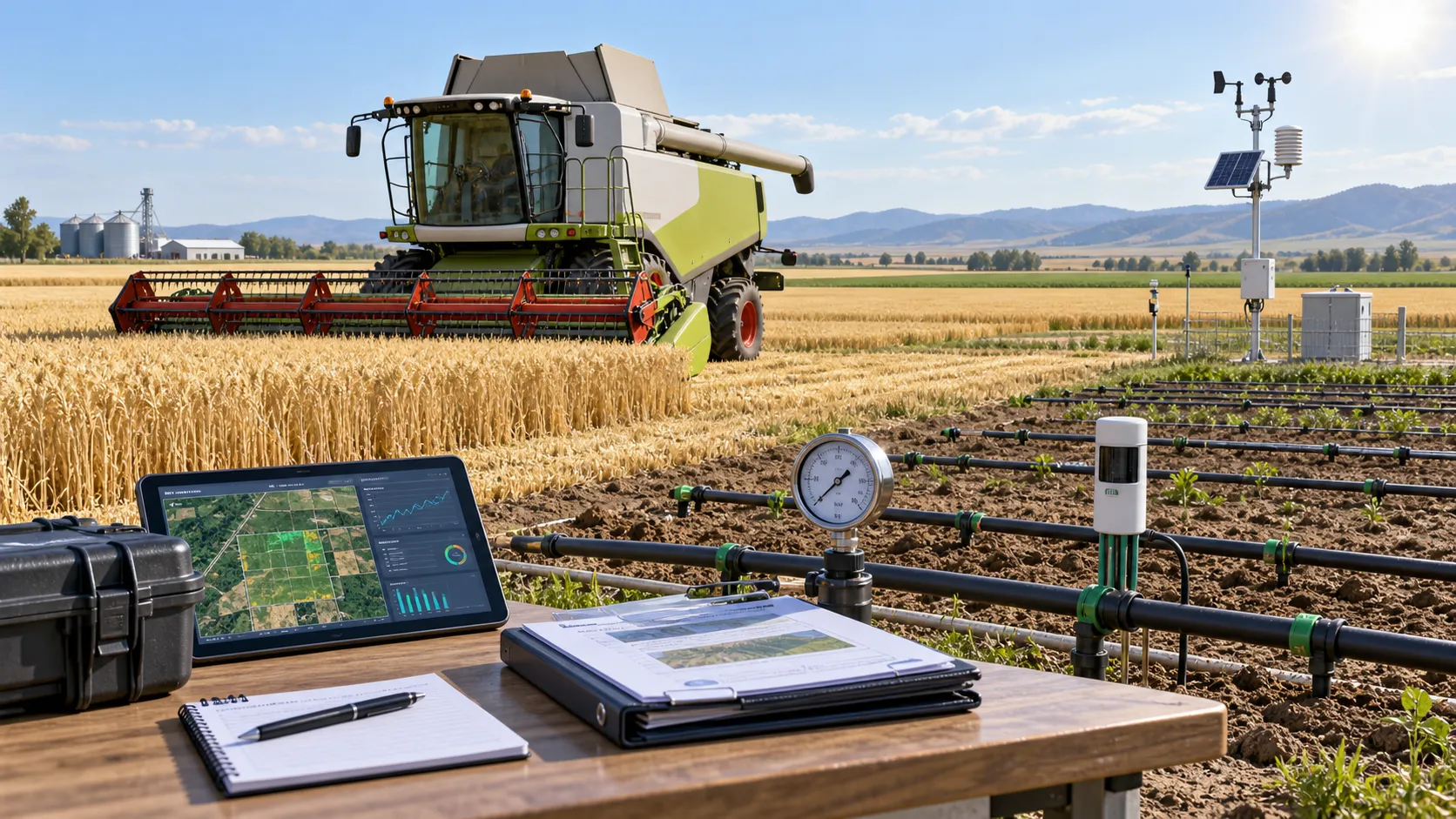
How to Evaluate Agricultural Product Information Sources for Reliable Farm Decisions
Agricultural product information reference guide: evaluate reliable farm data, verify claims, and make smarter machinery, irrigation, and crop decisions.

Farm Machinery Guide: Matching Tractor Horsepower and Implements to Farm Size
Farm machinery guide for tractors: match horsepower, implement width, hydraulics, traction, and fleet capacity to farm size for lower costs and reliable field performance.
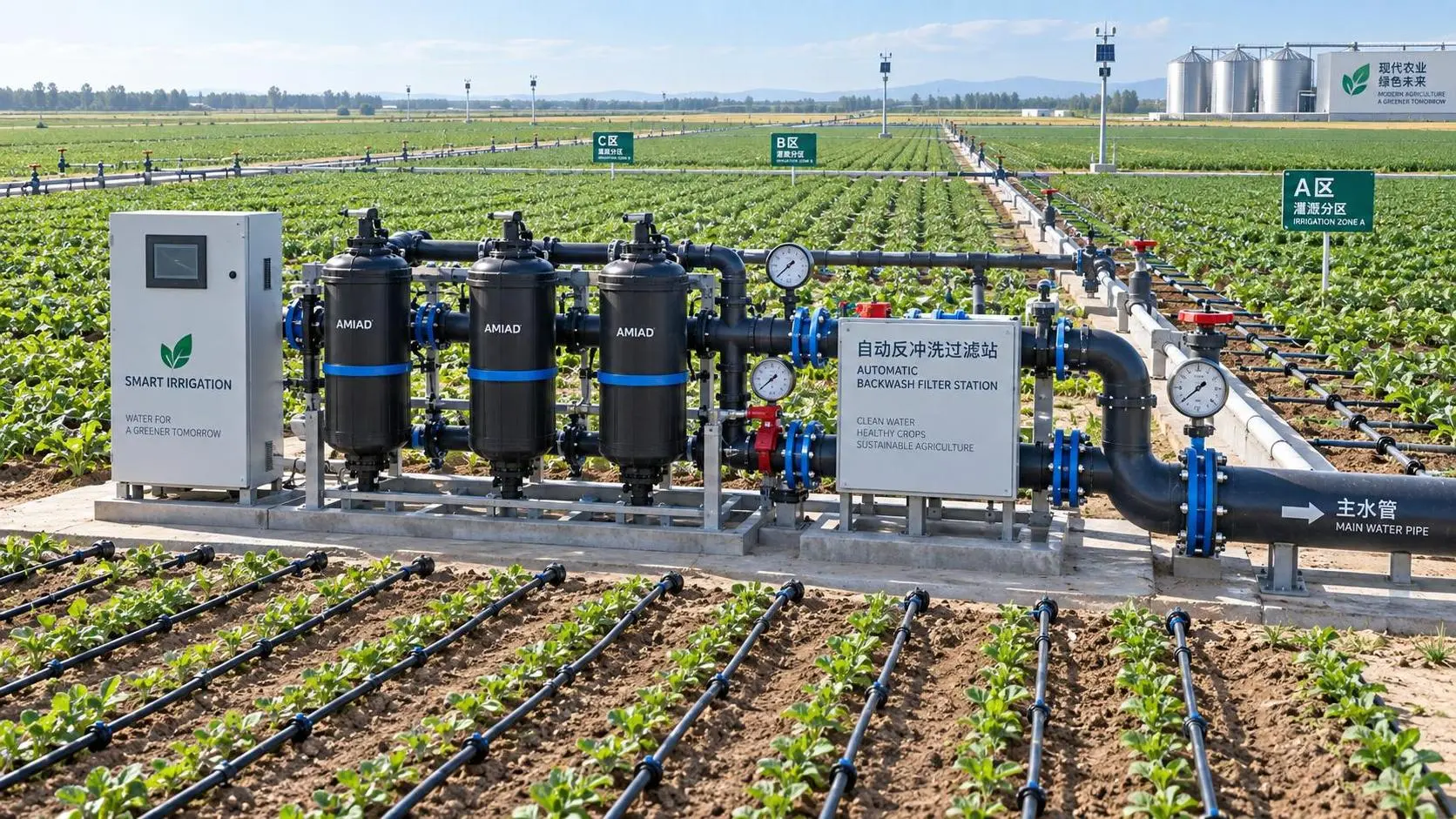
How to Evaluate Drip Irrigation System Manufacturers for Large Farm Projects
Drip irrigation systems manufacturer evaluation guide for large farms: compare hydraulic design, filtration, quality control, scalability, delivery, and support.
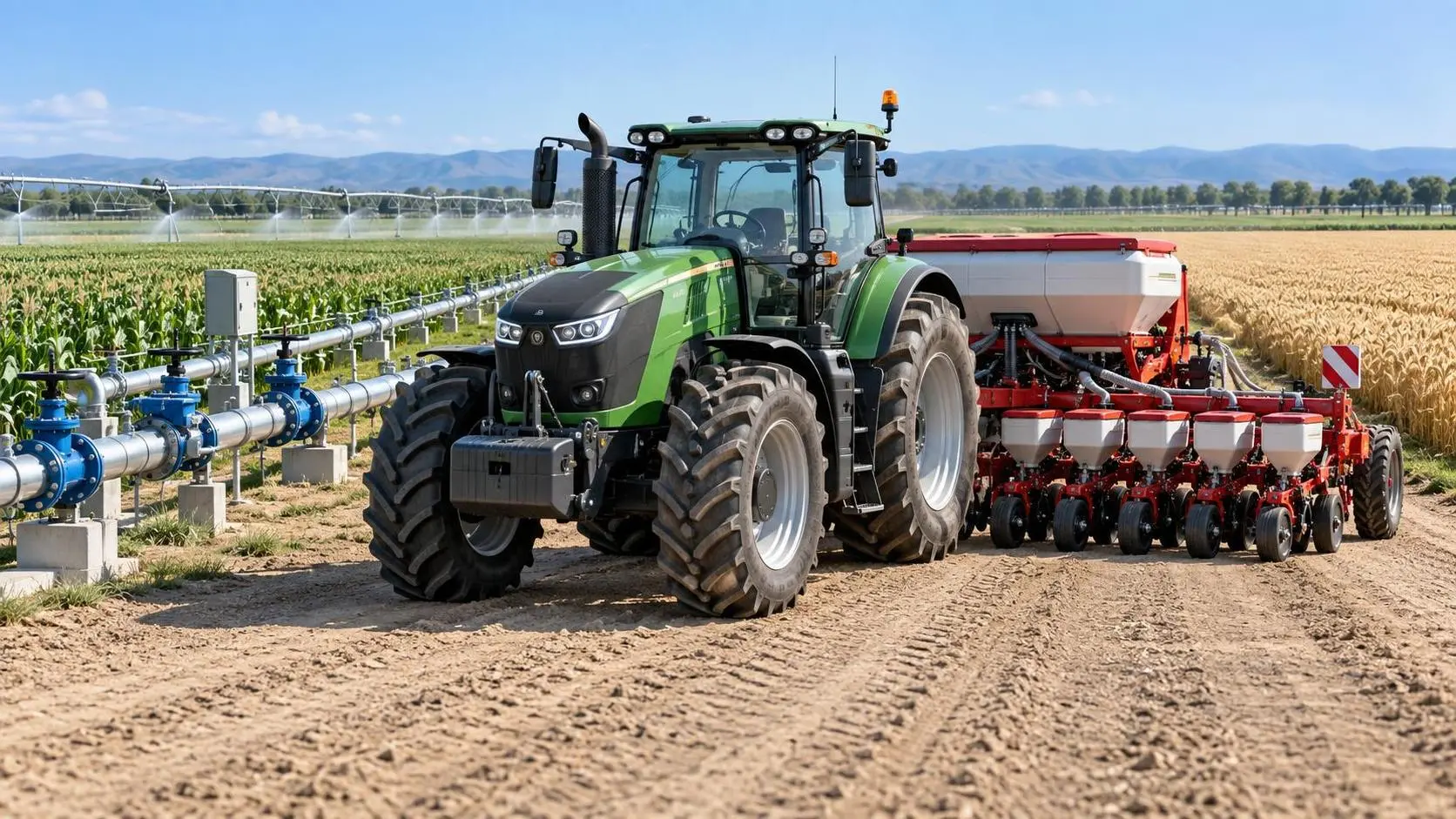
Specification Planning: A Practical Framework for Defining Equipment Requirements
Application guidance for specification planning: define measurable equipment requirements, prioritize performance, and avoid costly procurement mistakes.

How North American Farms Can Select Crop Monitoring Systems by Acreage and Connectivity
Crop monitoring systems North America: learn how to match acreage, connectivity, sensors, and data workflows for reliable, actionable farm decisions.

Where to Find Reliable Product Information for Comparing Farm Equipment
Product information resources agriculture buyers can trust: compare farm equipment with technical specs, manuals, field data, dealer support, and lifecycle insights.
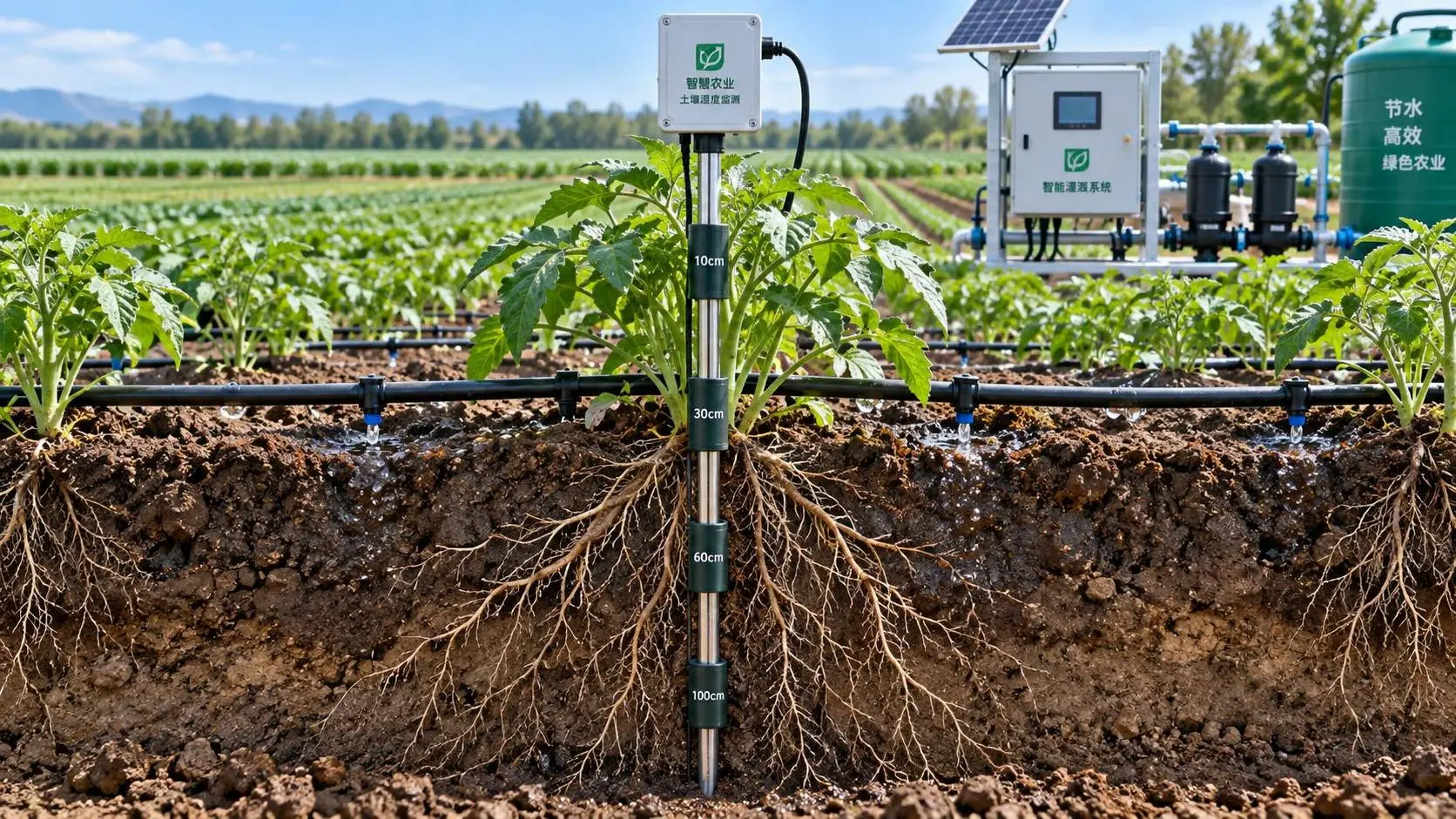
Selecting Real-Time Soil Moisture Sensors for Irrigation Zone Control
Soil moisture sensors real time: learn how to select reliable probes, optimize zone control, improve irrigation decisions, and scale precision water management.
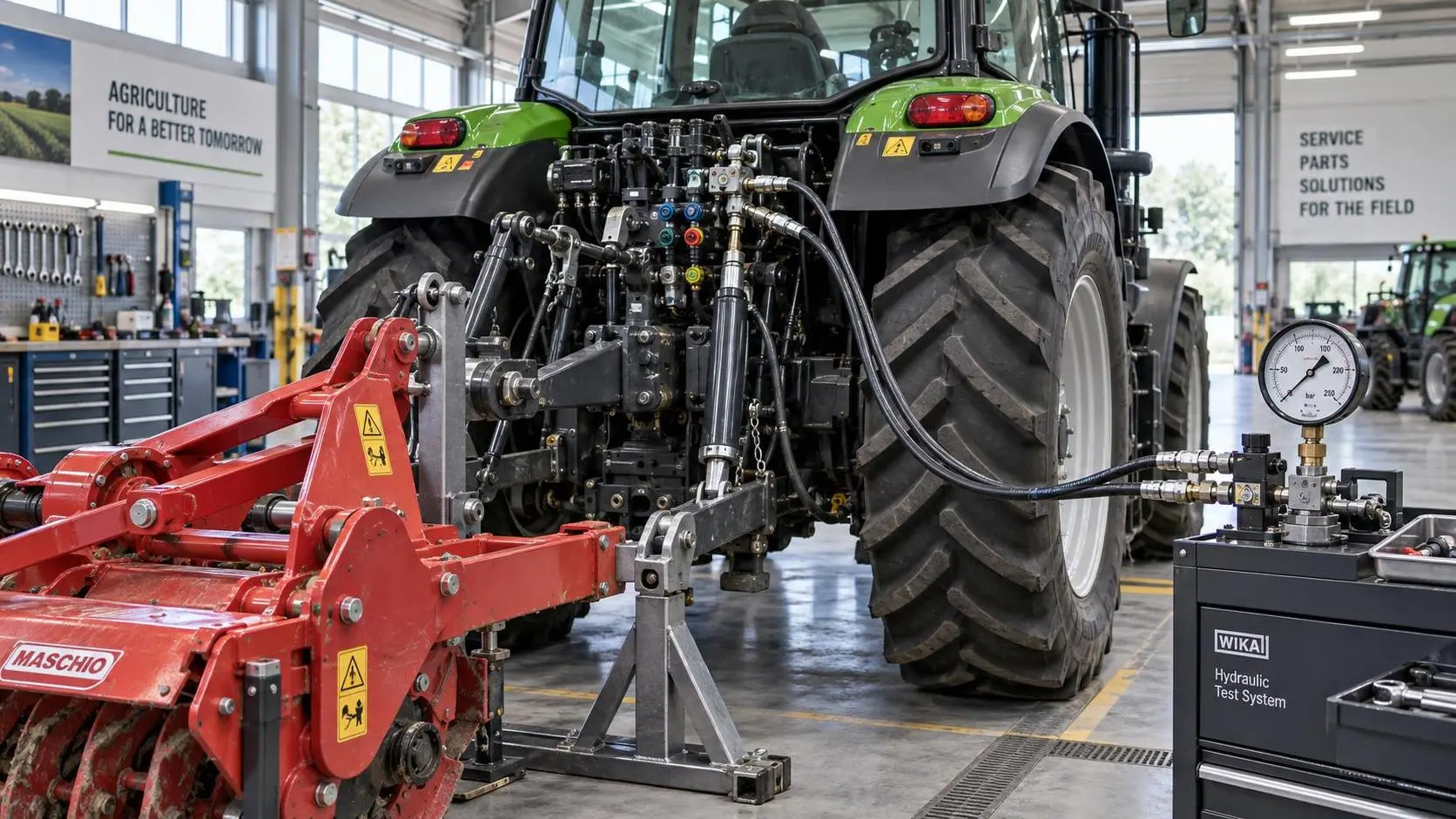
Tractor Hydraulic Systems Troubleshooting: Diagnosing Weak Lift and Slow Implements
Tractor hydraulic systems troubleshooting made practical: diagnose weak lifts and slow implements with proven pressure, flow, valve, and oil-supply checks.
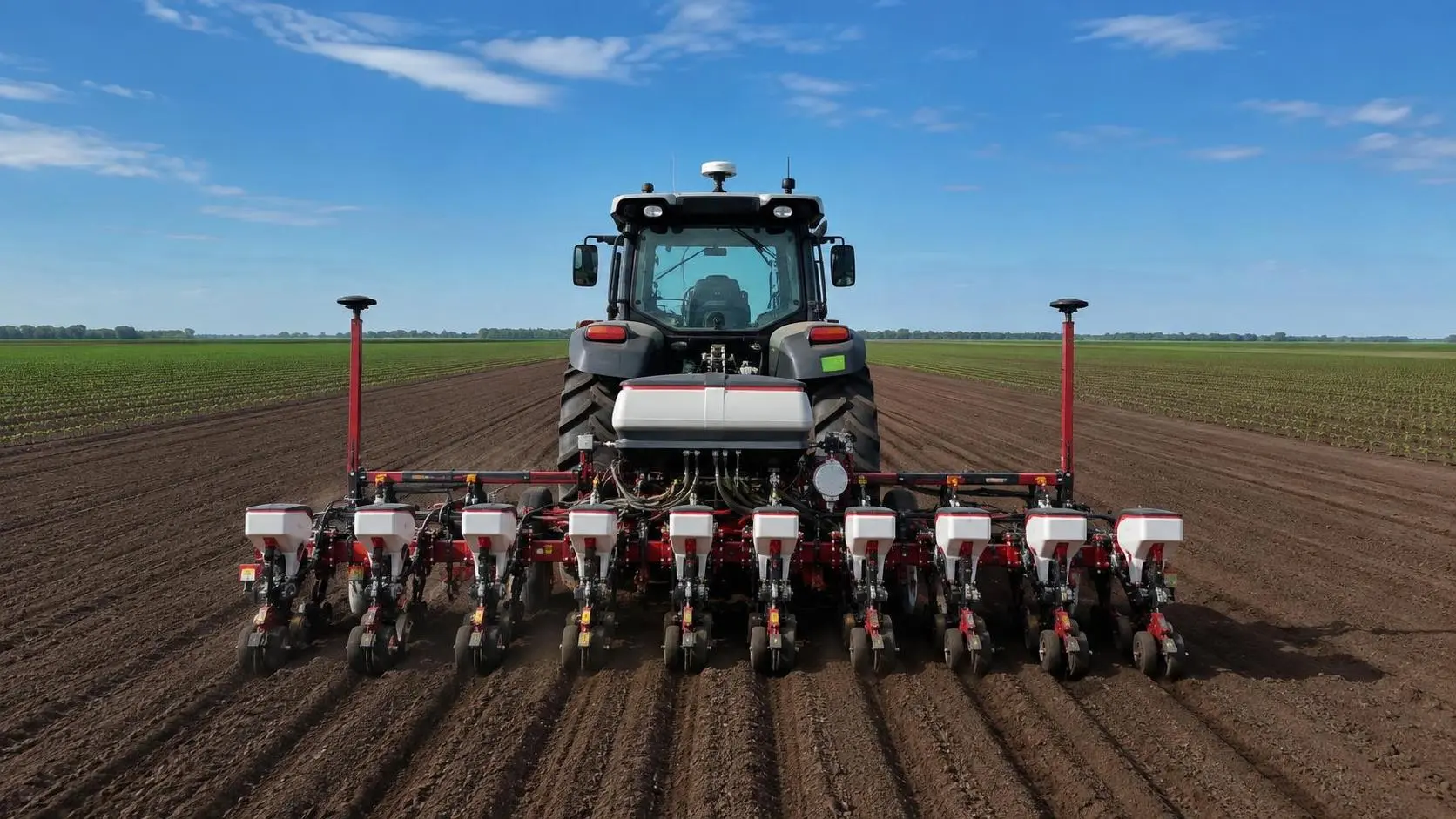
How Tractor Intelligence Systems Improve Field Efficiency and Input Accuracy
Agricultural machinery intelligence for tractors improves field efficiency, input accuracy, data traceability, and implement control. Explore smarter evaluation strategies.
Related News
- 00
0000-00
How to Evaluate Drip Irrigation System Manufacturers for Large Farm Projects - 00
0000-00
Wireless Agricultural Automation for Remote Irrigation and Field Monitoring - 00
0000-00
Designing Water-Saving Drip Irrigation Systems for High-Value Orchards - 00
0000-00
How to Choose Irrigation Solutions for Arid Regions Based on Water Source and Crop Needs - 00
0000-00
How IoT Smart Irrigation Networks Help Farms Cut Water Use and Improve Yield
Popular Tags
Hydrological Resource Strategist
Weekly Insights
Stay ahead with our curated technology reports delivered every Monday.