
GFMT Opens Drip Irrigation Hub With 127 China Suppliers
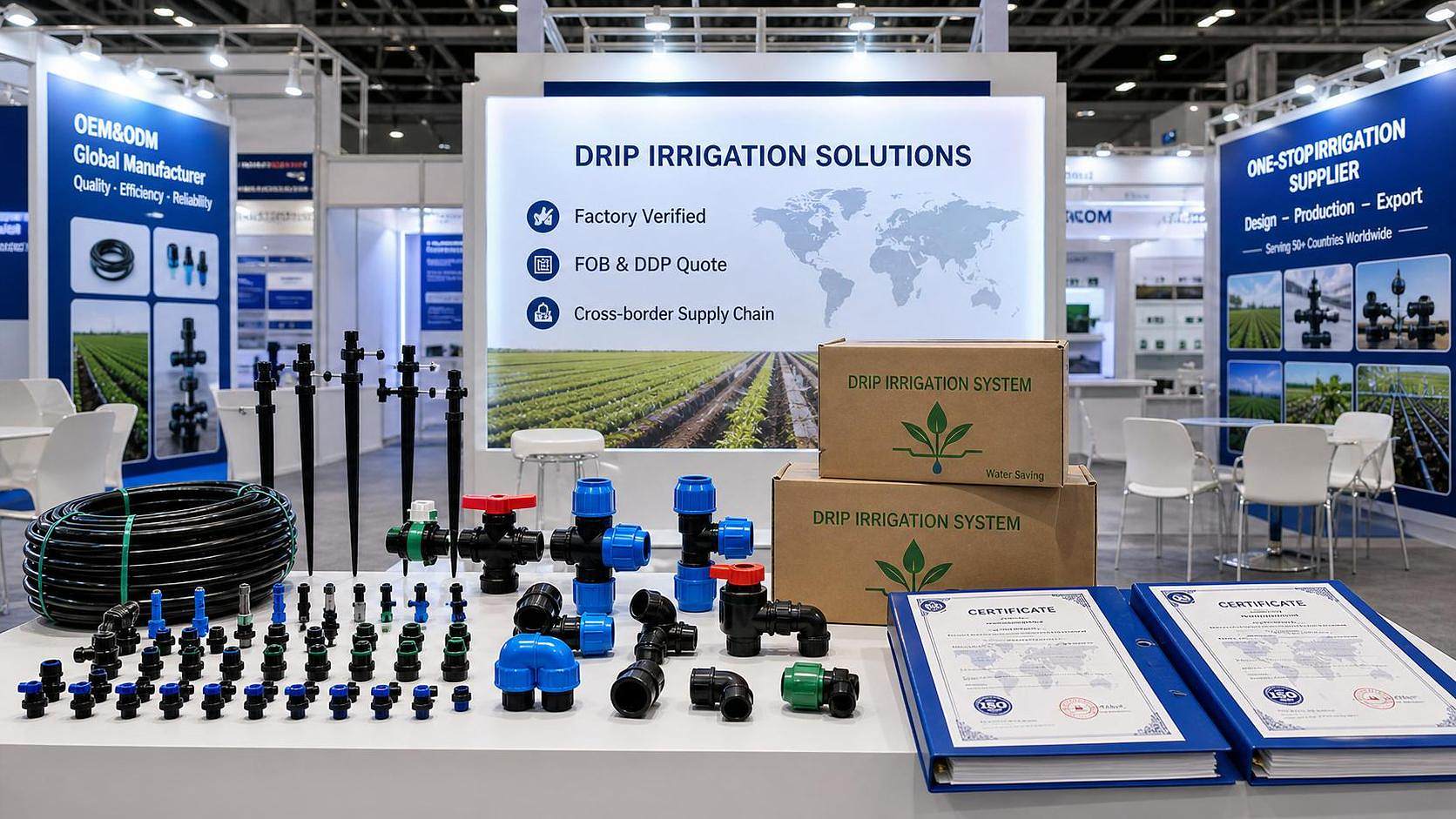




On June 15, 2026, GFMT launched its “Drip Irrigation Logic” vertical trading section at ProPak China in Shanghai, connecting an initial group of 127 Chinese drip irrigation equipment manufacturers. The launch is worth watching for exporters, overseas buyers, and supply chain service providers because it combines supplier access with online factory verification, CE/ISO document checks, small-batch trial orders, and dual FOB and DDP quotation options. First-day inquiry volume from buyers in the Middle East and Southeast Asia exceeded 400, making the development relevant not only as a platform update but also as a signal about how cross-border sourcing workflows in this segment may be evolving.
What Has Been Confirmed at Launch
GFMT formally introduced the “Drip Irrigation Logic” vertical trading section on June 15, 2026 during ProPak China in Shanghai. According to the provided event summary, the first batch includes 127 drip irrigation equipment manufacturers from China.
The section supports several transaction and verification functions that were specifically disclosed: online factory inspection, verification of CE and ISO certification documents, small-batch trial orders, and a dual quotation model covering both FOB and DDP. The same summary states that buyers from the Middle East and Southeast Asia generated more than 400 inquiries on the first day.
Why This Draws Attention Across the Chain
For exporters, the emphasis moves beyond listing products
Analysis shows the announced features matter because they connect supplier discovery with document review and initial transaction structuring. For Chinese equipment manufacturers and trading companies, the immediate impact is likely to be felt in how they present compliance materials, respond to trial-order requests, and manage quotation logic for different delivery terms.
What deserves closer attention is whether sellers can operationally support both visibility and responsiveness at the same time. A vertical section may increase exposure, but it also puts more weight on the quality of certification files, the clarity of offer terms, and the speed of follow-up with overseas buyers.
For overseas buyers, sourcing friction may shift to verification and execution
From an industry perspective, buyers in the Middle East and Southeast Asia may see value in having supplier access, factory verification, and document checks presented in one trading environment. That does not remove procurement risk, but it may change where attention is concentrated: less on initial supplier discovery and more on comparing documentation quality, trial-order feasibility, and delivery-term suitability.
The practical effect may be strongest in early-stage vendor screening, especially for buyers that need to test suppliers before committing to larger volumes. The availability of small-batch trial orders makes that stage more visible in the transaction process.
For logistics and trade service providers, quote structure becomes more important
Observably, the inclusion of both FOB and DDP quotations has implications for freight, customs coordination, and landed-cost communication. Service providers involved in cross-border delivery may need to pay closer attention to how suppliers and buyers interpret responsibility splits under different terms, especially when negotiations move from inquiry to trial order.
This does not prove a change in trade flows by itself, but it highlights a growing operational need for clearer coordination between product suppliers and service partners around pricing presentation and delivery commitments.
What Companies Should Watch Next
Prepare certification and verification materials for scrutiny
Companies participating in similar vertical sourcing environments should pay close attention to the readiness and consistency of CE and ISO documentation. In this case, document verification is not a side feature; it is part of the announced transaction framework, which means incomplete or unclear files could affect buyer confidence at the first-contact stage.
Treat small-batch orders as a commercial test, not a minor transaction
Analysis shows small-batch trial orders can influence supplier evaluation beyond revenue size. For manufacturers and exporters, this raises practical questions about minimum viable order handling, sample-to-order conversion, internal lead times, and communication discipline during early cooperation.
Review how FOB and DDP offers are communicated
Businesses should also watch how dual quotation expectations affect customer discussions. When both FOB and DDP are available, quotation consistency, cost explanation, and responsibility boundaries become more important. Misalignment at the quotation stage can create downstream issues in delivery expectations and client trust.
Monitor whether buyer interest converts into repeatable demand
The reported first-day inquiry volume indicates immediate market attention, but companies should distinguish between inquiry activity and stable order conversion. What deserves closer attention is whether early engagement from the Middle East and Southeast Asia develops into repeat purchases, broader supplier onboarding, or more standardized transaction behavior on the platform.
How This News Is Best Interpreted Right Now
Observably, this development is best read as an operational signal rather than a settled market outcome. The confirmed facts show that a dedicated drip irrigation trading section has been launched with a sizeable initial supplier base and a set of verification and quotation tools. They do not yet show how deeply these tools will reshape purchasing decisions, supplier competition, or cross-border transaction efficiency.
From an industry perspective, the stronger signal lies in the combination of functions: supplier aggregation, online verification, trial-order support, and dual trade-term quoting. That combination suggests growing demand for more structured procurement workflows in this product segment, especially where buyers need to balance sourcing speed with compliance review.
What the Update Means in Practical Terms
At this stage, it is more appropriate to understand the launch as a market-facing infrastructure move within cross-border B2B sourcing for drip irrigation equipment. The immediate significance is not that the sector has already changed, but that platform design is increasingly focusing on verification, smaller initial commitments, and clearer quotation pathways.
For companies in manufacturing, export trade, procurement, and trade services, the main takeaway is to watch execution quality rather than headline attention alone. If buyer inquiries continue and transaction-support features are actively used, this launch may become a useful reference point for how specialized equipment sourcing is being organized online. For now, it remains a development that merits continued observation rather than a confirmed long-term shift.
Basis of This Article
This article is based on the user-provided news title, event date, and event summary. The specific official source link was not provided in the input, so the details should continue to be verified against source materials as they become available.
For developments of this kind, commonly relevant source types include official platform statements, company announcements, exhibition releases, industry association updates, authoritative media coverage, and certification or standards-related documents where applicable. Areas that still deserve follow-up include any later platform rule changes, further disclosure on supplier participation, and whether early inquiry activity translates into sustained transaction performance.
Related News

How to Evaluate Agricultural Product Information Sources for Reliable Farm Decisions
Agricultural product information reference guide: evaluate reliable farm data, verify claims, and make smarter machinery, irrigation, and crop decisions.

Farm Machinery Guide: Matching Tractor Horsepower and Implements to Farm Size
Farm machinery guide for tractors: match horsepower, implement width, hydraulics, traction, and fleet capacity to farm size for lower costs and reliable field performance.
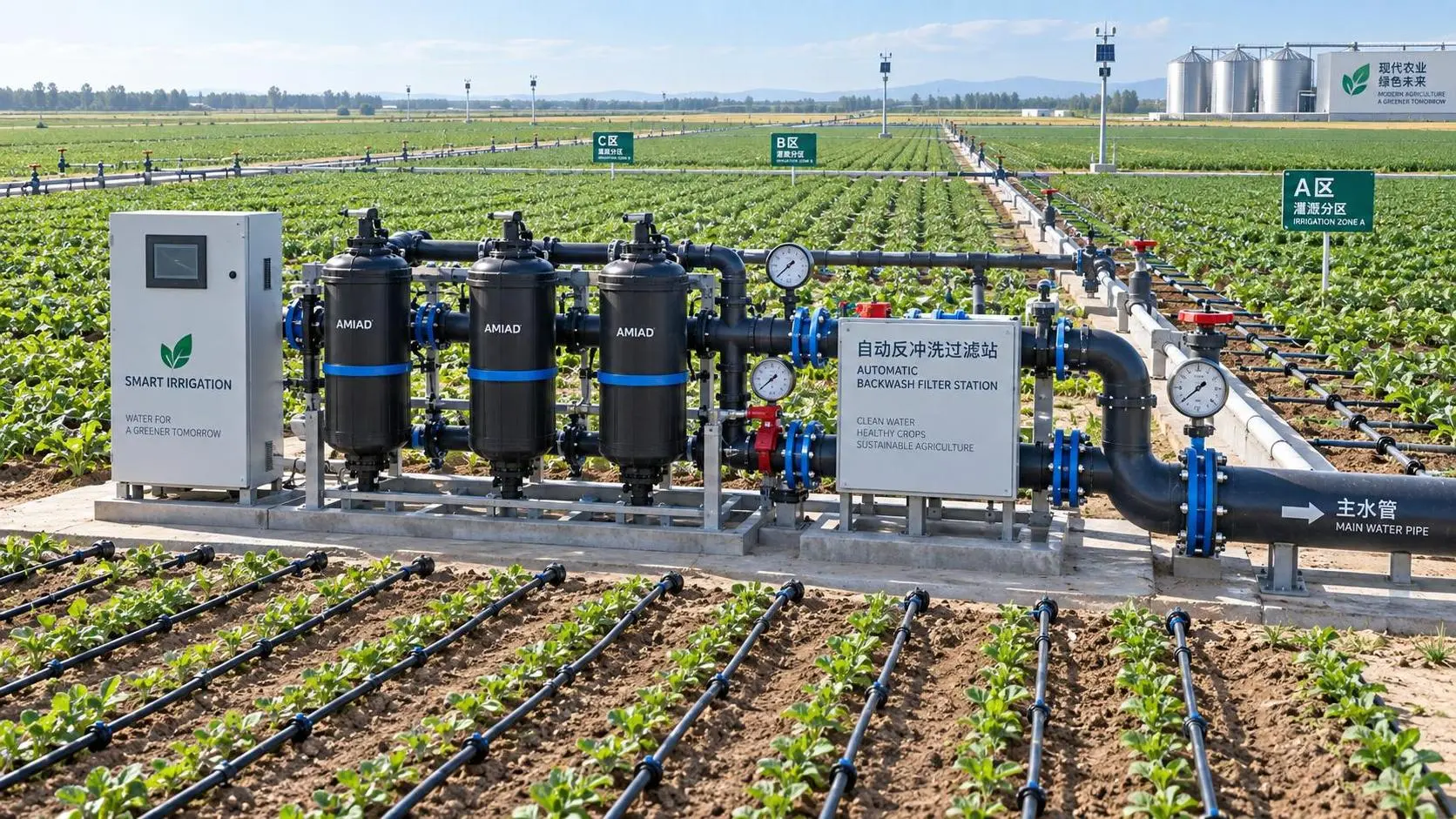
How to Evaluate Drip Irrigation System Manufacturers for Large Farm Projects
Drip irrigation systems manufacturer evaluation guide for large farms: compare hydraulic design, filtration, quality control, scalability, delivery, and support.

Specification Planning: A Practical Framework for Defining Equipment Requirements
Application guidance for specification planning: define measurable equipment requirements, prioritize performance, and avoid costly procurement mistakes.

How North American Farms Can Select Crop Monitoring Systems by Acreage and Connectivity
Crop monitoring systems North America: learn how to match acreage, connectivity, sensors, and data workflows for reliable, actionable farm decisions.

Where to Find Reliable Product Information for Comparing Farm Equipment
Product information resources agriculture buyers can trust: compare farm equipment with technical specs, manuals, field data, dealer support, and lifecycle insights.
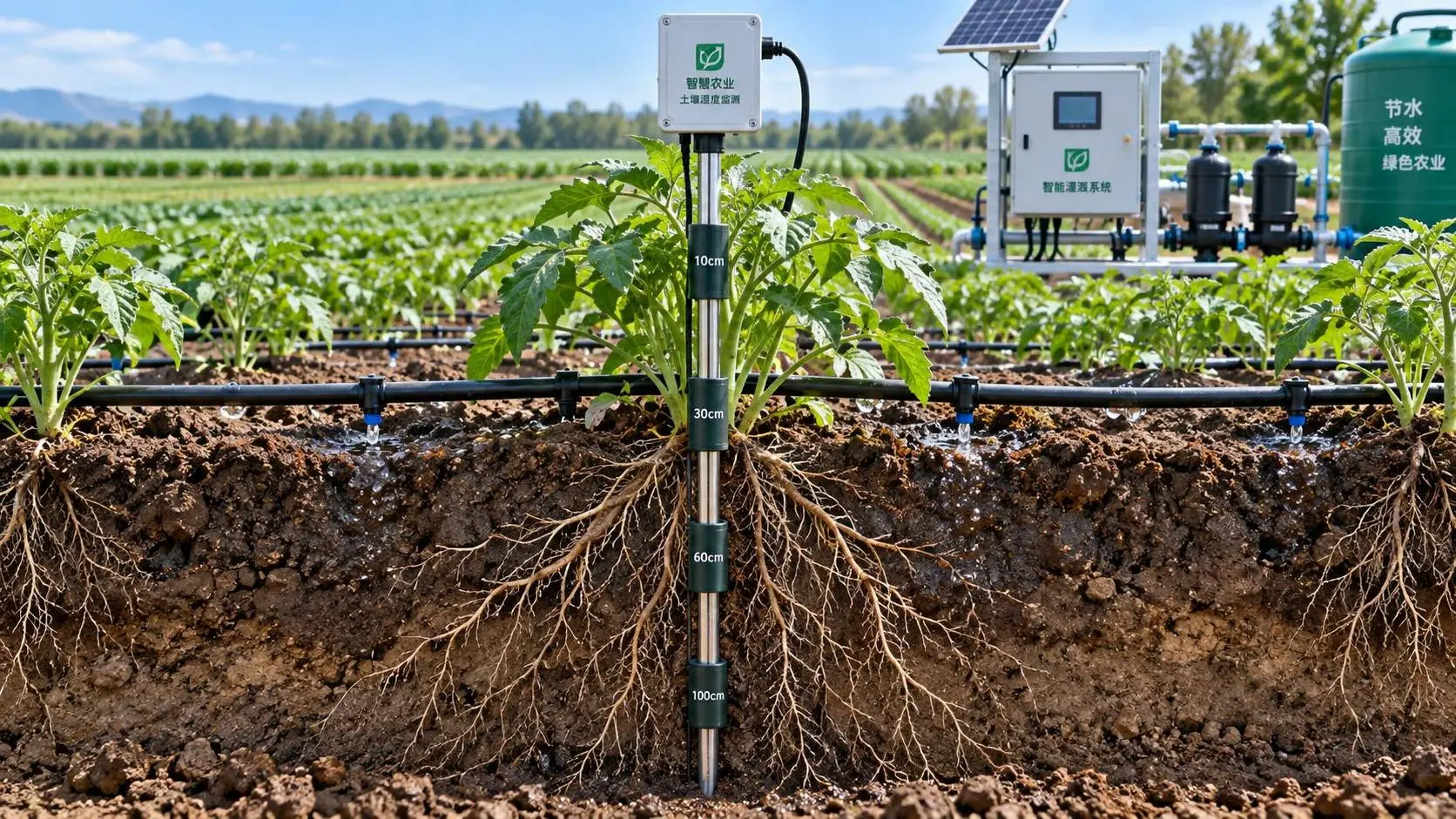
Selecting Real-Time Soil Moisture Sensors for Irrigation Zone Control
Soil moisture sensors real time: learn how to select reliable probes, optimize zone control, improve irrigation decisions, and scale precision water management.
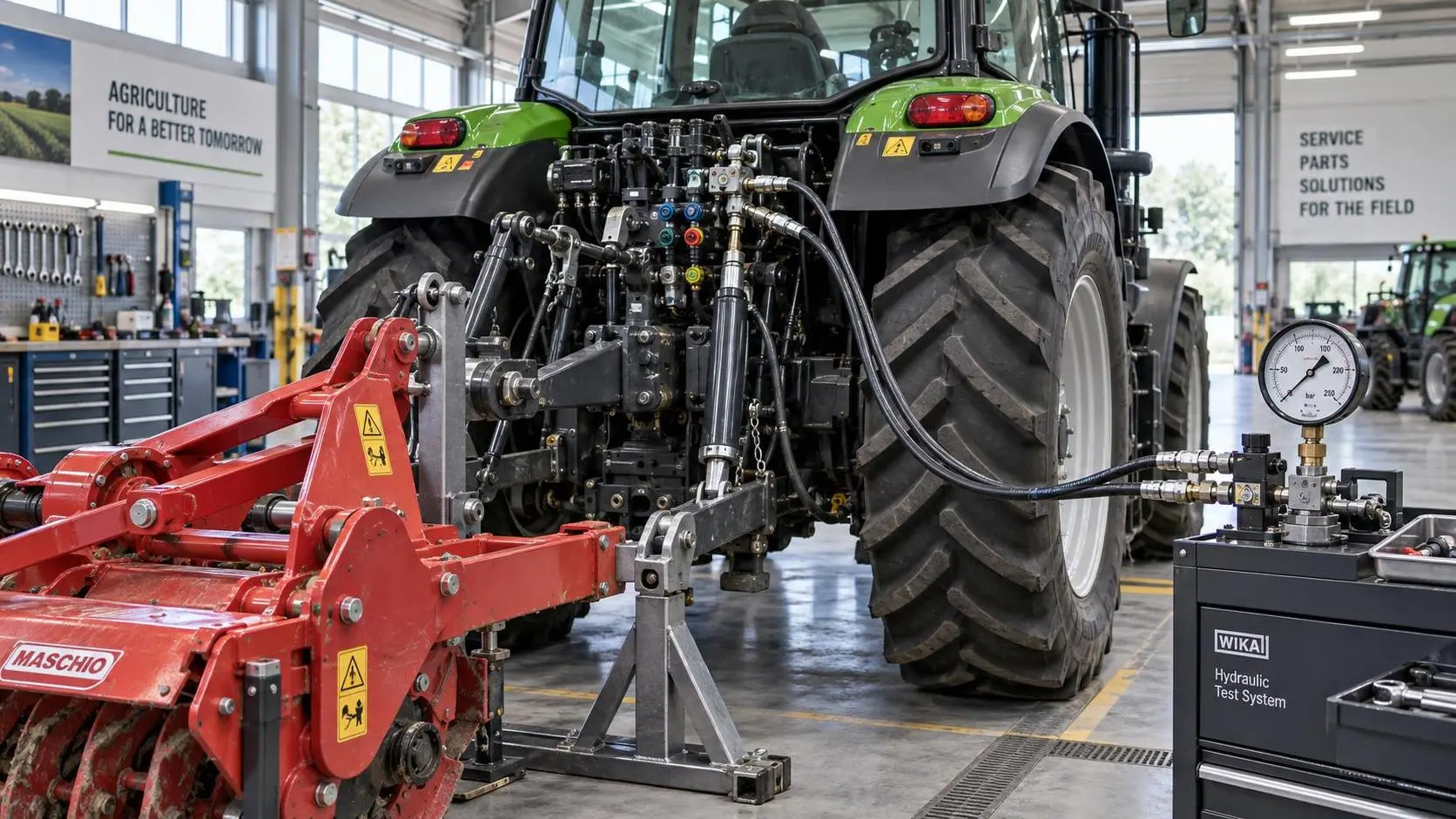
Tractor Hydraulic Systems Troubleshooting: Diagnosing Weak Lift and Slow Implements
Tractor hydraulic systems troubleshooting made practical: diagnose weak lifts and slow implements with proven pressure, flow, valve, and oil-supply checks.
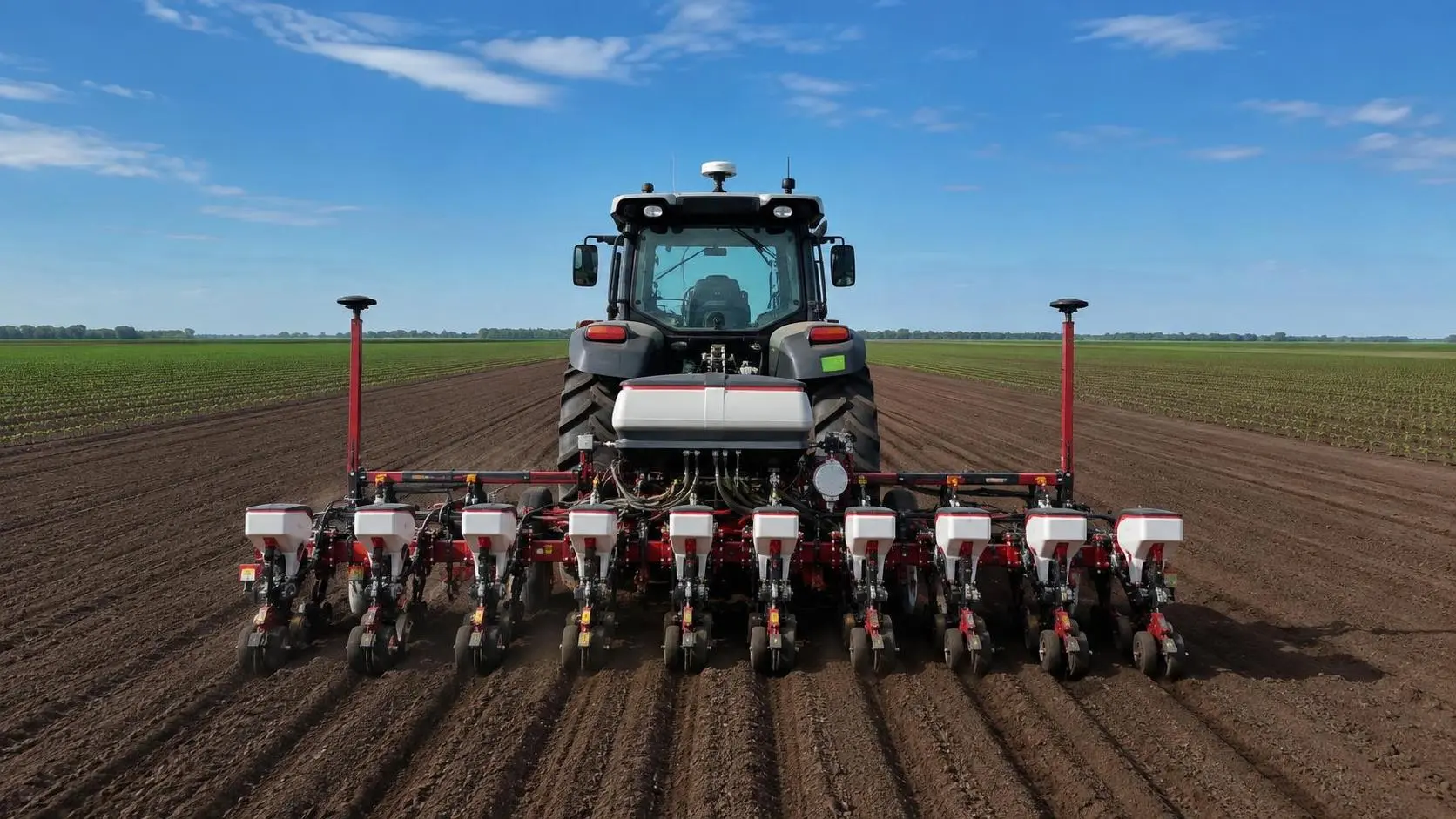
How Tractor Intelligence Systems Improve Field Efficiency and Input Accuracy
Agricultural machinery intelligence for tractors improves field efficiency, input accuracy, data traceability, and implement control. Explore smarter evaluation strategies.
Related News
- 00
0000-00
How to Evaluate Drip Irrigation System Manufacturers for Large Farm Projects - 00
0000-00
Wireless Agricultural Automation for Remote Irrigation and Field Monitoring - 00
0000-00
Designing Water-Saving Drip Irrigation Systems for High-Value Orchards - 00
0000-00
How to Choose Irrigation Solutions for Arid Regions Based on Water Source and Crop Needs - 00
0000-00
How IoT Smart Irrigation Networks Help Farms Cut Water Use and Improve Yield
Popular Tags
Hydrological Resource Strategist
Weekly Insights
Stay ahead with our curated technology reports delivered every Monday.