
GFMT Opens Drip Irrigation Hub for 127 China Suppliers
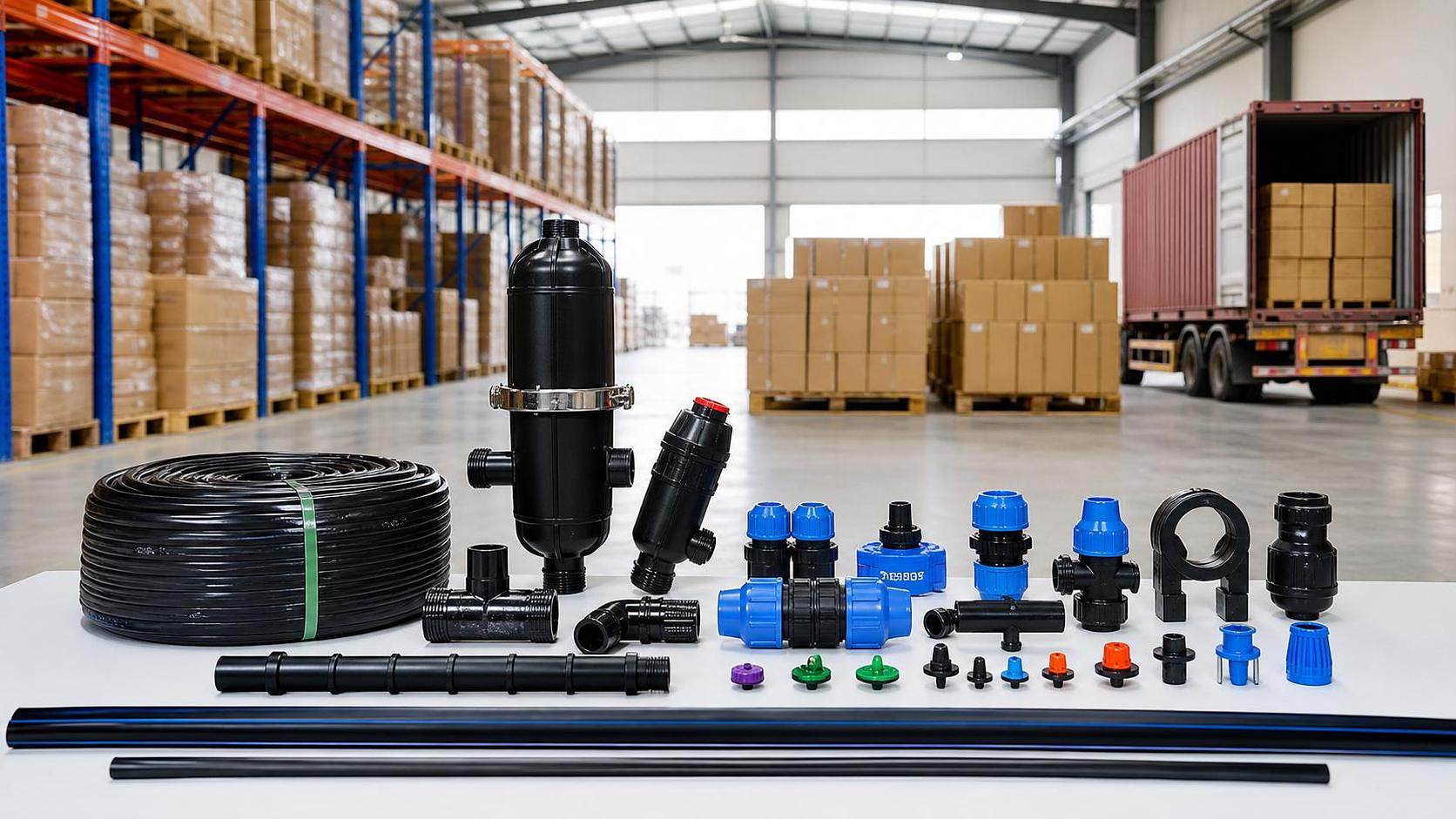




On June 17, 2026, global agricultural machinery B2B platform GFMT launched a dedicated Drip Irrigation Logic channel that connects buyers with 127 Chinese drip irrigation equipment manufacturers certified by UN FAO for water-saving performance. The move deserves attention from irrigation equipment suppliers, cross-border buyers, channel operators, and supply chain service providers because it combines parameter-based product filtering, bilingual inquiry access, and sample delivery into one transaction path, with more than 240 valid requests already recorded in its first week from buyers in Tanzania and Rwanda.
What the new channel includes
According to the disclosed information, the new GFMT section is focused specifically on drip irrigation equipment sourcing. It brings together 127 Chinese manufacturers that have passed UN FAO water-saving certification. Buyers can screen products across 12 parameters, including flow accuracy at ±2%, anti-clogging performance under ISO 9261, and lateral pressure adaptation in the range of 0.5–2.5 bar.
GFMT also opened bilingual inquiry channels in English and Swahili and added cross-border direct mailing for samples. In the first week after launch, the platform received more than 240 valid buyer requests from Tanzania and Rwanda.
Why different market participants may pay attention
For equipment manufacturers, comparison is becoming more specification-driven
From an industry perspective, manufacturers may feel the impact most directly in product presentation and lead acquisition. A sourcing environment that highlights measurable filters such as flow precision, anti-clogging standards, and pressure range can push supplier competition toward disclosed technical parameters rather than only broad catalog exposure. What deserves closer attention is whether product data, certification records, and sample response processes are ready for a more structured buyer screening process.
For buyers, early-stage selection may become faster but stricter
Buyers may be affected at the product evaluation and supplier shortlisting stages. The channel’s parameter filters and bilingual inquiry access can reduce friction in identifying suppliers that match specific operating requirements. At the same time, buyers will need to pay close attention to whether listed specifications, certification status, and sample results align with their actual procurement standards before moving forward.
For trade and service intermediaries, the workflow may shift toward verification and fulfillment
Observably, trading firms, sourcing agents, and cross-border service providers may see changes in where value is created. If buyers can narrow options more efficiently on-platform, intermediary work may move further toward document verification, inquiry handling, sampling coordination, and delivery execution. The addition of direct sample mailing especially points to a closer link between online inquiry and offline fulfillment.
Operational points companies should watch now
Check how technical claims are presented
Companies involved should pay attention to how key indicators such as ±2% flow accuracy, ISO 9261 anti-clogging performance, and 0.5–2.5 bar pressure adaptation are displayed and explained in commercial communication. In this type of channel, unclear or inconsistent technical wording can affect screening visibility and buyer confidence.
Prepare bilingual inquiry handling carefully
The opening of English and Swahili inquiry channels means supplier response workflows may need tighter coordination. What deserves closer attention is not only language handling, but also whether inquiry replies can stay consistent with technical data, certification claims, and sampling arrangements.
Match sample logistics with sales follow-up
The sample direct-mail function can shorten the distance between initial interest and product verification. Companies should therefore watch the practical link between sample dispatch, buyer feedback, and formal quotation progress, especially when requests are concentrated in specific markets such as Tanzania and Rwanda.
Track whether demand stays broad or becomes concentrated
The first-week figure of more than 240 valid requests signals immediate market attention, but companies still need to observe the composition of that demand. Analysis shows the more practical question is whether inquiries remain distributed across multiple specifications and suppliers, or concentrate around a smaller set of performance thresholds and product types.
How this development is best understood at this stage
Analysis shows this update is not just about one more product listing page. It suggests that drip irrigation sourcing on B2B platforms is being organized more explicitly around technical screening, localized communication, and sample-based conversion. That said, it is more appropriate to understand this as an early market signal rather than a settled shift in trade patterns, because the available information only confirms the launch, the feature set, and first-week inquiry volume.
Observably, the most important unresolved question is whether early inquiry activity can translate into sustained procurement relationships. That is why the event deserves continued industry attention, but not overstatement.
What this means for the market right now
At present, this development is best read as a practical signal that drip irrigation sourcing is becoming more structured around verifiable specifications and lower-friction buyer access. For suppliers, buyers, and service providers, the immediate relevance lies in product data readiness, communication capability, and sample fulfillment discipline. It is not yet evidence of a definitive market outcome, but it is a development that may influence how cross-border sourcing conversations are initiated and filtered in the near term.
About the information used here
This article is based on the user-provided news title, event date, and event summary. For developments of this kind, commonly relevant source types may include official platform announcements, company statements, industry association releases, authoritative media reporting, and standards-related documents. A specific official source link was not provided in the input, so further verification remains necessary. The main follow-up points to watch are whether the platform updates its rules or channel descriptions, whether inquiry volume continues after the launch period, and whether more detail emerges on how buyers and suppliers convert inquiries into actual business activity.
Related News

How to Select Precision Crop Protection Equipment for Variable Field Conditions
Precision crop protection equipment selection made simple: compare terrain, canopy, weather, control accuracy, and data workflows for reliable applications.

When Does Agricultural Machinery Leasing Cost Less Than Owning Equipment?
Agricultural machinery leasing can lower farm costs when use is seasonal or uncertain. Compare utilization, maintenance, cash flow, and risk to make a smarter equipment decision.

How to Evaluate Precision Fertilization System Suppliers for Farm-Scale Deployment
Precision fertilization systems suppliers: learn how to compare accuracy, integration, uptime, service, and total cost for confident farm-scale deployment.
ISOBUS for Smart Agriculture: How It Connects Tractors, Implements, and Farm Data
ISOBUS for smart agriculture connects tractors, implements, terminals, and farm data—helping growers improve precision, documentation, and smarter field decisions.
Automated Water-Saving Irrigation: How to Cut Water Use Without Reducing Crop Yields
Automated water-saving irrigation helps farms cut water use, protect crop yields, improve scheduling, and gain reliable control with sensors, flow monitoring, and smart zones.

Selecting Grain Farm Equipment by Acreage, Crop Mix, and Harvest Window
Agricultural equipment selection for grain farming: match machinery to acreage, crop mix, and harvest windows to improve uptime, efficiency, and returns.
Poultry Equipment Selection: Evaluating Durability, Cleaning, and Compatibility
Poultry equipments selection guide: evaluate durability, cleaning access, and system compatibility to improve hygiene, reduce downtime, and support efficient flock management.
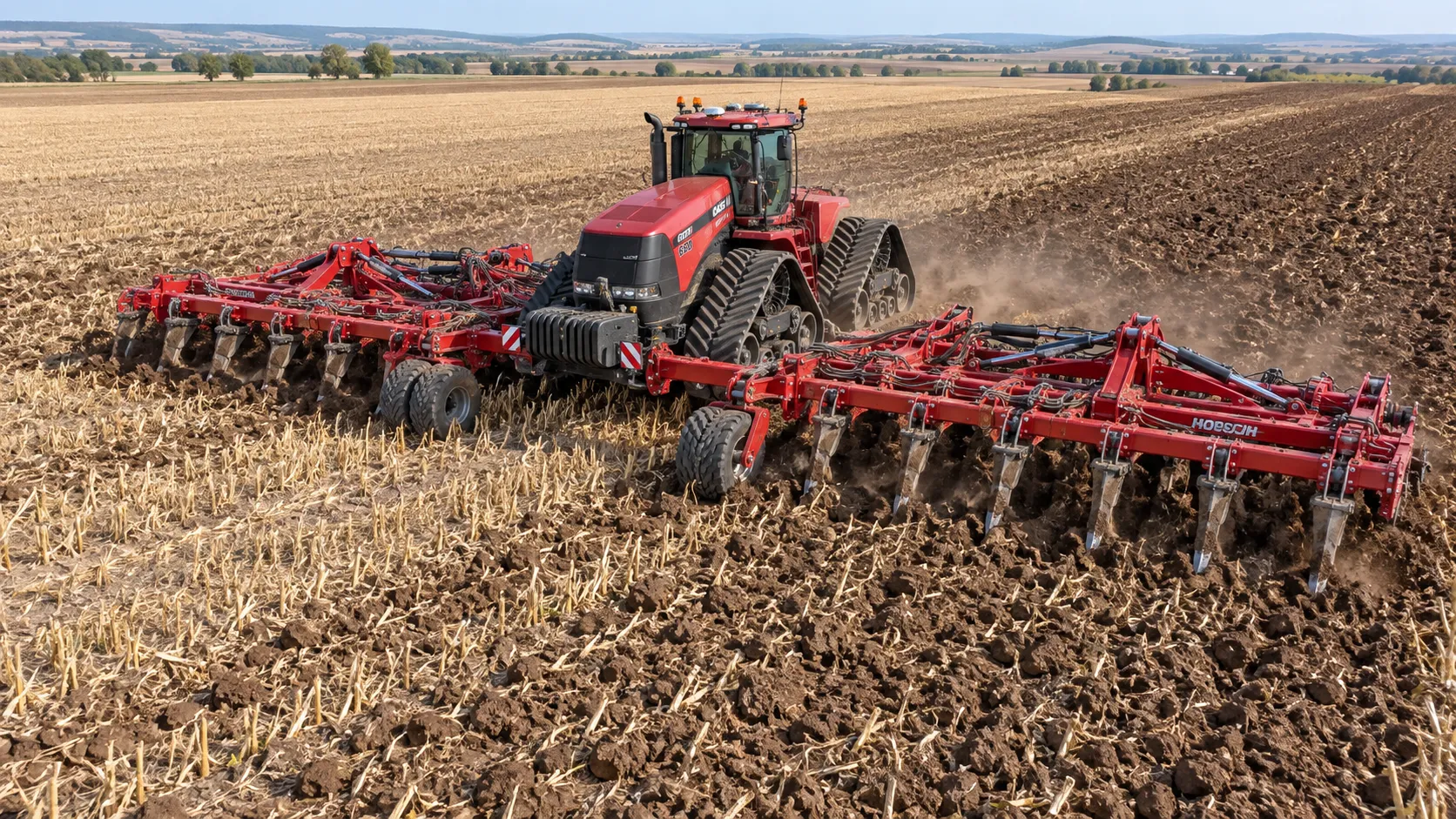
How to Select Heavy-Duty Farm Implements for High-Acreage, High-Horsepower Operations
Heavy duty farm implements: learn how to match draft, hydraulics, hitch capacity, frame strength, and field conditions for reliable high-acreage performance.
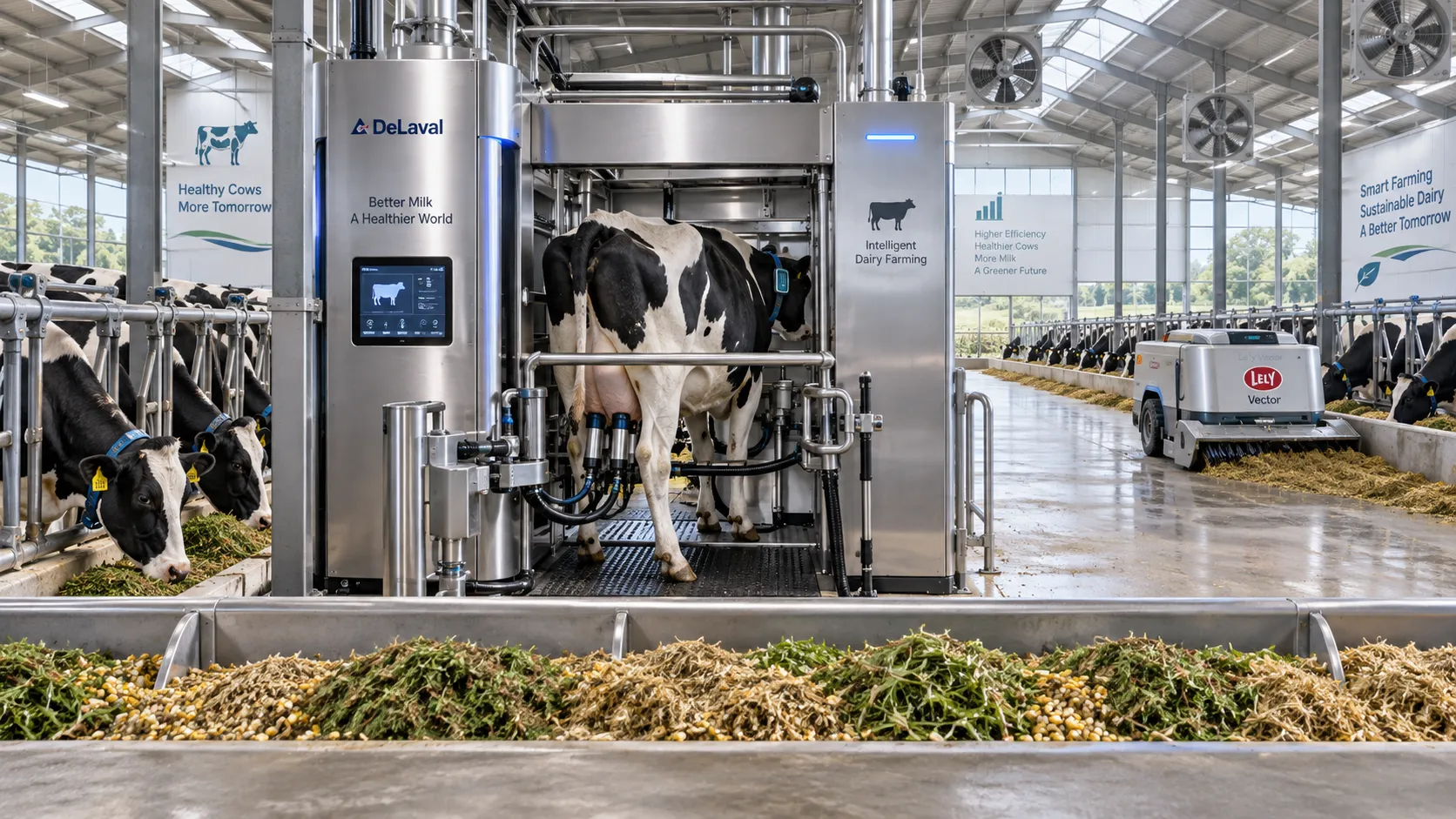
Smart Farming Technology for Dairy Farms: Where Automation Delivers Measurable ROI
Smart farming technology for dairy farms delivers measurable ROI through automation, precision feeding, health monitoring, and data-driven cost control.
Related News
- 00
0000-00
Automated Water-Saving Irrigation: How to Cut Water Use Without Reducing Crop Yields - 00
0000-00
How to Evaluate Drip Irrigation System Manufacturers for Large Farm Projects - 00
0000-00
Wireless Agricultural Automation for Remote Irrigation and Field Monitoring - 00
0000-00
Designing Water-Saving Drip Irrigation Systems for High-Value Orchards - 00
0000-00
How to Choose Irrigation Solutions for Arid Regions Based on Water Source and Crop Needs
Popular Tags
Hydrological Resource Strategist
Weekly Insights
Stay ahead with our curated technology reports delivered every Monday.