
Central Route Rail Tops 2,000 Trains as Irrigation Gear Transit Speeds Up
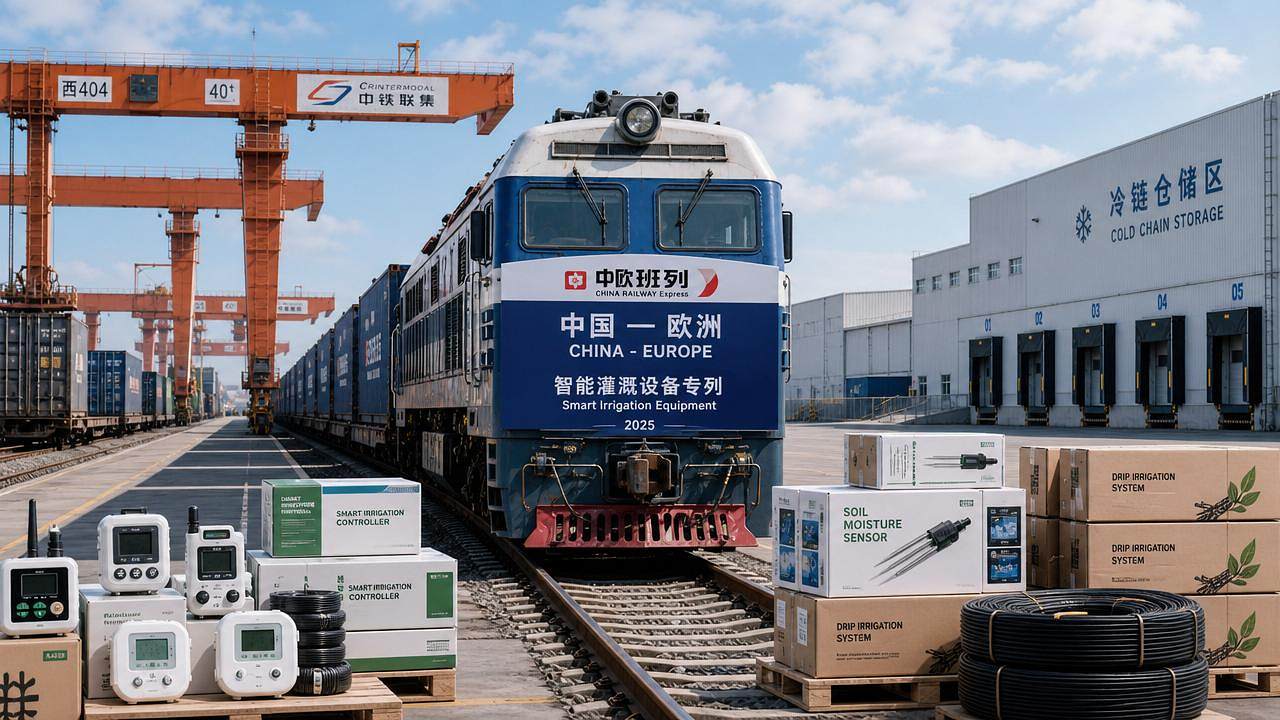




On June 3, 2026, the Central Route of the China-Europe Railway Express, running via Kazakhstan, Russia, and Belarus, passed 2,000 train movements for the year, up 41% from the same period last year. For companies involved in smart irrigation equipment, agricultural machinery logistics, and distribution into the EU and Eastern Europe, the update matters because it links higher corridor throughput with a more structured service model for higher-value farm equipment products and a shorter overland delivery cycle.
A corridor milestone tied to faster agricultural equipment delivery
According to the provided information, the Central Route of the China-Europe Railway Express exceeded 2,000 train movements by June 3, 2026. The route has introduced dedicated agricultural machinery trains and now provides priority loading, faster customs clearance, and temperature-controlled warehousing for higher-value agricultural equipment products including Drip Irrigation Logic and Soil Moisture Sensors.
The average transit time from Xi'an to Duisburg has been reduced to 14 days. The same information states that this is 30% faster than ocean shipping and has materially improved order response capability for distributors serving the EU and Eastern Europe.
Where the impact is likely to be felt first
Faster order response for distributors
From an industry perspective, EU and Eastern European distributors are among the most directly affected parties because the reported change is tied to response speed. A shorter rail transit window can affect replenishment timing, order planning, and the handling of time-sensitive or higher-value product lines.
Stronger relevance for agricultural equipment exporters
Exporters of smart irrigation and related agricultural equipment may see the greatest operational relevance in delivery scheduling and product allocation. Analysis shows that the combination of priority loading, faster clearance, and temperature-controlled warehousing is particularly notable for products that require more predictable handling conditions and tighter shipment coordination.
New operational pressure on supply chain service providers
Rail operators, freight forwarders, customs service providers, and warehousing partners may need to pay closer attention to execution consistency rather than headline speed alone. What deserves closer attention is whether the reported service advantages for designated product categories can be maintained at scale as traffic volume rises.
Procurement teams may reassess routing choices
For buyers and procurement teams serving European distribution channels, the development may influence how they compare rail with sea freight for selected product groups. Observably, the relevance is not only the transit time itself, but also the availability of product-specific logistics arrangements along the route.
What companies should monitor now
Whether service priority remains category-specific
Companies should closely track how the priority loading, faster customs clearance, and temperature-controlled warehousing arrangements are described in subsequent official or operational updates. The practical value for shippers will depend on whether these measures remain limited to certain agricultural equipment categories or are applied more broadly.
How delivery promises are communicated to channel partners
Businesses supplying EU and Eastern European distributors should review how they present lead times and replenishment expectations to customers. The reported 14-day Xi'an-Duisburg average may support faster order response, but customer communication should still distinguish between corridor capability and shipment-by-shipment execution.
Document readiness and shipment planning
For exporters and logistics teams, document preparation and coordination remain important points of attention. Analysis shows that when faster customs clearance becomes part of the service proposition, the commercial benefit depends heavily on whether shipment documentation, product descriptions, and handover timing are aligned with the promised process.
Category selection and allocation strategy
Companies handling mixed product portfolios may need to decide which goods are best suited to this route and service model. What deserves closer attention is whether higher-value smart irrigation components and related farm equipment are prioritized in allocation decisions when speed and handling conditions matter more than pure freight cost comparison.
Why this looks like more than a simple volume update
Analysis shows that this development is not only about a train-count milestone. The more meaningful signal is the pairing of higher corridor volume with product-specific logistics support for agricultural equipment. That combination suggests the market is paying increasing attention to route quality, category handling, and fulfillment responsiveness, not just basic line availability.
At the same time, it is more appropriate to understand this as a developing industry signal rather than a final, settled outcome. The current information confirms improved transit performance and service arrangements on this route, but the broader commercial effect still depends on how consistently these conditions are executed in actual cross-border business.
How the market may best read this update
For the industry, the immediate significance lies in a clearer overland option for selected higher-value agricultural equipment moving toward the EU and Eastern Europe. The update points to a practical logistics improvement with direct implications for inventory response and distributor servicing.
That said, a neutral reading is still necessary. This is best understood as a strong operational signal within a specific corridor and product context, not as a universal shift for all cargo categories or all Europe-bound trade flows. Continued observation is warranted around service continuity, applicable product scope, and real-world delivery performance.
Basis of this article and points for continued verification
This article is based on the user-provided news title, event date, and event summary. For this type of industry update, commonly relevant source categories may include official corridor announcements, company disclosures, industry association releases, authoritative media reporting, and related logistics or standards documentation.
No specific official source link was provided in the input, so the precise primary source still requires ongoing verification. Going forward, the most relevant areas to monitor are any updated official wording on service rules, the scope of product categories covered by priority handling, and whether the reported transit performance continues to hold in routine operations.
Related News
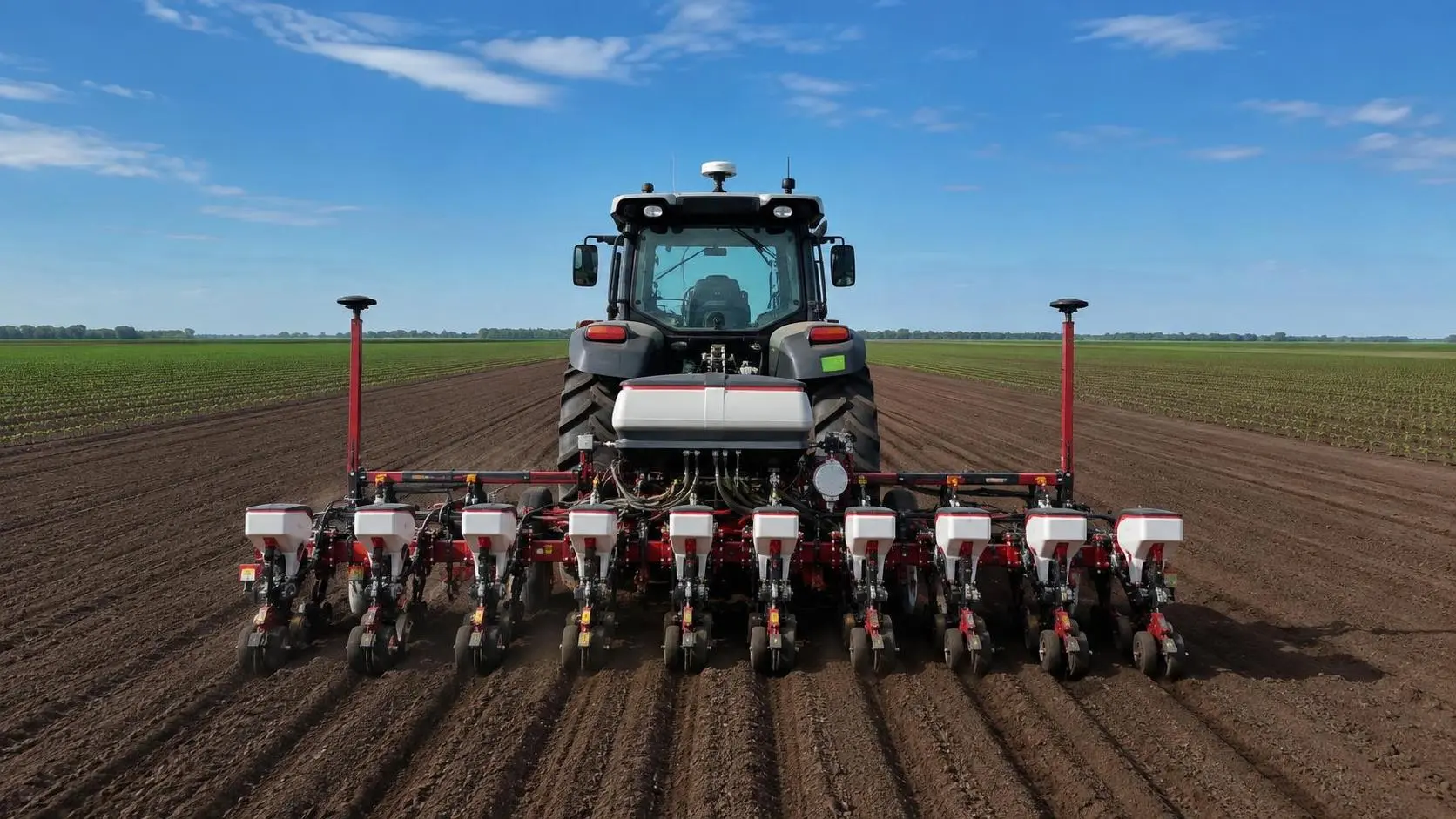
How Tractor Intelligence Systems Improve Field Efficiency and Input Accuracy
Agricultural machinery intelligence for tractors improves field efficiency, input accuracy, data traceability, and implement control. Explore smarter evaluation strategies.
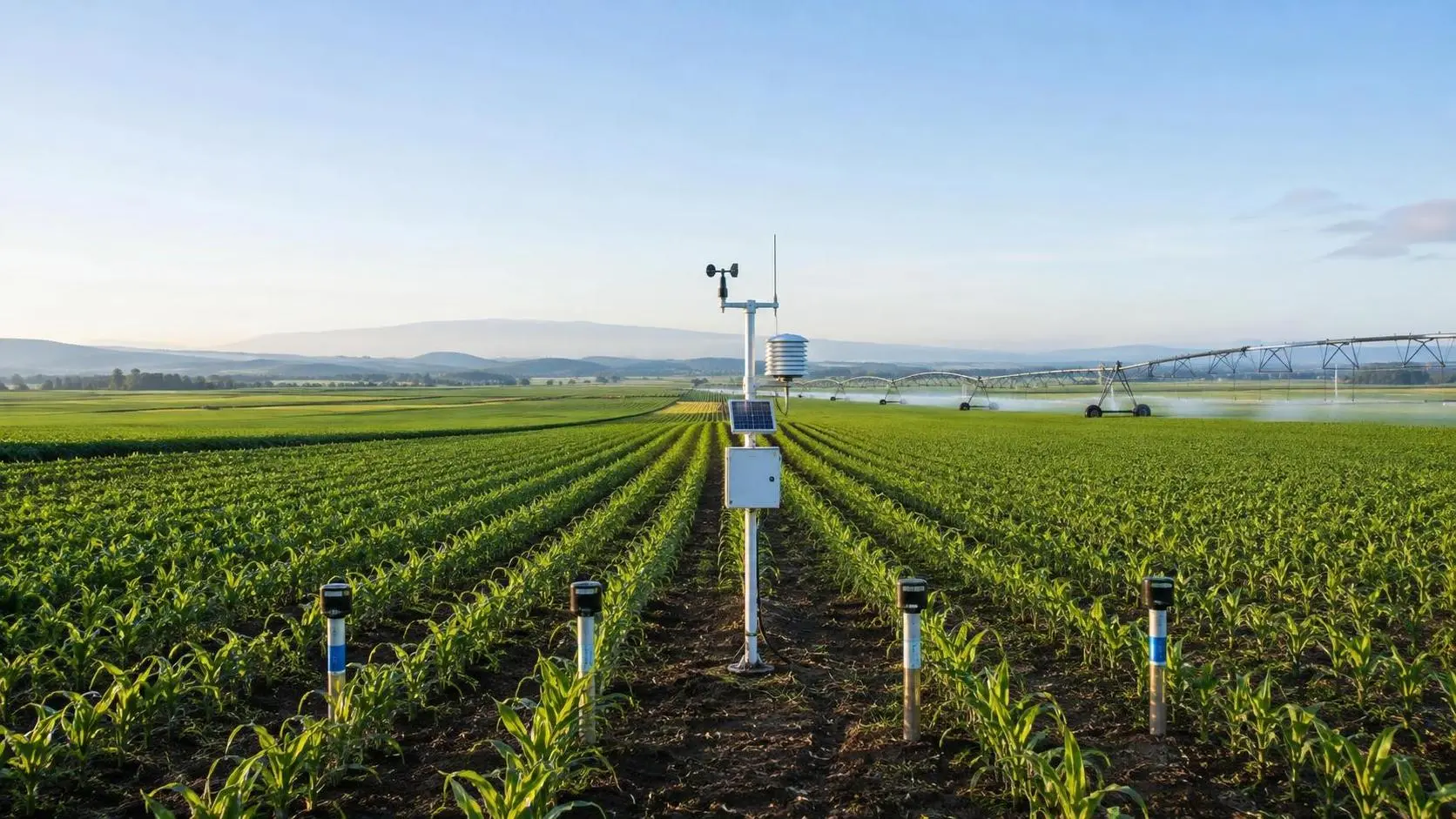
How to Evaluate Crop Monitoring System Manufacturers for Large-Scale Farms
Compare crop monitoring systems manufacturers for large-scale farms. Evaluate data quality, integration, durability, lifecycle costs, support, and pilots for smarter decisions.
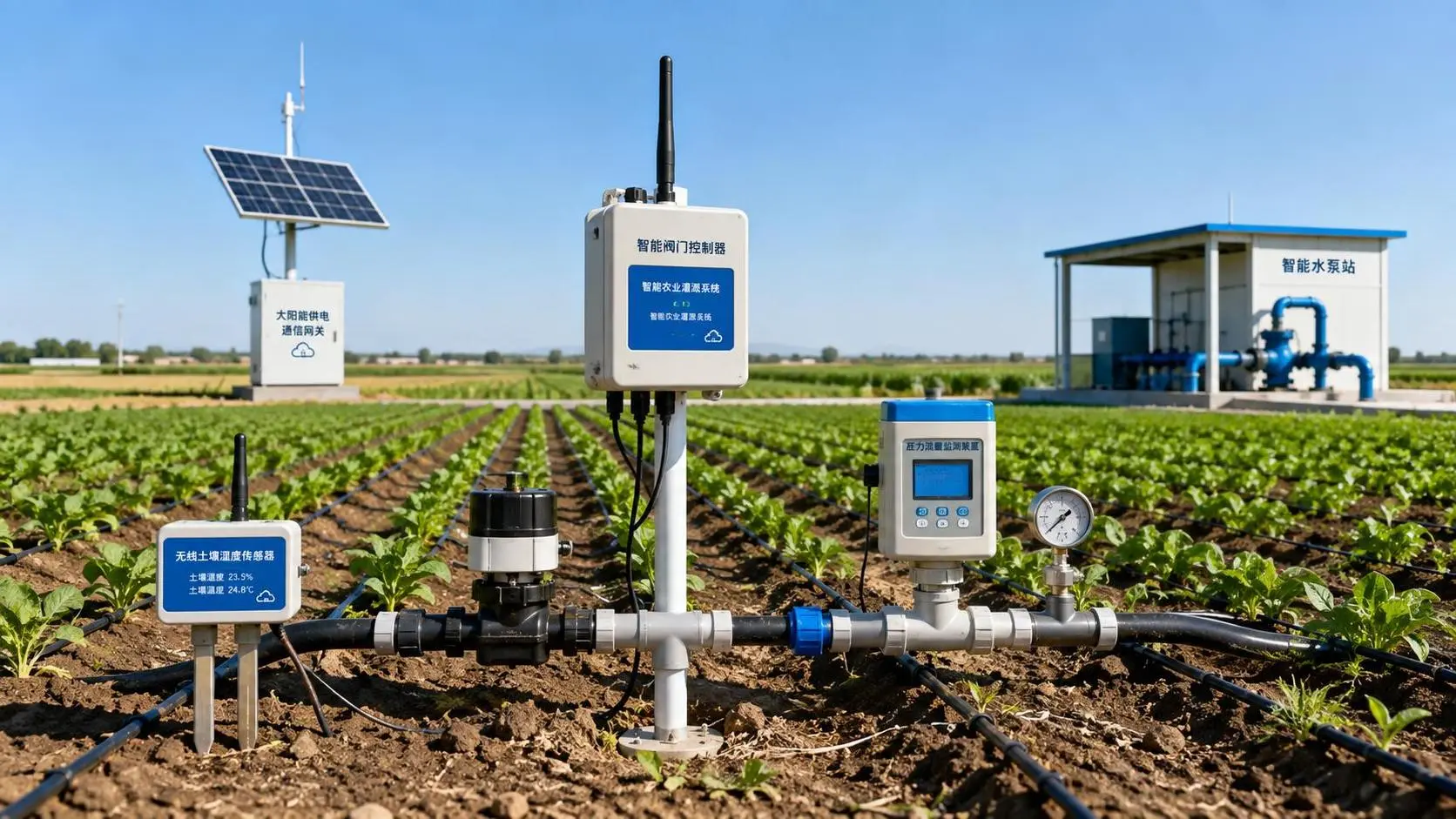
Wireless Agricultural Automation for Remote Irrigation and Field Monitoring
Agricultural automation wireless solutions improve remote irrigation with reliable field data, local control, flow verification, and smarter monitoring. Explore resilient deployment strategies.
Agricultural Product Information Market Guide: Key Data for Sourcing Decisions
Agricultural product information market guide for smarter sourcing—compare machinery, irrigation, precision tools, lifecycle costs, and supplier risk.
Large-Scale Farm Equipment Cost Comparison: Price, Fuel, and Lifecycle Value
Large-scale farm equipment cost comparison: evaluate price, fuel, maintenance, downtime, and lifecycle value to choose tractors, combines, irrigation, and smart tools with confidence.
A Procurement Specification Preparation Example for Buying Farm Equipment
Procurement specification preparation example for farm equipment: learn to define requirements, compare suppliers, control lifecycle costs, and buy with confidence.
What Tractor Horsepower Is Needed for a Three-Bottom Moldboard Plow?
What tractor horsepower is needed for three-bottom moldboard plow? Compare 60–100 hp needs by soil, depth, traction, and plow width for a confident equipment match.
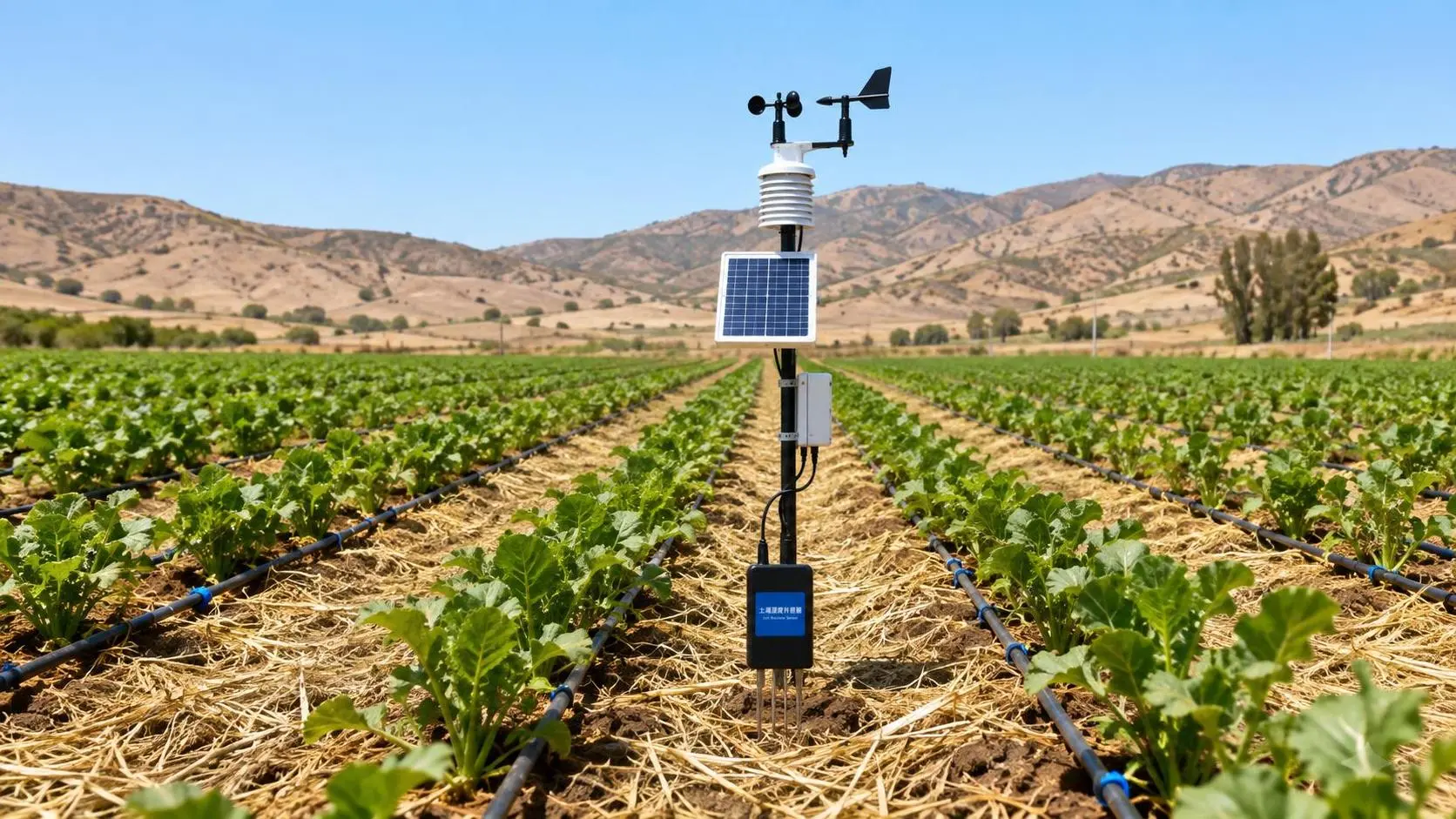
How Does Climate-Smart Farming Reduce Water Use in Semi-Arid Areas?
How does climate-smart farming reduce water use in semi-arid zones? Discover precision irrigation, soil monitoring, and smarter crop planning for resilient yields.
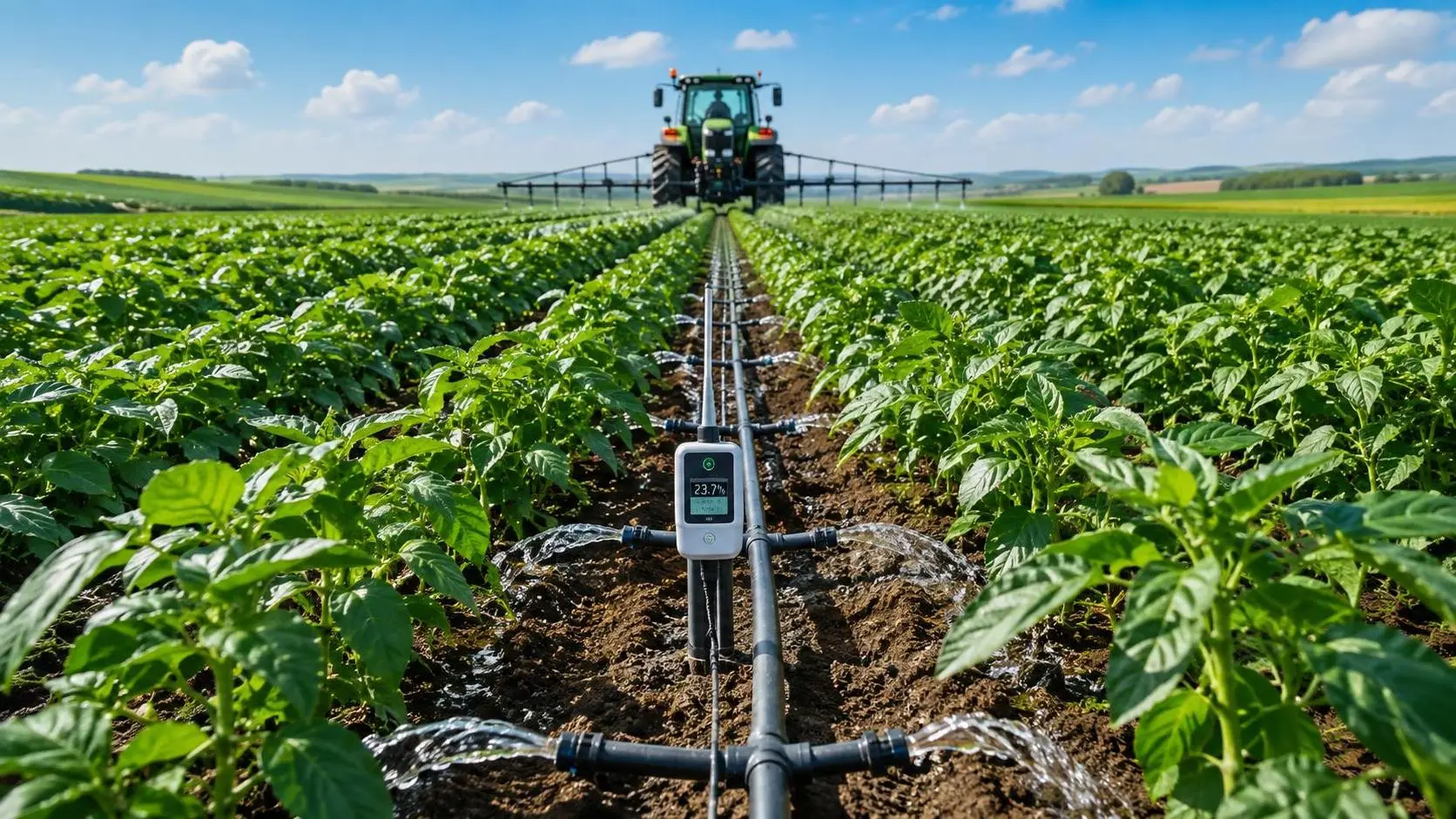
Can Sustainable Farming Be Profitable Without Reducing Yields?
Are sustainable farming practices profitable without yield loss? Discover precision strategies that cut waste, protect yields, and improve farm margins.
Related News
- 00
0000-00
Wireless Agricultural Automation for Remote Irrigation and Field Monitoring - 00
0000-00
Designing Water-Saving Drip Irrigation Systems for High-Value Orchards - 00
0000-00
How to Choose Irrigation Solutions for Arid Regions Based on Water Source and Crop Needs - 00
0000-00
How IoT Smart Irrigation Networks Help Farms Cut Water Use and Improve Yield - 00
0000-00
USDA Rule Takes Effect for Drip Irrigation Imports
Popular Tags
Hydrological Resource Strategist
Weekly Insights
Stay ahead with our curated technology reports delivered every Monday.