
China Opens Coffee Bean Imports From African Partners
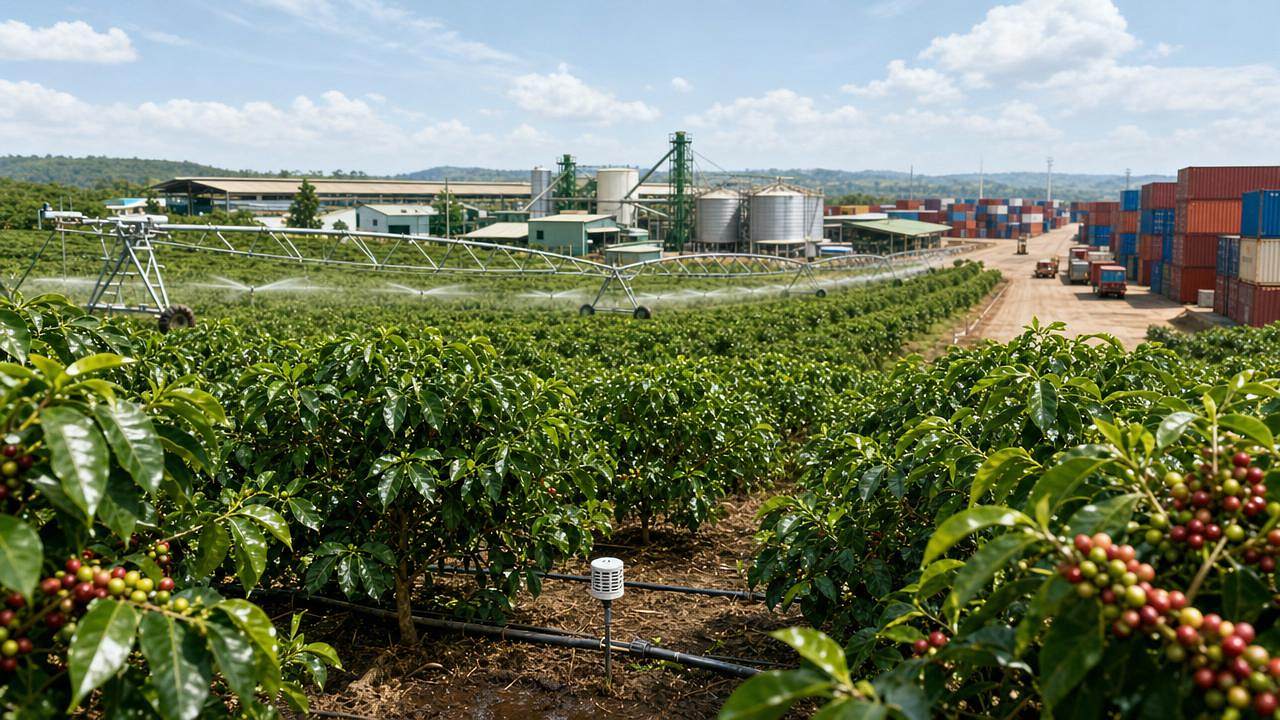




Effective July 20, 2026, China will allow qualified coffee bean imports from African countries that maintain diplomatic relations with Beijing. For the coffee trade, agricultural equipment suppliers, plantation development partners, and post-harvest service providers, this is a policy update worth watching because it links market access for coffee beans with a clearer near-term business window for water-saving irrigation systems and related automation exports.
What the Policy Change Confirms
According to the information provided, China will permit the import of coffee beans from eligible African diplomatic partner countries starting on July 20, 2026. The update is described as a substantive upgrade in the China-Africa agricultural cooperation mechanism. The same information indicates that major African coffee-producing countries such as Ethiopia, Kenya, and Rwanda are expected to expand modern plantations and post-harvest processing centers, creating direct procurement demand for systems including Drip Irrigation Logic, Soil Moisture Sensors, Center Pivot Systems, and related automation equipment.
Where the Market Impact May Appear First
Plantation expansion points to irrigation demand
From an industry perspective, plantation operators and project developers are likely to be the first groups affected because any move toward larger and more modern coffee production bases increases the need for water management infrastructure. The business impact is most likely to show up in project planning, equipment selection, and phased procurement for irrigation and control systems.
Processing-related facilities may influence equipment packages
Observably, the mention of post-harvest processing centers matters because it suggests that demand may not be limited to field irrigation alone. Service providers and equipment integrators may need to pay attention to how on-farm systems connect with broader site automation, utility planning, and delivery coordination around processing facilities.
Chinese exporters gain a clearer project-entry window
For Chinese exporters of irrigation and supporting automation equipment, the main change is not simply higher visibility, but a more identifiable entry point into project discussions tied to coffee sector expansion. What deserves closer attention is how demand may concentrate around specific product categories named in the input, rather than across all agricultural equipment equally.
Trade and supply-chain participants should watch implementation pace
Direct trade companies, procurement teams, and supply-chain service providers may be affected through customer inquiries, quotation cycles, and delivery planning. Analysis shows that the practical impact will depend on how quickly plantation expansion and processing-center construction move from policy signal to actual purchasing activity.
What Companies Should Track Now
Follow official wording and any rule clarification
Companies should closely monitor whether subsequent official language further clarifies eligibility requirements, implementation details, or product-related business conditions linked to the new import arrangement. The current signal is clear, but practical business decisions often depend on the details that follow initial policy release.
Prioritize the named equipment categories
What deserves closer attention is the direct relevance of Drip Irrigation Logic, Soil Moisture Sensors, and Center Pivot Systems. Suppliers in these categories may need to review product positioning, quotation readiness, and technical communication materials for coffee-growing applications rather than treating the opportunity as a broad and undefined agriculture market opening.
Separate policy momentum from confirmed orders
Analysis shows that the policy creates a defined introduction window, but it does not by itself confirm project timing, order size, or delivery schedules. For exporters and service providers, this means customer communication, pipeline screening, and internal forecasting should remain disciplined.
Prepare documentation and delivery coordination early
Suppliers and project-facing teams should pay attention to qualification materials, product documentation, lead-time planning, and cross-border coordination. If procurement activity accelerates around plantation and processing-center projects, execution capacity may become as important as product fit.
How This Signal Should Be Read
Observably, this development carries both immediate and longer-horizon implications. In the short term, it identifies a concrete commercial opening for irrigation and automation equipment tied to coffee-sector expansion in African producing countries. More appropriately, however, it should be understood as a policy-backed market signal rather than a fully realized demand outcome, because the business effect still depends on how quickly expansion plans are translated into procurement and project implementation.
A Practical Reading of the Opportunity
From an industry perspective, the significance of this update lies in its cross-link between agricultural trade access and upstream farm infrastructure demand. It is more appropriate to understand this as an actionable but still developing opportunity: strong enough to justify market attention and preparation, but still requiring continued verification through follow-up rules, project progress, and purchasing behavior.
Basis of This Article
This article is based on the user-provided news title, event date, and event summary. For developments of this kind, common source categories typically include official announcements, company disclosures, industry association updates, authoritative media reporting, and standard-setting documents. No specific official source link was provided in the input, so the exact official source still needs ongoing verification. Continued attention should focus on any subsequent rule clarification, implementation updates, and signs that plantation or post-harvest projects are moving into actual procurement stages.
Related News
How Tractor Intelligence Systems Improve Field Efficiency and Input Accuracy
Agricultural machinery intelligence for tractors improves field efficiency, input accuracy, data traceability, and implement control. Explore smarter evaluation strategies.
How to Evaluate Crop Monitoring System Manufacturers for Large-Scale Farms
Compare crop monitoring systems manufacturers for large-scale farms. Evaluate data quality, integration, durability, lifecycle costs, support, and pilots for smarter decisions.
Wireless Agricultural Automation for Remote Irrigation and Field Monitoring
Agricultural automation wireless solutions improve remote irrigation with reliable field data, local control, flow verification, and smarter monitoring. Explore resilient deployment strategies.
Agricultural Product Information Market Guide: Key Data for Sourcing Decisions
Agricultural product information market guide for smarter sourcing—compare machinery, irrigation, precision tools, lifecycle costs, and supplier risk.
Large-Scale Farm Equipment Cost Comparison: Price, Fuel, and Lifecycle Value
Large-scale farm equipment cost comparison: evaluate price, fuel, maintenance, downtime, and lifecycle value to choose tractors, combines, irrigation, and smart tools with confidence.
A Procurement Specification Preparation Example for Buying Farm Equipment
Procurement specification preparation example for farm equipment: learn to define requirements, compare suppliers, control lifecycle costs, and buy with confidence.
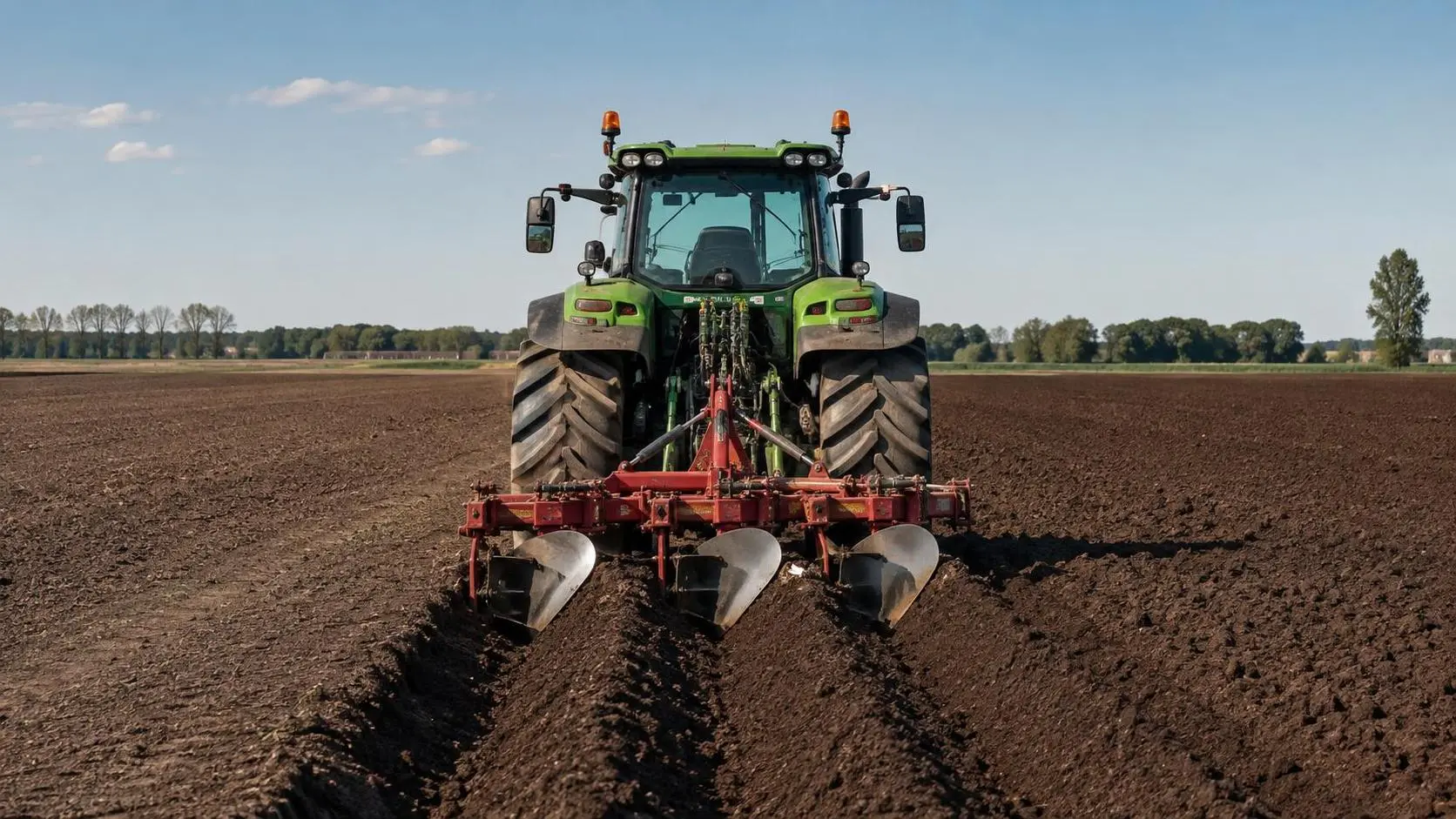
What Tractor Horsepower Is Needed for a Three-Bottom Moldboard Plow?
What tractor horsepower is needed for three-bottom moldboard plow? Compare 60–100 hp needs by soil, depth, traction, and plow width for a confident equipment match.
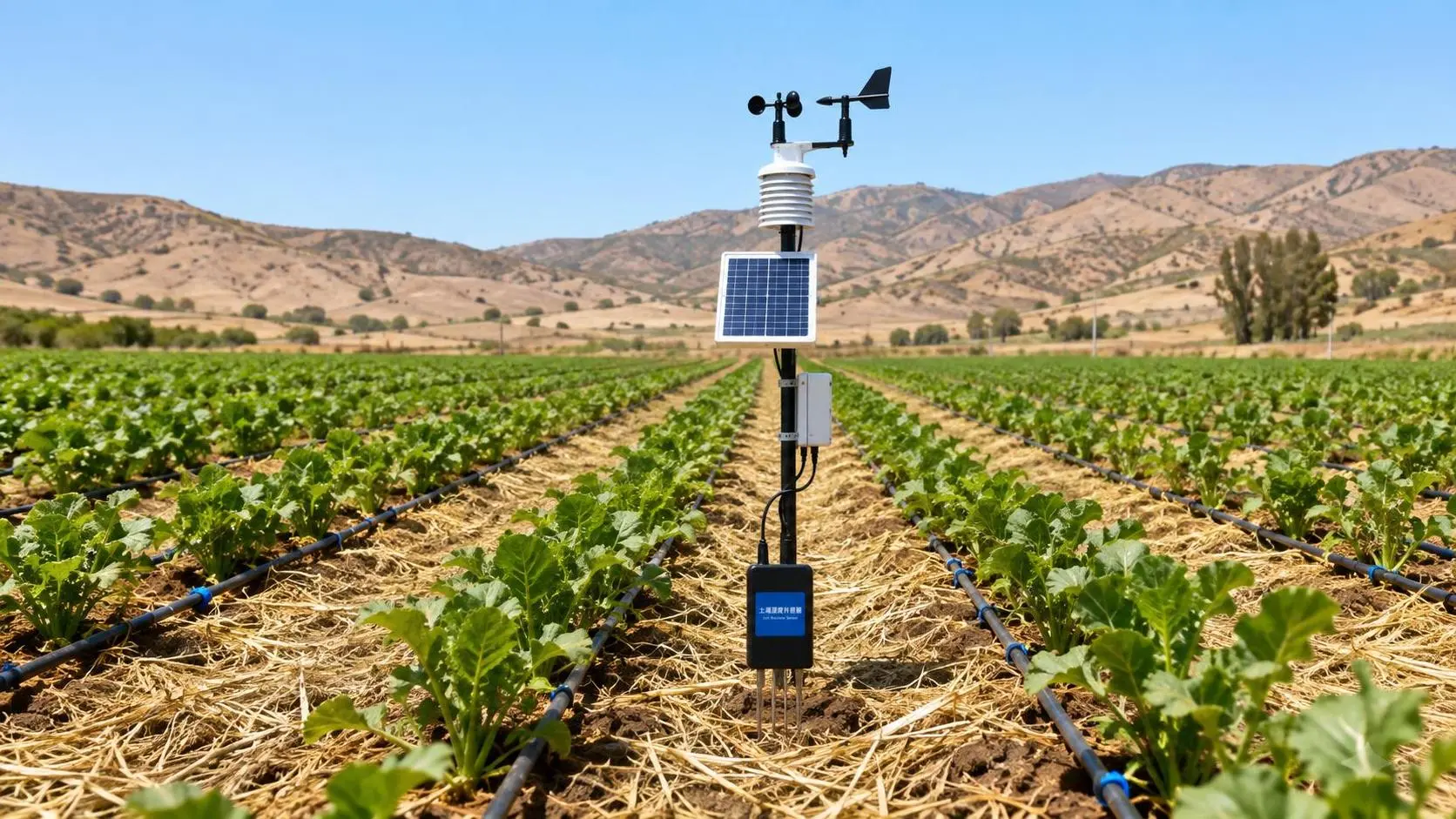
How Does Climate-Smart Farming Reduce Water Use in Semi-Arid Areas?
How does climate-smart farming reduce water use in semi-arid zones? Discover precision irrigation, soil monitoring, and smarter crop planning for resilient yields.
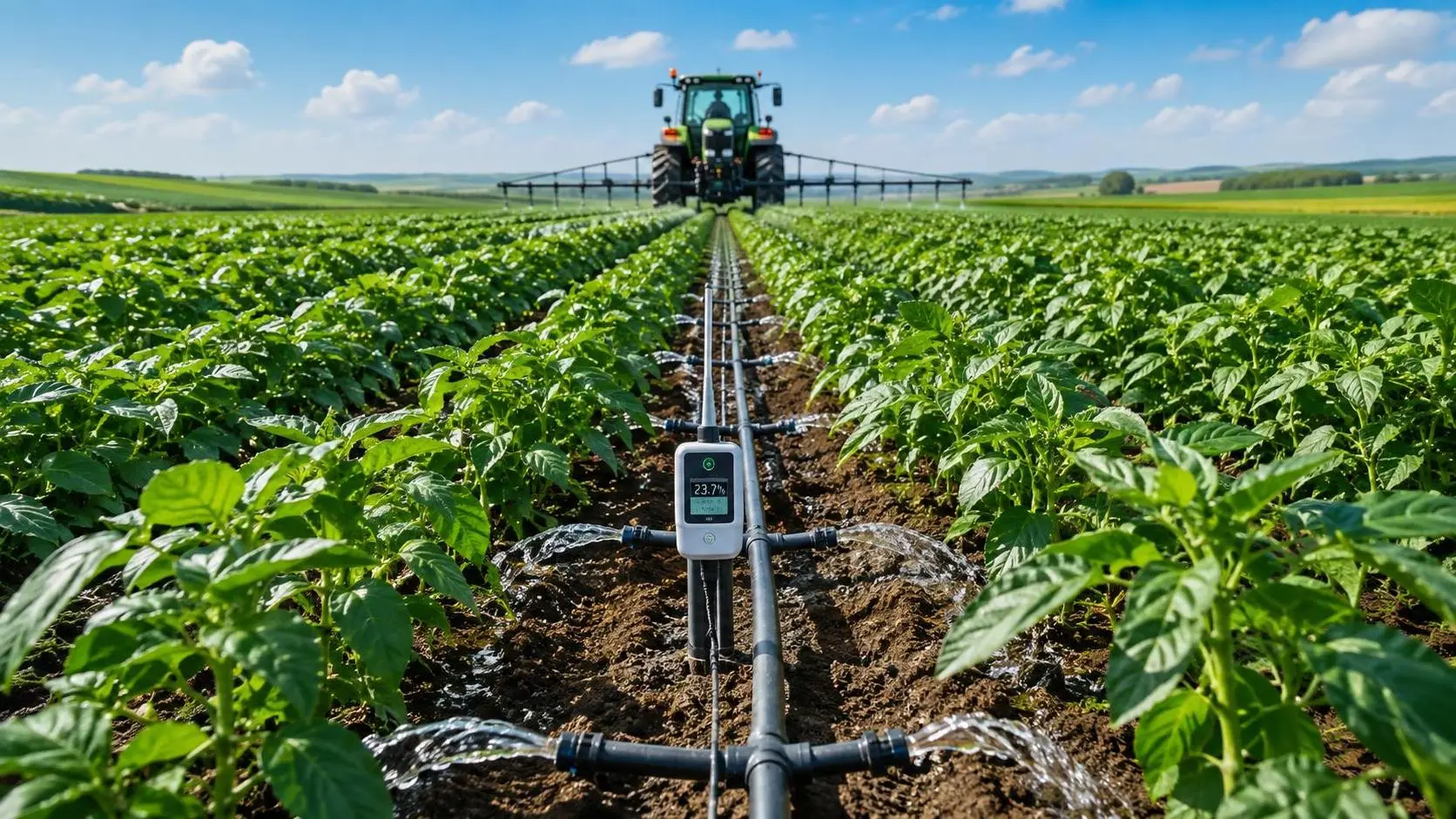
Can Sustainable Farming Be Profitable Without Reducing Yields?
Are sustainable farming practices profitable without yield loss? Discover precision strategies that cut waste, protect yields, and improve farm margins.
Related News
- 00
0000-00
Wireless Agricultural Automation for Remote Irrigation and Field Monitoring - 00
0000-00
Designing Water-Saving Drip Irrigation Systems for High-Value Orchards - 00
0000-00
How to Choose Irrigation Solutions for Arid Regions Based on Water Source and Crop Needs - 00
0000-00
How IoT Smart Irrigation Networks Help Farms Cut Water Use and Improve Yield - 00
0000-00
USDA Rule Takes Effect for Drip Irrigation Imports
Popular Tags
Hydrological Resource Strategist
Weekly Insights
Stay ahead with our curated technology reports delivered every Monday.