
Climate-Resilient Agriculture Practices for Drought-Prone Regions: Practical Options
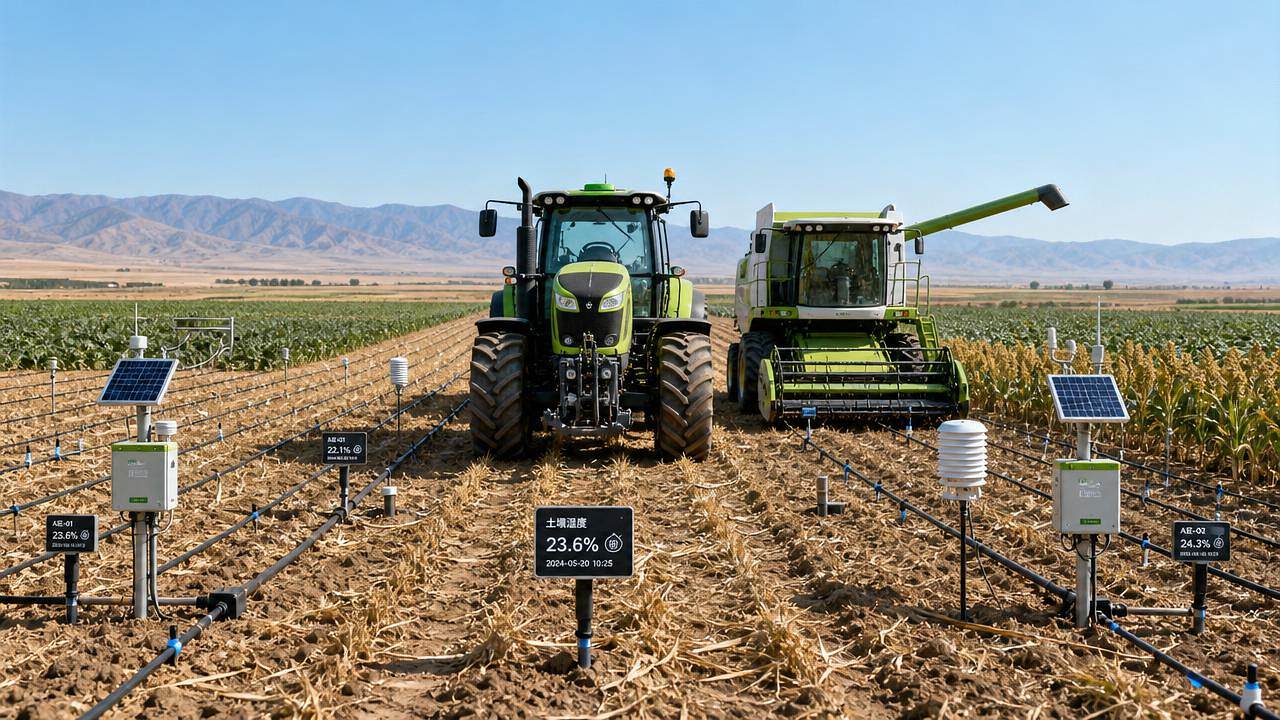




For project managers working in dry farming zones, climate-resilient agriculture practices have moved from nice-to-have ideas to core operating decisions. When rainfall is irregular and water costs rise, field performance depends on systems, timing, and disciplined execution.
The practical question is not whether to adapt, but where to start. In drought-prone regions, the best results usually come from combining water-saving irrigation, machinery planning, crop strategy, and field data into one workable operating model.
That is also where AP-Strategy adds value. Its intelligence on large-scale agri-machinery, combine harvesting technology, tractor chassis, intelligent farm tools, and smart irrigation helps turn broad adaptation goals into measurable site-level decisions.
Start with the field conditions that actually limit performance
Before investing in new equipment or redesigning irrigation, define the local stress points. In most dry regions, the real bottleneck is a combination of uneven water delivery, soil moisture loss, heat stress, and delayed field operations.
A fast baseline review saves money later. Check pumping reliability, soil infiltration, crop water demand peaks, machinery access windows, and harvest loss exposure during hot, dry periods.
Practical options worth prioritizing
- Use soil moisture mapping first. It shows where water is wasted, where infiltration fails, and which blocks need different irrigation timing instead of uniform scheduling.
- Shift from fixed irrigation calendars to sensor-led decisions. This simple move often improves water productivity faster than buying additional pumping capacity.
- Match machinery passes to soil condition windows. Fewer unnecessary passes reduce evaporation, compaction, fuel use, and stress on tractor chassis in fragile dry soils.
- Choose drought-tolerant seed and shorter-cycle varieties where rainfall risk is high. Genetics cannot solve everything, but they reduce exposure to seasonal uncertainty.
- Keep residue cover on the field whenever possible. Surface protection lowers soil temperature, slows moisture loss, and supports better emergence after light rainfall.
- Audit harvester settings before peak season. In brittle, dry crop conditions, poor calibration quickly increases grain loss and reduces the value of every saved input.
Build water efficiency into daily operations
Many drought projects fail because irrigation is treated as a standalone asset. In reality, climate-resilient agriculture practices work better when irrigation is managed as part of a wider operating system, not a separate utility.
That means linking emitters, pumps, pressure control, field sensors, and crop stage data. AP-Strategy’s focus on intelligent irrigation systems is especially useful here, because water efficiency depends as much on data quality as on hardware quality.
What to implement first
- Install pressure monitoring across irrigation zones. Uneven pressure often causes hidden under-watering and over-watering long before visible crop symptoms appear.
- Use staged irrigation targets by growth phase. Water demand changes quickly, so one seasonal target usually leads to poor efficiency.
- Prioritize leak detection and emitter maintenance. Small losses across large areas create major water waste in drought-prone production systems.
- Integrate weather forecasts with irrigation plans. Heat spikes and wind events can justify short operational shifts that protect both yield and water reserves.
- Track water applied per ton of output, not only per hectare. This gives a clearer benchmark for comparing fields and future investments.
In large projects, the common mistake is oversizing irrigation infrastructure while underinvesting in controls. Better valves, telemetry, and response rules often return value faster than adding more water delivery capacity.
Protect yield by tightening machinery and harvest timing
Dry regions do not only suffer from water stress. They also lose value through poor field timing. Delayed tillage, uneven seeding, or badly timed harvest can undo the benefits of otherwise solid climate-resilient agriculture practices.
This is where large-scale machinery management matters. AP-Strategy’s coverage of tractor chassis, combine harvesters, and intelligent farm tools reflects a basic truth: resilience is operational, not theoretical.
Execution points that improve resilience
- Review seeding depth consistency across dry fields. Uneven placement leads to weak emergence and poor use of limited soil moisture.
- Select tire pressure and chassis setup for reduced compaction. Dry soils seal quickly, which limits infiltration when rain finally arrives.
- Use GPS-guided passes to avoid overlap. This saves fuel, reduces traffic damage, and improves precision in water-stressed blocks.
- Prepare harvester settings for brittle straw and low-moisture grain. Dry harvest conditions need different threshing and cleaning adjustments.
- Schedule maintenance before weather risk peaks. Unplanned downtime during narrow moisture windows can cost more than any single hardware upgrade.
One practical scenario is a mixed-crop operation facing short irrigation windows and frequent heat surges. In that case, the priority is usually coordinated scheduling between irrigation crews, machinery dispatch, and harvest preparation.
If those teams work from separate plans, water gets applied too late, harvest losses rise, and labor pressure increases at the worst moment. A shared operating dashboard is often a low-cost fix with high practical value.
Use data to decide where resilience spending pays back fastest
Not every adaptation measure deserves immediate funding. The strongest climate-resilient agriculture practices are the ones that improve risk control and operating efficiency at the same time.
A simple ranking model helps. Score each option by water saved, yield protected, operational disruption, maintenance burden, and time to payback.
Projects with tight capital budgets often benefit from sequencing. Start with data visibility, maintenance discipline, and irrigation control. Then move toward heavier investments in machinery upgrades or network expansion.
Often overlooked but important
- Do not measure resilience only by annual yield. Include fuel efficiency, labor stability, repair rates, and water productivity in the review.
- Avoid copying another region’s irrigation setup without checking soil texture, salinity, and pumping reliability on site.
- Do not separate agronomy from equipment planning. In drought-prone regions, field biology and machine performance directly affect each other.
- Keep spare parts strategy realistic. Smart systems lose value fast when minor failures stop operations during short response windows.
Make the operating model scalable, not just technically sound
A pilot can look impressive and still fail at scale. The more durable climate-resilient agriculture practices are the ones crews can repeat across seasons, sites, and varying weather patterns.
For example, an intelligent irrigation block may perform well in one area, but scaling it requires staff routines, maintenance access, stable power, and decision rules that are easy to follow under pressure.
This is where AP-Strategy’s Strategic Intelligence Center becomes relevant. Its cross-disciplinary view connects machinery trends, hydrological analysis, precision farming algorithms, and commercial timing, helping operations avoid isolated decisions.
A useful next step is to review one drought-stressed production block through four lenses: water delivery, field traffic, harvest loss, and data visibility. That simple review usually reveals where climate-resilient agriculture practices can create fast operational gains.
From there, build a phased plan. Start with the measures that reduce water waste and timing errors, then expand into precision tools, machinery optimization, and broader sustainability targets. In dry regions, resilience grows when systems work together, not when assets are upgraded one by one.
Related News
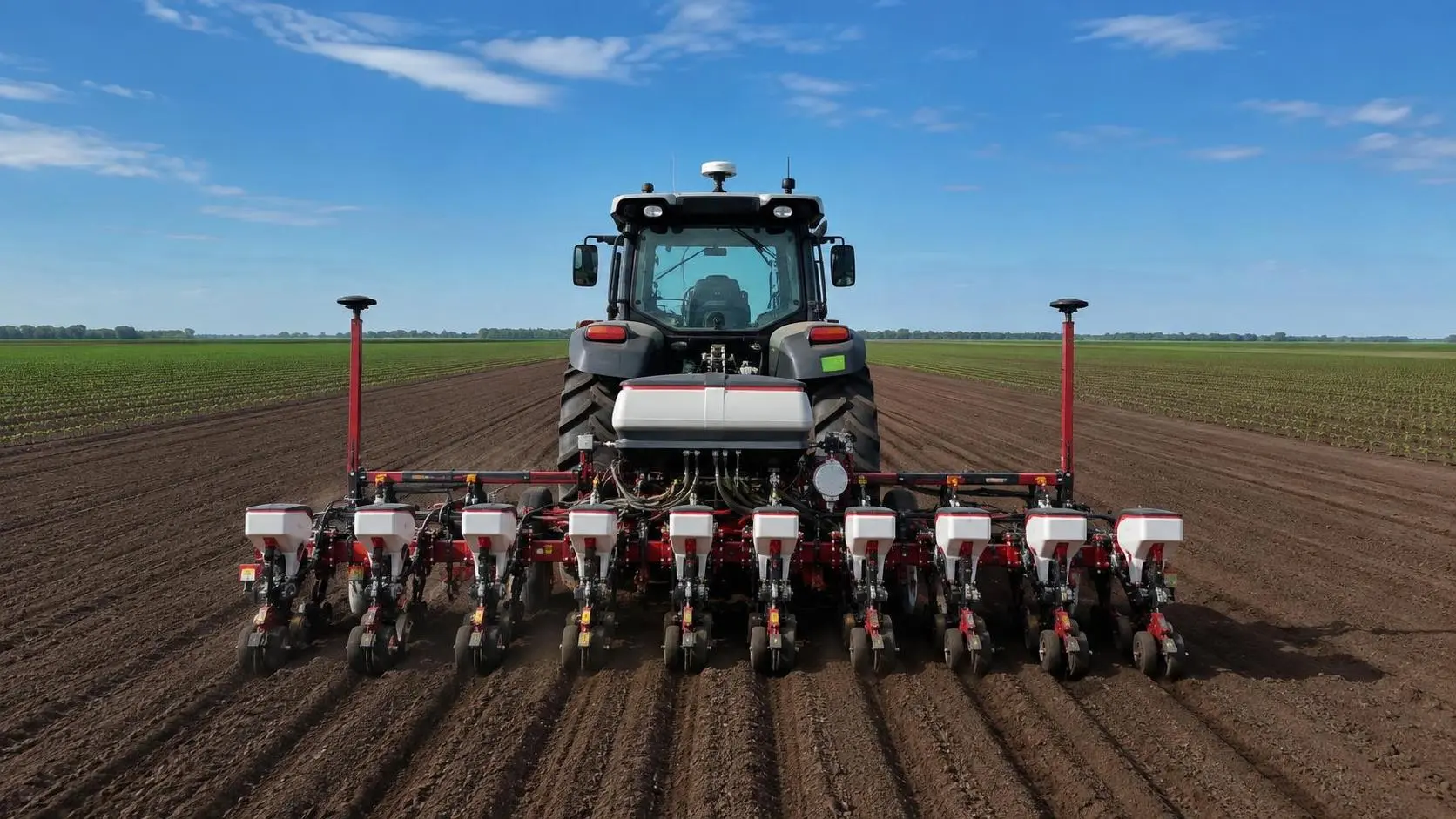
How Tractor Intelligence Systems Improve Field Efficiency and Input Accuracy
Agricultural machinery intelligence for tractors improves field efficiency, input accuracy, data traceability, and implement control. Explore smarter evaluation strategies.
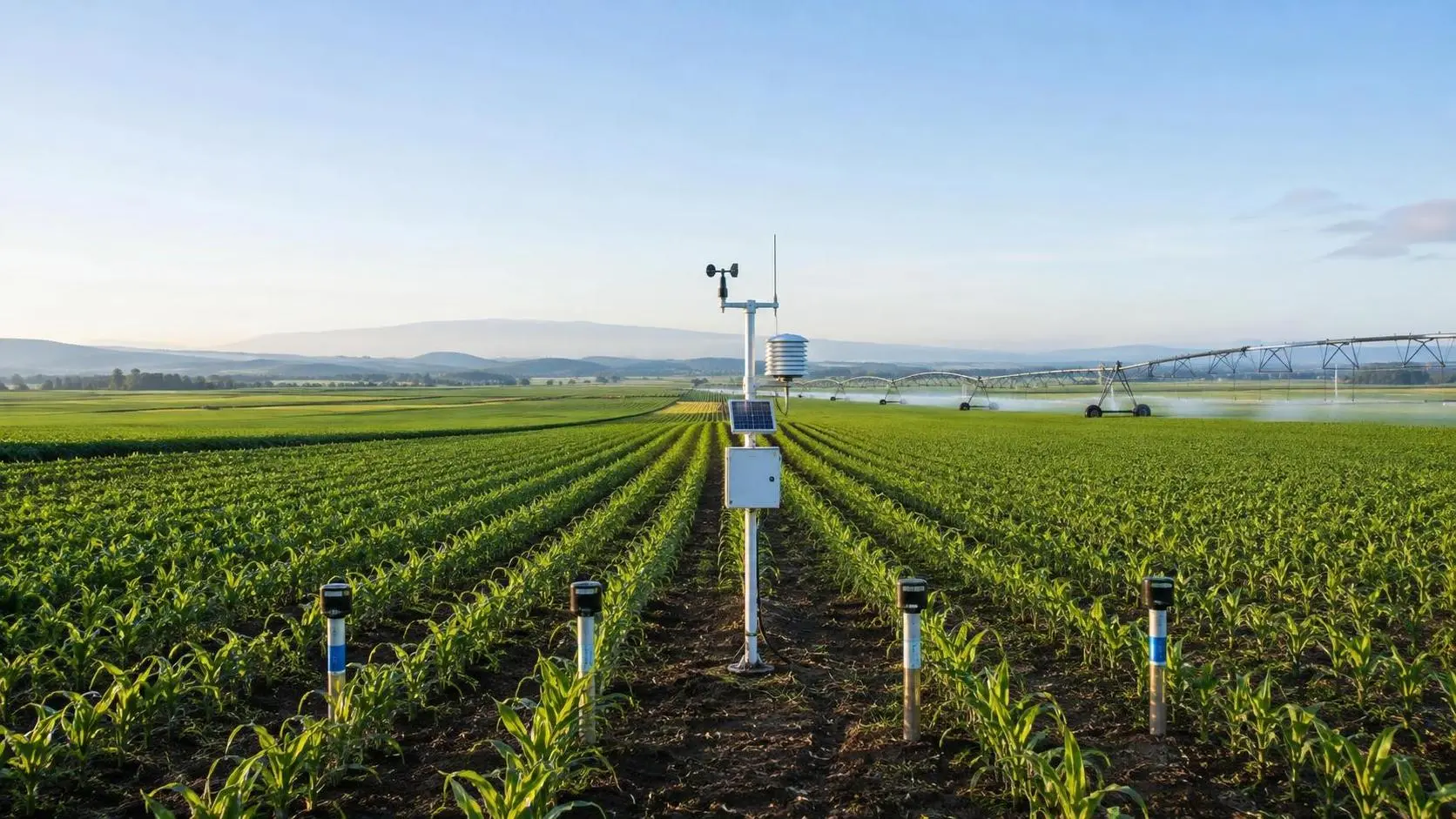
How to Evaluate Crop Monitoring System Manufacturers for Large-Scale Farms
Compare crop monitoring systems manufacturers for large-scale farms. Evaluate data quality, integration, durability, lifecycle costs, support, and pilots for smarter decisions.
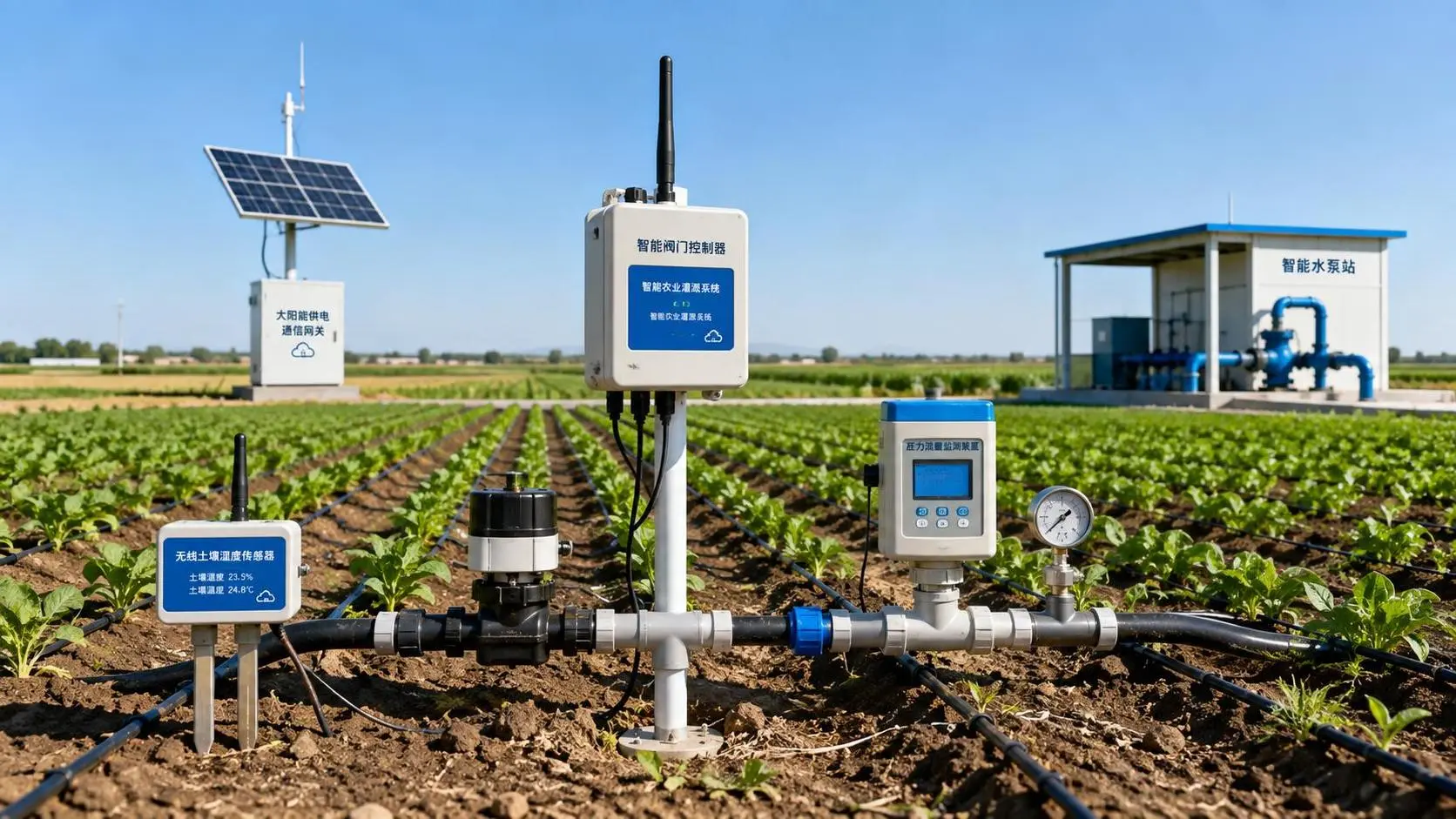
Wireless Agricultural Automation for Remote Irrigation and Field Monitoring
Agricultural automation wireless solutions improve remote irrigation with reliable field data, local control, flow verification, and smarter monitoring. Explore resilient deployment strategies.
Agricultural Product Information Market Guide: Key Data for Sourcing Decisions
Agricultural product information market guide for smarter sourcing—compare machinery, irrigation, precision tools, lifecycle costs, and supplier risk.
Large-Scale Farm Equipment Cost Comparison: Price, Fuel, and Lifecycle Value
Large-scale farm equipment cost comparison: evaluate price, fuel, maintenance, downtime, and lifecycle value to choose tractors, combines, irrigation, and smart tools with confidence.
A Procurement Specification Preparation Example for Buying Farm Equipment
Procurement specification preparation example for farm equipment: learn to define requirements, compare suppliers, control lifecycle costs, and buy with confidence.
What Tractor Horsepower Is Needed for a Three-Bottom Moldboard Plow?
What tractor horsepower is needed for three-bottom moldboard plow? Compare 60–100 hp needs by soil, depth, traction, and plow width for a confident equipment match.
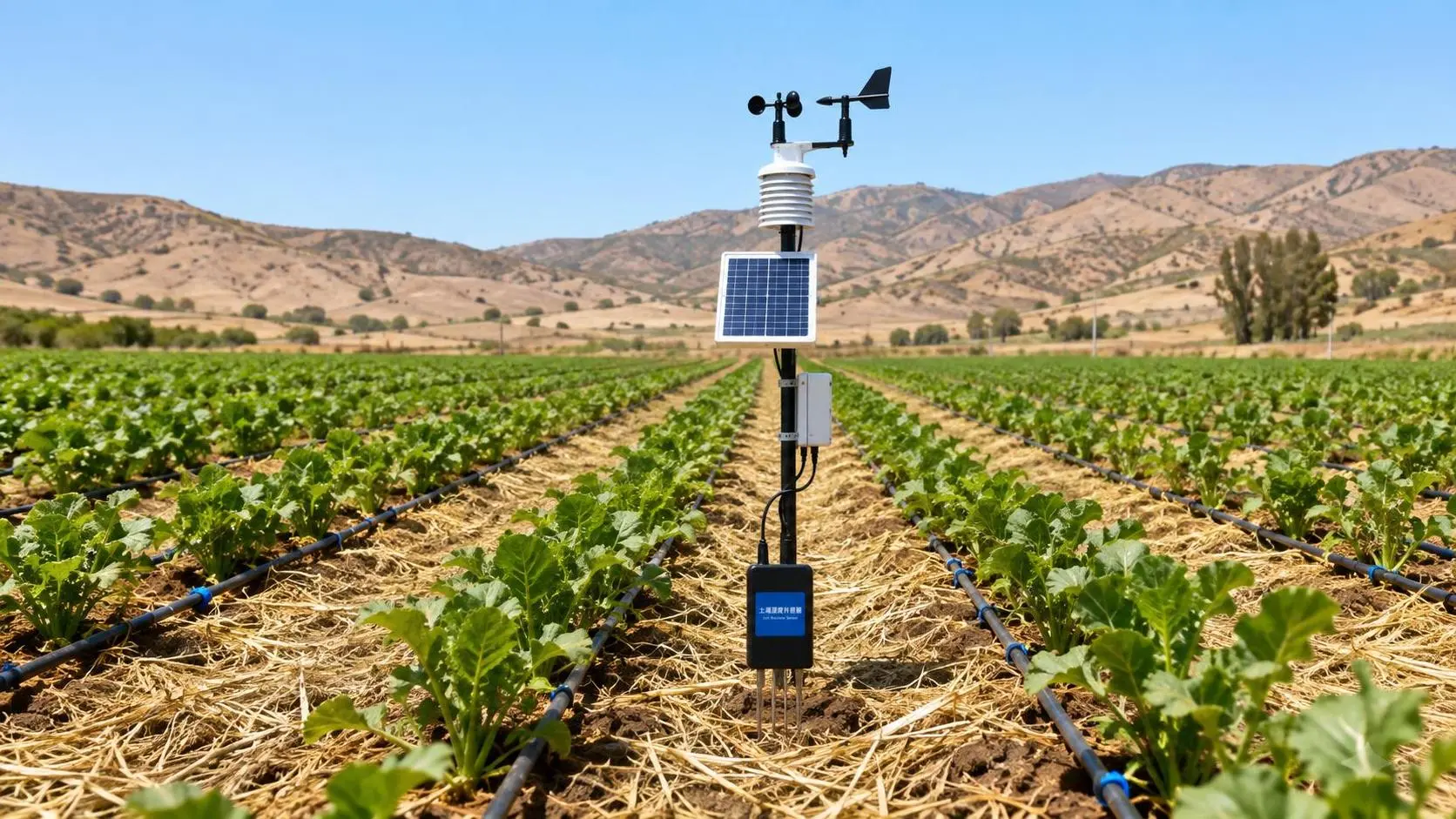
How Does Climate-Smart Farming Reduce Water Use in Semi-Arid Areas?
How does climate-smart farming reduce water use in semi-arid zones? Discover precision irrigation, soil monitoring, and smarter crop planning for resilient yields.
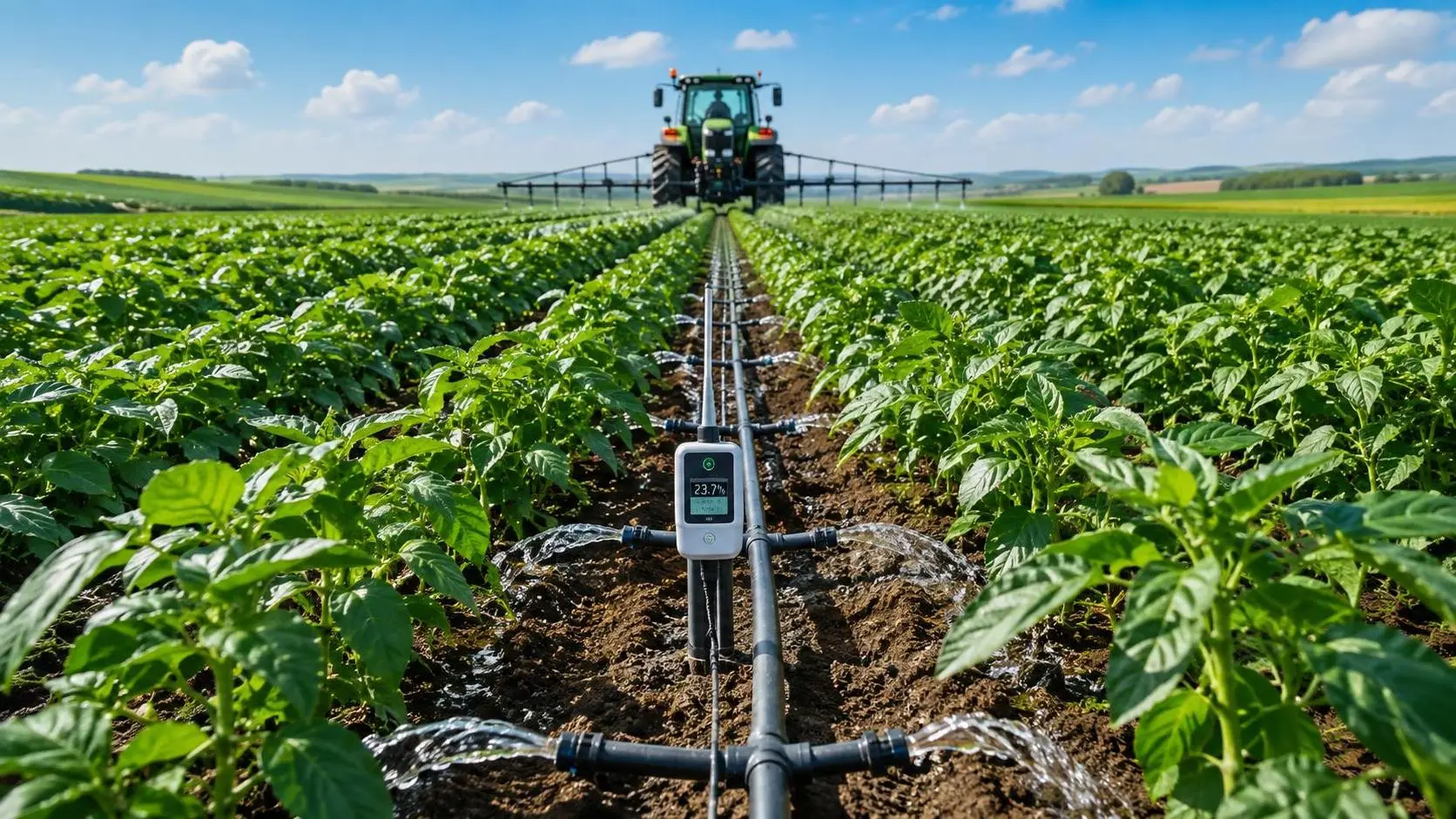
Can Sustainable Farming Be Profitable Without Reducing Yields?
Are sustainable farming practices profitable without yield loss? Discover precision strategies that cut waste, protect yields, and improve farm margins.
Related News
- 00
0000-00
Wireless Agricultural Automation for Remote Irrigation and Field Monitoring - 00
0000-00
Designing Water-Saving Drip Irrigation Systems for High-Value Orchards - 00
0000-00
How to Choose Irrigation Solutions for Arid Regions Based on Water Source and Crop Needs - 00
0000-00
How IoT Smart Irrigation Networks Help Farms Cut Water Use and Improve Yield - 00
0000-00
USDA Rule Takes Effect for Drip Irrigation Imports
Popular Tags
Hydrological Resource Strategist
Weekly Insights
Stay ahead with our curated technology reports delivered every Monday.