
China Customs Spot Checks Hit Smart Irrigation Exports
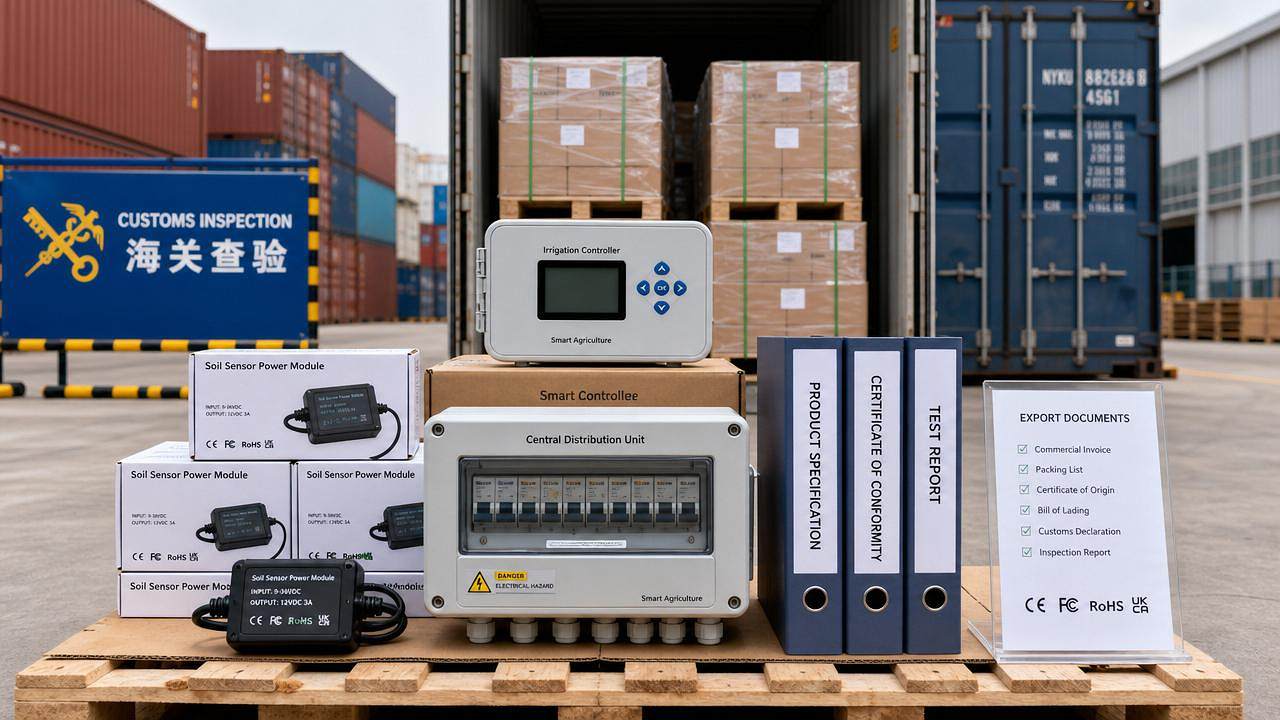




Starting June 1, 2026, China Customs will carry out annual spot-check inspections on certain export goods outside the scope of statutory inspection, and the move matters beyond the headline categories of baby products and low-voltage electrical products. For exporters involved in Drip Irrigation Logic systems, the inclusion of smart controllers, power modules for soil sensors, and central hub power distribution units under the low-voltage electrical category means a higher likelihood of inspection and more uncertainty in customs clearance. For manufacturers, traders, and supply chain teams, the issue is not only whether products fall within the checked category, but also whether certification and test documentation are ready before shipment.
What the June 1 customs measure explicitly covers
According to the information provided, the General Administration of Customs has stated that from June 1, 2026, annual spot-check inspections will be conducted on some export goods that are not subject to statutory inspection. Within the category of low-voltage electrical products, the scope includes smart controllers used in Drip Irrigation Logic systems, soil sensor power supply modules, and central hub power distribution units. The notice also indicates that the inspection action is expected to raise inspection rates and increase uncertainty in customs clearance. Exporters are advised to complete extended CCC certification and file full EMC test reports in advance.
Where the pressure may appear across the export chain
Export trading teams may face more document-sensitive shipments
From an industry perspective, direct exporters are likely to feel the impact first because customs spot checks affect the shipment release stage. For companies exporting smart irrigation control equipment, the main concern is whether product classification, certification status, and testing files can support smooth clearance when inspection is triggered. What deserves closer attention is that the risk is tied not only to product quality itself, but also to the completeness and readiness of supporting compliance documents.
Manufacturers of controllers and power units may need earlier compliance preparation
Analysis shows that manufacturers supplying smart controllers, soil sensor power modules, and central hub distribution units may be affected through pre-shipment preparation rather than through production alone. If these products are treated within the low-voltage electrical category subject to higher spot-check attention, production planning and shipment timing may become more sensitive to certification extension work and EMC report filing status. The operational issue is therefore less about changing the product immediately and more about aligning manufacturing output with compliance readiness.
Logistics and fulfillment coordination could become less predictable
Observably, supply chain service providers and fulfillment teams may see more variability in delivery schedules if inspection rates rise. The provided information does not confirm specific delay lengths, but it does clearly point to greater customs clearance uncertainty. For this reason, parties handling export scheduling, warehousing handoff, and customer delivery commitments should pay close attention to whether goods in the relevant low-voltage electrical category carry complete supporting materials before export.
Overseas buyers may focus more on delivery assurance
For procurement parties and downstream customers, the likely concern is shipment certainty rather than policy interpretation itself. If a supplier's smart irrigation control products are more exposed to spot checks, customer communication around lead time, document readiness, and shipment contingency may become more important. This is an indirect effect, but it is closely tied to contract execution and delivery expectations.
What companies should review now
Confirm whether the exported product sits within the relevant low-voltage category
The first practical step is to review whether exported items correspond to the smart controllers, soil sensor power supply modules, or central hub power distribution units identified in the provided information. This is the basis for deciding whether the new inspection exposure is likely to affect a shipment.
Bring CCC extension work forward where needed
The information provided specifically recommends completing extended CCC certification in advance. For companies already shipping related products, this suggests that certification planning should be moved earlier in the export process rather than handled only when a shipment is approaching customs declaration.
Prepare full EMC test report filing before peak shipment nodes
The same applies to full EMC test report filing. Analysis shows that the practical value of this preparation is not merely regulatory formality; it may also reduce friction when a shipment is selected for inspection. Businesses should therefore pay attention to whether internal document archives and external filing arrangements are complete before dispatch.
Separate policy signal from shipment-level execution risk
What deserves closer attention is the difference between the announcement itself and the way it affects daily export operations. The confirmed fact is that spot checks will begin and that the relevant product category includes certain smart irrigation electrical components. The business question, however, is how each shipment will perform under document review and inspection selection. Companies should prepare customer communication, shipment buffers, and internal review steps accordingly.
Why this matters beyond a single customs notice
As an editorial observation, this development is more appropriate to understand as a compliance and execution signal rather than a confirmed structural change in export demand. The information provided does not show that exports will decline or that all shipments will face disruption. What it does show is that product categories tied to smart irrigation electrical control systems are now more exposed to inspection uncertainty if they fall under the low-voltage electrical grouping identified by customs. For the industry, the key message is that customs-side compliance preparation is becoming more operationally relevant for products that may previously have been handled with lower inspection expectations.
How the industry may best read the current change
At this stage, the most balanced reading is that the June 1 measure creates a near-term increase in compliance sensitivity for exporters of relevant smart irrigation control components. It should not automatically be interpreted as a lasting trade barrier or as evidence of a broader market shift based on the limited facts available here. Instead, it is better understood as a concrete procedural change with immediate implications for customs readiness, shipment planning, and document management.
Basis of this article and what still needs verification
This article is based on the user-provided news title, event date of June 1, 2026, and event summary describing the customs spot-check arrangement, affected low-voltage electrical products, and the recommendation to complete extended CCC certification and full EMC test report filing. For this type of industry update, commonly relevant source categories may include official customs notices, company compliance disclosures, industry association updates, authoritative media reports, and standards-related documents. A specific official source link was not provided in the input, so the exact official reference still requires ongoing verification. Follow-up attention should remain on any further official wording, implementation details, and shipment-level enforcement practice related to the identified product categories.
Related News
How Tractor Intelligence Systems Improve Field Efficiency and Input Accuracy
Agricultural machinery intelligence for tractors improves field efficiency, input accuracy, data traceability, and implement control. Explore smarter evaluation strategies.
How to Evaluate Crop Monitoring System Manufacturers for Large-Scale Farms
Compare crop monitoring systems manufacturers for large-scale farms. Evaluate data quality, integration, durability, lifecycle costs, support, and pilots for smarter decisions.
Wireless Agricultural Automation for Remote Irrigation and Field Monitoring
Agricultural automation wireless solutions improve remote irrigation with reliable field data, local control, flow verification, and smarter monitoring. Explore resilient deployment strategies.
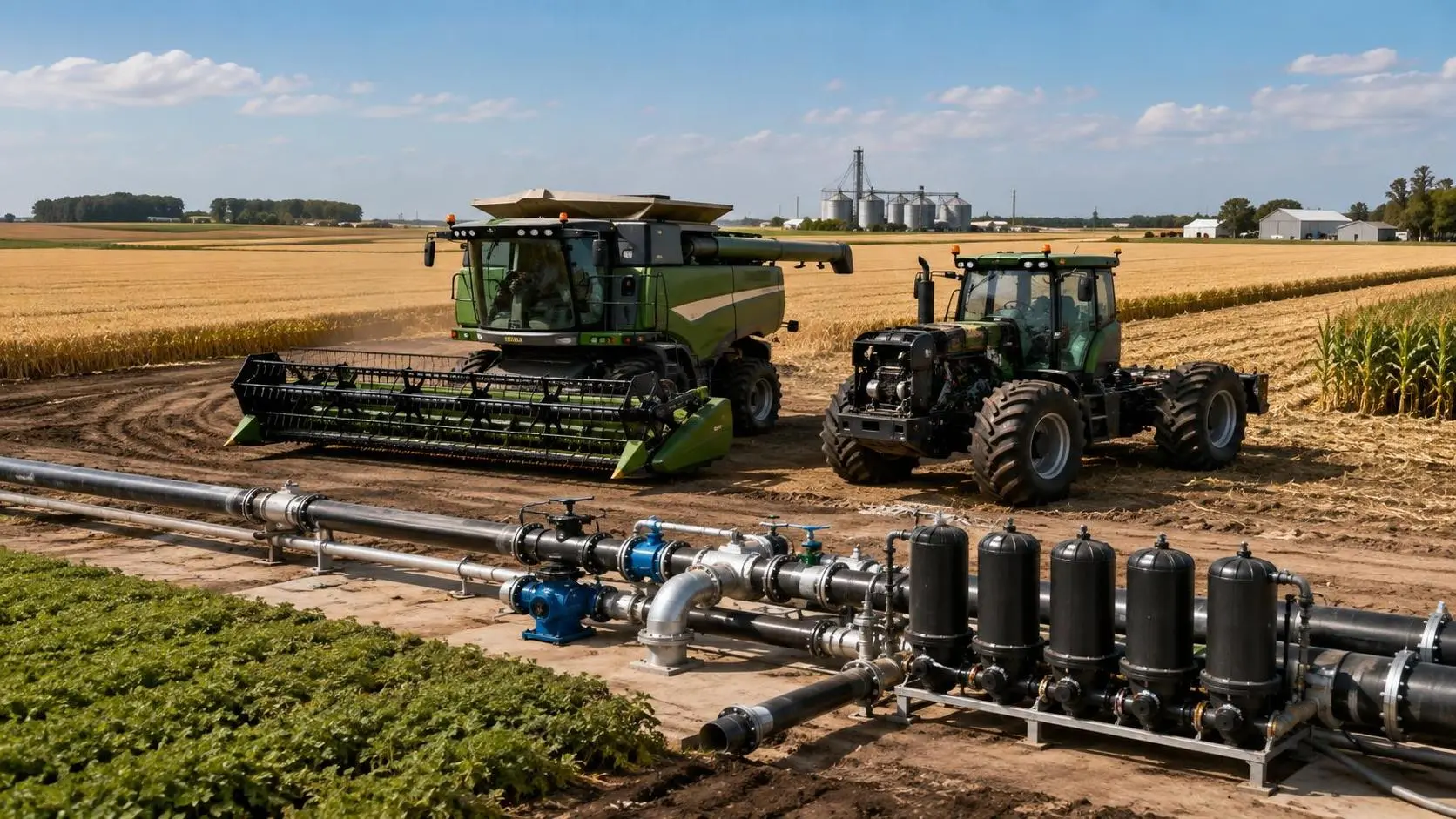
Agricultural Product Information Market Guide: Key Data for Sourcing Decisions
Agricultural product information market guide for smarter sourcing—compare machinery, irrigation, precision tools, lifecycle costs, and supplier risk.
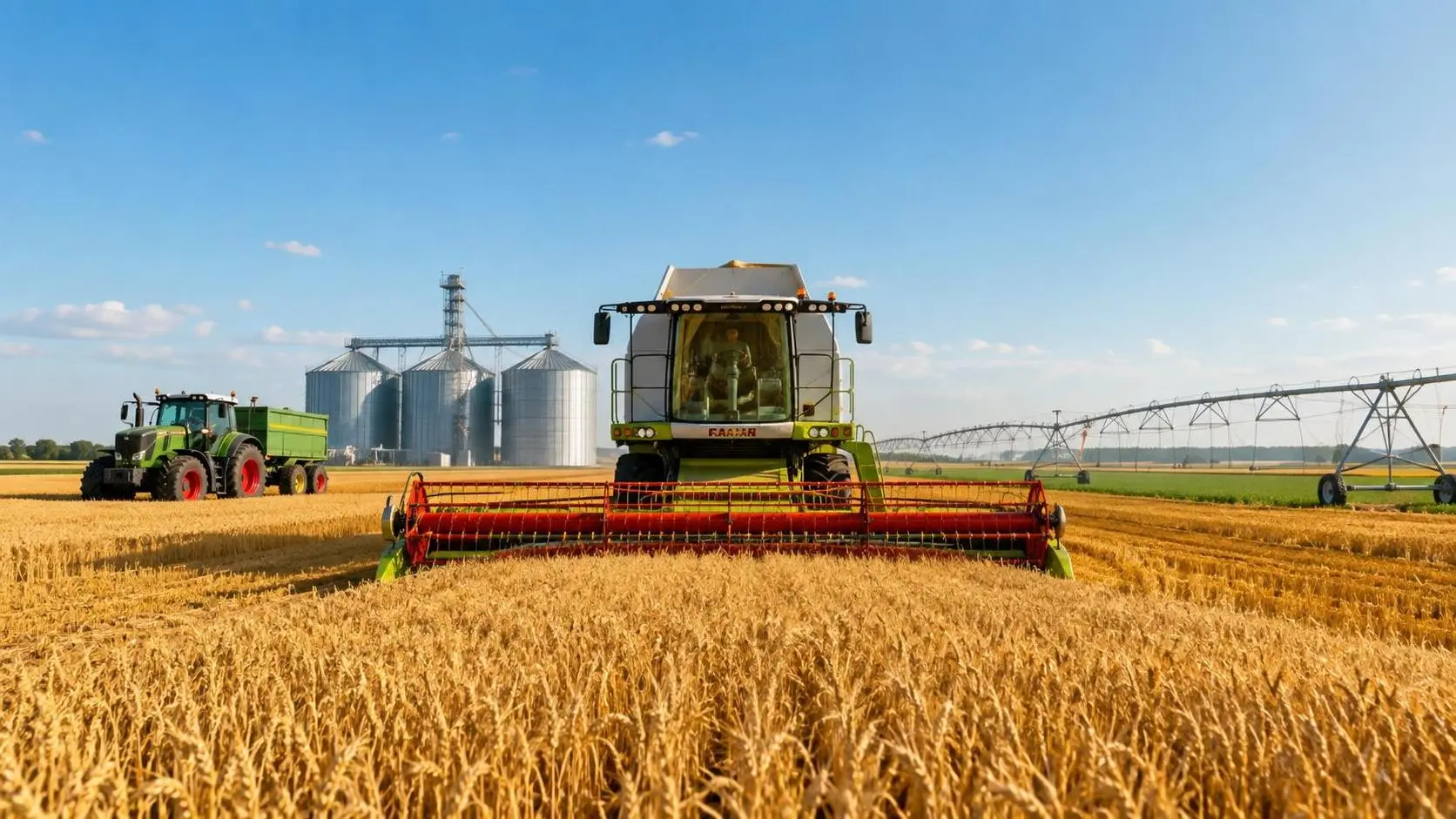
Large-Scale Farm Equipment Cost Comparison: Price, Fuel, and Lifecycle Value
Large-scale farm equipment cost comparison: evaluate price, fuel, maintenance, downtime, and lifecycle value to choose tractors, combines, irrigation, and smart tools with confidence.

A Procurement Specification Preparation Example for Buying Farm Equipment
Procurement specification preparation example for farm equipment: learn to define requirements, compare suppliers, control lifecycle costs, and buy with confidence.

What Tractor Horsepower Is Needed for a Three-Bottom Moldboard Plow?
What tractor horsepower is needed for three-bottom moldboard plow? Compare 60–100 hp needs by soil, depth, traction, and plow width for a confident equipment match.
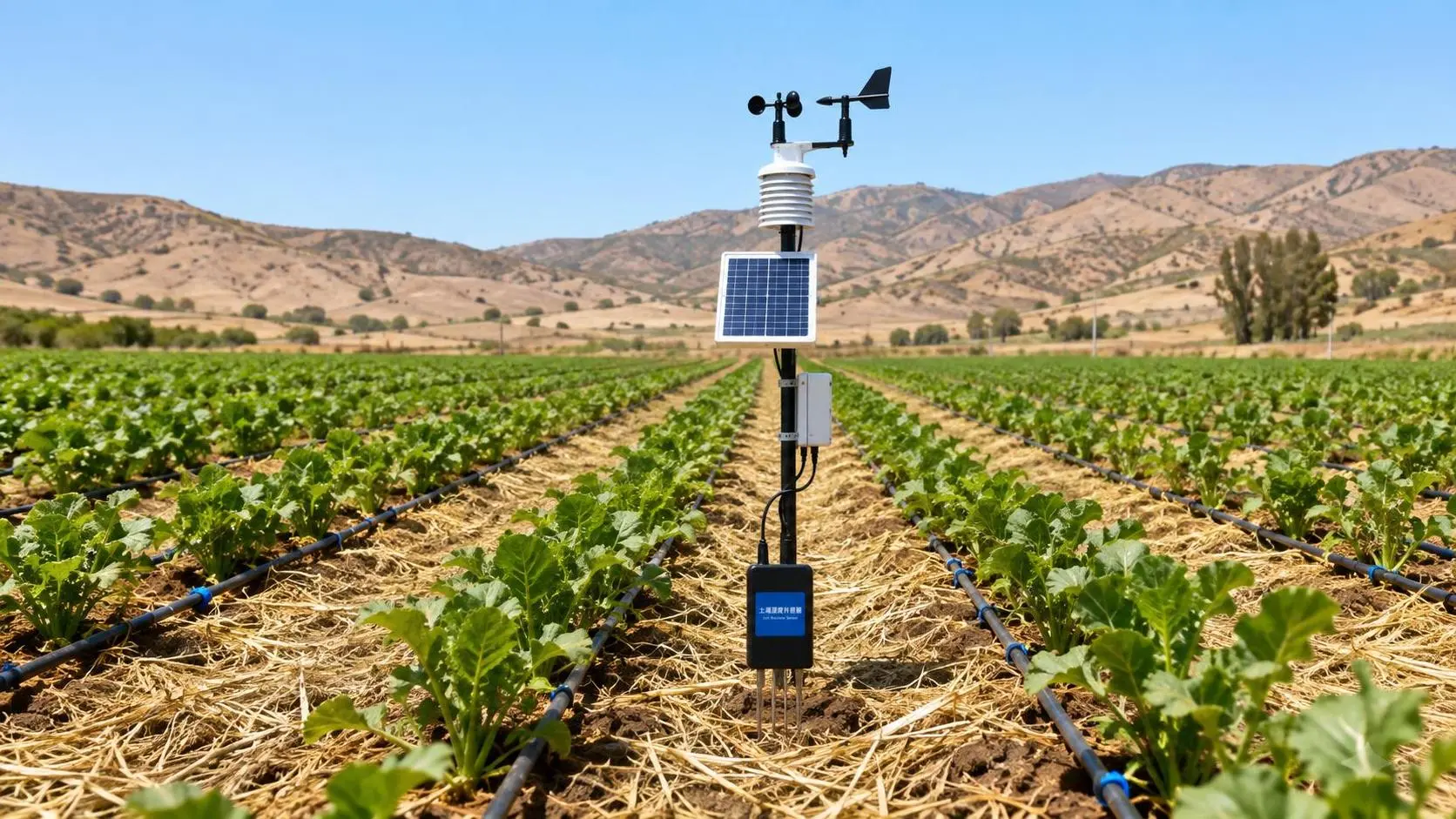
How Does Climate-Smart Farming Reduce Water Use in Semi-Arid Areas?
How does climate-smart farming reduce water use in semi-arid zones? Discover precision irrigation, soil monitoring, and smarter crop planning for resilient yields.
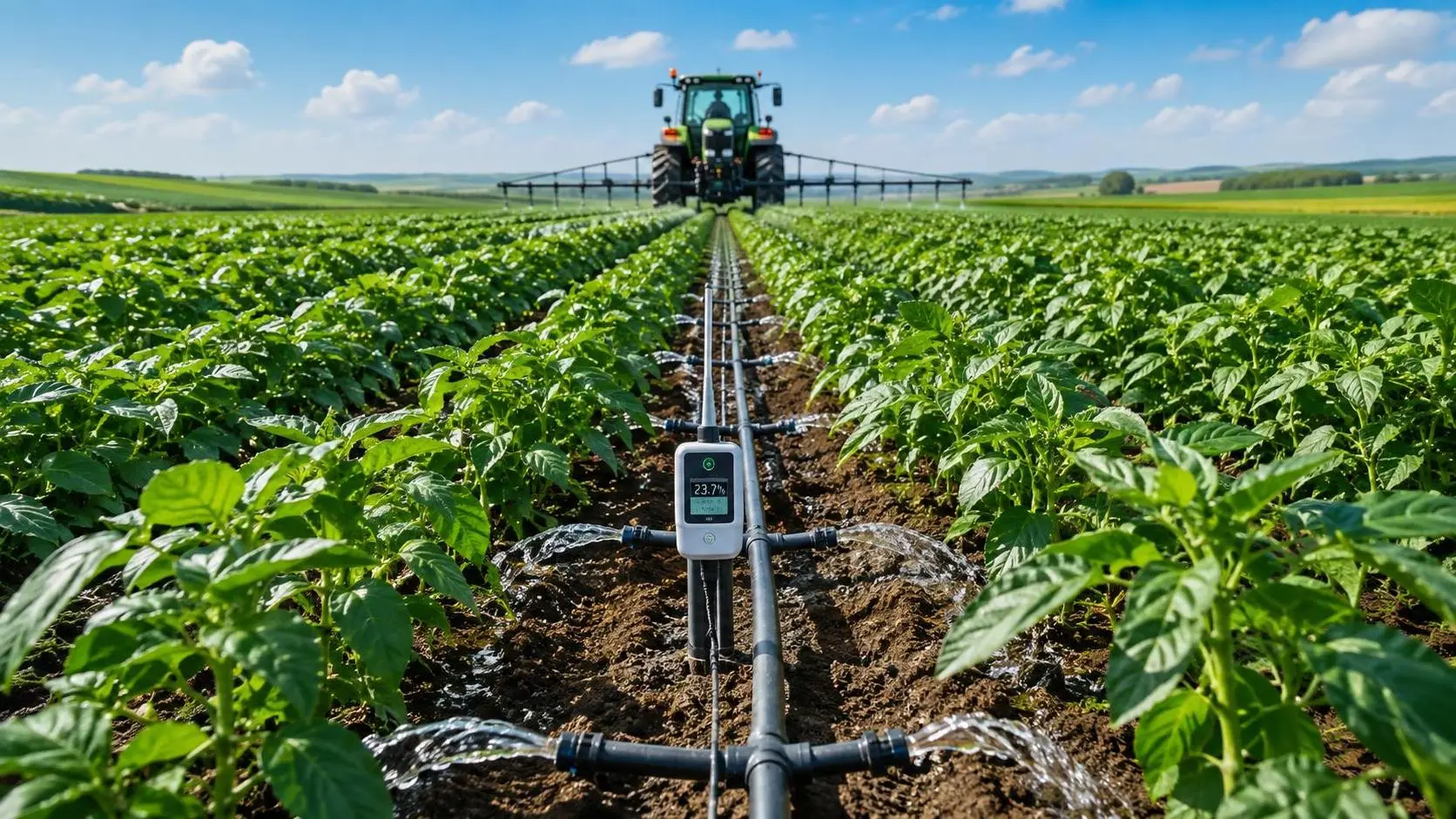
Can Sustainable Farming Be Profitable Without Reducing Yields?
Are sustainable farming practices profitable without yield loss? Discover precision strategies that cut waste, protect yields, and improve farm margins.
Related News
- 00
0000-00
Wireless Agricultural Automation for Remote Irrigation and Field Monitoring - 00
0000-00
Designing Water-Saving Drip Irrigation Systems for High-Value Orchards - 00
0000-00
How to Choose Irrigation Solutions for Arid Regions Based on Water Source and Crop Needs - 00
0000-00
How IoT Smart Irrigation Networks Help Farms Cut Water Use and Improve Yield - 00
0000-00
USDA Rule Takes Effect for Drip Irrigation Imports
Popular Tags
Hydrological Resource Strategist
Weekly Insights
Stay ahead with our curated technology reports delivered every Monday.