
USDA Opens VRT Subsidy Access to Certified Overseas OEMs
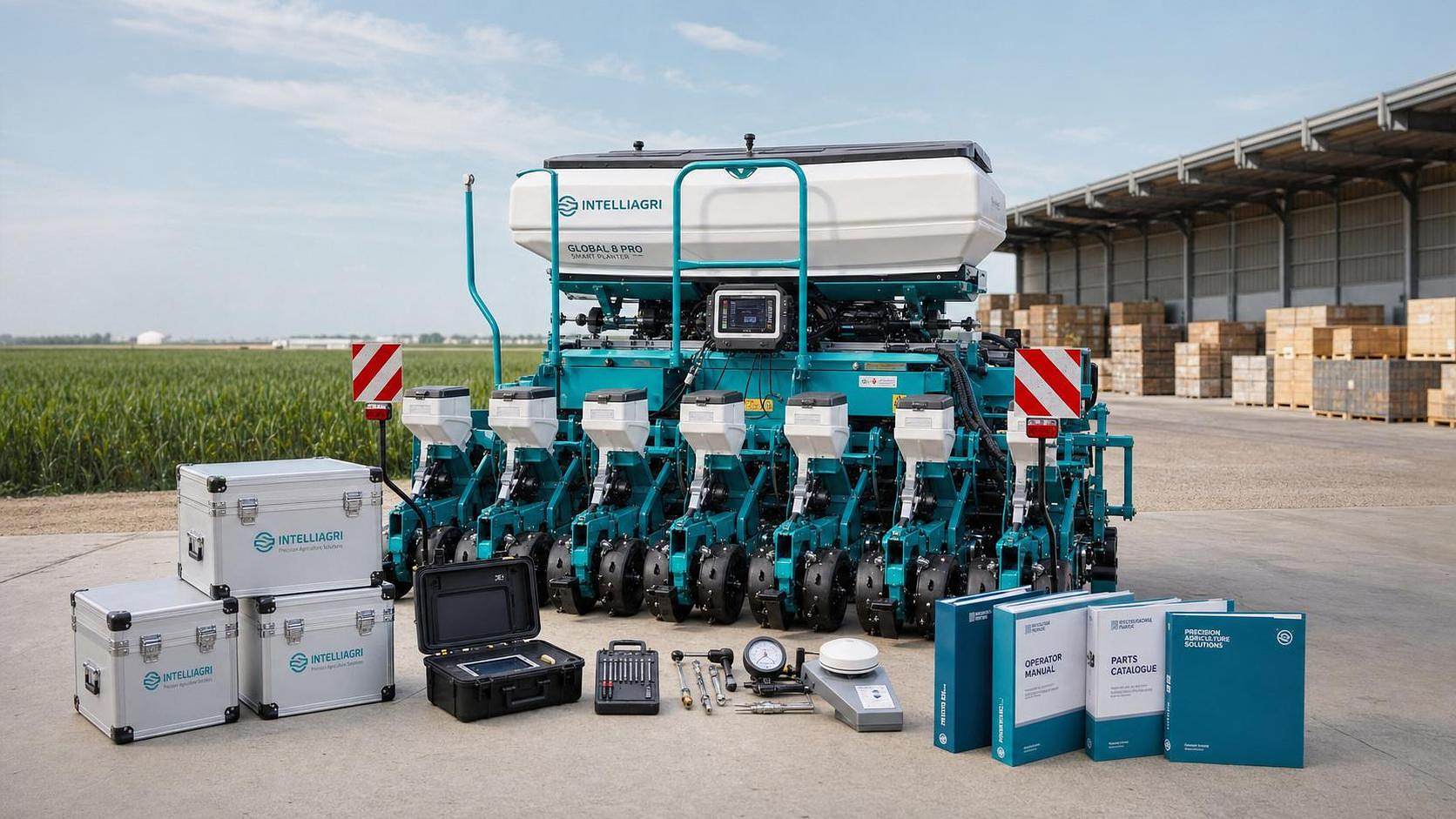




On June 26, 2026, the USDA released the Global VRT Partnership Initiative, introducing a new mechanism that allows certified non-U.S. manufacturers, including Chinese OEMs, to preload VRT algorithm modules on variable-rate fertilization and seeding equipment exported to FTA partner markets such as the United States, Canada, and Australia. For equipment makers, channel partners, procurement teams, and farm-facing distributors, this is worth close attention because it links product eligibility, technical documentation, and end-user subsidy access in the same policy framework.
What the USDA Announced
According to the information provided, the Global VRT Partnership Initiative was issued by the USDA on June 26, 2026. The policy for the first time allows certified non-U.S. manufacturers to provide pre-installed VRT algorithm modules for variable-rate fertilization and seeding equipment exported to FTA partner countries including the U.S., Canada, and Australia.
The same mechanism also allows those products to share end-user subsidy eligibility of up to 35% under the USDA framework. For Chinese suppliers, the stated requirements include providing ISO/IEC 17025 laboratory calibration reports and filing cloud-based agronomic models.
The policy summary further indicates that the arrangement can reduce the purchasing cost of high-precision VRT systems for overseas channel partners and improve the price competitiveness of China-made intelligent equipment in North America and Asia-Pacific markets.
Where the Immediate Pressure Points May Appear
Export-oriented equipment manufacturers
From an industry perspective, manufacturers of variable-rate fertilization and seeding equipment may be affected first because the policy directly connects product configuration with subsidy access. The impact is likely to concentrate on product certification readiness, algorithm pre-installation, calibration documentation, and model filing procedures. What deserves closer attention is whether existing export models already meet the documentary and technical conditions implied by the new mechanism.
Overseas distributors and channel buyers
Distributors serving North American and Asia-Pacific markets may see the most immediate commercial effect at the procurement stage. Analysis shows that if subsidy eligibility can be passed through to qualified end users, channel purchasing decisions may shift more quickly toward systems that combine lower acquisition cost with compliant VRT functionality. The practical issue for this group is not only pricing, but also whether suppliers can deliver complete compliance materials in time for customer review and purchase planning.
Farm-facing service providers and end-user support teams
Service providers involved in deployment, agronomic setup, or after-sales support may also be affected because cloud-based agronomic model filing is specifically mentioned in the policy conditions. This means technical support is no longer limited to hardware installation. Observably, the business impact may extend into onboarding, model documentation, and customer communication around how preloaded algorithms are positioned within a subsidy-eligible equipment package.
Supply chain and compliance coordinators
For teams handling export documentation, quality control, and delivery coordination, the key change is that subsidy access appears tied to proof of calibration and model registration rather than equipment shipment alone. The pressure point here is execution discipline: incomplete reports, unclear filing status, or inconsistent product documentation could delay transactions even if demand improves.
What Companies Should Track Next
Qualification documents need to be prepared as business tools
The ISO/IEC 17025 laboratory calibration report is not a background compliance item in this context; it is part of market access readiness. Companies targeting these export channels should pay close attention to whether their current testing and certification files are usable for customer-facing qualification and distributor review.
Cloud model filing is a commercial issue, not just a technical one
The filing requirement for cloud-based agronomic models suggests that software-side documentation may affect sales conversion and delivery timing. What deserves closer attention is the gap between having a functioning algorithm and having a filed, referenceable model record that partners can rely on during procurement and onboarding.
Policy language and transaction reality may move at different speeds
Analysis shows that subsidy eligibility in policy language does not automatically mean frictionless execution in live orders. Companies should distinguish between the announcement itself and the practical conditions that distributors or end users may request before purchasing, including document completeness, product configuration clarity, and timing of compliance confirmation.
Market focus should stay aligned with the named export path
Because the information provided specifically refers to exports to FTA partner markets such as the U.S., Canada, and Australia, firms should keep their commercial planning tied to those stated pathways rather than generalizing too broadly. In practical terms, sales, supply chain, and customer communication teams need a consistent explanation of which product variants and which export destinations fit the announced mechanism.
How This Reads as an Industry Signal
Observably, this development points to a more formal link between agricultural equipment hardware, embedded VRT algorithms, and policy-backed affordability in export markets. It is more appropriate to understand this as both a near-term operating change for qualified suppliers and a longer-term signal that software-defined agricultural equipment may face more structured compliance expectations in cross-border sales.
At the same time, this should not yet be read as a uniform market outcome. Analysis shows that the policy creates a channel of opportunity, but the actual business effect will depend on how certification, filing, and distributor-side adoption proceed in practice. That is why the compliance threshold matters as much as the subsidy headline.
Why the Market Should Read It Carefully
The immediate significance of this update lies in the way it changes the commercial logic of export-ready VRT equipment: product competitiveness may now depend not only on hardware cost and field performance, but also on whether the equipment package is structured to qualify within a subsidy-linked framework. For Chinese OEMs in particular, the opening is real, but it is still best understood as a rules-based access path rather than a guaranteed sales outcome.
From a neutral industry standpoint, this is best read as a concrete policy shift with direct commercial implications and a need for continued observation. The announcement establishes clearer conditions for participation, while leaving room for the market to determine how quickly those conditions translate into orders, channel adoption, and repeatable export workflows.
Basis of This Article
This article is based on the user-provided news title, event date, and event summary concerning the USDA announcement dated June 26, 2026. The analysis was written from that provided information only.
For this type of industry development, source validation would typically involve official announcements, company statements, industry association updates, authoritative media coverage, and relevant standards or technical documentation. A specific official source link was not provided in the input, so further verification remains necessary.
Areas that still warrant continued tracking include any later official wording changes, implementation details around certification and filing, and how channel partners in the named export markets apply the announced requirements in actual procurement and delivery processes.
Related News
How to Select Precision Crop Protection Equipment for Variable Field Conditions
Precision crop protection equipment selection made simple: compare terrain, canopy, weather, control accuracy, and data workflows for reliable applications.
When Does Agricultural Machinery Leasing Cost Less Than Owning Equipment?
Agricultural machinery leasing can lower farm costs when use is seasonal or uncertain. Compare utilization, maintenance, cash flow, and risk to make a smarter equipment decision.
How to Evaluate Precision Fertilization System Suppliers for Farm-Scale Deployment
Precision fertilization systems suppliers: learn how to compare accuracy, integration, uptime, service, and total cost for confident farm-scale deployment.
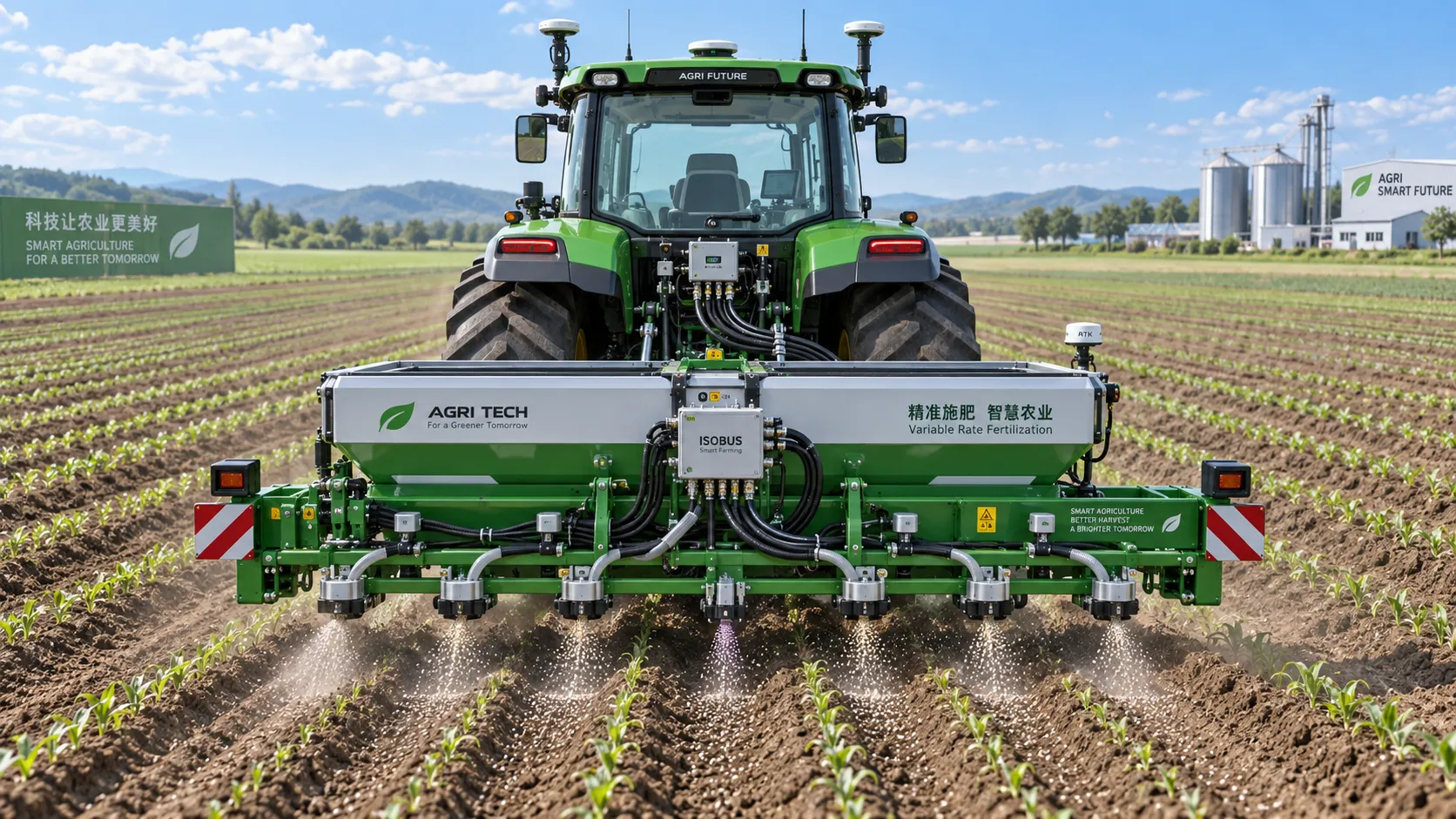
ISOBUS for Smart Agriculture: How It Connects Tractors, Implements, and Farm Data
ISOBUS for smart agriculture connects tractors, implements, terminals, and farm data—helping growers improve precision, documentation, and smarter field decisions.
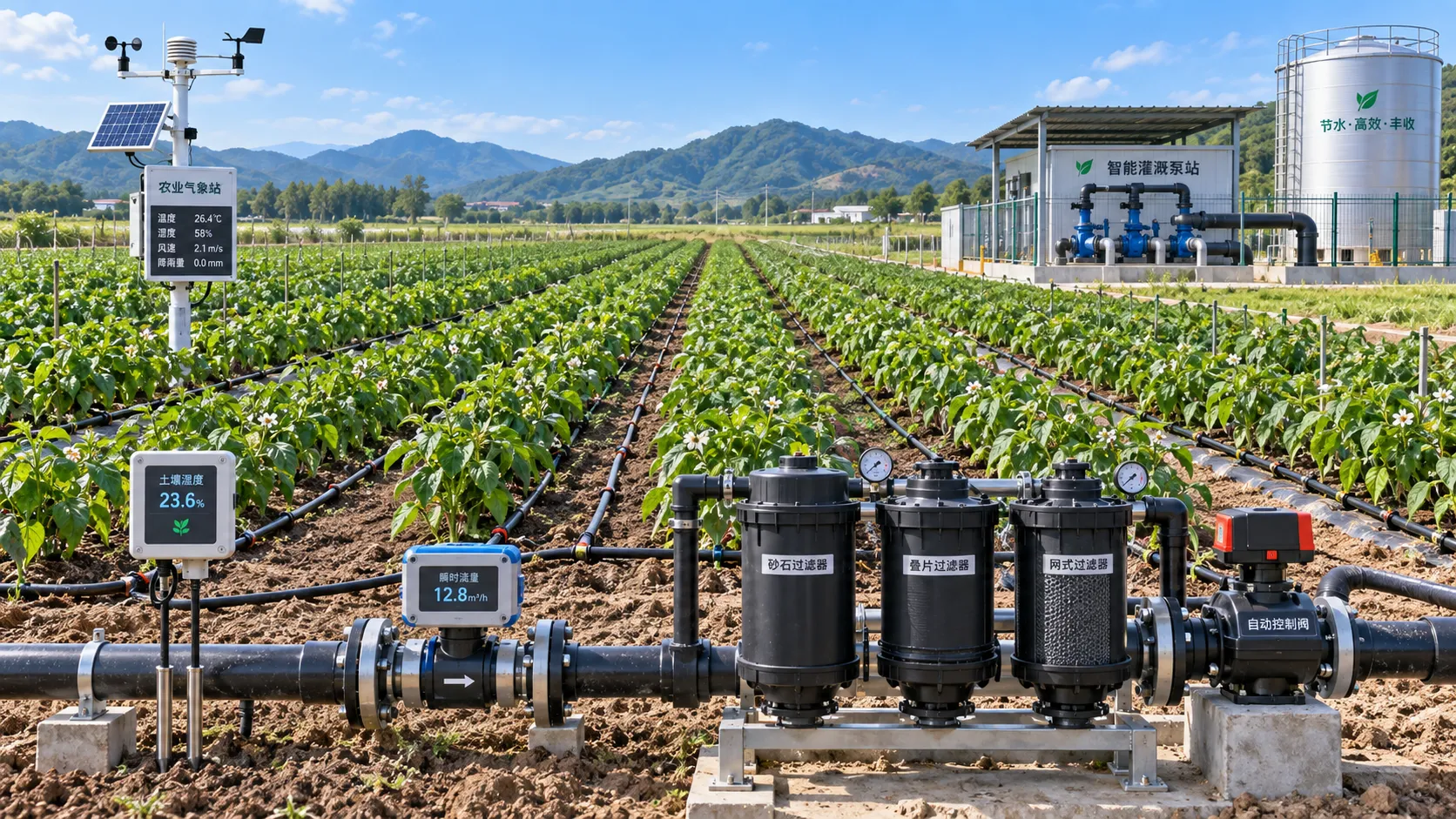
Automated Water-Saving Irrigation: How to Cut Water Use Without Reducing Crop Yields
Automated water-saving irrigation helps farms cut water use, protect crop yields, improve scheduling, and gain reliable control with sensors, flow monitoring, and smart zones.
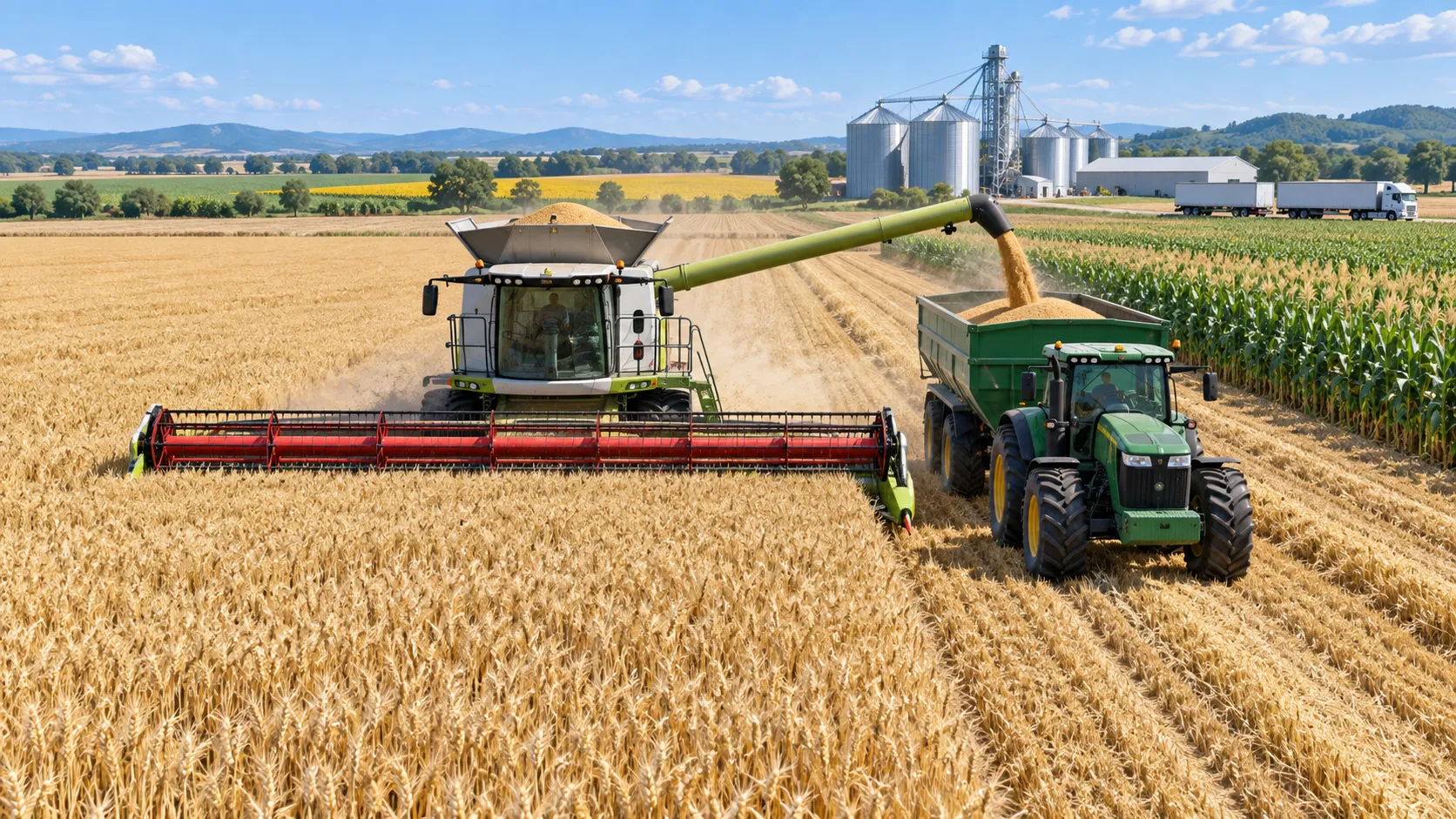
Selecting Grain Farm Equipment by Acreage, Crop Mix, and Harvest Window
Agricultural equipment selection for grain farming: match machinery to acreage, crop mix, and harvest windows to improve uptime, efficiency, and returns.
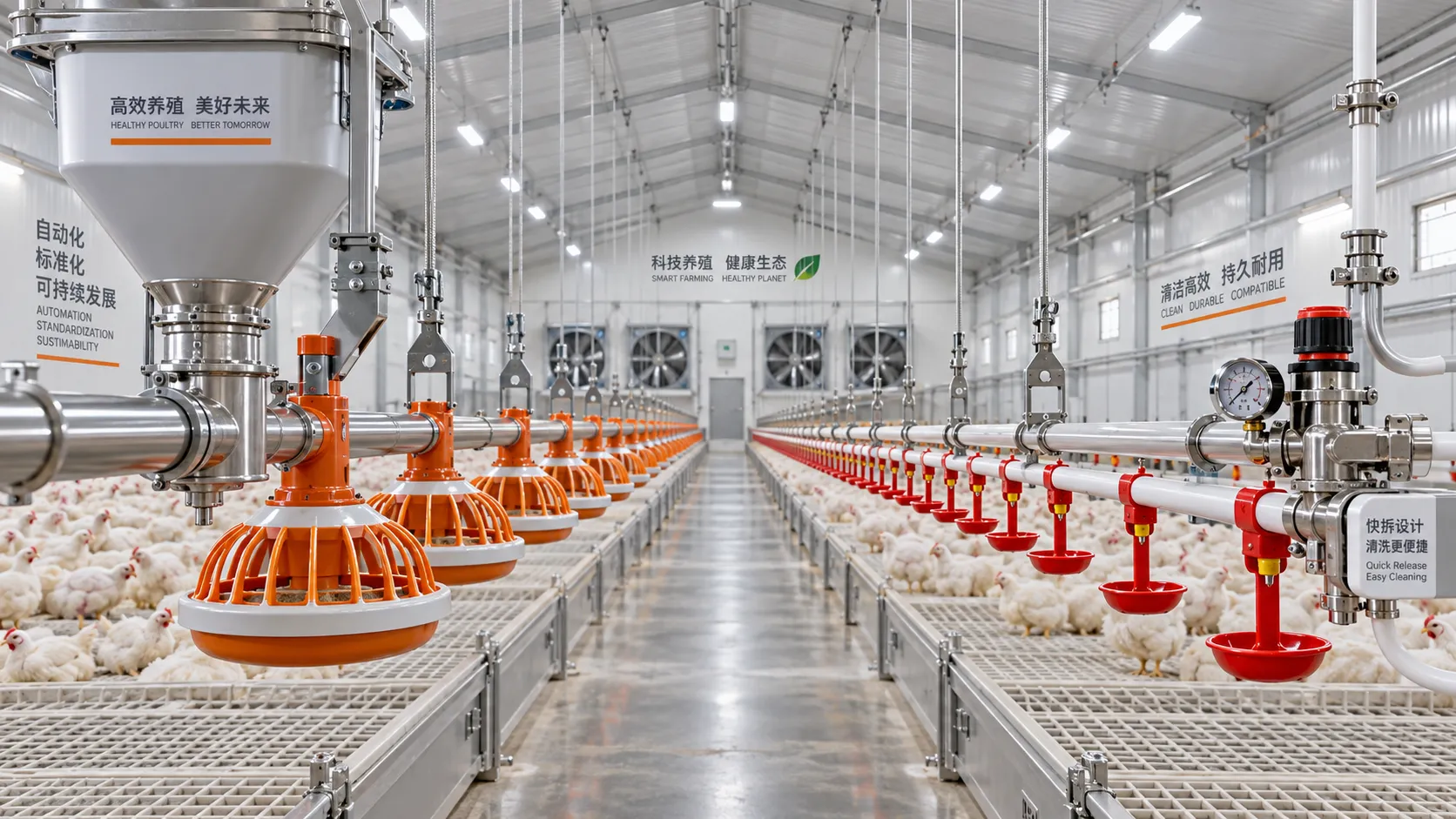
Poultry Equipment Selection: Evaluating Durability, Cleaning, and Compatibility
Poultry equipments selection guide: evaluate durability, cleaning access, and system compatibility to improve hygiene, reduce downtime, and support efficient flock management.
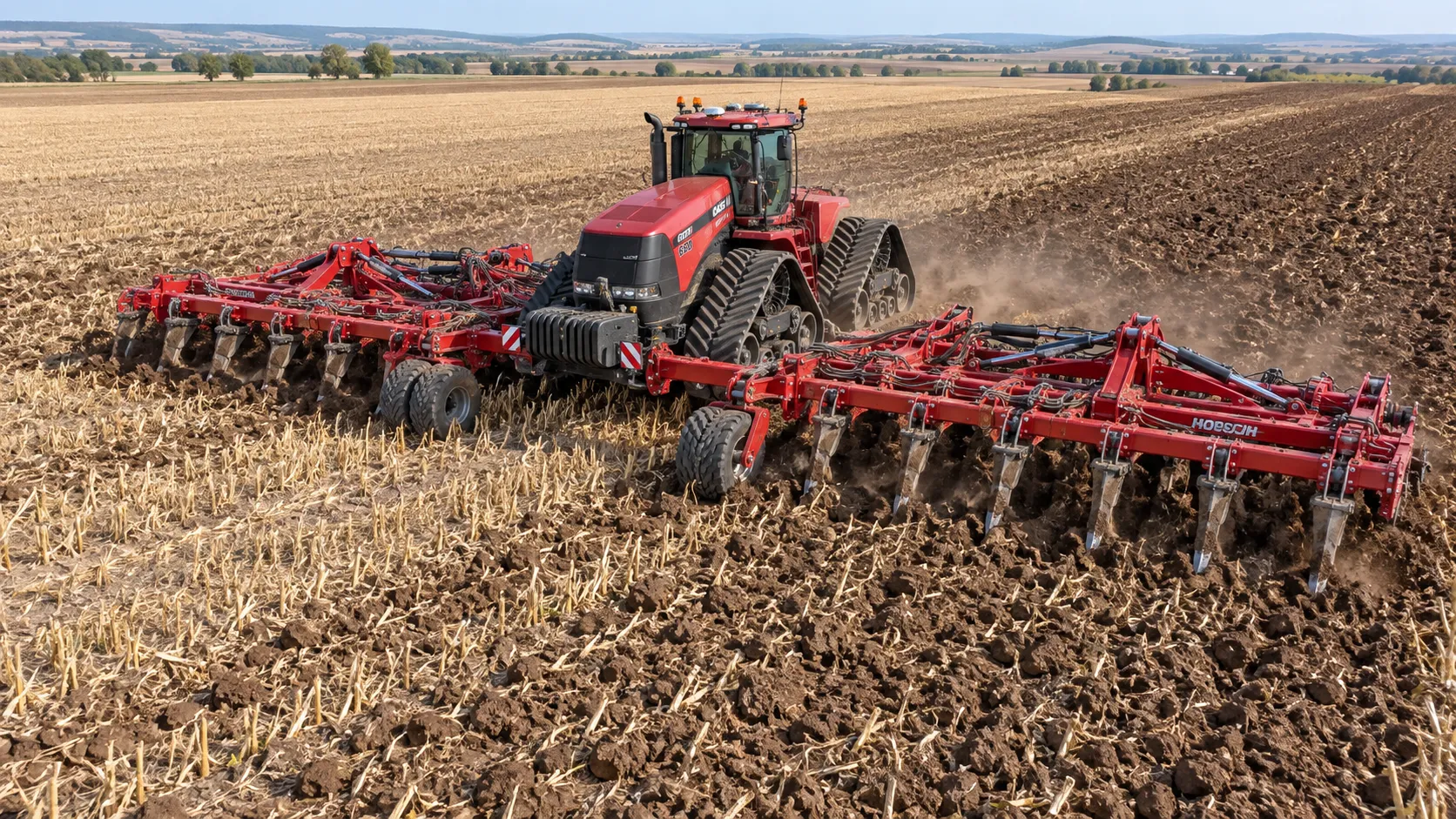
How to Select Heavy-Duty Farm Implements for High-Acreage, High-Horsepower Operations
Heavy duty farm implements: learn how to match draft, hydraulics, hitch capacity, frame strength, and field conditions for reliable high-acreage performance.
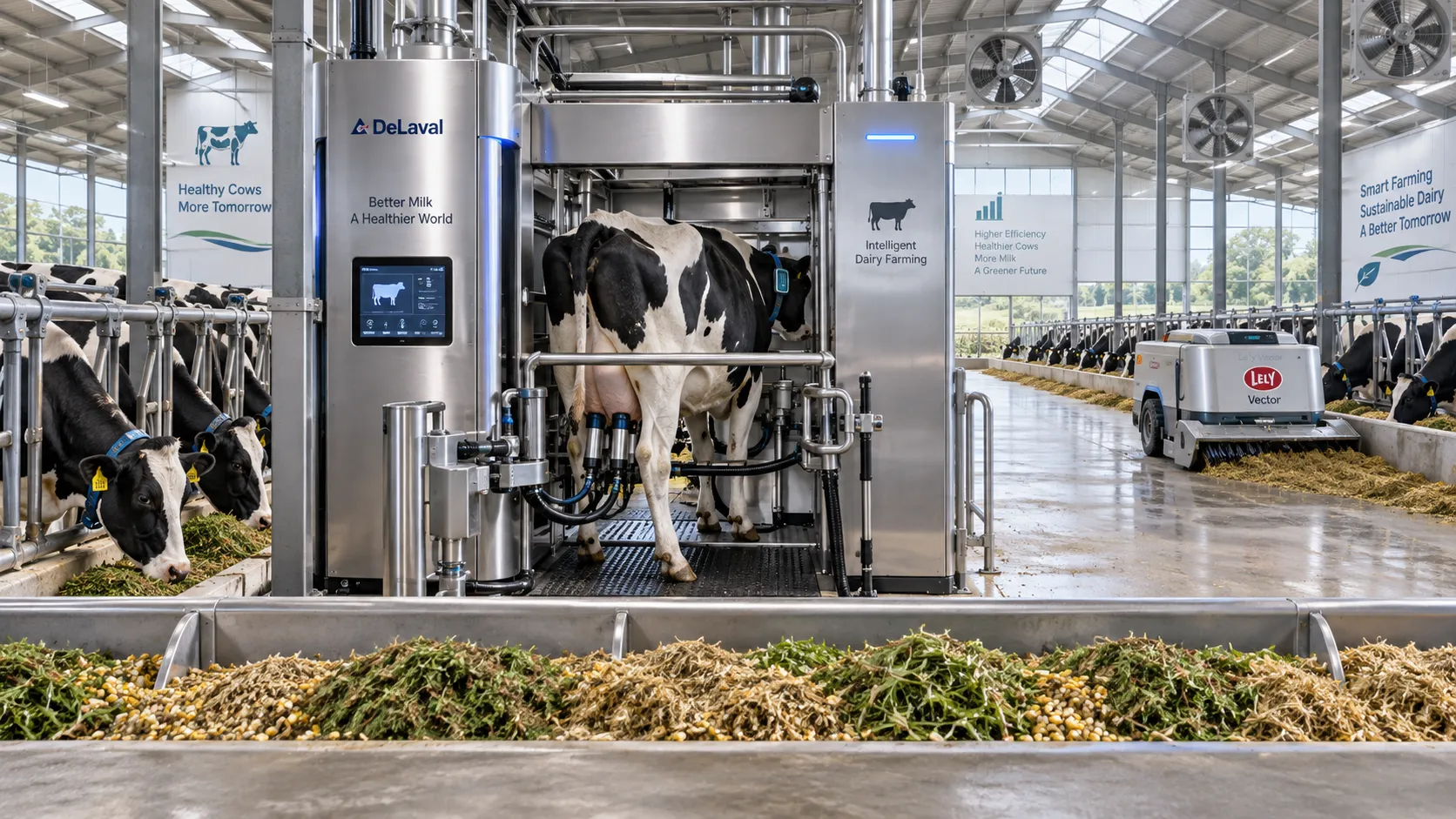
Smart Farming Technology for Dairy Farms: Where Automation Delivers Measurable ROI
Smart farming technology for dairy farms delivers measurable ROI through automation, precision feeding, health monitoring, and data-driven cost control.
Related News
- 00
0000-00
How to Select Precision Crop Protection Equipment for Variable Field Conditions - 00
0000-00
How to Evaluate Precision Fertilization System Suppliers for Farm-Scale Deployment - 00
0000-00
How to Select a Precision Fertilization System for Variable Corn Field Conditions - 00
0000-00
When does equipment for sustainable farming justify a higher capital spend? - 00
0000-00
Precision Farming Solutions with Drone Data for Field Mapping and Crop Decisions
Popular Tags
Tractor Power Architect
Weekly Insights
Stay ahead with our curated technology reports delivered every Monday.