
How to Compare Precision Agriculture Tools for Soil, Water, and Input Control
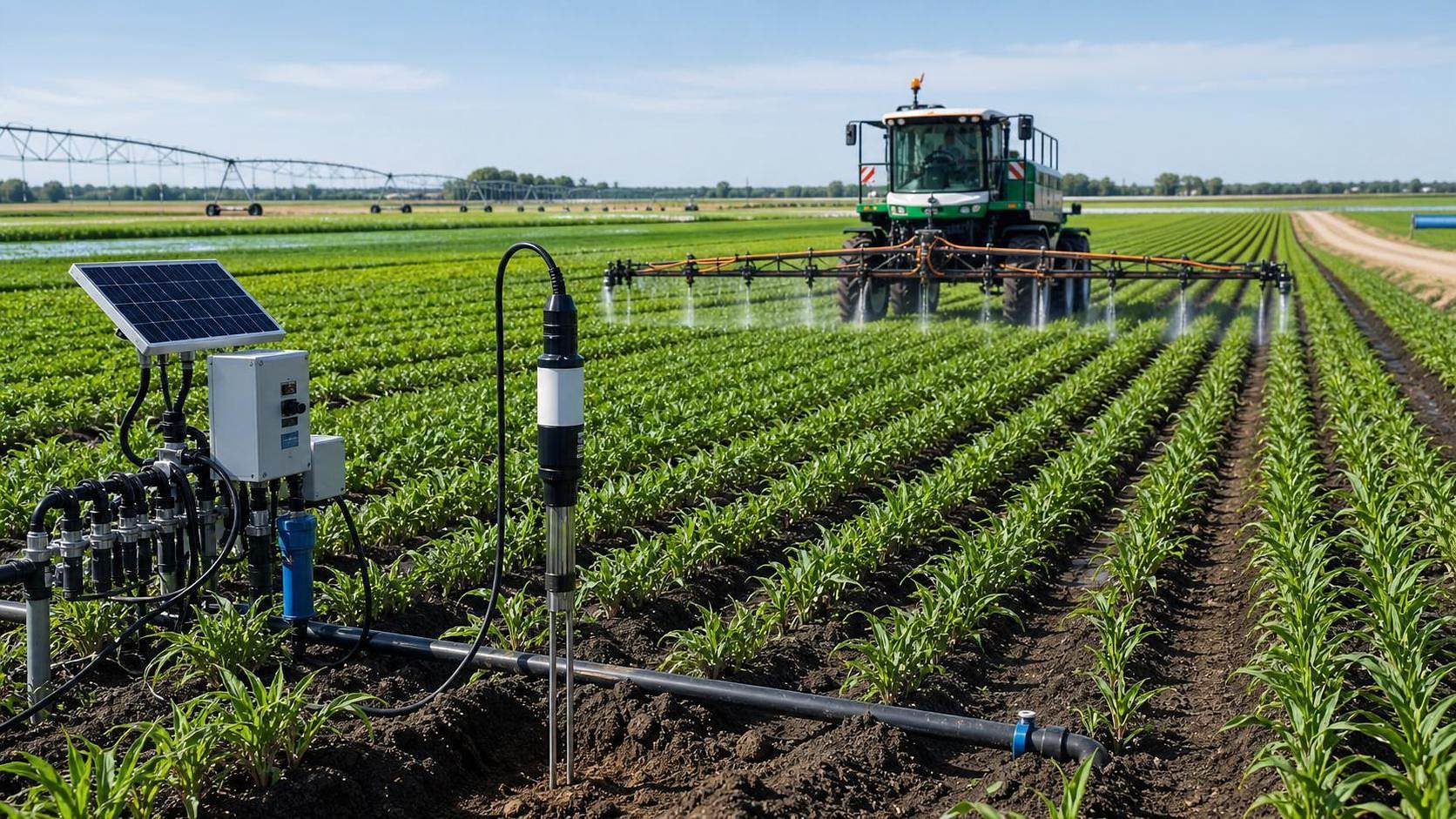




Why does comparing precision agriculture tools now require a broader view?
Choosing precision agriculture tools now affects far more than one season’s operating plan. It shapes water use, fertilizer efficiency, field variability control, and equipment coordination across the farm system.
That is why simple feature lists rarely help. A sensor may look advanced on paper, yet still deliver weak value if the irrigation platform cannot use its data.
In practical buying decisions, the better question is not, “Which tool has more functions?” It is, “Which tool improves field decisions with the lowest operational friction?”
This matters even more in Agriculture 4.0 settings, where soil monitoring, application control, and machine guidance increasingly depend on connected data streams.
AP-Strategy often frames this shift around three linked outcomes: stable yield, controlled inputs, and resilient water management. That lens is useful when comparing precision agriculture tools across brands and system types.
What should be compared first: soil data, water control, or input accuracy?
The answer depends on where the largest avoidable loss sits today. In some operations, irrigation timing is the main issue. In others, uneven soil zones distort seeding and nutrient decisions.
A useful starting point is to compare precision agriculture tools by decision impact, not by hardware category alone. That keeps the evaluation tied to field economics.
This comparison table helps narrow the sequence. Many farms do not need every tool at once. They need the first tool that removes the biggest recurring inefficiency.
When two systems look similar, what differences actually matter?
Vendors often highlight dashboard design, mobile access, and AI claims. Those elements can matter, but field performance usually depends on less visible details.
For soil tools, compare measurement consistency across depths and seasons. A probe that reads accurately once but drifts after installation creates poor irrigation or nutrition decisions.
For water control, look at the logic behind recommendations. Does the platform combine sensor data, evapotranspiration, weather forecasts, and valve-level execution, or only provide moisture charts?
For input control, latency matters. If a variable-rate controller reacts slowly, application maps may look precise while real field distribution remains uneven.
Another major difference is machine compatibility. Precision agriculture tools should connect smoothly with existing tractors, sprayers, planters, and irrigation assets.
This is where AP-Strategy’s broader equipment perspective becomes useful. Soil sensing cannot be judged in isolation if tractor electronics, hydraulic responsiveness, or irrigation hardware limit execution quality.
- Check whether data exports support common formats used by guidance and farm management systems.
- Confirm whether updates require subscriptions, dealer intervention, or remote access permissions.
- Ask how the platform handles weak connectivity in large or remote fields.
- Review the service model for calibration, replacement parts, and seasonal troubleshooting.
How can long-term cost be judged without relying on a simple purchase price?
The cheapest precision agriculture tools often become expensive after deployment. Subscription fees, firmware lock-ins, recalibration visits, and compatibility add-ons can reshape the total cost quickly.
A stronger method is to break cost into four layers: acquisition, integration, operation, and upgrade path. That view is closer to real ownership economics.
A practical cost checklist
- Acquisition: hardware, licenses, installation kits, base stations, and training.
- Integration: connectors, controller retrofits, API access, and data migration.
- Operation: annual subscriptions, probe maintenance, SIM fees, and replacement sensors.
- Upgrade path: support for expanded acreage, additional crops, and future automation modules.
On the return side, avoid vague promises. Tie value to measurable outcomes such as irrigation event reduction, lower overlap, nutrient savings per hectare, or improved yield consistency by management zone.
In real comparisons, the most bankable ROI often comes from fewer mistakes, not from dramatic yield gains. Water savings, reduced passes, and cleaner application records are easier to verify.
What implementation issues usually get missed during evaluation?
Many buying teams compare specifications carefully, then underestimate deployment realities. Precision agriculture tools succeed only when field crews, agronomy workflows, and machinery schedules can absorb them.
One frequent mistake is assuming that more data always means better control. In practice, weak calibration, poor map cleaning, or inconsistent sampling can make a rich dataset misleading.
Another common issue is uneven responsibility. If one provider supplies sensors, another supplies irrigation controls, and a third manages mapping, support gaps appear quickly.
Implementation planning should answer a few operational questions before signing:
- Who validates field data during the first season?
- How often are recommendations reviewed against actual outcomes?
- What happens if a sensor fails during a critical irrigation window?
- Can existing operators use the interface without slowing other field work?
These questions may sound basic, but they often separate useful precision agriculture tools from expensive digital clutter.
Is it better to buy a full platform or build a mixed tool stack?
There is no universal answer. A full platform can reduce integration risk and simplify support. A mixed stack can deliver better performance when best-in-class functions are needed in different areas.
A platform approach usually works well when the operation values standardized reporting, one service channel, and easier training across multiple sites.
A mixed approach often makes sense when soil sensing, irrigation automation, and application control evolve at different speeds. Some farms already have strong machinery guidance, but need smarter water analytics.
The trade-off is governance. Mixed precision agriculture tools require stricter standards for file formats, data ownership, controller communication, and support escalation.
This is also where strategic intelligence matters. AP-Strategy’s coverage of machinery, chassis systems, harvesting efficiency, and water-saving irrigation reflects a useful truth: field technology decisions are interconnected, not isolated purchases.
What is a sensible next step before committing to a supplier?
Start with a comparison sheet built around field decisions, not marketing labels. Score each option on measurement quality, control responsiveness, compatibility, service depth, and full-life cost.
Then request evidence from conditions close to your own. Crop type, irrigation method, field size, and machine fleet all influence whether precision agriculture tools will perform as promised.
It also helps to define one pilot objective clearly. For example, reduce water use in a high-variability block, or improve nitrogen placement accuracy on selected hectares.
If a supplier cannot connect its tool to a measurable first-season outcome, the offer is probably too immature for a larger rollout.
The strongest buying decisions usually come from disciplined comparison: understand where losses occur, match the tool to that pressure point, verify integration, and test the ROI logic before scaling.
That approach keeps precision agriculture tools aligned with what matters most in modern farming: better control of soil, water, and inputs without adding unnecessary complexity.
Related News
How to Select Precision Crop Protection Equipment for Variable Field Conditions
Precision crop protection equipment selection made simple: compare terrain, canopy, weather, control accuracy, and data workflows for reliable applications.

When Does Agricultural Machinery Leasing Cost Less Than Owning Equipment?
Agricultural machinery leasing can lower farm costs when use is seasonal or uncertain. Compare utilization, maintenance, cash flow, and risk to make a smarter equipment decision.
How to Evaluate Precision Fertilization System Suppliers for Farm-Scale Deployment
Precision fertilization systems suppliers: learn how to compare accuracy, integration, uptime, service, and total cost for confident farm-scale deployment.
ISOBUS for Smart Agriculture: How It Connects Tractors, Implements, and Farm Data
ISOBUS for smart agriculture connects tractors, implements, terminals, and farm data—helping growers improve precision, documentation, and smarter field decisions.
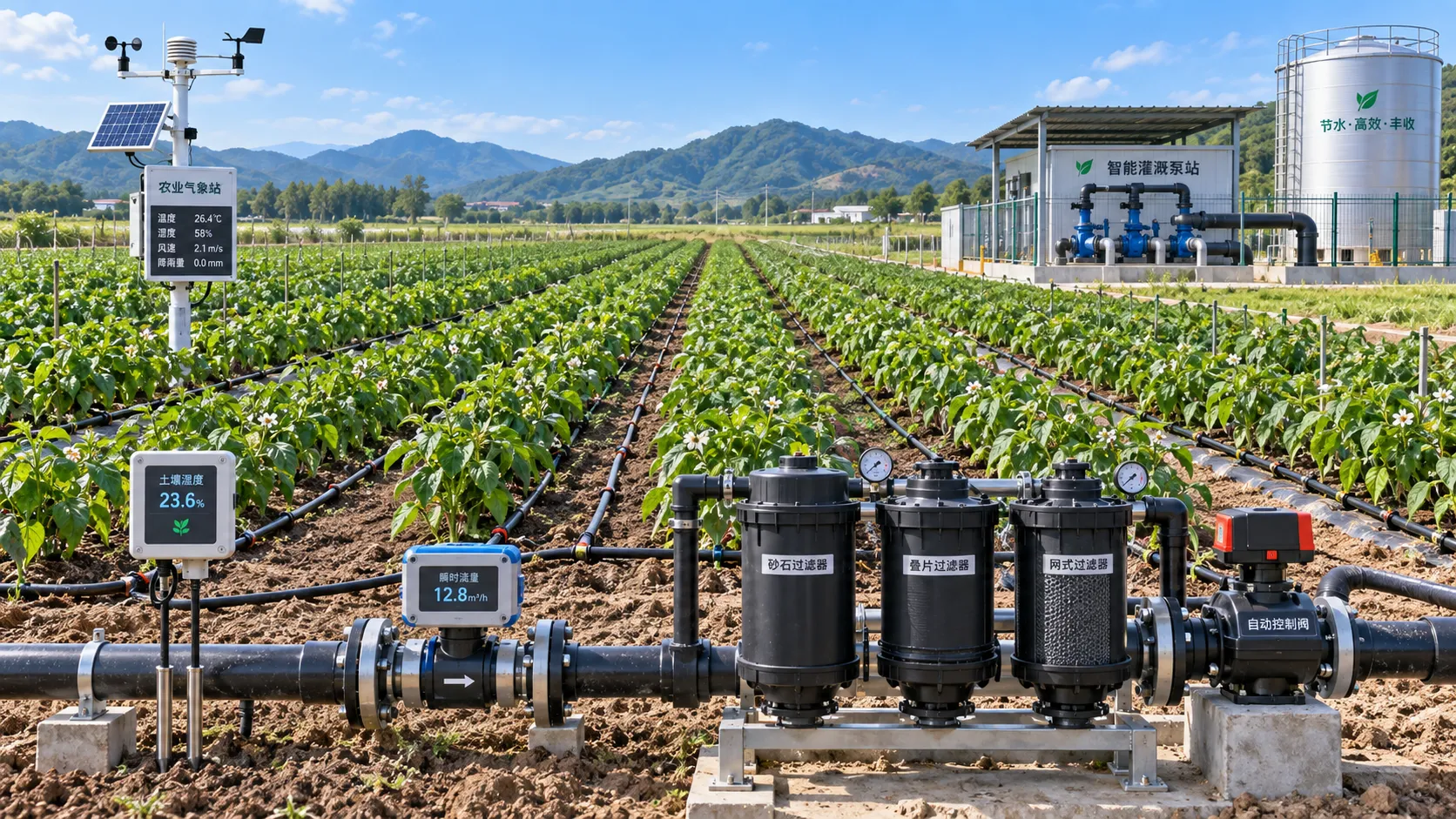
Automated Water-Saving Irrigation: How to Cut Water Use Without Reducing Crop Yields
Automated water-saving irrigation helps farms cut water use, protect crop yields, improve scheduling, and gain reliable control with sensors, flow monitoring, and smart zones.
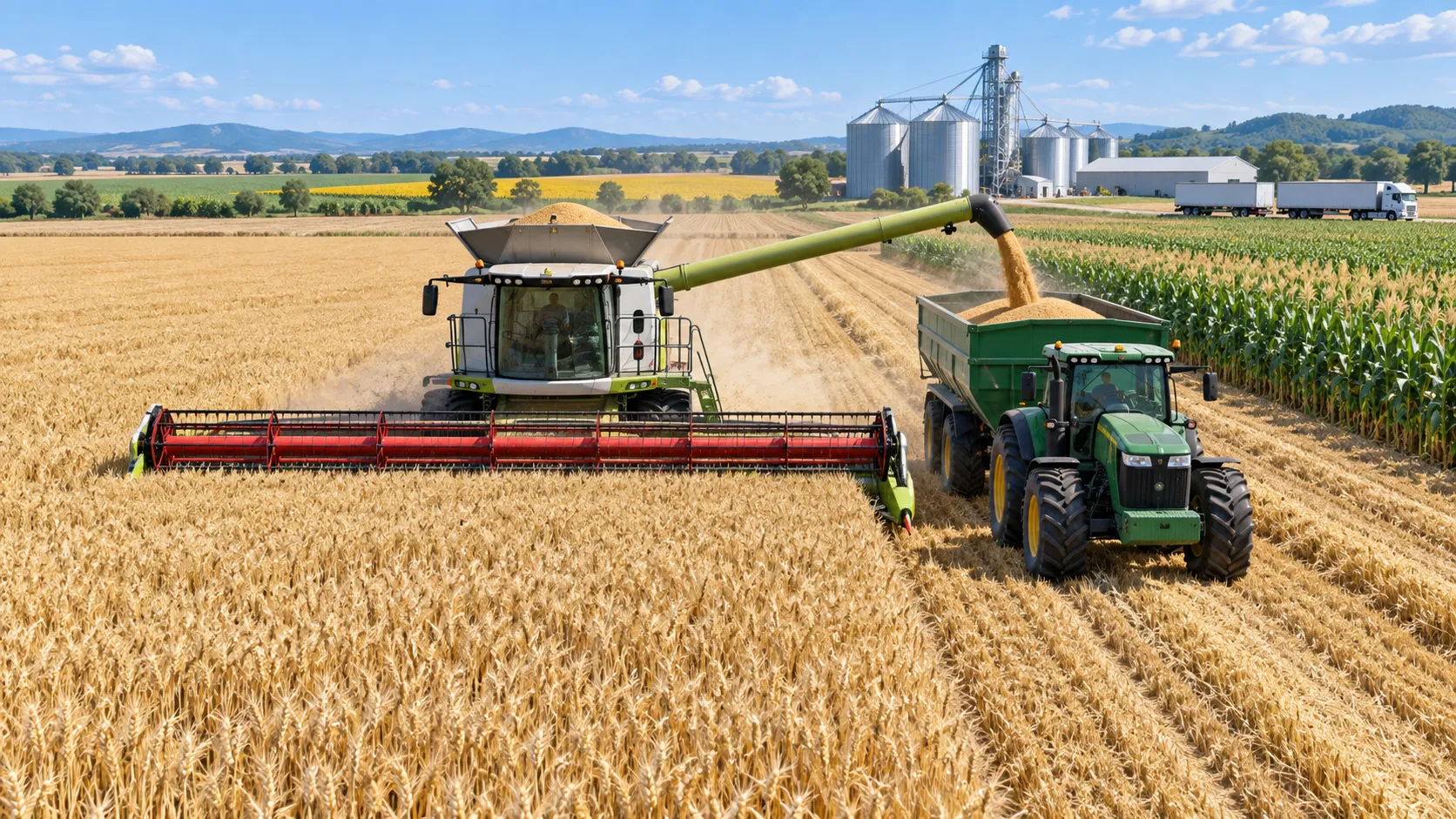
Selecting Grain Farm Equipment by Acreage, Crop Mix, and Harvest Window
Agricultural equipment selection for grain farming: match machinery to acreage, crop mix, and harvest windows to improve uptime, efficiency, and returns.
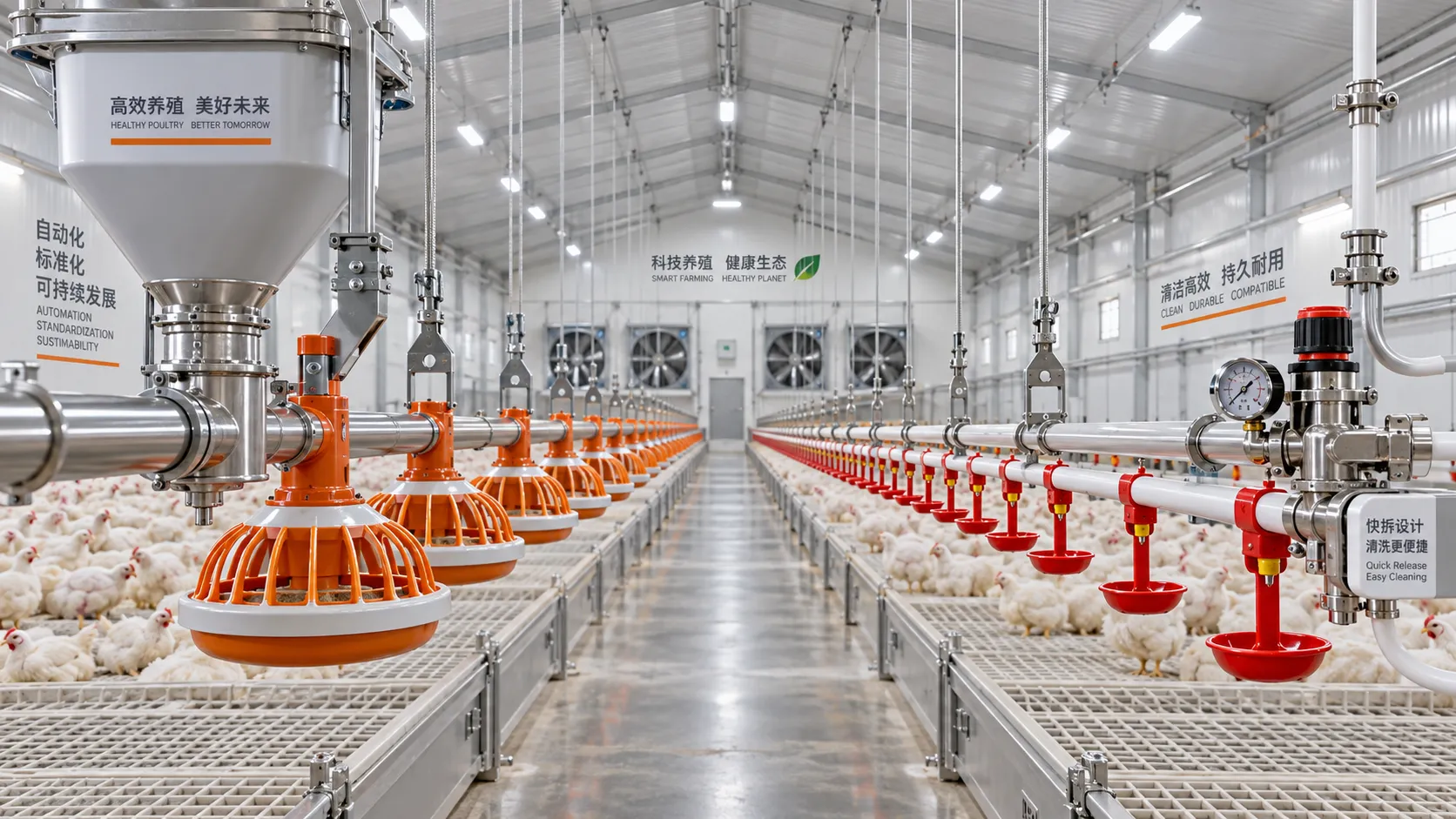
Poultry Equipment Selection: Evaluating Durability, Cleaning, and Compatibility
Poultry equipments selection guide: evaluate durability, cleaning access, and system compatibility to improve hygiene, reduce downtime, and support efficient flock management.
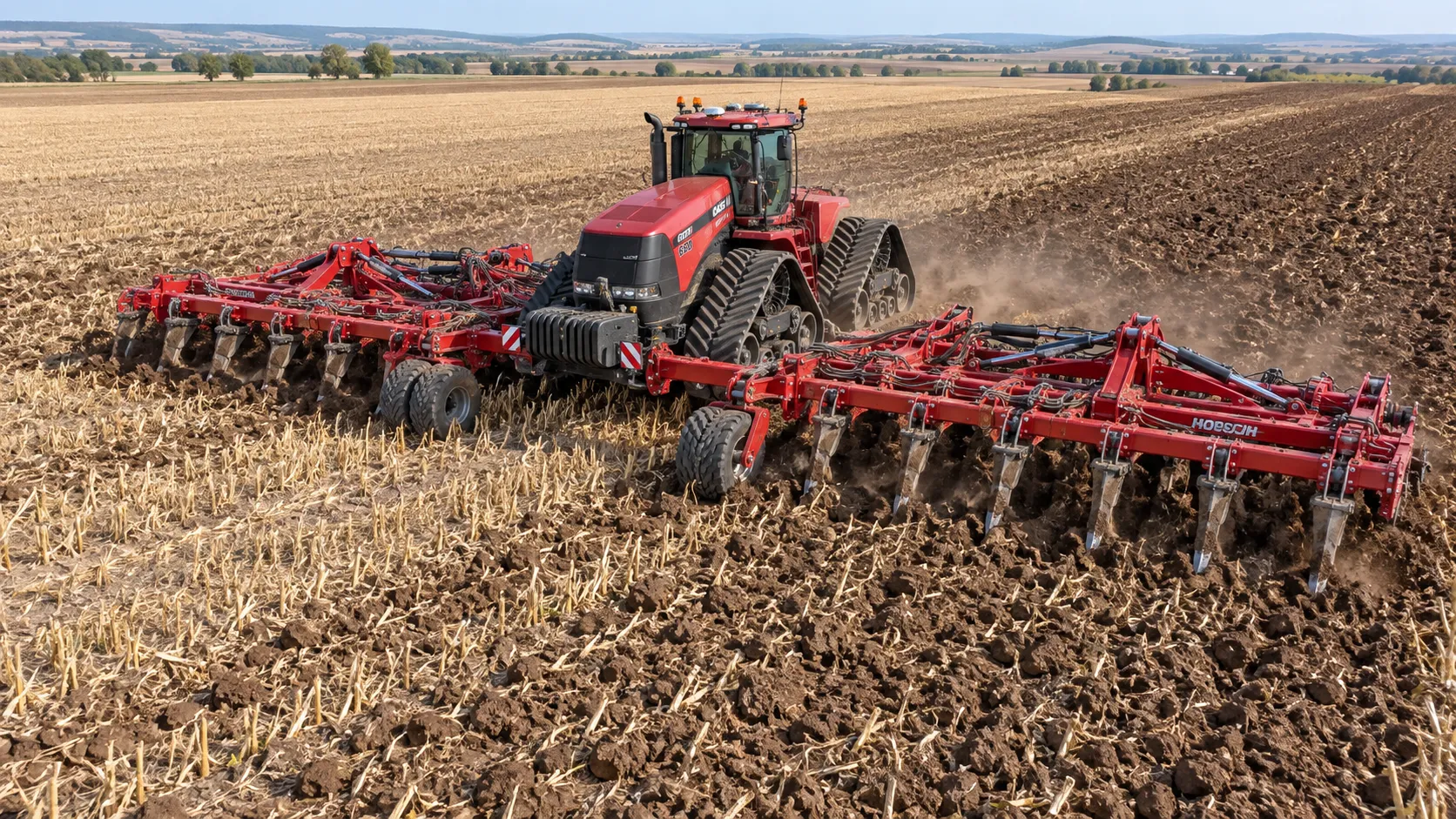
How to Select Heavy-Duty Farm Implements for High-Acreage, High-Horsepower Operations
Heavy duty farm implements: learn how to match draft, hydraulics, hitch capacity, frame strength, and field conditions for reliable high-acreage performance.
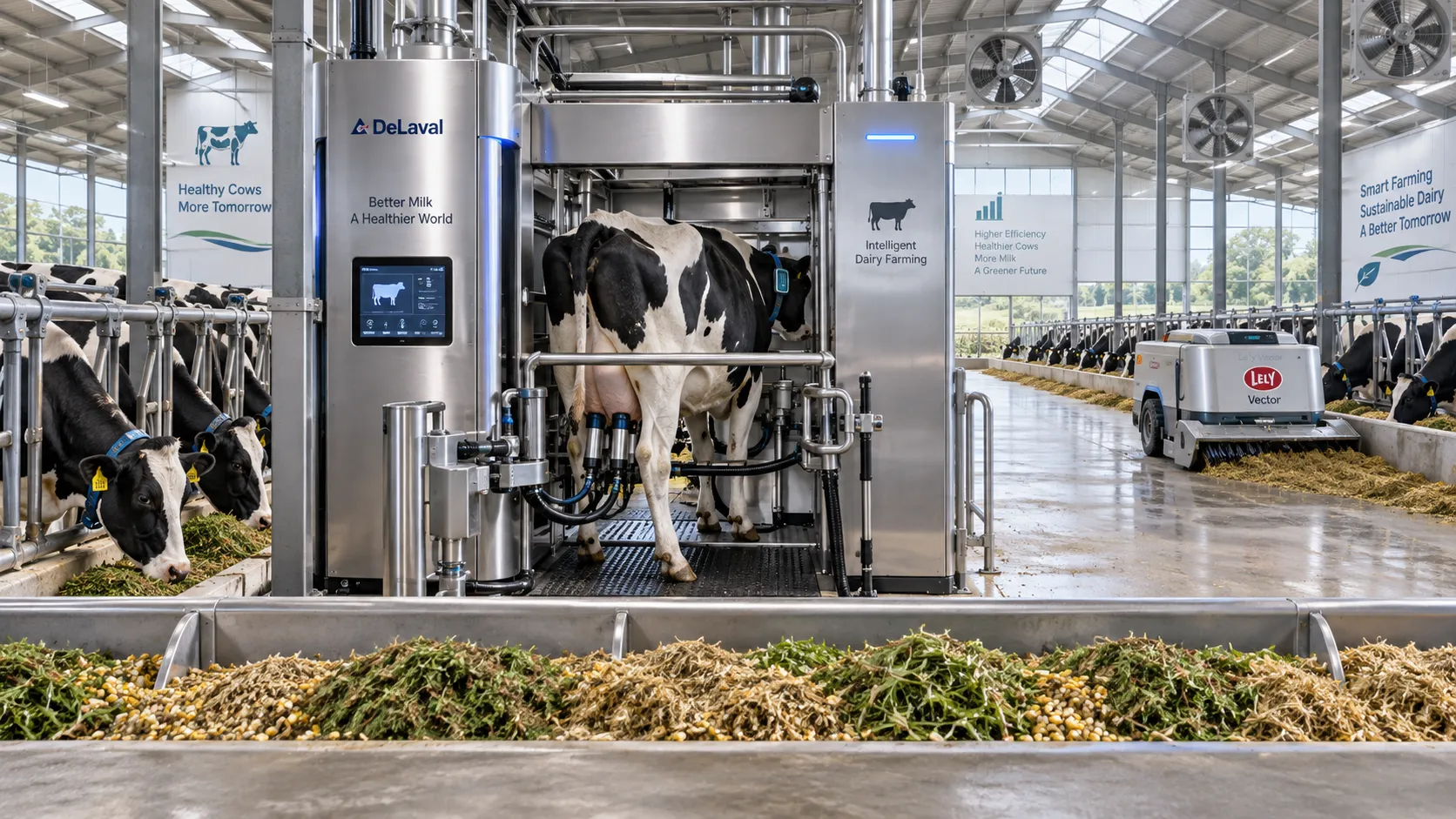
Smart Farming Technology for Dairy Farms: Where Automation Delivers Measurable ROI
Smart farming technology for dairy farms delivers measurable ROI through automation, precision feeding, health monitoring, and data-driven cost control.
Related News
- 00
0000-00
How to Select Precision Crop Protection Equipment for Variable Field Conditions - 00
0000-00
How to Evaluate Precision Fertilization System Suppliers for Farm-Scale Deployment - 00
0000-00
How to Select a Precision Fertilization System for Variable Corn Field Conditions - 00
0000-00
When does equipment for sustainable farming justify a higher capital spend? - 00
0000-00
Precision Farming Solutions with Drone Data for Field Mapping and Crop Decisions
Popular Tags
Tractor Power Architect
Weekly Insights
Stay ahead with our curated technology reports delivered every Monday.