
EU Tightens CE Rules for Smart Farm Machinery
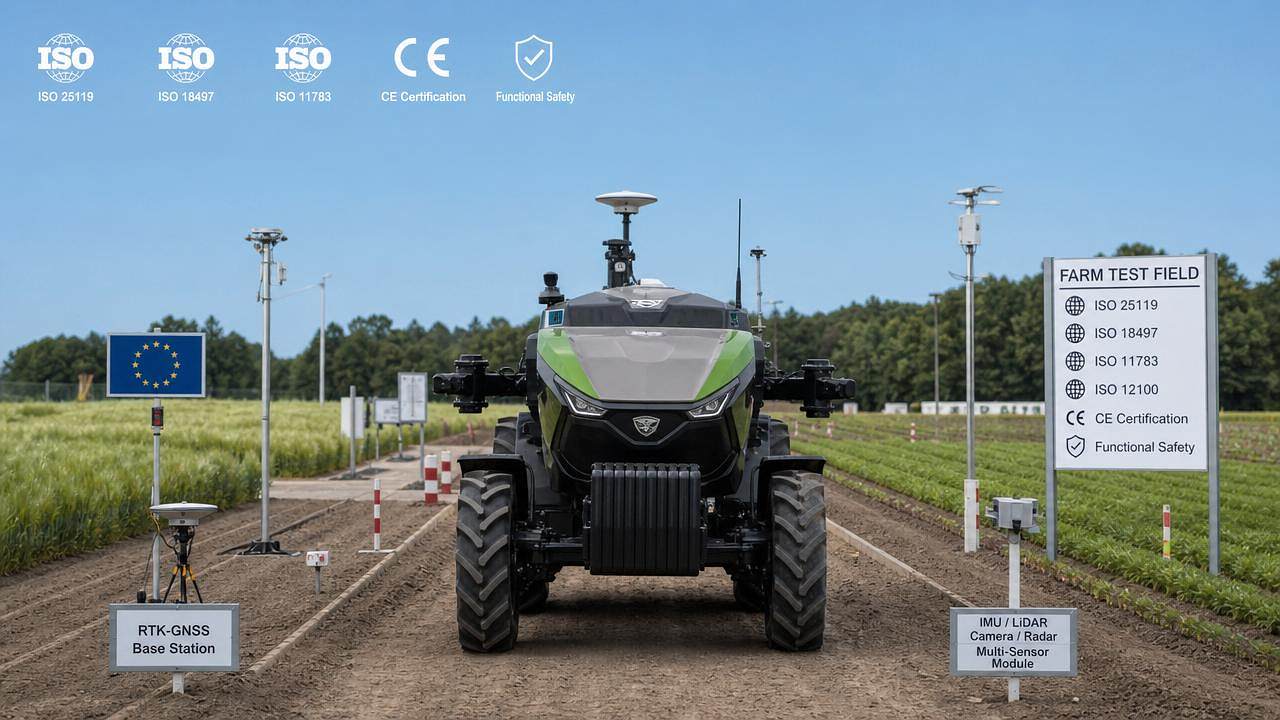




On June 4, 2026, the European Commission issued Implementing Decision (EU) 2026/1189, setting a new compliance threshold for agricultural machinery exported to the EU that includes GPS guidance systems or autonomous robot functions. From an industry perspective, this is not just a documentation update for CE-related market access; it directly affects type testing timelines, compliance preparation, and cost control for exporters, especially Chinese manufacturers shipping higher-spec smart agricultural equipment into the European market.
What the new requirement formally changes
According to the information provided, from January 1, 2027, all agricultural machinery exported to the EU that carries GPS Guidance Systems and Autonomous Robots functions must pass full certification under ISO 25119-3:2025, the functional safety standard for agricultural machinery.
The update also adds testing provisions covering three specific areas: dynamic path replanning, fail-response under multi-sensor redundancy failure, and protection against interruption of remote commands.
The adjustment is described as having a direct impact on the type testing cycle and compliance costs of Chinese agricultural machinery exporters.
Where the impact is likely to be felt first
Export-facing machinery makers will face a narrower compliance window
Analysis shows that manufacturers selling into the EU are the most immediately affected group, because the new rule applies to machines equipped with GPS guidance or autonomous operating capabilities. The main pressure points are likely to appear in product validation, certification scheduling, and export delivery planning, since the requirement shifts from general market access preparation to a full functional safety assessment under a specified standard.
Testing and certification workflows may become more time-sensitive
For businesses managing type testing and technical file preparation, the change matters because the newly specified test items are tied to actual system behavior rather than simple feature declarations. What deserves closer attention is whether existing test plans, evidence packages, and engineering validation processes are already aligned with the added requirements on path replanning, sensor redundancy failure response, and remote command interruption protection.
Component and subsystem coordination will matter more
From an industry perspective, companies involved in supplying navigation, sensing, control, or remote operation-related subsystems may also feel the effect indirectly. Even though the confirmed information does not specify supplier obligations, the newly listed test items indicate that compliance pressure is likely to concentrate on how multiple functions work together under fault or interruption conditions, not only on whether a single module performs as intended.
EU-bound sales and project delivery teams will need earlier coordination
For commercial and delivery teams, the practical issue is timing. Since the rule becomes mandatory on January 1, 2027, any EU-oriented shipment plan involving smart agricultural machinery may need closer coordination between engineering, certification, documentation, and customer communication. The direct business relevance lies in lead times, acceptance expectations, and the risk of mismatch between product readiness and regulatory deadlines.
What companies should focus on now
Check which exported models fall within scope
The first practical step is to identify which agricultural machinery models exported to the EU include GPS guidance systems or autonomous robot functions. This matters because the requirement is function-linked, and companies need a clear internal view of which products will need full ISO 25119-3:2025 certification before the January 2027 deadline.
Review whether current test plans cover the newly added items
Companies should closely compare their existing validation and type testing arrangements against the added test provisions named in the decision. In particular, dynamic path replanning, fail-response under multi-sensor redundancy failure, and remote command interruption protection should not be treated as minor additions, because they may affect both engineering verification and certification sequencing.
Prepare for pressure on timelines and compliance budgets
Observably, the confirmed information already points to two immediate business concerns for Chinese exporters: longer type testing cycles and higher compliance costs. That makes internal planning important in areas such as project scheduling, sample readiness, technical documentation, and customer delivery communication. The key issue is not to assume that prior CE-related preparation for smart machinery will automatically satisfy the updated assessment threshold.
Watch for further official clarification and implementation detail
Although the core requirement is clear in the provided information, companies should continue monitoring how the rule is interpreted in practice through subsequent official wording, certification execution, and standard-related guidance. The distinction between a published regulatory requirement and its day-to-day implementation can be commercially significant, especially where testing scope and evidence expectations affect delivery commitments.
Why this looks like more than a short-term procedural update
Analysis shows that this development is better understood as a concrete regulatory signal rather than a routine administrative adjustment. The reason is that the new requirement does not merely restate existing CE access expectations; it identifies specific functional safety assessment areas linked to smart and autonomous behavior in agricultural machinery.
At the same time, it would be premature to overstate the final market effect beyond the confirmed facts. What can be said with confidence is that the compliance threshold for EU-bound smart farm machinery is becoming more explicit in the areas named in the decision. Whether the broader commercial impact expands further is something the industry still needs to watch through implementation practice.
How the industry may best read this development
At this stage, it is more appropriate to understand the update as an actionable compliance change with near-term operational consequences and longer-term regulatory signaling value. In the near term, the effect is most visible in testing cycles, certification preparation, and cost management for exporters. In the longer term, it signals that advanced functions such as guided operation and autonomous behavior are drawing closer scrutiny under formal safety assessment frameworks in the EU market.
For companies active in EU-bound agricultural machinery, the practical takeaway is not panic, but prioritization: identify affected products, reassess certification readiness, and align delivery planning with the 2027 enforcement date.
Basis of this article and points for continued verification
This article is based on the user-provided news title, event date, and event summary. The confirmed information used here includes the June 4, 2026 release of Implementing Decision (EU) 2026/1189 by the European Commission, the January 1, 2027 effective requirement, the mandatory full certification under ISO 25119-3:2025 for relevant agricultural machinery exported to the EU, the newly added test provisions, and the stated impact on Chinese exporters' type testing cycles and compliance costs.
For this type of industry update, commonly relevant source categories may include official government or regulatory announcements, company disclosures, industry association updates, authoritative media reporting, and standards organization documents. A specific official source link was not provided in the input, so further verification remains necessary. What deserves continued attention is whether subsequent official clarification adds detail on implementation, interpretation, or testing execution for the newly specified safety assessment items.
Related News
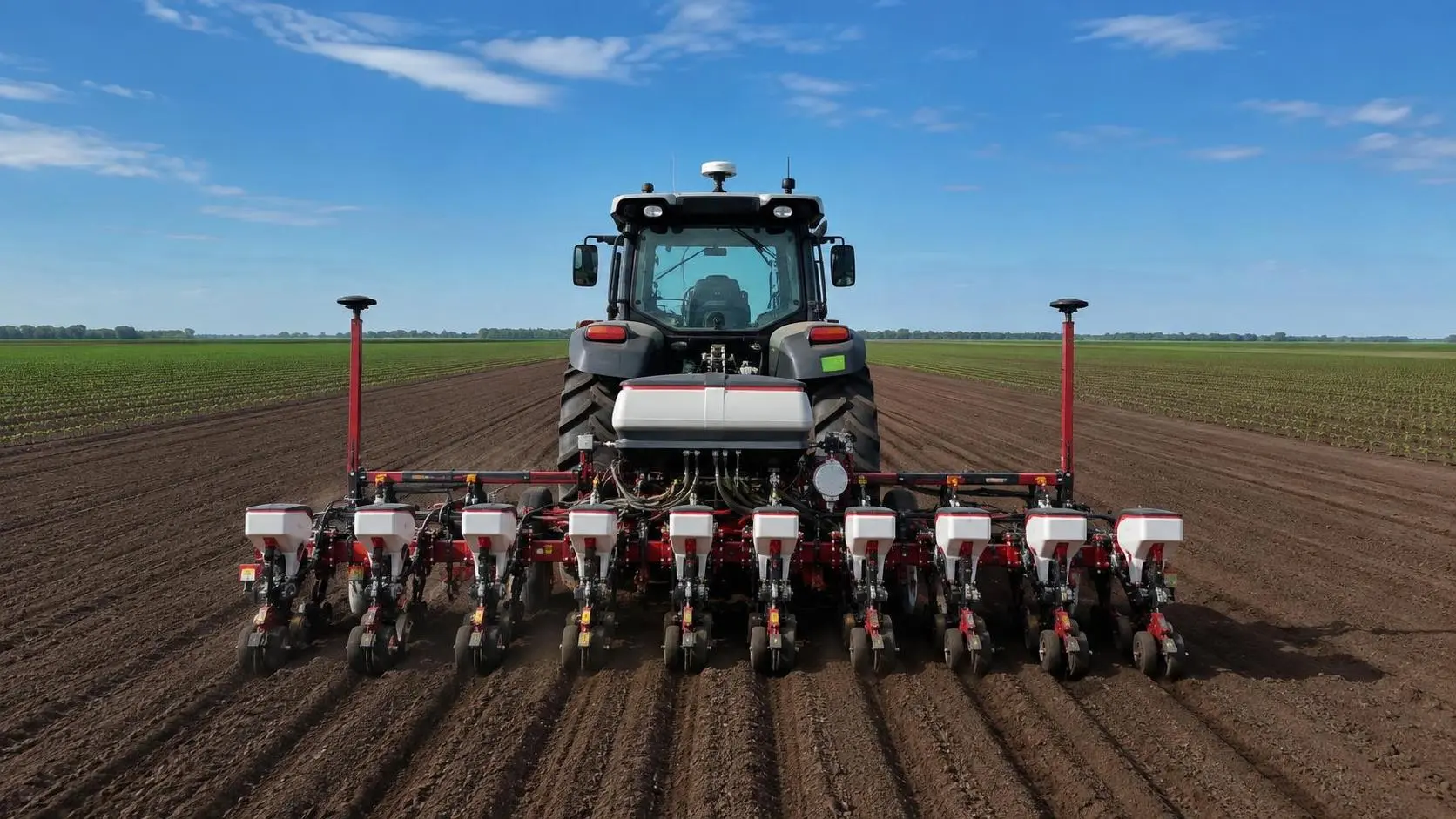
How Tractor Intelligence Systems Improve Field Efficiency and Input Accuracy
Agricultural machinery intelligence for tractors improves field efficiency, input accuracy, data traceability, and implement control. Explore smarter evaluation strategies.
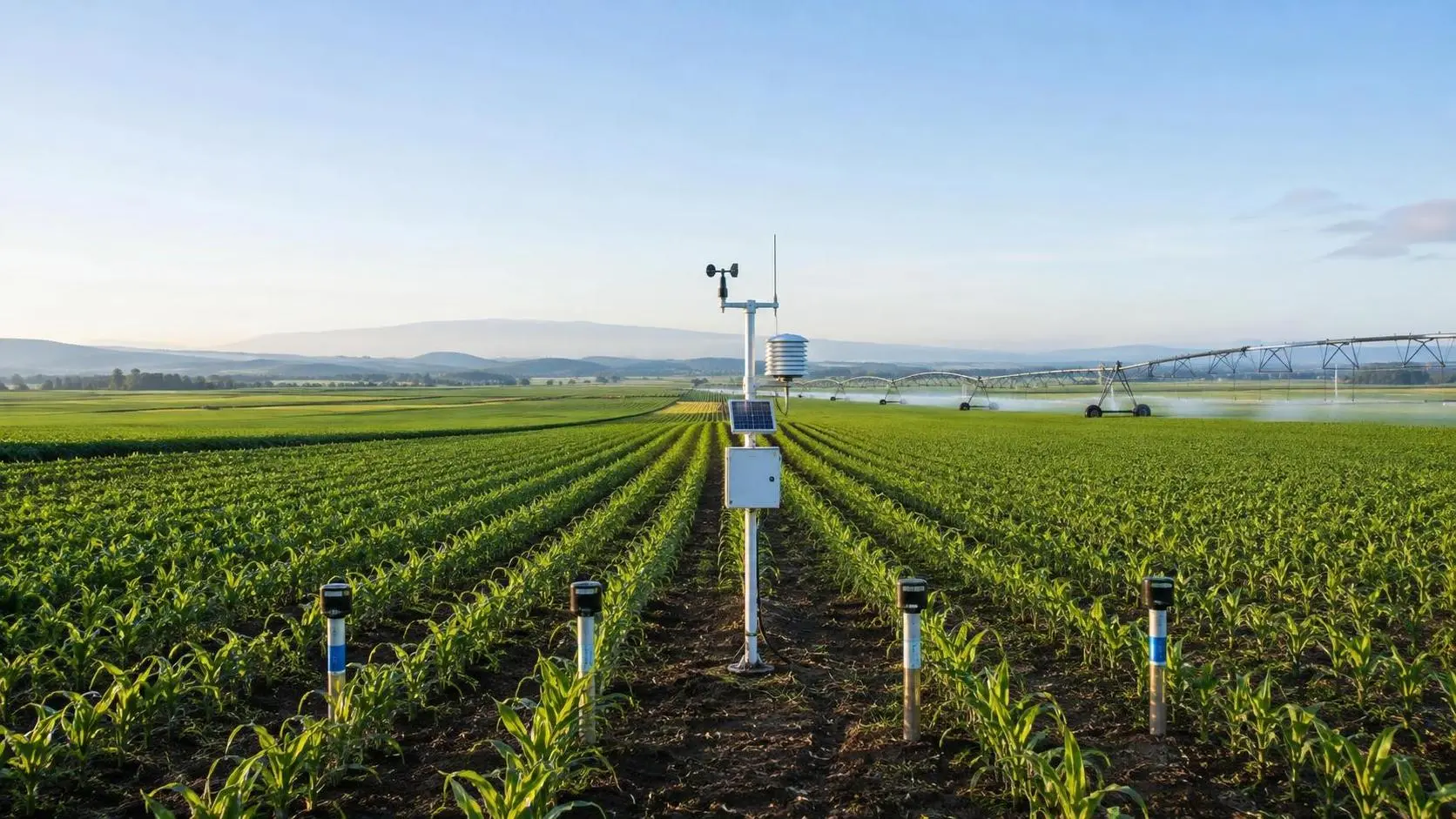
How to Evaluate Crop Monitoring System Manufacturers for Large-Scale Farms
Compare crop monitoring systems manufacturers for large-scale farms. Evaluate data quality, integration, durability, lifecycle costs, support, and pilots for smarter decisions.
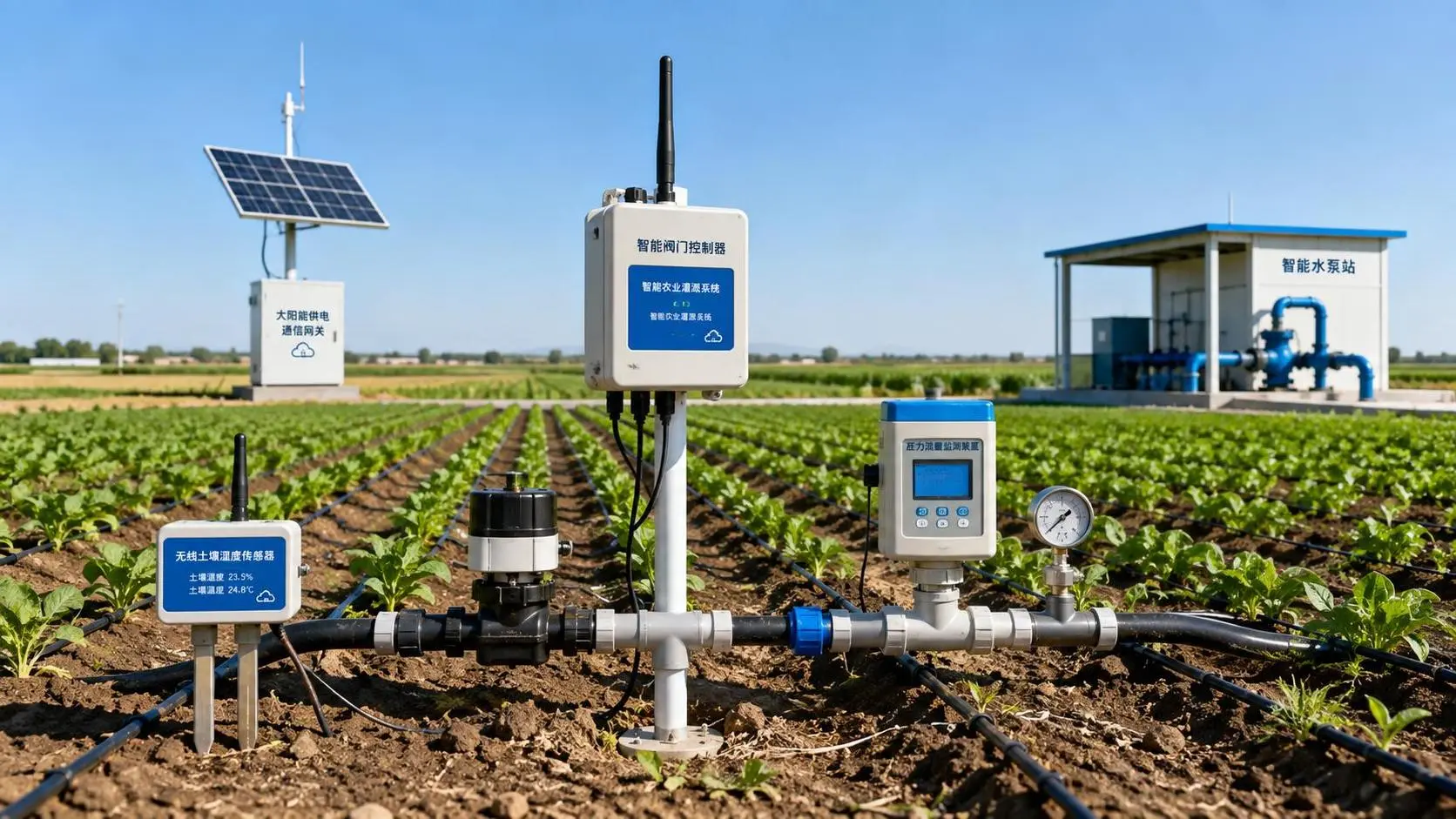
Wireless Agricultural Automation for Remote Irrigation and Field Monitoring
Agricultural automation wireless solutions improve remote irrigation with reliable field data, local control, flow verification, and smarter monitoring. Explore resilient deployment strategies.
Agricultural Product Information Market Guide: Key Data for Sourcing Decisions
Agricultural product information market guide for smarter sourcing—compare machinery, irrigation, precision tools, lifecycle costs, and supplier risk.
Large-Scale Farm Equipment Cost Comparison: Price, Fuel, and Lifecycle Value
Large-scale farm equipment cost comparison: evaluate price, fuel, maintenance, downtime, and lifecycle value to choose tractors, combines, irrigation, and smart tools with confidence.
A Procurement Specification Preparation Example for Buying Farm Equipment
Procurement specification preparation example for farm equipment: learn to define requirements, compare suppliers, control lifecycle costs, and buy with confidence.
What Tractor Horsepower Is Needed for a Three-Bottom Moldboard Plow?
What tractor horsepower is needed for three-bottom moldboard plow? Compare 60–100 hp needs by soil, depth, traction, and plow width for a confident equipment match.
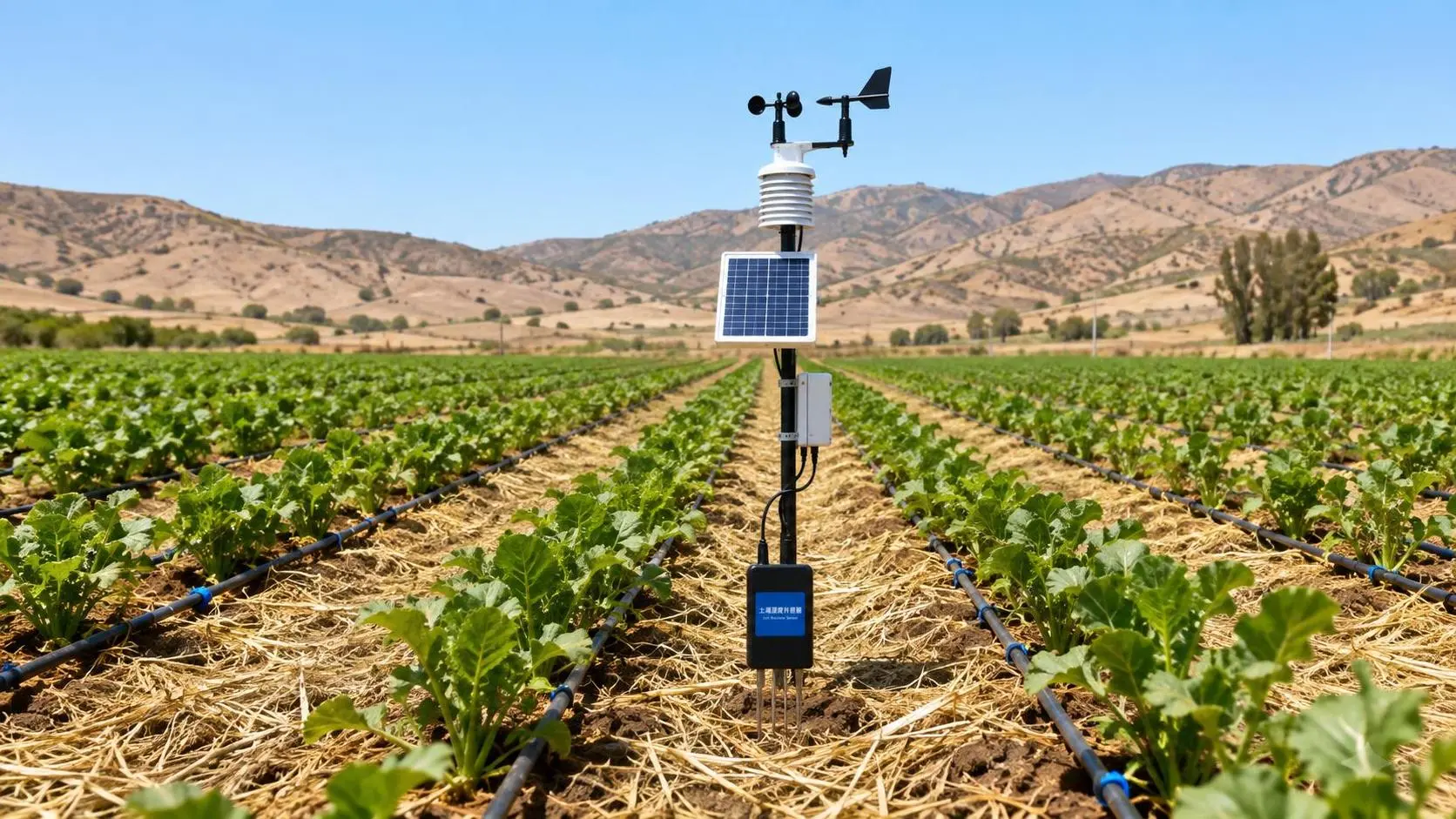
How Does Climate-Smart Farming Reduce Water Use in Semi-Arid Areas?
How does climate-smart farming reduce water use in semi-arid zones? Discover precision irrigation, soil monitoring, and smarter crop planning for resilient yields.
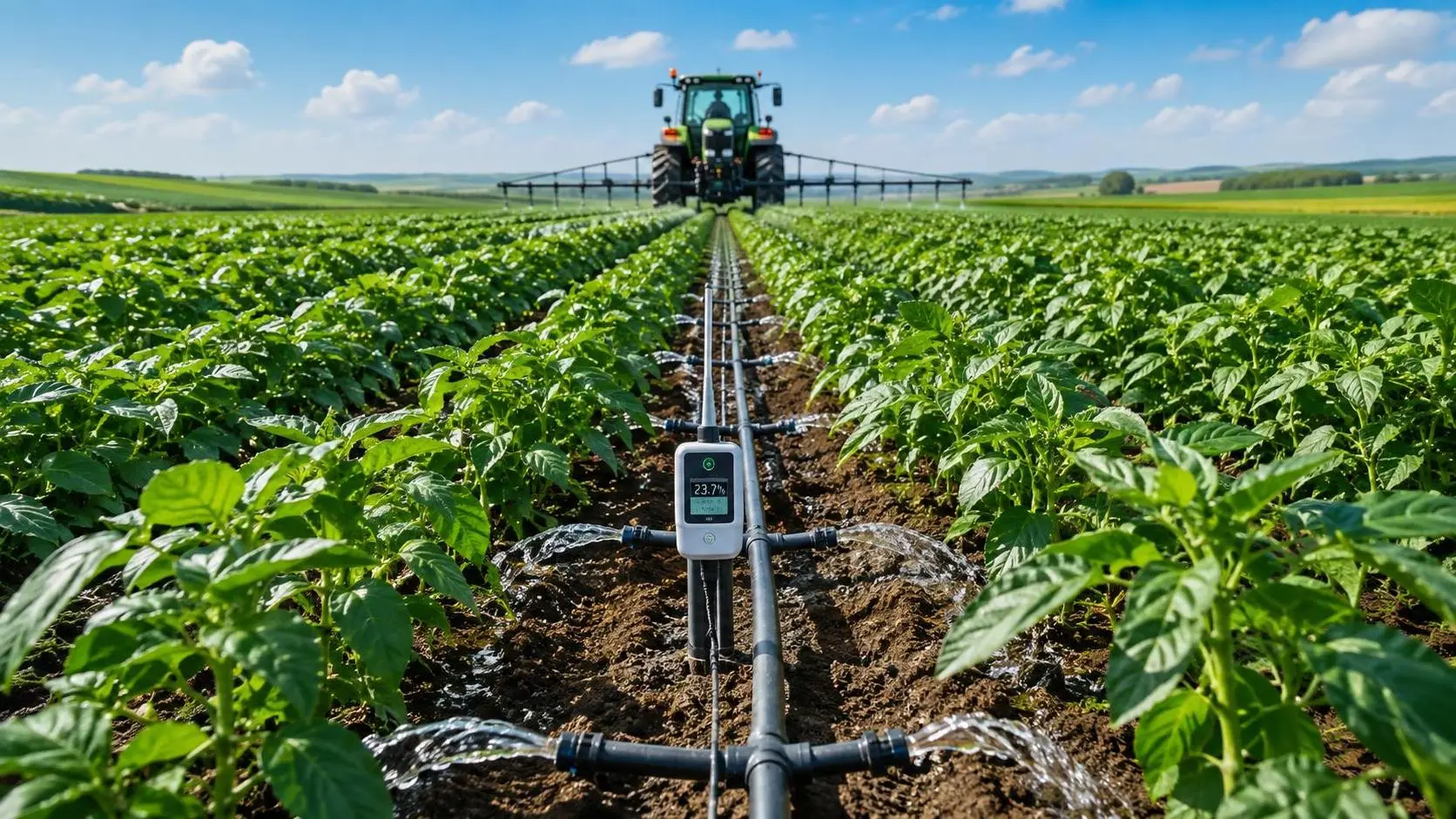
Can Sustainable Farming Be Profitable Without Reducing Yields?
Are sustainable farming practices profitable without yield loss? Discover precision strategies that cut waste, protect yields, and improve farm margins.
Related News
- 00
0000-00
How Tractor Intelligence Systems Improve Field Efficiency and Input Accuracy - 00
0000-00
China’s Temporary Helium Export Ban Reshapes Irrigation Supply Chains - 00
0000-00
Tianjin to Host 2026 China Farm Machinery Expo - 00
0000-00
Guangxi Subsidy Plan Signals Smarter Farm Machinery Supply Shift - 00
0000-00
EU Rule Takes Effect for GPS Guidance System Imports
Popular Tags
Tractor Power Architect
Weekly Insights
Stay ahead with our curated technology reports delivered every Monday.