
Airbus Tops Boeing as Smart Supply Chains Accelerate





On June 3, 2026, Brand Finance released a report stating that Airbus’ brand value reached USD 27.2 billion, up 63%, surpassing Boeing for the first time. The development is relevant not only to the aerospace sector, but also to aviation supply chain technology providers, high-end agricultural equipment manufacturers, GPS Guidance Systems suppliers, and Variable Rate Tech companies, because the report links Airbus’ rise with faster commercial aircraft deliveries and advances in intelligent systems such as autonomous navigation algorithms, real-time sensor feedback, and multi-source data fusion platforms.
Event Overview
According to the information released by Brand Finance on June 3, 2026, Airbus’ brand value reached USD 27.2 billion, representing a 63% increase, and surpassed Boeing for the first time.
The publicly available information attributes Airbus’ brand value growth to a sharp increase in commercial aircraft deliveries and innovation across civil-military integrated capabilities. The disclosed areas of technological progress include autonomous navigation algorithms, real-time sensor feedback systems, and multi-source data fusion platforms.
The same information indicates that this trend is accelerating its migration toward the high-end agricultural equipment sector. In particular, GPS Guidance Systems and Variable Rate Tech suppliers are facing a new window for technology benchmarking and certification collaboration.
Which Segments May Be Affected
Aerospace Supply Chain Technology Providers
From an industry perspective, aerospace supply chain technology providers are directly connected to the disclosed drivers behind Airbus’ brand value growth. The reference to autonomous navigation algorithms, real-time sensor feedback systems, and multi-source data fusion platforms points to stronger attention on intelligent system capabilities within aviation supply chains.
The impact may be reflected in higher expectations for system integration, data reliability, and collaborative development across suppliers. Companies involved in aviation-grade intelligent systems may need to pay closer attention to how technology performance, delivery capability, and certification coordination are evaluated by major aerospace customers.
Commercial Aircraft Manufacturing and Delivery-Linked Suppliers
The report states that Airbus’ growth was supported by a sharp rise in commercial aircraft deliveries. Observably, suppliers linked to aircraft delivery cycles may be more sensitive to changes in order execution, component coordination, and technology readiness.
The main impact is not limited to production volume. It also relates to whether suppliers can support smarter, more responsive supply chain operations as aviation manufacturers place greater emphasis on intelligent systems and delivery efficiency.
High-End Agricultural Equipment Manufacturers
The disclosed information states that the aviation supply chain intelligence trend is accelerating its migration toward high-end agricultural equipment. From an industry angle, this means agricultural machinery manufacturers should not view aerospace intelligent systems as unrelated to their own product roadmaps.
The impact may appear in product development priorities, especially in equipment functions that depend on navigation accuracy, sensor feedback, and data integration. Analysis shows that companies in this segment may face stronger pressure to compare their technical architecture with higher-end intelligent system standards, while still distinguishing between aerospace-grade concepts and agricultural operating scenarios.
GPS Guidance Systems Suppliers
GPS Guidance Systems suppliers are specifically identified as companies entering a new window for technology benchmarking and certification collaboration. This suggests that navigation-related suppliers should closely monitor how autonomous navigation algorithms and multi-source data fusion are being evaluated across adjacent industries.
The practical impact may include greater emphasis on compatibility, data feedback, system reliability, and alignment with certification requirements. Current attention should focus on whether aviation-derived intelligent supply chain practices create new expectations for agricultural guidance system performance and validation.
Variable Rate Tech Suppliers
Variable Rate Tech suppliers are also directly mentioned in the disclosed information. Because variable rate applications depend on data input, feedback, and execution control, the migration of intelligent aviation supply chain technologies may influence how these suppliers position their platforms and collaborate with equipment manufacturers.
From an industry perspective, the key impact may lie in the need to strengthen data fusion capabilities and improve coordination with GPS Guidance Systems and equipment control platforms. However, this should be understood as an emerging technology comparison and certification collaboration window, not as a confirmed market outcome.
Certification and Technology Coordination Partners
The information highlights certification collaboration as a new window for GPS Guidance Systems and Variable Rate Tech suppliers. Observably, organizations involved in testing, validation, and technical coordination may receive more attention as intelligent systems move across aerospace and high-end agricultural equipment contexts.
The impact may mainly involve clearer documentation, more structured technical comparison, and stronger communication between technology developers and equipment manufacturers. Companies in this role should avoid assuming that aviation practices can be directly transferred, and should instead focus on how certification expectations are interpreted in each application scenario.
What Companies and Practitioners Should Watch and How to Respond
Track Follow-Up Statements from Brand Finance and Relevant Industry Stakeholders
Companies should continue to monitor any further public statements related to the Brand Finance report and the disclosed drivers behind Airbus’ brand value growth. The most relevant points are whether future information further explains the role of commercial aircraft deliveries, civil-military integrated innovation, and intelligent system technologies.
For suppliers, the practical step is to separate confirmed report content from market interpretation. Internal briefings should clearly distinguish between the stated facts and any assumptions about future procurement, certification, or cross-industry technology adoption.
Focus on Navigation, Sensor Feedback, and Data Fusion Capabilities
Current attention should be placed on the three technical areas identified in the information: autonomous navigation algorithms, real-time sensor feedback systems, and multi-source data fusion platforms. These are the areas most directly connected to the reported acceleration of aviation supply chain intelligence.
For GPS Guidance Systems and Variable Rate Tech suppliers, a practical response is to review existing product roadmaps against these capability areas. This does not mean copying aerospace systems, but rather checking whether current platforms can support more robust data input, feedback loops, and integration with equipment control systems.
Distinguish Technology Signals from Business Implementation
Analysis shows that the news is more useful as a technology and supply chain signal than as proof of immediate business change in every related sector. Airbus’ brand value growth is a confirmed report finding, while the migration of intelligent aviation supply chain practices toward high-end agricultural equipment should be treated as a trend requiring continued observation.
Companies should avoid making procurement or product decisions based only on the headline. A more practical approach is to map where intelligent navigation, sensing, and data fusion are already relevant to their operations, and where certification collaboration may become necessary.
Prepare for Benchmarking and Certification Collaboration
Because the disclosed information specifically mentions a new window for technology benchmarking and certification collaboration, related suppliers should prepare technical materials, interface descriptions, testing records, and cross-platform compatibility information in advance.
For high-end agricultural equipment manufacturers, the response should include early communication with GPS Guidance Systems and Variable Rate Tech partners. The goal is to understand whether future product upgrades may require more coordinated validation around navigation accuracy, sensor response, and data integration.
Editorial View / Industry Observation
Observably, this development means that brand value competition in aerospace is being read not only through market position, but also through delivery capability and intelligent supply chain innovation. The fact that Airbus surpassed Boeing in the Brand Finance report is the confirmed event, while the broader industry significance lies in how the disclosed technological drivers may influence adjacent sectors.
From an industry perspective, the news is better understood as a signal rather than a completed transformation for high-end agricultural equipment. It indicates that aerospace-grade intelligent system concepts are becoming relevant reference points for GPS Guidance Systems, Variable Rate Tech, and certification collaboration, but it does not confirm that these technologies have already been fully adopted across agricultural machinery markets.
Current more important attention should be on how suppliers translate this signal into practical preparation: capability benchmarking, clearer technical documentation, closer equipment integration, and disciplined monitoring of public information.
Conclusion
The Brand Finance report places Airbus’ brand value ahead of Boeing for the first time and connects this shift with aircraft delivery growth and intelligent technology innovation. For the broader industry, the significance extends to aerospace supply chain technology, high-end agricultural equipment, GPS Guidance Systems, Variable Rate Tech, and certification coordination.
More appropriately, this news should be understood as an early signal of faster intelligent supply chain convergence, rather than a final result across all related sectors. Companies should respond with measured technical review, targeted partner communication, and continued observation of confirmed public information.
Information Source Statement
Main source: Brand Finance report released on June 3, 2026.
Items requiring continued observation: further public information on Airbus’ intelligent system progress, the pace of technology migration toward high-end agricultural equipment, and the development of technology benchmarking and certification collaboration for GPS Guidance Systems and Variable Rate Tech suppliers.
Related News

How Tractor Intelligence Systems Improve Field Efficiency and Input Accuracy
Agricultural machinery intelligence for tractors improves field efficiency, input accuracy, data traceability, and implement control. Explore smarter evaluation strategies.

How to Evaluate Crop Monitoring System Manufacturers for Large-Scale Farms
Compare crop monitoring systems manufacturers for large-scale farms. Evaluate data quality, integration, durability, lifecycle costs, support, and pilots for smarter decisions.
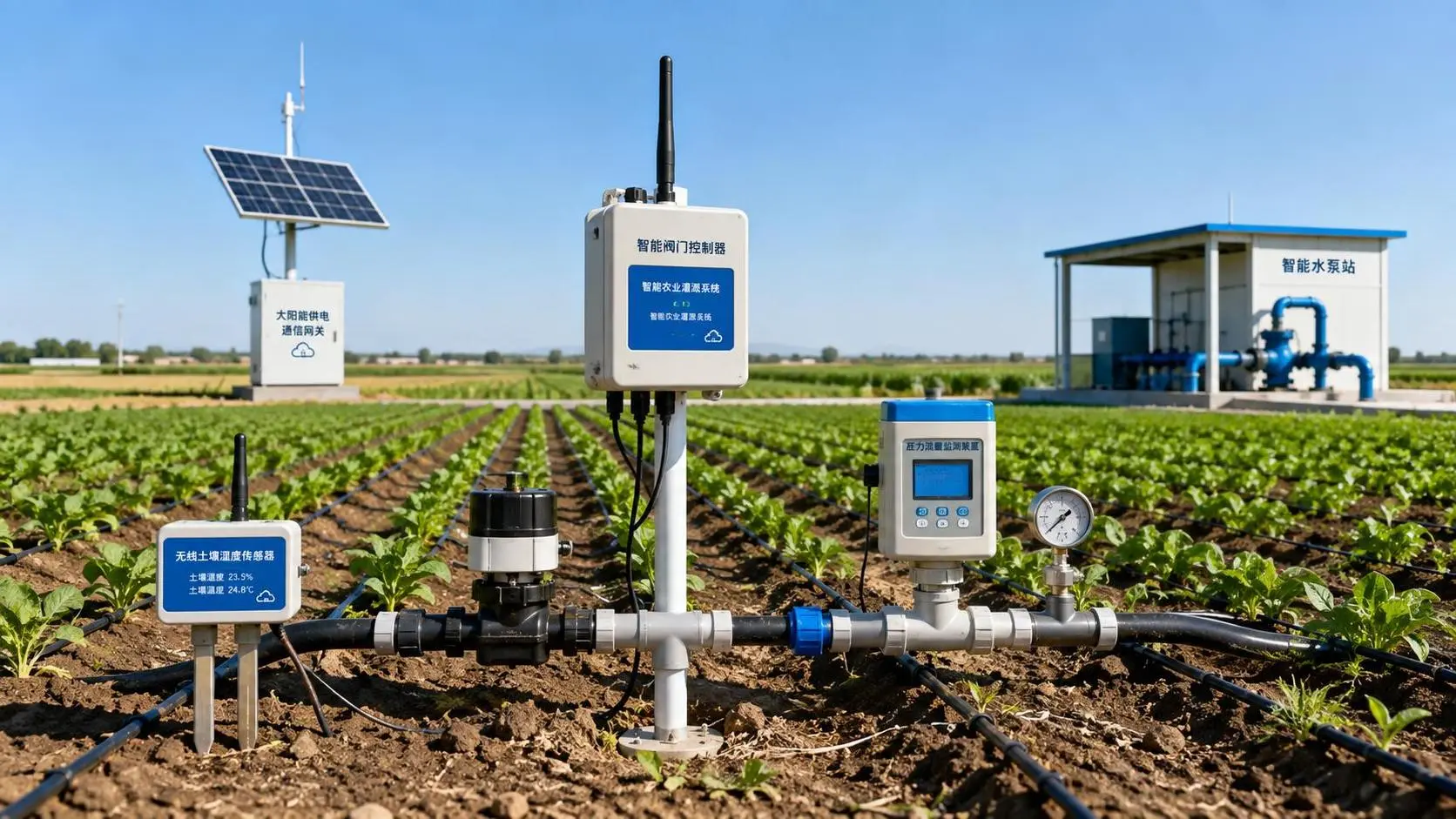
Wireless Agricultural Automation for Remote Irrigation and Field Monitoring
Agricultural automation wireless solutions improve remote irrigation with reliable field data, local control, flow verification, and smarter monitoring. Explore resilient deployment strategies.

Agricultural Product Information Market Guide: Key Data for Sourcing Decisions
Agricultural product information market guide for smarter sourcing—compare machinery, irrigation, precision tools, lifecycle costs, and supplier risk.

Large-Scale Farm Equipment Cost Comparison: Price, Fuel, and Lifecycle Value
Large-scale farm equipment cost comparison: evaluate price, fuel, maintenance, downtime, and lifecycle value to choose tractors, combines, irrigation, and smart tools with confidence.

A Procurement Specification Preparation Example for Buying Farm Equipment
Procurement specification preparation example for farm equipment: learn to define requirements, compare suppliers, control lifecycle costs, and buy with confidence.

What Tractor Horsepower Is Needed for a Three-Bottom Moldboard Plow?
What tractor horsepower is needed for three-bottom moldboard plow? Compare 60–100 hp needs by soil, depth, traction, and plow width for a confident equipment match.
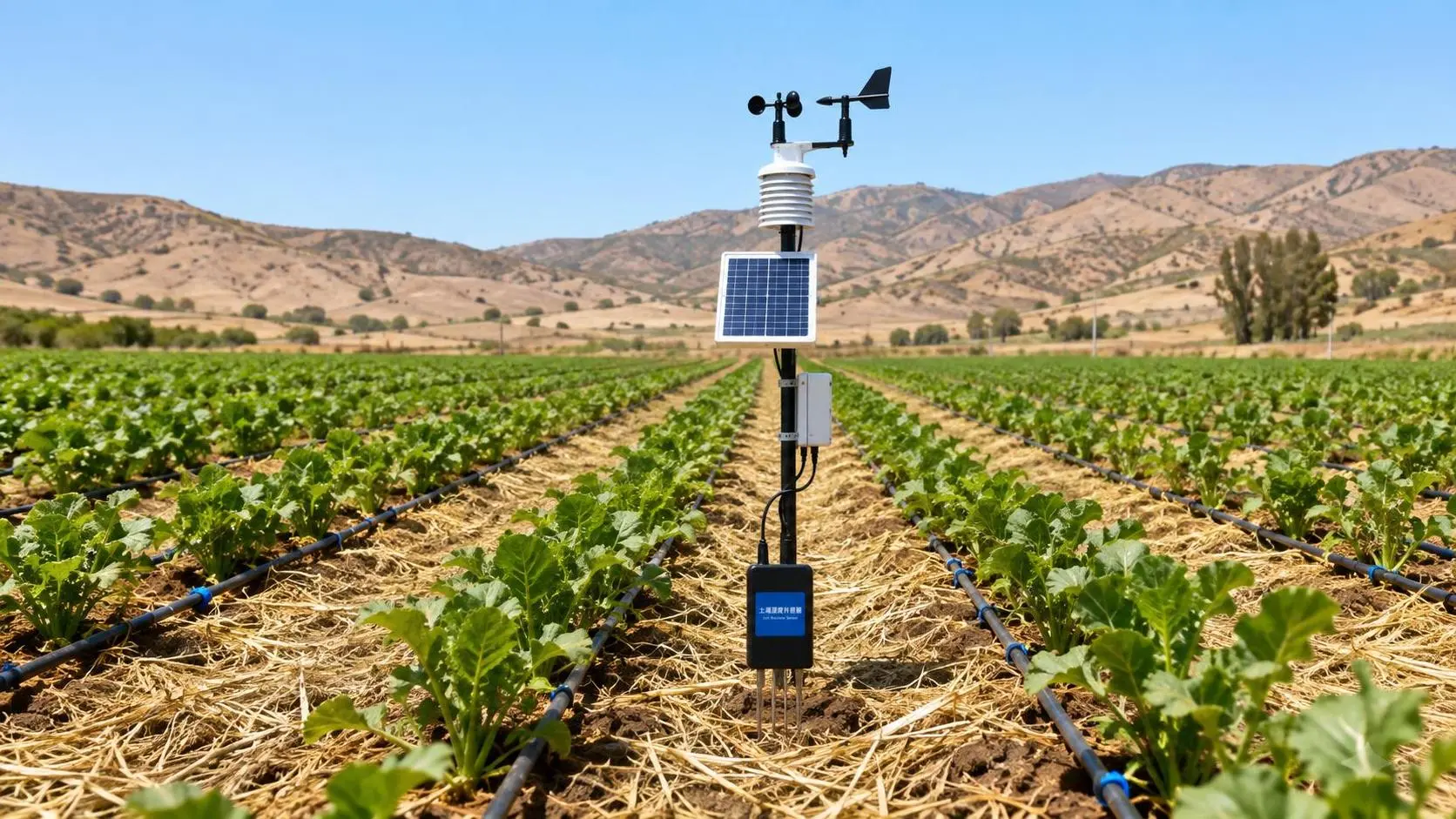
How Does Climate-Smart Farming Reduce Water Use in Semi-Arid Areas?
How does climate-smart farming reduce water use in semi-arid zones? Discover precision irrigation, soil monitoring, and smarter crop planning for resilient yields.

Can Sustainable Farming Be Profitable Without Reducing Yields?
Are sustainable farming practices profitable without yield loss? Discover precision strategies that cut waste, protect yields, and improve farm margins.
Related News
- 00
0000-00
How Tractor Intelligence Systems Improve Field Efficiency and Input Accuracy - 00
0000-00
China’s Temporary Helium Export Ban Reshapes Irrigation Supply Chains - 00
0000-00
Tianjin to Host 2026 China Farm Machinery Expo - 00
0000-00
Guangxi Subsidy Plan Signals Smarter Farm Machinery Supply Shift - 00
0000-00
EU Rule Takes Effect for GPS Guidance System Imports
Popular Tags
Tractor Power Architect
Weekly Insights
Stay ahead with our curated technology reports delivered every Monday.