
MOFCOM June 4 Briefing on Export Compliance and Green Trade





On June 4, 2026, China’s Ministry of Commerce held a press briefing focused on export compliance and green trade system innovation. The briefing highlighted progress in building a green trade standards framework, the expansion of pilot guidance for carbon footprint accounting by export enterprises, and an optimization plan for RCEP rules of origin covering agricultural machinery equipment. For exporters of high-value-added equipment such as agricultural machinery and smart irrigation systems, these policy signals matter because they may affect certification pathways, preparation of low-carbon claims, and the efficiency of tariff preference use in ASEAN markets. They also provide overseas distributors with an important reference point for assessing the long-term compliance capabilities of Chinese partners.
Image Placement Plan
No image placeholders were requested for this article. The page can be published in a text-focused format suitable for a policy and regulatory news section.
Confirmed Facts from the June 4 Briefing
According to the event information provided, the Ministry of Commerce of China held a news briefing on June 4, 2026. The briefing introduced three confirmed topics: progress in the construction of a green trade standards system, the expansion of pilot guidance for carbon footprint accounting for export enterprises, and an optimization plan for rules of origin for agricultural machinery equipment under RCEP.
The provided summary also states that these developments will directly affect exporters of agricultural machinery, smart irrigation equipment, and other high-value-added equipment in three areas: certification pathways, preparation of low-carbon declarations, and tariff preference efficiency in ASEAN markets. In addition, the policy direction was described as an important signal for overseas distributors when evaluating the long-term compliance strength of Chinese business partners.
How Different Industry Participants May Be Affected
Direct trading enterprises
Export-oriented trading companies are affected because the briefing directly addressed export compliance, carbon footprint accounting guidance, and RCEP origin rule optimization. The most relevant stages are product export documentation, origin qualification review, customer declarations, and customs-related preference application. These companies should closely watch how certification routes may change, how low-carbon statements should be prepared, and whether origin determination processes become more efficient for target ASEAN markets.
Raw material procurement enterprises
Companies involved in sourcing materials and components may be affected because carbon footprint accounting and low-carbon claims typically depend on upstream data quality and document consistency. The impact is concentrated in supplier data collection, material traceability, and supporting documentation for downstream exporters. These enterprises should pay attention to whether buyers begin requesting more detailed environmental data, origin-related material information, or stronger evidence that supports export compliance files.
Manufacturing enterprises
Manufacturers of agricultural machinery, smart irrigation equipment, and other high-value-added equipment are directly affected because product compliance is closely linked to certification preparation, technical file organization, and origin qualification support. The most relevant links are production records, bill of materials management, testing and reporting coordination, and export declaration readiness. These companies should monitor developments in green trade standards, the practical application of carbon footprint accounting guidance, and the documentation implications of optimized RCEP origin rules.
Supply chain service enterprises
Supply chain service providers, including logistics coordinators, trade compliance support firms, and documentation service companies, may be affected because clients will likely require more coordinated handling of origin records, declaration materials, and compliance review workflows. The main impact points are document management, cross-party coordination, customs support, and delivery planning. These service providers should follow changes in compliance expectations, document review standards, and the timing needed to secure tariff treatment and support low-carbon claims.
What Companies Should Prioritize Now
Review certification and compliance documentation paths
Companies should reassess whether existing export documentation, product compliance files, and customer-facing declarations are aligned with a policy environment that is placing greater emphasis on green trade standards and export compliance. For equipment exporters, this includes checking whether current certification preparation workflows can support stricter or more structured downstream review.
Strengthen carbon footprint data preparation
Because the briefing highlighted an expanded pilot for carbon footprint accounting guidance for export enterprises, businesses should prepare for closer scrutiny of emissions-related data and supporting materials. This is particularly relevant for firms making low-carbon statements in export transactions or responding to buyer requests for sustainability-related evidence.
Recheck origin documentation under RCEP
Enterprises involved in agricultural machinery equipment exports should examine how the optimization plan for RCEP rules of origin may affect internal origin determination, supporting documents, and tariff preference application efficiency in ASEAN markets. Even before detailed implementation practice becomes clearer, companies can begin by reviewing document completeness and interdepartmental coordination.
Improve supplier qualification and traceability management
As compliance expectations move beyond the final product and into the supporting supply chain, exporters and manufacturers should strengthen supplier qualification checks, traceability records, and document retention practices. This can help support both origin-related claims and low-carbon declaration preparation, while also improving confidence among overseas distributors assessing long-term partner reliability.
Editorial View: Why This Briefing Matters Beyond One News Cycle
Analysis shows that the significance of this briefing lies not only in the topics announced, but in the direction of trade governance it reflects. Green trade standards, carbon footprint accounting guidance, and origin rule optimization are all mechanisms that influence market access efficiency through compliance quality rather than through simple volume expansion.
From an industry perspective, this should be understood as a signal that export competitiveness for higher-value equipment is becoming more documentation-driven, standards-sensitive, and process-dependent. Observably, overseas channel partners are likely to place increasing weight on whether Chinese suppliers can provide stable certification support, credible low-carbon statements, and efficient origin-based tariff documentation.
What deserves closer attention is that these areas are interconnected. A company’s readiness in supplier traceability, technical documentation, and export process control can affect not only one shipment, but also buyer confidence and long-term channel cooperation. It is more appropriate to understand this as a structural compliance issue rather than a short-term administrative adjustment.
Conclusion
The June 4, 2026 briefing by China’s Ministry of Commerce points to a continued integration of green standards, export compliance, and regional trade rule optimization. For agricultural machinery, smart irrigation equipment, and related exporters, the practical importance lies in better preparation for certification review, low-carbon declaration support, and more efficient use of RCEP tariff preferences. The overall impact should be assessed calmly and continuously, with attention to follow-up rules, implementation details, and buyer-side compliance expectations.
Source Note
This article is based on the following provided information: the June 4 briefing by the Ministry of Commerce focused on export compliance and green trade system innovation; the event date was 2026-06-04; and the briefing introduced progress in the green trade standards system, expanded pilot guidance for carbon footprint accounting by export enterprises, and an optimization plan for RCEP rules of origin for agricultural machinery equipment. The input further states that these developments will directly affect certification pathways, low-carbon declaration preparation, and tariff preference efficiency in ASEAN markets, while providing an important signal for overseas distributors evaluating the long-term compliance capabilities of Chinese partners.
Relevant source types may include official ministry briefings, regulatory interpretations, customs and trade rule updates, certification guidance materials, and industry feedback. Specific official source links were not provided in the input and should be verified continuously. Readers should continue to monitor detailed policy measures, certification interpretations, tender document changes, and market feedback.
Related News
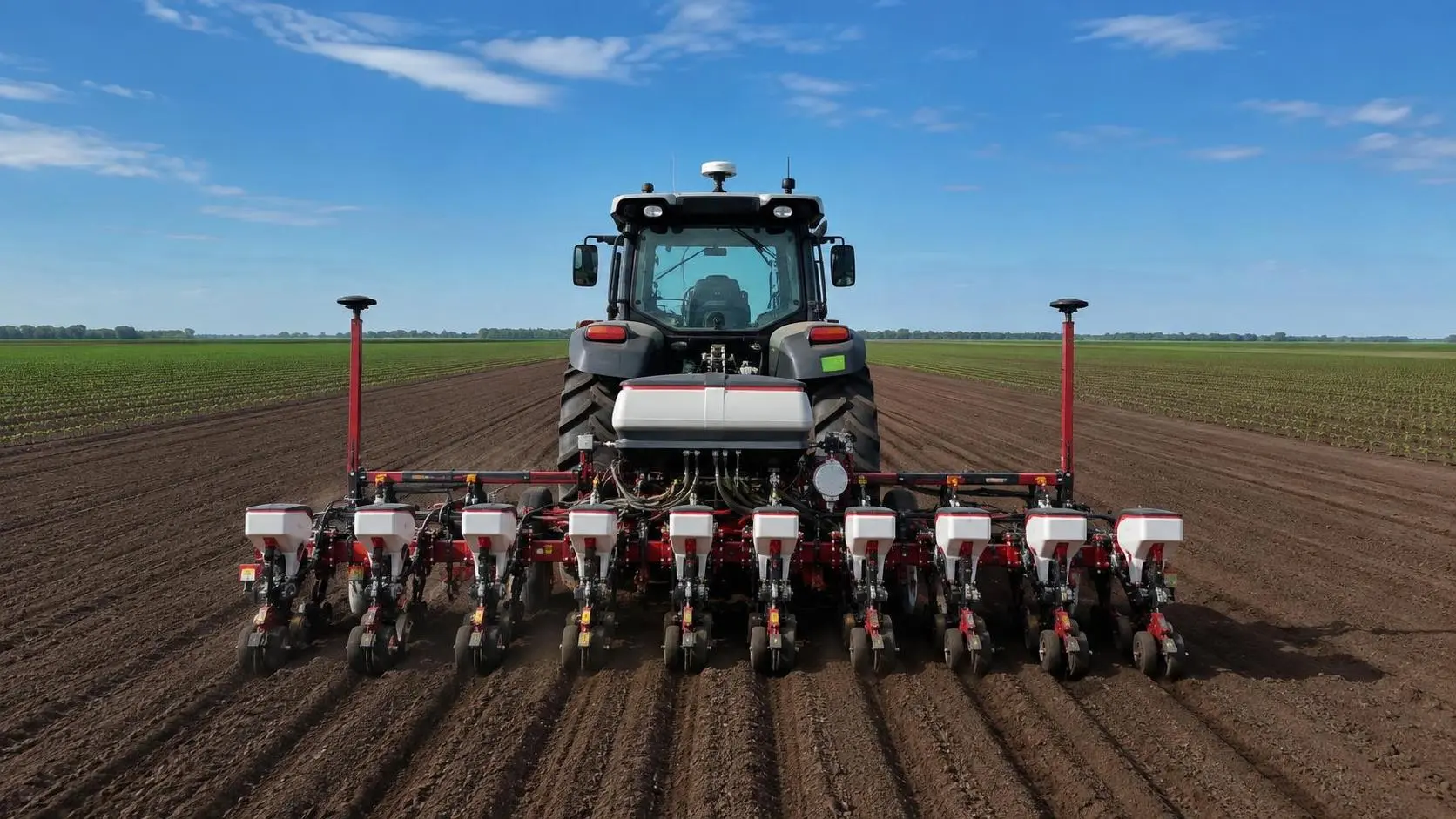
How Tractor Intelligence Systems Improve Field Efficiency and Input Accuracy
Agricultural machinery intelligence for tractors improves field efficiency, input accuracy, data traceability, and implement control. Explore smarter evaluation strategies.

How to Evaluate Crop Monitoring System Manufacturers for Large-Scale Farms
Compare crop monitoring systems manufacturers for large-scale farms. Evaluate data quality, integration, durability, lifecycle costs, support, and pilots for smarter decisions.
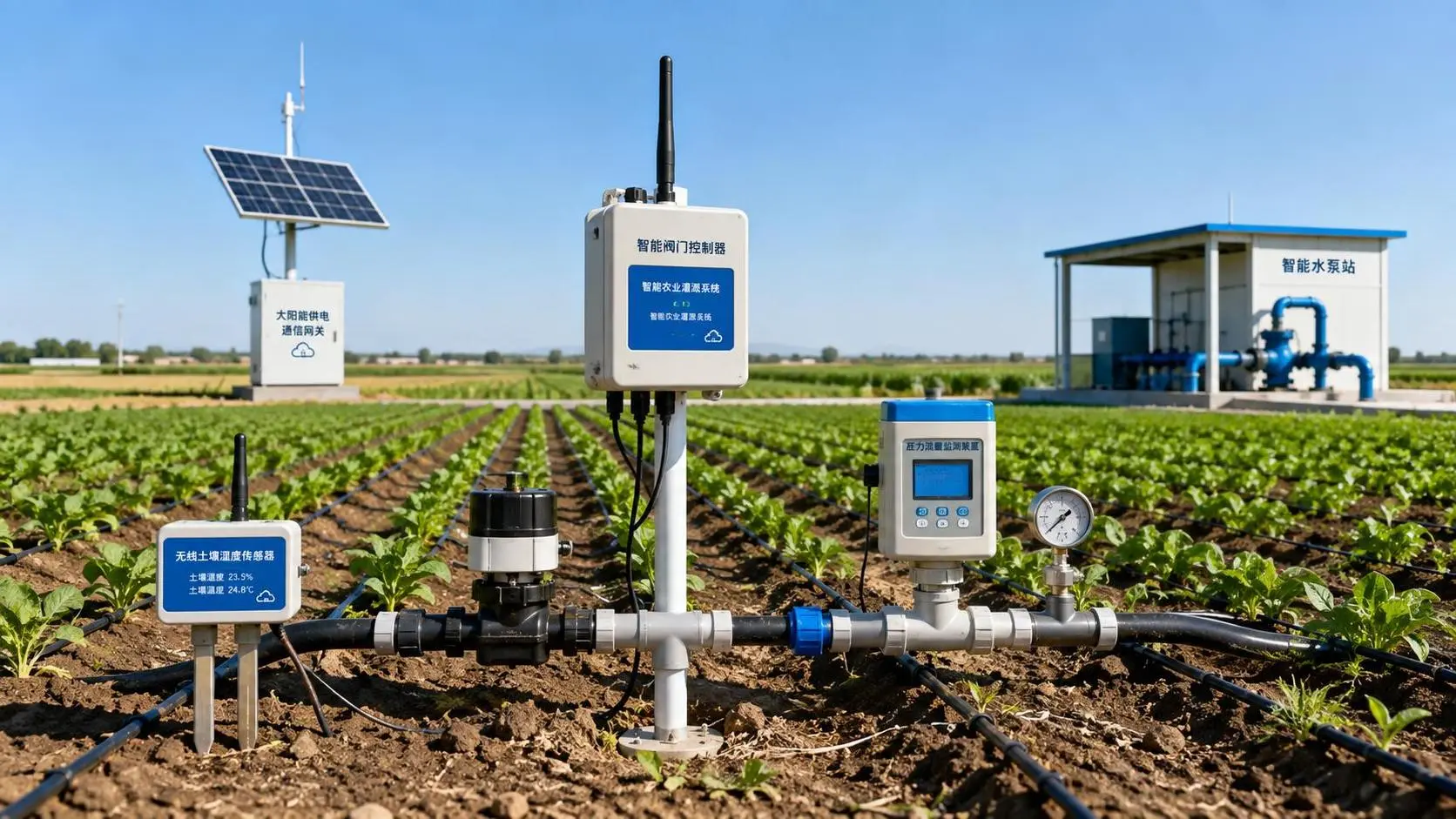
Wireless Agricultural Automation for Remote Irrigation and Field Monitoring
Agricultural automation wireless solutions improve remote irrigation with reliable field data, local control, flow verification, and smarter monitoring. Explore resilient deployment strategies.

Agricultural Product Information Market Guide: Key Data for Sourcing Decisions
Agricultural product information market guide for smarter sourcing—compare machinery, irrigation, precision tools, lifecycle costs, and supplier risk.

Large-Scale Farm Equipment Cost Comparison: Price, Fuel, and Lifecycle Value
Large-scale farm equipment cost comparison: evaluate price, fuel, maintenance, downtime, and lifecycle value to choose tractors, combines, irrigation, and smart tools with confidence.

A Procurement Specification Preparation Example for Buying Farm Equipment
Procurement specification preparation example for farm equipment: learn to define requirements, compare suppliers, control lifecycle costs, and buy with confidence.

What Tractor Horsepower Is Needed for a Three-Bottom Moldboard Plow?
What tractor horsepower is needed for three-bottom moldboard plow? Compare 60–100 hp needs by soil, depth, traction, and plow width for a confident equipment match.
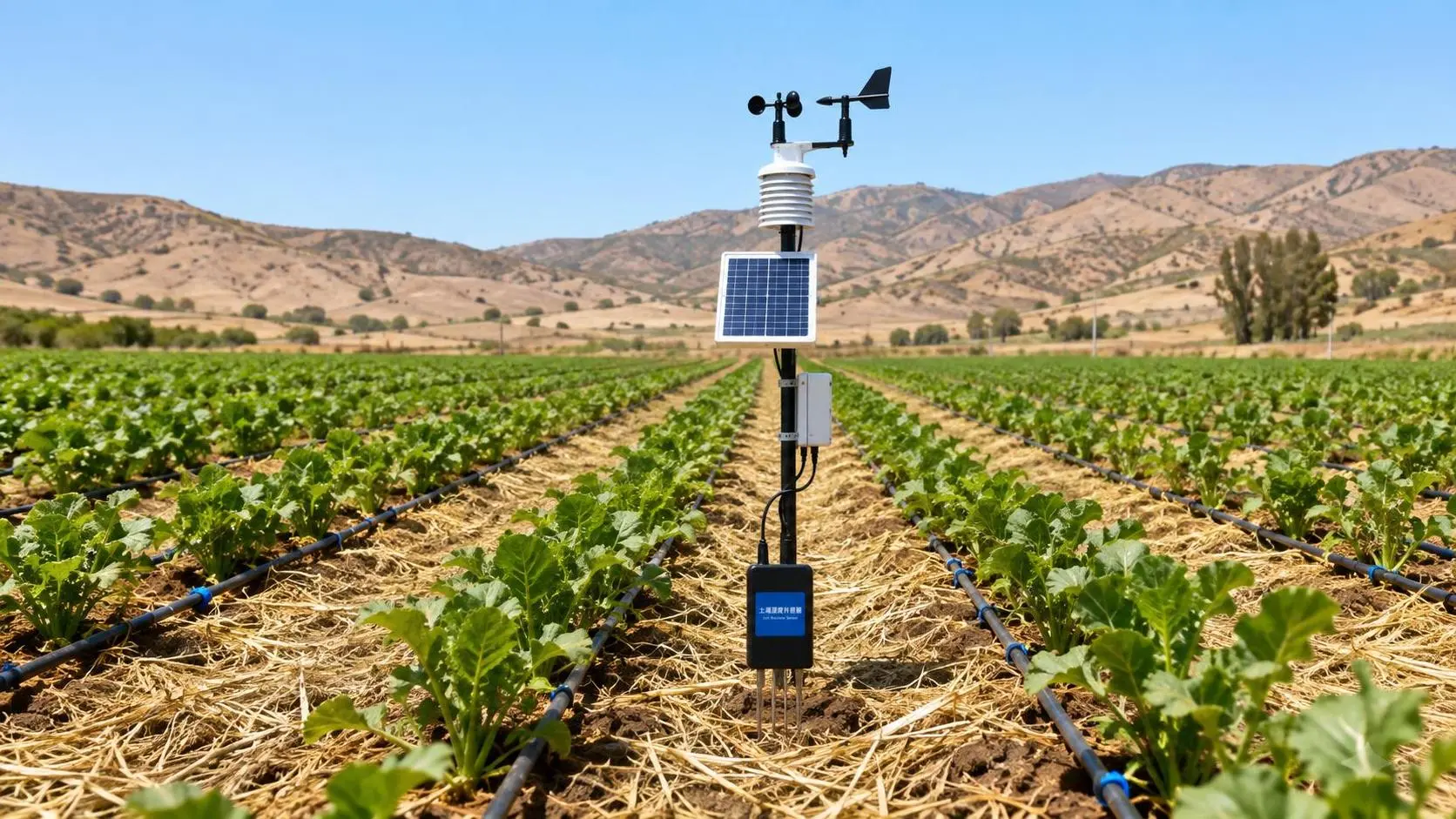
How Does Climate-Smart Farming Reduce Water Use in Semi-Arid Areas?
How does climate-smart farming reduce water use in semi-arid zones? Discover precision irrigation, soil monitoring, and smarter crop planning for resilient yields.
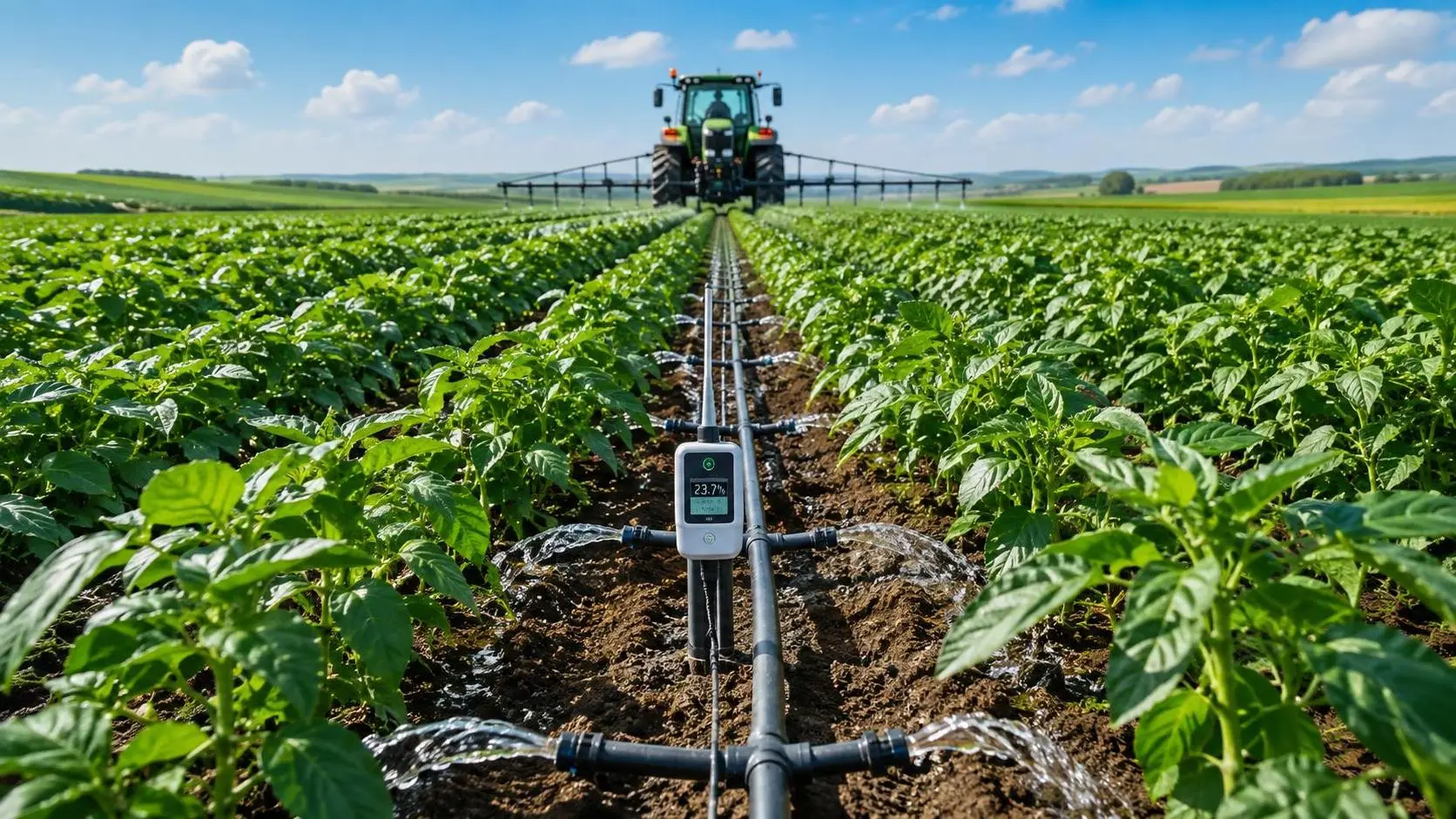
Can Sustainable Farming Be Profitable Without Reducing Yields?
Are sustainable farming practices profitable without yield loss? Discover precision strategies that cut waste, protect yields, and improve farm margins.
Related News
- 00
0000-00
How Tractor Intelligence Systems Improve Field Efficiency and Input Accuracy - 00
0000-00
China’s Temporary Helium Export Ban Reshapes Irrigation Supply Chains - 00
0000-00
Tianjin to Host 2026 China Farm Machinery Expo - 00
0000-00
Guangxi Subsidy Plan Signals Smarter Farm Machinery Supply Shift - 00
0000-00
EU Rule Takes Effect for GPS Guidance System Imports
Popular Tags
Tractor Power Architect
Weekly Insights
Stay ahead with our curated technology reports delivered every Monday.