
Which agricultural automation tools save the most labor?
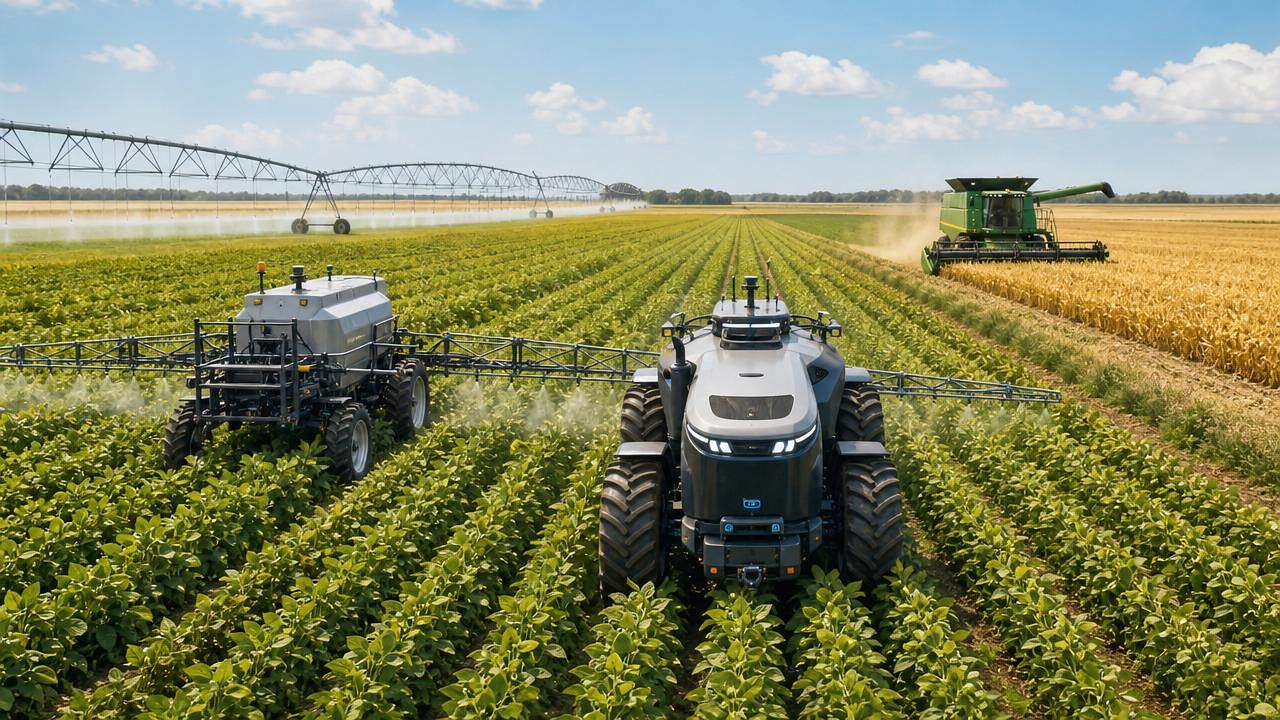




For procurement teams evaluating modern farm investments, choosing the right agricultural automation tools can dramatically reduce labor needs while improving uptime, accuracy, and operating costs. From autonomous tractors and precision sprayers to intelligent irrigation controls and harvest optimization systems, understanding where automation delivers the highest workforce savings is essential for smarter sourcing and long-term productivity.
In large-scale farming, labor pressure rarely comes from one task alone. It usually builds across 5 core areas: field preparation, planting, crop care, irrigation, and harvest logistics. For buyers comparing equipment platforms, the most valuable automation is not always the most advanced on paper. It is the system that removes repetitive labor, reduces operator dependence, and performs reliably over 2 to 3 seasons with manageable service demands.
For procurement decision-makers, this means looking beyond headline features. The best agricultural automation tools save labor in three measurable ways: fewer machine hours per hectare, fewer people required per shift, and fewer corrective interventions during critical field windows. Those gains matter even more when labor costs rise 10% to 20% year over year or when harvest timing is compressed into 7 to 14 days.
Where farm labor is lost first
Before comparing technologies, buyers should identify where labor is actually consumed. In broadacre operations, the heaviest labor drain often comes from machine driving, refilling, scouting, irrigation checks, and harvest coordination. In mixed crop regions, one missing operator during peak season can delay spraying by 24 to 48 hours or stretch harvest losses beyond acceptable thresholds.
Five high-labor activity zones
- Primary tillage and repetitive field passes over large acreage
- Planting and input placement requiring steady speed and row accuracy
- Spraying, especially under narrow weather windows
- Irrigation monitoring across dispersed plots or water-stressed zones
- Harvest operations where timing, grain loss, and transport alignment matter
These activity zones are where agricultural automation tools usually produce the clearest labor return. If a solution cuts one operator per machine, reduces manual checking frequency from 4 times per day to 1 time per day, or removes late-night field supervision, labor savings become visible within the first full production cycle.
Which agricultural automation tools usually save the most labor
Not all automation produces equal workforce savings. Some systems improve accuracy but only slightly reduce labor. Others directly replace repetitive human involvement. For sourcing teams, the most labor-efficient agricultural automation tools usually fall into four categories: autonomous guidance, automated application systems, smart irrigation control, and harvest optimization technology.
Autonomous tractors and guidance packages
Steering automation and autonomous tractor functions typically deliver strong labor reduction in field preparation, seeding, and repetitive towing tasks. Even when full autonomy is not deployed, high-accuracy guidance can reduce operator fatigue over 8 to 12 hour shifts and improve overlap control to within 2.5 cm to 5 cm, depending on signal quality and correction method.
For procurement, the practical benefit is not only fewer skilled drivers. It is also faster onboarding of seasonal labor, fewer missed rows, and less need for rework. On large tracts, one supervisor can sometimes oversee 2 machines where manual driving previously required 2 dedicated operators.
Precision sprayers and section control
Spraying automation saves labor by reducing repeated passes, refill errors, and manual boom management. Auto-section control, rate control, and path guidance are especially valuable when operating widths exceed 24 m to 36 m. The larger the boom and the tighter the weather window, the higher the labor value of automation.
In many procurement cases, labor savings come from fewer support interventions rather than fewer machines. A more automated sprayer often reduces adjustment stops, misapplication claims, and supervisor oversight. That becomes critical when one agronomy team supports multiple farms or contract operations across wide service territories.
Intelligent irrigation controls
Among all agricultural automation tools, smart irrigation often delivers some of the most underestimated labor savings. Remote valve control, pressure monitoring, soil moisture sensing, and schedule automation can cut field inspection trips dramatically. Instead of sending staff across 10 to 20 irrigation blocks every day, teams can act only on alerts, threshold breaches, or maintenance exceptions.
For water-saving systems, buyers should focus on automation that links sensor feedback with operational decisions. A dashboard that only displays moisture is useful, but a platform that triggers zone-specific irrigation events and leak alerts saves more labor. In practice, this can reduce manual checking frequency by 50% to 75% during stable weather periods.
Harvest optimization and combine support systems
Harvest remains one of the most labor-sensitive operations because timing losses compound quickly. Combine automation that adjusts speed, cleaning settings, or loss monitoring can reduce operator burden and maintain stable performance in changing crop conditions. The labor benefit is strongest when farms run multiple combines over a short 10 to 21 day harvest window.
This type of automation does not always eliminate headcount directly, but it lowers the skill threshold for operators and reduces dependence on a small number of top-tier drivers. That matters for procurement teams trying to scale capacity without overexposure to labor availability risk.
The comparison below shows where labor savings are typically strongest when evaluating agricultural automation tools across major farm functions.
The key takeaway is that irrigation automation and guidance-based field automation often show the clearest direct labor reduction, while sprayer and combine systems add both labor savings and process stability. The highest-return mix depends on acreage, crop rotation, and whether labor shortages hit field work, technical supervision, or harvest execution hardest.
How procurement teams should evaluate labor-saving value
Purchase price alone does not show whether agricultural automation tools will pay back through labor reduction. Buyers need a practical framework that converts automation features into operational outcomes. In most farm equipment tenders, 4 evaluation dimensions are more useful than a simple cost comparison: labor displacement, uptime impact, training burden, and integration complexity.
1. Measure labor per task, not labor per machine
A smart machine can appear expensive until labor is measured at task level. For example, irrigation automation may not replace a full-time employee on paper, but it can remove 2 to 4 hours of daily travel and inspection. Over a 120 day irrigation season, that becomes a meaningful labor reallocation.
2. Check whether the tool reduces exceptions
The best agricultural automation tools do not just automate routine work. They also reduce exceptions such as nozzle blockages, pressure drops, guidance drift, or grain loss changes. Exception reduction matters because unplanned interventions consume the most costly labor, especially when they happen at night, during storms, or across remote fields.
3. Evaluate training time and skill dependency
A system that requires 3 to 5 days of advanced training for every operator may save less labor than a simpler platform that can be learned in 6 to 8 hours. Procurement should ask vendors how long setup, onboarding, and troubleshooting actually take. In many B2B farm deployments, usability determines whether automation value is realized or delayed.
4. Verify compatibility with current machinery and data systems
Labor savings are weakened when automation tools create parallel workflows. If a guidance package, irrigation controller, and harvest data system cannot share maps, alerts, or operator records, managers spend more time reconciling information. Integration should therefore be treated as a labor variable, not only an IT issue.
A structured scorecard can help sourcing teams compare agricultural automation tools across labor, implementation, and service factors before final vendor selection.
This scorecard often reveals that the cheapest option is not the strongest labor saver. A tool with a higher initial price may still win if it reduces one seasonal operator, cuts support travel, or shortens machine downtime during critical windows.
Best-fit automation by farm scenario
Labor-saving priorities vary by production model. Procurement teams should match agricultural automation tools to field structure, crop type, water management intensity, and the availability of trained operators. One technology stack rarely fits every operation equally well.
Large broadacre grain farms
For grain operations covering several hundred to several thousand hectares, guidance automation, autonomous tractor features, and combine optimization usually rank highest. The main objective is to protect throughput during narrow field windows. Even a 5% improvement in operating consistency can reduce pressure on labor scheduling and contractor dependence.
Input-intensive row crop systems
Where spraying and fertilizer placement drive labor intensity, precision sprayers and automated application control often produce the fastest gains. These tools help maintain coverage quality while limiting repeat visits. Procurement should compare refill logistics, auto-calibration functions, and field record capture in addition to boom width or tank size.
Water-constrained and irrigated operations
In irrigated environments, labor value often shifts away from machine driving and toward monitoring. Intelligent irrigation controls can be more transformative than another powered field unit. Remote alarms, zone-level automation, and pressure diagnostics help lean teams manage larger service areas without daily manual checks.
A practical selection rule
If a farm’s labor bottleneck occurs more than 3 times per week in the same process, that process is usually a priority candidate for automation. If the bottleneck appears only a few days per season, buyers should compare rental, retrofit, or phased deployment options before full-scale purchase.
Implementation risks that can erase labor savings
Even strong agricultural automation tools can underperform if rollout is poorly managed. In procurement reviews, labor-saving value is commonly lost through weak commissioning, limited operator adoption, and unclear maintenance responsibility. These are operational risks, not product flaws alone.
Common rollout mistakes
- Buying advanced features that the current team cannot use in season one
- Ignoring network coverage, correction signal access, or power reliability
- Failing to define who handles calibration, alerts, firmware, and seasonal setup
- Deploying across all units at once instead of using a 1 to 2 site validation phase
A phased implementation often protects return better than immediate full deployment. For example, one irrigation block, one sprayer, or one combine fleet segment can be used as a 30 to 90 day validation unit. Procurement then has a real baseline for labor hours, downtime events, and training needs before scaling.
Service and maintenance questions buyers should ask
Ask vendors to define preventive maintenance intervals, sensor replacement cycles, software support paths, and expected spare part availability during peak season. A system that saves 2 labor hours per day but requires frequent manual recalibration may not deliver the expected result at farm level.
For AP-Strategy’s audience in large-scale machinery, combine harvesting, tractor chassis, intelligent farm tools, and water-saving irrigation systems, the strongest sourcing decisions are usually those that combine field performance with service realism. Labor savings only hold if machines stay operational when planting, spraying, or harvest timing is least forgiving.
What procurement teams should prioritize now
If the goal is maximum labor reduction, start with agricultural automation tools that remove routine supervision and repetitive machine control. In many operations, that means first reviewing guidance automation, smart irrigation controls, and application systems with auto-rate or section management. These categories often show clearer labor impact than isolated analytics tools without operational control functions.
Buyers should request a 12 month operating model that includes installation time, training hours, maintenance steps, support response windows, and estimated labor reallocation. This makes it easier to compare suppliers on practical value rather than specification depth alone.
For organizations sourcing across multiple regions or crop systems, a phased portfolio approach is often more resilient than a single large order. Standardize the data and service framework first, then expand by task category where labor pressure is most expensive or most frequent.
The right agricultural automation tools do more than modernize equipment fleets. They help procurement teams secure uptime, reduce operator dependence, and support smarter capital allocation across the Agriculture 4.0 transition. To evaluate the best-fit solution for your acreage, crop environment, and service model, contact AP-Strategy to get a tailored sourcing framework, compare technology pathways, and explore more intelligent farm equipment solutions.
Related News
How to Evaluate Dynamic Feedback Algorithm Suppliers for Precision Farming Systems
Dynamic feedback algorithms supplier evaluation guide for precision farming—compare validation, integration, safety, and pilots to choose with confidence.
How to Specify Combine Harvester Systems for High-Moisture Grain and Variable Field Conditions
Combine harvester systems for high-moisture grain: learn how to specify threshing, cleaning, headers, traction, and automation for reliable harvests in variable fields.
How to Compare Agricultural Equipment Platforms for Fleet Management and ROI
Agricultural equipment platform comparison: evaluate fleet data, maintenance, precision workflows, and ROI to choose a system that delivers measurable results.
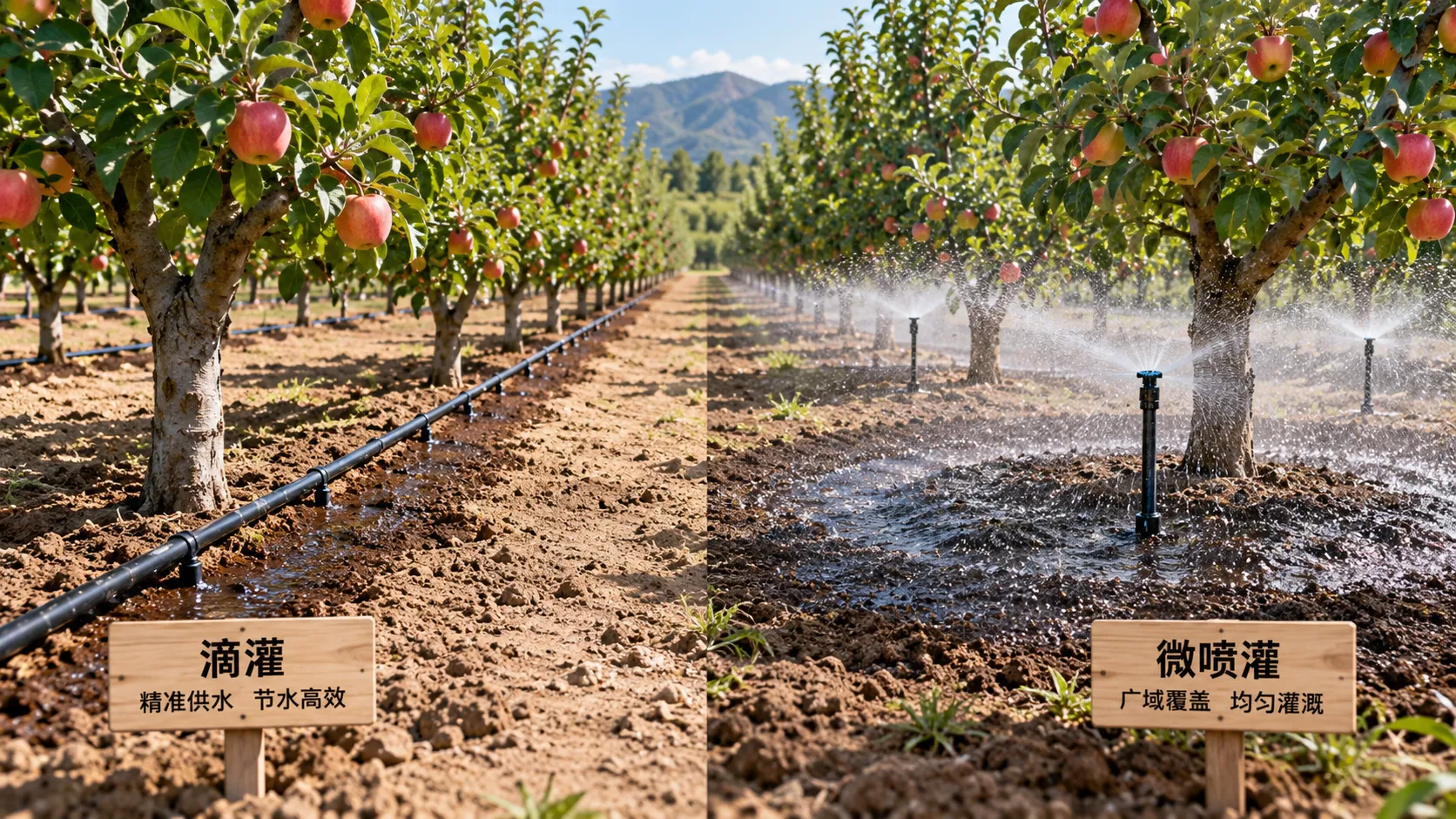
Drip vs. Micro-Sprinkler Irrigation: Which System Fits Your Orchard?
Irrigation solution comparison for orchards: discover whether drip or micro-sprinklers best match your water, soil, roots, fertigation, and frost needs.
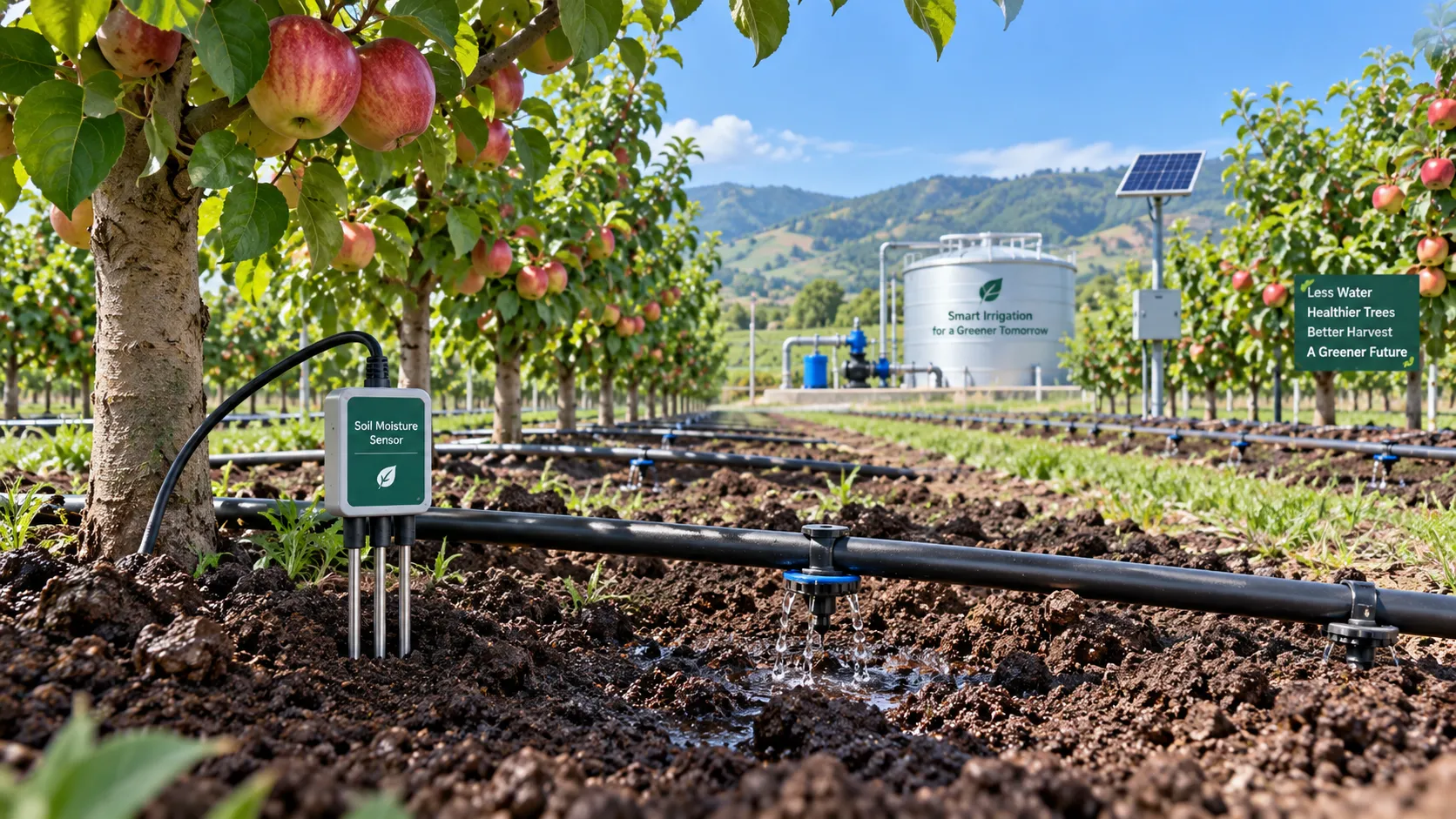
Orchard Water Management: Using Soil Moisture Data to Schedule Irrigation
Agricultural water management for orchards made practical: use soil moisture data to optimize irrigation timing, protect yield, reduce costs, and improve resilience.
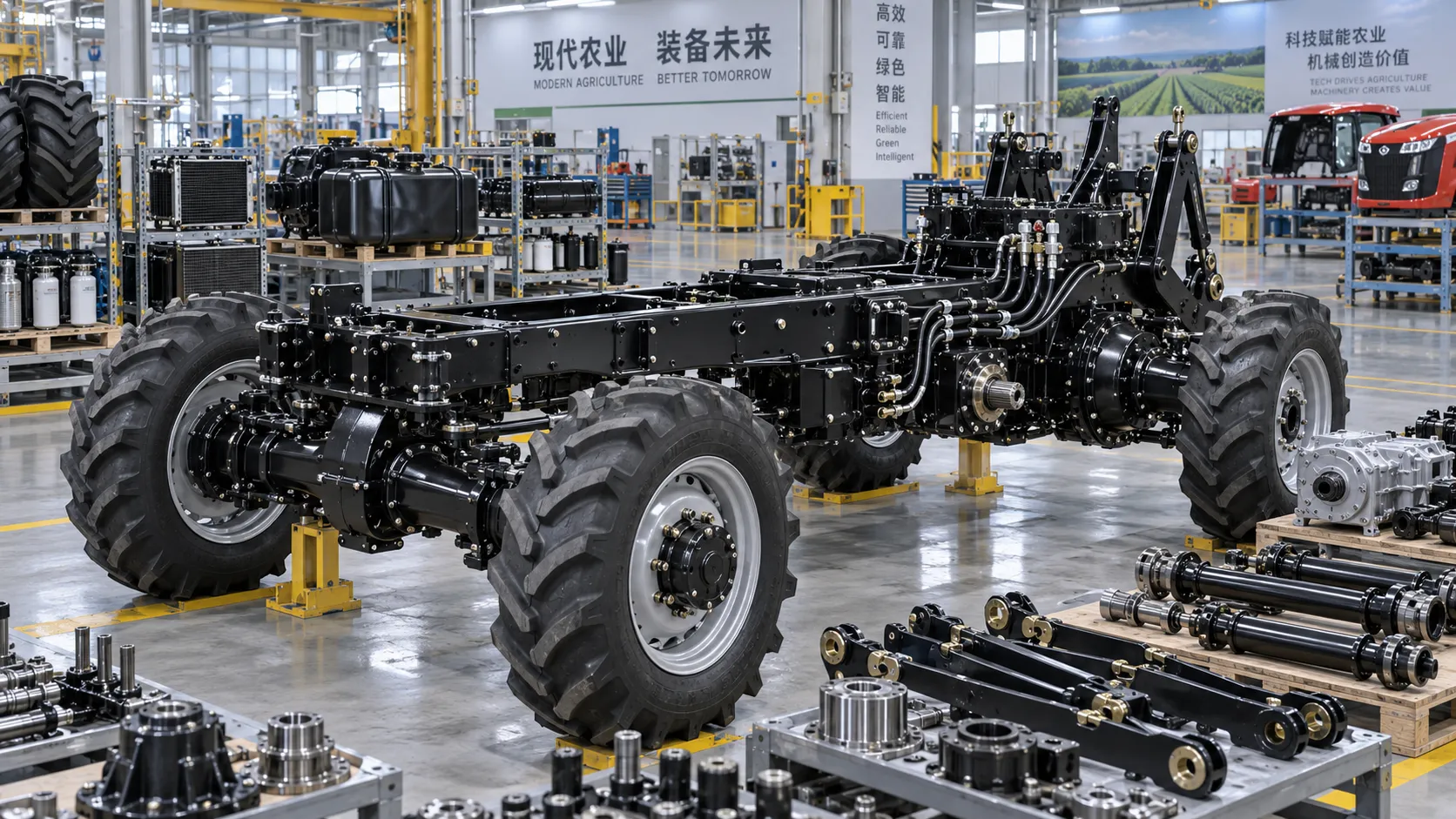
Tractor Chassis Price: What Buyers Should Compare Beyond the Initial Quote
Tractor chassis price is only the start. Compare load capacity, compatibility, durability, and lifecycle costs to choose a reliable, high-value chassis.
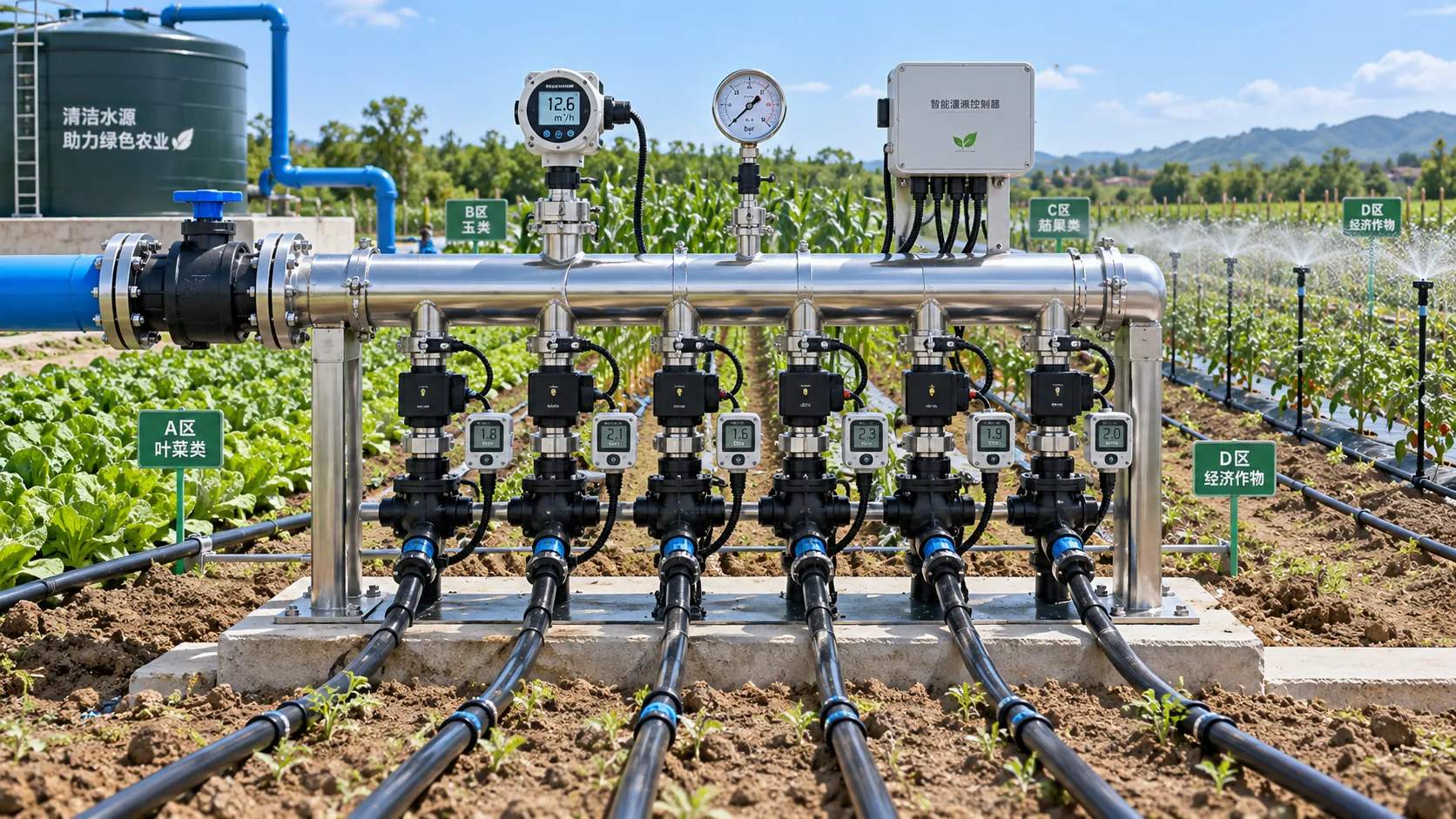
How to Select Smart Irrigation Valves for Multi-Zone Water Management?
Intelligent irrigation systems valves: learn how to match smart valves with multi-zone flow, pressure, control, feedback, and communication needs for reliable water management.
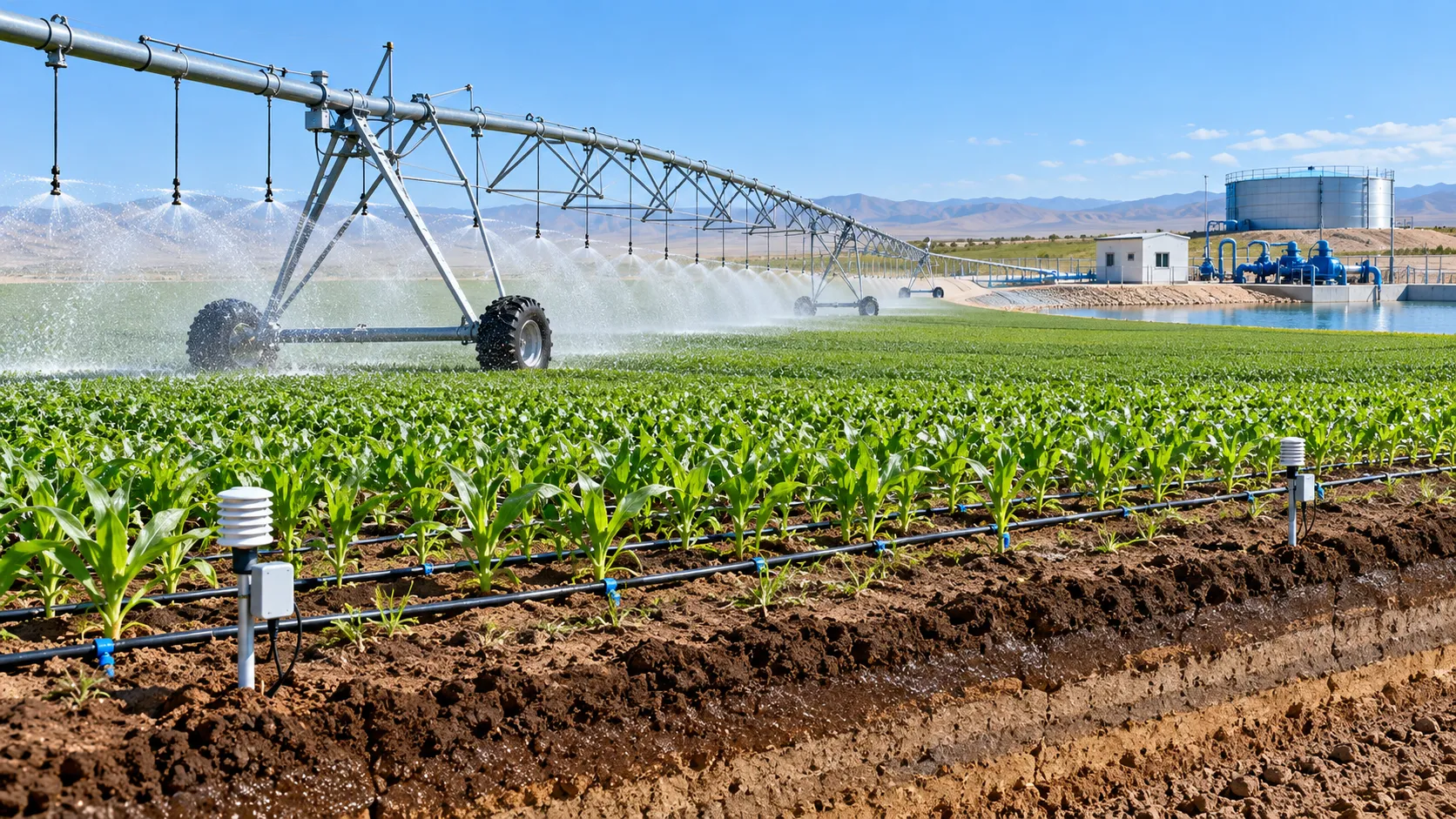
Climate-Smart Farming for Drought: A Practical Plan for Protecting Yields
Climate-smart farming for drought: build smarter water budgets, protect critical crop stages, improve irrigation uniformity, and safeguard yields with practical field-proven strategies.
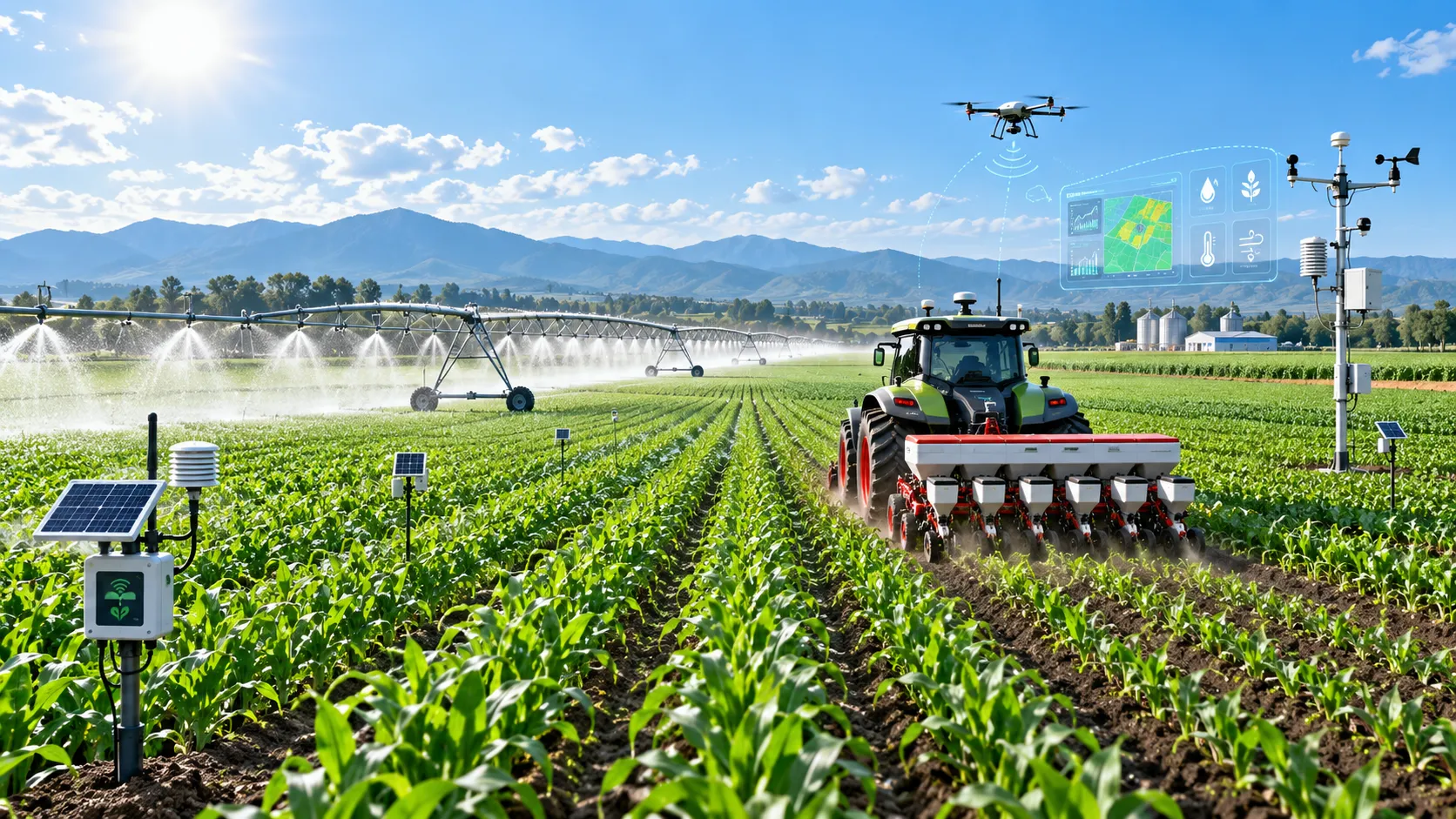
How Digital Agriculture Platforms Turn Field Data Into Better Input Decisions
Digital agriculture platforms turn field data into smarter fertilizer, water, seed, and equipment decisions—helping farms cut risk, improve margins, and scale sustainability.
Related News
- 00
0000-00
What separates robotic automation providers for equipment production? - 00
0000-00
Which field data collection provider fits an agricultural robotics program? - 00
0000-00
How Autonomous Machinery for Crop Scouting Helps Growers Detect Field Issues Earlier - 00
0000-00
How to Evaluate Autonomous Machinery for Vineyards by Terrain, Tasks, and ROI - 00
0000-00
Brazil ANVISA Rule Requires Portuguese Risk Labels for Farm Robots
Popular Tags
Tractor Power Architect
Weekly Insights
Stay ahead with our curated technology reports delivered every Monday.